
Ritual Masks and Puppetry in Indian Art: A Unique Cultural Expression

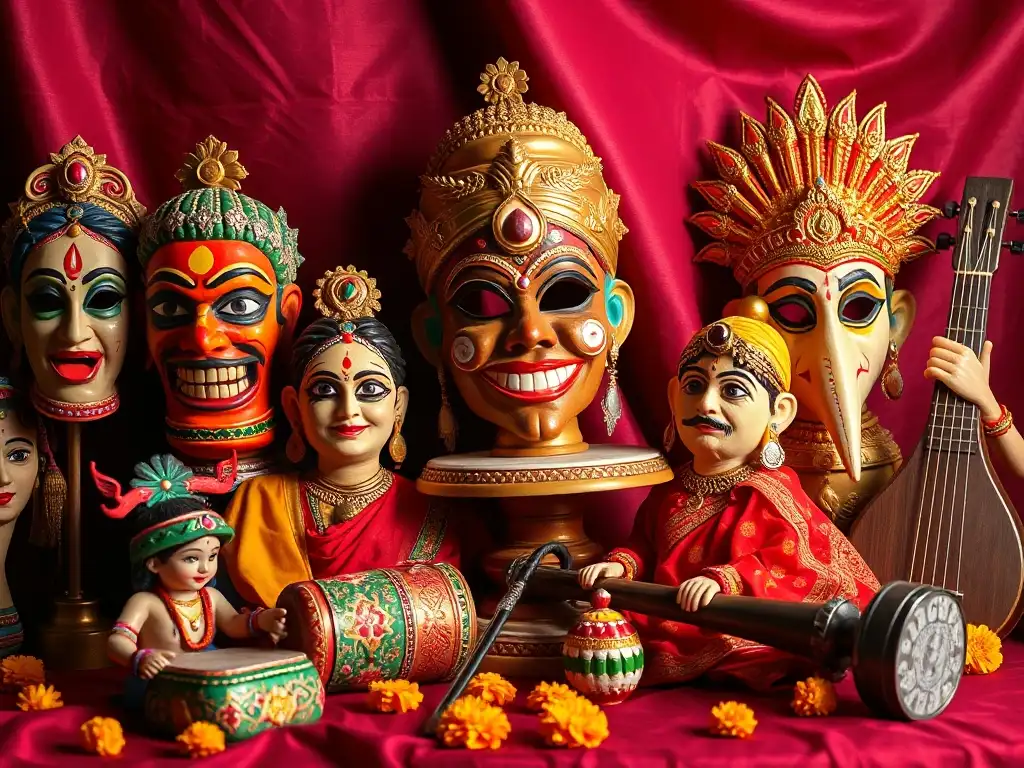
Welcome to Ancient India History! Here, we embark on an exhilarating journey through the vibrant tapestry of ancient Indian civilizations, celebrating their remarkable contributions to art, culture, and philosophy. In our featured article, "Ritual Masks and Puppetry in Indian Art: A Unique Cultural Expression," we delve into the fascinating world of Indian ritual masks and puppetry, uncovering the profound significance these artistic forms hold in the cultural heritage of India.
Get ready to explore the intricate stories and traditions that breathe life into these captivating creations, and discover how they reflect the soul of a civilization that has thrived for millennia. What secrets do these masks conceal? Continue reading to unveil the mysteries of this enchanting art form!
- Introduction to Indian Ritual Masks and Puppetry
- Historical Context of Indian Ritual Masks and Puppetry
- Types of Indian Ritual Masks
- The Art of Puppetry in India
- Rituals and Performances Featuring Masks and Puppets
- Techniques and Craftsmanship in Creating Indian Ritual Masks and Puppets
- Contemporary Relevance of Indian Ritual Masks and Puppetry
- Conclusion: The Enduring Legacy of Indian Ritual Masks and Puppetry
-
Frequently Asked Questions
- What are Indian ritual masks and their significance?
- How are puppetry and masks interconnected in Indian art?
- What materials are commonly used to create Indian ritual masks?
- In which festivals are ritual masks prominently used in India?
- How do Indian ritual masks and puppetry contribute to cultural preservation?
- Final Reflection: The Enduring Legacy of Indian Ritual Masks and Puppetry
- Discover the Magic of Indian Art Today!
Introduction to Indian Ritual Masks and Puppetry
The art of ritual masks and puppetry holds a significant place in the tapestry of Indian culture, reflecting the rich heritage and diverse traditions of the subcontinent. From the intricate carvings of the Indus Valley to the enchanting performances of the Gupta Empire, these art forms serve as a medium for storytelling, spiritual expression, and social commentary. The use of masks in rituals is not merely decorative; they embody deities, represent mythological narratives, and invoke the divine during ceremonial occasions. Similarly, puppetry, with its vibrant characters and engaging narratives, captivates audiences while preserving the oral traditions of various communities.
In this article, we will explore the unique cultural expressions that ritual masks and puppetry bring to Indian art. We will delve into their historical significance, the techniques employed in their creation, and the role they play in contemporary society. By examining these elements, we aim to shed light on how Indian ritual masks and puppetry not only reflect the ancient traditions but also continue to evolve, retaining their relevance in modern culture.
Understanding the Significance of Indian Art Forms
Indian art forms, including ritual masks and puppetry, are deeply intertwined with the spiritual and social fabric of the country. They serve as conduits for cultural expression, allowing communities to convey their values, beliefs, and historical narratives. The significance of these art forms can be understood through several key aspects:
- Cultural Preservation: Ritual masks and puppetry play a crucial role in preserving local traditions and folklore, ensuring that the rich history of various regions is passed down through generations.
- Spiritual Connection: Many masks are used in religious rituals and ceremonies, acting as a bridge between the tangible world and the divine. They are often seen as embodiments of gods or spirits, facilitating communication between humans and the sacred.
- Social Commentary: Puppetry, in particular, serves as a platform for social critique, addressing contemporary issues through satire and humor. This form of storytelling allows artists to engage with their audiences on pressing matters while entertaining them.
Overview of Cultural Expression through Masks and Puppetry
The cultural expression found in Indian ritual masks and puppetry is as diverse as the country itself. Various regions boast their unique styles and techniques, each contributing to a rich artistic heritage. Here are some notable examples:
- Kathakali Masks: Originating from Kerala, these masks are an integral part of the Kathakali dance-drama. They are meticulously crafted and painted to represent different characters, highlighting the emotional depth and complexity of the performances.
- Rajasthani Puppetry: Known for its vibrant colors and intricate designs, Rajasthani puppetry (or Kathputli) utilizes string puppets to narrate folk tales and legends, often accompanied by traditional music.
- Chhau Masks: Hailing from Eastern India, particularly Odisha and West Bengal, Chhau masks are used in a dance form that combines martial arts and storytelling, showcasing the region's rich mythological heritage.
Through these diverse expressions, Indian ritual masks and puppetry not only celebrate artistic creativity but also foster a sense of community and identity, connecting individuals to their cultural roots. As we dive deeper into this fascinating topic, we will uncover the stories behind these art forms and their enduring impact on Indian society.
Historical Context of Indian Ritual Masks and Puppetry
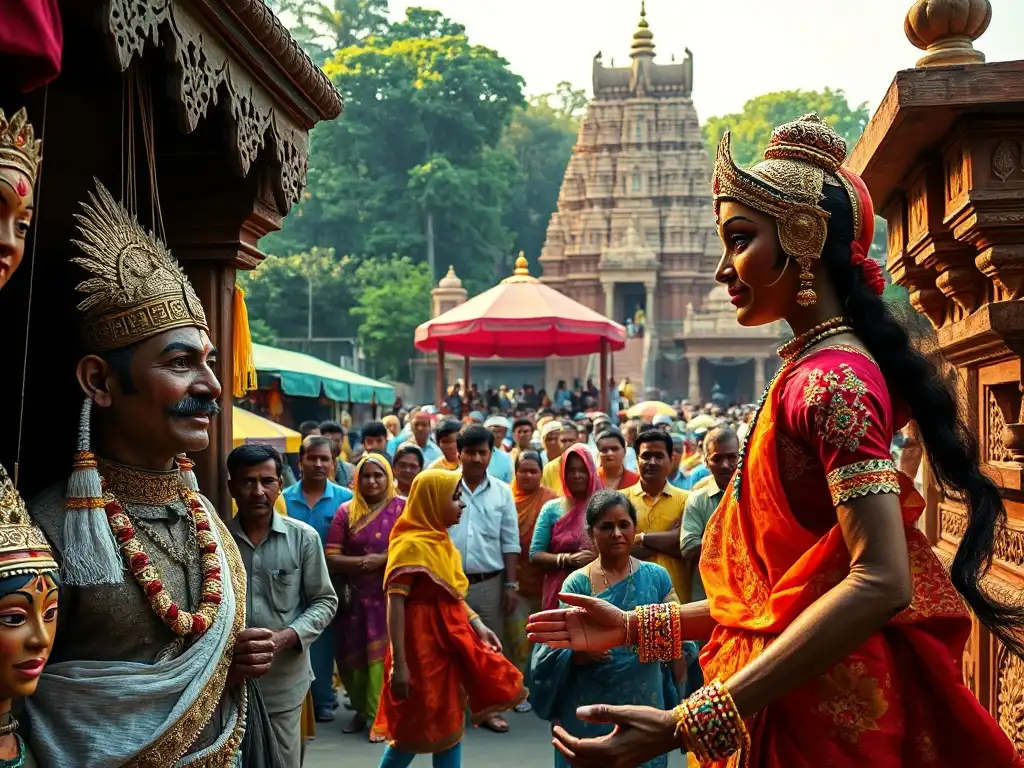
Origins of Ritual Masks in Indian Culture
The use of ritual masks in Indian culture can be traced back to ancient times. These masks were not merely decorative; they served profound spiritual and cultural purposes. Early forms of ritual masks were often created for use in religious ceremonies, dances, and theatrical performances, embodying the deities, spirits, or ancestors revered in various communities.
Significance in Ancient Practices
- Religious Ceremonies: Masks were integral to rituals aimed at invoking divine presence, often made from natural materials like wood, clay, or metal. They served as a bridge between the physical and spiritual realms.
- Cultural Identity: Each region in India has its unique style and significance for masks, reflecting the local culture and traditions. For instance, the masks used in Kathakali performances from Kerala are intricately designed and symbolize various characters from Hindu epics.
The roots of these practices can be found in the Indus Valley Civilization, where artifacts suggest the existence of masks in their rituals. Over centuries, these practices have evolved, influenced by the diverse cultures and traditions that have emerged across the subcontinent.
Evolution of Puppetry as a Traditional Art Form in India
Puppetry in India has a rich and varied history that dates back thousands of years, serving as both entertainment and a medium for storytelling. This art form has transformed significantly, influenced by historical events, cultural exchanges, and regional variations.
Types of Puppetry
- String Puppetry: Known as Kathputli, this form is prevalent in Rajasthan and involves puppets controlled by strings. The narratives often revolve around folklore and moral stories.
- Shadow Puppetry: In states like Karnataka and Tamil Nadu, shadow puppetry (known as Tayyam) employs flat puppets that cast shadows on a screen, narrating epics and folklore.
- Glove Puppetry: This form involves puppets that are worn on the puppeteer's hands, allowing for expressive movements and interactions.
The evolution of puppetry reflects the socio-political changes in India. During the Mughal era, for example, puppetry became a popular form of entertainment in royal courts, while also serving as a means of social commentary on the prevailing political climate.
Key Historical Periods Influencing Indian Masks and Puppetry
Several historical periods have significantly shaped the development of Indian ritual masks and puppetry, each contributing unique elements to this artistic expression.
Ancient Period
- The Vedic Age laid the foundational beliefs and rituals that influenced mask-making and puppet performances, embedding spiritual narratives in the arts.
Medieval Period
- The Medieval Era, particularly during the Mughal Empire, saw a fusion of various art forms. The patronage of emperors allowed puppetry to flourish, adapting and integrating Persian storytelling styles with indigenous traditions.
Colonial Period
- The British colonial rule introduced new challenges and transformations. Traditional forms of puppetry began to incorporate contemporary themes, often becoming a medium for social and political commentary against colonial oppression.
Post-Independence Era
- After India's independence in 1947, there was a revival of interest in traditional art forms, including puppetry and masks, leading to endeavors aimed at preserving these cultural treasures. This period saw the establishment of various organizations dedicated to the promotion and performance of Indian puppetry on global platforms.
The historical context surrounding Indian ritual masks and puppetry reveals a tapestry of cultural expressions that reflect the diverse traditions, beliefs, and artistic innovations of ancient India. The continued evolution of these art forms underscores their significance in preserving the rich cultural heritage of the nation.
Types of Indian Ritual Masks
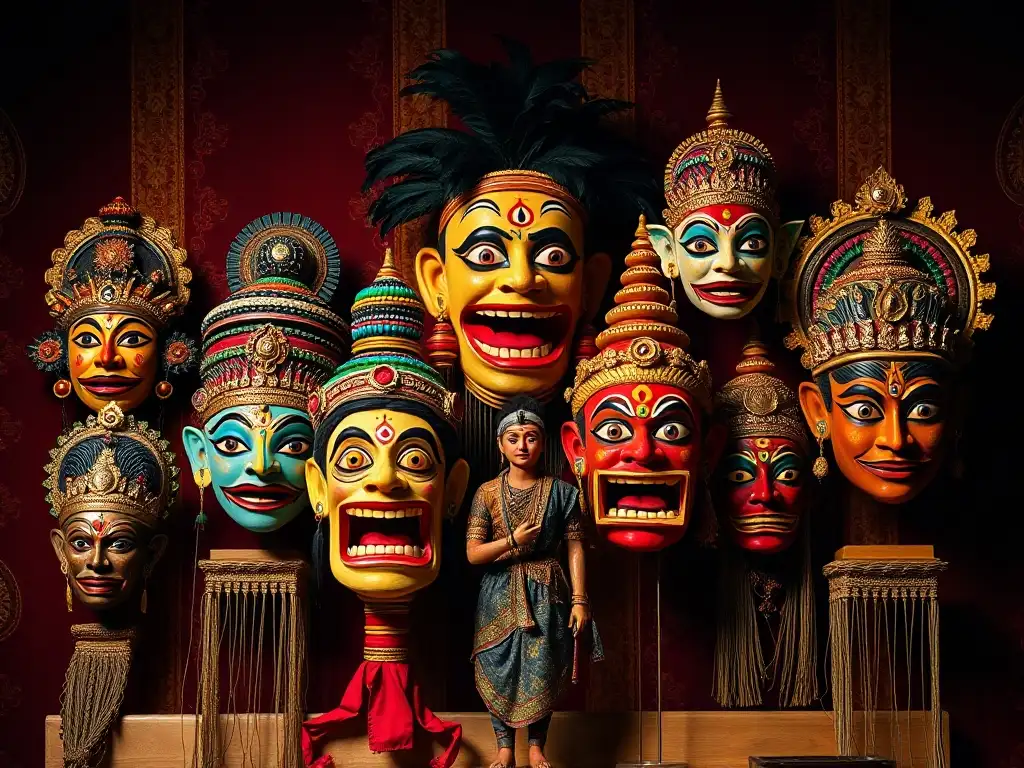
Indian ritual masks are not merely artistic creations; they serve as vital cultural artifacts that embody the spiritual beliefs and practices of various communities across the subcontinent. These masks are used in a variety of rituals, performances, and festivals, each with its unique characteristics and significance. The diversity in design, material, and function reflects the rich tapestry of cultural traditions in India.
Regional Variations of Masks in India
The diversity of Indian ritual masks can be observed across different regions, each contributing unique styles and purposes to the broader cultural landscape. Below are some notable regional variations:
Masks from the Northeastern States
The Northeastern states of India are renowned for their vibrant and intricately crafted masks, often linked to tribal rituals and festivals. These masks:
- Are often made from natural materials such as bamboo, wood, and clay.
- Represent deities, spirits, or animals, embodying the beliefs and myths of the tribes.
- Play a crucial role in traditional dances, such as the Mask Dance of Manipur and the Aoleang Festival of Nagaland.
For example, the Miklal mask from Mizoram is used during the traditional dance to honor the spirits of the ancestors, showcasing vivid colors and detailed carvings.
Masks from Southern India
Southern India boasts a rich tradition of masks, particularly associated with classical dance forms and temple rituals. Notable features include:
- Karnataka's Yakshagana masks, which are characterized by their elaborate designs and bold colors, used in folk theater.
- Kathakali masks from Kerala, known for their expressive features, often representing various characters from Hindu epics.
- The use of natural dyes and materials to create visually striking masks that enhance storytelling through dance.
In particular, the Kali mask in Tamil Nadu symbolizes the fierce goddess and is used in various rituals to invoke her blessings.
Masks from Eastern India
Eastern India, particularly West Bengal and Odisha, has a rich tradition of mask-making linked to folk performances and religious rituals. Key aspects include:
- The Chhau masks, which are integral to the Chhau dance, representing mythological figures and nature.
- Use of vibrant colors and intricate designs, often reflecting local legends and folklore.
- Materials such as papier-mâché and wood, which allow for detailed craftsmanship.
The Bishnupur masks in West Bengal are particularly famous for their artistic representation of deities and are often used in the dance-drama form known as "Jatra."
Symbolism and Meanings Behind Different Masks
The significance of Indian ritual masks extends beyond their aesthetic appeal; they are imbued with deep symbolic meanings and cultural narratives. Here are some key aspects:
- Spiritual Representation: Many masks embody deities or spiritual beings, serving as a medium to connect with the divine. They are believed to channel the energy of the represented entity during rituals.
- Cultural Identity: Masks often reflect the cultural identity of specific communities, showcasing their heritage and traditions. Each design, color, and material can signify different cultural narratives and values.
- Ritualistic Purposes: In many traditions, masks are used in ceremonial contexts to ward off evil spirits, invite blessings, or celebrate important life events such as births and marriages. They play a crucial role in storytelling, enhancing the performance's emotional and dramatic impact.
Indian ritual masks are a unique cultural expression that encapsulates the diverse artistic traditions of the subcontinent. Through their rich symbolism and regional variations, they continue to be a vital part of India's cultural heritage, fostering a deeper understanding of the interconnectedness of art, spirituality, and community life.
The Art of Puppetry in India
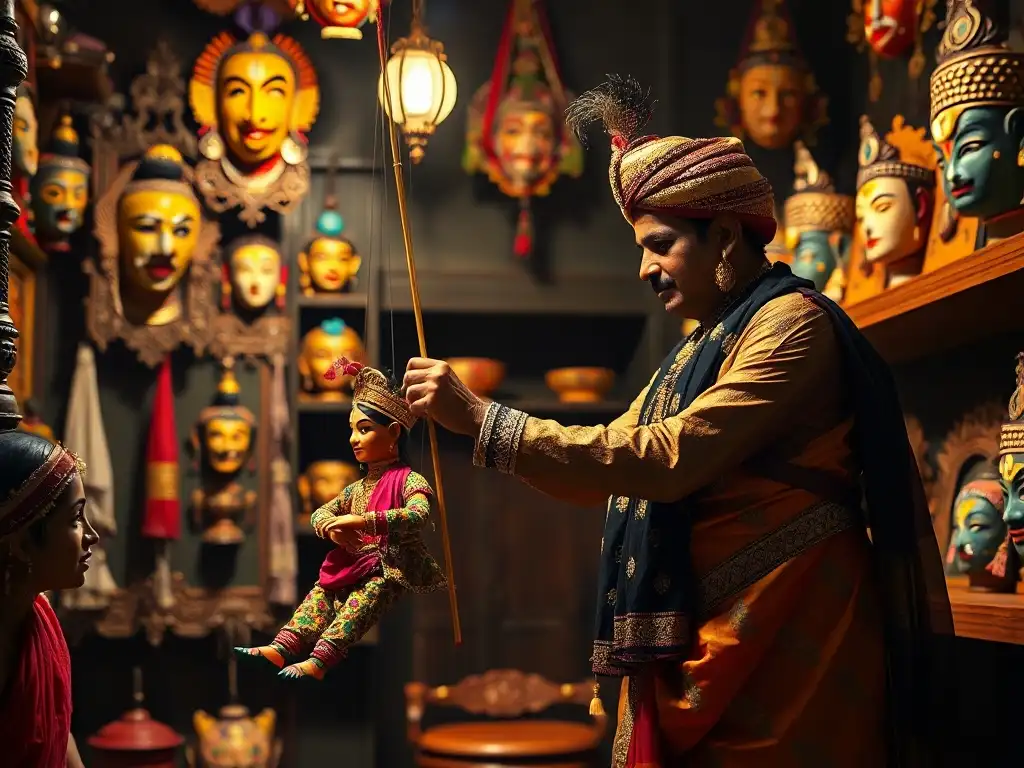
Puppetry is a vibrant and ancient form of artistic expression in India, deeply intertwined with the country's cultural heritage. This unique art form serves as a medium for storytelling, entertainment, and ritualistic performances, representing a myriad of regional styles and traditions. The roots of Indian puppetry can be traced back to ancient times, and it has evolved into various forms that reflect the diverse cultures and languages of the subcontinent.
Types of Puppets Used in Indian Puppetry
Marionettes
Marionettes are puppets controlled from above using strings or wires. In India, marionette puppetry is particularly prominent in the states of Rajasthan and Odisha. These puppets are often intricately carved and painted, showcasing local craftsmanship. The performances typically depict folk tales, mythological stories, and moral lessons, engaging audiences with their dynamic movement and expressive features.
- Key Characteristics:
- Made from wood or cloth.
- Controlled by skilled puppeteers.
- Often feature elaborate costumes and decorations.
Shadow Puppets
Shadow puppetry, known as Chhaya Natak, is another significant form of Indian puppetry. This technique involves the projection of flat, cut-out figures against a backdrop, creating captivating silhouettes. States like Karnataka and Tamil Nadu boast rich traditions of shadow puppetry, where performers narrate stories using light and shadow. The narratives often draw from epics like the Ramayana and Mahabharata, highlighting moral values and cultural beliefs.
- Key Characteristics:
- Puppets made from leather or cardboard.
- Utilizes a light source to create shadows.
- Accompanied by traditional music and narration.
Hand Puppets
Hand puppets, or glove puppets, are operated by inserting the puppeteer's hand into the puppet's body. This form is prevalent in various regions, including Bengal and Maharashtra. Hand puppetry is often characterized by its interactive nature, allowing puppeteers to engage directly with the audience. The performances can range from comedic skits to serious dramas, often reflecting social issues and everyday life.
- Key Characteristics:
- Simple construction with cloth or paper.
- Easily manipulated for expressive gestures.
- Suitable for intimate settings and educational purposes.
The Role of Puppetry in Storytelling and Cultural Narratives
Puppetry in India is not merely a form of entertainment; it serves as a powerful vehicle for storytelling and cultural preservation. Through puppetry, ancient tales, folklore, and religious teachings are passed down through generations, ensuring that cultural narratives remain alive.
- Cultural Significance:
- Educational Tool: Puppetry is often used in schools to teach children about history, morals, and social values in an engaging way.
- Ritualistic Practices: In many communities, puppet performances are integral to religious ceremonies and festivals, bridging the gap between the spiritual and the mundane.
- Social Commentary: Puppeteers often use their art to comment on contemporary issues, reflecting societal changes and challenges faced by the community.
Indian ritual masks and puppetry encapsulate the rich tapestry of India's artistic heritage. Through diverse puppet forms and their roles in storytelling, this art form continues to thrive, captivating audiences while preserving the cultural essence of ancient Indian civilizations.
Rituals and Performances Featuring Masks and Puppets
Religious and Spiritual Significance of Masks
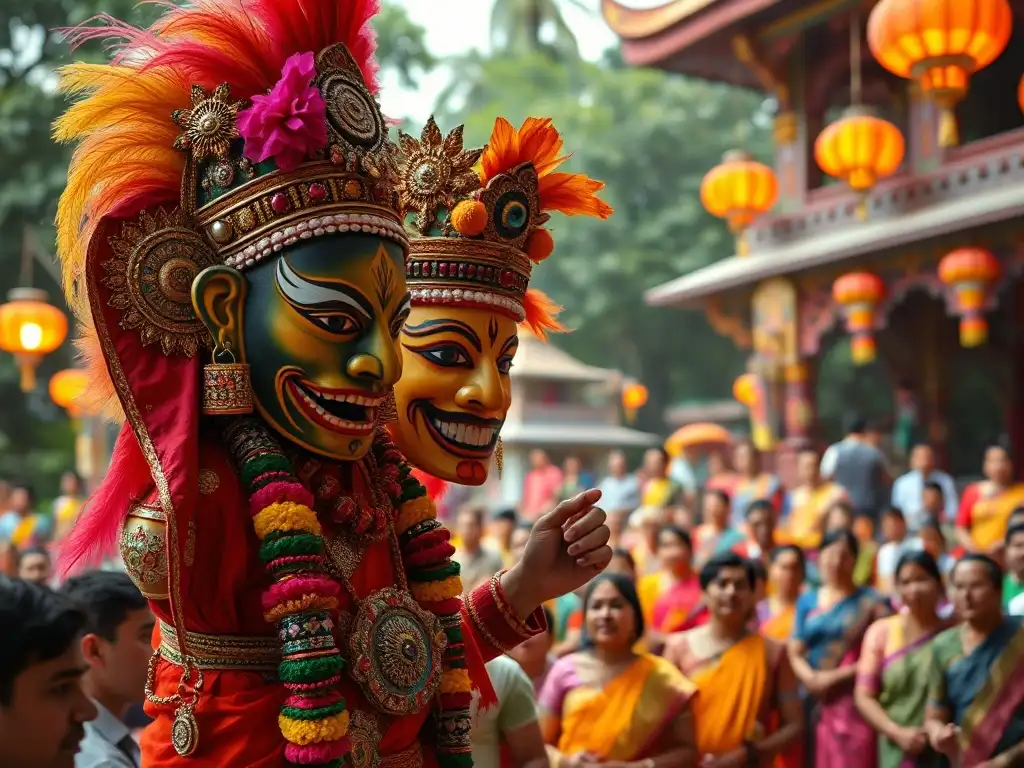
Indian ritual masks hold profound religious and spiritual significance, often intertwining with the beliefs and practices of various communities. These masks are not merely decorative objects but serve as vital tools in religious ceremonies and rituals. Crafted from materials such as wood, clay, and metal, they embody deities, spirits, and ancestral figures, allowing practitioners to connect with the divine.
- Symbolism: Each mask is imbued with symbolic meaning, representing specific deities or mythological characters. For instance, masks used in the worship of Lord Shiva often depict the god's fierce aspects, emphasizing his role in destruction and regeneration.
- Ritualistic Use: Masks are often worn during religious festivals and ceremonies to invoke the presence of deities. For example, in the traditional performance of Kathakali, artists don elaborate masks to narrate ancient stories, inviting the audience into a mystical experience.
- Transformation and Identity: Wearing a mask allows performers to transcend their individual identities, embodying the essence of the character they represent. This transformation is considered a sacred act, facilitating communication with the spiritual realm.
The use of masks in rituals illustrates the deep connection between art and spirituality, reflecting the cultural ethos of Indian society.
Cultural Festivals Celebrating Puppetry
Puppetry in India is not just an entertainment form; it is a living tradition that flourishes during various cultural festivals. These celebrations provide a platform for puppet artists to showcase their skills and narrate stories that resonate with cultural values and historical narratives.
- Puppet Festivals: Events like the International Puppet Festival in Kolkata and the Rajasthan International Folk Festival highlight the significance of puppetry in Indian culture. These festivals attract artists from various regions, allowing them to share their unique styles and stories.
- Themes and Narratives: Puppetry often focuses on themes from folklore, mythology, and social issues. For instance, the famed Rajasthani Kathi puppet performances often depict tales of valor and love, emphasizing traditional values while entertaining audiences.
- Community Engagement: Cultural festivals serve as a means of community engagement, where locals and tourists alike gather to witness the vibrant performances. This interaction fosters a sense of unity and pride in cultural heritage, ensuring the continuity of these art forms.
Through these festivals, puppetry becomes a vibrant expression of identity, allowing communities to celebrate their heritage while educating audiences about their cultural narratives.
Traditional Performances Incorporating Masks and Puppetry
Traditional performances incorporating masks and puppetry are a unique aspect of India’s cultural landscape. These performances blend storytelling, music, and dance, creating a multisensory experience that captivates audiences.
- Forms of Performance: Various traditional art forms, such as Bharatanatyam, Kathakali, and Nautanki, incorporate masks and puppetry. Each form has its unique characteristics, yet they share a common goal: to communicate stories and emotions through visual art.
- Regional Variations: Different regions of India showcase distinct styles of masked performances. For example, the Chhau dance of Jharkhand features elaborate masks, while Yakshagana from Karnataka combines dance and drama, often using puppets to depict mythological tales.
- Educational Aspects: These performances serve an educational purpose, imparting moral lessons and cultural values. They often address contemporary social issues, encouraging audiences to reflect on their beliefs and practices.
The integration of masks and puppetry in traditional performances showcases the richness of Indian art forms, highlighting their role in preserving and promoting cultural heritage. Through these artistic expressions, the legacy of ancient Indian civilizations continues to thrive, fostering a deeper appreciation for the country’s diverse artistic landscape.
Techniques and Craftsmanship in Creating Indian Ritual Masks and Puppets
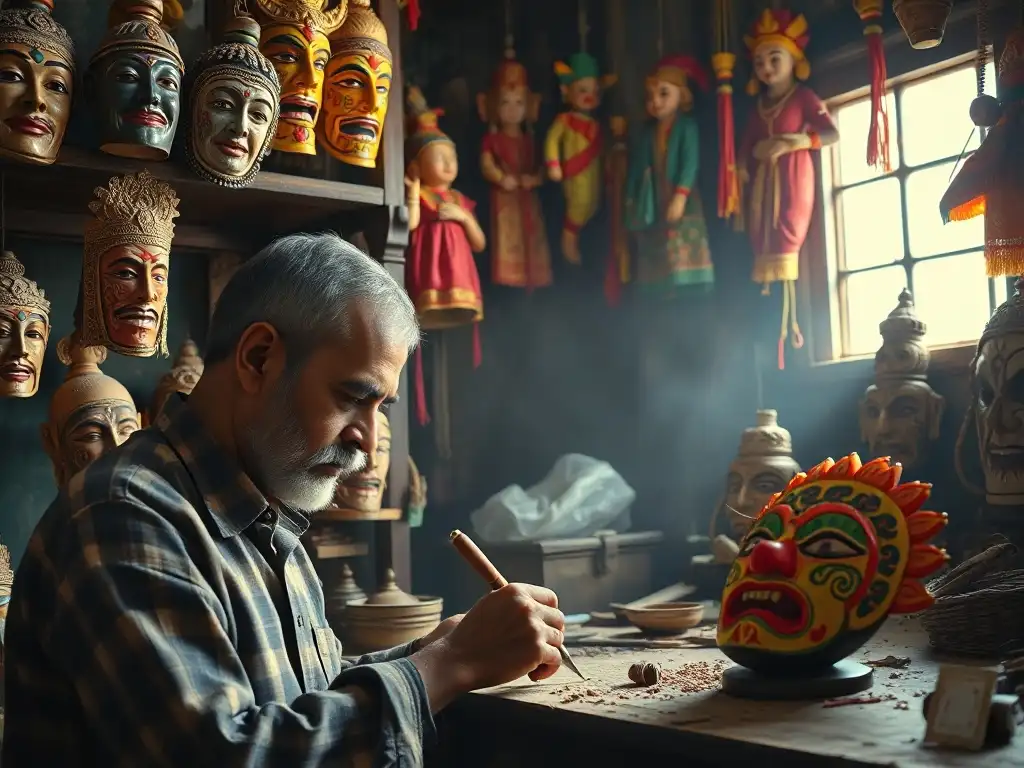
Ritual masks and puppets in Indian art are not merely decorative objects; they embody a profound cultural significance and are crafted using techniques that have been honed over centuries. The craftsmanship involved in creating these art forms reflects the artisans' deep connection to their cultural heritage, as well as the spiritual and social narratives they represent.
Materials Used in Crafting Masks and Puppets
The creation of Indian ritual masks and puppets involves a variety of materials, each chosen for its unique properties and significance.
- Wood: Traditionally, wood is the primary material used for both masks and puppets. Softwoods like pine and cedar are favored for their workability, allowing artisans to carve intricate designs. The choice of wood often reflects the regional availability and cultural associations.
- Clay: In some regions, clay is used to craft masks, especially in folk traditions. Clay masks are often molded and painted, giving them a rustic yet vibrant aesthetic.
- Fabric: For puppetry, various fabrics are utilized to create costumes that enhance the visual storytelling aspect. Cotton and silk are common choices, often embellished with embroidery and sequins.
- Natural Dyes: The colors applied to masks and puppets are derived from natural sources, such as plants, minerals, and insects. These dyes not only add vibrancy but also connect the art objects to the environment.
- Metal and Fiber: In certain traditions, metal elements are incorporated into masks for embellishment or structural support. Additionally, fibers like straw or jute might be used to add texture or for puppet strings.
The selection of materials is deeply symbolic, often reflecting themes of nature, spirituality, and the cultural narratives embedded in the performance.
Traditional Making Techniques Passed Down Through Generations
The techniques used in crafting Indian ritual masks and puppets are steeped in tradition, often passed down through generations of artisans.
- Carving and Sculpting: The process begins with skilled artisans hand-carving masks from blocks of wood or shaping them from clay. This requires not only technical skills but also an understanding of the cultural symbolism of various forms and patterns.
- Painting and Decoration: Once the base has been crafted, artisans meticulously paint and decorate the masks and puppets. This often involves layering techniques, where multiple coats of natural dyes are applied to achieve depth and richness in color.
- Costume Design: For puppets, the design of costumes is equally crucial. Artisans often draw inspiration from traditional attire, ensuring that the puppets reflect the cultural context of the stories they narrate.
- Performance Preparation: The final stage in the creation process involves preparing the masks and puppets for performance. This includes ensuring that they are lightweight and balanced, which is essential for puppetry, as well as adding any movable parts that might be required for animation.
The craftsmanship of Indian ritual masks and puppets is not just about the physical creation; it is an embodiment of cultural identity, spirituality, and artistic expression that continues to thrive and evolve within the vibrant tapestry of Indian art forms.
Contemporary Relevance of Indian Ritual Masks and Puppetry
Preservation of Traditional Art Forms in Modern Times
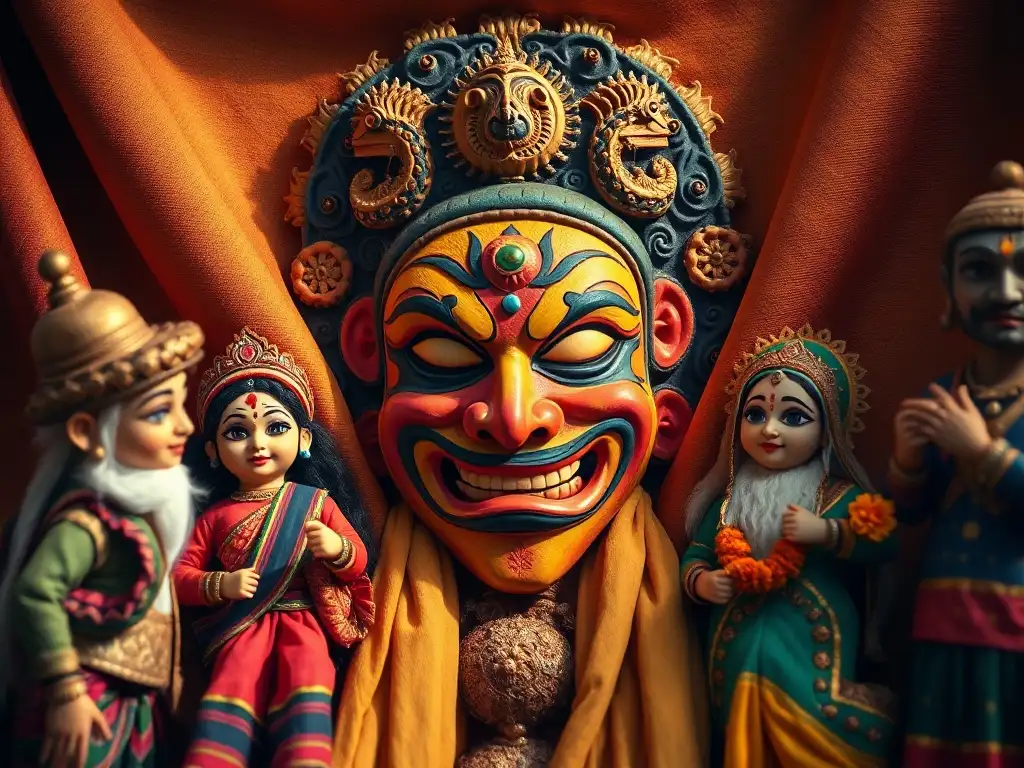
The preservation of traditional art forms such as Indian ritual masks and puppetry is vital in maintaining cultural identity amidst rapid modernization. As urbanization and globalization influence contemporary lifestyles, many artisans and communities strive to keep these ancient practices alive.
- Community Initiatives: Various local and national organizations have emerged, focusing on the documentation and promotion of traditional arts. Initiatives often involve:
- Workshops for young artists
- Exhibitions showcasing the craftsmanship of ritual masks
- Festivals celebrating puppet theatre
- Government Support: The Indian government has introduced several schemes to safeguard and promote traditional art forms. For instance:
- The Sankalp Scheme supports artisans financially and provides training programs.
- The Intangible Cultural Heritage program aims to recognize and preserve traditional practices, including masks and puppetry.
- Integration in Education: Educational institutions have begun to incorporate these art forms into their curricula, ensuring that future generations appreciate their cultural significance. Students engage in hands-on activities, such as:
- Crafting masks using traditional techniques
- Participating in puppet shows, thus fostering a deeper understanding of storytelling and performance art.
Contemporary Artists Reviving Indian Ritual Masks and Puppetry
Contemporary artists play a crucial role in reviving and reinterpreting Indian ritual masks and puppetry. Their innovative approaches breathe new life into traditional practices, attracting audiences both locally and globally.
- Fusion of Styles: Many modern artists blend traditional techniques with contemporary themes, creating unique pieces that resonate with today's society. For example:
- Artists like G. S. Ranjith experiment with combining tribal mask-making with urban artistic expressions.
- Puppeteer Ramesh Sharma integrates social issues into his performances, making them relevant to current audiences.
- Use of Technology: Some contemporary creators adopt technology to enhance traditional storytelling. This includes:
- Digital projections in puppet shows to create immersive experiences.
- Social media platforms for promoting and sharing performances, expanding their reach.
- Collaborative Projects: Artists often collaborate across disciplines, merging visual arts with performing arts. These projects can include:
- Workshops that bring together sculptors and puppeteers to create new works.
- Multi-disciplinary festivals that celebrate both art forms, encouraging cross-pollination of ideas.
The Role of Masks and Puppetry in Education and Cultural Awareness
Indian ritual masks and puppetry serve as powerful tools for education and cultural awareness, fostering a deeper understanding of India's rich heritage.
- Cultural Narratives: Masks and puppetry often convey stories rooted in mythology, folklore, and history. Educational programs that utilize these art forms can:
- Enhance storytelling skills among children.
- Promote discussions around historical events and cultural practices.
- Interactive Learning: Engaging students through interactive puppetry sessions encourages participation and critical thinking. Key benefits include:
- Developing creativity and artistic skills.
- Encouraging teamwork and collaboration among peers during performances.
- Cultural Exchange Programs: Institutions often organize cultural exchange initiatives where students learn about Indian ritual masks and puppetry alongside other global art forms. These programs can:
- Broaden perspectives on cultural expressions.
- Foster appreciation for diversity and the significance of preserving traditional arts.
Through these avenues, Indian ritual masks and puppetry continue to thrive, ensuring their relevance in contemporary society while educating future generations about the rich tapestry of Indian culture.
Conclusion: The Enduring Legacy of Indian Ritual Masks and Puppetry
The intricate art forms of Indian ritual masks and puppetry represent a profound legacy that has shaped the cultural landscape of India for centuries. These artistic expressions serve as a bridge between the spiritual and the mundane, allowing communities to connect with their traditions, beliefs, and histories. The rich tapestry of narratives conveyed through masks and puppets not only entertains but also educates and preserves the essence of Indian heritage.
The enduring legacy of these art forms lies in their ability to adapt and remain relevant through generations. As rituals evolve, so too do the masks and puppetry styles, reflecting contemporary themes while honoring traditional roots. This dynamic interplay ensures that the artistry remains vibrant and continues to inspire both performers and audiences alike.
Reflection on the Importance of Cultural Expression
Cultural expression through ritual masks and puppetry is vital for several reasons:
- Preservation of History: These art forms encapsulate historical narratives, mythologies, and moral teachings that have been passed down through oral traditions. They play a crucial role in preserving the collective memory of communities.
- Community Identity: Masks and puppetry are often integral to local festivals and rituals, fostering a sense of belonging and identity among community members. The shared experience of performance strengthens communal bonds and reinforces cultural pride.
- Artistic Innovation: While rooted in tradition, Indian ritual masks and puppetry are not static. Artists continuously innovate, integrating modern themes and technologies. This evolution keeps the art forms alive and relevant, attracting new audiences and practitioners.
- Educational Tool: These artistic expressions serve as effective educational tools, conveying complex ideas and moral lessons in an engaging format. They make the teachings accessible to diverse audiences, including children and those unfamiliar with the cultural context.
Future Prospects for Indian Ritual Masks and Puppetry in Global Artistry
The future of Indian ritual masks and puppetry within the global artistry landscape is promising, driven by several factors:
- Global Interest: As the world increasingly values diverse cultural expressions, there is a growing interest in Indian art forms. International festivals and collaborations provide platforms for showcasing these unique expressions, introducing them to wider audiences.
- Cross-Cultural Collaborations: Artists and scholars are engaging in cross-cultural dialogues, blending traditional techniques with contemporary practices. This fusion can lead to innovative performances that resonate with global themes while maintaining cultural authenticity.
- Digital Accessibility: The rise of digital media offers new avenues for the dissemination of artistry. Online platforms enable artists to reach audiences far beyond geographic boundaries, making ritual masks and puppetry accessible to a global audience.
- Educational Initiatives: Increasing efforts to include traditional art forms in educational curricula can help nurture the next generation of artists and enthusiasts. Workshops, online courses, and community programs are essential in fostering appreciation and skills related to these art forms.
The future of Indian ritual masks and puppetry is bright, with opportunities for growth and innovation. By embracing both tradition and modernity, these art forms will continue to thrive, ensuring that the rich cultural heritage of India remains a vital part of the global artistic dialogue.
Frequently Asked Questions
What are Indian ritual masks and their significance?
Indian ritual masks are traditionally used in various ceremonial practices to represent deities, spirits, or ancestors, embodying the cultural and spiritual beliefs of different communities.
How are puppetry and masks interconnected in Indian art?
Puppetry often incorporates ritual masks as a means of enhancing storytelling, where the visual appeal of masks adds a layer of cultural expression to the performance.
What materials are commonly used to create Indian ritual masks?
Indian ritual masks are typically made from natural materials like wood, clay, and fabric, which are often adorned with vibrant colors and intricate designs that reflect the cultural heritage of the region.
In which festivals are ritual masks prominently used in India?
Ritual masks are prominently featured in various festivals across India, such as Durga Puja and Onam, where they play a crucial role in celebrating traditions and connecting communities through art.
How do Indian ritual masks and puppetry contribute to cultural preservation?
Both ritual masks and puppetry serve as vital tools for cultural preservation, passing down stories, traditions, and artistic techniques from generation to generation, thereby maintaining the rich heritage of India.
Final Reflection: The Enduring Legacy of Indian Ritual Masks and Puppetry
The intricate art of Indian ritual masks and puppetry remains a vibrant testament to the rich tapestry of cultural expression that defines our society today. As we navigate an increasingly globalized world, these traditional forms of art serve as a crucial reminder of our roots and the stories that shape our identities. The revival and appreciation of these art forms not only preserve our heritage but also foster a deeper understanding of the diverse narratives that exist within our communities.
Cultural expressions like Indian ritual masks and puppetry have a profound impact on our social landscape, bridging generations and fostering connections among people. They invite us to engage with our history and traditions, reminding us of the values and beliefs that have been passed down through time. As artist and cultural historian Ranjit Hoskote aptly stated, Art is the memory of a culture, a way to connect the past with the present.
This connection is vital as we strive to maintain our cultural identity in a rapidly changing world.
As you reflect on the themes of this article, I encourage you to explore the world of Indian ritual masks and puppetry in your own life. Consider how these art forms can inspire you to embrace your cultural heritage and share it with others. Whether through attending performances, creating your own art, or simply learning more about these traditions, each small action contributes to the preservation of our rich cultural legacy. Let us celebrate and honor the stories that these masks and puppets tell, ensuring that they continue to resonate for generations to come.
Discover the Magic of Indian Art Today!
Thank you for taking the time to explore the fascinating world of ritual masks and puppetry in Indian art. Your journey through this unique cultural expression has allowed you to appreciate the deep traditions and creative storytelling that bring these art forms to life. Now, it's time to take what you've learned and make it a part of your own experience!
Consider taking these exciting steps:
- Dive Deeper: Visit a local exhibition featuring Indian art or attend a cultural festival that showcases puppetry and masks. Immerse yourself in the vibrant stories and artistry firsthand!
- Share Your Insights: Discuss your newfound knowledge with friends or on social media. Spark conversations about how these art forms reflect India's rich cultural heritage!
- Create Your Own Art: Challenge yourself to design your own mask or puppet inspired by what you’ve learned. Unleash your creativity and connect with the essence of these traditions.
What aspect of ritual masks or puppetry resonates most with you, and how can you incorporate it into your daily life?