
The Significance of Murtis in Indian Art: Beyond Aesthetics

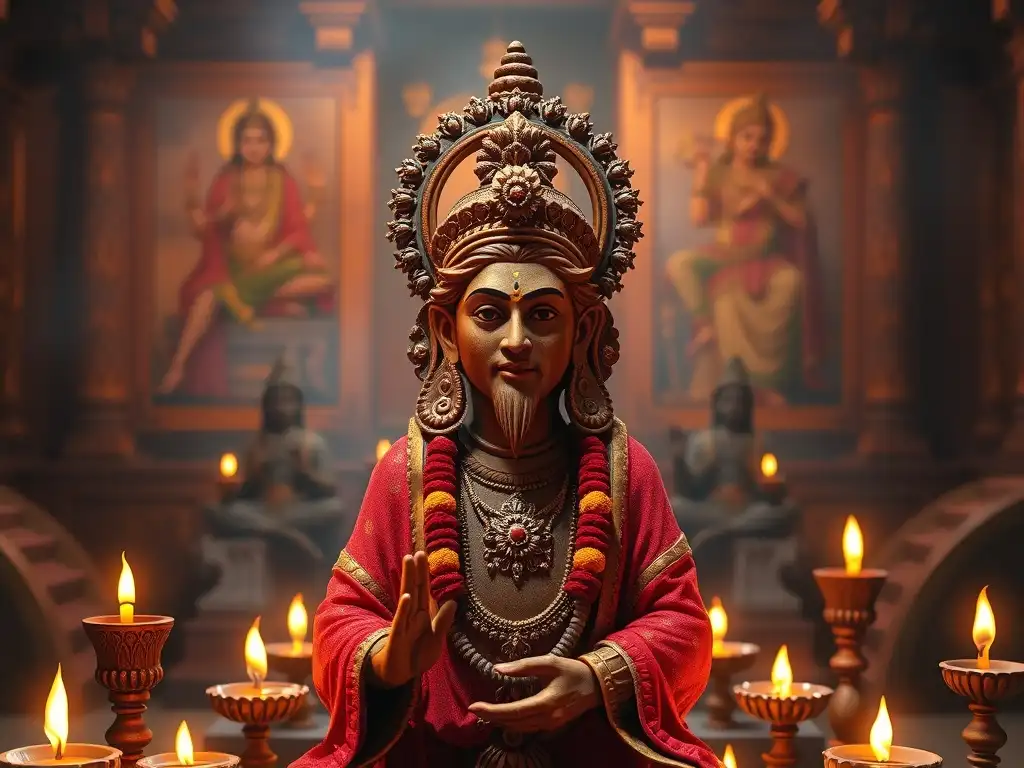
Welcome to Ancient India History, where we embark on a captivating journey through the vibrant tapestry of India’s past! Here, you’ll uncover the profound significance of murtis in Indian art history, exploring how these intricate sculptures transcend mere aesthetics to embody deep cultural and spiritual meanings. As we delve into the artistry and philosophy behind these revered forms, prepare to be fascinated by the stories they tell and their enduring impact on Indian civilization. Join us as we unveil the layers of history and artistry that shaped ancient India—your exploration starts now!
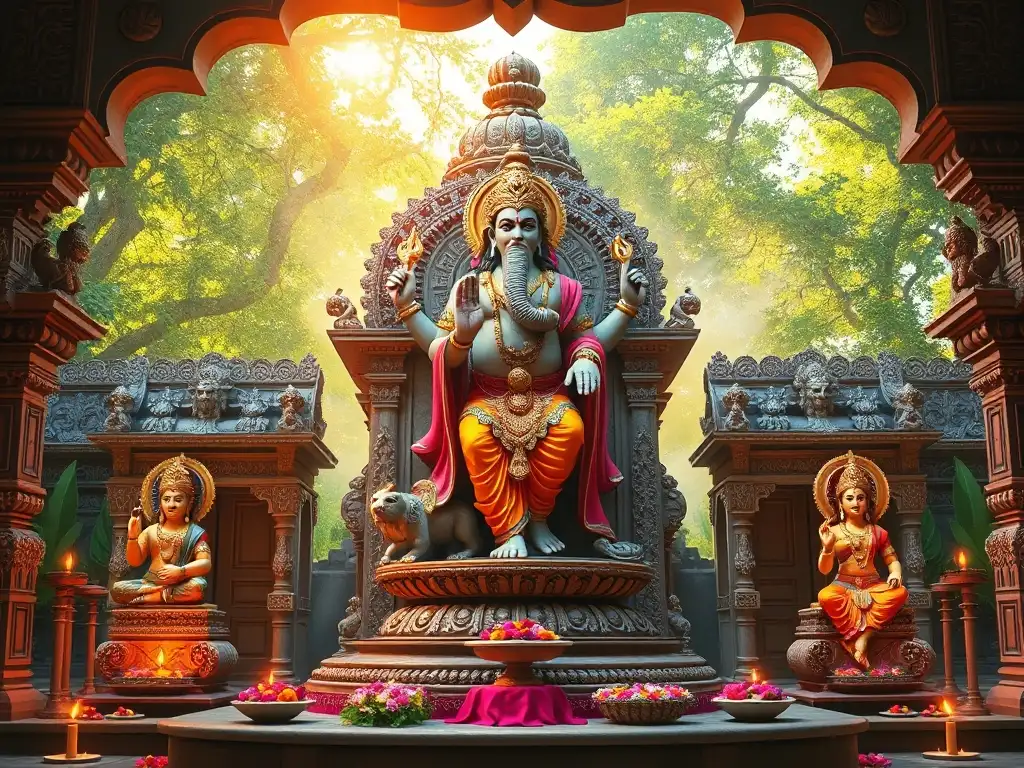
Introduction to Murtis in Indian Art History
Murtis, or sculpted images, hold profound significance in Indian art history, transcending mere aesthetics to embody deep spiritual and cultural meanings. These representations, often of deities and revered figures, have been integral to the artistic expression of ancient Indian civilizations.
From the intricate carvings of the Indus Valley to the magnificent sculptures of the Gupta Empire, murtis serve not only as objects of beauty but also as vessels of worship and cultural identity. This article delves into the multifaceted role of murtis in Indian art, exploring their definitions, historical contexts, and their enduring significance in the spiritual and cultural fabric of India.
Definition and Meaning of Murtis
Murtis are not just sculptures; they are embodiments of divine presence and energy. The term "murti" derives from the Sanskrit root "mūrti," which means "form" or "shape." In the context of Indian art, murtis encompass a wide range of representations, including:
- Deities: Images of gods and goddesses, central to Hindu worship.
- Mythical Figures: Characters from ancient epics like the Ramayana and Mahabharata.
- Ancestors and Saints: Figures revered in various traditions.
Murtis are crafted with meticulous attention to detail, often reflecting the beliefs, values, and artistic styles of the period in which they were created. Each murti serves as a conduit for spiritual engagement, inviting the devotee to connect with the divine.
Historical Context of Murtis in Indian Art
The evolution of murtis in Indian art can be traced back to ancient times, with significant milestones marking their development:
- Indus Valley Civilization: Early evidence of sculptural forms can be found in the artifacts from this period, showcasing the initial stages of artistic expression.
- Maurya Period: The introduction of monumental sculptures, such as those seen in the Ashoka Pillars, reflects the growing importance of murtis in public and religious life.
- Gupta Empire: This period is often referred to as the "Golden Age" of Indian art, where murtis reached new heights in sophistication and detail, representing a fusion of artistic techniques and spiritual themes.
Throughout these eras, murtis have remained central to the cultural and religious practices of Indian society, serving not only as objects of worship but also as symbols of communal identity and continuity.
The Cultural Context of Murtis
Murtis as a Reflection of Indian Spirituality
Murtis play a crucial role in reflecting the spiritual ethos of Indian culture. They are more than artistic representations; they embody the philosophical concepts of Brahman (the ultimate reality) and Atman (the individual soul). The intricate designs and symbolic motifs found in murtis are laden with meaning, often depicting:
- Cosmic Order: Many murtis illustrate the connection between the earthly and the divine, emphasizing the cyclical nature of life.
- Divine Attributes: Each deity represented in a murti is associated with specific qualities and powers, guiding devotees in their spiritual practices.
The presence of murtis in temples and homes fosters a space for meditation and reflection, allowing individuals to engage with their spirituality on a personal level.
Role of Murtis in Religious Practices and Rituals
Murtis are integral to various religious practices and rituals across India. They serve as focal points during worship, festivals, and ceremonies, playing a vital role in:
- Puja (Worship): The act of worshiping murtis involves offerings, chants, and rituals that connect the devotee with the divine.
- Festivals: Celebrations often feature the installation of murtis in public spaces, drawing communities together in shared devotion.
- Ritualistic Significance: Murtis are not static; they are animated through rituals, imbuing them with life and spiritual energy.
Through these practices, murtis reinforce community bonds, cultural identity, and the continuity of spiritual traditions, illustrating their significance beyond mere artistic expression.
Artistic Techniques in the Creation of Murtis
The creation of murtis, which are sacred images or idols in Indian art, involves a harmonious blend of artistic techniques that have evolved over centuries. These techniques not only highlight the aesthetic qualities of the murtis but also imbue them with spiritual significance.
Murtis are typically sculpted from various materials, including stone, metal, and wood, each requiring unique techniques. The artistry behind murtis involves meticulous attention to detail, ensuring that every curve and contour resonates with the intended divine representation. Artists use tools such as chisels for stone and metalwork, while wood often employs carving techniques that showcase intricate designs.
In addition to physical crafting, the artistic process includes a spiritual dimension where artisans engage in rituals to invoke the divine essence into the murtis. This process transforms the artworks into living embodiments of the deities they represent, reflecting the profound connection between art, spirituality, and culture in Indian history.
Traditional Materials Used for Murtis
The choice of materials in the crafting of murtis is deeply rooted in tradition and reflects the regional availability of resources. The most commonly used materials include:
- Stone: Granite, marble, and sandstone are popular for their durability and ability to capture intricate details. For example, the famous Khajuraho temples showcase exquisite stone carvings that have stood the test of time.
- Metal: Bronze and copper are traditionally used in casting murtis, particularly in South India. The lost-wax casting technique enables artisans to create highly detailed figures, such as the celebrated Nataraja statue.
- Wood: Used primarily for smaller murtis, wood allows for more intricate carvings. Various types of wood, such as sandalwood, are chosen for their fragrance and aesthetic appeal.
- Clay: In certain rituals, clay murtis are created for temporary worship, particularly during festivals like Ganesh Chaturthi, where the murtis are immersed in water after the celebrations.
These materials not only contribute to the aesthetic beauty of the murtis but also serve functional and spiritual purposes, enhancing the overall experience of devotion and worship.
Sculpting Techniques in Indian Art History
Sculpting techniques in Indian art history are diverse and have evolved significantly over time. Some notable techniques include:
- Kharoshthi Technique: This ancient method involves using simple tools to delineate forms, often resulting in robust and expressive figures. It is primarily seen in the early Buddhist art of the Gandhara region.
- Chola Bronze Casting: The Chola dynasty perfected the lost-wax casting method, enabling the creation of highly detailed bronze murtis that are revered for their fluid forms and dynamic postures.
- Stone Carving: Techniques such as high relief and low relief carving are used in temple architecture, with artisans skillfully manipulating stone to create depth and detail. Notable examples can be found in the rock-cut caves of Ajanta and Ellora.
These techniques not only highlight the craftsmanship of the artists but also reflect the cultural and religious contexts in which the murtis were created, illustrating the interplay between art and spirituality.
Iconography and Symbolism in Murtis
Iconography plays a crucial role in understanding murtis, as each figure embodies specific attributes and meanings. The symbolism associated with murtis is deeply embedded in Hindu mythology, philosophy, and cultural narratives.
For instance, the representation of deities such as Ganesha, the remover of obstacles, is characterized by unique features such as an elephant head and a pot-belly, each symbolizing different aspects of life and spirituality. Similarly, the goddess Durga is often depicted riding a lion, representing strength and courage in overcoming evil.
Furthermore, the use of mudras (hand gestures) in murtis conveys profound spiritual messages. For example, the abhaya mudra signifies protection and fearlessness, while the dhyana mudra represents meditation.
The intricacy of iconography in murtis extends beyond mere representation, serving as a visual language that communicates complex philosophical concepts and cultural values to devotees and art enthusiasts alike.
Murtis in Different Indian Art Forms
Murtis are not confined to a single artistic medium; they permeate various forms of Indian art, each showcasing unique styles and innovations. This diversity underscores the significance of murtis in the broader spectrum of Indian cultural expression.
Murtis in Sculpture: A Historical Overview
Sculpture has long been a vital medium for expressing the divine through murtis. The historical evolution of sculpture in India reveals a rich tapestry of styles influenced by regional, religious, and cultural contexts.
From the early Indus Valley Civilization, where simple terracotta figures were used, to the sophisticated stone carvings of the Gupta period, murtis have continually evolved. The Gupta era, often referred to as the Golden Age of India, witnessed a blossoming of artistic expression, with murtis exhibiting grace and proportion that set a benchmark for future generations.
In medieval times, regional styles flourished, such as the exquisite stone sculptures of the Rajput and Maratha dynasties, showcasing a blend of local aesthetics with traditional iconography. Each sculpture serves as a testament to the craftsmanship and spiritual devotion of the artisans, making murtis an enduring aspect of Indian heritage.
Murtis in Painting: Styles and Innovations
Murtis have also inspired a rich tradition of painting, manifesting in various styles across different regions of India. Each painting style offers a unique perspective on the divine, often blending vibrant colors and intricate details to enhance the spiritual experience.
- Madhubani: Originating from Bihar, this folk art form employs vivid colors and intricate patterns to depict deities, often incorporating symbols and motifs associated with nature and spirituality.
- Pahari Paintings: From the Himalayan regions, these paintings often feature murtis of Krishna and Radha, capturing their divine romance through delicate brushwork and rich colors.
- Tanjore Paintings: Known for their use of gold foil, Tanjore paintings from Tamil Nadu depict murtis in a highly decorative style, creating a sense of opulence and reverence.
These painting styles not only celebrate the aesthetics of murtis but also serve as a medium for storytelling, conveying the narratives and teachings associated with the deities.
Murtis in Architecture: Temples and Sacred Spaces
The integration of murtis into architecture is a defining aspect of Indian religious structures, particularly temples. Temples are designed not merely as places of worship but as sacred spaces that embody the divine presence through murtis.
The architectural layout of Hindu temples often follows a specific plan, with the sanctum sanctorum housing the main murti, surrounded by intricately carved pillars and halls that enhance the spiritual ambiance. Temples such as the Brihadeeswarar Temple in Thanjavur and the Sun Temple at Konark exemplify the grandeur of temple architecture, where murtis serve as focal points of devotion.
Moreover, the placement of murtis within these spaces is significant, as it aligns with cosmological principles that reflect the connection between the divine and the universe. The architectural design thus becomes a visual representation of spiritual beliefs, making murtis an integral part of India's architectural heritage.
The Evolution of Murtis in Indian Art
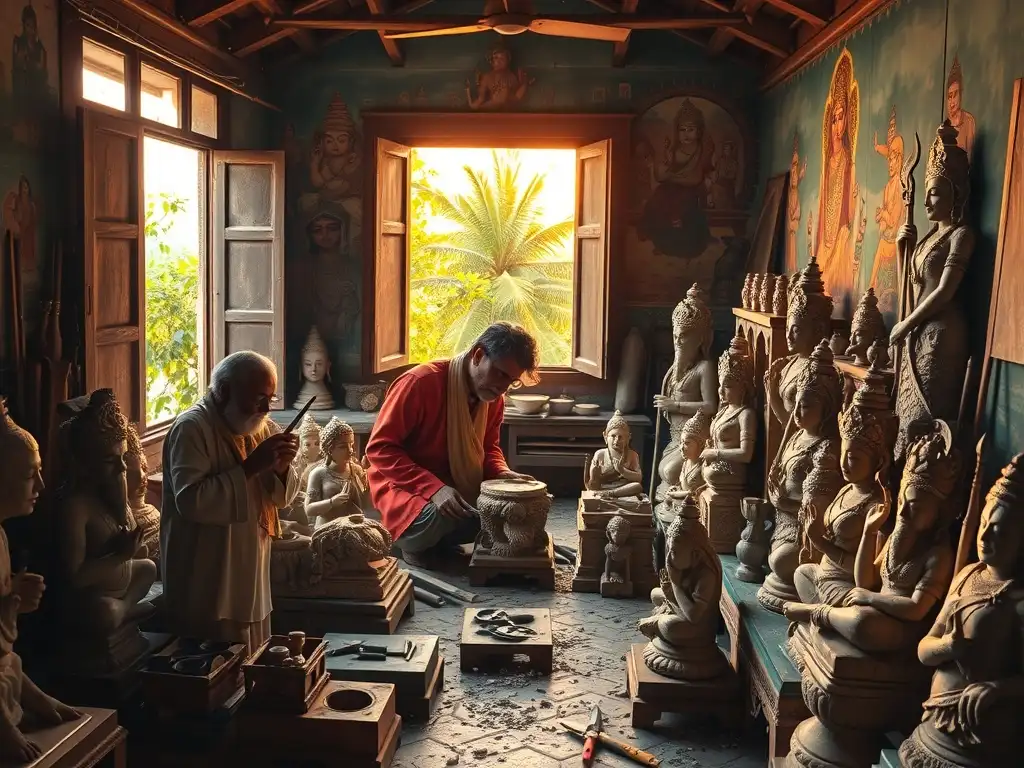
The evolution of murtis, or religious idols, in Indian art reflects a profound journey through various historical periods, cultural influences, and artistic expressions. Murtis, traditionally crafted from materials such as stone, metal, and clay, serve as focal points of worship and embody the spiritual essence of deities in Hinduism, Buddhism, and Jainism.
The earliest murtis can be traced back to the Indus Valley Civilization (circa 2500–1500 BCE), where small terracotta figurines showcased a rudimentary form of idol-making. As Indian civilization progressed, particularly during the Maurya period (circa 322–185 BCE), murtis became more sophisticated, exhibiting intricate carvings and detailed representations of deities like Buddha. This transformation marked the beginning of a more structured approach to idol creation, where aesthetics began to play a crucial role alongside religious significance.
The Gupta period (circa 320–550 CE) heralded a golden age for Indian art, and murtis from this time are characterized by their grace and elegance. The use of proportion, symmetry, and the depiction of divine attributes reached new heights, reflecting the philosophical ideas of the time. As regional kingdoms emerged, the artistry of murtis continued to evolve, influenced by local traditions and practices, which further diversified the representation of deities across India.
Changes in Artistic Representation Over Time
Throughout the centuries, the artistic representation of murtis has undergone significant changes, influenced by various factors such as religious reforms, invasions, and the integration of different artistic styles. The early murtis were often abstract and symbolic, focusing on the essence of divinity rather than realistic portrayals. This abstraction gradually gave way to more anthropomorphic representations, especially during the later Vedic and post-Vedic periods.
During the medieval period, particularly under the influence of the Bhakti movement, the depiction of murtis became more relatable and humanized, allowing devotees to connect emotionally with the deities. Artists began to incorporate elements of regional culture, leading to a proliferation of different styles and forms, such as the intricate metalwork of South Indian murtis and the detailed stone carvings of North India.
In modern times, contemporary artists have started to experiment with materials and techniques, creating murtis that blend traditional practices with modern aesthetics. This evolution reflects a dynamic relationship between the past and present, demonstrating how murtis remain relevant in contemporary Indian art while honoring their historical roots.
Influence of Regional Styles on Murtis
Regional styles have played a crucial role in shaping the diversity of murtis found across India. Variations in artistic techniques, materials, and iconography are evident from one region to another, influenced by local customs, beliefs, and historical contexts.
For instance, the murtis from Rajasthan are known for their vibrant colors and intricate details, often adorned with embellishments that reflect the rich cultural heritage of the region. In contrast, the murtis of Odisha are distinguished by their distinctive style, characterized by a robust form and elaborate expressions, showcasing the region's unique artistic traditions.
In South India, particularly Tamil Nadu, temple sculptures and murtis often embody a sense of movement and dynamism, reflecting the region’s rich tradition of dance and music. The Dravidian style emphasizes towering gopurams (temple towers) and intricate carvings, making the murtis an integral part of temple architecture.
This regional diversity not only highlights the artistic capabilities of various communities but also signifies the cultural exchange that has occurred throughout India's history, where local traditions and influences weave together to create a vibrant tapestry of artistic expression.
The Contemporary Significance of Murtis
In contemporary India, murtis retain their significance not only as objects of worship but also as powerful symbols of cultural identity and artistic expression. The role of murtis has expanded, reflecting changing societal values and artistic practices that resonate with modern audiences.
Preservation of Murtis in Modern Indian Art
The preservation of traditional murti-making techniques is crucial in maintaining the cultural heritage of India. Many artisans continue to use age-old methods, ensuring that the craftsmanship and aesthetic principles that define murtis are passed down through generations.
Efforts are being made to document and revive traditional practices that may be at risk of disappearing in the face of modernization. Artisans are now participating in workshops and training programs aimed at sustaining the craft while encouraging innovation. Contemporary artists often draw inspiration from traditional murtis, creating hybrid forms that blend classic styles with modern concepts, ensuring that the essence of murtis remains alive in contemporary art.
Furthermore, the rise of art exhibitions and fairs focusing on Indian art has provided a platform for artists to showcase their murti creations, bridging the gap between tradition and modernity. This not only promotes appreciation for traditional art forms but also introduces new audiences to the rich cultural narratives embedded within murtis.
Murtis and the Global Art Scene: Cross-Cultural Influence
Murtis have transcended geographical boundaries, making their mark on the global art scene. As Indian art gains recognition internationally, murtis are increasingly featured in global exhibitions and art collections, showcasing their aesthetic and cultural significance to a broader audience.
The cross-cultural influence of murtis is evident in the works of contemporary artists who incorporate elements of Indian idol-making into their practice. Artists from diverse backgrounds draw inspiration from the spiritual and philosophical themes embodied by murtis, creating works that resonate with global audiences while celebrating their origins.
This cross-pollination of ideas fosters a dialogue between different artistic traditions, enriching the global art landscape. It also opens avenues for intercultural exchange, where artists can explore the themes of divinity, identity, and cultural heritage through the lens of murtis, ultimately reinforcing their relevance in a rapidly changing world.
Conclusion: The Enduring Legacy of Murtis in Indian Art History
The role of murtis in Indian art history transcends mere aesthetic appeal, establishing a profound connection between spirituality, culture, and identity. These sculptural representations serve not only as objects of beauty but also as conduits for philosophical and religious teachings. From the intricate carvings of the Indus Valley Civilization to the ornate statues of the Gupta period, murtis have encapsulated the evolving narrative of Indian civilization, reflecting its values, beliefs, and artistic innovations. Their presence in temples, homes, and public spaces underscores their importance in daily life, fostering a sense of community and continuity.
As we examine the legacy of murtis, it becomes evident that they are more than historical artifacts; they embody the lived experiences and aspirations of countless generations. The lasting significance of murtis in Indian art history lies in their ability to inspire devotion, provoke thought, and serve as a reminder of the cultural richness that defines India's artistic heritage.
Reflection on the Importance of Murtis Beyond Aesthetics
Murtis hold a vital place in the spiritual and cultural fabric of Indian society, serving purposes that extend well beyond their visual allure. They are integral to rituals and ceremonies, acting as focal points for worship and meditation. Through their intricate designs and symbolic representations, murtis convey complex ideas about divinity, morality, and the human experience.
The teachings embodied in these sculptures often encourage viewers to engage with philosophical concepts, prompting reflections on existence, duty, and the nature of the universe. In this way, murtis function as educational tools, guiding devotees and art enthusiasts alike in their understanding of ancient Indian thought. Moreover, the craftsmanship involved in creating murtis reflects deep-rooted traditions and skills, showcasing the dedication of artisans who strive to preserve and convey cultural narratives through their work.
Future Directions in the Study of Murtis in Indian Art
The study of murtis in Indian art is an evolving field that presents numerous opportunities for further exploration. Scholars and researchers are increasingly examining the intersections between art, religion, and society, leading to a deeper understanding of how murtis influence and are influenced by cultural contexts.
Future research could benefit from interdisciplinary approaches, integrating insights from anthropology, archaeology, and religious studies. This would allow for a more holistic examination of murtis, considering their historical development, regional variations, and socio-political implications. Additionally, contemporary interpretations and adaptations of murtis in modern art forms warrant investigation, as they reflect ongoing dialogues between tradition and innovation.
As globalization continues to shape artistic expressions, the significance of murtis may evolve further, prompting new discussions about identity, heritage, and the role of art in contemporary society.
References and Further Reading on Murtis in Indian Art History
- Sinha, S. (2010). Murtis: The Divine Representations in Indian Art. New Delhi: Art and Culture Publications.
- Chakrabarti, D. (2015). The Art of Indian Sculpture: A Historical Overview. Kolkata: Indian Heritage Press.
- Mitra, R. (2018). Understanding Murtis: Their Role in Indian Spirituality and Art. Chennai: Heritage Foundation.
- Kumar, A. (2021). The Evolution of Murtis in Indian Art: From Ancient Times to the Present. Mumbai: Cultural Insights Publishing.
- Bhatia, P. (2022). Murtis in Contemporary Indian Art: Tradition and Transformation. Bangalore: Art and Society Publications.
These resources provide a comprehensive understanding of the significance of murtis in Indian art history, offering insights into their artistic, cultural, and spiritual dimensions.
- Introduction to Murtis in Indian Art History
- The Cultural Context of Murtis
- Artistic Techniques in the Creation of Murtis
- Murtis in Different Indian Art Forms
- The Evolution of Murtis in Indian Art
- The Contemporary Significance of Murtis
- Conclusion: The Enduring Legacy of Murtis in Indian Art History
- References and Further Reading on Murtis in Indian Art History
Frequently Asked Questions
What are Murtis in Indian art history?
Murtis are sacred images or icons of deities that hold significant importance in Hindu culture. They are not just artistic representations but also serve as a medium for spiritual connection.
How did Murtis influence ancient Indian civilizations?
Murtis played a crucial role in ancient Indian civilizations by serving as focal points in rituals and worship, thereby shaping the religious practices and cultural identity of communities.
What materials are traditionally used to create Murtis?
Murtis are typically crafted from materials like stone, clay, wood, and metal. Each material has its own significance and symbolism within the context of Indian art history.
How do Murtis reflect the artistic styles of different periods?
The design and iconography of Murtis evolved through various periods, showcasing the artistic diversity and cultural changes in India, from the Indus Valley Civilization to the Gupta Empire.
What is the role of Murtis in contemporary Indian society?
In today's context, Murtis continue to play a vital role in religious practices and festivals, uniting communities and preserving the rich artistic and cultural heritage of India.
Final Reflection: The Enduring Legacy of Murtis in Indian Art
The significance of murtis in Indian art history transcends mere aesthetics; they embody a rich tapestry of culture, spirituality, and identity that remains profoundly relevant today. In a world increasingly driven by technology and modernity, the intricate craftsmanship and deep symbolism of murtis serve as a reminder of our roots and the timeless narratives that shape our existence. The artistry of these sacred forms continues to inspire and evoke a sense of reverence, urging us to reconnect with the values and traditions that have defined generations.
The influence of murtis extends beyond the confines of art galleries and temples; they are woven into the very fabric of Indian society. From festivals to daily rituals, murtis play a pivotal role in cultural expressions and communal identity. Their presence in contemporary art and popular culture reflects an ongoing dialogue between tradition and modernity, inviting new interpretations and appreciation. As artist Anish Kapoor once said, Art is not a mirror to hold up to society, but a hammer with which to shape it.
This sentiment resonates deeply within the context of murtis, as they continue to shape our understanding of spirituality and heritage in an ever-evolving world.
As we reflect on the profound significance of murtis in Indian art history, I invite you to explore how these sacred forms can inspire your own journey. Consider the stories they tell and the values they embody, and think about how you can incorporate these lessons into your life. Whether through artistic expression, cultural engagement, or personal reflection, let the legacy of murtis guide you in forging a deeper connection with your own identity and the world around you. Embrace the beauty and wisdom that these remarkable creations offer, and allow them to illuminate your path forward.
Immerse Yourself in the World of Murtis Today!
Thank you for taking the time to explore the fascinating significance of murtis in Indian art! You've discovered how these sacred sculptures go beyond mere aesthetics and embody deep cultural narratives. Now, let’s put that knowledge into action.
- Visit a local museum or temple to experience murtis firsthand and understand their historical and spiritual contexts.
- Engage with your community by sharing your insights about murtis on social media. Start a discussion with friends or family about the art and significance behind these incredible creations.
- Explore related art forms by researching other cultural artifacts that tell powerful stories, which will broaden your appreciation for diverse artistic traditions around the world.
How do you see the role of murtis evolving in modern art today? We would love to hear your thoughts!