
The Legacy of Indian Folk Art: A Living Tradition

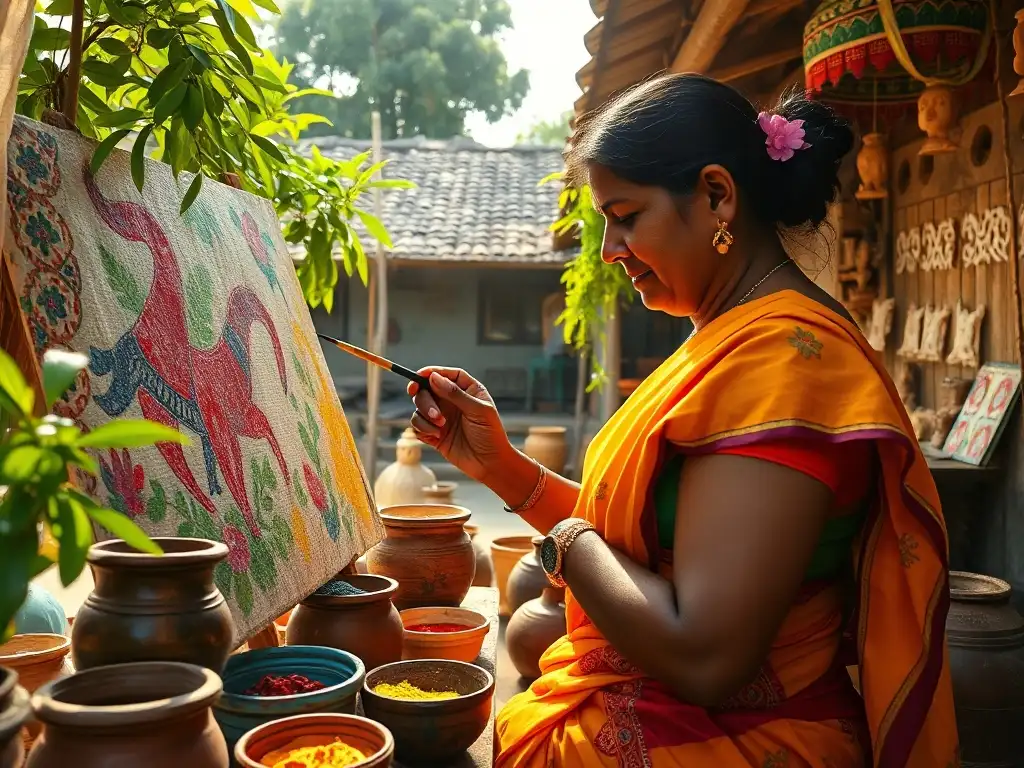
Welcome to Ancient India History, where we embark on a fascinating journey through time to uncover the rich tapestry of India's past. In our featured article, "The Legacy of Indian Folk Art: A Living Tradition," we delve into the vibrant and diverse Indian folk art traditions that have flourished across centuries, reflecting the creativity and spirit of ancient civilizations.
Join us as we explore how these artistic expressions not only preserve history but also serve as a bridge connecting generations. Prepare to be captivated by the stories, culture, and profound significance behind each intricate design and color, inviting you to dive deeper into this enthralling world of art and heritage.
Introduction to Indian Folk Art Traditions
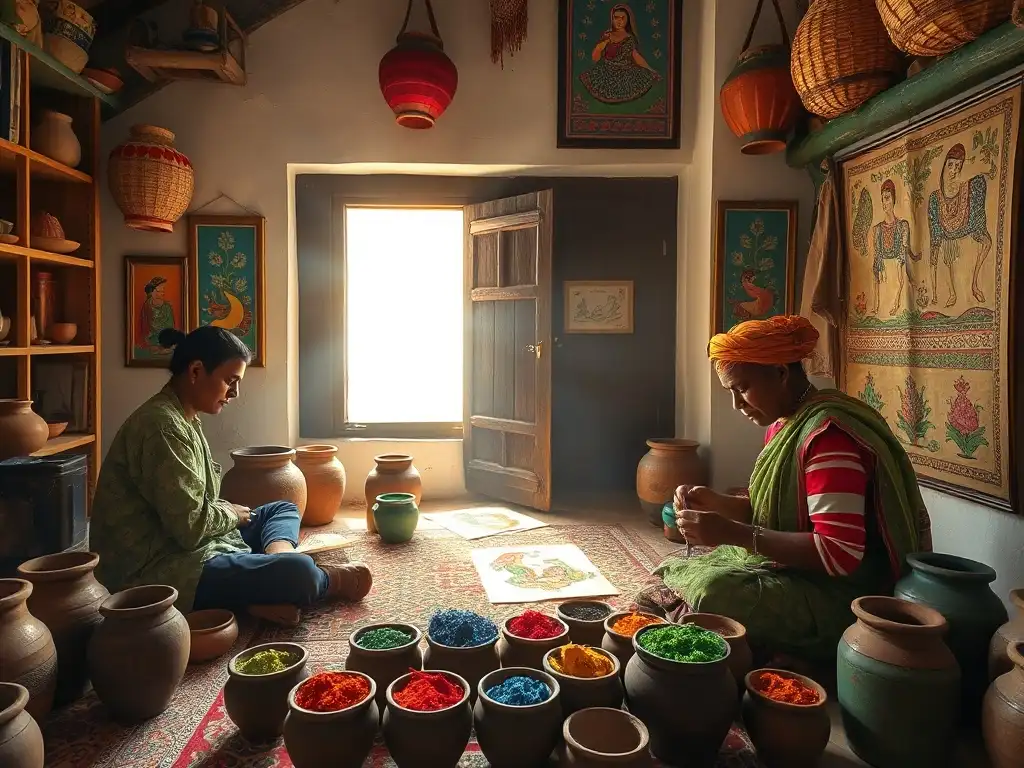
Indian folk art traditions represent a vibrant tapestry woven through centuries of cultural evolution and social expression. These art forms, deeply rooted in the daily lives and spiritual beliefs of communities, serve not only as aesthetic expressions but also as vital conduits for storytelling, traditions, and social values.
From the intricate patterns of Madhubani paintings to the rhythmic beats of Rajasthani folk music, Indian folk art encapsulates the essence of the region's diverse cultural heritage. The legacy of these traditions is not merely a reflection of artistic skill; it is a living testament to the communal identities and practices that have flourished amid the vast landscape of India's history.
Understanding the Significance of Indian Folk Art
Indian folk art is more than a mere decorative pursuit; it embodies the cultural ethos, societal norms, and historical narratives of the communities that create it. These art forms play various roles, including:
- Cultural Preservation: Folk art helps preserve the unique identities and historical narratives of different communities.
- Social Commentary: Many folk artists use their craft to comment on socio-political issues, reflecting the struggles and aspirations of their people.
- Economic Impact: Traditional crafts contribute significantly to local economies, providing livelihoods to artisans and promoting tourism.
Through these dimensions, Indian folk art traditions enrich both the creators and the observers, fostering a deeper understanding of India's multifaceted culture.
Overview of Indian Folk Art Traditions Through History
The evolution of Indian folk art can be traced back to ancient times, showcasing a rich interplay of influences and styles. Each region of India boasts its own unique forms, often shaped by local materials, climate, and cultural practices. Key highlights include:
- Indus Valley Civilization: Early examples of decorative pottery and seals demonstrate the sophisticated artistic sensibilities of this ancient culture.
- Medieval Period: The rise of regional kingdoms saw the flourishing of diverse folk art forms, including textiles, pottery, and mural painting.
- Colonial Era: Folk artists adapted to changing socio-economic conditions, leading to a revival and innovation in traditional art forms.
These historical phases illustrate how Indian folk art has continually adapted while preserving its core essence.
Historical Context of Indian Folk Art
To understand the depth of Indian folk art traditions, one must explore their historical context, which reveals the influences of ancient civilizations and the evolving nature of artistic expression over time.
The Origins of Indian Folk Art Traditions
The origins of Indian folk art can be traced back to prehistoric times, with evidence of cave paintings in regions such as Bhimbetka. These early artworks, often depicting hunting scenes and daily life, laid the groundwork for the intricate storytelling that characterizes folk art today. Additionally, the cultural practices of various tribes contributed significantly to the formation of distinct artistic styles, emphasizing the connection between art, nature, and spirituality.
Influence of Ancient Civilizations on Folk Art Forms
Ancient Indian civilizations, particularly the Maurya and Gupta Empires, played a crucial role in shaping folk art traditions. The patronage of emperors and the flourishing of trade routes facilitated cultural exchanges, resulting in the amalgamation of various artistic influences. For instance:
- Mauryan Influence: The grand sculptures and reliefs from this period inspired folk artists to incorporate sophisticated motifs and techniques.
- Gupta Era: Known as the "Golden Age," this period witnessed a resurgence of artistic expression, which trickled down to folk art through local adaptations.
These historical influences highlight the dynamic evolution of Indian folk art traditions, reflecting a continuous dialogue between the past and the present.
Key Characteristics of Indian Folk Art
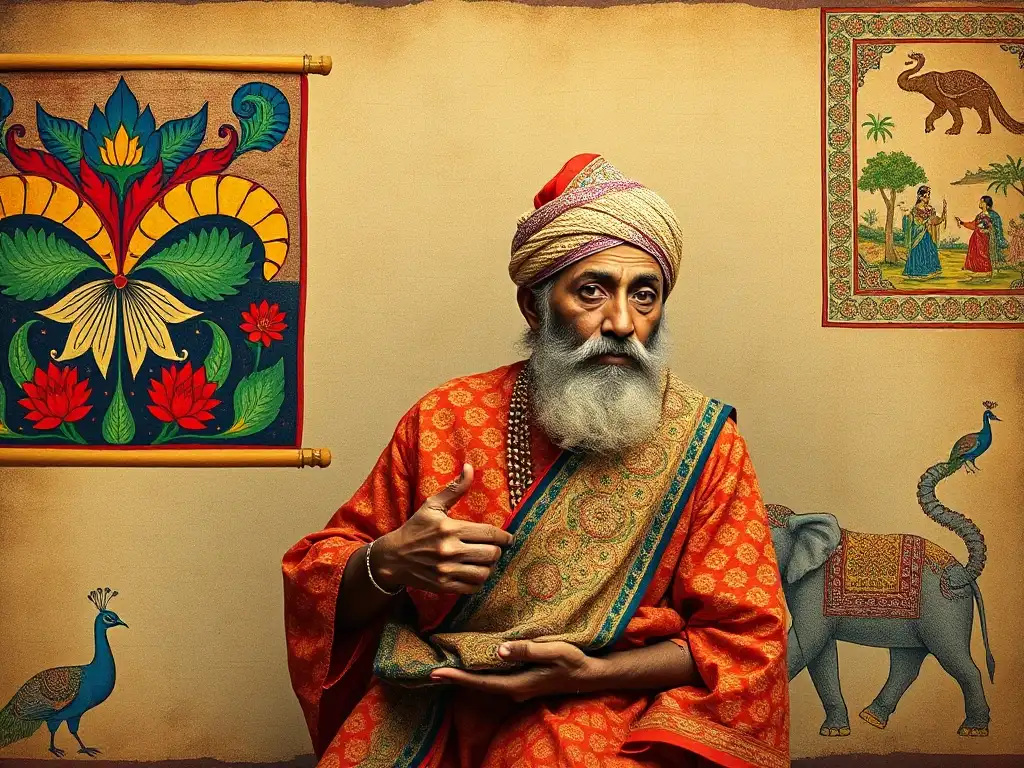
Indian folk art is a vibrant tapestry woven from the threads of cultural heritage, community identity, and regional diversity. Its key characteristics include:
- Community Involvement: Unlike classical art forms, Indian folk art is predominantly community-oriented. It often involves collective participation, where local artisans and community members come together to create art that reflects their shared experiences and cultural narratives.
- Functionality: Many folk art pieces serve functional purposes. For instance, traditional pottery, textiles, and wall paintings are often practical items that carry aesthetic value, showcasing the intersection of utility and beauty.
- Vibrant Colors and Patterns: Indian folk art is known for its bright and bold color palettes, often derived from natural dyes. The use of intricate patterns and designs is prevalent, with each region having its unique stylistic elements.
- Narrative Quality: Folk art frequently tells stories, whether they are mythological, historical, or everyday life tales. This narrative aspect serves to preserve oral traditions and cultural history, allowing future generations to connect with their roots.
- Cultural Symbolism: The motifs and themes present in folk art often carry deep cultural significance. They can represent local beliefs, rituals, and values, serving as a visual language that communicates the essence of a community’s identity.
Unique Techniques and Materials in Folk Art
Indian folk art is distinguished by its use of unique techniques and materials that vary by region but share common themes of sustainability and resourcefulness:
- Natural Materials: Artisans often utilize locally sourced materials, such as clay, wood, and textiles, enhancing the connection to their environment. For example, Madhubani artists use natural pigments derived from plants to create their vibrant works.
- Traditional Techniques: Techniques such as block printing, embroidery, and weaving have been passed down through generations. Each technique holds its own significance and adds to the cultural richness of the artwork. For instance, the Warli painting technique employs simple geometric shapes to depict the daily life and rituals of tribal communities.
- Innovative Adaptations: While maintaining traditional methods, many artists incorporate modern elements to keep the craft relevant. This fusion creates a dynamic art form that resonates with contemporary audiences while preserving its roots.
Themes and Motifs in Indian Folk Art Traditions
The themes and motifs found in Indian folk art are deeply intertwined with cultural narratives, reflecting the values and beliefs of various communities. Some prevalent themes include:
- Nature and Environment: Many folk artists draw inspiration from their surroundings, depicting flora, fauna, and landscapes. This connection to nature often symbolizes harmony and reverence for the environment.
- Mythology and Religion: Folk art frequently illustrates stories from religious texts and local mythology. These representations serve both decorative and educational purposes, imparting moral lessons and cultural legends to viewers.
- Festivals and Celebrations: Artworks often depict scenes from local festivals and celebrations, encapsulating the joyous spirit of community gatherings. The vibrant portrayal of rituals and cultural practices highlights the importance of these events in the social fabric.
- Social Themes: Many folk artists address social issues, weaving narratives that reflect the struggles and aspirations of their communities. This aspect of folk art serves as a powerful medium for social commentary and awareness.
Major Regional Variations in Indian Folk Art
Indian folk art is characterized by regional variations that reflect the diverse cultures, traditions, and histories of its people. Each region boasts unique styles, techniques, and themes that contribute to the rich tapestry of Indian folk art.
Folk Art Traditions of the North: Punjab, Himachal Pradesh, and Uttarakhand
In the northern regions, folk art traditions are vibrant and dynamic, often influenced by the local culture and lifestyle.
- Punjab: The folk art of Punjab, such as Phulkari embroidery, is known for its colorful floral patterns. This art form is traditionally used in shawls and dupattas, symbolizing joy and celebration.
- Himachal Pradesh: The intricate woodwork and vibrant Pahari paintings reflect the natural beauty and cultural richness of this mountainous region. The paintings often depict local deities, landscapes, and daily life.
- Uttarakhand: The folk art here includes traditional painting styles like Aipan, which incorporates geometric designs and motifs that are integral to local rituals and festivals.
Folk Art Traditions of the East: Bengal and Odisha
Eastern Indian folk art is known for its intricate designs and deep cultural significance.
- Bengal: The famous Nakshi Kantha embroidery showcases storytelling through needlework, often featuring scenes from nature and mythology. Additionally, the vibrant Patachitra paintings narrate religious stories and local legends.
- Odisha: The state is renowned for its Patta Chitra art, characterized by intricate detailing and mythological themes. The traditional use of natural colors and the incorporation of folk stories make this art form unique.
Folk Art Traditions of the South: Tamil Nadu and Kerala
Southern India boasts rich folk art traditions that reflect its diverse cultures and languages.
- Tamil Nadu: The Kolam, a form of decorative art created with rice flour, is often drawn at the entrance of homes. This art form symbolizes prosperity and welcomes guests with intricate designs.
- Kerala: The mural paintings of Kerala, especially those found in temples, depict mythological stories and local legends. They are characterized by their vivid colors and detailed imagery, often narrating the life of deities.
Folk Art Traditions of the West: Gujarat and Rajasthan
Western India is known for its colorful and diverse folk art traditions that celebrate local culture and history.
- Gujarat: The vibrant Bandhani tie-dye technique creates intricate patterns on fabrics, while the Warli art reflects the lifestyle and traditions of tribal communities. Both forms are deeply rooted in local customs and ceremonies.
- Rajasthan: The state is famous for its miniature paintings and block-printed textiles, which often feature royal themes and folk tales. The art of creating puppets, known as Kathputli, is also a significant folk tradition, used in storytelling and entertainment.
The Role of Indian Folk Art in Cultural Identity
Indian folk art serves as a vital expression of cultural identity, intricately woven into the fabric of local communities. These art forms encompass a rich variety of styles, techniques, and themes that reflect the diverse histories, traditions, and beliefs of the various regions of India. Each piece of folk art tells a story, serving as a visual narrative that connects present generations to their past, thereby reinforcing a sense of belonging.
Folk art often embodies the collective memory of a community, showcasing their rituals, festivals, and everyday life. For instance, Warli paintings from Maharashtra depict agrarian life and spiritual beliefs, while Pattachitra from Odisha narrates tales from Hindu mythology. These art forms are not merely decorative but are imbued with significance, acting as a medium for cultural transmission and social commentary. Through folk art, artists express their cultural narratives, contributing to the preservation of their identity amid changing societal landscapes.
Moreover, Indian folk art plays a crucial role in fostering community bonds. Collaborative art practices, such as mural painting or pottery workshops, encourage participation and interaction among community members, strengthening shared values and cultural pride. Thus, folk art serves as both a personal and collective expression of cultural identity, making it a cornerstone of India’s diverse heritage.
Preservation of Folk Art Traditions in Modern India
The preservation of folk art traditions in modern India is essential for maintaining the continuity of cultural heritage. In recent years, various initiatives have emerged, emphasizing the importance of safeguarding these art forms against the pressures of modernization and globalization. Organizations, NGOs, and government bodies are working tirelessly to document, promote, and revitalize folk art practices.
One significant approach has been the establishment of artisan cooperatives that empower local artists by providing them with resources, training, and market access. These cooperatives not only help in sustaining traditional techniques but also encourage the younger generation to embrace their artistic heritage. Additionally, educational programs and workshops are being organized to teach folk art techniques, ensuring that skills are passed down through generations.
Festivals and exhibitions celebrating folk art also play a pivotal role in preservation. Events like the Rajasthan International Folk Festival and the Surajkund International Crafts Mela provide platforms for artisans to showcase their work, interact with audiences, and gain recognition. Such initiatives not only promote folk art but also foster an appreciation for its cultural significance, thereby helping to secure its future.
The Impact of Globalization on Indian Folk Art Forms
Globalization has had a profound impact on Indian folk art forms, presenting both challenges and opportunities. On one hand, the influx of global trends and consumerism has posed threats to traditional practices, leading to the dilution of authentic styles and techniques. Many artisans find it difficult to compete with mass-produced goods, resulting in a decline in the traditional crafts that have been passed down through generations.
On the other hand, globalization has opened new avenues for artists to reach wider audiences. The internet and social media platforms have enabled artisans to showcase their work beyond local markets, connecting them with international buyers and art enthusiasts. This exposure can lead to increased demand for authentic folk art, potentially revitalizing interest and investment in traditional crafts.
Furthermore, the blending of folk art with contemporary styles has emerged as a notable trend. Artists are experimenting with traditional motifs and techniques, infusing them into modern art, fashion, and home décor. This fusion not only breathes new life into folk art but also ensures its relevance in today’s rapidly changing cultural landscape.
Contemporary Expressions of Indian Folk Art
Contemporary expressions of Indian folk art reflect the dynamic interplay between tradition and modernity. Artists today are reinterpreting age-old techniques and themes, creating works that resonate with contemporary audiences while honoring their cultural roots. This evolution has led to a resurgence of interest in folk art forms, allowing them to thrive in a modern context.
From textile design to visual arts, contemporary artists are incorporating folk motifs into their work, showcasing the rich heritage of Indian craftsmanship. For example, the use of Madhubani designs in modern fashion collections highlights the versatility of folk art, making it accessible and appealing to a broader audience. This integration of traditional elements into contemporary design not only preserves the art forms but also stimulates dialogue about cultural identity and artistic innovation.
In addition, contemporary folk art has found its place in urban settings, where traditional crafts are celebrated in galleries and art festivals. This visibility helps to bridge the gap between rural artisans and urban consumers, fostering appreciation and understanding of the cultural significance behind these art forms.
Integration of Traditional Techniques in Modern Art
The integration of traditional techniques into modern art is a notable trend that connects the past with the present. Many contemporary artists are adopting age-old methods, such as block printing, hand weaving, and miniature painting, to create innovative pieces that resonate with today’s audiences. This approach not only honors the craftsmanship of previous generations but also adds a layer of authenticity to modern artistic expressions.
For instance, artists like Seema Kohli incorporate traditional Indian motifs and techniques in their contemporary works, creating a dialogue between history and modernity. By blending traditional craftsmanship with contemporary themes, these artists emphasize the relevance of folk art in the contemporary art scene, promoting a renewed appreciation for its beauty and significance.
Moreover, art schools and workshops are increasingly encouraging students to explore traditional techniques, allowing them to infuse these skills into their modern artistic practices. This educational approach fosters a new generation of artists who are well-versed in both traditional and contemporary styles, ensuring the longevity of these art forms.
Influential Artists Reviving Indian Folk Art Traditions
Several influential artists have emerged as champions of Indian folk art traditions, revitalizing interest and appreciation for these rich cultural practices. These artists not only create captivating works but also engage in advocacy for artisan communities, ensuring the sustainability of traditional crafts.
One such artist is Bhuri Bai, a renowned Pithora painter from Madhya Pradesh, who has gained international recognition for her vibrant works that depict tribal life and mythology. Through her art, she has brought attention to the significance of Pithora painting, inspiring others to explore and embrace their cultural heritage.
Another prominent figure is Ghulam Rasool Santosh, who blended traditional Kashmiri motifs with modern techniques, earning acclaim for his unique style. His work has played a crucial role in highlighting the richness of Kashmiri art forms, encouraging a revival of interest among younger artists.
These artists, along with many others, are not only preserving folk art traditions but also redefining them for contemporary audiences. By merging traditional and modern elements, they ensure that Indian folk art remains a vibrant and relevant aspect of the cultural landscape, fostering a deeper understanding and appreciation of its legacy.
The Future of Indian Folk Art
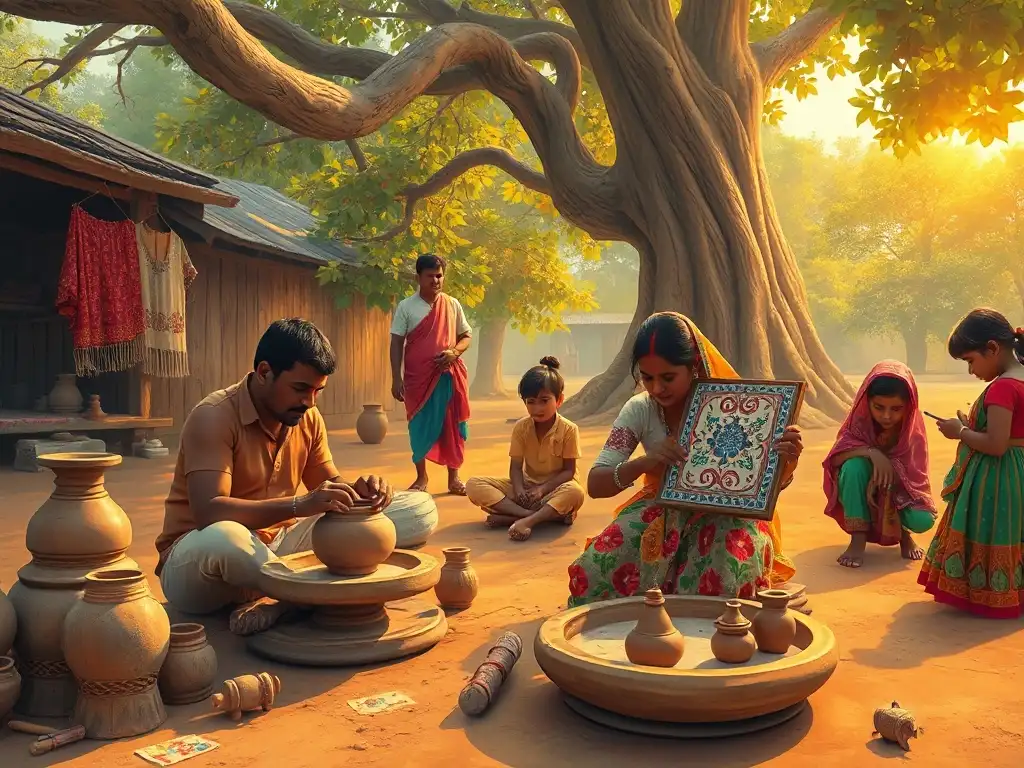
As we look toward the future, the resilience and adaptability of Indian folk art traditions remain paramount. These art forms, deeply rooted in cultural history, are experiencing a resurgence as artists find innovative ways to blend traditional techniques with contemporary themes. The integration of technology, such as social media platforms and online marketplaces, is enabling folk artists to reach wider audiences, thereby preserving their crafts while also cultivating a new generation of enthusiasts.
Moreover, the global interest in sustainability and ethical artistry is providing a fertile ground for folk art to flourish. As consumers increasingly seek authentic and handcrafted items, Indian folk art traditions are well-positioned to meet this demand. However, the future of these traditions hinges on continued support from both the government and private sectors, aimed at enhancing the livelihood of artists and fostering a deeper appreciation for these cultural treasures.
Educational Initiatives and Community Engagement
Educational initiatives play a crucial role in ensuring the survival and growth of Indian folk art traditions. Various organizations and NGOs are developing programs that educate younger generations about the significance and techniques of traditional crafts. Workshops and hands-on training sessions not only pass down skills but also instill pride in cultural heritage.
Community engagement is equally essential. Local art fairs, exhibitions, and cultural festivals provide platforms for artists to showcase their work while enabling the public to interact with and appreciate folk art. This interaction fosters a sense of community and belonging, allowing traditional art forms to thrive within their cultural context. By focusing on education and community, we can cultivate a new appreciation for these art forms that honors their past while ensuring their future.
The Importance of Sustaining Folk Art Traditions
Sustaining Indian folk art traditions is vital for several reasons. Firstly, these art forms are repositories of cultural knowledge, embodying the stories, beliefs, and practices of various communities. Preserving them contributes to maintaining cultural diversity in an increasingly homogenized world.
Secondly, folk art supports local economies. Many artisans depend on their crafts for their livelihood. By sustaining these traditions, we also support sustainable development in rural areas, where many of these art forms are practiced. Furthermore, the recognition of folk art as a legitimate form of artistic expression enriches the broader cultural narrative of India, allowing for a richer understanding of its history and values.
Conclusion: The Enduring Legacy of Indian Folk Art
The enduring legacy of Indian folk art is a testament to the creativity and resilience of its people. These art forms not only reflect the rich tapestry of cultural history but also serve as a bridge connecting generations. As we navigate the complexities of modern life, folk art traditions offer a sense of identity and continuity, reminding us of our roots.
Embracing the Future of Indian Folk Art Traditions
To embrace the future of Indian folk art traditions, it is essential to foster an environment that encourages innovation while preserving historical practices. This balance can be achieved through collaborative projects that connect contemporary artists with traditional artisans, allowing for the evolution of styles while honoring heritage. Furthermore, integrating folk art into educational curricula can inspire younger generations to engage with their cultural roots, ensuring that these traditions remain vibrant and relevant.
Call to Action: Supporting and Promoting Indian Folk Art
As stewards of cultural heritage, it is our responsibility to support and promote Indian folk art traditions. This can be achieved through various actions:
- Purchasing Authentic Art: Buy directly from artisans or reputable platforms to ensure fair compensation.
- Participating in Workshops: Engage in local workshops to learn about the techniques and stories behind folk art.
- Spreading Awareness: Share knowledge about Indian folk art through social media, blogs, and community events.
- Advocating for Policy Support: Support policies aimed at protecting and promoting traditional arts and crafts.
By taking these steps, we not only contribute to the sustainability of Indian folk art traditions but also enrich our own lives through the appreciation of this vibrant cultural heritage.
References
[Sources and Further Reading on Indian Folk Art]
To further explore the rich tapestry of Indian folk art traditions, here are some valuable sources and literature that delve into various aspects of this vibrant cultural heritage:
- Books and Publications
- Indian Folk Art: A Cultural Odyssey by Ranjit Singh: This comprehensive book offers insights into the history, styles, and significance of various folk art forms across India.
- The Art of Indian Folk Painting by Anita Dubey: A detailed examination of the techniques and themes prevalent in contemporary and traditional folk paintings of India.
- Folk Art of India by Shanta Rameshwar Rao: This book highlights the diversity of folk art forms and provides context about their cultural relevance.
- Research Articles
- "Folk Art in Indian Culture: A Study of Forms and Practices" - This academic paper explores the various folk art traditions in India, analyzing their evolution and impact on modern society.
- "The Role of Folk Art in Indian Society" - This research article discusses how folk art serves as a crucial medium for social commentary and cultural expression.
- Online Resources
- The National Handicrafts and Handlooms Museum website: A treasure trove of information on different folk art forms, showcasing crafts, techniques, and artists.
- Cultural India: This portal provides articles and galleries dedicated to the various folk art traditions found in different regions of India.
- Documentaries and Visual Media
- Folk Art of India: A documentary series that visually captures the essence and processes behind various folk art forms, highlighting the artisans and their stories.
- Colors of India: A visual journey that showcases the vibrant colors and techniques used in Indian folk art, featuring interviews with contemporary artists.
- Exhibitions and Workshops
- Participating in local art exhibitions or workshops can provide firsthand experience of folk art traditions. Institutions like the National Institute of Design often conduct workshops focusing on traditional art forms.
These resources collectively contribute to a deeper understanding of Indian folk art traditions, celebrating their historical significance and contemporary relevance. Engaging with these materials can enrich one’s appreciation of the artistry and cultural narratives embedded within Indian folk arts.
- Introduction to Indian Folk Art Traditions
- Understanding the Significance of Indian Folk Art
- Overview of Indian Folk Art Traditions Through History
- Historical Context of Indian Folk Art
- Key Characteristics of Indian Folk Art
- Major Regional Variations in Indian Folk Art
- The Role of Indian Folk Art in Cultural Identity
- Contemporary Expressions of Indian Folk Art
- The Future of Indian Folk Art
- Conclusion: The Enduring Legacy of Indian Folk Art
- References
Frequently Asked Questions
What are Indian folk art traditions?
Indian folk art traditions encompass a variety of artistic expressions that are rooted in the cultural practices of different regions. These include painting, weaving, and pottery, reflecting the local heritage and community life.
How have Indian folk art traditions evolved over time?
Over time, Indian folk art traditions have adapted to social, political, and technological changes, integrating modern influences while still preserving their core elements and traditional techniques.
What is the significance of folk art in Indian culture?
Folk art serves as a cultural identifier, showcasing the values, beliefs, and history of various communities. It plays a crucial role in festivals, rituals, and daily life, reinforcing social bonds.
Can you name some popular forms of Indian folk art?
Some popular forms of Indian folk art include Warli painting, Madhubani art, Pattachitra, and Kalamkari. Each form is unique to its region and reflects the local culture and traditions.
How can one support Indian folk art traditions today?
Supporting Indian folk art can be achieved by purchasing authentic pieces, participating in workshops, or promoting local artists through social media. This helps ensure the sustainability and continuation of these rich traditions.
Final Reflection: Embracing the Vibrancy of Indian Folk Art Traditions
The legacy of Indian folk art traditions is not merely a relic of the past; it is a vibrant tapestry that continues to weave its way into the fabric of contemporary society. As we navigate an increasingly globalized world, the significance of these art forms becomes even more pronounced, reminding us of our roots and the cultural narratives that shape our identities. The rich diversity of Indian folk art traditions serves as a powerful testament to the resilience and creativity of communities, urging us to celebrate and preserve these living traditions for future generations.
The influence of Indian folk art extends beyond aesthetics; it is a profound reflection of cultural identity and social values. These art forms resonate deeply within communities, fostering a sense of belonging and continuity. As we witness a resurgence of interest in traditional crafts, it becomes evident that these practices are not just surviving but thriving in modern contexts. Art is the most beautiful of all lies.
This quote encapsulates the essence of folk art, which transforms everyday experiences into extraordinary expressions of life, bridging the gap between past and present.
As you reflect on the themes presented in this article, I invite you to explore how you can engage with and support Indian folk art traditions in your own life. Consider visiting local exhibitions, participating in workshops, or even incorporating these art forms into your home.
By doing so, you not only honor the artisans and their craft but also enrich your own life with the stories and emotions embedded in these beautiful traditions. Let us all take a moment to appreciate and contribute to the legacy of Indian folk art, ensuring that it remains a vibrant part of our cultural landscape for years to come.
Unveil the Vibrancy of Indian Folk Art Today!
Thank you for immersing yourself in the rich tapestry of Indian folk art! You've gained a deeper appreciation for these living traditions that continue to thrive and inspire. Now, let's take that appreciation further and ignite your own creative journey!
Here are some engaging ways to connect with this extraordinary cultural heritage:
- Dive into your creativity by starting a DIY folk art project—whether it's painting, weaving, or crafting, let these traditions inspire your imagination!
- Explore local exhibitions or workshops showcasing Indian folk art; discover how these vibrant traditions are celebrated in your community.
- Share your newfound knowledge with friends and family! Introduce them to the beauty of folk art by hosting a themed gathering or an online discussion.
What aspect of Indian folk art resonates with you the most, and how do you envision incorporating that inspiration into your life?