
Temples of Ancient India: A Journey Through Sacred Architecture

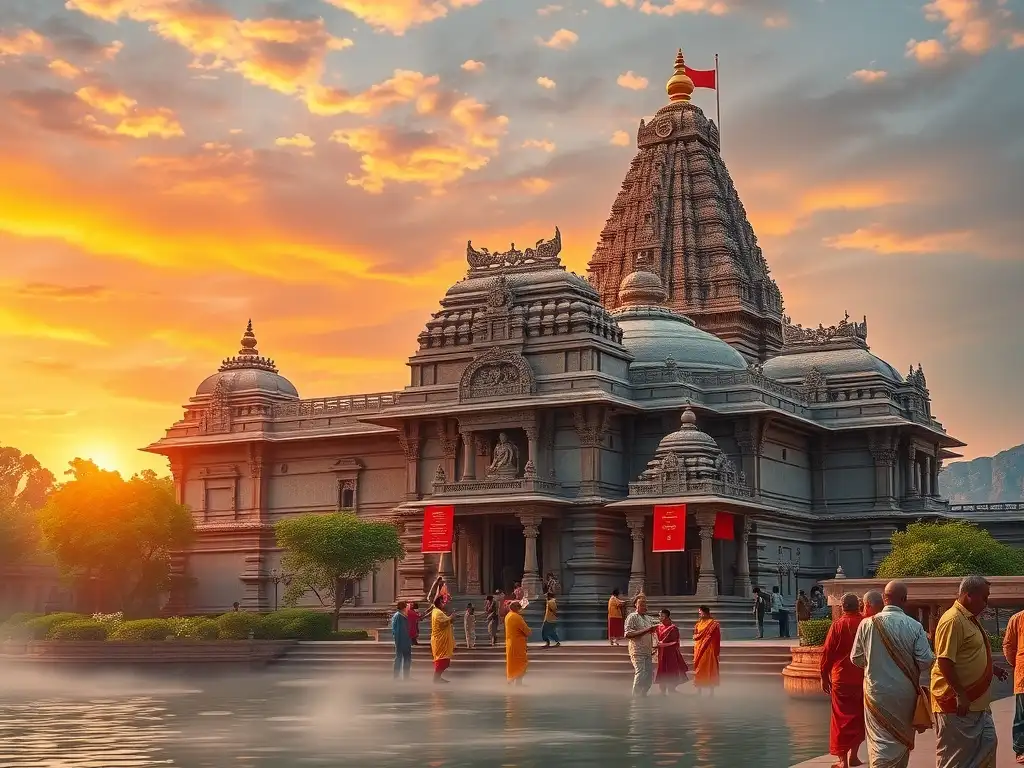
Welcome to Ancient India History, where we embark on a fascinating journey through the vibrant tapestry of India's past. In this exploration, we delve into the sacred world of Ancient Indian temple architecture, a testament to the ingenuity and spirituality of civilizations that thrived millennia ago. From the intricate carvings of the Indus Valley to the majestic structures of the Gupta Empire, each temple tells a story of artistic brilliance and cultural significance.
Are you ready to uncover the secrets hidden within these ancient walls? Join us as we unravel the mysteries and marvels of temples that shaped a civilization.
Ancient Indian temple architecture is a dazzling testament to the ingenuity and artistic brilliance of early civilizations in India. From the meticulously planned urban layouts of the Indus Valley to the intricate stone carvings of the Gupta Empire, the temples built during these eras serve not only as places of worship but also as cultural hubs that reflect the spiritual and social dynamics of their time.
This article embarks on a captivating journey through the sacred architecture of ancient India, exploring the evolution of temple designs, their significance in Hindu and Buddhist practices, and the impressive craftsmanship that has left an indelible mark on the Indian landscape.
As we delve into this architectural marvel, we will uncover the various styles that define ancient Indian temple architecture, such as the Nagara, Dravidian, and Vesara styles, each showcasing unique features and artistic expressions. Moreover, we will discuss the symbolic meanings embedded within these structures, as well as highlight notable examples, from the grand temples of Khajuraho to the serene stupas of Sanchi. Join us as we venture into the heart of ancient India, where stone and spirituality converge to tell a story of devotion, artistry, and cultural heritage.
- Introduction to Ancient Indian Temple Architecture
- Historical Context of Ancient Indian Temples
- Key Features of Ancient Indian Temple Architecture
- Major Styles of Ancient Indian Temple Architecture
- Notable Ancient Temples in India
- The Role of Temples in Ancient Indian Society
- Artistic Contributions of Ancient Indian Temples
- Preservation and Restoration of Ancient Indian Temples
- Conclusion: The Legacy of Ancient Indian Temple Architecture
-
Frequently Asked Questions
- What are the main features of ancient Indian temple architecture?
- How did the Indus Valley Civilization influence temple architecture?
- What role did religion play in the development of ancient Indian temples?
- Can you name some famous ancient Indian temples and their significance?
- How did the Gupta Empire contribute to temple architecture?
- Final Reflection: The Enduring Legacy of Ancient Indian Temple Architecture
- Unveil the Mysteries of Ancient Temples!
Introduction to Ancient Indian Temple Architecture
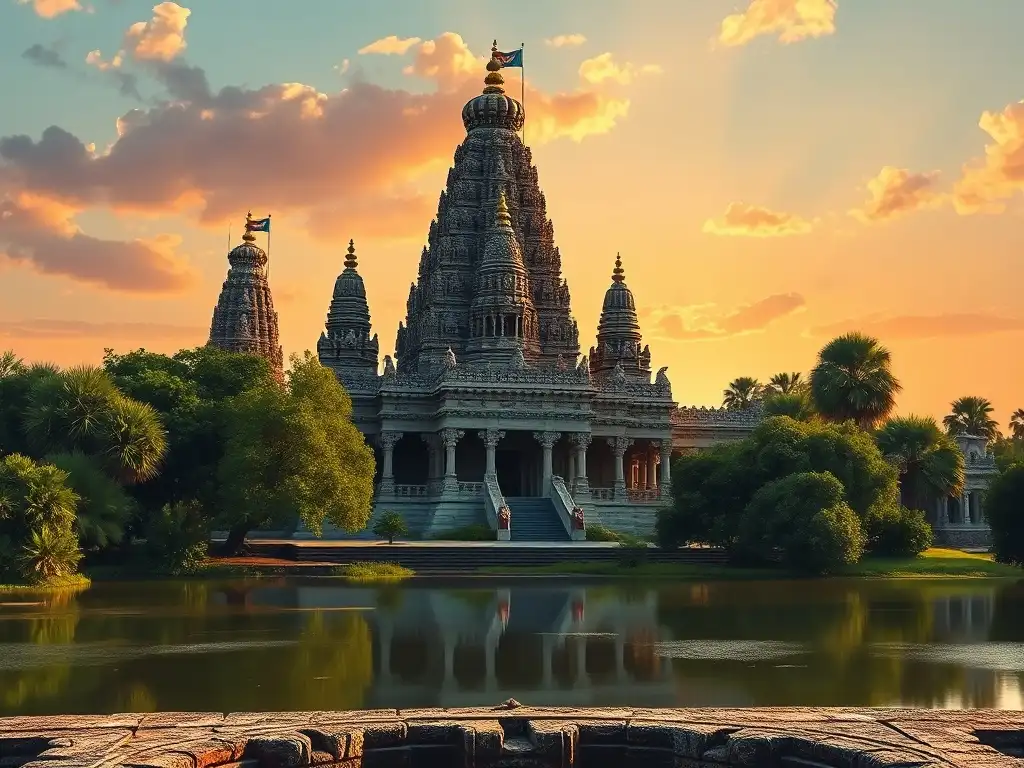
Ancient Indian temple architecture represents a profound expression of the spiritual and artistic endeavors of Indian civilizations. These sacred structures are not merely places of worship but also serve as a reflection of the cultural, social, and political dynamics of their time. From the meticulous planning of the layout to the intricate carvings adorning their walls, every aspect of ancient Indian temples is steeped in symbolism and significance.
The evolution of temple architecture in India can be traced through various historical periods, each contributing unique elements and styles. The significance of these structures extends beyond their physical presence; they embody the philosophical and religious beliefs of the communities that built them. As one explores the various temple designs across different regions, it becomes evident how geographical, cultural, and historical factors have shaped the artistry and architecture of these sacred spaces.
Importance of Sacred Structures in Ancient India
Ancient Indian temples served several vital roles in society. They were centers of spiritual learning, cultural exchange, and community gathering. Their importance can be summarized through the following points:
- Spiritual Hub: Temples were designed as sanctuaries for worship, where devotees could connect with the divine. Rituals and ceremonies performed in these spaces fostered a sense of community and spiritual fulfillment.
- Cultural Identity: The distinct architectural styles of temples often reflected the cultural identity of the region. For instance, the Nagara style in Northern India and the Dravidian style in Southern India showcase the diversity in cultural expression.
- Artistic Expression: The intricate carvings, sculptures, and frescoes found in ancient temples provide valuable insights into the artistic techniques and thematic elements prevalent during the time of their construction. These artworks often depicted deities, mythological stories, and everyday life, enriching our understanding of ancient Indian society.
- Socio-Political Significance: Many temples were commissioned by kings and local rulers as a means to demonstrate their power and devotion. This patronage often led to the construction of grand structures that showcased architectural innovation and artistic prowess.
- Educational Institutions: Temples also served as centers for learning and education. They housed scholars and provided a space for philosophical discussions, thus contributing to the intellectual advancements of ancient India.
Overview of Architectural Styles in Ancient India
The architectural styles of ancient Indian temples are diverse, with each style reflecting the unique cultural and historical context of its time. Here are some of the prominent styles:
- Nagara Style:
- Predominantly found in Northern India.
- Characterized by a curvilinear shikhara (tower) over the sanctum.
- Temples often feature intricate carvings and sculptures, with elaborate entrance gateways (toranas).
- Dravidian Style:
- Common in Southern India, particularly in Tamil Nadu.
- Features pyramidal towers (vimanas) and extensive gopurams (gateway towers).
- Known for its grand scale and detailed sculptures depicting Hindu mythology.
- Vesara Style:
- A blend of Nagara and Dravidian styles, primarily seen in Karnataka.
- Exhibits characteristics of both styles, with a mix of curvilinear and angular forms.
- Temples often feature elaborate ornamentation and intricate stone work.
- Kalinga Style:
- Originating from the Kalinga region (modern Odisha).
- Known for its distinctive curvilinear tower and intricate carvings.
- The Sun Temple at Konark is a prime example, showcasing the artistic prowess of this style.
- Mughal Influence:
- Although primarily Islamic, the Mughal period saw the incorporation of Hindu motifs in architecture.
- The blending of styles led to unique structures like the Tomb of Itimad-ud-Daulah, showcasing the fusion of cultural elements.
Ancient Indian temple architecture is a testament to the ingenuity and artistic brilliance of Indian civilizations. Each temple tells a story of its time, embodying the spiritual aspirations, cultural values, and artistic achievements of the people who created them. The exploration of these sacred structures offers invaluable insights into the rich tapestry of ancient Indian history and continues to inspire awe and reverence today.
Historical Context of Ancient Indian Temples
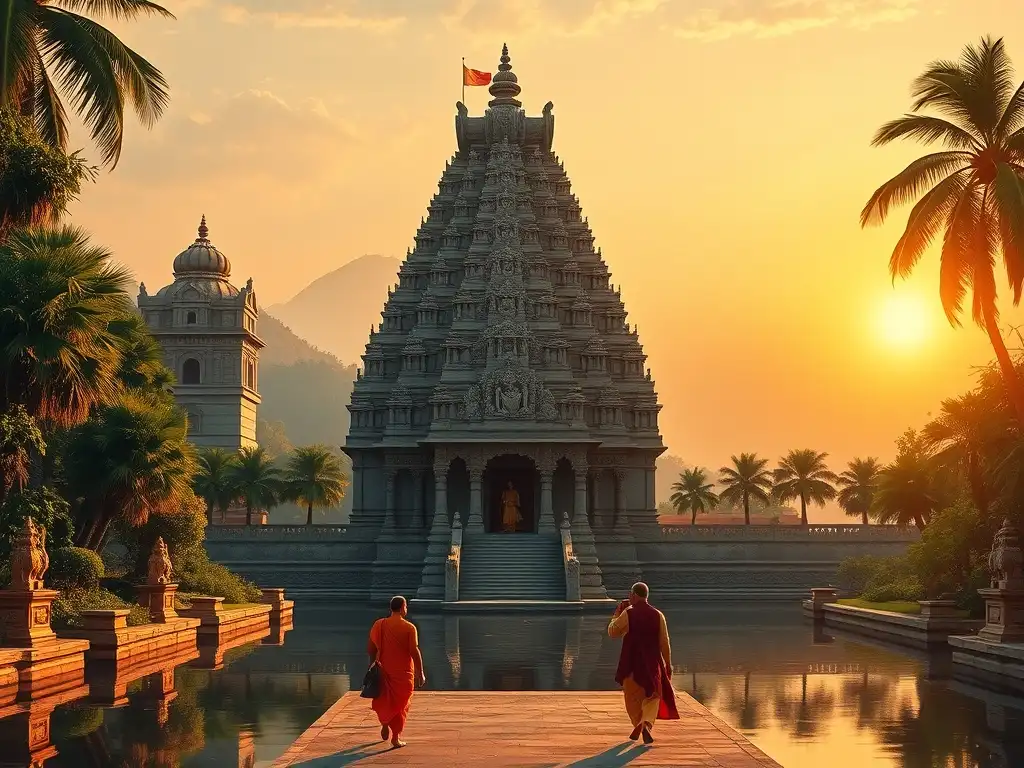
The historical context of ancient Indian temples is deeply intertwined with the socio-cultural and religious dynamics of the time. Temples served not only as places of worship but also as centers of community life, learning, and artistry. Their evolution reflects the changing beliefs and practices of various Indian civilizations, with architectural styles adapting to regional and religious influences.
The Evolution of Temple Architecture in Ancient India
The evolution of ancient Indian temple architecture can be traced through several distinct phases, each marked by unique styles and innovations.
- Indus Valley Civilization (c. 3300–1300 BCE):
- The earliest signs of temple architecture can be seen in the Indus Valley, where structures like the Great Bath of Mohenjo-Daro indicate a focus on ritual and public life. Though not temples in the conventional sense, they laid the foundation for communal worship spaces.
- Early Historic Period (c. 600 BCE–300 CE):
- With the rise of Buddhism and Jainism, rock-cut caves such as those at Ajanta and Ellora emerged. These caves were intricately carved and served as monastic complexes, showcasing early examples of sacred architecture.
- Gupta Period (c. 320–550 CE):
- This era is often referred to as the Golden Age of Indian culture, with significant advancements in temple architecture. The construction of brick and stone temples, such as the Dashavatara Temple at Deogarh, introduced the concept of the shikhara (spire), which became a hallmark of later Hindu temple designs.
- Medieval Period (c. 600–1200 CE):
- The temple architecture reached new heights with the emergence of distinct regional styles, such as Nagara in North India and Dravida in South India. Notable examples include the Brihadeeswarar Temple in Thanjavur and the Kandariya Mahadeva Temple in Khajuraho, both celebrated for their grandeur and intricate carvings.
- Mughal Influence (c. 1526–1857 CE):
- Although primarily known for Islamic architecture, the Mughal period also saw a syncretism of styles. Some Hindu temples incorporated Mughal elements, resulting in a fusion of architectural features that enriched the landscape of ancient Indian temple architecture.
Overall, the evolution of temple architecture in ancient India reflects a rich tapestry of cultural influences, religious practices, and artistic expression.
Influence of Religion on Temple Design and Construction
Religion played a pivotal role in shaping the design and construction of ancient Indian temples. Each religion—Hinduism, Buddhism, and Jainism—contributed distinct elements to temple architecture, influencing both the form and function of these sacred spaces.
- Hinduism:
- Hindu temples were designed as microcosms of the universe, embodying sacred geometry. The layout often follows a mandala pattern, symbolizing cosmic order. Key features include:
- Garbhagriha: The innermost sanctum housing the deity.
- Mandapa: A pillared hall for devotees to gather.
- Shikhara: A towering spire symbolizing the sacred mountain.
- Temples were adorned with intricate sculptures depicting deities, mythological narratives, and celestial beings, enhancing their spiritual ambiance.
- Hindu temples were designed as microcosms of the universe, embodying sacred geometry. The layout often follows a mandala pattern, symbolizing cosmic order. Key features include:
- Buddhism:
- Buddhist architecture focused on stupas—mound-like structures containing relics. The design emphasized meditation and enlightenment, with features such as:
- Chhatras: Umbrella-like structures symbolizing spiritual authority.
- Viharas: Monasteries for monks, often integrated into temple complexes.
- The use of intricate carvings and frescoes depicted the life of Buddha and Jataka tales, serving both educational and devotional purposes.
- Buddhist architecture focused on stupas—mound-like structures containing relics. The design emphasized meditation and enlightenment, with features such as:
- Jainism:
- Jain temples are renowned for their meticulous craftsmanship and attention to detail. Key characteristics include:
- Elaborate Tirthankara statues: Representing enlightened beings.
- Intricate marble inlay work: Showcasing exquisite artistry.
- Temples emphasize non-violence and asceticism, reflected in their serene design and peaceful surroundings.
- Jain temples are renowned for their meticulous craftsmanship and attention to detail. Key characteristics include:
The influence of religion on temple design and construction not only shaped the physical structures but also reinforced the spiritual and community values of ancient Indian societies. Each temple stands as a testament to the rich interplay between architecture and faith, creating a legacy that continues to inspire awe and reverence.
Key Features of Ancient Indian Temple Architecture
Ancient Indian temple architecture is a testament to the rich cultural and spiritual heritage of India. The intricate designs and structures not only serve religious purposes but also showcase the artistic excellence and engineering skills of ancient civilizations. Here are some key features that define this architectural marvel.
Architectural Elements of Hindu Temples
Hindu temples are characterized by a variety of architectural elements that symbolize the cosmos and spirituality. The shikhara (tower) is perhaps the most prominent feature, often rising majestically above the sanctum sanctorum, embodying the connection between the earthly and the divine.
- Garbhagriha: The innermost sanctum where the main deity resides, accessible only to priests.
- Mandapa: An open pillared hall used for various rituals and gatherings, often adorned with intricate carvings.
- Pradakshina Patha: A circumambulatory path allowing devotees to walk around the garbhagriha in a clockwise direction, symbolizing reverence.
The materials used in construction often included stone, brick, and sometimes wood, depending on the region and available resources. Many temples are adorned with elaborate sculptures depicting deities, mythological narratives, and celestial beings, reflecting the artistic sensibilities of the time.
Distinctive Features of Jain Temples
Jain temples stand out due to their unique architectural styles and spiritual significance. The emphasis on non-violence and asceticism is reflected in their designs. Unlike Hindu temples, Jain temples often feature:
- Elaborate Facades: The exteriors are richly decorated with intricate carvings of tirthankaras (spiritual teachers) and floral motifs.
- Chaumukha (Four-Faced): Many Jain temples, especially those dedicated to Tirthankaras, have a four-faced design that allows devotees to worship from multiple angles.
- Use of Marble: Jain temples frequently utilize white marble, symbolizing purity and tranquility. The marble surfaces are polished to a shine, enhancing the beauty of the carvings.
One of the most famous examples is the Jain Temple at Ranakpur, known for its stunning marble architecture and over 1,400 intricately carved pillars, each uniquely designed.
Unique Aspects of Buddhist Monastic Architecture
Buddhist monastic architecture is characterized by simplicity and functionality, reflecting the teachings of Buddhism. Key features include:
- Stupas: These dome-shaped structures are built as reliquaries, containing sacred relics associated with the Buddha. The Great Stupa at Sanchi, for example, is a remarkable example of early Indian architecture.
- Viharas: Monasteries that served as living quarters for monks, often featuring plain interiors with meditation halls and cells.
- Chaityas: Prayer halls that often include a stupa at one end, designed for communal worship. The rock-cut caves at Ajanta and Ellora showcase exquisite examples of chaityas.
Buddhist architecture emphasizes harmony with nature, often integrating structures with the surrounding landscape. The use of rock-cut techniques in places like Ajanta demonstrates advanced craftsmanship, allowing for intricate carvings and frescoes that narrate the life of the Buddha.
Ancient Indian temple architecture not only reflects religious fervor but also embodies the artistic and cultural ethos of the times. Each temple, whether Hindu, Jain, or Buddhist, tells a unique story through its design, serving as a window into the diverse spiritual landscape of ancient India.
Major Styles of Ancient Indian Temple Architecture
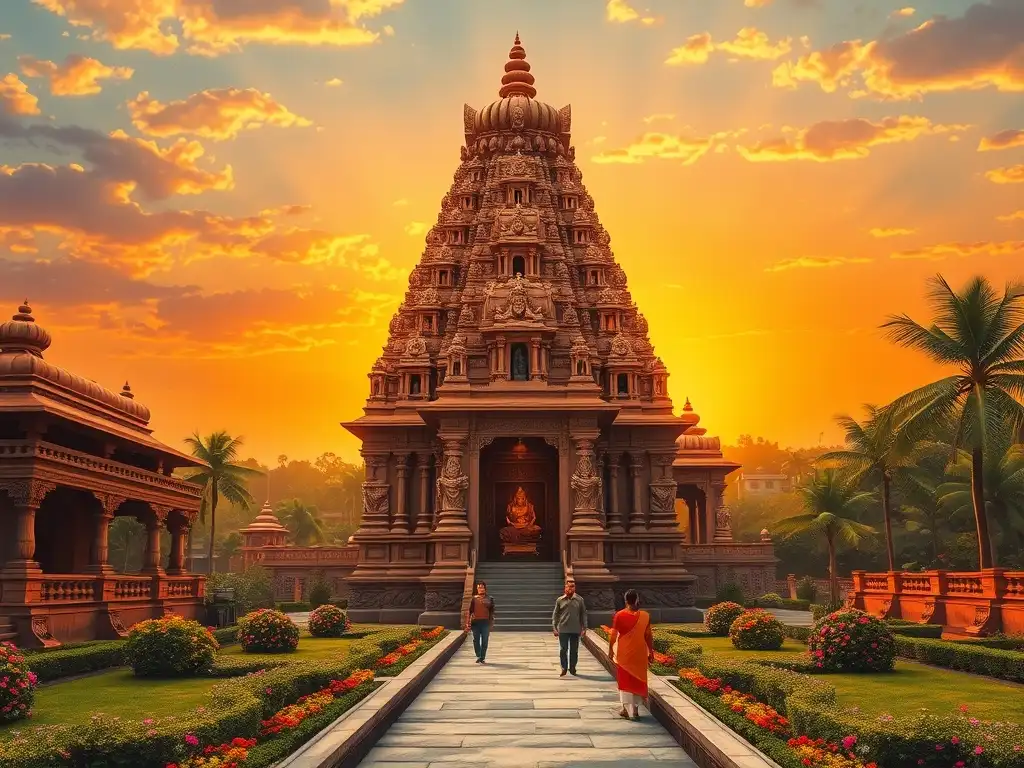
Nagara Style: Characteristics and Examples
The Nagara style, prominent in northern India, is characterized by its distinctive architectural features, which evolved between the 6th and 12th centuries CE. Key characteristics of this style include:
- Shikhara (Spire): The most striking feature of Nagara temples is the shikhara, a towering spire that rises above the sanctum sanctorum (garbhagriha). The shikhara often has a curvilinear form, symbolizing Mount Meru, the axis of the universe in Hindu cosmology.
- Decoration and Ornamentation: Nagara temples are richly adorned with intricate carvings depicting various deities, celestial beings, and mythological scenes. These sculptures often tell stories from Hindu epics such as the Ramayana and Mahabharata.
- Mandapa (Pillared Hall): Temples typically feature a mandapa, a pillared hall used for rituals and gatherings. The mandapa serves as a transition space between the outer world and the inner sanctum.
- Square Plan: The overall layout of Nagara temples is often square, with a central shrine and surrounding chambers.
Notable Examples
Several iconic temples exemplify the Nagara style, including:
- Khajuraho Temples: Located in Madhya Pradesh, these temples are renowned for their erotic sculptures and exquisite craftsmanship.
- Brihadeeswarar Temple: Situated in Thanjavur, this temple showcases the grandeur of Nagara architecture with its massive shikhara and detailed carvings.
- Sun Temple at Konark: This 13th-century masterpiece is designed in the shape of a colossal chariot and features elaborate stonework that narrates stories of the sun god Surya.
Dravidian Style: Features and Iconic Temples
The Dravidian style is primarily found in southern India and is known for its towering gopurams (gateway towers) and richly detailed sculptures. This architectural style flourished from the 7th century onwards and is marked by several distinctive features:
- Gopuram: Dravidian temples often have multiple gopurams, which serve as grand entrances. These structures are elaborately carved and decorated with intricate figures and motifs.
- Vimana: The vimana, or the tower above the garbhagriha, is usually pyramidal in shape. It symbolizes the cosmic mountain and is often adorned with images of deities.
- Courtyards: Temples typically include spacious courtyards that serve as gathering places for devotees and facilitate various rituals.
- Mandapas: Dravidian temples feature large mandapas with intricately carved pillars, often supported by beautifully sculpted figures.
Notable Examples
Key examples of Dravidian architecture include:
- Meenakshi Temple: Located in Madurai, this temple is famous for its towering gopurams and vibrant sculptures, making it a significant pilgrimage site.
- Brihadeeswarar Temple: A UNESCO World Heritage Site in Thanjavur, it showcases the grandeur of Dravidian architecture with its massive vimana and exquisite detailing.
- Virupaksha Temple: Situated in Hampi, this temple complex is a testament to the Vijayanagara Empire's architectural prowess, featuring impressive gopurams and mandapas.
Vesara Style: A Blend of Nagara and Dravidian Elements
The Vesara style represents a unique architectural synthesis, incorporating elements from both the Nagara and Dravidian styles. This style emerged in the Deccan region during the 7th to 12th centuries CE, characterized by:
- Hybrid Structure: Vesara temples often exhibit a combination of the curvilinear shikhara typical of Nagara temples and the pyramidal vimana seen in Dravidian architecture.
- Complex Layouts: The layout of Vesara temples tends to be more intricate, often featuring multiple shrines and courtyards that create a labyrinthine effect.
- Rich Carvings: Like both parent styles, Vesara architecture includes detailed sculptures and carvings, often depicting scenes from mythology and daily life.
Notable Examples
Some significant examples of Vesara architecture include:
- Kadasiddheshwara Temple: Located in Karnataka, this temple exemplifies the Vesara style with its unique blend of architectural features and intricate carvings.
- Mallikarjuna Temple: Situated in Alampur, this temple showcases the fusion of Nagara and Dravidian elements, with a striking vimana and elaborate sculptures.
- Hoysaleswara Temple: Found in Halebidu, this temple is renowned for its intricate detailing and showcases the transition from Vesara to later styles through its artistic richness.
The diversity in ancient Indian temple architecture is a reflection of the rich cultural and religious tapestry of the subcontinent. Each style not only serves its functional purpose but also stands as a testament to the artistic and spiritual aspirations of the civilizations that built them.
Notable Ancient Temples in India

The temples of ancient India are not just places of worship; they are remarkable examples of architectural prowess that reflect the spiritual beliefs and cultural practices of their times. These structures showcase a variety of styles and influences, each telling a unique story about the civilization that built them. Below, we explore three of the most notable ancient temples in India, highlighting their architectural significance and historical context.
The Brihadeeswarar Temple: A Marvel of Dravidian Architecture
The Brihadeeswarar Temple, located in Thanjavur, Tamil Nadu, is one of the most outstanding examples of Dravidian architecture. Built during the reign of Raja Raja Chola I in the early 11th century, this temple is dedicated to Lord Shiva and is a UNESCO World Heritage Site.
- Architectural Highlights:
- The temple showcases a massive vimana (tower) that rises to about 66 meters, making it one of the tallest of its kind in the world.
- The central dome of the vimana is capped with a single granite stone weighing around 80 tons, demonstrating the engineering skills of the Chola dynasty.
- Intricate carvings of deities, celestial beings, and mythological figures adorn the temple walls, reflecting the artistic excellence of the period.
- Cultural Significance:
- The temple is not only a major pilgrimage site but also a symbol of the Chola dynasty's power and artistic achievements.
- It plays a vital role in the Thanjavur dance, a classical dance form that narrates stories from Hindu mythology.
The Kandariya Mahadeva Temple: An Example of Nagara Style
Located in the Khajuraho group of temples in Madhya Pradesh, the Kandariya Mahadeva Temple is a prime example of the Nagara style of temple architecture. Built in the 11th century during the rule of the Chandela dynasty, it is dedicated to Lord Shiva.
- Architectural Highlights:
- The temple features a towering shikhara (spire), reaching approximately 31 meters, symbolizing Mount Meru, the axis of the universe in Hindu cosmology.
- Its exterior is adorned with exquisite sculptures depicting various aspects of life, including divine beings, dancers, and musicians, illustrating the celebration of life and love.
- The temple complex is designed to invoke a sense of elevation, both physically and spiritually, as visitors ascend to the sanctum.
- Cultural Significance:
- The Kandariya Mahadeva Temple stands as a testament to the Chandela kings' patronage of art and culture, reflecting the social values of the time.
- It is part of the UNESCO World Heritage Site known as the Group of Monuments at Khajuraho, renowned for its erotic sculptures that explore themes of love and sensuality.
The Sun Temple at Konark: Symbolism and Design
The Sun Temple at Konark, Odisha, is another exemplary piece of ancient Indian temple architecture, dedicated to the Sun God, Surya. Constructed in the 13th century during the reign of King Narasimhadeva I of the Eastern Ganga dynasty, this temple is also recognized as a UNESCO World Heritage Site.
- Architectural Highlights:
- The temple is designed in the shape of a colossal chariot with 24 wheels, symbolizing the passage of time and the movement of the sun.
- Each wheel is intricately carved and acts as a sundial, allowing worshippers to tell time by the sun's position.
- The temple's towering structure originally reached a height of about 70 meters, although it now stands in ruins, the remnants still convey the grandeur of its design.
- Cultural Significance:
- The Sun Temple is celebrated for its symbolic representation of the cycle of life, embodying the connection between celestial movements and earthly existence.
- It attracts tourists and pilgrims alike, particularly during the Chandrabhaga Mela, which honors Surya and showcases traditional dance and music.
The temples of ancient India not only serve as places of worship but also stand as monumental testaments to the artistic and architectural innovations of their times. Each temple, with its unique style and intricate details, offers insight into the rich cultural heritage of ancient Indian civilizations and continues to inspire awe and reverence today.
The Role of Temples in Ancient Indian Society
Temples as Centers of Worship and Community Life
Temples in ancient India were not merely places of worship; they served as vibrant centers of community life. Each temple acted as a hub where spirituality intersected with daily living, drawing people from various backgrounds. The architecture of these temples, while aesthetically remarkable, was also designed to facilitate communal activities, including festivals, rituals, and social gatherings.
- Spiritual Significance: Temples were constructed to honor deities and were believed to be the dwelling places of gods. Pilgrimages to these sacred sites were common, with temples like the Brihadeeswarar Temple and the Konark Sun Temple attracting thousands of devotees.
- Cultural Activities: Temples hosted various cultural activities such as music, dance, and poetry. The Natya Shastra, an ancient treatise on performing arts, was often performed in temple courtyards, blending religious devotion with artistic expression.
- Educational Institutions: Many temples functioned as centers of learning, where scholars and students gathered to study scriptures, philosophy, and various arts. The presence of libraries and schools within temple complexes emphasized their role in preserving and disseminating knowledge.
- Social Services: Temples often provided social services, including feeding the poor and offering shelter to travelers. This charitable aspect further solidified their importance as community centers.
The Economic Impact of Temples in Ancient India
The economic influence of temples in ancient India was profound and multifaceted, extending far beyond their spiritual purposes. Temples were not only architectural marvels but also significant economic entities that contributed to the wealth and stability of their regions.
- Land Ownership and Agriculture: Many temples were granted land by kings and wealthy patrons, which allowed them to engage in agricultural activities. The revenue generated from these lands was often used to maintain the temple and support local communities.
- Trade and Economy: Temples facilitated trade, becoming focal points for commerce. Markets and bazaars often sprung up around temple premises, boosting local economies. Pilgrims visiting temples also contributed to this economic activity, as they required accommodations, food, and various goods.
- Artisan Support: The construction and maintenance of temples generated employment for artisans, craftsmen, and laborers. This led to the flourishing of various crafts, including stone carving, metalwork, and textile production, showcasing the temple's role in economic development.
- Donations and Wealth Accumulation: Temples received donations in the form of money, jewelry, and valuable goods from devotees and rulers alike. This influx of resources allowed temples to accumulate wealth, which could be utilized for further construction, maintenance, and community welfare initiatives.
Ancient Indian temple architecture not only represents a spiritual legacy but also highlights the temples' pivotal roles in shaping the social and economic fabric of ancient Indian society. Their multifaceted contributions continue to be celebrated and studied, reflecting the rich history of the region.
Artistic Contributions of Ancient Indian Temples

The temples of ancient India are not merely places of worship; they are monumental artistic expressions that reflect the society, beliefs, and skills of their time. The intricate designs, elaborate sculptures, and profound symbolism found in these structures provide insight into the cultural and religious practices of ancient civilizations. This section explores two significant aspects of ancient Indian temple architecture: sculpture and relief work, and the iconography and symbolism that embellish these sacred sites.
Sculpture and Relief Work in Temple Architecture
Sculpture and relief work are integral components of ancient Indian temple architecture, showcasing remarkable craftsmanship and artistic vision. These elements not only enhance the aesthetic appeal of the temples but also serve to convey stories, religious teachings, and cultural values.
- Materials and Techniques: Ancient Indian artisans mainly used stone, particularly sandstone and granite, for carving intricate sculptures. The techniques evolved over time, with early craftsmen utilizing simple chiseling methods and later adopting more sophisticated tools for finer details.
- Types of Sculptures:
- Freestanding Statues: These are three-dimensional figures of deities and important figures, often placed in sanctums. For example, the colossal statues of Lord Vishnu and Shiva in the Khajuraho temples are exemplary freestanding works.
- Reliefs: These are carved images that are flush with the background and often depict scenes from mythology, daily life, and the cosmos. The Brihadeeswarar Temple in Thanjavur is renowned for its elaborate reliefs that narrate tales from the Ramayana and Mahabharata.
- Regional Variations: Different regions in India developed distinct styles of sculpture. For instance, the Dravidian style of the south is known for its towering gopurams (gateway towers) adorned with vibrant figures, while the Nagara style in the north features elegant, vertical forms with intricate details.
- Cultural Significance: The sculptures serve not just an artistic purpose but also a didactic one. They were meant to educate the devotees about the complexities of their faith, encapsulating the essence of dharma through visual storytelling.
Iconography and Symbolism in Ancient Indian Temples
The iconography and symbolism found in ancient Indian temples are vital for understanding the spiritual and philosophical tenets of the time. Each element within the temple—be it a sculpture, a motif, or a layout—carries deep meanings that are interwoven with the beliefs of the society.
- Deity Representation: Temples are primarily dedicated to specific deities, and their representations are meticulously crafted to embody various attributes. For example, the multiple arms of deities like Durga and Shiva symbolize their omnipotence and ability to perform various tasks simultaneously.
- Symbolic Motifs:
- Lotus Flowers: Commonly found in temple art, the lotus symbolizes purity and spiritual awakening, often associated with deities like Lakshmi.
- Mandalas: These geometric designs represent the universe and are used in temple layouts to signify the connection between the cosmos and the human experience.
- Architectural Layout: The layout of temples follows specific guidelines, often aligning with astronomical and geographical elements. This alignment is believed to enhance the temple's spiritual energy, making it a significant aspect of the architectural design.
- Cultural Reflections: The iconography not only serves religious purposes but also reflects the socio-political environment of the time. For instance, the depiction of kings alongside deities showcases the divine right to rule, blending governance with spirituality.
The artistic contributions of ancient Indian temples through sculpture and iconography are profound. They encapsulate the rich cultural tapestry of ancient India, making these temples not only architectural marvels but also vital repositories of history and spirituality. As we explore these sacred structures, we gain a deeper understanding of the artistic and philosophical heritage that continues to resonate in contemporary Indian culture.
Preservation and Restoration of Ancient Indian Temples
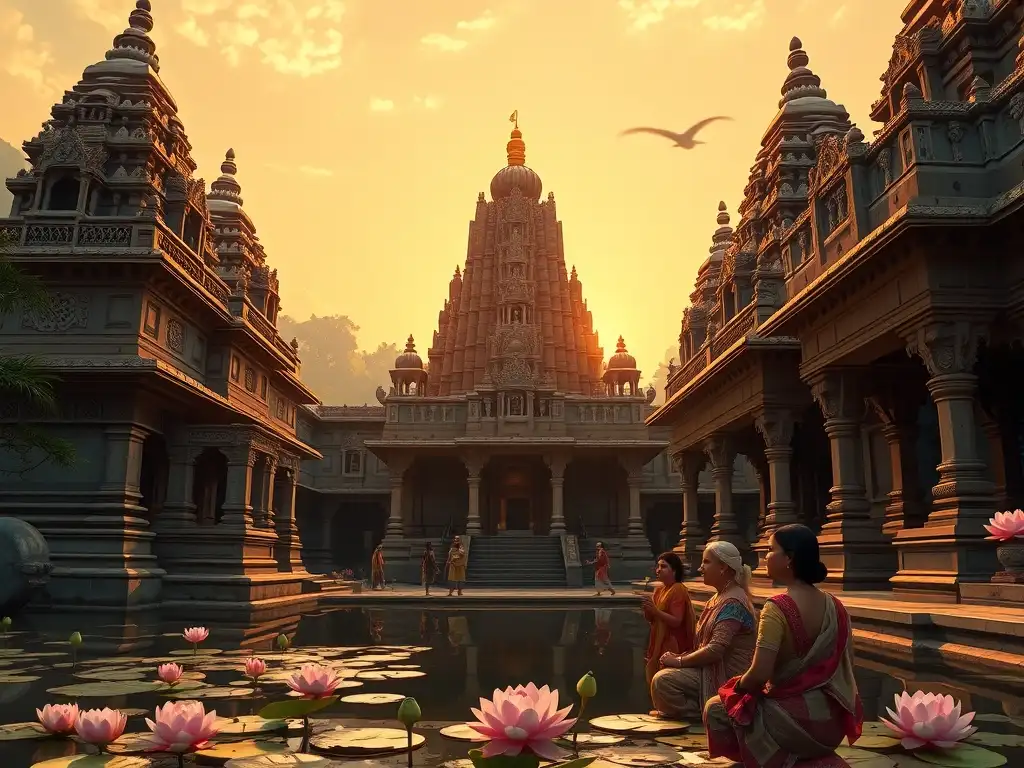
The preservation and restoration of ancient Indian temples are crucial for maintaining the cultural heritage and historical significance of these architectural marvels. Ancient Indian temple architecture reflects the artistic, spiritual, and technological achievements of past civilizations. However, these structures face numerous challenges that threaten their integrity and existence.
Challenges in Maintaining Ancient Structures
The challenges in maintaining ancient Indian temples are multifaceted and stem from various factors:
- Environmental Factors
- Weathering and Erosion: Exposure to harsh weather conditions such as heavy rainfall, extreme heat, and humidity can lead to erosion of stone and intricate carvings. For instance, temples in coastal areas are particularly vulnerable to saltwater intrusion.
- Pollution: Urbanization has led to increased pollution, which affects the stone materials, causing discoloration and degradation over time.
- Structural Integrity
- Foundation Issues: Many ancient temples were built on unstable ground, leading to foundational cracks and subsidence. For example, the Brihadeeswarar Temple in Tanjore exhibits some signs of structural strain due to its age and the surrounding soil conditions.
- Material Degradation: The original materials used in construction, such as sandstone and limestone, may deteriorate, necessitating careful restoration efforts to avoid altering the temple's authenticity.
- Vandalism and Neglect
- Human Activity: Increased tourism can lead to unintentional damage, while deliberate vandalism poses a significant threat. The intricate sculptures and reliefs are often targets for defacement.
- Neglect: In some cases, temples have been abandoned or poorly maintained, leading to further decay and loss of historical features.
- Funding and Resources
- Limited Financial Support: Many ancient temples do not receive adequate funding for maintenance and restoration, often relying on donations or limited governmental support. This can hinder timely repairs and conservation efforts.
Efforts for Conservation and Heritage Management
In response to the challenges faced, various efforts are undertaken to ensure the conservation and management of ancient Indian temples:
- Government Initiatives
- Legal Framework: The Archaeological Survey of India (ASI) plays a pivotal role in protecting monuments through legislation such as the Ancient Monuments and Archaeological Sites and Remains Act, 1958. This law restricts alterations to the temples and mandates proper maintenance.
- Funding Programs: The government allocates funds for restoration projects, focusing on temples of significant historical and cultural importance.
- Community Involvement
- Awareness Campaigns: Local communities are encouraged to participate in conservation efforts through awareness programs. These initiatives aim to foster a sense of ownership and responsibility toward the preservation of heritage sites.
- Volunteer Programs: Many organizations offer volunteer opportunities for individuals interested in heritage conservation, allowing them to contribute directly to restoration projects.
- Modern Techniques and Research
- Scientific Restoration: The application of modern technology, such as 3D scanning and digital modeling, aids in understanding the structural integrity of temples and planning restoration work accurately.
- Interdisciplinary Approach: Collaboration between architects, historians, and conservation specialists ensures that restoration efforts are informed by a comprehensive understanding of both the architectural and cultural significance of the temples.
- International Collaboration
- Partnerships with Global Organizations: Many ancient temples receive support from international heritage conservation organizations, which provide expertise and funding. These collaborations often bring in best practices from around the world, enhancing local efforts.
The preservation and restoration of ancient Indian temples are vital for safeguarding the rich tapestry of India's cultural heritage. Through a combination of governmental support, community involvement, and innovative conservation techniques, there is hope for maintaining these sacred structures for future generations to appreciate and admire.
Conclusion: The Legacy of Ancient Indian Temple Architecture
Ancient Indian temple architecture is a testament to the ingenuity and artistic mastery of bygone civilizations. From the intricate carvings of the Khajuraho group of temples to the imposing structures of Hampi, these sacred edifices not only served religious purposes but also reflected the socio-political and cultural dynamics of their time. The legacy of ancient temples is embedded in their design, which often features complex layouts, towering structures, and elaborate iconography that communicate profound philosophical and spiritual concepts.
The architectural styles of ancient temples, such as Nagara, Dravidian, and Vesara, showcase a variety of influences and regional adaptations. This diversity is a result of centuries of evolution, where local materials, climate, and traditions shaped the construction techniques and aesthetic choices. The temples stand as symbols of devotion, craftsmanship, and the human quest for the divine, leaving an indelible mark on the cultural landscape of India.
The Influence of Ancient Temples on Modern Indian Architecture
The impact of ancient Indian temple architecture is evident in contemporary architectural practices across India. Modern architects draw inspiration from the grandeur and intricate details of ancient temples, incorporating elements such as:
- Tall shikharas (spires) that dominate the skyline
- Elaborate carvings depicting mythological stories
- Sacred geometries that align with cosmic principles
For instance, the Brihadeeswarar Temple in Thanjavur has influenced modern temple designs with its monumental size and intricate sculpture work. Contemporary temples often aim to replicate the spiritual ambiance created by ancient designs, employing modern materials while respecting traditional aesthetics.
Moreover, the principles of Vaastu Shastra, an ancient Indian architectural science, continue to guide the layout and orientation of buildings, reflecting the enduring relevance of ancient wisdom in today’s urban environments. Architects and designers incorporate these principles to create spaces that resonate with spiritual energy and harmony.
Continuing Relevance of Sacred Architecture in Contemporary India
Sacred architecture remains a vital aspect of contemporary Indian society, serving as a bridge between the past and present. Temples today not only function as places of worship but also as cultural hubs that foster community engagement through festivals, rituals, and educational activities.
In cities across India, new temples are being constructed, often reflecting a blend of ancient styles with modern technology and design principles. These new constructions aim to create inclusive spaces that cater to a diverse population, all while honoring traditional craftsmanship.
The preservation of ancient temples is equally important, as they serve as cultural heritage sites that attract tourists and scholars alike. Initiatives to restore and maintain these sites ensure that future generations can appreciate the artistic and historical significance of ancient Indian temple architecture.
The legacy of ancient Indian temple architecture is not only a reflection of historical ingenuity but also a living tradition that continues to evolve. Its influence permeates modern architecture, while its relevance in contemporary society underscores the importance of preserving and celebrating this rich cultural heritage.
Frequently Asked Questions
What are the main features of ancient Indian temple architecture?
Ancient Indian temple architecture is characterized by intricate sculptures, carvings, and distinct styles such as Nagara and Dravidian. These elements reflect the spiritual and cultural beliefs of the time.
How did the Indus Valley Civilization influence temple architecture?
The Indus Valley Civilization laid the groundwork with its advanced urban planning and drainage systems, which later influenced the design and construction of temples in subsequent civilizations.
What role did religion play in the development of ancient Indian temples?
Religion was a pivotal factor, as temples served as places of worship and community gathering, reflecting the spiritual and cultural priorities of ancient societies.
Can you name some famous ancient Indian temples and their significance?
Notable temples include the Brihadeeswarar Temple in Tamil Nadu and the Kashi Vishwanath Temple in Varanasi, both of which are significant for their architectural brilliance and historical importance.
How did the Gupta Empire contribute to temple architecture?
The Gupta Empire is often regarded as a golden age for Indian art and architecture, leading to the creation of elaborate temple complexes and the introduction of iconic architectural styles that influenced later periods.
Final Reflection: The Enduring Legacy of Ancient Indian Temple Architecture
The intricate beauty and profound significance of ancient Indian temple architecture remain deeply relevant today, as they serve as a testament to the rich cultural heritage and spiritual depth of our civilization. The temples are not merely structures of stone and artistry; they are living embodiments of faith, history, and community that continue to inspire awe and reverence in the modern world. As we navigate an increasingly fast-paced and technology-driven society, the lessons embedded in these sacred spaces remind us of the importance of grounding ourselves in our roots and traditions.
The influence of ancient Indian temple architecture extends far beyond their physical presence; they shape our cultural identity and social fabric. These temples have historically been centers of learning, art, and community gatherings, fostering a sense of belonging and continuity through generations. As noted by the renowned historian, “Architecture is the frozen music of a culture,” highlighting how these sacred structures encapsulate the values, beliefs, and aspirations of the people who built them. > “Temples are not just places of worship; they are the heartbeats of our civilization, echoing stories of devotion and artistry.”
As we reflect on the lessons from ancient Indian temple architecture, I invite you to consider how you can incorporate the values of creativity, spirituality, and community into your own life. Take a moment to appreciate the beauty around you, whether in nature, art, or the spaces you inhabit. Let the stories of these temples inspire you to build your own sacred spaces—whether physical or metaphorical—that honor your heritage and foster connections with others. In doing so, you not only celebrate the past but also contribute to a future enriched by the wisdom of those who came before us.
Unveil the Mysteries of Ancient Temples!
Thank you for taking the time to explore the rich tapestry of sacred architecture in ancient India! We hope this journey has deepened your appreciation for these magnificent temples and their historical significance. Now it’s time to take action and connect with this incredible heritage.
Here are some ways you can further immerse yourself in the world of ancient temples:
- Visit a nearby temple or historical site: Experience the spirituality and architecture firsthand. Capture your thoughts and impressions!
- Join an online community or forum focused on ancient history: Share your discoveries, ask questions, and connect with fellow enthusiasts.
- Read books or watch documentaries about ancient Indian architecture to expand your knowledge beyond this article.
Have you ever visited a temple that moved you spiritually or architecturally? We invite you to share your experience in the comments below!