
The Majestic Storytelling of Ancient Indian Sculpture: Unveiling Hidden Narratives

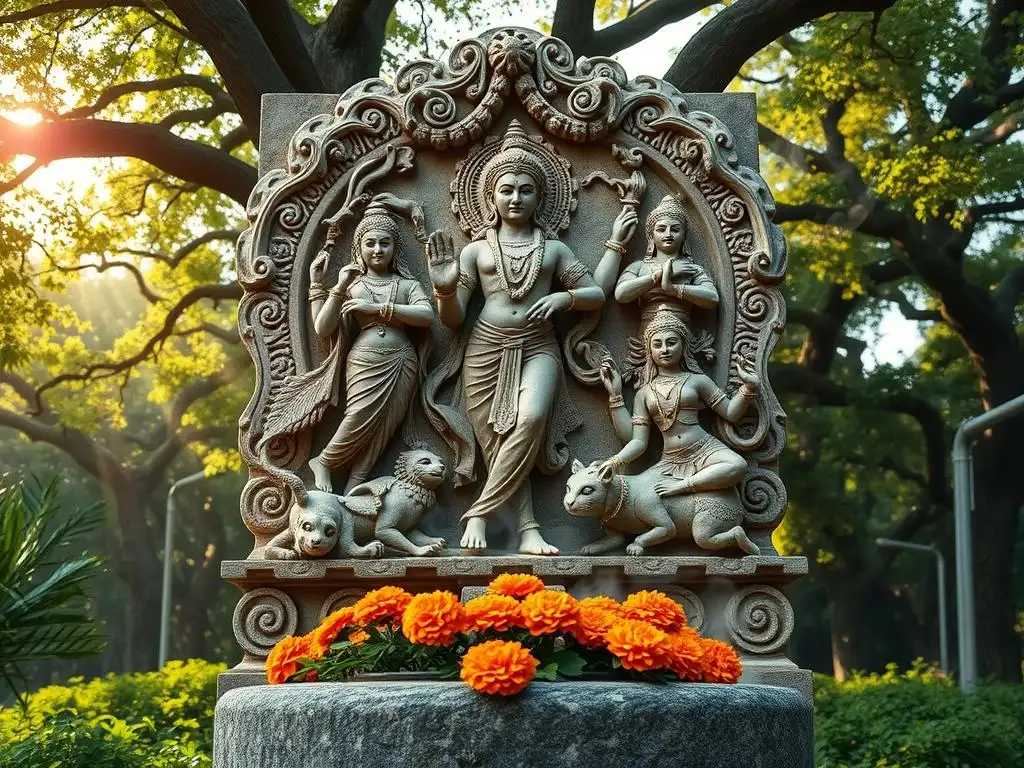
Welcome to Ancient India History, where we embark on a captivating journey through the rich tapestry of ancient Indian civilizations. Our exploration today centers on the majestic storytelling of Ancient Indian sculpture—a profound art form that transcends time and space. As we unveil the hidden narratives carved into stone, you'll discover how these intricate sculptures not only reflect the artistic prowess of their creators but also offer a glimpse into the cultural and spiritual life of the era.
Prepare to delve deeper into the enchanting world of art forms that have shaped the essence of India’s historical legacy. What secrets will you uncover in the artistry of ancient stone? Let’s find out together!
Introduction to Ancient Indian Sculpture History
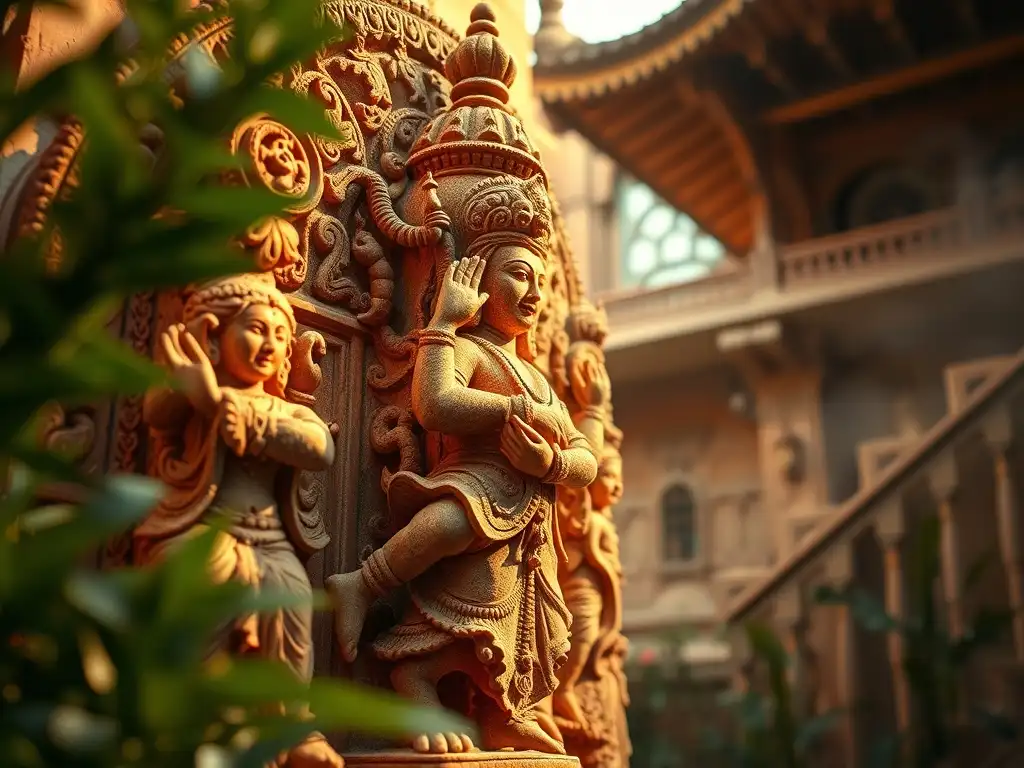
The history of ancient Indian sculpture is a captivating journey through time, revealing the artistic brilliance and cultural richness of one of the world's oldest civilizations. From intricate carvings of deities to grand monumental structures, ancient Indian sculptures serve as a profound testament to the spiritual beliefs, social dynamics, and technological advancements of their respective eras.
This article delves into the multifaceted narratives encapsulated in these artistic expressions, exploring how the evolution of sculptural art reflects the broader historical context of ancient India. Through an examination of key periods, styles, and influences, we aim to illuminate the significance of ancient Indian sculpture history, offering insights into its enduring legacy.
Understanding the Significance of Sculpture in Ancient India
Sculpture in ancient India was not merely a form of artistic expression; it was deeply intertwined with the spiritual and cultural fabric of society. Key points regarding its significance include:
- Religious Importance: Many sculptures were created for religious purposes, serving as representations of deities and sacred narratives. Temples adorned with sculptures became centers of worship and pilgrimage.
- Cultural Reflection: Sculptures often depicted daily life, societal norms, and historical events, providing a glimpse into the values and customs of ancient Indian civilizations.
- Technical Innovation: The craftsmanship involved in sculpting showcases the advanced techniques and materials used by artisans, highlighting the technological progress of the time.
Overview of the Evolution of Sculptural Art in Indian Civilizations
The evolution of sculpture in ancient India can be classified into distinct periods, each characterized by unique styles and themes. Key eras include:
- Indus Valley Civilization: Known for its seals and figurines, this period laid the groundwork for artistic traditions.
- Mauryan Empire: This era saw the emergence of monumental sculptures, including the iconic Ashoka Pillars.
- Gupta Empire: Often referred to as the Golden Age of Indian art, the Gupta period is celebrated for its exquisite temple sculptures and intricate relief work.
The Roots of Ancient Indian Sculpture
The Indus Valley Civilization: Early Artistic Expressions
The Indus Valley Civilization (c. 3300–1300 BCE) marks the dawn of sculptural art in ancient India, characterized by its unique artistic expressions. Among the most notable artifacts are:
- Terracotta Figurines: Small figurines showcasing human and animal forms, often believed to have religious significance.
- Seals: Engraved with intricate designs, these seals depict various motifs, including animals and possibly deities, indicating a complex belief system.
- Urban Planning: The sophisticated urban layout of cities like Mohenjo-Daro and Harappa suggests that art was an integral part of public spaces.
Vedic Period and Its Influence on Sculpture
The Vedic Period (c. 1500–500 BCE) brought significant changes in the cultural landscape of India, influencing the development of sculptural art. Key aspects include:
- Symbolism in Art: The emergence of symbolic representation in sculptures, reflecting the spiritual philosophies outlined in Vedic texts.
- Architectural Developments: The construction of altars and ritual sites led to the creation of sculptures related to religious practices.
- Integration of Nature: Sculptures began to incorporate natural elements, signaling a shift towards a more holistic representation of life.
Through these explorations, we begin to appreciate the intricate tapestry of ancient Indian sculpture history, where each piece tells a story and contributes to the ongoing dialogue of cultural heritage.
Key Features of Ancient Indian Sculpture
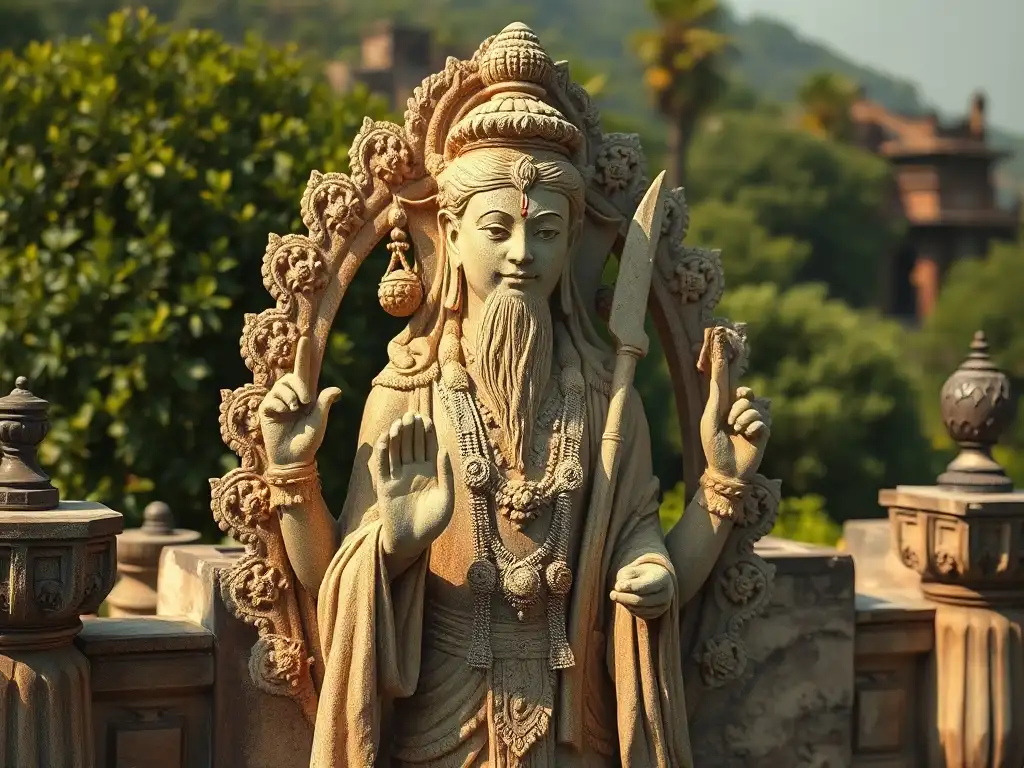
Ancient Indian sculpture is characterized by its intricate detailing, rich symbolism, and the ability to convey complex narratives through form and expression. One of the most striking features is the exquisite craftsmanship, which reflects the profound skill of artisans who meticulously carved stone, metal, and wood. The sculptures often depict deities, mythical creatures, and everyday life, showcasing a blend of realism and idealism.
Another noteworthy aspect is the dynamic poses and gestures (known as mudras) that convey specific meanings. For instance, a hand raised in a particular position might symbolize protection or teaching. Furthermore, many sculptures are designed to be viewed from multiple angles, inviting the observer to engage with the artwork from various perspectives.
Additionally, ancient Indian sculpture often features naturalistic elements, such as flowing drapery and finely detailed facial expressions, which imbue the figures with life and emotion. The use of ornamentation is also prevalent, with intricate jewelry and elaborate hairstyles adding to the overall aesthetic and narrative depth of the sculptures.
Material and Techniques Used in Indian Sculpting
The materials employed in ancient Indian sculpture varied widely, with stone, bronze, and wood being the most prevalent.
- Stone: Primarily used for monumental sculptures, stone types such as sandstone, granite, and marble were favored for their durability. Sculptors employed tools like chisels and hammers to achieve fine details. Notable sites like Khajuraho and Ajanta showcase the mastery of stone carving.
- Bronze: The lost-wax casting technique was a hallmark of ancient Indian metalwork, allowing for detailed and complex forms. This method enabled artisans to create lightweight yet durable sculptures, often depicting deities in dynamic poses. The famous Chola bronzes are exemplary of this technique.
- Wood: Although less durable than stone or metal, wood was used extensively for smaller sculptures and temple reliefs. The natural grain of the wood was often incorporated into the design, enhancing the aesthetic appeal.
In terms of techniques, sculptors employed a combination of carving, casting, and assembly. The choice of technique often depended on the intended use of the sculpture, such as for temple worship, narrative storytelling, or decorative purposes.
Iconography and Symbolism in Ancient Indian Art
Iconography plays a crucial role in ancient Indian sculpture, where each figure is imbued with layered meanings and cultural significance. Deities are often depicted with specific attributes that help identify them, such as multiple arms representing their divine powers or animals symbolizing their vahana (vehicle).
For instance, Ganesha, the elephant-headed god, is commonly associated with wisdom and the removal of obstacles, and his iconography reflects these attributes through his posture and the objects he holds.
Moreover, symbolism extends beyond deities to include representations of natural elements, like rivers and mountains, which embody the relationship between the divine and the earthly realm. Common motifs, such as lotus flowers symbolizing purity and enlightenment, are prevalent throughout various sculptures.
The narratives depicted in sculptures often convey moral lessons or stories from ancient texts like the Mahabharata and Ramayana. These narratives are not just artistic expressions but serve as a means of cultural education, connecting viewers with their spiritual heritage.
Major Periods in Ancient Indian Sculpture History
The history of ancient Indian sculpture can be divided into several significant periods, each marked by distinct styles and cultural influences. Understanding these periods provides insight into the evolution of artistic expression in the region.
The Mauryan Empire: Grand Beginnings
The Mauryan Empire (circa 322-185 BCE) marks a pivotal moment in ancient Indian sculpture history. This era is noted for its grand architectural projects and monumental sculptures, including the famous Ashoka Pillars. These pillars, featuring intricate carvings and edicts, symbolize the empire's commitment to governance and moral values.
The Lion Capital of Ashoka, now the national emblem of India, exemplifies the sophistication of Mauryan artistry, showcasing realism and a keen attention to detail. The period also saw the influence of Buddhist themes, with sculptures depicting the life of Buddha emerging, often characterized by serene expressions and symbolically rich motifs.
The Gupta Period: The Golden Age of Sculpture
The Gupta Period (circa 320-550 CE) is often referred to as the Golden Age of Indian sculpture, characterized by an artistic renaissance that produced some of the most iconic works in Indian history. This era is marked by a shift towards more expressive and humanistic forms, with sculptures reflecting divine beauty and grace.
Noteworthy examples include the Buddha statues of Sarnath, which showcase the Gupta style's characteristic smooth surfaces and serene expressions. The sculptures from this period often depict deities with idealized features, emphasizing spiritual qualities. Temples constructed during this time, such as the Kandariya Mahadeva Temple, feature intricate reliefs that narrate various myths and legends, enhancing the immersive experience of worship.
Regional Variations in Sculptural Styles Across India
Ancient Indian sculpture is not monolithic; it encompasses a plethora of regional styles that reflect local cultures, beliefs, and artistic traditions.
- North Indian Sculpture: Known for its intricate stone carvings and monumental temples, North Indian sculpture often features elaborate narratives from Hindu epics. The temples at Khajuraho and the stunning Ajanta caves are prime examples.
- South Indian Sculpture: Renowned for its bronze sculptures, particularly from the Chola dynasty, South Indian art emphasizes dynamic forms and intricate details. The bronze statues often depict deities in lively poses, signifying their divine nature.
- Eastern and Western Styles: In the east, sculptures from Odisha, such as the Konark Sun Temple, are characterized by their intricate carvings and sensual depictions of figures. Conversely, Western Indian sculpture, particularly from Gujarat and Rajasthan, often reflects Jain influences with its detailed and ornate stone carvings.
These regional variations contribute to a rich tapestry of artistic expression in ancient India, highlighting the diverse cultural influences that shaped the subcontinent's sculptural heritage.
Notable Sculptural Works and Their Narratives
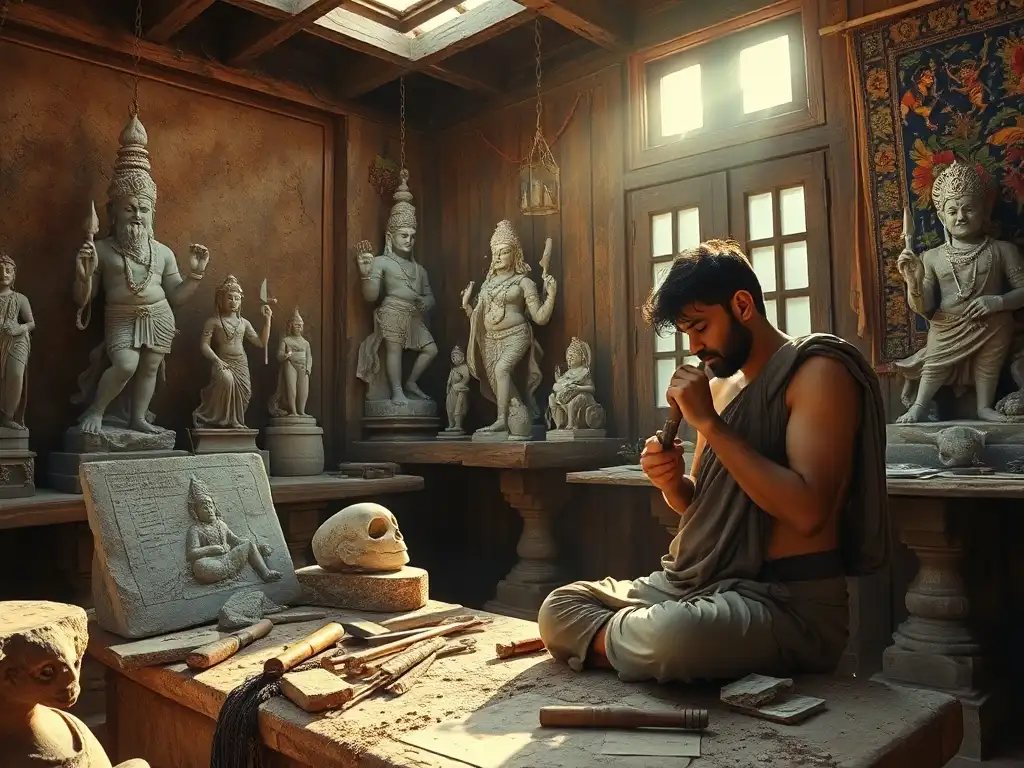
Ancient Indian sculpture is a treasure trove of narratives that encapsulate the cultural, religious, and historical ethos of the time. Various notable sculptural works serve not just as artistic expressions but also as significant historical documents that convey the stories, beliefs, and values of ancient civilizations. From grand pillars to intricate cave carvings, these sculptures reveal the complexities of life in ancient India and offer insights into the spiritual and societal fabric of the era.
The Ashoka Pillars: Messages Carved in Stone
The Ashoka Pillars, erected by Emperor Ashoka during the 3rd century BCE, are some of the most iconic examples of ancient Indian sculpture. These pillars, made of polished sandstone, were inscribed with edicts promoting moral values, non-violence, and religious tolerance. Each pillar stands as a testament to Ashoka's commitment to dharma (righteousness) and serves as a means of communication with the populace.
One of the most famous pillars is the Lion Capital of Ashoka, which features four Asiatic lions standing back-to-back. This sculpture is not only a symbol of strength and courage but also the national emblem of India today. The narratives carved into the pillars highlight significant aspects of governance and ethical living, showcasing how sculpture was used as a medium to convey important messages to society.
The Ellora and Ajanta Caves: Stories in Relief
The Ellora and Ajanta Caves, dating from the 2nd century BCE to the 6th century CE, are renowned for their stunning rock-cut sculptures that narrate tales from Hinduism, Buddhism, and Jainism. The intricate carvings depict various deities, celestial beings, and scenes from the Jataka tales, which illustrate the previous lives of the Buddha.
In the Ajanta Caves, the wall paintings and sculptures work in harmony to tell stories of compassion, sacrifice, and enlightenment. The reliefs in the Ellora Caves, particularly the Kailasa Temple, demonstrate exceptional craftsmanship and architectural prowess, showcasing narratives from the Ramayana and Mahabharata. Together, these caves serve as a visual chronicle of ancient Indian spirituality and artistry, making them a vital part of India’s cultural heritage.
The Khajuraho Temples: Erotic Sculptures and Their Meanings
The Khajuraho group of temples, built between 950 and 1050 CE, is famous for its intricate erotic sculptures that explore themes of love, sensuality, and the complexities of human relationships. While the explicit nature of these sculptures often draws attention, they also serve a deeper purpose by reflecting the philosophical beliefs of the time, which celebrated the idea of union between the divine and the human.
Each sculpture at Khajuraho tells a story, inviting viewers to contemplate the interplay of desire and spirituality. The temples illustrate the importance of the kama (pleasure) aspect of life, emphasizing that eroticism was not merely physical but also spiritual. This unique portrayal in sculpture challenges modern perceptions and highlights the cultural acceptance of diverse expressions of human experience in ancient India.
Cultural Significance of Ancient Indian Sculpture
Ancient Indian sculpture transcends mere aesthetics; it plays a crucial role in expressing the cultural and spiritual dimensions of society. The narratives encapsulated in these works reveal the interconnectedness of art, religion, and social values, making sculpture an integral part of the historical narrative of India.
The Role of Sculpture in Religious Practices
Sculpture in ancient India was deeply intertwined with religious practices. Temples were adorned with sculptures that depicted deities, mythological figures, and scenes from sacred texts, creating an immersive spiritual environment for worshippers. These sculptures were not only ornamental but also served as focal points for rituals and ceremonies, helping devotees connect with the divine.
The craftsmanship involved in creating these sculptures reflects the high regard for artistry in spiritual contexts. The intricate details and symbolism embedded in the sculptures often convey complex theological concepts, making them essential for understanding the religious beliefs of ancient Indian civilizations.
Sculpture as a Reflection of Societal Values and Beliefs
Ancient Indian sculptures mirror the societal values and beliefs of their time, acting as a barometer for cultural evolution. Through various styles and themes, these sculptures reveal the changing attitudes towards gender, power, and social hierarchy. For example, sculptures depicting women in various roles—from divine figures to everyday life—illustrate the multifaceted nature of femininity in society.
Moreover, the themes explored in ancient sculpture often reflect prevailing philosophical ideas and moral teachings. The narratives captured in stone provide insights into the collective consciousness of ancient India, showcasing how art was used as a medium for storytelling and preserving cultural identity. As such, ancient Indian sculpture remains a vital key to understanding the complex tapestry of Indian history and culture.
The Influence of Ancient Indian Sculpture on Contemporary Art
Ancient Indian sculpture has had a profound impact on contemporary art, inspiring modern artists to explore the themes, techniques, and materials that are rooted in the rich traditions of the past. The intricate craftsmanship, emotive expressions, and symbolic representations found in ancient sculptures resonate in today’s artistic practices. Contemporary artists often draw upon the storytelling aspects of ancient sculptures, using them as a narrative device to convey complex ideas and cultural dialogues.
For example, many modern sculptures incorporate traditional forms and motifs, reinterpreting them through a contemporary lens. Artists like Subodh Gupta and Bharti Kher infuse elements of Indian folklore and mythology into their works, creating a dialogue between the ancient and the modern. This interplay not only honors the legacy of ancient Indian sculpture but also revitalizes it, making it relevant to current societal themes.
Moreover, the techniques developed in ancient times—such as the use of specific types of stone and metalwork—continue to be utilized by contemporary sculptors. The meticulous attention to detail and the emphasis on spiritual and philosophical concepts remain vital in modern interpretations, showcasing how ancient influences can transform into innovative expressions.
Legacy of Ancient Techniques in Modern Indian Sculpture
The legacy of ancient techniques in modern Indian sculpture is evident in various forms of artistic expression. Sculptors today often employ traditional methods such as carving, casting, and modeling, echoing the craftsmanship of ancient artisans. For instance, the ancient practice of stone carving, prominent in the temples of Khajuraho and Hampi, is still prevalent among contemporary sculptors who seek to replicate the precision and beauty of their ancestors.
Additionally, the materials used in ancient sculptures, like sandstone, marble, and bronze, continue to play a significant role in the creation of modern artworks. Artists are increasingly interested in sourcing local materials, thereby reflecting the geographic and cultural contexts of their works. This connection to the past not only preserves traditional craftsmanship but also fosters a renewed appreciation for the skills of ancient artisans.
Furthermore, the thematic significance of ancient Indian sculpture—often laden with myths, legends, and religious connotations—persists in modern sculpture. Contemporary sculptors frequently explore similar themes, adapting them to address current issues such as identity, spirituality, and social justice. This blending of ancient techniques with modern sensibilities ensures that the legacy of ancient Indian sculpture remains vibrant and influential.
Global Impact of Ancient Indian Sculptural Narratives
The narratives depicted in ancient Indian sculpture have transcended geographic boundaries, influencing artists and movements around the world. The storytelling elements found in the sculptures of the Gupta period, for instance, have inspired various artistic movements, including the Symbolist and Art Nouveau movements in the West. The intricate depictions of deities and mythological stories have captivated global audiences, prompting a deeper appreciation for Indian culture and its artistic heritage.
Moreover, exhibitions showcasing ancient Indian sculptures in international museums have played a crucial role in disseminating this cultural wealth. As scholars and curators present these works within a global context, they foster intercultural dialogues that highlight the universal themes present in ancient narratives. This exchange not only elevates the status of Indian art on the world stage but also invites diverse interpretations that enrich the understanding of these sculptures.
In contemporary art practices, the influence of ancient Indian sculptural narratives can be seen in installations and performance art that incorporate traditional motifs and stories. Artists worldwide are increasingly drawing upon these narratives to explore themes of spirituality, cultural identity, and the human experience, demonstrating the timeless relevance of ancient Indian sculpture in a modern context.
Conclusion: The Enduring Legacy of Ancient Indian Sculpture
The enduring legacy of ancient Indian sculpture is a testament to its ability to resonate across time and culture. The rich narratives, intricate craftsmanship, and spiritual significance embedded in ancient works continue to inspire and inform contemporary artistic practices. As we delve into the history of ancient Indian sculpture, we uncover a wealth of knowledge that not only enriches our understanding of art but also offers insights into the values, beliefs, and experiences of past civilizations.
Recap of the Importance of Ancient Indian Sculpture History
The history of ancient Indian sculpture is pivotal in understanding the evolution of artistic expression in India and beyond. The intricate stories told through stone and metal reflect the socio-political, religious, and cultural dynamics of their time. By examining these sculptures, we gain insight into the aesthetics, ideologies, and craftsmanship that have shaped the Indian artistic landscape. This historical perspective is essential for appreciating modern interpretations and the continuous dialogue between the past and the present.
Invitation to Explore and Appreciate Ancient Indian Art Forms
We invite you to explore and appreciate the rich tapestry of ancient Indian art forms. Delve into the exquisite detail of sculptures that have captured the imagination of generations, and discover the stories they tell. By engaging with these works, you not only honor the legacy of ancient artisans but also contribute to the ongoing narrative of art that connects us all, transcending time and space. Embrace the journey of discovery as you uncover the hidden narratives woven into the very fabric of ancient Indian sculpture history.
- Introduction to Ancient Indian Sculpture History
- Understanding the Significance of Sculpture in Ancient India
- Overview of the Evolution of Sculptural Art in Indian Civilizations
- The Roots of Ancient Indian Sculpture
- Key Features of Ancient Indian Sculpture
- Material and Techniques Used in Indian Sculpting
- Iconography and Symbolism in Ancient Indian Art
- Major Periods in Ancient Indian Sculpture History
- Notable Sculptural Works and Their Narratives
- Cultural Significance of Ancient Indian Sculpture
- The Influence of Ancient Indian Sculpture on Contemporary Art
- Conclusion: The Enduring Legacy of Ancient Indian Sculpture
- What is the significance of ancient Indian sculpture history?
- How did ancient Indian sculptures reflect the society of their time?
- What are some prominent styles of ancient Indian sculptures?
- Where can one find examples of ancient Indian sculpture?
- How did religion influence ancient Indian sculpture?
Frequently Asked Questions
What is the significance of ancient Indian sculpture history?
Ancient Indian sculpture history highlights the artistic and cultural achievements of ancient civilizations, showcasing their religious beliefs, social structures, and artistic expressions.
How did ancient Indian sculptures reflect the society of their time?
The sculptures often depicted mythological figures, daily life, and religious themes, providing insights into the values and beliefs of ancient Indian society.
What are some prominent styles of ancient Indian sculptures?
Key styles include Indus Valley sculptures, Buddhist art, and the Gupta period's intricate carvings, each representing different philosophical and artistic trends.
Where can one find examples of ancient Indian sculpture?
Numerous sites such as Ajanta and Ellora caves, as well as temples across India, showcase ancient Indian sculpture, reflecting diverse narratives and techniques.
How did religion influence ancient Indian sculpture?
Religious themes played a crucial role, as sculptures often served as devotional objects, depicting deities and conveying spiritual messages that resonated with the faithful.
Final Reflection: The Timeless Echoes of Ancient Indian Sculpture
The narratives woven into ancient Indian sculpture resonate profoundly with our contemporary world, reminding us of the enduring power of storytelling through art. In an era where visual communication dominates, the intricate details and profound symbolism found in these sculptures serve as a bridge to our past, inviting us to explore the rich tapestry of human experience that transcends time. The artistry of ancient Indian sculptures not only reflects the historical context of their creation but also continues to inspire and inform our understanding of culture, identity, and spirituality today.
The influence of ancient Indian sculpture extends far beyond the confines of art history; it shapes our cultural and social landscapes in myriad ways. From the majestic temples adorned with intricate carvings to the serene figures that embody philosophical concepts, these sculptures invite us to engage with the narratives they hold. As we navigate our modern lives, we can draw parallels between the stories told through these sculptures and our own journeys. Art is the most beautiful of all lies.
This quote encapsulates the essence of how art, including ancient Indian sculpture, allows us to explore truths about ourselves and our society, even amidst the layers of history and interpretation.
As we reflect on the lessons embedded in ancient Indian sculpture, let us embrace the call to explore our own narratives and the stories we wish to tell. Consider how you can incorporate the spirit of these timeless artworks into your life—whether through creative expression, cultural appreciation, or simply by seeking to understand the diverse stories that shape our world. Each of us has a narrative to share, and by engaging with the rich history of ancient Indian sculpture, we can inspire a deeper connection to our own stories and the collective human experience.
Thank you for taking the time to explore the captivating world of ancient Indian sculpture with us! You've uncovered the beauty and depth of these hidden narratives, revealing their rich cultural significance. Now, let’s put this inspiration into action.
- Dive deeper into a specific piece of sculpture that intrigued you. Research its backstory and share your findings on social media to spark interest in ancient Indian art!
- Visit a local museum or a virtual exhibition that showcases Indian sculptures, and immerse yourself in the experience of being part of this grand narrative.
- Join our community at Ancient India History to connect with fellow enthusiasts! Contribute your insights or questions about what you’ve learned.
Which hidden narrative from ancient Indian sculpture resonates most with you, and how do you believe it influences our understanding of culture today?