
The Connection Between Poetry and Music in Ancient Indian Literature

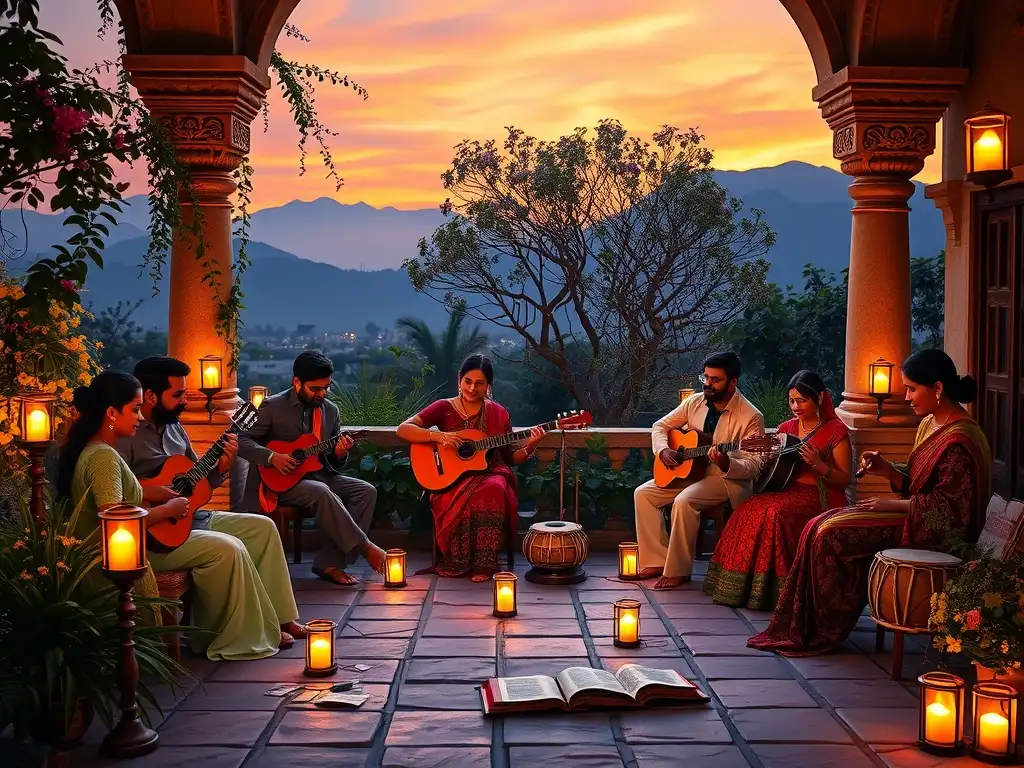
Welcome to Ancient India History, where we embark on a fascinating journey through the rich tapestry of ancient Indian civilizations. As you delve into our latest article, “The Connection Between Poetry and Music in Ancient Indian Literature,” prepare to uncover the harmonious relationship between these two timeless art forms. Did you know that the rhythms of ancient Indian poetry were often intertwined with melodic compositions, creating a unique cultural symphony?
Join us as we explore the profound impact of poetry and music on the literary landscape of ancient India and discover the legacies that continue to resonate today. Your adventure into the depths of history begins here!
Introduction to Ancient Indian Poetry and Music
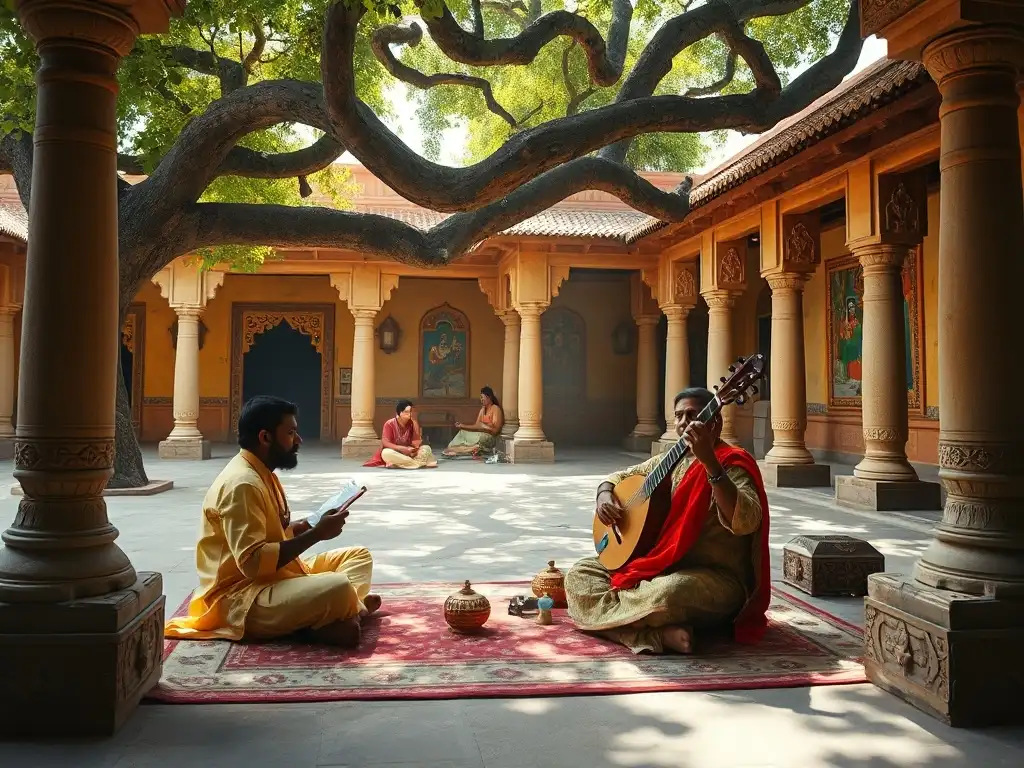
The interplay between poetry and music in ancient Indian literature is a reflection of the rich cultural tapestry that has defined the subcontinent for millennia. Ancient Indian poetry and music were not merely art forms; they served as vital expressions of spirituality, social commentary, and communal identity. This intricate relationship can be traced back to ancient texts, where rhythmic verses were often accompanied by melodic compositions. As we delve into this fascinating connection, we will explore how poetry and music coalesced to form a unique artistic expression that resonated deeply within ancient Indian society.
Overview of Ancient Indian Literature
Ancient Indian literature is a vast and diverse body of work that spans several genres, languages, and regions. From the Vedas, which are among the oldest sacred texts, to the lyrical beauty of Sanskrit dramas and the profound philosophical poetry of the Bhakti movement, the literary landscape of ancient India is rich with artistic and intellectual pursuits.
The primary languages used in ancient Indian literature include:
- Sanskrit: The classical language of ancient India, known for its poetic and philosophical texts.
- Prakrit: A group of Middle Indo-Aryan languages used in many literary works.
- Tamil: The language of the Tamil Sangam literature, celebrated for its poetic forms.
Each of these languages contributed significantly to the evolution of poetry and music, establishing a legacy that continues to influence contemporary art forms.
Significance of Poetry and Music in Ancient Indian Culture
In ancient India, poetry and music were intertwined with religious rituals, festivals, and daily life. They served not only as entertainment but also as vehicles for conveying moral lessons and spiritual teachings. The Natyashastra, an ancient treatise on performing arts, emphasizes the importance of combining these art forms to evoke emotions and enhance storytelling.
The significance of poetry and music can be summarized through the following points:
- Cultural Identity: Both poetry and music played crucial roles in shaping and preserving local identities and traditions.
- Spiritual Connection: Many poetic forms, such as bhajans and kirtans, were deeply spiritual, often invoking divine presence through musical expression.
- Educational Purpose: Poetry was used as a medium for imparting knowledge, values, and philosophies, ensuring the continuity of cultural heritage.
Historical Context of Ancient Indian Poetry and Music
Understanding the historical context of ancient Indian poetry and music provides insight into their development and significance. Various periods marked distinct advancements and transformations in these art forms, influenced by social, political, and cultural changes.
Origins of Poetry in Ancient India
The origins of poetry in ancient India can be traced back to the Vedic period (circa 1500-500 BCE), where hymns and mantras were composed to praise deities and convey philosophical ideas. The Sama Veda, in particular, is notable for its musical verses, which were chanted during rituals, establishing the early connection between poetry and music.
Over time, poetic forms evolved, with the emergence of classical Sanskrit poetry, such as the works of Kalidasa and Bhasa, which incorporated elaborate metaphors, themes of love, and nature. These poetic traditions laid the groundwork for future generations, influencing both literature and music.
Development of Musical Traditions in Ancient Indian Civilizations
The development of musical traditions in ancient India is as diverse as its poetry. Music was integral to various cultural practices, from folk traditions to classical systems. The two prominent forms of classical music that emerged during ancient times are:
- Hindustani Classical Music: Evolving in the northern regions, it is characterized by its use of ragas and talas, emphasizing improvisation.
- Carnatic Classical Music: Originating in the southern regions, it focuses more on composition and lyrical content, with a strong emphasis on devotional themes.
These musical traditions were often accompanied by poetry, reinforcing the connection between the two art forms. The synthesis of poetry and music not only enriched the cultural landscape but also allowed for the expression of complex emotions and ideas, making them enduring elements of ancient Indian heritage.
Key Characteristics of Ancient Indian Poetry
Ancient Indian poetry is a profound reflection of the cultural, spiritual, and social milieu of its time. One of the most striking characteristics is its metrical structure, which is defined by specific patterns of syllables and rhythms. This rhythmic quality not only enhances the aesthetic appeal but also facilitates oral transmission, making it easier for poets to recite their works during gatherings and festivals.
Another notable feature is the use of symbolism and imagery. Poets often employed metaphors drawn from nature, mythology, and daily life, allowing readers to connect emotionally and intellectually with the text. This rich imagery serves to evoke feelings and convey deeper meanings, creating layers of interpretation that resonate through the ages.
Themes of spirituality and devotion are prevalent in ancient Indian poetry, especially notable in the works of poets like Kalidasa and Bhavabhuti. These themes often reflect the philosophical inquiries of the time, merging the human experience with the divine. Furthermore, poetry often celebrated the beauty of love, nature, and the cyclical patterns of life, capturing the essence of human emotion and the world around.
Themes and Subjects in Ancient Indian Poetry
The themes of ancient Indian poetry are as diverse as the civilizations that produced them. One of the central themes is devotion to the divine, particularly in the context of Hinduism, Buddhism, and Jainism. Poets articulated their reverence through hymns and philosophical verses, exploring the relationship between the mortal and the divine.
Nature is another prevalent subject, with poets drawing inspiration from the natural world. The lush landscapes, seasonal changes, and celestial bodies often serve as metaphors for human emotions and experiences. This connection to nature is vividly illustrated in works like Kalidasa's "Meghaduta", where the monsoon clouds become messengers of love.
Social themes also play a significant role in ancient Indian poetry, addressing issues such as dharma (duty), karma (action), and morality. Through storytelling, poets explored the complexities of human relationships, ethical dilemmas, and the pursuit of justice, contributing to a broader understanding of societal values.
Styles and Forms of Poetry in Ancient India
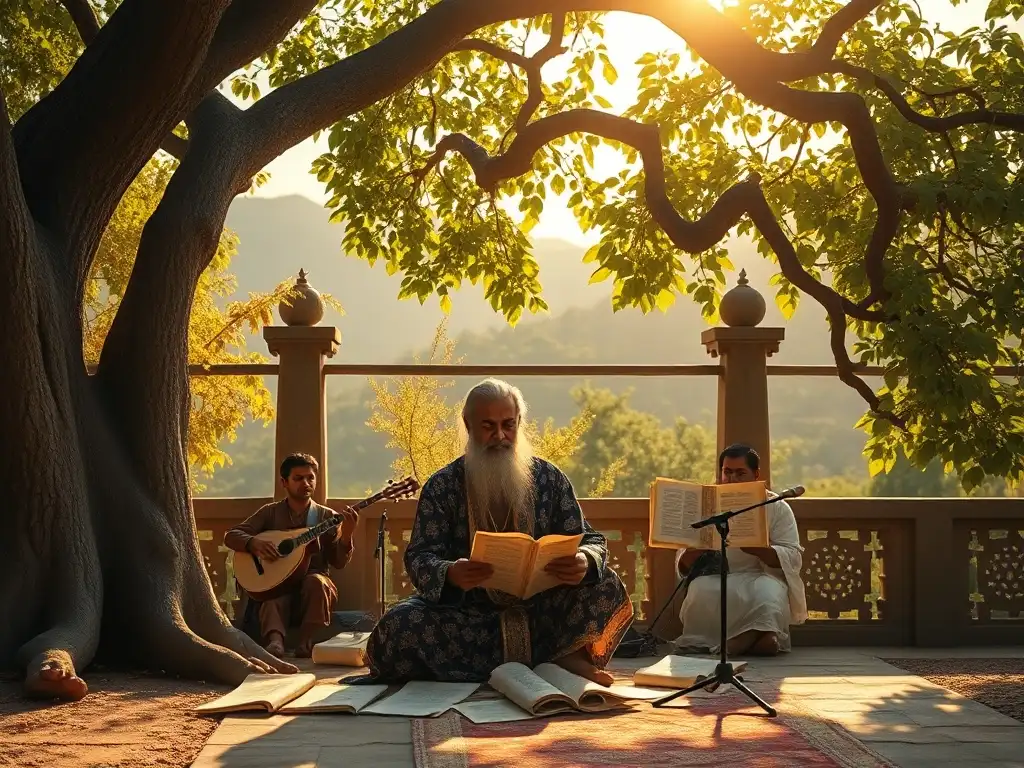
Ancient Indian poetry is characterized by a variety of styles and forms, each with its unique features and functions. One of the most celebrated forms is Sanskrit poetry, which is known for its intricate meter and sophisticated use of language. The Shatakshara and Chandashlokas are among the notable metrical forms that poets employed to create rhythmic and lyrical compositions.
Another significant style is Prakrit poetry, which emerged as a more accessible form of expression for the common populace. This vernacular poetry allowed a broader audience to engage with literary works, often reflecting the local dialects and cultural nuances of the time.
The epic poetry of ancient India, as seen in the "Mahabharata" and the "Ramayana," combines narrative elements with philosophical discourse, making it a vital part of Indian literary tradition. These works not only tell grand tales of heroism and morality but also serve as moral and ethical guides for society.
The Role of Music in Ancient Indian Literature
Music has played an indispensable role in ancient Indian literature, serving as both a companion to poetry and a standalone art form. The integration of melodic patterns and musical notes into poetic recitations enriched the experience, engaging listeners and enhancing the emotional impact of the verses. This connection between music and poetry is evident in the works of ancient poets, who often composed their verses with specific musical intentions.
The spiritual dimension of music in ancient India cannot be overlooked. Music was believed to be a tool for achieving higher states of consciousness and connecting with the divine. Many ancient texts, such as the "Natyashastra," highlight the importance of music in rituals and performances, reinforcing its significance in the cultural and spiritual fabric of society.
Integration of Music in Poetry Recitals
The integration of music in poetry recitals was a hallmark of ancient Indian literary gatherings. Poets would often perform their works accompanied by musical instruments like the veena, flute, or tabla, creating a harmonious blend of sound and verse. This integration not only captivated audiences but also allowed for a dynamic expression of emotions, as the rhythm of music enhanced the emotional undertones of the poetry.
The practice of raga, which refers to the melodic framework used in Indian classical music, often influenced the thematic elements of poetry. Each raga evokes specific moods and emotions, allowing poets to align their verses with the appropriate musical accompaniment, thus enhancing the overall experience for the audience.
Additionally, music played a crucial role in the preservation of oral traditions. The rhythmic and melodic nature of poetry made it easier to memorize and pass down through generations, ensuring that the rich heritage of ancient Indian literature was not lost over time.
The Influence of Music on Poetic Expression
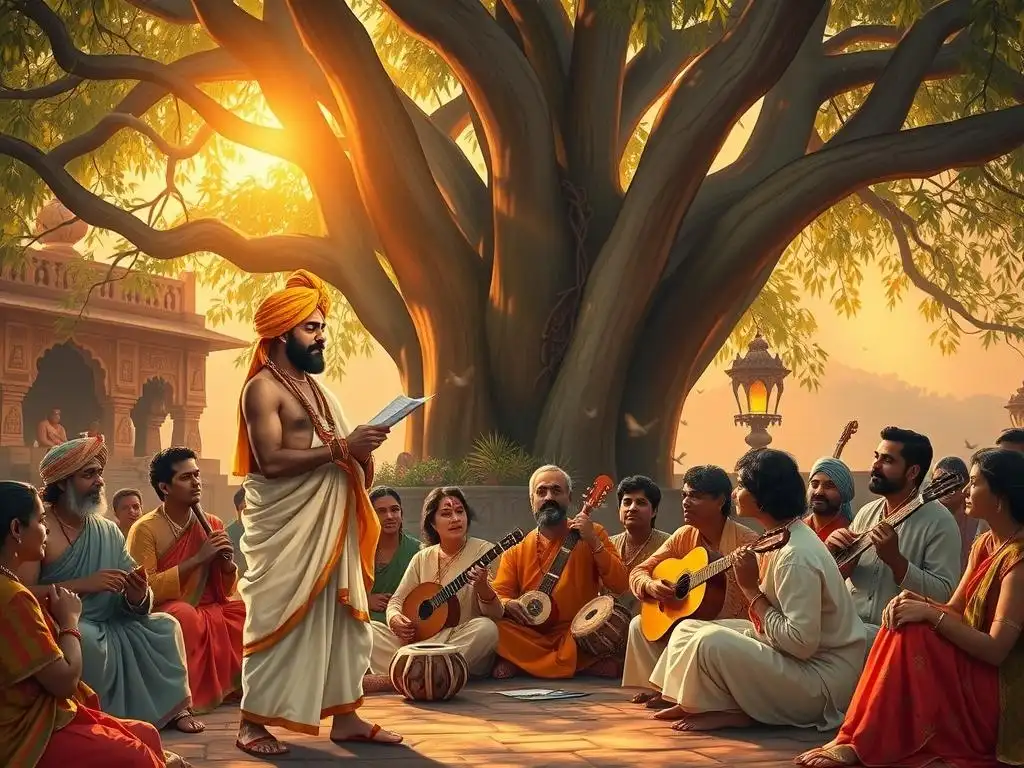
The influence of music on poetic expression in ancient India is profound and multifaceted. Music not only provided a structural framework for poetry but also enriched the emotional depth of the verses. The interplay between melody and text allowed poets to explore a wider range of feelings, from joy and love to sorrow and longing.
Moreover, the cultural context of music often informed the themes and subjects of poetry. For instance, the celebration of festivals, rituals, and seasonal changes found expression in both music and poetry, creating a shared cultural narrative that resonated deeply with the audience. This synergy between poetry and music fostered a vibrant artistic landscape, where both forms complemented and enhanced each other.
The intricate relationship between ancient Indian poetry and music contributes to the understanding of the cultural, spiritual, and artistic dynamics of the time. This enduring connection continues to influence contemporary interpretations of ancient Indian literature, illustrating the timeless nature of these art forms.
Prominent Figures in Ancient Indian Poetry and Music
Ancient Indian poetry and music were deeply intertwined, featuring influential figures who shaped their development. These prominent personalities not only created exquisite works of art but also laid the foundation for subsequent generations. Their contributions reflect the rich cultural tapestry of ancient India, demonstrating how poetry and music complemented each other and enriched the human experience.
Renowned Poets of Ancient India
Ancient India boasts a plethora of revered poets whose works have left an indelible mark on the literary landscape. Some of the most notable include:
- Valmiki: Often regarded as the "Adi Kavi" or the first poet, Valmiki composed the Ramayana, a monumental epic that intricately weaves poetry and narrative. His use of meter and rhythm laid the groundwork for future poetic forms.
- Kalidasa: A celebrated classical poet and playwright, Kalidasa’s works, such as Shakuntala and Meghaduta, are characterized by their lyrical beauty and profound emotional depth. His poetry often reflects nature, love, and the divine, making it a source of inspiration for musicians.
- Bhartrihari: Known for his lyrical poetry, Bhartrihari’s Sringara Shataka explores themes of love and longing. His verses have been set to music over the centuries, showcasing the seamless connection between his poetic expressions and musical interpretation.
These poets not only enriched the literary tradition but also provided a wealth of material that musicians could draw from, creating a symbiotic relationship between poetry and music.
Influential Musicians and Their Contributions
In ancient India, musicians played a pivotal role in the cultural landscape, often collaborating with poets to create harmonious expressions of art. Some influential musicians include:
- Tansen: One of the most celebrated musicians in Indian history, Tansen was a key figure in the Mughal court and is credited with developing various ragas. His ability to evoke emotions through music was often enhanced by the poetic lyrics that accompanied his compositions.
- Narayana Teertha: A composer and musician of the 16th century, Narayana Teertha is renowned for his devotional music. His Sri Kshetra Ramayana integrates poetry and music, emphasizing the spiritual connection between the two art forms.
- Annamacharya: An illustrious saint and poet, Annamacharya's compositions reflect his devotion to Lord Venkateswara. His use of poetic lyrics in music has significantly influenced the Carnatic music tradition, reinforcing the link between poetry and musical expression.
These musicians not only contributed to the evolution of music but also collaborated with poets, creating a rich cultural synergy.
The Interrelationship Between Poetry and Music
The connection between poetry and music in ancient Indian literature is profound and multifaceted. Both art forms share a rhythm and cadence that can elevate the emotional experience of the audience. The interplay between the two has been a defining characteristic of ancient Indian culture.
How Poetry Enhances Musical Composition
Poetry serves as a foundational element in musical composition, providing the lyrical content that musicians set to melody. The structure of poetry, with its meter, rhyme, and emotional resonance, enhances musical expression in several ways:
- Rhythmic Patterns: Poetic meter often dictates the rhythm of the music, allowing composers to create melodies that resonate with the inherent cadence of the verses. For example, the use of chanda (poetic meter) in classical poetry influences the tempo and style of musical renditions.
- Thematic Depth: Poetry introduces themes of love, nature, and spirituality, which musicians can explore through melody. This thematic depth allows for a more profound emotional connection between the performer and the audience.
- Improvisation: Musicians often draw inspiration from poetic themes, allowing for improvisational elements that breathe life into their performances. This improvisation creates a dynamic relationship where the music can evolve alongside the poetic narrative.
The Impact of Music on Poetic Interpretation
Conversely, music significantly impacts the interpretation of poetry, enriching the audience's experience. Here are ways in which music enhances poetic understanding:
- Emotional Expression: Music has the power to evoke emotions that can amplify the sentiments expressed in poetry. A poignant verse, when set to a melodic line, can elicit a deeper emotional response from the listener.
- Cultural Context: The musical setting often reflects the cultural context of the poetry, offering insights into the societal values and beliefs of the time. Traditional ragas can convey specific moods and themes, enhancing the audience's comprehension of the poetic content.
- Memorability: Melodies make poetry more memorable, allowing audiences to remember verses through musical hooks. This connection ensures that both the poetic and musical traditions are preserved and passed down through generations.
The interrelationship between poetry and music in ancient India is a vibrant tapestry woven from the creativity of poets and musicians alike. Their collaborative efforts have created a rich cultural heritage that continues to inspire and resonate with audiences today.
Cultural Practices Involving Poetry and Music
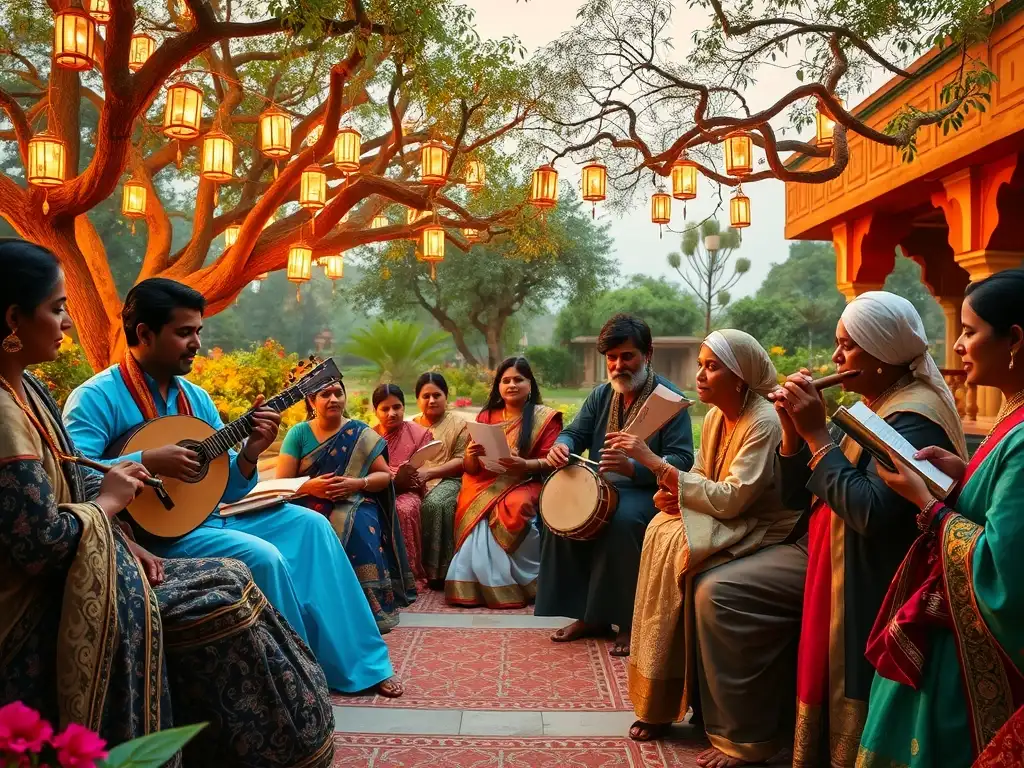
In ancient India, poetry and music were intricately woven into the fabric of cultural practices, serving as vital expressions of spirituality, community, and identity. These art forms were not merely for entertainment; they played significant roles in various societal functions, including rituals, ceremonies, and everyday life. The relationship between poetry and music was especially evident in the way they complemented each other, creating a harmonious experience that could evoke emotions and convey complex ideas.
Poets and musicians were highly regarded in ancient Indian society, often patronized by kings and wealthy merchants. They would perform in temples, courts, and public gatherings, showcasing their talents in varied styles. The use of different musical instruments, like the veena and mridangam, alongside recitations of poetry, enhanced the sensory experience, allowing the audience to immerse themselves fully in the artistic expression. This cultural synergy between poetry and music fostered a deep appreciation for both art forms, leading to their evolution and preservation through generations.
Rituals and Ceremonies Featuring Poetry and Music
Rituals and ceremonies in ancient India were often accompanied by poetry and music, reflecting the spiritual and cultural significance of these practices. For instance, during religious ceremonies, hymns and mantras were recited in melodic tones, believed to invoke divine blessings. The Vedic texts are a prime example, where the chanting of hymns was integral to rituals, emphasizing the connection between sound and spirituality.
Festivals also featured performances that combined poetry and music, such as the recitation of devotional poetry known as "bhajans," which were sung in praise of deities. These performances created a communal atmosphere, fostering unity among participants. Additionally, the Natyashastra, an ancient Indian treatise on performing arts, highlights the importance of combining music, dance, and poetry in creating a holistic performance experience, reinforcing the idea that these elements were essential to rituals and ceremonies.
Festivals Celebrating Poetry and Music in Ancient India
Numerous festivals in ancient India celebrated the rich traditions of poetry and music, showcasing their importance in cultural life. One of the most notable festivals is Makar Sankranti, which included communal gatherings where folk songs and poetry were integral to the festivities. Similarly, during Holi, the festival of colors, people sang traditional songs that often contained poetic verses celebrating love, spring, and the triumph of good over evil.
Another prominent festival was Navaratri, dedicated to the worship of the goddess Durga, where devotional songs called "aartis" were performed along with rhythmic dance. These festivals not only served to honor deities but also provided a platform for poets and musicians to showcase their talents, thus preserving and promoting the art forms across generations. The vibrant interplay of poetry and music during these celebrations fostered a cultural identity that resonates even today.
Legacy of Ancient Indian Poetry and Music
The legacy of ancient Indian poetry and music is profound, influencing not only subsequent generations of poets and musicians but also shaping various aspects of Indian culture. The foundational texts and styles developed during ancient times laid the groundwork for later literary and musical forms. The intricate relationship between these art forms has persisted, evolving into diverse genres and styles that continue to thrive.
Influence on Later Indian Literature and Music
Ancient Indian poetry and music significantly influenced later literary movements and musical compositions. The poetic traditions established in texts like the Mahabharata and Ramayana inspired countless poets throughout history, leading to the emergence of various regional styles and languages. The thematic elements of love, devotion, and valor found in ancient poetry can be traced in modern literary works, showcasing the enduring relevance of these themes.
In music, the classical traditions of Hindustani and Carnatic systems can be linked back to ancient practices. The use of ragas and talas, which originated in ancient times, continues to be a fundamental aspect of Indian classical music. Composers have often drawn inspiration from ancient texts, infusing their works with poetic lyrics that reflect the complexities of human emotions, thereby ensuring the continuity of this rich artistic heritage.
Preservation of Ancient Forms in Contemporary Culture
The preservation of ancient Indian poetry and music in contemporary culture is evident through various mediums, including literature, theater, and film. Modern poets often incorporate themes and styles from ancient texts, while contemporary musicians explore traditional ragas and incorporate them into popular music genres. This blending of ancient and modern forms keeps the cultural heritage alive, making it accessible to new audiences.
Additionally, educational institutions and cultural organizations have made significant efforts to preserve and promote ancient poetry and music. Workshops, festivals, and performances are organized to encourage participation and appreciation among younger generations. Through these initiatives, the connection between ancient Indian poetry and music continues to thrive, ensuring that the rich legacy of this artistic heritage remains an integral part of Indian culture.
Conclusion: The Enduring Connection Between Poetry and Music
The intertwining of poetry and music in ancient Indian literature showcases a rich tapestry of cultural expression that has persisted through centuries. This connection is not merely a historical curiosity but a vital aspect of India's artistic heritage that continues to influence contemporary art forms. In ancient traditions, poetry was often set to music, creating a harmonious blend that enhanced the emotional and aesthetic appeal of the verses. This synergy is evident in classical music genres, where lyrical compositions are integral to performance, illustrating the profound relationship between the two art forms.
The legacy of this connection is visible in various facets of modern Indian culture. Festivals, religious ceremonies, and theatrical performances frequently incorporate both poetry and music, reflecting a cultural continuity that honors ancient practices. As we explore ancient Indian poetry and music, we recognize their role in shaping not only artistic expressions but also the social and spiritual landscapes of their time. Thus, the enduring connection between these forms continues to inspire artists and audiences alike, reminding us of the timeless nature of creativity.
Reflection on the Importance of Ancient Indian Poetry and Music
Ancient Indian poetry and music serve as crucial cultural artifacts that provide insight into the values, beliefs, and experiences of historical societies. These art forms were not just entertainment; they were integral to education, communication, and the transmission of knowledge. Through epic poems like the Mahabharata and Ramayana, themes of duty, morality, and heroism were explored, often accompanied by musical renditions that deepened their impact.
Moreover, the significance of poetry and music in ancient India can be seen in their roles during rituals and gatherings. They were mediums of devotion and storytelling, linking communities through shared cultural narratives. The rhythmic and melodic elements of music enhanced the recitation of poetry, making it more memorable and engaging for audiences. This interplay fostered a sense of identity and belonging, reinforcing societal values and collective memory.
Thus, the importance of ancient Indian poetry and music extends beyond artistic expression; they are vital historical documents that illustrate the complexities of human emotion and experience throughout India's rich history.
Future Research Directions in Ancient Indian Art Forms
As we delve deeper into the realms of ancient Indian poetry and music, several research directions emerge that could illuminate further connections and understandings of these art forms. First, comparative studies between ancient Indian music and poetry and those of other cultures could reveal shared influences and unique divergences, enriching our understanding of global artistic evolution.
Secondly, interdisciplinary approaches that incorporate anthropology, sociology, and musicology can provide a more holistic view of how these art forms shaped and were shaped by societal changes. Investigating how regional variations in poetry and music reflect local cultural identities can uncover diverse narratives within ancient Indian history.
Additionally, the exploration of manuscripts and historical texts may yield new insights into the performance practices of ancient poets and musicians, shedding light on how these traditions were transmitted and transformed over time. Finally, digital humanities initiatives could play a pivotal role in preserving and analyzing ancient texts, making them accessible for future generations of scholars and enthusiasts interested in exploring the rich heritage of ancient Indian poetry and music.
Through these avenues of research, we can continue to appreciate and understand the profound connection between poetry and music in ancient Indian literature, ensuring that their legacy endures.
- Introduction to Ancient Indian Poetry and Music
- Historical Context of Ancient Indian Poetry and Music
- Key Characteristics of Ancient Indian Poetry
- Themes and Subjects in Ancient Indian Poetry
- Styles and Forms of Poetry in Ancient India
- The Role of Music in Ancient Indian Literature
- Integration of Music in Poetry Recitals
- The Influence of Music on Poetic Expression
- Prominent Figures in Ancient Indian Poetry and Music
- The Interrelationship Between Poetry and Music
- Cultural Practices Involving Poetry and Music
- Legacy of Ancient Indian Poetry and Music
- Conclusion: The Enduring Connection Between Poetry and Music
- What is the significance of ancient Indian poetry and music?
- How did ancient Indian poetry influence music?
- What were the primary themes found in ancient Indian poetry and music?
- How did the Indus Valley Civilization contribute to this connection?
- What impact did the Gupta Empire have on poetry and music?
Frequently Asked Questions
What is the significance of ancient Indian poetry and music?
Ancient Indian poetry and music played a crucial role in expressing cultural values, beliefs, and emotions, serving as a medium for storytelling and spiritual connection in various civilizations.
How did ancient Indian poetry influence music?
Ancient Indian poetry often formed the lyrical foundation for music. Many poets composed verses that were later set to music, creating a harmonious blend that enriched both art forms.
What were the primary themes found in ancient Indian poetry and music?
Themes such as love, nature, devotion, and philosophical reflections were prevalent in ancient Indian poetry and music, reflecting the complexities of human emotions and the spiritual quest of society.
How did the Indus Valley Civilization contribute to this connection?
The Indus Valley Civilization laid the groundwork for artistic expression, where early forms of poetry and rhythm can be traced in artifacts, indicating a rich tradition that evolved into later musical and literary forms.
What impact did the Gupta Empire have on poetry and music?
The Gupta Empire is often referred to as the Golden Age of Indian culture, where poetry and music flourished, leading to significant advancements in literature, performance arts, and the establishment of classical forms that are still celebrated today.
Final Reflection: The Timeless Harmony of Ancient Indian Poetry and Music
The intricate relationship between poetry and music in ancient Indian literature remains profoundly relevant today, as it highlights the universal human experience of expression and connection. In a world increasingly driven by technology and rapid communication, the lyrical beauty and rhythmic cadence of ancient Indian poetry and music remind us of the power of art to transcend time and culture. These art forms serve as a bridge to our past, offering insights into the emotional and spiritual lives of those who came before us, and inviting us to explore our own identities through their timeless melodies and verses.
Cultural expressions such as poetry and music are not merely relics of history; they continue to shape our social landscape and influence contemporary art forms. The echoes of ancient Indian poetry can be found in modern songs, while the rhythms of traditional music resonate in today’s diverse musical genres. As we navigate our own lives, we can draw inspiration from the wisdom embedded in these ancient texts. Poetry and music are the soul's own language, speaking truths that words alone cannot convey.
This ongoing dialogue between past and present enriches our understanding of creativity and the human experience, reminding us that we are part of a larger narrative that spans generations.
As you reflect on the connection between poetry and music in ancient Indian literature, consider how these art forms can inspire your own life. Embrace the lessons of creativity, emotion, and connection that they offer. Whether through writing your own poetry, exploring musical traditions, or simply allowing yourself to be moved by art, take a moment to engage with the beauty that surrounds you. Let the rhythms and verses of the past guide you in your journey, reminding you that creativity is a timeless thread that binds us all together.
Explore the Rhythms of Ancient Indian Artistry!
Thank you for diving into the beautiful connections between poetry and music in ancient Indian literature! Your curiosity helps uncover the rich tapestry of culture and creativity that has shaped our world. Now, let’s transform that inspiration into action!
Here are some ways you can deepen your understanding and appreciation:
- Delve into the classics: Read a selection of ancient Indian poems or musical compositions to experience their rhythm and emotion firsthand.
- Join a local poetry or music group: Engage with others who share your passion and explore the ways poetry and music intertwine in contemporary expressions.
- Share your thoughts: Discuss your favorite pieces with friends or in online communities—you may inspire someone else's journey!
Which ancient poem or song resonates most with you, and how do you feel it reflects the spirit of its time?