
Dance and Music in the Indus Valley Civilization: What Archaeology Reveals

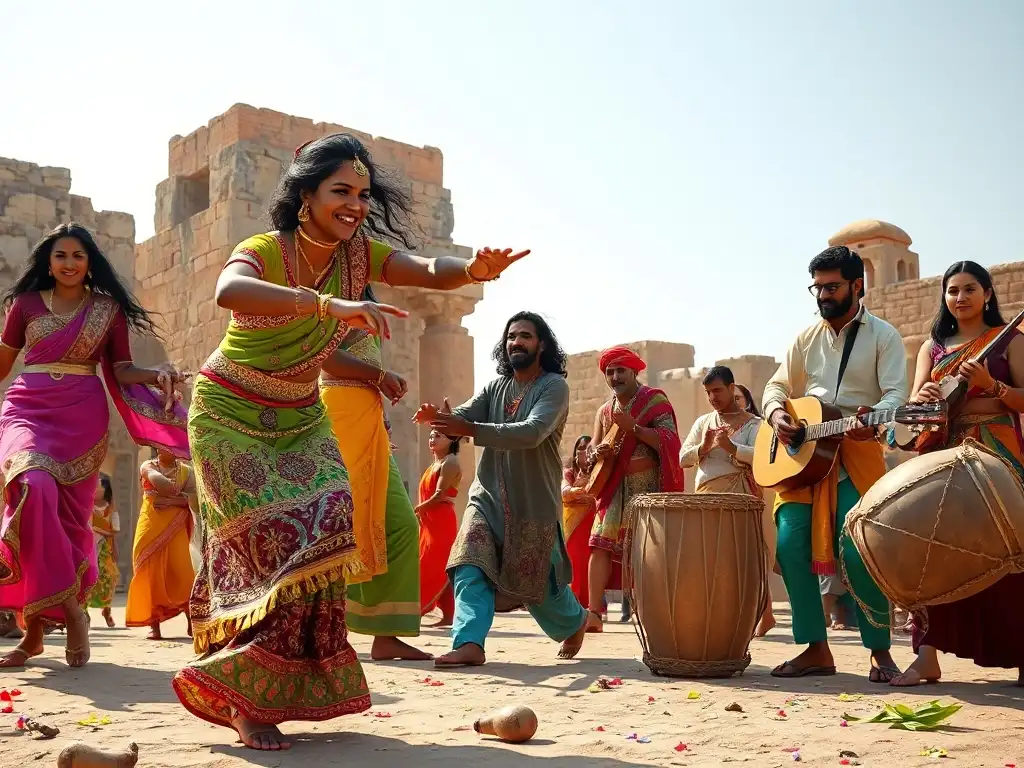
Welcome to Ancient India History, where we embark on a fascinating journey through the rich tapestry of ancient Indian civilizations. Here, we delve into the captivating world of Indus Valley dance and music, exploring how these art forms not only reflect the creativity of a bygone era but also offer profound insights into the cultural fabric of the time.
As you read our featured article, "Dance and Music in the Indus Valley Civilization: What Archaeology Reveals," prepare to uncover the rhythms and melodies that resonated through the streets of one of history's most remarkable societies. Join us as we unravel the mysteries and celebrate the legacy that continues to inspire and intrigue!
- Introduction to Indus Valley Dance and Music
- Archaeological Evidence of Dance in the Indus Valley
- Music in the Indus Valley Civilization
- Cultural Significance of Indus Valley Dance and Music
- Comparisons with Contemporary Ancient Indian Cultures
- Theoretical Insights on Indus Valley Dance and Music
- Conclusion: The Legacy of Indus Valley Dance and Music
-
Frequently Asked Questions
- What types of dance and music were prevalent in the Indus Valley Civilization?
- How did archaeological findings contribute to our understanding of Indus Valley dance and music?
- What musical instruments were used in the Indus Valley?
- Did the Indus Valley Civilization influence later Indian music and dance?
- What is the significance of dance and music in ancient Indian cultures?
- Final Reflection: The Rhythms of History and Their Echoes Today
- Unveil the Rhythm of History: Take Action Today!
Introduction to Indus Valley Dance and Music
The Indus Valley Civilization, one of the world's earliest urban cultures, flourished between 3300 and 1300 BCE in what is now Pakistan and northwest India. This remarkable civilization is celebrated not only for its advanced city planning and architecture but also for its rich cultural traditions, which undoubtedly included dance and music.
Archaeological discoveries provide intriguing insights into the artistic expressions of the Indus people, which can be seen as integral to their social and religious practices. In this article, we will explore the evidence of dance and music in the Indus Valley Civilization, revealing how these art forms contributed to the community's identity, rituals, and daily life.
Overview of the Indus Valley Civilization
The Indus Valley Civilization, also known as the Harappan Civilization, was characterized by its sophisticated urban centers such as Harappa and Mohenjo-Daro. These cities exhibited remarkable features like advanced drainage systems, standardized brick sizes, and well-planned layouts. The civilization thrived on agriculture, trade, and craft production, fostering a vibrant economy and diverse social structures.
Key Features of the Indus Valley Civilization:
- Urban Planning: Grid-like streets, efficient drainage systems, and public baths.
- Economy: Based on agriculture, trade, and craftsmanship, with evidence of a barter system.
- Society: A complex social hierarchy, with roles that likely included farmers, artisans, and traders.
- Script: The undeciphered Indus script suggests a form of written communication, hinting at a sophisticated culture.
Despite the lack of extensive written records, archaeological findings, such as seals and figurines, hint at the importance of artistic expression, including dance and music, in their daily lives and spiritual practices.
Importance of Dance and Music in Ancient Cultures
Dance and music have been vital components of human expression across cultures and epochs. In ancient societies, these art forms served not just as entertainment, but also as means of communication, storytelling, and spiritual connection. In the context of the Indus Valley Civilization, dance and music likely played a significant role in various aspects of life.
Functions of Dance and Music in Ancient Cultures:
- Ritualistic Significance: Often associated with religious ceremonies and rites of passage, enhancing the spiritual experience.
- Cultural Identity: Reflects the values, beliefs, and traditions of a community, fostering a sense of belonging.
- Social Cohesion: Brings people together, promoting unity through shared experiences and collective expression.
- Storytelling: Serves as a means to convey history and mythology, preserving narratives across generations.
The exploration of dance and music within the Indus Valley context not only highlights their cultural richness but also sheds light on the broader human experience of creativity and expression throughout history.
Archaeological Evidence of Dance in the Indus Valley
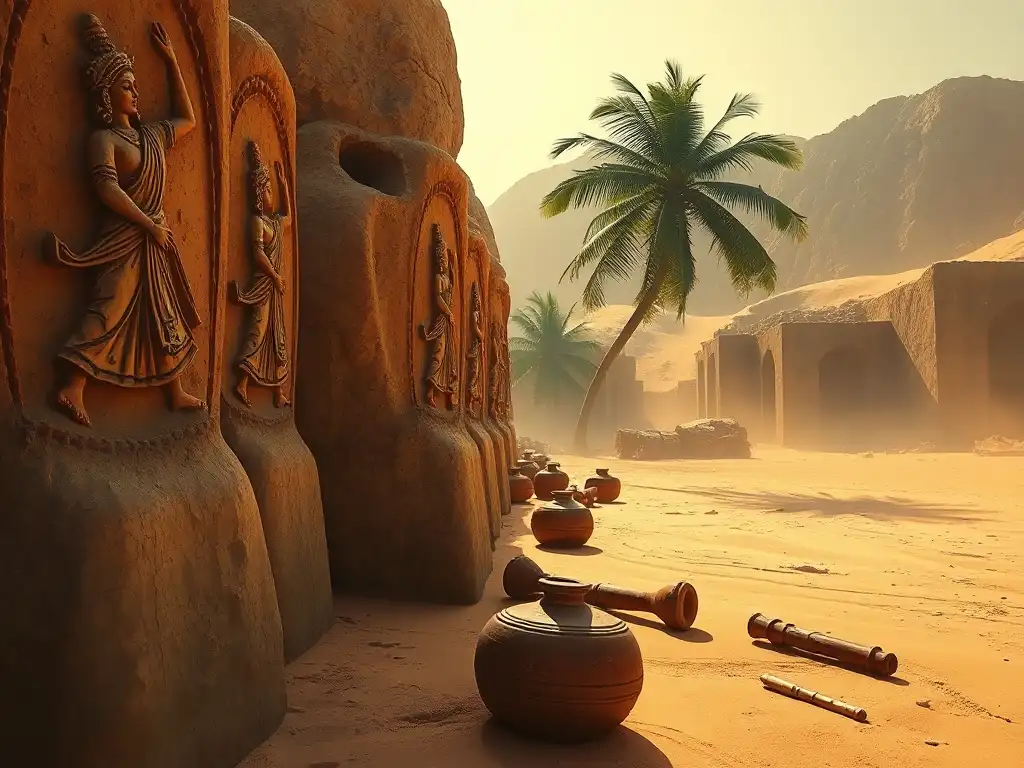
The archaeological evidence of dance in the Indus Valley Civilization (IVC) provides intriguing insights into the cultural practices of one of the world's earliest urban societies. Explorations of various archaeological sites have uncovered artifacts that suggest a rich tradition of dance and music, integral to the daily and ceremonial life of the Indus Valley people.
Dance Depictions in Indus Valley Artifacts
Numerous artifacts unearthed from sites like Mohenjo-Daro and Harappa depict figures in dance-like postures, suggesting that dance played a significant role in their culture. These depictions can be observed in various forms of art, including seals, pottery, and wall carvings.
- Seals: Many seals feature engravings of human figures in dynamic poses, often interpreted as dance. For example, some seals showcase a figure with one foot forward and arms raised, indicative of a dance position.
- Terracotta Figurines: The terracotta figurines discovered in the region often depict women adorned in traditional attire, with some figures possessing exaggerated hip movements and arm placements that suggest rhythmic movement.
- Pottery Designs: Decorative motifs on pottery sometimes illustrate scenes that resemble dance, possibly portraying ritualistic performances or celebrations.
These artifacts collectively highlight that dance was not merely a form of entertainment but also a vital expression of cultural identity, perhaps used in religious or social contexts.
Significance of Terracotta Figurines in Understanding Dance
Terracotta figurines from the Indus Valley Civilization serve as crucial evidence for understanding the role of dance in their society. These small figurines, often elaborately crafted, provide a wealth of information about the social and cultural dynamics of the time.
- Representation of Dance Styles: The postures and movements depicted in these figurines suggest the existence of various dance styles. For instance, the bending of knees and the positioning of arms indicate a potential for different forms of expressive dance.
- Cultural Context: The attire and adornments worn by the figurines reveal social stratification and gender roles within the civilization. The presence of decorated female figures may indicate that women played a prominent role in performing arts, possibly in both domestic and public spheres.
- Ritualistic Significance: Some scholars suggest that the figurines may have been used in religious practices or rituals, serving as representations of deities or spiritual figures engaged in dance, which was believed to connect the earthly realm with the divine.
- Symbol of Fertility and Celebration: The association of dance with fertility and harvest celebrations is also notable. Certain poses could symbolize agricultural rites, reflecting the community's connection to nature and its cycles.
The terracotta figurines are not just artistic representations but valuable archaeological evidence that sheds light on the intricate relationship between dance, culture, and spirituality in the Indus Valley Civilization. Through these artifacts, we gain a deeper appreciation for the significance of dance and music in shaping the social fabric of ancient India.
Music in the Indus Valley Civilization
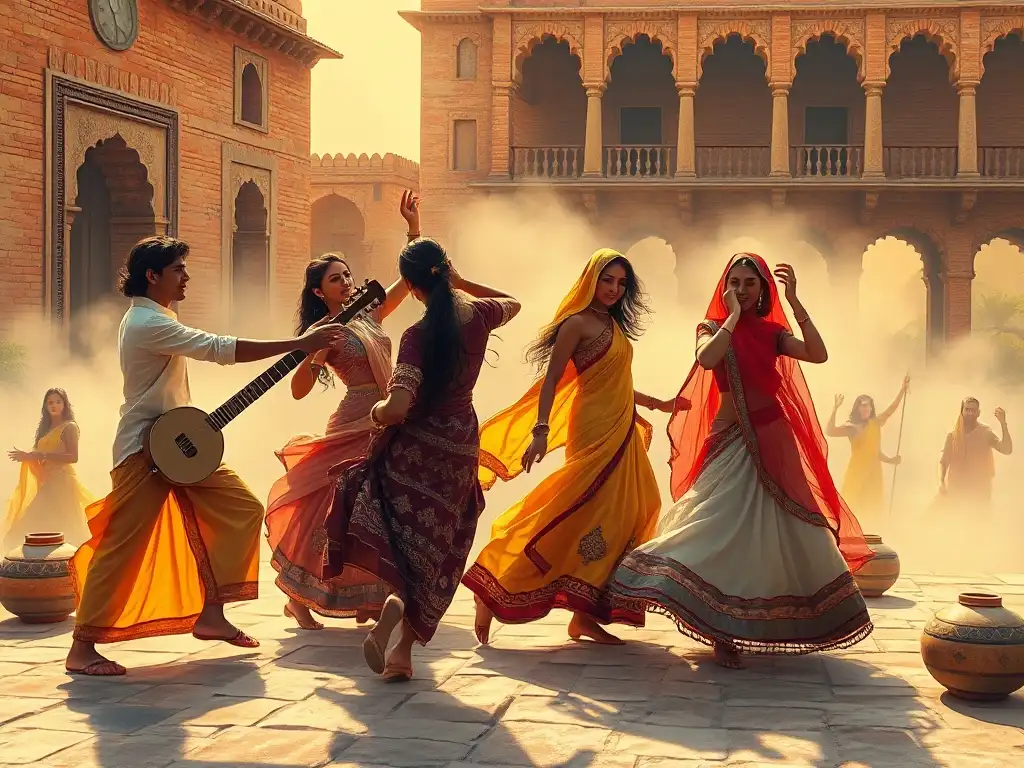
The Indus Valley Civilization, flourishing between 3300 and 1300 BCE, is renowned for its advanced urban planning and sophisticated craftsmanship. However, the musical traditions of this ancient civilization remain an intriguing area of study, offering insights into the social and cultural fabric of the time. Archaeological evidence suggests that music played a significant role in both the daily lives and spiritual practices of the Indus Valley people.
Instruments Used in Indus Valley Music
Various artifacts unearthed from Indus Valley sites indicate a rich musical tradition characterized by a variety of instruments. Some notable examples include:
- Percussion Instruments:
- Drums: Evidence points to the use of clay drums, which were likely played during rituals and communal gatherings.
- Cymbals: Small metallic cymbals may have been used to accompany dance and vocal performances.
- String Instruments:
- Lyres: The discovery of terracotta figurines holding lyres suggests that string instruments were integral to musical practices. These instruments, with their resonant tones, could have been used for both entertainment and worship.
- Wind Instruments:
- Flutes: Fragments of bone and terracotta flutes have been found, indicating the presence of wind instruments. These flutes likely produced melodious sounds that enhanced the auditory experience of various events.
The presence of these instruments hints at the complexity of musical expression in the Indus Valley Civilization, with performances possibly accompanying rituals, celebrations, and social gatherings.
Music in the Indus Valley Civilization served multifaceted purposes, deeply intertwined with religious and social practices.
- Religious Significance:
- Music likely played a crucial role in religious ceremonies, enhancing the spiritual atmosphere during rituals. It is believed that hymns and chants were employed to invoke deities, reflecting the civilization's polytheistic beliefs.
- Social Cohesion:
- Music facilitated social interaction, promoting unity within communities. Group performances during festivals or communal events would have fostered a sense of belonging and cultural identity among the people of the Indus Valley.
- Cultural Expression:
- The integration of music in dance and storytelling could have served as a medium for cultural expression, allowing the Indus Valley people to convey their experiences, values, and historical narratives.
Overall, music in the Indus Valley Civilization was not merely an art form but a vital component of life that reflected the civilization's values, traditions, and societal structures. As archaeological findings continue to emerge, our understanding of the role of music in this ancient civilization will only deepen, enriching the narrative of Indus Valley dance and music.
Cultural Significance of Indus Valley Dance and Music
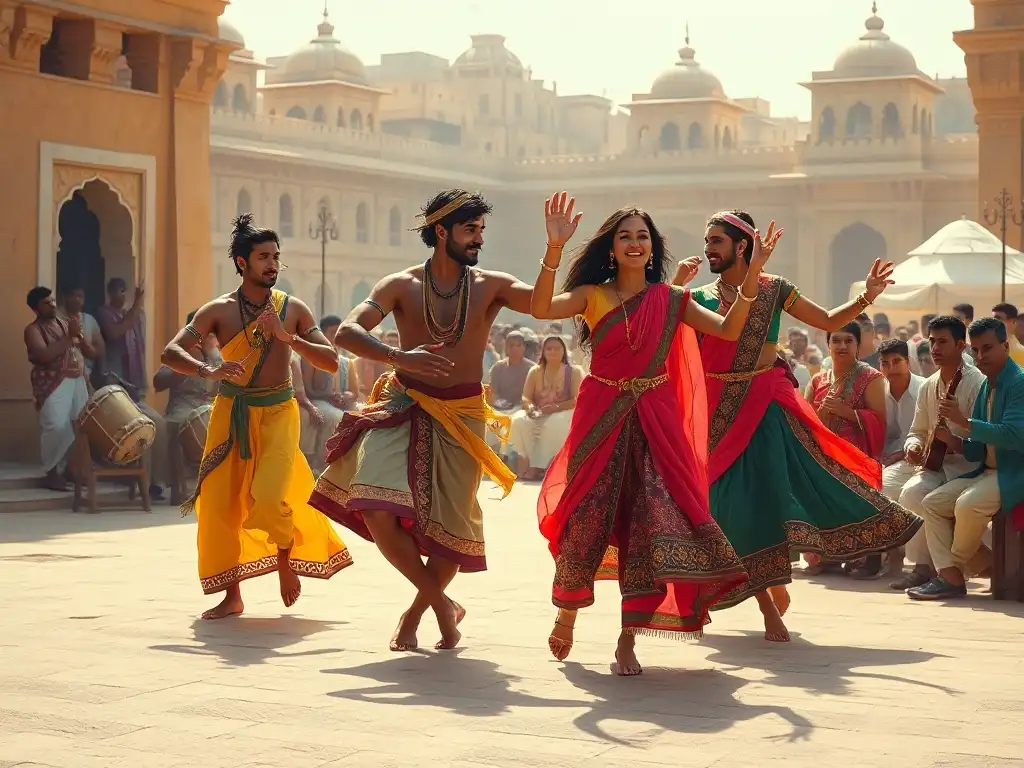
The cultural significance of dance and music in the Indus Valley Civilization (IVC) is profound, reflecting the values, beliefs, and social dynamics of one of the world's earliest urban societies. The archaeological findings from sites such as Harappa and Mohenjo-Daro suggest that these art forms were not merely for entertainment but played a crucial role in religious rituals, community gatherings, and social cohesion.
Dance as a Form of Expression
Dance in the Indus Valley Civilization served as a vital medium for expression and communication. The discovery of terracotta figurines, many of which depict dancers in various poses, suggests that dance was a prominent aspect of cultural life. These figurines often showcase intricate hairstyles, jewelry, and clothing, indicating that dance was not only an art form but also a display of identity and status.
- Religious Context: Dance likely held significant religious connotations, possibly used during rituals to invoke deities or celebrate important agricultural events. The positioning of some figurines suggests they may emulate deities or symbolize fertility, crucial in an agrarian society.
- Social Functions: Dance also facilitated social bonding within communities. It was a communal activity that brought people together during festivals, celebrations, and rites of passage, reinforcing social ties and collective identity.
- Choreography and Styles: While specific styles of dance from the Indus Valley remain undocumented, interpretations of the figurines imply a variety of movements and formations. The fluidity of the poses indicates that dance was likely both expressive and structured, with a potential connection to later Indian classical dance forms.
Music and Its Influence on Daily Life
Music in the Indus Valley Civilization played an equally essential role, complementing dance and enriching daily life. The remnants of musical instruments, such as flutes and drums, uncovered at archaeological sites highlight the significance of music in both ceremonial and everyday contexts.
- Instruments and Diversity: The variety of musical instruments found suggests a rich musical tradition. Instruments like the bansuri (bamboo flute) and dholak (drum) might have been used in combination with dance, creating a harmonious blend that resonated within the community.
- Cultural Practices: Music likely accompanied various cultural practices, including storytelling and oral traditions. It provided a means to convey history, mythology, and moral lessons, reinforcing community values and beliefs.
- Therapeutic and Social Aspects: The soothing qualities of music may have been used for relaxation and healing, fostering emotional well-being within the community. Additionally, music facilitated social interaction, with communal singing and playing serving as a bonding experience.
The Indus Valley dance and music were integral to the civilization's cultural fabric, reflecting its complexities and nuances. The interplay of these art forms not only enhanced aesthetic experiences but also reinforced social structures and communal identities, laying the groundwork for the rich artistic traditions that would follow in subsequent Indian civilizations.
Comparisons with Contemporary Ancient Indian Cultures
Similarities in Dance and Music Traditions
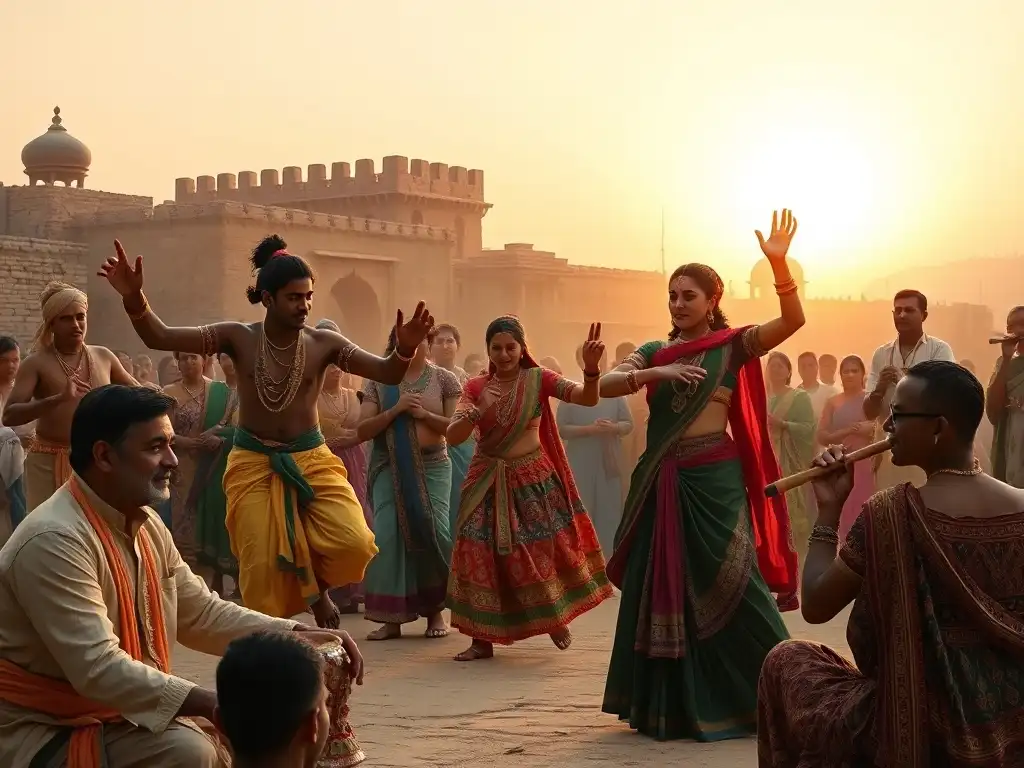
The dance and music traditions of the Indus Valley Civilization exhibit remarkable similarities with those of contemporary ancient Indian cultures, notably in their thematic content, use of instruments, and performance contexts.
- Thematic Elements: Both the Indus Valley and later Indian cultures often integrated dance and music into religious and spiritual practices. For instance, ritualistic dances performed during ceremonies to honor deities or mark seasonal changes reveal a shared reverence for the divine. This connection can be seen in the remnants of seals from the Indus Valley that depict figures in dance poses, suggesting a spiritual significance akin to that in later Hindu traditions.
- Instruments: Archaeological findings have uncovered a variety of musical instruments in the Indus Valley, such as flutes and drums, which bear a striking resemblance to those used in later periods. For example, the use of the dholak and bansuri in contemporary folk music finds its roots in instruments that were likely played thousands of years ago. The continuity of these instruments emphasizes the enduring nature of musical traditions in the Indian subcontinent.
- Community Involvement: Dance and music served as communal activities in both the Indus Valley and later cultures. Evidence suggests that performances were often collective experiences, possibly held during festivals or agricultural celebrations, fostering community bonding and cultural identity. This aspect of communal participation remains a significant feature of Indian dance forms today, such as Bharatanatyam and Kathak, which are often performed in group settings.
Differences in Artistic Expression and Techniques
While there are notable similarities, significant differences also exist in the artistic expression and techniques of the Indus Valley Civilization compared to later ancient Indian cultures.
- Stylistic Variations: The artistic style of Indus Valley dance and music was likely more austere and less codified compared to the elaborate systems developed in later periods. For instance, the dance forms of the Gupta Empire were characterized by intricate gestures ( mudras) and facial expressions ( abhinaya), which were well-defined in classical texts. In contrast, the Indus Valley's artistic expressions appear to be less formalized, possibly reflecting a more spontaneous or communal approach to performance.
- Symbolism and Narration: Later ancient Indian dance forms, such as Kathakali, are known for their storytelling elements, where performances often narrate mythological tales through expressive movements and music. Conversely, the Indus Valley's artistic expressions may not have conveyed specific narratives but rather focused on abstract representations, as indicated by the geometric patterns and motifs found in their artifacts. This abstraction could suggest a different cultural emphasis on symbolism rather than narrative.
- Cultural Context and Function: The function of dance and music in the Indus Valley may have differed from later traditions that evolved under the influence of Vedic and post-Vedic texts. For example, while later dance forms became integral to temple worship and royal courts, the Indus Valley's artistic expressions might have served primarily local or agricultural purposes, reflecting the society's immediate needs and environment.
The dance and music of the Indus Valley Civilization share foundational similarities with contemporary ancient Indian cultures, particularly in thematic content and community involvement. However, distinct differences in artistic expression, stylistic choices, and cultural contexts highlight the evolution of these art forms over time. Understanding these aspects provides valuable insights into the rich tapestry of India's artistic heritage.
Theoretical Insights on Indus Valley Dance and Music
Interpretations by Archaeologists and Historians
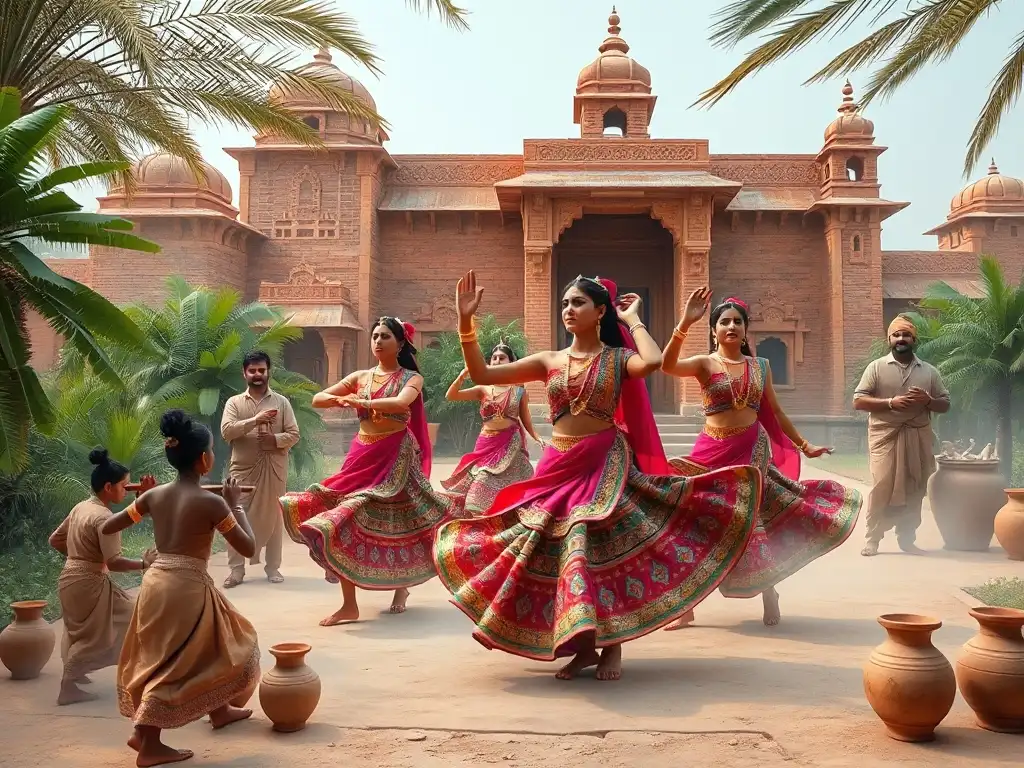
The archaeological findings from the Indus Valley Civilization (IVC) have provided a rich tapestry of evidence suggesting the prominence of dance and music in their culture. Notably, the discovery of figurines, seals, and pottery often depicts dancers in various poses, suggesting that dance was not merely a form of entertainment but likely held significant cultural and ritualistic value.
For instance, the dancing girl bronze statue from Mohenjo-Daro, estimated to date back to 2500 BCE, is a striking representation of the aesthetic appreciation and skill in dance. Historians interpret this artifact as indicative of a society that valued both artistic expression and the physicality of dance. Additionally, the presence of musical instruments, such as the drums and flutes depicted on seals, points to a sophisticated understanding of music that likely accompanied dance performances.
Archaeologists have also noted that the layout of IVC cities, with their public gathering spaces, suggests that communal activities, including dance and music, were integral to social life. The great bath of Mohenjo-Daro, for example, may have been a venue for ceremonial performances that included music and dance, emphasizing their role in spiritual and community gatherings.
Debates on the Functions of Dance and Music
The function of dance and music within the Indus Valley Civilization remains a subject of considerable debate among scholars. Some argue that these art forms served primarily ritualistic purposes, while others posit that they were also means of social cohesion and entertainment.
- Ritualistic Functions: A significant perspective is that dance and music were embedded in religious ceremonies or rites of passage. The presence of certain symbols on seals, such as the horned deity, suggests a connection between music, dance, and spiritual practices. This interpretation is further supported by the understanding that many ancient cultures utilized performing arts to connect with the divine.
- Social Cohesion and Entertainment: Conversely, there is an argument for the role of dance and music as vital components of daily life that fostered community bonds. The communal nature of many activities in IVC society, alongside the artistic representations of group dances, indicates that these performances may have facilitated social interaction and cohesion. This view aligns with anthropological theories that suggest performing arts often serve to strengthen community ties.
- Therapeutic and Emotional Expression: Another emerging theory posits that dance and music provided a medium for emotional expression and therapeutic release. As in many cultures, rhythmic movements and melodies could have played a pivotal role in emotional regulation and communal healing practices.
While the specific functions of dance and music in the Indus Valley Civilization are still under investigation, the archaeological evidence supports a multifaceted role. These art forms likely encompassed spiritual, social, and emotional dimensions, reflecting the complexity of Indus Valley culture. The ongoing debates highlight the richness of this topic and the importance of interdisciplinary approaches in understanding ancient civilizations.
Conclusion: The Legacy of Indus Valley Dance and Music
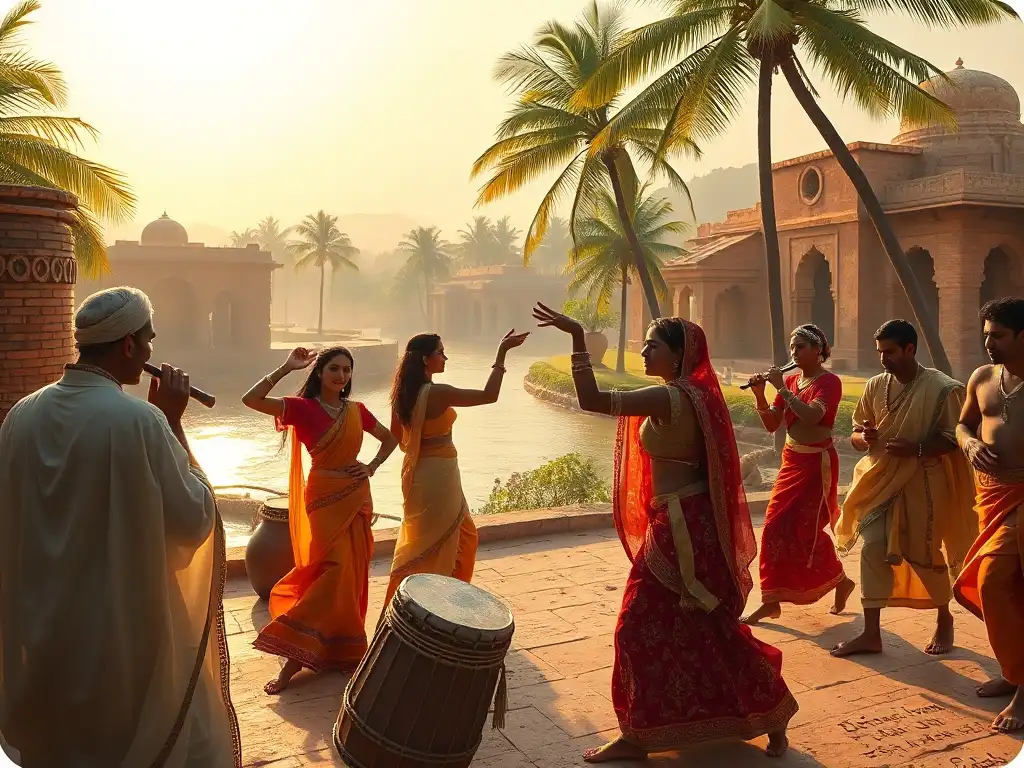
The Indus Valley Civilization, known for its advanced urban planning and sophisticated societal structures, also laid the groundwork for various forms of artistic expression, particularly dance and music. The archaeological findings suggest that these art forms were not merely recreational but played a vital role in cultural rituals and community life.
Lasting Impact on Indian Cultural Heritage
The influence of Indus Valley dance and music can be traced through the ages, manifesting in various subsequent Indian civilizations. For instance, the themes and motifs present in ancient seals and terracotta figurines show a continuity of artistic traditions that echo in later Indian dance forms such as Bharatanatyam and Kathak.
- Cultural Rituals: Dance and music in the Indus Valley were likely integral to religious ceremonies. Evidence from the ruins indicates the presence of dance-like postures in figurines, suggesting a ritualistic aspect that has persisted in Indian culture.
- Community Identity: The communal nature of music and dance in the Indus Valley fostered a sense of identity among its inhabitants. This aspect is still prominent in contemporary Indian society where festivals and gatherings are celebrated with music and dance, reinforcing communal bonds.
- Symbolic Representation: The use of musical instruments, as inferred from archaeological findings, signifies a symbolic representation of social status and roles within the community. Such symbolism continues to be observed in modern Indian society, where traditional attire and instruments often denote cultural heritage.
The legacies of Indus Valley dance and music not only enrich the tapestry of Indian art forms but also serve as a reminder of the civilization's profound connection to its cultural roots.
Future Directions for Research in Indus Valley Arts
While significant strides have been made in understanding the artistic expressions of the Indus Valley Civilization, several avenues remain unexplored that could further illuminate the nuances of Indus Valley dance and music.
- Interdisciplinary Approaches: Future research should adopt interdisciplinary methodologies, integrating archaeology, anthropology, and ethnomusicology. This can lead to a more comprehensive understanding of how music and dance were practiced and perceived in the Indus Valley.
- Technological Advancements: Utilizing modern technology, such as 3D modeling and virtual reality, may help recreate the performance contexts of ancient dance and music. This could provide insights into the spatial dynamics of these art forms and their interaction with the audience.
- Comparative Studies: Conducting comparative studies with contemporary tribal and classical dance forms across India may yield fascinating parallels and divergences, enriching our understanding of the evolution of these art forms throughout history.
- Fieldwork and Excavations: Continued archaeological excavations and fieldwork in the region could uncover more artifacts related to music and dance, such as instruments, ceremonial objects, and even written records, thus providing a clearer picture of the cultural practices of the Indus Valley people.
The Indus Valley dance and music tradition represents a crucial chapter in the narrative of Indian cultural heritage. By delving deeper into this ancient legacy, researchers can uncover the profound connections that link past and present, ensuring the enduring relevance of these artistic expressions in contemporary society.
Frequently Asked Questions
What types of dance and music were prevalent in the Indus Valley Civilization?
The Indus Valley Civilization is believed to have had a rich tradition of dance and music, though specific details remain elusive due to limited archaeological evidence. Artifacts suggest communal celebrations and rituals likely included musical instruments and dance forms.
How did archaeological findings contribute to our understanding of Indus Valley dance and music?
Archaeological findings, such as figurines and seals depicting dancers and musicians, provide insights into the cultural practices of the Indus Valley. These artifacts help to reconstruct the significance of dance and music in societal rituals and daily life.
What musical instruments were used in the Indus Valley?
While the exact types of musical instruments are not definitively known, some artifacts suggest the use of stringed instruments and percussion devices. The discovery of terracotta figurines indicates that music played a role in ceremonial activities.
Did the Indus Valley Civilization influence later Indian music and dance?
Yes, elements of Indus Valley dance and music may have influenced later Indian traditions. The continuity of cultural practices from the Indus Valley through subsequent civilizations suggests a lasting impact on Indian classical music and dance forms.
What is the significance of dance and music in ancient Indian cultures?
Dance and music have always been integral to ancient Indian cultures, serving as expressions of spirituality, community bonding, and storytelling. The Indus Valley Civilization laid the groundwork for these art forms, which evolved over centuries.
Final Reflection: The Rhythms of History and Their Echoes Today
The exploration of dance and music in the Indus Valley Civilization reveals not only the artistic expressions of a bygone era but also their profound relevance in our contemporary world. As we delve into the archaeological findings that highlight the importance of these cultural practices, we uncover a striking reminder of how art transcends time, connecting us to our ancestors and shaping our collective identity. The echoes of Indus Valley dance and music continue to resonate, reminding us that creativity is a fundamental aspect of human existence.
Culture is a living tapestry, woven from the threads of our history, and the legacy of the Indus Valley Civilization is a vibrant part of this fabric. The artifacts and evidence of musical instruments and dance practices found in archaeological sites serve as a testament to the social and spiritual life of the people who inhabited this region. Their artistic expressions were not merely forms of entertainment; they were integral to community bonding, rituals, and the celebration of life. Art is the most beautiful of all lies.
This quote encapsulates the idea that while the specifics of their dances and music may be lost to time, the essence of their creativity and expression continues to inspire us today.
As we reflect on the significance of dance and music in the Indus Valley Civilization, let us embrace the lessons they impart about the importance of cultural heritage in our lives. I invite you to consider how you can incorporate the spirit of creativity and expression into your own life.
Whether through dance, music, or any other form of art, take a moment to connect with your own heritage and the universal language of creativity that binds us all. In doing so, we not only honor the past but also enrich our present and future, ensuring that the rhythms of history continue to inspire generations to come.
Unveil the Rhythm of History: Take Action Today!
Thank you for diving into the fascinating world of dance and music in the Indus Valley Civilization! We hope you enjoyed uncovering how these cultural expressions reflect the daily life and beliefs of this ancient society. Now, let’s keep that spark of curiosity alive—here’s how you can further explore this vibrant topic:
- Join a local dance class or music workshop inspired by ancient styles to connect with the rhythm of history in your own life.
- Share your favorite discoveries from this article with friends or on social media to inspire others to engage with our ancient heritage.
- Participate in online communities centered around ancient cultures to discuss your insights and learn from fellow enthusiasts.
What aspect of the Indus Valley’s cultural practices resonates with you the most, and how do you believe they influence modern art and music?