
The Evolution of Sacred Art in Ancient India: From Rituals to Representations

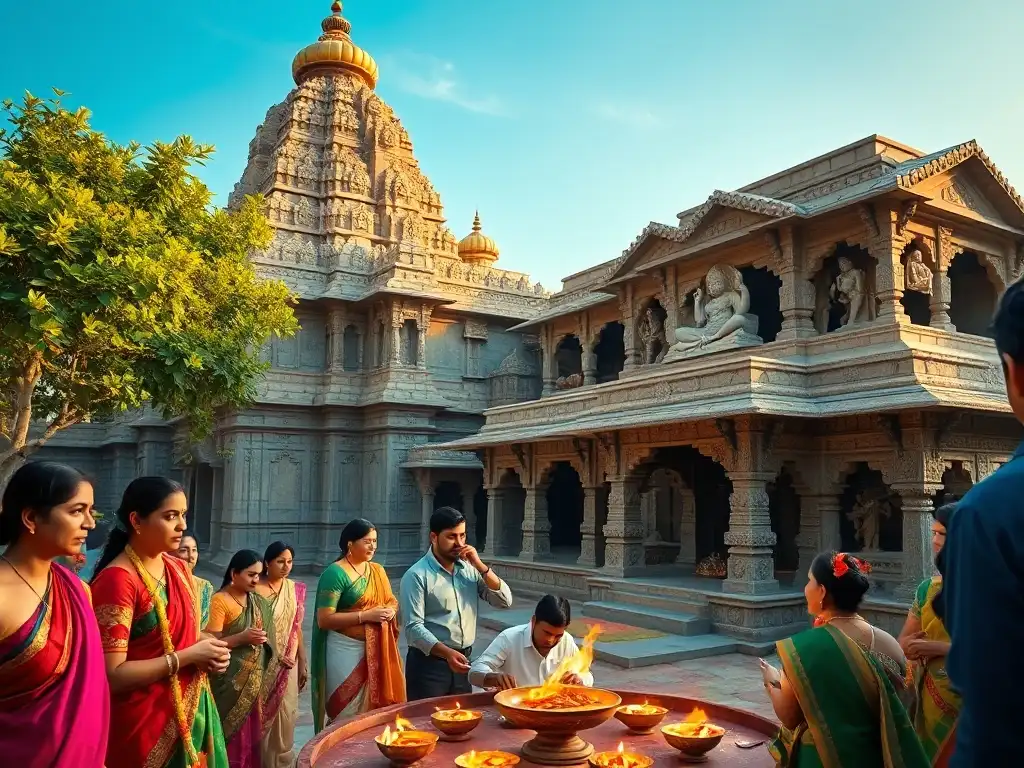
Welcome to Ancient India History, where we journey through the vibrant tapestry of India’s past! In our exploration of the evolution of sacred art in ancient India, you'll uncover the profound rituals and stunning representations that shaped the spiritual and cultural landscape of this remarkable civilization. What drove the creation of these sacred masterpieces, and how did they reflect the beliefs and values of their time? Dive in to discover the intricate details and stories behind these artistic expressions, and let your curiosity guide you through the captivating world of ancient Indian art!
Introduction to Sacred Art in Ancient India
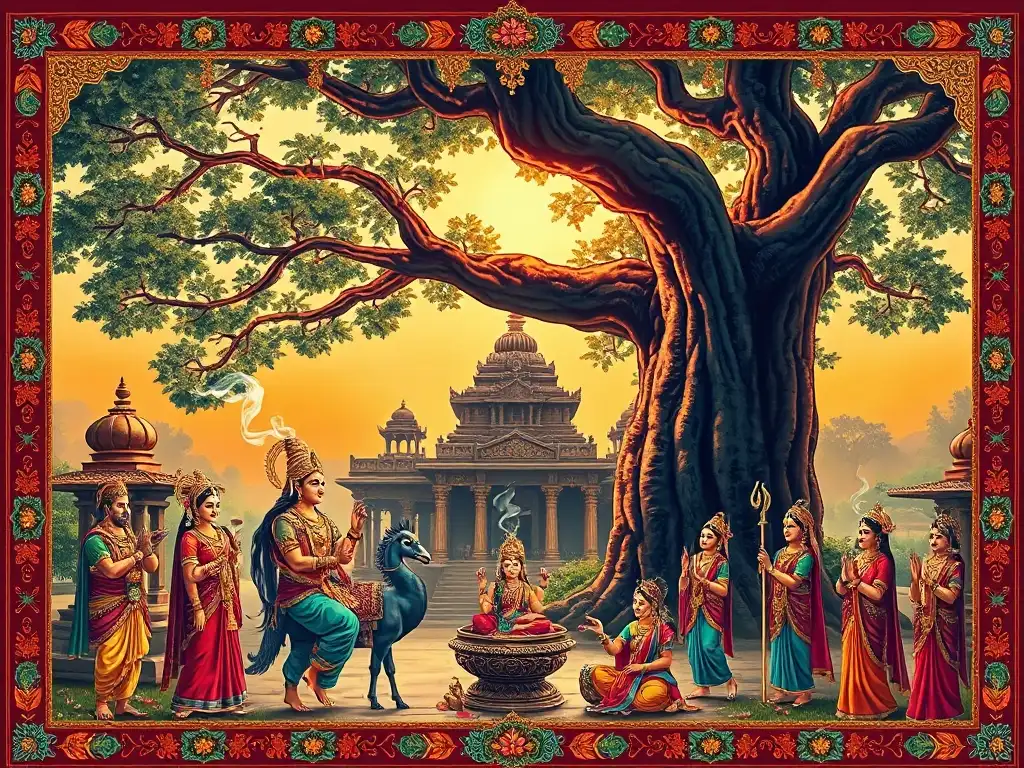
The evolution of sacred art in ancient India is a fascinating journey that intricately intertwines with the region's rich and diverse history, culture, and spiritual beliefs. From the meticulous carvings of the Indus Valley Civilization to the grand sculptures of the Gupta Empire, sacred art has played a pivotal role in expressing the religious and philosophical ethos of its time.
This article delves into the various dimensions of sacred art in ancient India, highlighting its significance, historical context, and the enduring legacy it has left on contemporary art forms. By exploring this evolution, we aim to provide a comprehensive understanding of how sacred art not only reflected the spiritual practices of ancient Indian civilizations but also shaped their cultural identity.
Defining Sacred Art in Ancient India
Sacred art in ancient India encompasses a wide array of artistic expressions that are deeply rooted in religious and spiritual beliefs. This includes:
- Sculptures and Statues: Often depicting deities, mythological beings, and important spiritual figures.
- Paintings and Murals: Found in temples and caves, these works illustrate religious narratives and moral teachings.
- Architectural Elements: Temples designed with intricate carvings and symbolic motifs that serve both aesthetic and devotional purposes.
The primary goal of sacred art was to facilitate a connection between the divine and the mortal, serving as a medium for worship and reverence.
Importance of Sacred Art in Ancient Indian Culture
The importance of sacred art in ancient Indian culture cannot be overstated. It served several vital functions, including:
- Cultural Identity: Sacred art reflected the unique cultural identities of various regions and communities within ancient India.
- Spiritual Expression: Artists and craftsmen sought to express their devotion, creating works that resonated with the spiritual beliefs of their time.
- Educational Tool: Many sacred artworks acted as visual narratives, conveying moral and philosophical teachings to the public.
Through these functions, sacred art became a cornerstone of ancient Indian civilization, influencing both social dynamics and individual spirituality.
Historical Context of Sacred Art in Ancient India
To fully appreciate the evolution of sacred art in ancient India, it is essential to understand the historical context in which it developed. This context includes an overview of the various civilizations that flourished across the subcontinent and the significant role religion played in shaping artistic expression.
Overview of Ancient Indian Civilizations
Ancient India was home to several prominent civilizations, each contributing uniquely to the tapestry of sacred art. Key civilizations include:
- Indus Valley Civilization (circa 3300–1300 BCE): Known for its sophisticated urban planning and early forms of artistic expression.
- Vedic Period (circa 1500–500 BCE): A time when religious texts were composed, laying the foundation for later artistic representations.
- Maurya Empire (circa 322–185 BCE): Notable for the spread of Buddhism and the intricate carvings at sites like Sanchi and Barabar.
- Gupta Empire (circa 320–550 CE): Often referred to as the Golden Age of India, this period saw the flourishing of art, particularly in sculpture and temple architecture.
Each of these civilizations contributed to the evolving narrative of sacred art, reflecting their unique religious beliefs and cultural practices.
The Role of Religion in Shaping Sacred Art
Religion has been a fundamental driving force in the development of sacred art in ancient India. The interplay between different religious traditions, such as Hinduism, Buddhism, and Jainism, led to diverse artistic expressions that communicated complex spiritual ideas. Key aspects include:
- Symbolism: Sacred art often employed symbolic imagery that conveyed deeper spiritual meanings, making it accessible to the masses.
- Ritualistic Function: Many artworks were created specifically for religious rituals, enhancing the spiritual experience of worshippers.
- Patronage: Temples and religious institutions often commissioned artworks, ensuring their alignment with the prevailing spiritual and cultural narratives.
The evolution of sacred art in ancient India is a reflection of its rich historical and cultural landscape, serving as a vital expression of spirituality and identity throughout the ages.
Early Forms of Sacred Art in Ancient India
The origins of sacred art in ancient India can be traced back to the earliest civilizations, particularly the Indus Valley Civilization, which flourished around 2500 BCE. This period marked the beginning of a rich tradition of art that was deeply intertwined with religious and cultural practices. The art from this era primarily consisted of various artifacts, sculptures, and seals, which served both practical and spiritual purposes.
In these early forms of sacred art, we observe a significant focus on ritualistic practices and the portrayal of deities. The artistic expressions were often simplistic yet rich in meaning, laying the groundwork for future developments in sacred art. As we delve into the specifics of this era, we see that the visual representations were not merely decorative but rather served as conduits for spiritual engagement and understanding of the divine.
Ritualistic Art in the Indus Valley Civilization
The Indus Valley Civilization is renowned for its intricate and sophisticated art forms, which included pottery, figurines, and seals that often depicted ritualistic themes. Archaeological findings reveal a wealth of artifacts such as the famous dancing girl bronze statuette and various terracotta figurines that are believed to have been used in religious rituals.
These artifacts suggest that the inhabitants engaged in complex rituals that were likely linked to fertility, worship, and the veneration of natural elements. The seals, often inscribed with animals and symbols, were not only used for trade but also held spiritual significance, possibly serving as amulets or tokens of protection. This early ritualistic art provided a glimpse into the spiritual lives of the people, reflecting their connection to the divine and the natural world.
Symbolism and Motifs in Early Sacred Art
Symbolism played a pivotal role in the sacred art of ancient India. Early artworks were imbued with motifs that conveyed deeper meanings and connected the material world with the spiritual realm. Common motifs included animals, such as bulls and elephants, which were often associated with power and fertility, as well as geometric patterns that represented order and harmony in the universe.
The use of specific colors also carried symbolic weight; for instance, red often symbolized fertility and auspiciousness, while black could signify protection. These elements were not random; they were carefully selected to enhance the ritualistic and spiritual significance of the art. The motifs and symbols employed in early sacred art laid the foundation for the later, more complex iconography that would emerge in subsequent periods of Indian history.
The Transition of Sacred Art: From Rituals to Representations
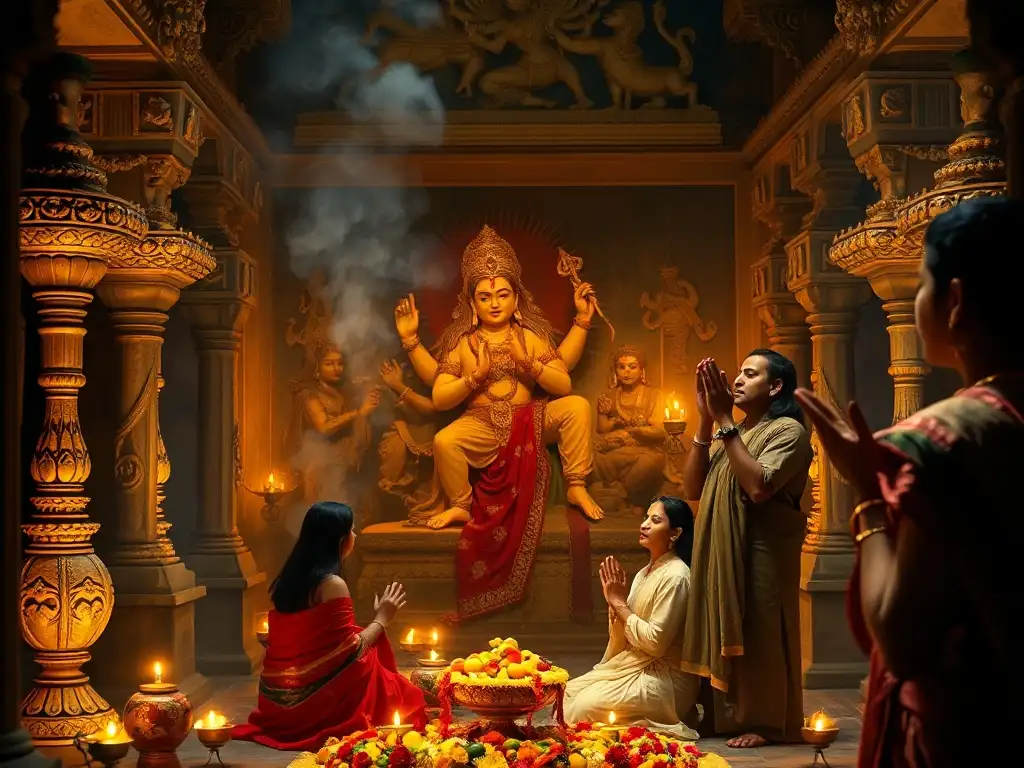
As ancient Indian civilization progressed, there was a notable shift in the nature of sacred art from purely ritualistic forms to more representational and iconographic expressions. This transition was significantly influenced by cultural exchanges, the rise of new religious philosophies, and the development of more sophisticated artistic techniques. This evolution marked a new chapter in the history of sacred art, where representation became a central focus.
Influence of Vedic Texts on Sacred Art
The arrival of Vedic texts around 1500 BCE brought profound changes to the spiritual and artistic landscape of ancient India. These texts emphasized the importance of divine beings and rituals, which in turn influenced the themes and subjects depicted in sacred art. The Vedic tradition introduced a pantheon of gods and goddesses, each embodying various aspects of life and nature.
Artworks began to reflect these Vedic ideals, with depictions of deities such as Agni (the fire god) and Indra (the king of gods) becoming prevalent. The influence of these texts was evident in the intricacy and detail of the representations, as artists sought to capture the essence and attributes of the divine figures. This period marked a crucial development in the evolution of sacred art, as it began to incorporate narrative elements and storytelling through visual representation.
Development of Iconography in Ancient India
The development of iconography in ancient India was a significant milestone in the evolution of sacred art. By the time of the Mauryan Empire (circa 322-185 BCE), artists began to establish a complex system of symbols and forms that defined the visual representation of deities. Iconography became a systematic approach to depicting gods, goddesses, and mythological figures, allowing for a unified understanding of the divine across different regions and cultures.
Artisans crafted images that conveyed specific attributes, such as the multiple arms of Durga symbolizing her immense power or the serene posture of Buddha representing enlightenment. This period also saw the emergence of stupas and rock-cut caves, which served as both religious sites and artistic canvases. The iconography developed during this era not only enriched the spiritual experience but also helped to unify and disseminate religious beliefs throughout the subcontinent, setting the stage for the flourishing of sacred art in the centuries to come.
Major Periods in the Evolution of Sacred Art in Ancient India
The evolution of sacred art in ancient India can be categorized into several key periods, each marked by distinct styles, themes, and cultural influences. These periods reflect the changing dynamics of religion, society, and artistic expression throughout India's history. The major periods include the Indus Valley Civilization, the Mauryan Empire, the post-Mauryan developments, and the Gupta Empire. Each of these periods contributed uniquely to the rich tapestry of sacred art, intertwining spiritual beliefs with artistic practices.
The Mauryan Empire and Its Contributions to Sacred Art
The Mauryan Empire (circa 322-185 BCE) is pivotal in the history of sacred art in ancient India. This period saw the emergence of monumental stone sculptures, particularly under the reign of Emperor Ashoka. Ashoka's conversion to Buddhism profoundly influenced the artistic landscape, leading to the creation of stupas and pillars adorned with intricate carvings.
One of the most significant contributions during this time was the development of the Ashoka Pillars, which featured inscriptions and animal motifs symbolizing the teachings of Buddhism. The most famous of these pillars is the Lion Capital of Ashoka, a UNESCO World Heritage site, which exemplifies the blend of artistry and spiritual symbolism.
In addition to Buddhist art, the Mauryan period also saw the early manifestations of Hindu iconography. Temples began to emerge, showcasing simple yet profound representations of deities that laid the groundwork for future artistic expressions in sacred art.
The Gupta Period: A Golden Age of Sacred Art
The Gupta Period (circa 320-550 CE) is often referred to as the "Golden Age" of ancient Indian art, particularly in the realm of sacred art. This era is characterized by remarkable advancements in sculpture, painting, and temple architecture. The Gupta artists developed a style that emphasized grace, harmony, and spiritual expressiveness.
One of the most notable achievements during this period was the creation of exquisite cave paintings, such as those found in the Ajanta Caves, which depict Buddhist narratives and jataka tales. These paintings are celebrated for their vibrant colors and intricate details, capturing the essence of the spiritual experience.
In addition to painting, the Gupta period also saw the proliferation of temple sculptures, particularly in the depiction of Hindu deities. The Kandariya Mahadeva Temple in Khajuraho, with its elaborate carvings of gods and goddesses, represents the peak of Gupta artistry and its focus on sacred themes. This period solidified the foundations of sacred art in ancient India, influencing generations of artists that followed.
Regional Variations in Sacred Art Across Ancient India
Sacred art in ancient India exhibits significant regional variations that reflect local beliefs, customs, and artistic traditions. From the intricate temple sculptures of South India to the elaborate frescoes of Northern India, each region developed its unique style while contributing to the broader narrative of sacred art.
In the South, the Chola and Pandya dynasties are known for their bronze sculptures and temple architecture, characterized by detailed figures and graceful postures. The Brihadeeswarar Temple in Thanjavur is a prime example, showcasing the artistic prowess of the region.
Conversely, in Northern India, the Mughal influence introduced new elements into sacred art, blending Persian styles with indigenous motifs. The Taj Mahal, while primarily a mausoleum, incorporates many sacred artistic elements, reflecting the synthesis of cultural influences.
These regional distinctions highlight the diverse expressions of spirituality and artistry across ancient India, showcasing how local traditions shaped the evolution of sacred art.
Key Elements of Sacred Art in Ancient India
The key elements of sacred art in ancient India encompass a variety of themes, techniques, and materials that were employed to convey spiritual narratives and beliefs. Understanding these elements provides insight into the artistic practices and cultural values of ancient Indian civilizations.
Iconography and Symbolism in Sacred Representations
Iconography plays a crucial role in sacred art, where specific symbols and motifs are used to convey deeper spiritual meanings. Each deity in Hinduism, Buddhism, and Jainism is depicted with distinct attributes that represent their qualities and powers.
For instance, Lord Ganesha, often represented with an elephant head, symbolizes wisdom and the removal of obstacles. Similarly, Buddha is frequently shown in various mudras (hand gestures), each signifying different aspects of his teachings.
The use of mythological narratives is also prevalent, where stories from sacred texts are illustrated through art. These representations not only serve as visual storytelling but also function as tools for devotion and meditation, allowing followers to connect with the divine.
Use of Materials and Techniques in Sacred Art Creation
The materials and techniques used in creating sacred art were as diverse as the art forms themselves. Ancient Indian artists employed a variety of materials, including stone, metal, clay, and textiles, each chosen for their symbolic significance and durability.
Sculptural techniques often involved carving directly into stone, as seen in the intricate reliefs of temples. The lost-wax casting method was commonly used for bronze sculptures, allowing for detailed and expressive forms.
Moreover, the application of natural pigments in paintings reflects a deep understanding of materials, with artists utilizing minerals and plant-based dyes to create vibrant colors. The meticulous techniques and choice of materials not only enhanced the aesthetic appeal but also imbued the art with spiritual significance, aligning the physical creation with the divine purpose it served.
Case Studies of Prominent Sacred Artworks in Ancient India
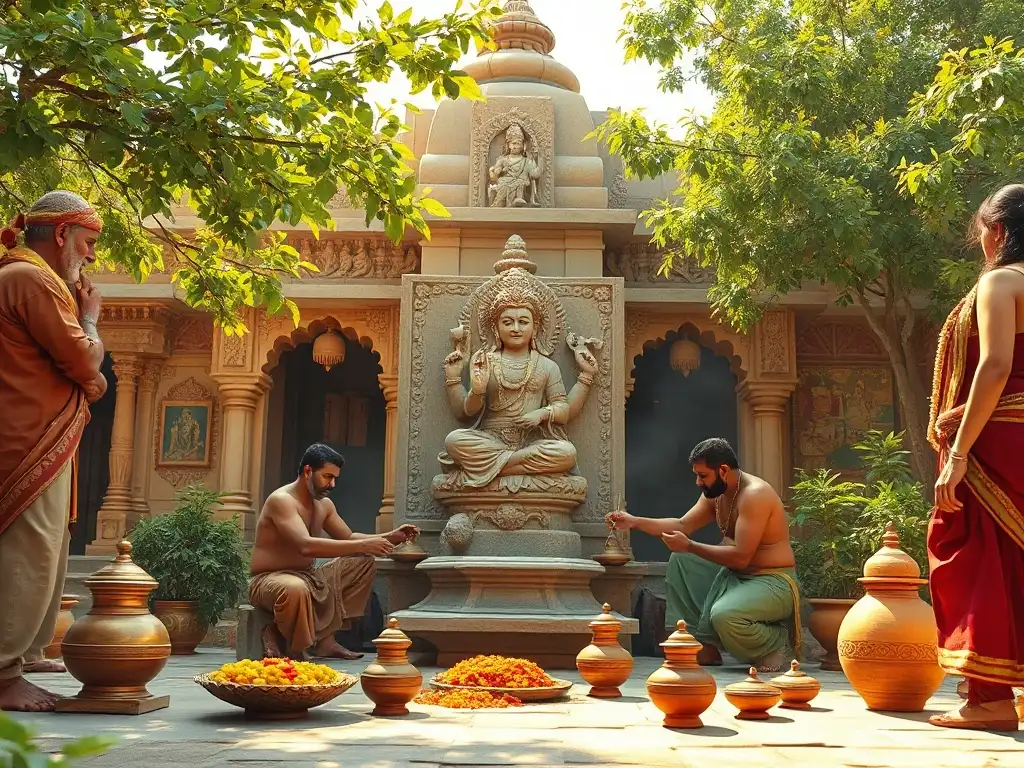
The study of sacred art in ancient India reveals a rich tapestry of cultural and spiritual expressions through various forms. The artworks, ranging from intricate sculptures to expansive murals, serve as both religious artifacts and historical documents. Among the most notable examples are the Ajanta Caves and the Khajuraho temples, each representing a unique phase in the evolution of sacred art. These case studies illustrate the profound relationship between spirituality and artistic expression, showcasing how sacred art not only reflected the religious beliefs of the time but also influenced subsequent artistic developments.
Analysis of the Ajanta Caves: A Fusion of Art and Spirituality
The Ajanta Caves, a UNESCO World Heritage Site, are renowned for their stunning frescoes and sculptures that date back to the 2nd century BCE to the 6th century CE. Carved into a horseshoe-shaped cliff, these caves were primarily used as monastic quarters and places of worship by Buddhist monks. The art found within the Ajanta Caves is characterized by its vibrant colors, intricate details, and spiritual themes, depicting the life of the Buddha and various Jataka tales (stories of the Buddha's previous lives).
The murals exhibit a fusion of narrative and symbolism, where each brushstroke conveys profound spiritual messages. For example, the famous Cave 1 features a mural of the Buddha surrounded by celestial beings, signifying his divine status.
The artists employed techniques such as shading and perspective, which were groundbreaking for their time, creating a sense of depth and movement that enhances the viewer's emotional experience. This artistic prowess not only served the purpose of devotional engagement but also contributed to the dissemination of Buddhist teachings, making the Ajanta Caves a pivotal site in the study of sacred art in ancient India.
The Influence of Khajuraho Temples on Sacred Art
The Khajuraho group of temples, built between 950 and 1050 CE during the Chandela dynasty, showcases an extraordinary blend of spiritual iconography and eroticism, reflecting the complex nature of human experience. These temples are adorned with intricate carvings that depict various deities, celestial nymphs, and scenes of daily life, highlighting the multifaceted aspects of sacred art.
What sets Khajuraho apart is its celebration of the divine through the representation of love and sensuality, which were considered integral to the spiritual journey. The temples' sculptures, such as those found on the Kandariya Mahadeva Temple, illustrate the concept of "Kama" (pleasure) in conjunction with "Dharma" (duty) and "Artha" (wealth), emphasizing balance in life.
This approach challenges the conventional notion of sacred art as purely devotional, illustrating how the Khajuraho temples influenced perceptions of spirituality and art. The legacy of Khajuraho continues to inspire artists and architects, echoing its significance in the evolution of sacred art in ancient India.
The Legacy of Sacred Art in Ancient India
The contributions of sacred art in ancient India extend far beyond their historical context; they have left an indelible mark on the cultural and artistic landscape of the region. This legacy is evident in the continued reverence for traditional art forms and their adaptation in contemporary practices. The influence of ancient sacred art is visible in various modern art movements, where artists draw inspiration from the themes, techniques, and spiritual philosophies rooted in ancient traditions.
How Sacred Art Influenced Later Indian Art Forms
The themes and techniques of sacred art in ancient India laid the groundwork for subsequent art forms, including Mughal miniature painting, Rajput art, and folk traditions. The intricate detailing and storytelling elements found in ancient artworks were adapted by later artists to create new forms of expression that resonated with the socio-political and spiritual contexts of their times. For instance, the use of vibrant colors and elaborate ornamentation in Mughal paintings can be traced back to the styles developed in sacred artworks, reflecting a continuity of artistic heritage.
Furthermore, the emphasis on spirituality in sacred art has influenced modern Indian artists, who often incorporate ancient motifs and narratives into their work. This blending of old and new not only honors the past but also allows for the evolution of Indian art, ensuring that sacred themes remain relevant in contemporary society.
The Cultural Impact of Sacred Art on Modern India
The cultural impact of sacred art in ancient India can be seen in various aspects of modern Indian life, from festivals and rituals to architecture and public art. Sacred art continues to inspire celebrations, such as Diwali and Durga Puja, where artistic representations play a central role in the festivities. Temples and community spaces often reflect the intricate designs and iconographies established by ancient artisans, serving as a reminder of the spiritual heritage that shapes Indian identity.
Moreover, the resurgence of interest in traditional crafts and art forms has led to a revival of techniques once used by ancient artists. Initiatives to preserve and promote these practices contribute to a greater understanding of India's rich cultural history, fostering a sense of pride and continuity among contemporary artists and the general public. As modern India navigates the complexities of globalization, the enduring legacy of sacred art serves as a vital link to its ancient roots, enriching the cultural narrative of the nation.
Conclusion
The evolution of sacred art in ancient India is a profound reflection of the cultural, spiritual, and social dynamics that shaped the civilization over millennia. From the intricate seals of the Indus Valley Civilization, which hinted at early ritualistic practices, to the grand sculptures and murals of the Gupta Empire that celebrated theological narratives, sacred art has always been a vital medium for expressing the complexities of human belief and experience.
This artistic journey not only showcases the technical prowess of ancient artisans but also encapsulates the philosophical and religious narratives that were central to the lives of people during those times.
As we traverse through the various phases of sacred art, it becomes evident that these artworks served not merely as decorative objects but as conduits for spiritual engagement and communal identity. The motifs, symbols, and themes that permeate these works reveal an intricate tapestry of ideas that resonate with the core values and aspirations of ancient Indian societies.
Reflections on the Evolution of Sacred Art in Ancient India
Reflecting on the evolution of sacred art in ancient India invites us to appreciate the continuity and change in artistic expression. Each period brought innovative techniques and materials, as well as evolving themes that mirrored the shifting religious ideologies and practices. The transition from the abstract forms of early art to the more naturalistic representations in later periods illustrates a growing sophistication in the artists' understanding of both their subjects and their audiences.
For instance, the transition from Vedic rituals, which emphasized sound and text, to the visual storytelling of the Puranas marks a significant shift in how sacred narratives were conveyed. The introduction of iconography, where deities were personified in tangible forms, allowed for a deeper connection between the divine and the devotees. This evolution reflects not just an aesthetic development but also a broader cultural transformation, as the focus shifted towards personal devotion and the accessibility of the divine.
Moreover, the integration of local traditions and customs into sacred art enriched its diversity, making it a unique amalgamation of regional styles and influences. The intricate carvings of Khajuraho, the serene sculptures of Ajanta and Ellora, and the vibrant frescoes of the Chola temples all illustrate this rich tapestry, showcasing how sacred art adapted to various contexts while retaining its spiritual essence.
The Continuing Importance of Sacred Art in Contemporary Society
In contemporary society, the importance of sacred art in ancient India remains significant. As a vital part of cultural heritage, these art forms continue to inspire modern artists, scholars, and spiritual seekers alike. The principles and aesthetics derived from ancient sacred art inform contemporary practices, fostering a dialogue between the past and the present.
Moreover, sacred art serves as a bridge connecting individuals to their cultural roots and identities. In today's globalized world, where cultural homogenization often threatens the uniqueness of traditions, the preservation and appreciation of sacred art play a crucial role in maintaining a sense of belonging and continuity.
Additionally, the resurgence of interest in spirituality and mindfulness in modern times has led many to seek inspiration from ancient practices. Sacred art, with its profound philosophical underpinnings and rich visual narratives, offers valuable insights into the human experience, encouraging introspection and fostering a deeper understanding of one's place in the universe.
The legacy of sacred art in ancient India is not confined to the past; it continues to influence and enrich contemporary society, reminding us of the enduring power of art to convey deep spiritual truths and cultural narratives.
- Introduction to Sacred Art in Ancient India
- Historical Context of Sacred Art in Ancient India
- Early Forms of Sacred Art in Ancient India
- The Transition of Sacred Art: From Rituals to Representations
- Major Periods in the Evolution of Sacred Art in Ancient India
- Key Elements of Sacred Art in Ancient India
- Case Studies of Prominent Sacred Artworks in Ancient India
- The Legacy of Sacred Art in Ancient India
- Conclusion
Frequently Asked Questions
What is sacred art in ancient India?
Sacred art in ancient India refers to artworks created for religious purposes, often depicting deities, rituals, and symbolic motifs that reflect the spiritual beliefs of various ancient Indian civilizations.
How did sacred art evolve over time in ancient India?
The evolution of sacred art in ancient India progressed from simple ritualistic forms in the Indus Valley to intricate sculptures and paintings during periods like the Gupta Empire, showcasing advancements in techniques and styles.
What were the main influences on sacred art in ancient India?
Several factors influenced sacred art, including religious texts, local traditions, and interactions with other cultures, leading to a rich tapestry of styles representing Hinduism, Buddhism, and Jainism.
Can you name some prominent examples of sacred art from ancient India?
Prominent examples include the Ajanta Caves frescoes, Khajuraho temples, and Buddhist stupas which feature detailed carvings and sculptures that embody the spiritual essence of their time.
How does sacred art reflect the culture of ancient Indian civilizations?
Sacred art serves as a mirror of ancient Indian culture, illustrating societal values, religious beliefs, and the interconnection between art and life, thus providing insight into the civilization's worldview.
Final Reflection: The Enduring Legacy of Sacred Art in Ancient India
The evolution of sacred art in ancient India is not merely a historical account; it is a profound testament to the spiritual and cultural identity that continues to resonate in our contemporary society. The intricate rituals and representations that once adorned temples and sacred spaces have transcended time, influencing modern artistic expressions and spiritual practices. Today, as we navigate a world increasingly disconnected from its roots, the significance of understanding and appreciating sacred art in ancient India becomes ever more critical.
The impact of sacred art in ancient India extends far beyond its aesthetic value; it serves as a bridge connecting us to our shared human experience and spiritual quest. The motifs, symbols, and narratives encapsulated in these artworks reflect the values, beliefs, and aspirations of a civilization that revered the divine in everyday life. As the renowned art historian Stella Kramrisch once said, Art is the manifestation of the divine in the world.
This perspective invites us to recognize the ongoing influence of these ancient practices, urging us to explore how they shape our cultural landscape and personal spirituality today.
As we conclude this exploration of sacred art in ancient India, I invite you to reflect on your own relationship with art and spirituality. Consider how the lessons of the past can inspire your present and future. Engage with the beauty and depth of sacred art, allowing it to enrich your understanding of the world and your place within it. Let the legacy of these ancient traditions guide you in your journey, reminding you that art is not just a reflection of culture, but a vital expression of the human spirit that continues to evolve and inspire.
Unveil the Unseen: Embrace the Legacy of Sacred Art!
Thank you for joining us on this journey through the mesmerizing evolution of sacred art in ancient India. We hope you gained valuable insights into how rituals and representations shaped a vibrant cultural narrative. Now, it's your turn to dive deeper and celebrate this rich heritage!
Take these steps to connect and expand your understanding:
- Explore local museums or art galleries that showcase ancient Indian artifacts; you'll be surprised by the stories they reveal!
- Join an online community dedicated to ancient cultures. Share your insights and learn from others who are equally passionate about historical art.
- Create your own artwork inspired by ancient techniques—consider starting a blog or an Instagram page to document and share your artistic journey!
How has sacred art influenced your understanding of culture and spirituality in your life? We’d love to hear your thoughts!