
From Temple to Stage: The Evolution of Classical Dance in Ancient India

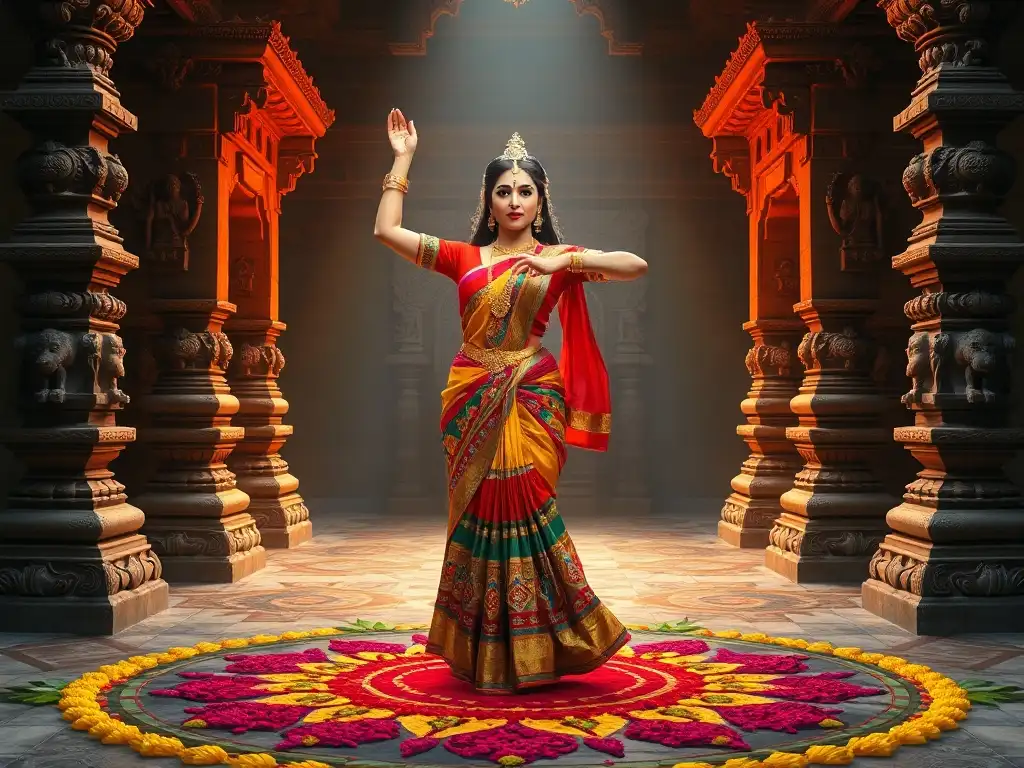
Welcome to Ancient India History, where we embark on a fascinating journey through the vibrant tapestry of India’s past. Today, we delve into the enchanting world of classical dance, tracing its roots from sacred temple rituals to the grand stages of performance.
In our featured article, "From Temple to Stage: The Evolution of Classical Dance in Ancient India," you'll discover how these art forms not only reflect the cultural ethos of their time but also embody the spiritual narratives of ancient civilizations. Prepare to be captivated as we unveil the intricate history behind this timeless expression of artistic heritage—your exploration begins now!
Introduction to Classical Dance History in India
The history of classical dance in India is a captivating journey that intertwines the threads of spirituality, artistry, and cultural expression. Rooted deeply in the traditions of ancient Indian civilization, classical dance forms emerged as an essential medium for storytelling, religious devotion, and social commentary. These dance forms have evolved significantly over centuries, transitioning from temple rituals to celebrated performances on modern stages.
With diverse styles such as Bharatanatyam, Kathak, Odissi, and Kathakali, each classical dance form reflects the unique cultural narratives and regional influences that shaped its development. This rich tapestry of movement and expression is not just an art form; it serves as a window into the historical context, social norms, and philosophical underpinnings of ancient Indian society. The exploration of classical dance history in India reveals the profound connections between dance, mythology, and the human experience, highlighting its role as a sacred tradition that has transcended time.
Importance of Dance in Ancient Indian Culture
Dance in ancient India was much more than mere entertainment; it held significant cultural and spiritual importance. Here are some of the key aspects that illustrate the importance of dance in ancient Indian culture:
- Religious Significance: Dance was often performed as an offering to deities in temples, believed to please the gods and invoke divine blessings. The Natya Shastra, an ancient treatise on performing arts, emphasizes the spiritual dimensions of dance.
- Storytelling Medium: Through intricate movements and expressions, dancers conveyed stories from epics such as the Mahabharata and Ramayana. This narrative quality made dance a powerful tool for preserving and sharing cultural heritage.
- Social Cohesion: Dance served as a communal activity that brought people together during festivals, celebrations, and rituals, fostering a sense of unity and shared identity.
- Artistic Expression: Dance allowed for the exploration of emotions and human experiences, offering an avenue for artists to express their creativity and interpret life's complexities.
- Education and Training: Classical dance was often a disciplined art form, requiring years of training. Gurus played a pivotal role in passing down techniques and traditions to students, ensuring the continuity of these art forms across generations.
Classical dance in ancient India was an integral part of the cultural fabric, reflecting societal values, religious beliefs, and artistic expression. Understanding its historical evolution provides invaluable insights into the vibrant and diverse heritage of India's artistic traditions.
- What is the significance of classical dance in ancient Indian culture?
- How did temples influence the development of classical dance?
- What are the major classical dance forms that originated in ancient India?
- How did the Gupta Empire contribute to the evolution of classical dance?
- What role did storytelling play in classical dance performances?
Origins of Classical Dance in Ancient India
The Role of Temples in Shaping Dance Styles
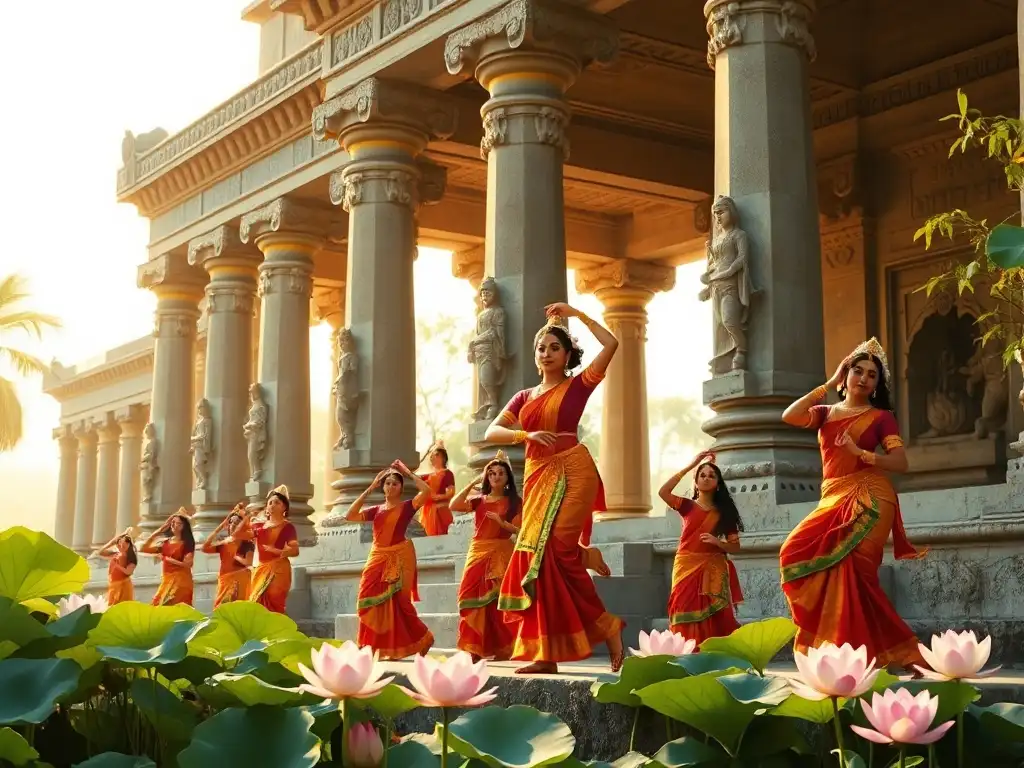
The evolution of classical dance in ancient India is deeply intertwined with the religious and cultural practices of the time, particularly in the context of temples. Temples did not merely serve as places of worship; they were also vibrant centers for artistic expression. Dance was often performed in these sacred spaces as a form of devotion and to honor the deities.
Key Contributions of Temples:
- Sacred Space for Performance: Temples provided a dedicated environment where dancers could perform ritualistic dances that were believed to please the gods. The sanctity of the temple setting added a spiritual dimension to the performances.
- Integration of Dance and Music: Temples were the cradles for the fusion of dance and music, with intricate compositions created specifically for dance performances. This symbiotic relationship enriched both art forms, leading to the development of diverse styles within classical dance.
- Training Grounds for Dancers: Many temples had their own dance troupes, often consisting of women known as Devadasis. These dancers were trained in various forms and were responsible for performing during religious ceremonies, festivals, and other auspicious occasions.
- Preservation of Dance Traditions: Through oral traditions and performances, temples helped in preserving regional dance forms. The stories depicted in dance, often derived from epics like the Mahabharata and Ramayana, were instrumental in passing down cultural narratives.
Early Forms of Dance: Ritualistic and Devotional Practices
In ancient India, dance was not merely an art form; it was a vital expression of spirituality and devotion. Early forms of dance were closely linked to ritualistic and devotional practices, often performed during important religious ceremonies and festivals.
Characteristics of Early Dance Forms:
- Ritualistic Significance: Dance was performed as part of rituals to invoke divine blessings or to celebrate significant events in the agricultural calendar. These performances were often accompanied by music and chanting, creating a holistic spiritual experience.
- Devotional Expression: Many early dance forms were devoted to specific deities. The movements and gestures (known as mudras) conveyed stories and emotions associated with these deities. This form of storytelling through dance served to educate and engage the community in religious practices.
- Regional Variations: As ancient Indian civilization spread across various regions, distinct styles of dance emerged, influenced by local traditions and customs. For instance, the Sattriya dance from Assam has its roots in the Vaishnavite culture, while Bharatanatyam from Tamil Nadu showcases the rich temple traditions of South India.
- Cultural Significance: The early dance forms played a crucial role in social gatherings and community events, fostering a sense of unity and cultural identity among the people. They were a reflection of the society's values, beliefs, and artistic pursuits.
The origins of classical dance in ancient India can be traced back to the sacred spaces of temples and the ritualistic practices that defined early performances. These foundational elements not only shaped the styles of dance that evolved over time but also ensured that dance remained an integral part of the cultural and spiritual fabric of ancient Indian civilization.
Major Classical Dance Styles of Ancient India
Bharatanatyam: The Dance of Tamil Nadu
Historical Roots and Development
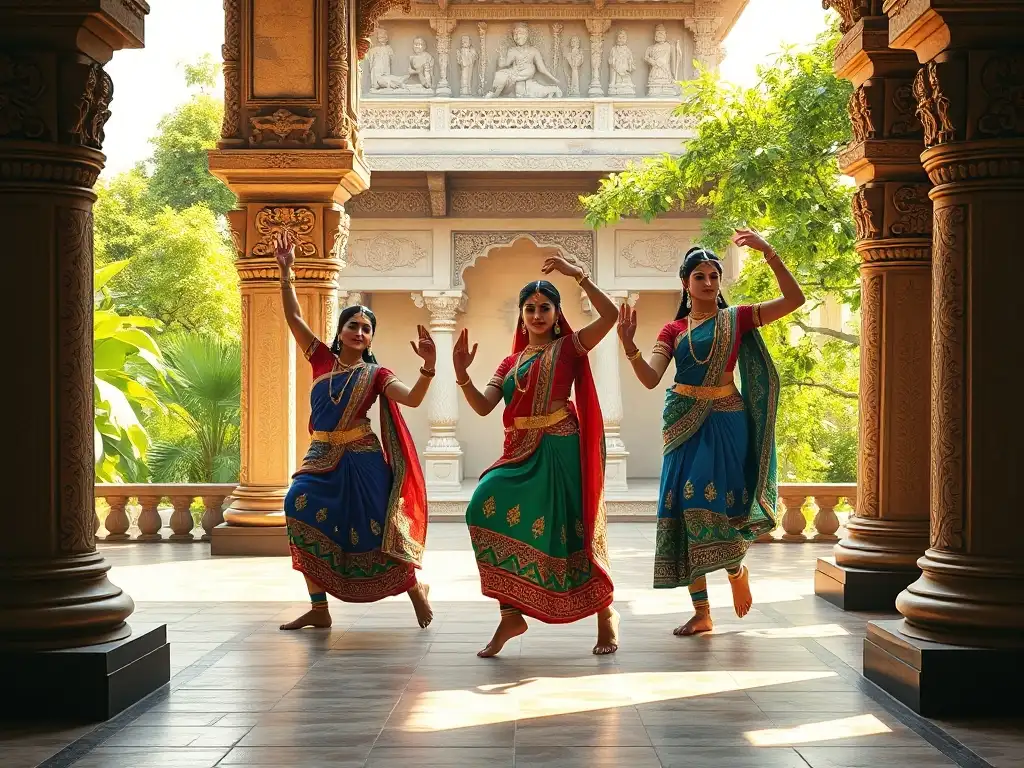
Bharatanatyam is one of the oldest classical dance forms of India, with its origins tracing back over 2,000 years to the temples of Tamil Nadu. This dance form was originally performed by Devadasis, women dedicated to temple service, as a means of worship and storytelling. The term "Bharatanatyam" is derived from the words Bha (Bhava - emotion), Ra (Raga - melody), and Ta (Tala - rhythm), encapsulating the dance's essence.
The dance style underwent significant transformations during the colonial period, where it faced decline due to changing social conditions and restrictions on its performance. However, the revival efforts in the early 20th century, notably by Rukmini Devi Arundale, played a pivotal role in re-establishing Bharatanatyam as a respected art form, transitioning it from temple to stage.
Key Features and Techniques
Bharatanatyam is characterized by its intricate footwork, expressive hand gestures (mudras), and facial expressions (abhinaya). The dance typically follows a structured format that includes:
- Alarippu: A warm-up piece that emphasizes rhythm and footwork.
- Jatiswaram: A pure dance segment combining rhythm and melody.
- Varnam: The centerpiece of the performance, showcasing both technical prowess and emotional expression.
- Tillana: A fast-paced piece that is often performed towards the end, highlighting virtuosic skills.
- Shloka: Concludes the performance, often expressing devotion.
The costumes worn during Bharatanatyam performances are elaborate, typically made of silk, adorned with intricate jewelry, and feature a distinctive pleated fan-like design that enhances the dancer's movements. The use of music, predominantly Carnatic, complements the dance, creating a holistic experience that immerses the audience in the narrative.
Kathak: The Dance of Storytelling
Origins and Cultural Significance
Kathak has its roots in Northern India and is believed to have evolved from the ancient storytelling tradition of "katha," where narrators would use gestures and expressions to convey tales. This dance form flourished in the courts of Mughal emperors, blending Hindu and Persian influences, which enriched its repertoire and aesthetics.
In the 19th century, Kathak gained popularity in the bhawais (theatrical performances) and was further refined by renowned performers. The dance form reflects themes of love, devotion, and the complexities of human emotions, often drawing from the rich tapestry of Hindu mythology.
Unique Characteristics and Styles
Kathak is distinguished by its graceful footwork, intricate spins (chakkars), and expressive hand movements. The dance is often performed solo, allowing the dancer to showcase their individual style. Key elements of Kathak include:
- Gharanas: Different styles of Kathak, primarily categorized into the Lucknow and Jaipur gharanas, each with its unique approach to footwork and expression.
- Tala: The rhythmic cycles in Kathak are complex, with a strong emphasis on improvisation and interaction between the dancer and the accompanying musicians.
- Abhinaya: A significant aspect of Kathak, wherein the dancer expresses the narrative through facial expressions and body language, bringing the story to life.
Costumes for Kathak performances are typically elegant, featuring flowing skirts and embellished tops, allowing for freedom of movement. The musical accompaniment often includes Hindustani classical music, with the use of instruments like the tabla and harmonium, further enhancing the storytelling aspect of the dance.
The classical dance history in India is marked by the evolution of diverse styles such as Bharatanatyam and Kathak, each reflecting the rich cultural heritage and artistic expression of ancient Indian civilizations. These dance forms not only serve as a means of entertainment but also as a profound medium of storytelling, spirituality, and emotional expression.
Odissi: The Dance of Odisha
Odissi is one of the oldest classical dance forms of India, originating from the eastern state of Odisha. This dance style is deeply rooted in the temples of Odisha and showcases the rich cultural heritage of the region. Characterized by its fluid movements and intricate footwork, Odissi is often performed in traditional attire, adorned with jewelry that reflects the aesthetics of ancient India.
Historical Context and Evolution
The history of Odissi can be traced back to the temples of Odisha, where it was performed as a form of worship and devotion to deities. Ancient texts, such as the Natya Shastra attributed to Bharata Muni, provide evidence of the dance's early forms and its significance in temple rituals.
During the 2nd century BCE to the 10th century CE, Odissi flourished in the temples of Bhubaneswar and Puri. Its evolution was significantly influenced by the Devadasi tradition, where female dancers, known as Maharis, dedicated their lives to serving the gods through dance.
The dance form underwent a decline during the colonial period, facing challenges from societal changes and the British Raj. However, the 20th century saw a revival of Odissi, thanks to the efforts of pioneers like Guru Kelucharan Mohapatra and Padma Bibhushan Sanjukta Panigrahi, who played a crucial role in popularizing it on the national and international platforms.
Distinctive Elements and Performance Practices
Odissi is renowned for its unique stylistic elements, including the tribhangi posture, which emphasizes the three bends of the body: at the neck, torso, and knee. This pose, combined with intricate hand gestures ( mudras) and expressive facial expressions, creates a narrative quality that is central to the performance.
The dance is typically performed in a group or solo format, often accompanied by live music featuring traditional instruments such as the mardala (a type of drum) and the bansuri (flute). Performances usually depict themes from Hindu mythology, particularly stories of Krishna, and are characterized by a blend of rhythmic footwork and graceful movements that evoke emotions and tell stories. The attire worn during performances is elaborate, with the dancers often clad in colorful silk sarees, intricate silver jewelry, and elaborate hairstyles adorned with flowers.
Kathakali: The Theatrical Dance Form
Kathakali is a classical dance-drama originating from the southwestern state of Kerala, known for its elaborate costumes, intricate make-up, and vibrant storytelling. This dance form is a visual feast that combines elements of dance, drama, music, and ritual, making it a unique representation of Kerala's rich cultural tapestry.
Historical Background and Influence
The roots of Kathakali can be traced back to the 17th century, evolving from ancient temple arts and popular folk traditions. The dance-drama form was significantly influenced by the Koodiyattam tradition, which is a Sanskrit theatre form, and the Ramalila, a folk drama that depicts the life of Lord Rama.
Originally performed by male artists, Kathakali was presented in temples during festivals and special occasions. Its themes predominantly revolve around Hindu epics like the Mahabharata and Ramayana. Over time, Kathakali gained prominence not only as a religious performance but also as a theatrical art form, drawing audiences from various backgrounds.
Key Components and Performance Style
Kathakali is distinguished by its elaborate costumes and detailed make-up, which are designed to convey the characters' emotions and roles. The use of Katti (knife) for heroic characters and Pachcha (green) for divine figures is notable in the make-up styles, which help the audience identify characters instantly.
The performance is characterized by a combination of expressive hand gestures ( mudras), facial expressions, and dramatic storytelling. Dancers undergo rigorous training in abhinaya (the art of expression) to convey emotions and narratives effectively. The music accompanying Kathakali is typically provided by a live ensemble that includes traditional instruments such as the chenda (drum) and maddalam (a type of drum), which enhance the dramatic impact of the performance.
Each Kathakali performance is a comprehensive experience, engaging the audience not only visually but also emotionally, as the dancers narrate tales of valor, love, and divinity through their art. The intricate choreography, combined with the rhythmic footwork and the expressive storytelling, makes Kathakali a mesmerizing art form that continues to captivate audiences globally.
Transition from Temple to Stage
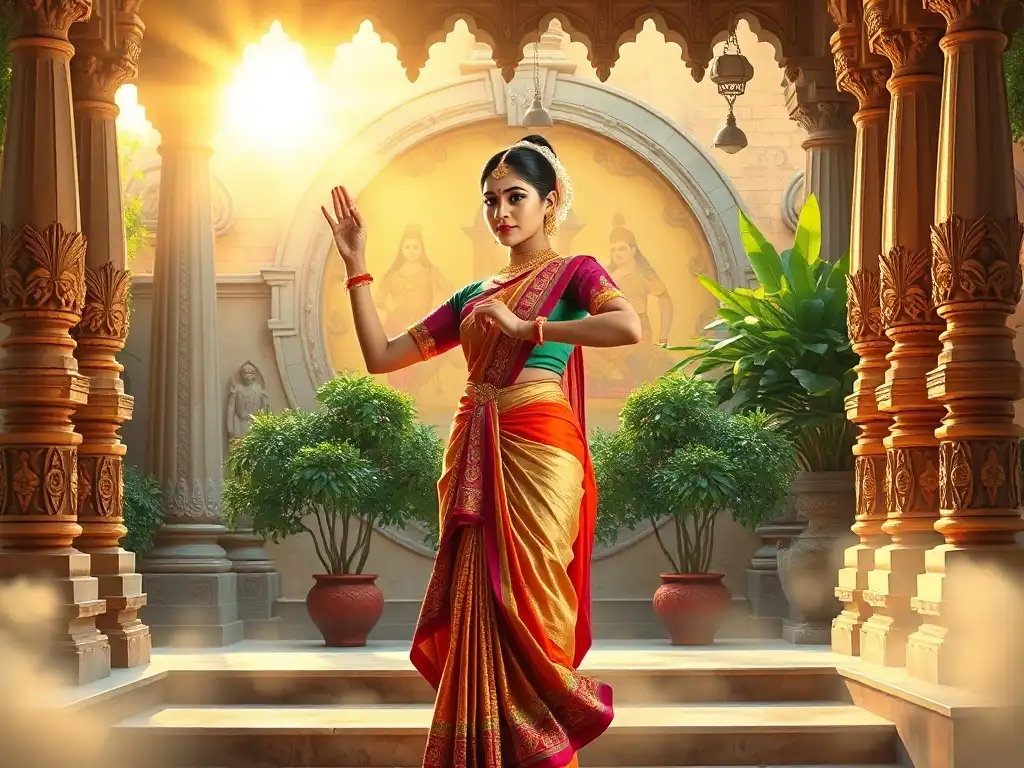
The evolution of classical dance in India is deeply intertwined with the social, religious, and cultural milieu of ancient times. The transition from temple to stage not only reflects changes in the performance context but also signifies a broader transformation in the perception of dance as an art form. Initially, classical dance was predominantly a temple-centric activity, where it served as a form of worship and a means to connect with the divine. Dancers, often referred to as Devadasis, performed in temples as an offering to deities, infusing their movements with spiritual significance.
The Shift in Dance Presentation and Audience
The shift from temple performances to public stages marked a significant transformation in the classical dance history in India. As socio-political dynamics evolved during the medieval period, particularly with the rise of royal patronage, dance began to emerge as entertainment for the elite. This transition can be observed through several key developments:
- Emergence of Courts: With the establishment of various kingdoms, courts became centers of culture and art. Kings and nobles began to patronize dancers, leading to the creation of specialized dance forms that catered to a royal audience. This shift meant that performances were no longer confined to sacred spaces but were showcased in public arenas.
- Theatrical Influence: The introduction of theatrical elements into dance performances altered the narrative style. Dances began to incorporate storytelling, with themes drawn from mythology and folklore. This evolution not only broadened the audience base but also made dance more accessible to the general populace.
- Rise of New Styles: As dance transitioned to the stage, new styles emerged, each reflecting regional flavors and cultural nuances. For instance, Bharatanatyam, originally a temple dance from Tamil Nadu, adapted to incorporate more theatrical expressions and costumes suitable for public performances.
- Audience Engagement: The relationship between the performer and the audience transformed dramatically. In a temple setting, the audience was primarily the divine, while in a public stage, the audience became a collective of patrons and spectators, leading to a more interactive and engaging experience.
Factors Influencing the Evolution of Dance
Several factors contributed to the evolution of classical dance from a purely devotional practice to a multifaceted art form performed on public stages:
- Cultural Exchange: The influx of diverse cultural influences through trade routes and invasions introduced new rhythms, movements, and styles. This cross-cultural interaction enriched the existing dance forms, leading to innovative expressions and techniques.
- Literary Developments: The proliferation of dance-related literature, such as the Natyashastra by Bharata Muni, provided a theoretical framework that codified dance movements, rhythms, and expressions. This text served as a crucial reference for dancers, enhancing the sophistication of performances.
- Social Changes: The decline of the feudal system and the rise of a merchant class led to a shift in societal values. This new class sought entertainment, and dance became a favored leisure activity, further promoting its evolution as a performance art.
- Technological Advancements: Innovations in stagecraft, lighting, and sound systems facilitated more elaborate and visually captivating performances. These advancements allowed dancers to experiment with choreography and presentation styles, enhancing the overall theatrical experience.
The transition from temple to stage in classical dance history in India was a complex process influenced by various cultural, social, and artistic factors. This transformation not only redefined the role of dance but also enriched its legacy, making it a vital aspect of India’s rich cultural tapestry.
The Influence of Royal Patronage on Classical Dance
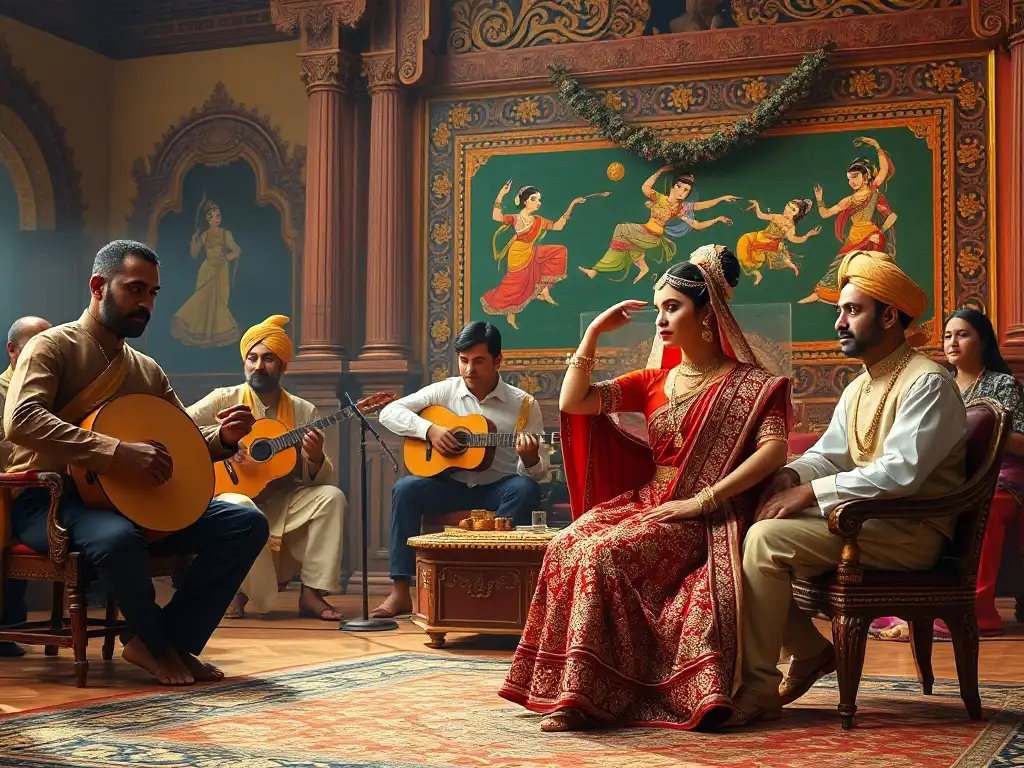
The evolution of classical dance in ancient India cannot be fully appreciated without recognizing the significant role played by royal patronage. From the early dynasties to the flourishing empires, the support of kings and rulers was pivotal in shaping the forms, styles, and practices of dance. This patronage not only provided financial backing but also established dance as a respected art form within the cultural fabric of society.
Support from Ancient Kings and Empires
Royal dynasties such as the Mauryas, Guptas, and Cholas were instrumental in the development of classical dance. These empires recognized the importance of dance as a medium for storytelling and spiritual expression.
- Mauryan Empire (c. 322–185 BCE): Under the reign of Ashoka, the promotion of the arts, including dance, was encouraged. The famed sculptures of dancers in the rock-cut caves of Udayagiri highlight the early integration of dance into religious and cultural life.
- Gupta Empire (c. 240–550 CE): Often referred to as the Golden Age of India, the Gupta period saw an explosion of artistic expression. The dance forms flourished under royal patronage, with the king and queens often participating in performances. Texts such as the Natya Shastra by Bharata Muni were compiled during this time, laying down the foundational principles of dance and drama.
- Chola Dynasty (c. 300–1279 CE): The Cholas are credited with the formalization of Bharatanatyam. The temples built during this dynasty became centers for dance, where devadasis, or temple dancers, performed intricate dances as offerings to deities. This symbiotic relationship between dance and temple architecture exemplifies how royal support transformed dance into a revered art form.
The endorsement from these rulers not only provided dancers with a platform to showcase their talents but also elevated dance to a status that attracted scholars and artists from various regions, thus fostering a rich exchange of styles and techniques.
Dance as a Form of Entertainment in Courts
In addition to spiritual significance, classical dance served as a vital form of entertainment in the courts of ancient India. The royal courts became venues where dancers, musicians, and poets came together to create a vibrant cultural atmosphere.
- Court Performances: Kings often hosted elaborate gatherings where court dancers performed to entertain nobility. These performances were marked by intricate movements and elaborate costumes, reflecting the beauty and grace of classical dance. Such events were not merely entertainment; they were also opportunities for political display and cultural diplomacy.
- Integration with Music and Drama: Classical dance was often intertwined with music and theatrical performances. The presence of musicians playing traditional instruments like the veena, mridangam, and flute enriched the dance experience. The performances were often narrative-driven, depicting tales from epics like the Mahabharata and Ramayana.
- Female Dancers in Courts: Women, particularly the devadasis, held a prominent place in courtly entertainment. Their performances were celebrated for their artistry and skill, although the socio-political changes in later periods sometimes marginalized their status.
Through royal patronage, dance evolved not only as a means of artistic expression but also as a significant component of courtly life, contributing to the rich tapestry of classical dance history in India. This evolution paved the way for the diverse styles and forms we recognize today, each with its unique heritage rooted in the ancient practices established by the influential kings and their courts.
The Resurgence of Classical Dance in Modern India
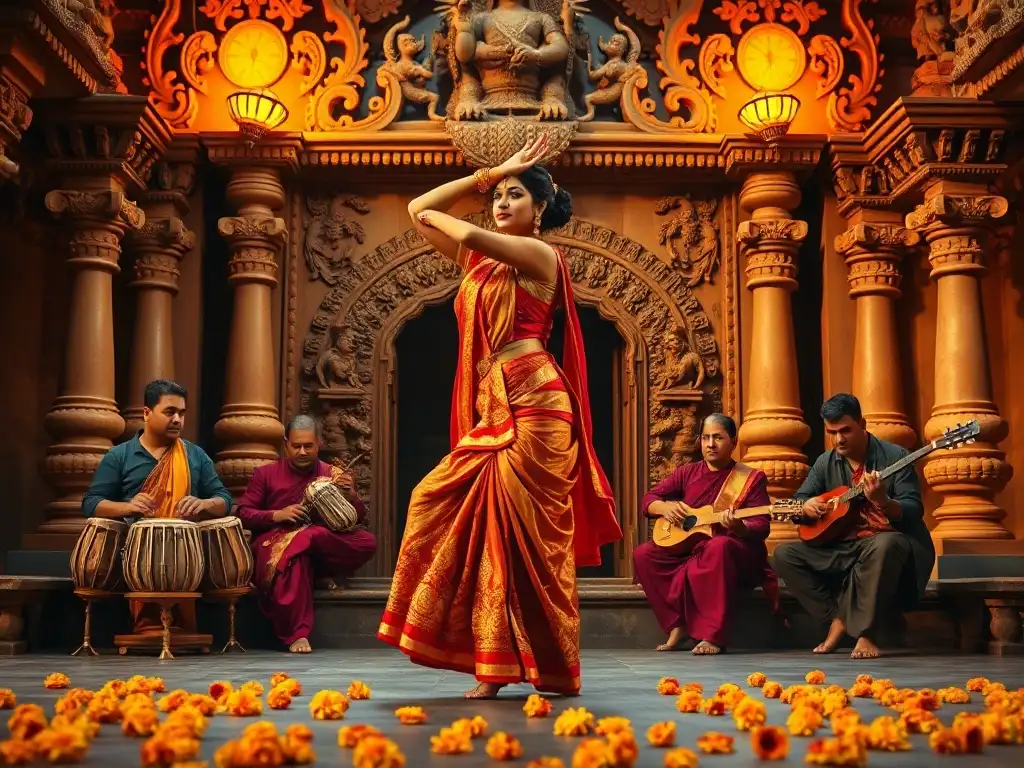
Preservation and Revival of Ancient Dance Forms
The resurgence of classical dance in modern India has been a remarkable journey marked by a concerted effort to preserve and revive ancient dance forms. Following the decline of traditional practices during colonial rule, there emerged a collective recognition of the need to safeguard these art forms, which are deeply intertwined with India's cultural heritage.
Key Initiatives in Preservation
- Cultural Institutions: Various cultural organizations and institutions have been established to promote classical dance. Notable examples include:
- Sangeet Natak Akademi: Founded in 1952, this national academy plays a pivotal role in preserving various art forms, including classical dance.
- Nritya Bharati: An institute dedicated to the study and performance of classical dance, offering workshops and training sessions.
- Festivals and Competitions: Dance festivals, such as the Khajuraho Dance Festival and the Mahabalipuram Dance Festival, serve as platforms for artists to showcase traditional dance forms, thereby invigorating interest and appreciation among the younger generation.
- Documentation and Research: Scholars and practitioners have undertaken extensive research to document the history, techniques, and narratives associated with classical dance. This includes the publication of texts, online resources, and visual documentation.
Revival Efforts
The revival of classical dance forms like Bharatanatyam, Kathak, Odissi, and Kathakali has been characterized by:
- Guru-Shishya Parampara: The traditional method of teaching where knowledge is passed from master to disciple, ensuring that techniques and styles remain authentic.
- Performances and Workshops: Regular performances by seasoned dancers, along with workshops for aspiring dancers, contribute to a thriving ecosystem that encourages participation and learning.
Contemporary Interpretations and Innovations
As classical dance continues to thrive, contemporary interpretations and innovations are emerging, blending ancient traditions with modern sensibilities. This evolution is critical to keeping these art forms relevant in today's dynamic cultural landscape.
Fusion with Other Art Forms
- Interdisciplinary Collaborations: Artists are increasingly collaborating with musicians, theatre practitioners, and visual artists, resulting in innovative performances that reinterpret classical narratives. For example, integrating classical dance with contemporary music genres has led to unique expressions that attract diverse audiences.
- Incorporation of Technology: The use of technology in performances, such as lighting effects, multimedia projections, and digital storytelling, enhances the visual and emotional experience of classical dance. This fusion not only modernizes the presentation but also broadens its appeal.
New Choreographic Styles
Choreographers are experimenting with new styles while remaining rooted in tradition. By:
- Reinterpreting Classical Themes: Modern dancers are exploring contemporary issues through classical narratives, making the performances more relatable to current audiences.
- Creating Hybrid Styles: The blending of classical and modern dance techniques leads to the birth of hybrid styles that maintain the essence of traditional forms while appealing to a broader audience.
Global Influence
The global interest in Indian classical dance has led to its adoption and adaptation in various international contexts. Performers worldwide are incorporating elements of classical Indian dance into their own cultural expressions, further enhancing the global dialogue around classical dance history in India.
The resurgence of classical dance in modern India reflects a vibrant interplay between preservation and innovation, ensuring that these ancient art forms continue to flourish and evolve in contemporary society.
Conclusion: The Lasting Legacy of Classical Dance in India
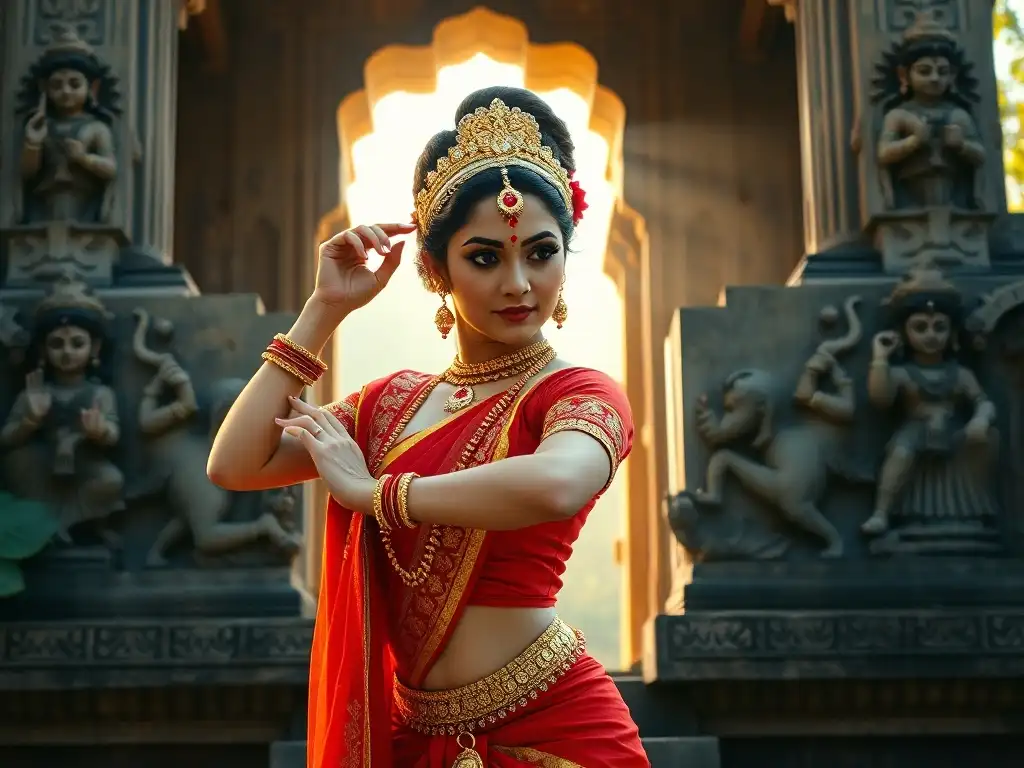
The evolution of classical dance in India represents a profound journey through time, reflecting the rich tapestry of the nation's cultural heritage. As we conclude this exploration, it is essential to recognize the lasting legacy that these art forms have established in Indian society and beyond. Classical dance in India is not merely a performance art; it embodies spiritual expression, storytelling, and the preservation of ancient traditions that continue to thrive today.
Summary of Key Points in Classical Dance History
- Origins and Influences: Classical dance in India can be traced back to the Vedic period, with roots in religious rituals and temple worship. The Natya Shastra, attributed to Bharata Muni, serves as a foundational text outlining the principles and techniques of dance and drama.
- Diverse Styles: India is home to a myriad of classical dance forms, each with unique characteristics, styles, and regional influences. Notable forms include:
- Bharatanatyam: Originating from Tamil Nadu, characterized by intricate footwork and expressive hand gestures (mudras).
- Kathak: Emerging from North India, known for its storytelling through dance and fast spins.
- Odissi: From Odisha, featuring fluid movements and sculptural poses.
- K classical dance history in India: A blend of dance and narrative performances, often seen in rituals.
- Cultural Significance: Classical dance has played an essential role in religious and cultural festivals, serving as a medium for storytelling and spiritual expression. It has also been a means of preserving ancient texts and traditions, passing them down through generations.
- Modern Revival: The 20th century saw a resurgence of interest in classical dance, with artists and institutions working to revitalize and promote these art forms. This revival has led to increased recognition and appreciation on both national and international stages.
The Future of Classical Dance in India
The future of classical dance in India appears promising, with several factors contributing to its continued relevance and growth:
- Educational Initiatives: The establishment of dance schools and universities dedicated to classical dance provides training and sustains the art form. These institutions foster new talent and ensure the transmission of traditional techniques.
- Global Influence: As classical dance gains prominence on international platforms, it attracts diverse audiences. Collaborations with other art forms, such as contemporary dance and theater, are emerging, creating innovative fusion styles and expanding the appeal of classical dance.
- Digital Platforms: The rise of social media and online streaming services has transformed how classical dance is presented and consumed. Artists can now reach a global audience, share performances, and engage with fans, thus enhancing visibility.
- Cultural Preservation: Efforts to document and preserve classical dance through research and archival projects ensure that these art forms continue to be celebrated and taught to future generations.
References and Further Reading on Classical Dance History in India
- Bharata Muni's Natya Shastra: The fundamental text for understanding classical dance, drama, and aesthetics in ancient India.
- Classical Dance of India: Publications and academic papers detailing the history, significance, and evolution of various classical dance forms.
- Documentaries and Performances: Viewing classical dance performances and documentaries can provide insights into the art form's cultural context and artistry.
- Dance Schools and Institutions: Explore resources and courses offered by renowned dance institutions across India, which serve as hubs for learning and preserving classical dance traditions.
The classical dance history in India is a vibrant narrative of cultural evolution, artistic expression, and spiritual significance. As we look toward the future, the commitment to preserve and innovate within these traditions ensures that classical dance will continue to thrive as an integral part of India's heritage.
Frequently Asked Questions
What is the significance of classical dance in ancient Indian culture?
Classical dance is a vital aspect of ancient Indian culture, reflecting the spiritual and artistic expressions of society through various styles and traditions.
How did temples influence the development of classical dance?
Temples served as the primary venues for dance performances, where devotional expressions were integrated into rituals, helping to shape the evolution of classical dance forms over time.
What are the major classical dance forms that originated in ancient India?
Ancient India gave rise to several classical dance forms, including Bharatanatyam, Kathak, Odissi, and K classical dance, each with its own unique style and narrative techniques.
How did the Gupta Empire contribute to the evolution of classical dance?
The Gupta Empire is often regarded as a golden age for the arts, where classical dance flourished, and patronage from royals helped preserve and promote various dance traditions.
What role did storytelling play in classical dance performances?
Storytelling is a fundamental element in classical dance, where dancers use expressions, gestures, and movement to convey mythological tales and moral lessons, enriching the cultural tapestry of ancient India.
Final Reflection: The Enduring Legacy of Classical Dance in India
The journey of classical dance in India, from sacred temple rituals to vibrant stage performances, underscores the profound connection between art and culture. Today, as we witness a resurgence of interest in traditional art forms, it becomes clear that classical dance history in India is not merely a relic of the past but a living testament to our cultural identity. This evolution reflects the resilience and adaptability of these art forms, reminding us that they continue to resonate with contemporary audiences and artists alike.
The transformation of classical dance has significantly influenced the social and cultural landscape of India. From the intricate storytelling of Bharatanatyam to the expressive movements of Kathak, these dances serve as a bridge between generations, preserving ancient narratives while embracing modern interpretations. As noted by renowned dancer and choreographer Mallika Sarabhai, Dance is the hidden language of the soul.
This sentiment captures the essence of classical dance, which transcends mere performance to become a medium for expressing the complexities of human experience and emotion.
As we reflect on the rich tapestry of classical dance in India, let us embrace the lessons it offers about tradition, innovation, and cultural pride. I invite you to explore your own connection to this art form, whether through participation, appreciation, or further study. By engaging with the history and evolution of classical dance, we not only honor our heritage but also contribute to its ongoing narrative, ensuring that these timeless expressions continue to inspire future generations.
Unveil the Rich Heritage of Classical Dance!
Thank you for joining us on this journey through the captivating evolution of classical dance in ancient India. We hope you’ve gained insights into how this vibrant art form reflects the culture, spirituality, and history of the time. Now, it’s time to take action and immerse yourself further in this fascinating world!
- Explore a local classical dance performance: Find a nearby venue showcasing these mesmerizing art forms and experience the elegance firsthand.
- Dive deeper into the history: Read a book or watch documentaries that delve into the various styles of classical dance and the rich stories behind them.
- Share your thoughts: Connect with friends or engage in online discussions about your favorite dance form and its cultural significance.
How has your appreciation for classical dance evolved after discovering its rich history?