
The Gupta Era: A Golden Age for Dance and Music in Ancient India

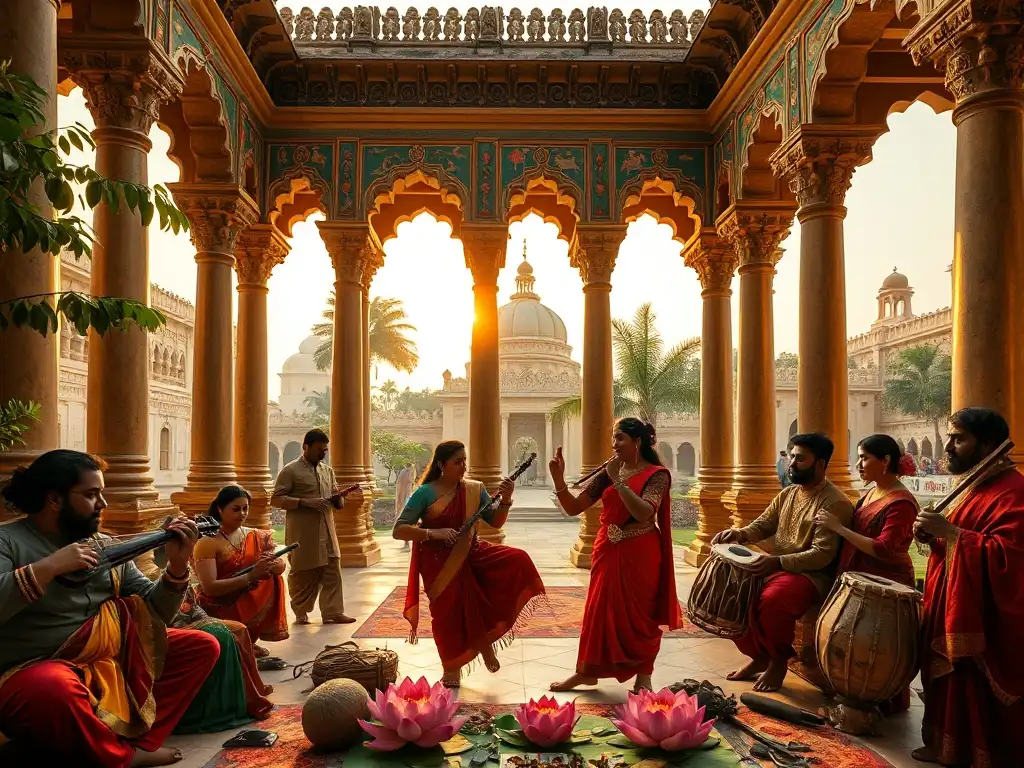
Welcome to Ancient India History, where we embark on a fascinating journey through the rich tapestry of India's past. In this exploration, we dive into the Gupta Empire, a period renowned as a golden age for dance and music. As we unravel the vibrant art forms that flourished during this era, you'll discover how these cultural expressions not only entertained but also reflected the profound beliefs and values of ancient Indian society. Are you ready to uncover the rhythms and melodies that shaped a civilization? Join us as we delve deeper into the captivating world of Gupta-era arts!
- Introduction to the Gupta Empire: A Golden Age of Dance and Music
- The Cultural Context of the Gupta Era
- Dance Forms Flourishing During the Gupta Empire
- The Musical Landscape of the Gupta Empire
- The Influence of Gupta Empire Dance and Music on Later Generations
- The Legacy of Dance and Music in Ancient India
- Conclusion: The Enduring Impact of the Gupta Empire on Indian Dance and Music
-
Frequently Asked Questions
- What was significant about the Gupta Empire in relation to dance and music?
- How did the Gupta Empire influence classical dance forms?
- What types of music were popular during the Gupta era?
- Were there any notable composers or musicians in the Gupta Empire?
- How did religion impact dance and music in the Gupta Empire?
- Final Reflection: Embracing the Legacy of Gupta Era Dance and Music
- Unleash Your Inner Artist and Celebrate Culture!
Introduction to the Gupta Empire: A Golden Age of Dance and Music
The Gupta Empire, often referred to as a Golden Age in the annals of ancient Indian history, stands as a monumental period marked by cultural, artistic, and intellectual flourishing. Spanning approximately from 320 to 550 CE, this era witnessed unprecedented advancements in various art forms, with dance and music taking center stage.
The Gupta Empire is characterized by its patronage of the arts, which not only enhanced the cultural fabric of society but also laid the groundwork for future artistic traditions. This article delves into the vibrant world of dance and music during the Gupta period, exploring how these art forms reflected the values, beliefs, and aesthetics of ancient Indian civilization.
Overview of the Gupta Empire
The Gupta Empire emerged after the decline of the Maurya Empire, establishing its dominance across much of the Indian subcontinent. Founded by Maharaja Sri Gupta, this empire expanded under the rule of notable kings such as Chandragupta I, Samudragupta, and Chandragupta II. The Gupta period is renowned for several key features:
- Political Stability: Strong leadership facilitated a climate of peace and security, enabling art and culture to thrive.
- Economic Prosperity: Trade routes flourished, leading to increased wealth and the patronage of artists and scholars.
- Cultural Synthesis: The interaction of diverse cultures within the empire encouraged artistic innovation and the blending of different styles.
The Gupta Empire's commitment to the arts is exemplified by the emergence of classical dance forms such as Bharatanatyam and Odissi, as well as the proliferation of musical traditions that have influenced generations.
Significance of Dance and Music in Ancient Indian Culture
In ancient Indian culture, dance and music were not merely forms of entertainment; they served as vital expressions of spirituality, storytelling, and social commentary. During the Gupta period, these art forms held paramount significance for several reasons:
- Spiritual Expression: Dance and music were integral to religious rituals and temple worship, embodying devotion and reverence to deities.
- Cultural Identity: Different regions developed unique styles and forms, contributing to a rich tapestry of cultural heritage that celebrated local traditions.
- Social Cohesion: Public performances fostered community bonds and allowed for the sharing of narratives that were essential for societal values and morals.
Overall, the Gupta Empire's embrace of dance and music not only enriched its own cultural landscape but also set the stage for the enduring legacy of these art forms in Indian history. As we explore the specific contributions and developments in dance and music during this remarkable period, we uncover the profound impact these expressions had on the broader spectrum of ancient Indian civilization.
The Cultural Context of the Gupta Era
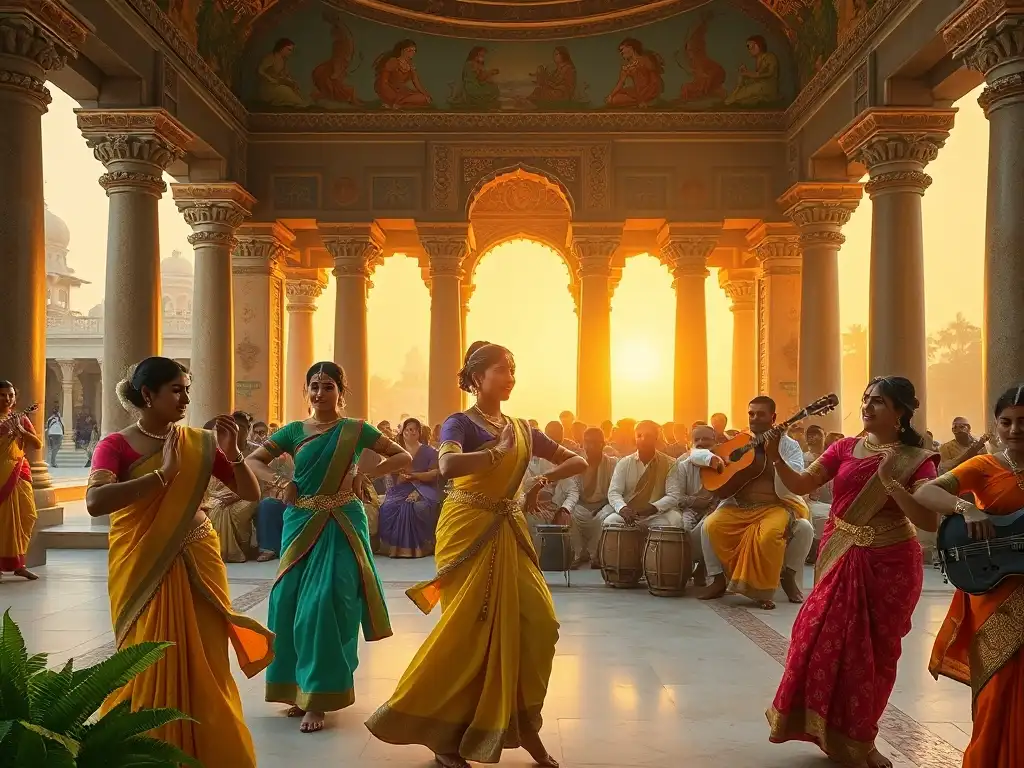
The Gupta Era, often referred to as a golden age in Indian history, was marked by significant advancements in various art forms, particularly in dance and music. This period, which spanned from approximately 320 to 550 CE, was characterized by a flourishing of cultural, religious, and intellectual activities.
The Gupta Empire, with its capital at Pataliputra, served as a center for the exchange of ideas, and its influence extended across the Indian subcontinent. The cultural milieu of this era laid a strong foundation for the development of dance and music, intertwining them with the daily lives of the people and the spiritual practices of the time.
Historical Background of the Gupta Empire
The Gupta Empire emerged in the early 4th century CE under the leadership of Maharaja Sri Gupta. It expanded rapidly under the reign of his successor, Chandragupta I, and reached its zenith during the rule of Chandragupta II, also known as Vikramaditya. This period was marked by political stability, economic prosperity, and a revival of Hinduism, which contributed to the flourishing of the arts.
- Key Features of the Gupta Empire:
- Political Unity: The Gupta rulers established a centralized administration, which facilitated trade and cultural exchanges across regions.
- Economic Prosperity: The empire's economy thrived on agriculture, trade, and crafts, allowing for the patronage of artists and performers.
- Cultural Syncretism: The blending of various cultural influences, including those from the earlier Mauryan Empire and local traditions, enriched the artistic landscape.
The Gupta Era witnessed the emergence of classical forms of dance and music, which were not only forms of entertainment but also essential to religious rituals and societal functions.
Influence of Religion and Philosophy on Art Forms
Religion played a pivotal role in shaping the dance and music of the Gupta Empire. Hinduism, along with emerging Buddhist and Jain traditions, influenced the themes, styles, and purposes of artistic expressions during this period.
- Dance and Music in Religious Contexts:
- Devotional Practices: Dance forms often served as expressions of devotion to deities, with performances held in temples as offerings.
- Mythological Narratives: Many dances illustrated stories from Hindu epics like the Mahabharata and Ramayana, blending storytelling with movement.
Moreover, the philosophical underpinnings of the time, such as the concepts of dharma (duty) and bhakti (devotion), provided a framework for artistic expression.
- Philosophical Influences:
- Bhakti Movement: The emphasis on personal devotion influenced the lyrical content of music, leading to the emergence of compositions dedicated to divine figures.
- Aesthetic Theories: The Natya Shastra, an ancient treatise on performing arts attributed to Bharata Muni, was further refined during this period, promoting the idea of rasa (emotional essence) in performances.
The integration of these religious and philosophical elements resulted in a rich tapestry of artistic expression that defined Gupta dance and music.
The Role of Royal Patronage in Promoting Dance and Music
Royal patronage was crucial in nurturing the arts during the Gupta Era. The Gupta rulers were known for their love of culture and their commitment to supporting artists, which led to a vibrant artistic atmosphere.
- Patrons of the Arts:
- Chandragupta II: This ruler is particularly noted for his patronage of scholars and artists, fostering an environment where dance and music thrived.
- Court Performances: The royal courts hosted numerous performances, which not only entertained but also served as a means to showcase the empire's cultural sophistication.
The support extended to various forms of performance, including:
- Traditional Dance Forms:
- Bharatanatyam: Though it evolved later, its roots can be traced back to this period, influenced by temple rituals and performances.
- Kathakali: A form that began to take shape during this time, reflecting the rich storytelling traditions of the region.
- Musical Innovations:
- Instruments and Composition: The Gupta period saw the development of various musical instruments, including the veena and tabla, which became staples in classical music.
The emphasis on the arts not only enhanced the cultural fabric of the Gupta Empire but also left a lasting legacy that influenced subsequent generations in India. The Gupta Empire dance and music thus represent a significant chapter in the history of Indian art forms, combining religious devotion, royal patronage, and cultural dynamism.
Dance Forms Flourishing During the Gupta Empire
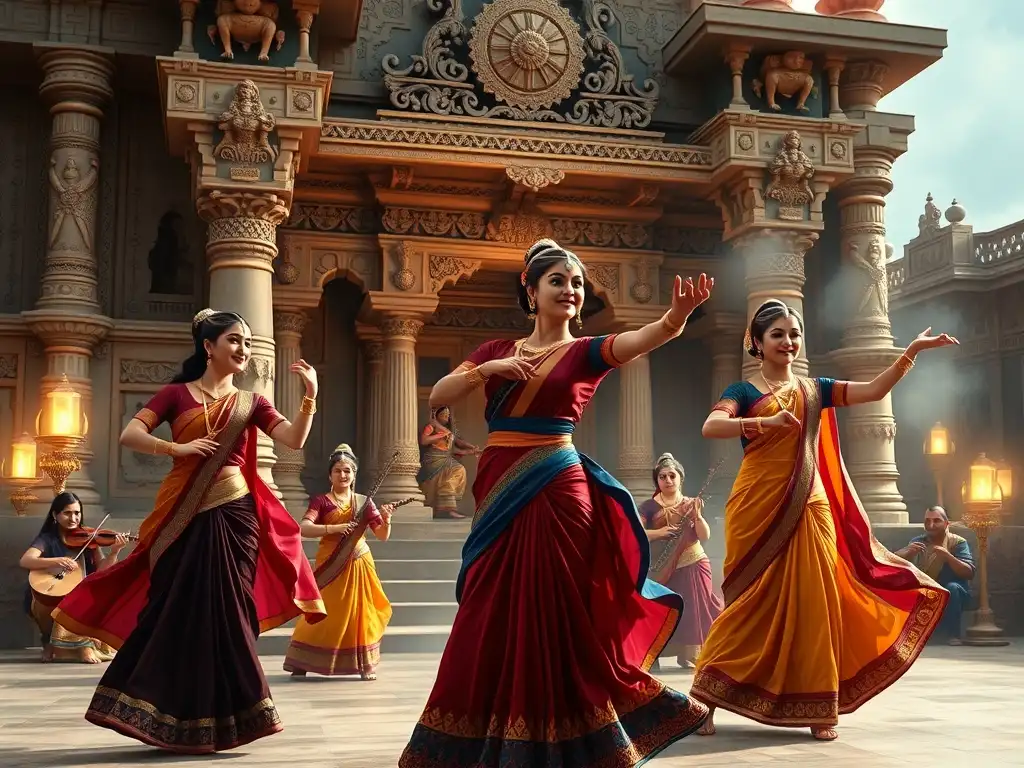
The Gupta Empire, often referred to as a golden age in Indian history, witnessed a significant flourishing of dance and music. This period, spanning from approximately 320 to 550 CE, saw the emergence of various classical dance forms that not only entertained but also served as a vital means of cultural expression and spiritual practice. The patronage by Gupta rulers played a crucial role in the development and formalization of these art forms, ensuring their transmission and evolution through generations.
During this era, dance was not merely an art form; it was deeply intertwined with religion, rituals, and societal norms. Temples became centers for dance performances, where artists would perform to honor deities and convey spiritual narratives. The intricate movements and expressive gestures in these performances often depicted stories from Hindu mythology, showcasing the moral and philosophical underpinnings of the time.
Classical Dance Traditions in Ancient India
The classical dance traditions that emerged during the Gupta Empire laid the foundation for forms that are still practiced today. These traditions were characterized by their elaborate gestures (mudras), rhythmic footwork, and emotive facial expressions (abhinaya).
The influence of religious texts, particularly the Natya Shastra—a comprehensive treatise on performing arts attributed to Bharata Muni—was evident in the structured formats of these dances. The emphasis on storytelling and emotional expression in dance became a hallmark of classical Indian dance during this time.
Moreover, the Gupta period saw the establishment of dance schools and the formal training of dancers, which contributed to the richness and diversity of dance forms. The patronage of the arts by the Gupta rulers led to a vibrant cultural landscape, encouraging the fusion of local traditions with broader cultural influences.
Notable Dance Styles of the Gupta Period
The Gupta Empire was marked by the proliferation of several notable dance styles, each with unique characteristics and cultural significance. Among these, Bharatanatyam and Kathak stand out as two of the most prominent classical dance forms that flourished during this period.
Bharatanatyam: Origins and Evolution
Bharatanatyam, one of the oldest classical dance forms of India, has its roots in the temples of Tamil Nadu. During the Gupta Empire, this dance evolved from its ancient temple traditions into a more structured performance art.
Originally known as 'Sadir,' Bharatanatyam was performed exclusively by Devadasis, women dedicated to temple service. The dance is characterized by its fixed upper torso, bent legs, intricate footwork, and expressive hand gestures (mudras) that narrate stories from Hindu epics, particularly the Ramayana and Mahabharata.
The Gupta era saw the codification of Bharatanatyam's techniques, with emphasis on the Natyashastra principles. This period also marked the transition of Bharatanatyam from a temple-based performance to a more secular stage art, making it accessible to wider audiences. The influence of the Gupta Empire's artistic patronage helped elevate Bharatanatyam to a respected art form, ensuring its survival and evolution through subsequent centuries.
Kathak: Storytelling Through Dance
Kathak, another significant dance style that gained prominence during the Gupta Empire, is characterized by its intricate footwork, spins, and expressive storytelling. The term 'Kathak' is derived from the Sanskrit word 'Katha,' meaning story, reflecting the dance's narrative nature.
Originally performed by itinerant bards known as Kathakars, Kathak was a means to convey stories of deities and heroes. In the Gupta period, the dance began to incorporate elements of the courtly style, emphasizing grace and fluidity. The influence of Persian culture during the later stages of the Gupta Empire further enriched Kathak, introducing new techniques and forms of expression.
Kathak performances often include a dialogue between the dancer and the accompanying musicians, creating a dynamic and engaging experience. This dance form is renowned for its ability to convey complex emotions and narratives, making it a cherished part of India's cultural heritage.
The Gupta Empire was a pivotal period for the development of dance and music in ancient India. The classical dance forms that emerged during this time, particularly Bharatanatyam and Kathak, not only reflect the artistic richness of the era but also serve as enduring legacies that continue to thrive in contemporary Indian culture. The Gupta Empire's contributions to the arts underscore its significance as a golden age of cultural expression.
Famous Dancers and Their Contributions
During the Gupta Empire, the realm of dance flourished, showcasing a rich tapestry of styles and forms that became integral to the cultural fabric of ancient India. Several renowned dancers emerged during this golden age, leaving behind a legacy that not only defined the art of dance but also influenced future generations.
One of the most notable figures was Madhava, often regarded as one of the finest dancers of the Gupta period. Madhava was known for his incredible ability to blend intricate footwork with expressive hand gestures, embodying the principles of Natya Shastra, an ancient treatise on performing arts. His performances were characterized by a deep understanding of rhythm and emotion, captivating audiences and establishing him as a revered figure in the dance community.
Another eminent dancer was Vasanti, who specialized in the Sadir style, which is one of the precursors to modern Bharatanatyam. Vasanti’s contributions included the incorporation of storytelling through dance, often depicting mythological narratives that resonated with the spiritual and cultural ethos of the time. Her innovative choreography and ability to convey profound themes through movement earned her a prominent place in the annals of dance history.
Devika, a celebrated dancer and choreographer, was known for her performances at royal courts. She played a pivotal role in popularizing the use of elaborate costumes and dramatic makeup, which enhanced the visual appeal of dance performances. Devika is credited with creating new dance sequences that integrated both classical and folk elements, thus broadening the audience's appreciation of various dance forms.
The court of King Chandragupta II, also known as Vikramaditya, was particularly significant in promoting dance and music. Under his patronage, several dancers were invited to showcase their talents, leading to a vibrant dance culture where artists flourished. This court became a hub for artistic exchange, encouraging dancers to experiment with new techniques and styles.
Overall, the contributions of these famous dancers during the Gupta Empire not only enriched the dance forms of their time but also laid the groundwork for the evolution of dance in India. Their legacies continue to inspire contemporary dancers, underscoring the enduring impact of the Gupta era on the arts.
The Musical Landscape of the Gupta Empire
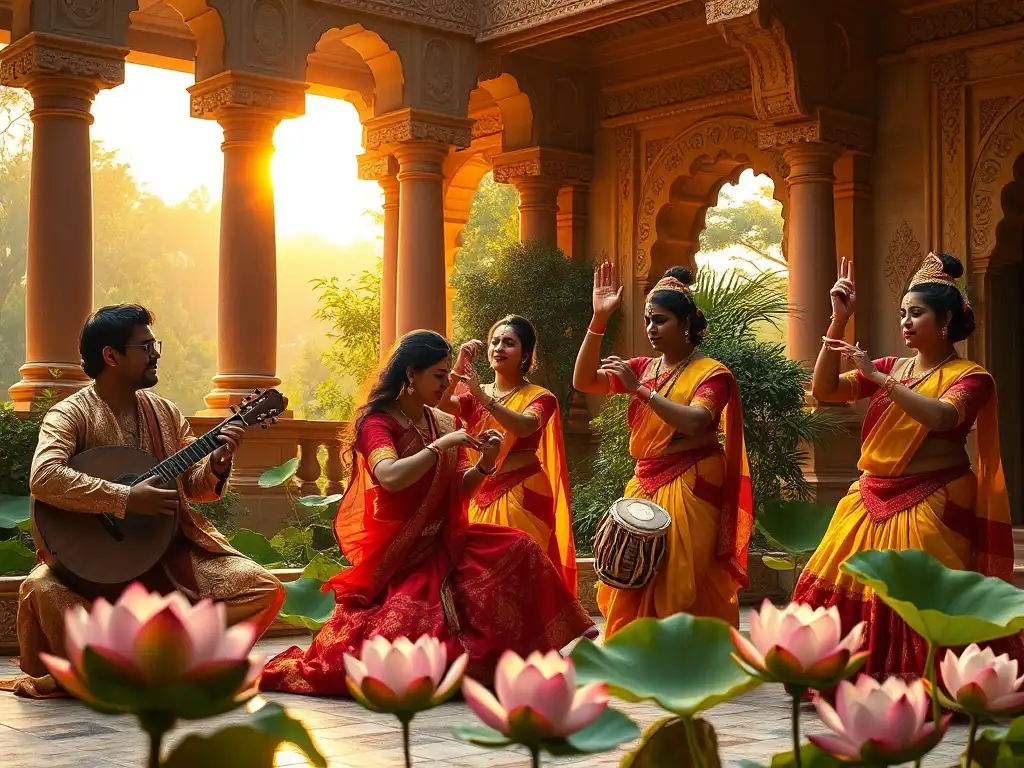
The Gupta Empire, which flourished from approximately 320 to 550 CE, is often referred to as a "Golden Age" in Indian history, particularly in the realms of art, culture, and sciences. Among its many contributions, the development of music during this period stands out, reflecting a rich tapestry of melodic forms and instrument innovations that have shaped the Indian musical landscape. The Gupta era not only saw the proliferation of various musical styles, but it also played a crucial role in the evolution of dance, with music being its integral component.
Musical Instruments of Ancient India
The Gupta Empire witnessed significant advancements in musical instruments, which were central to the cultural and ritualistic practices of the time. These instruments can be broadly categorized into string and percussion instruments, each contributing uniquely to the musical heritage of ancient India.
String Instruments
String instruments during the Gupta era included:
- Veena: A prominent instrument, the veena was crucial in classical music and was often associated with the divine. It typically had seven strings and was used in both solo and ensemble performances.
- Sitar: Although more commonly recognized in later periods, early forms of the sitar began to emerge during this time, characterized by its long neck and sympathetic strings.
- Rabab: Made from wood and animal skin, the rabab was a lute-like instrument that gained popularity among folk musicians and was integral to the traditional music of the region.
These instruments played a vital role in accompanying vocal performances and enhancing the overall musical experience.
Percussion Instruments
Percussion instruments were equally important in the musical landscape of the Gupta Empire. Key examples include:
- Mridangam: A barrel-shaped drum, the mridangam was commonly used in classical music and dance performances. Its rhythmic patterns provided the foundation for many musical compositions.
- Dholak: This two-headed drum was popular in folk music, providing a lively beat that encouraged dance and social gatherings.
- Khartal: A type of hand clapper, the khartal was often used in devotional music, adding a vibrant percussive element to traditional songs.
These percussion instruments contributed to the dynamic rhythms that characterized Gupta music, fostering an engaging atmosphere for both performers and audiences.
Vocal Music and Its Evolution
Vocal music during the Gupta Empire was highly regarded and saw significant evolution, reflecting the cultural richness of the period. The following aspects outline its development:
- Ragas and Melodies: The concept of ragas became more defined during this era. Ragas are melodic frameworks that dictate the structure and mood of a performance. Compositions were often designed to evoke specific emotions, a practice that gained popularity in both court and folk music settings.
- Devotional Music: The Gupta period saw an increase in devotional music, which was closely linked to religious practices. Bhakti movements began to inspire compositions that emphasized personal devotion to deities, leading to the creation of numerous hymns and songs.
- Classical Forms: The foundations for what would later evolve into classical music systems were laid during the Gupta era. The emphasis on vocal training and the establishment of music schools contributed to a rich tradition of classical singing that would influence future generations.
The Gupta Empire's contributions to dance and music were profound, establishing a legacy that has endured through the ages. The intricate interplay of string and percussion instruments, alongside the evolution of vocal music, highlights the cultural richness of this golden age. The foundations laid during this period continue to resonate in the classical and folk music traditions of modern India.
Influential Musicians of the Gupta Era
The Gupta Empire, often regarded as a golden age of Indian culture, saw a flourishing of arts, particularly in the fields of dance and music. Among the musical landscape of this era, several influential musicians emerged, shaping the traditions and practices that would define Indian classical music for centuries to come.
One of the most prominent figures is Kalidasa, though primarily known as a poet and playwright, his works often integrated musical elements, highlighting the importance of music in drama. His compositions included intricate verses that were meant to be accompanied by music, bridging the gap between poetry, performance, and music.
Another significant figure is Bharata Muni, who is credited with the ancient treatise on performing arts, the Natya Shastra. While primarily focused on dance and drama, this text also delved into the musical aspects that complemented these art forms. Bharata’s work laid the foundation for the understanding of music in relation to dance, emphasizing the emotional and aesthetic experiences that music could evoke in performance.
The Role of Instruments
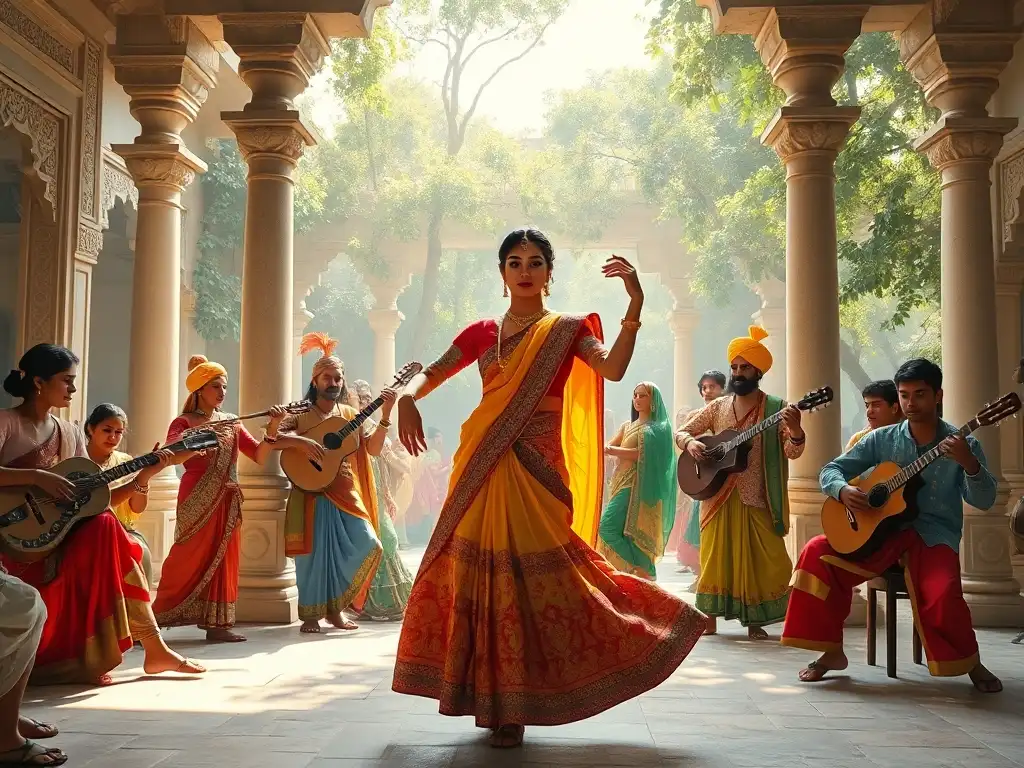
During the Gupta Era, various musical instruments gained prominence, contributing to the rich soundscape of the time. Instruments like the veena, a stringed instrument, and mridangam, a percussion instrument, were widely used in both classical music and folk traditions. The veena, in particular, became synonymous with classical music and was often associated with the goddess of learning, Saraswati, reflecting the divine connection between music and spirituality.
The Influence of Religion
Religion played a crucial role in shaping the music of the Gupta period. Music was often intertwined with rituals and ceremonies, particularly in Hindu and Buddhist practices. Temples became centers of musical activity, where musicians performed devotional songs and hymns. The influence of spirituality on music is evident in the lyrical themes that often celebrated divine love and devotion.
Legacy and Impact
The contributions of musicians during the Gupta Empire had a lasting impact on the evolution of Indian music. The techniques and styles developed during this period laid the groundwork for subsequent musical traditions, including the classical forms of North and South India. The emphasis on melodic structure, rhythm, and the emotional expression of music can be traced back to this era, making it a pivotal time in the history of Indian music.
The Gupta Era was not only a time of political and economic prosperity but also a rich period for musical innovation. The influential musicians, their instruments, the religious contexts, and the legacy they left behind continue to resonate in the world of Indian classical music today.
The Influence of Gupta Empire Dance and Music on Later Generations
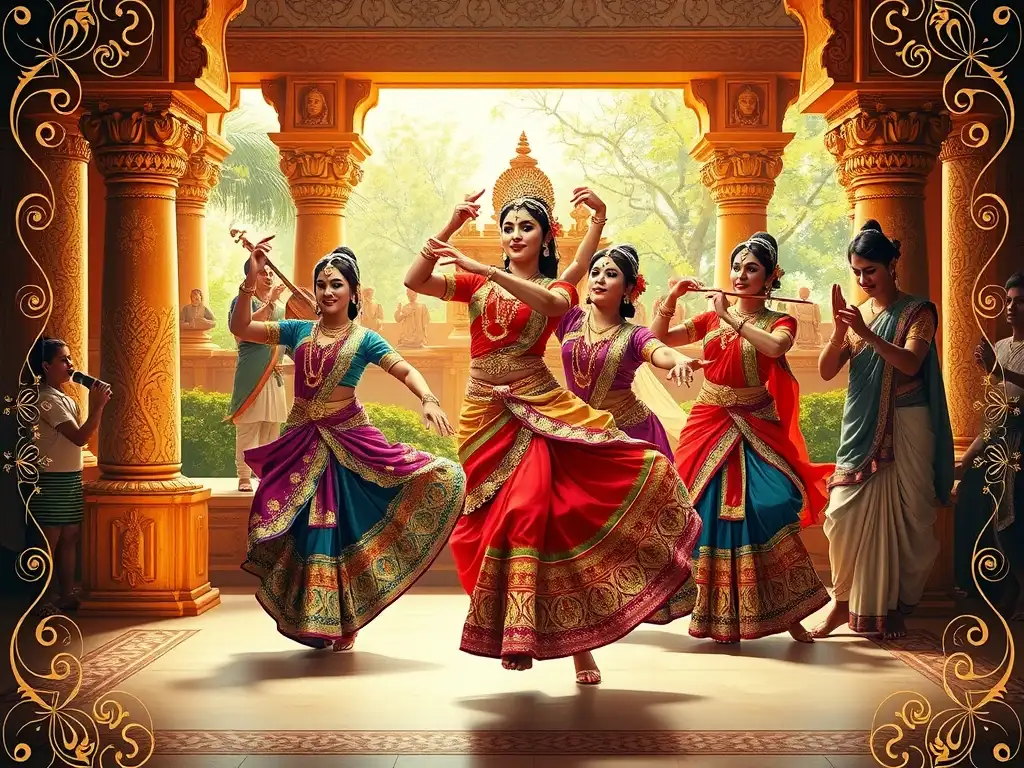
The Gupta Empire, flourishing from approximately 320 to 550 CE, is often heralded as a golden age of cultural development in ancient India. This period saw a remarkable flourishing of various art forms, particularly dance and music, which not only thrived during the Gupta era but also laid the groundwork for future artistic expressions in India. The innovative practices and styles that emerged during this time became pivotal in shaping the trajectory of Indian performing arts.
Continuation of Gupta Dance and Music Traditions
The dance and music traditions that developed during the Gupta period were characterized by their sophistication and complexity. These art forms were not merely entertainment; they were integral to religious and social practices. The Natya Shastra, an ancient treatise on performing arts attributed to Bharata Muni, became a significant reference for dancers and musicians, codifying the techniques and aesthetics of performance.
- Classical Dance Forms
- Bharatanatyam: While its roots trace back to pre-Gupta times, Bharatanatyam evolved during the Gupta period, incorporating intricate footwork, expressive gestures (mudras), and emotive storytelling (abhinaya).
- Kathak: Emerging from the dance traditions of the Gupta Empire, Kathak developed a narrative style that blended storytelling with rhythmic footwork, showcasing the influence of the courtly and temple dance styles of the time.
- Musical Innovations
- The Gupta era saw the rise of various instruments, such as the veena and mridangam, which were perfected during this time. The use of ragas and talas in music became more structured, leading to the formation of classical music traditions.
- Vedic Chanting: The traditions of Vedic chanting were further refined, emphasizing the importance of music in spiritual practices, which continued to influence later generations of musicians.
Impact on Regional Styles and Forms
The artistic developments of the Gupta Empire had a profound impact on regional dance and music styles across India. As the empire expanded, so too did the cultural exchanges that facilitated the blending of various forms of artistic expression.
- Cultural Synthesis: The Gupta period was marked by the confluence of different regional styles, creating a rich tapestry of dance and music. For instance, the integration of local folk traditions with classical dance forms led to the emergence of new styles unique to specific regions.
- Influence on Later Dynasties: The artistic achievements of the Gupta Empire set a precedent for subsequent dynasties, such as the Chola and Mughal Empires. These later regimes not only preserved Gupta traditions but also incorporated them into their own cultural expressions, leading to innovations in dance and music that resonated throughout Indian history.
- Preservation of Art Forms: The Gupta period's emphasis on documentation and the establishment of performance schools contributed to the preservation of dance and music. This legacy ensured that artistic forms were passed down through generations, evolving yet remaining rooted in their Gupta origins.
The Gupta Empire's dance and music traditions significantly influenced subsequent generations, fostering a rich cultural heritage that continues to thrive in modern India. The foundation laid during this golden age not only enriched the performing arts of the time but also ensured their survival and transformation in the centuries to come.
The Legacy of Dance and Music in Ancient India
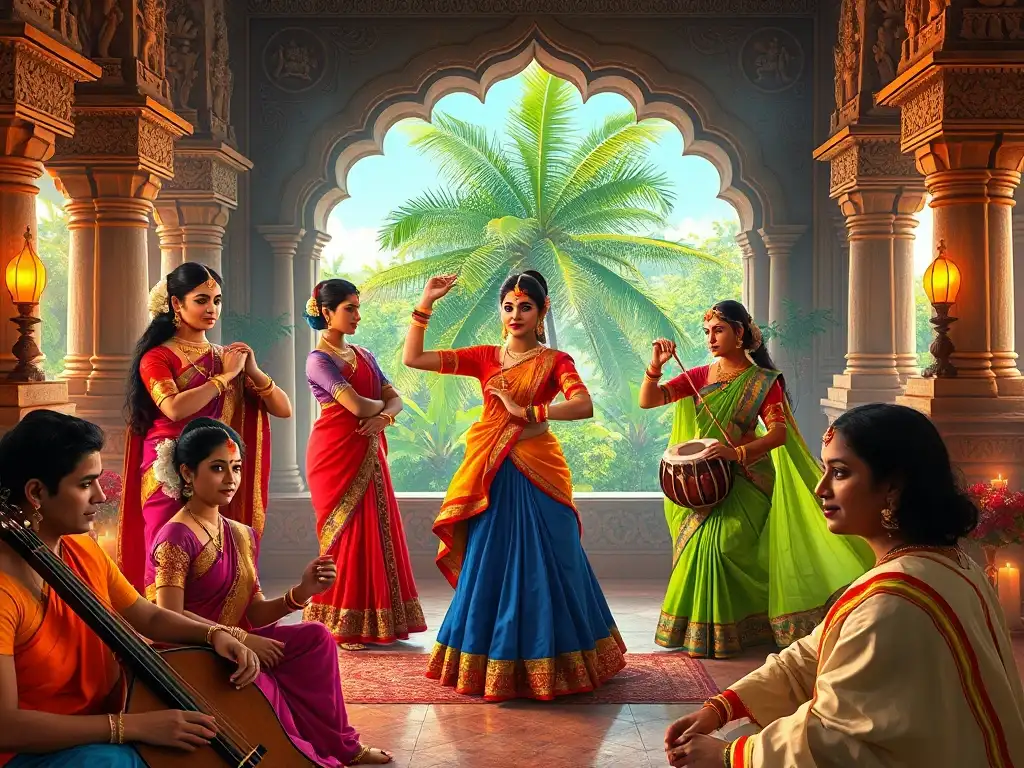
The Gupta Empire, often referred to as a golden age of culture and arts, profoundly impacted the development of dance and music in ancient India. This period, spanning from approximately 320 to 550 CE, saw a flourishing of artistic expression that blended local traditions with influences from various regions. The legacy of this era is evident not only in historical texts but also in the continued practice and evolution of these art forms today.
Preservation and Revival of Gupta Era Art Forms
The art forms of the Gupta period are meticulously documented in texts such as the "Natya Shastra" by Bharata Muni, which laid the foundation for classical dance and drama in India. This ancient text emphasizes the importance of expressive movements and emotional storytelling through dance, setting the stage for various classical styles that emerged later.
Key Features of Gupta Era Dance and Music
- Dance Forms: The period saw the establishment of several classical dance styles, characterized by intricate footwork, expressive gestures, and facial expressions. Notable forms that can trace their origins back to this era include:
- Bharatanatyam: Originating from Tamil Nadu, it combines expression, music, and dance.
- Odissi: A dance from Odisha, known for its fluid movements and lyrical expressions.
- Musical Developments: Music during the Gupta Empire was heavily influenced by the ragas and talas that are still prominent in Indian classical music today. The introduction of new instruments, such as the veena and the mridangam, enriched the musical landscape.
Artistic Patronage
The Gupta rulers were great patrons of the arts, commissioning many works of art that showcased dance and music. Temples built during this time, such as those in Khajuraho and Ajanta, are adorned with sculptures depicting dancers and musicians, highlighting the significance of these art forms in religious and cultural contexts.
Modern Interpretations and Practices
The rich traditions of dance and music from the Gupta Empire have not only been preserved but have also evolved, leading to various modern interpretations and practices.
Contemporary Dance Forms
Today, classical dance forms such as Bharatanatyam and Odissi continue to thrive, often incorporating contemporary themes while retaining their traditional roots. Dance schools across India and around the world celebrate these styles through performances, competitions, and festivals, ensuring that the legacy of Gupta Era dance remains vibrant and relevant.
Fusion of Styles
Modern musicians and dancers are also experimenting with fusion genres, blending classical techniques with popular music and dance forms. This innovative approach helps in reaching wider audiences and sustaining interest in traditional art forms.
Examples of Fusion:
- Bharatanatyam with Western Ballet: Dancers combine the intricate footwork of Bharatanatyam with the elegance of ballet, creating a unique performance style.
- Indian Classical Music with Jazz: Musicians are exploring the interplay between ragas and jazz improvisation, resulting in a captivating musical experience.
The legacy of dance and music from the Gupta Empire is not merely a historical artifact; it is a living tradition that continues to inspire artists and audiences alike, fostering a deeper appreciation for the richness of ancient Indian culture.
Conclusion: The Enduring Impact of the Gupta Empire on Indian Dance and Music
The Gupta Empire, often hailed as a golden age in the context of Indian history, significantly influenced the realms of dance and music. This period witnessed a flourishing of artistic expression, where dance and music not only served as entertainment but also played a vital role in religious and cultural ceremonies. The contributions made during the Gupta era laid the foundations for various classical art forms that continue to thrive in modern India.
Reflection on the Cultural Significance of the Gupta Era
During the Gupta period, dance and music were intricately woven into the fabric of society. The royal patronage provided to artists and musicians encouraged the development of various styles and forms. Temples became centers of artistic expression, where dancers performed to invoke divine blessings and musicians accompanied these performances with melodious compositions. The Natya Shastra, authored by Bharata Muni, served as a pivotal text, detailing the theory and practice of dance and drama.
- Key Aspects of Gupta Dance and Music:
- Religious Context: Many performances were tied to religious festivals and rituals, enhancing the spiritual experience of the audience.
- Diverse Styles: Various regional styles began to emerge, showcasing the rich cultural tapestry of the empire.
- Integration with Literature: Dance and music often adapted themes from epic tales, enhancing the storytelling aspect of performances.
The Gupta Empire also saw the introduction of new musical instruments, which enriched the sonic landscape of the time. Instruments such as the veena and the flute became prominent, leading to the evolution of complex melodies that remain influential.
Final Thoughts on Ancient Indian Art Forms
The legacy of the Gupta Empire's dance and music can still be felt in contemporary Indian culture. The principles established during this period continue to impact classical dance forms like Bharatanatyam and Odissi, as well as Hindustani and Carnatic music.
- Enduring Influences:
- Training Methods: The Gurukul system, which emphasized the transmission of knowledge from masters to students, is rooted in the practices established during the Gupta era.
- Cultural Festivals: Modern dance and music festivals often celebrate the traditions that were nurtured during this golden age.
- Global Recognition: The richness of Gupta era art forms has garnered international appreciation, leading to cross-cultural exchanges that enhance global understanding of Indian heritage.
The Gupta Empire's profound contributions to dance and music not only shaped the cultural identity of ancient India but also created a lasting impact that continues to resonate within the artistic expressions of contemporary society. The Gupta Empire dance and music legacy serves as a testament to the enduring power of art in human civilization.
Frequently Asked Questions
What was significant about the Gupta Empire in relation to dance and music?
The Gupta Empire is often regarded as a golden age for dance and music in ancient India, marked by the flourishing of various art forms and the establishment of classical traditions.
How did the Gupta Empire influence classical dance forms?
Under the Gupta Empire, classical dance forms began to evolve with more structured styles and narrative elements, paving the way for the rich dance heritage that India enjoys today.
What types of music were popular during the Gupta era?
During the Gupta era, both instrumental and vocal music thrived, with influences from religious practices, leading to the development of various ragas and tala systems that are foundational in Indian music.
Were there any notable composers or musicians in the Gupta Empire?
Yes, the Gupta Empire saw the emergence of several notable composers and musicians, who contributed significantly to the musical landscape, but specific names often remain unrecorded in historical texts.
How did religion impact dance and music in the Gupta Empire?
Religion played a crucial role in shaping dance and music during the Gupta Empire, as many performances were tied to temple rituals and festivals, reflecting the intertwining of art and spirituality.
Final Reflection: Embracing the Legacy of Gupta Era Dance and Music
The Gupta Empire's contributions to dance and music remain profoundly relevant today, as they shaped the cultural fabric of India and influenced artistic expressions worldwide. The intricate rhythms and graceful movements that emerged during this golden age continue to inspire contemporary artists and performers, reminding us of the timeless nature of creativity and expression. The legacy of the Gupta era is not merely a historical footnote; it is a vibrant thread woven into the tapestry of our modern cultural landscape.
The impact of Gupta-era dance and music transcends time, echoing through generations and shaping the way we perceive art today. The techniques and styles developed during this period laid the groundwork for various classical forms that are celebrated and practiced in India and beyond. As we engage with these art forms, we are reminded of the words of the great philosopher Plato: Music gives a soul to the universe, wings to the mind, flight to the imagination, and life to everything.
This sentiment encapsulates the essence of the Gupta Empire's artistic achievements and their enduring influence on our cultural identity.
As we reflect on the rich heritage of dance and music from the Gupta Empire, let us embrace the lessons they impart about creativity, collaboration, and cultural appreciation. I invite you to explore these art forms in your own life—whether through learning a dance, attending a musical performance, or simply appreciating the beauty of artistic expression. By doing so, we not only honor the legacy of the Gupta era but also contribute to the ongoing dialogue of creativity that connects us all, ensuring that the spirit of this golden age continues to thrive in our hearts and communities.
Unleash Your Inner Artist and Celebrate Culture!
Thank you for exploring the vibrant world of the Gupta Era with us! You've discovered how this remarkable period enriched dance and music in ancient India. Now, let's take that inspiration and turn it into action.
Here are some steps you can take to deepen your connection with this captivating history:
- Join a local dance or music class that focuses on traditional Indian art forms. Embrace your creativity and express yourself!
- Share your newfound knowledge about the Gupta Era with friends and family. Start a conversation or even host a themed gathering to celebrate the richness of ancient Indian culture.
- Explore further by visiting a museum exhibit or watching documentaries related to ancient dance and music. Understanding the roots of these art forms can enhance your appreciation and enjoyment.
What aspects of ancient Gupta dance or music inspire you the most, and how will you incorporate them into your life today?