
Ancient Indian Dance: A Reflection of Social Change and Cultural Evolution

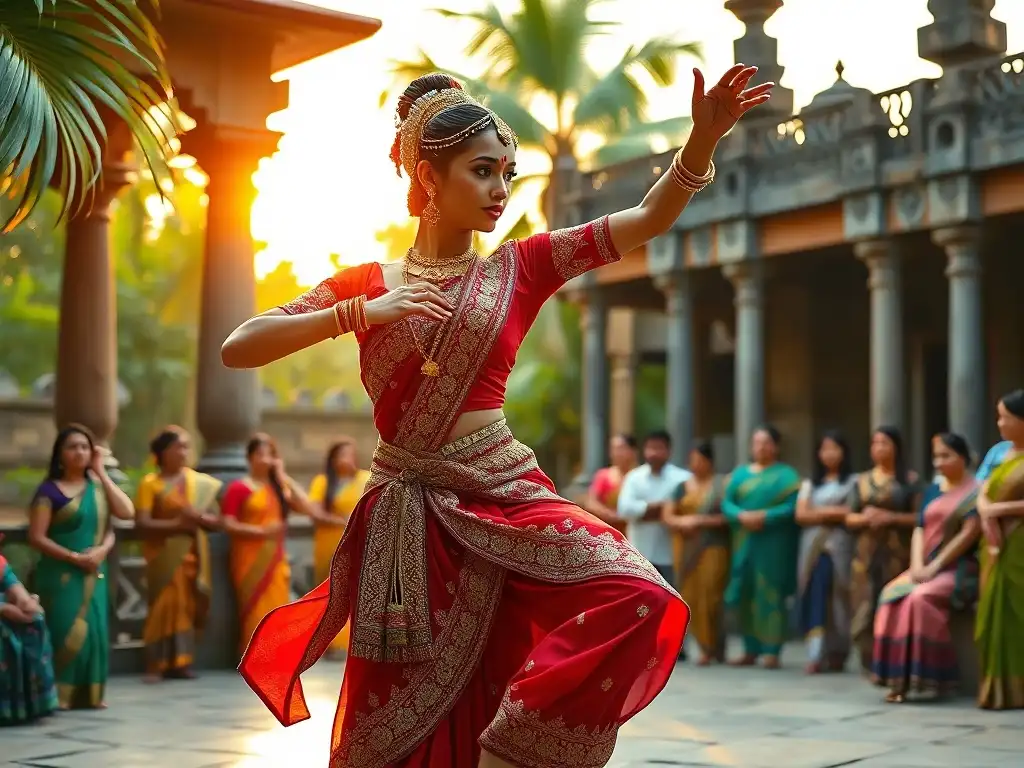
Welcome to Ancient India History, where we invite you to embark on a fascinating journey through the rich tapestry of ancient Indian civilizations. In our featured article, “Ancient Indian Dance: A Reflection of Social Change and Cultural Evolution,” we delve into the vibrant world of ancient Indian dance history. Discover how this captivating art form has not only mirrored the societal transformations of its time but also shaped the cultural landscape of India as we know it today.
Prepare to be intrigued as we unveil stories of rhythm, expression, and the profound connections between dance and the evolution of society. Join us as we explore the elegance and significance of this timeless legacy!
Introduction to Ancient Indian Dance History
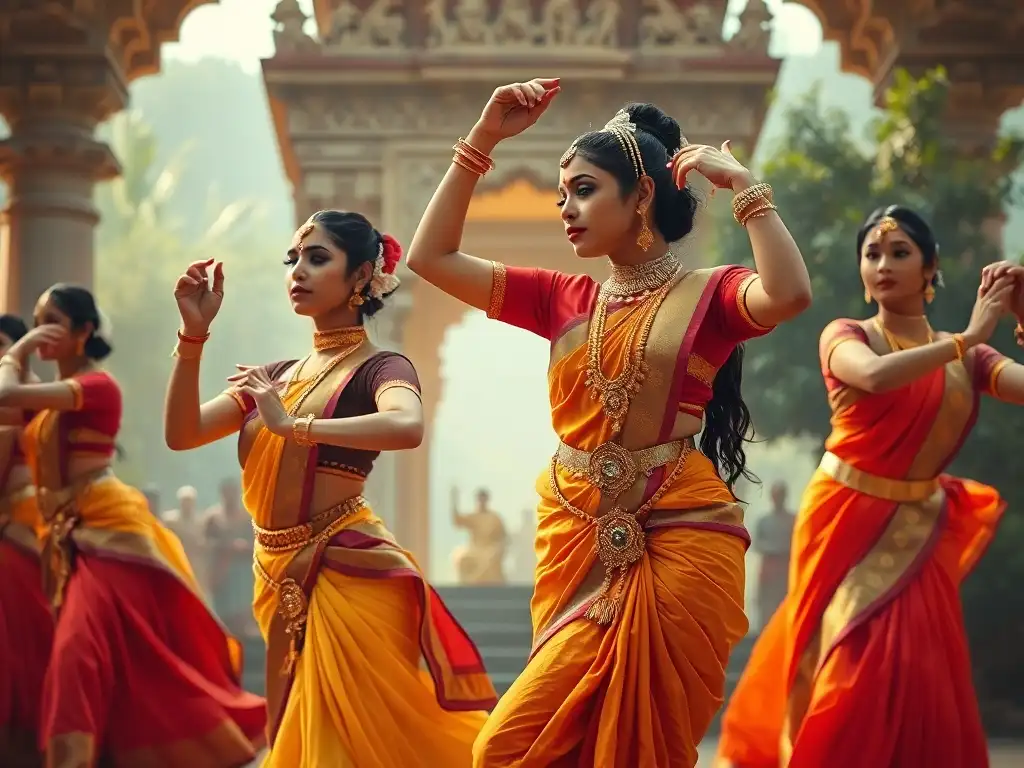
The history of Ancient Indian dance is a captivating narrative that intertwines artistic expression with the social, religious, and cultural fabric of its time. From the intricate gestures of the Indus Valley Civilization to the sophisticated performances during the Gupta Empire, dance has served as a vital medium for storytelling, ritual, and community identity.
As we explore the evolution of ancient Indian dance, we uncover not only the aesthetic qualities of these art forms but also the profound societal changes that influenced their development. This article delves into the origins, transformations, and significance of ancient dance, highlighting how it mirrors the complexities of civilization through various historical periods.
The Roots of Ancient Indian Dance
The roots of ancient Indian dance can be traced back to various civilizations and epochs, each contributing distinct styles and cultural meanings. Understanding these origins is essential to grasping the broader context of dance as a form of artistic expression in ancient India.
The Indus Valley Civilization and Dance
The Indus Valley Civilization, one of the earliest urban cultures, flourished around 2500 BCE in what is now modern-day Pakistan and northwest India. Archaeological findings, including clay figurines and seals, suggest that dance was an integral part of their daily life and religious practices. These artifacts depict figures in dance poses, often adorned in elaborate costumes, hinting at the significance of dance in ceremonial contexts.
- Key features:
- Use of dance in rituals and possibly in fertility rites.
- Representation of dance in art, indicating its cultural importance.
- Evidence of community gatherings where dance might have played a central role.
Vedic Period: Dance in Religious Contexts
Transitioning into the Vedic Period (circa 1500-500 BCE), dance evolved further, becoming deeply embedded in religious and spiritual practices. The Vedas, ancient sacred texts, mention various forms of dance associated with rituals and offerings to deities.
- Significance of dance:
- Dance was often performed during sacrifices and ceremonies to invoke divine blessings.
- It served as a means of communication with the gods, embodying the spiritual connection between the performers and the divine.
- The emergence of dance as a structured form, with specific movements and meanings associated with various deities.
The exploration of ancient Indian dance history reveals not just an art form, but a reflection of the socio-cultural evolution across millennia, marking key transitions in religious practices, societal norms, and artistic expressions. As we continue this journey, we will delve deeper into the subsequent periods and their contributions to the rich tapestry of Indian dance.
Major Ancient Indian Dance Forms
Ancient Indian dance is a rich tapestry woven with various styles that reflect the intricate cultural and social dynamics of the time. These dance forms can largely be categorized into classical and folk styles, each serving distinct purposes and showcasing unique characteristics.
Classical Dance Styles: Origins and Evolution
Classical dance in ancient India has its roots in the Natya Shastra, an ancient treatise on performing arts attributed to Bharata Muni, estimated to be composed between 200 BCE and 200 CE. This foundational text outlines the theoretical framework for dance, including elements such as rhythm, expression, and movement.
The classical dance forms that evolved from these ancient traditions include:
- Bharatanatyam: Originating from Tamil Nadu, Bharatanatyam is known for its fixed upper torso, bent legs, intricate footwork, and expressive hand gestures (mudras). It was traditionally performed in temples and often depicted religious themes.
- Kathak: Emerging from North India, Kathak emphasizes storytelling through intricate footwork, spins, and facial expressions. Originally a narrative dance performed by storytellers (kathakars), it transitioned into a form enjoyed in royal courts during the Mughal era.
- Odissi: Hailing from Odisha, Odissi is characterized by its fluid movements and sculpturesque poses, often inspired by temple sculptures. It is one of the oldest dance forms, with origins dating back to the 2nd century BCE.
- Manipuri: This dance form from Manipur is known for its graceful movements and is often associated with the Raslila, a dance-drama based on the life of Krishna. Manipuri is unique for its emphasis on fluidity and devotion.
- Kuchipudi: Originating from Andhra Pradesh, Kuchipudi combines dance, drama, and music. It is known for its narrative style and often incorporates elements of satire and moral lessons.
The evolution of these classical styles showcases how ancient Indian dance has adapted over centuries, reflecting both religious devotion and aesthetic principles.
Folk Dances: Reflection of Regional Diversity
Folk dances of ancient India emerged from the daily lives and cultural practices of various communities. Unlike classical dances, which often adhere to strict traditions, folk dances are more spontaneous and are influenced by local traditions, rituals, and celebrations.
Some notable folk dance forms include:
- Bhangra: Originating from Punjab, Bhangra is a lively dance performed during harvest festivals. It reflects the exuberance of rural life and is characterized by energetic music and vibrant costumes.
- Garba: A traditional dance from Gujarat, Garba is performed during the Navratri festival. It involves circular movements and is often accompanied by devotional songs.
- Dandiya Raas: Also from Gujarat, this dance involves rhythmic clapping and the use of sticks (dandiya) to create a lively atmosphere, symbolizing the playfulness of Radha and Krishna.
- Ghoomar: A folk dance of Rajasthan, Ghoomar is performed by women in traditional attire, featuring graceful movements and twirls that celebrate femininity and community spirit.
These folk dance forms serve as expressions of regional identities and cultural narratives, showcasing the diversity of ancient Indian society.
Dance in ancient India was not merely a form of entertainment; it played a significant role in social change and cultural evolution. As a dynamic art form, dance reflected shifting societal values and norms, contributing to broader historical transformations.
Dance as a Medium of Expression
Dance served as a powerful medium for expressing emotions, social issues, and spiritual beliefs. Ancient Indian dancers often conveyed stories of love, devotion, and moral dilemmas through movement and expression. This form of artistic expression allowed performers to engage with their audience on a deeper level, fostering a sense of community and shared experience.
Moreover, dance was a platform for addressing social issues. For instance, certain performances highlighted the struggles of marginalized communities, challenging societal norms and advocating for change. This ability to convey complex narratives through dance made it an influential tool for social commentary.
Gender Roles in Ancient Indian Dance
The role of gender in ancient Indian dance is multifaceted, reflecting broader societal structures and expectations. Traditionally, dance was often associated with women, particularly in classical forms like Bharatanatyam and Odissi. These dances not only celebrated femininity but also allowed women to express their individuality and artistry within the constraints of societal norms.
However, the portrayal of gender in dance was not always empowering. Many classical dances depicted female characters in subservient roles, reinforcing traditional gender hierarchies. Yet, as social attitudes began to shift, dance became a means for women to reclaim agency and challenge existing norms.
In modern times, the evolution of ancient dance forms continues to reflect changing gender dynamics, with women taking on more prominent roles as choreographers, teachers, and performers, thus reshaping the narrative of dance in contemporary society.
Cultural Evolution Through Dance
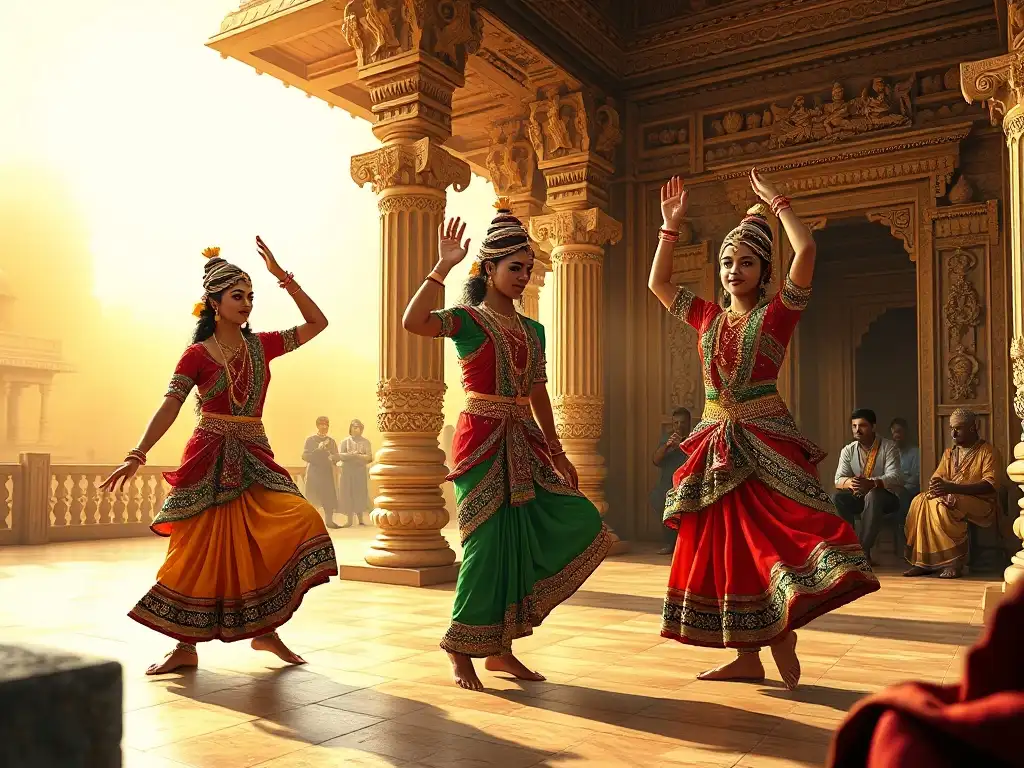
Ancient Indian dance is not merely a performance art; it serves as a mirror reflecting the social changes and cultural evolution of the Indian subcontinent. From the graceful movements of classical traditions to the energetic expressions of folk dances, each form encapsulates the ethos of its time. Over centuries, dance evolved alongside significant historical milestones, showcasing shifts in societal norms, values, and beliefs.
In ancient India, dance was primarily viewed as a medium of worship and reverence. It played a crucial role in religious rituals, serving as a bridge between the divine and the earthly realms. As society progressed, dance began to incorporate themes of love, nature, and human experiences, illustrating the changing perspectives of the people.
The introduction of different dynasties and rulers also contributed to the transformation of dance forms. Each dynasty brought its own cultural influences, leading to the amalgamation of styles and techniques. For instance, the patronage of the Gupta Empire saw the flourishing of classical dance, which integrated intricate footwork, expressive gestures, and elaborate costumes. This cultural evolution is evident in the rich diversity of dance forms that emerged, each narrating stories of the past while adapting to contemporary contexts.
Influence of Religion and Mythology
Religion and mythology have profoundly shaped the landscape of ancient Indian dance. The spiritual underpinnings of dance can be traced back to the Vedic period, where it was intertwined with rituals and ceremonies aimed at appeasing deities. Various dance forms were often dedicated to specific gods and goddesses, embodying their characteristics and stories through movement.
For example, Bharatanatyam, one of the oldest classical dance forms, is deeply rooted in Hindu mythology. It encapsulates themes from ancient texts like the Ramayana and Mahabharata, vividly portraying divine tales through expressive hand gestures (mudras) and facial expressions (abhinaya). Similarly, Kathak dance draws inspiration from the tales of Lord Krishna, bringing to life his playful and mischievous exploits through intricate footwork and spins.
The influence of religion is not limited to Hinduism; Buddhist and Jain traditions also contributed to the development of dance in ancient India. Monastic dance traditions emerged, which served both as a form of worship and a means of storytelling, further enriching the cultural tapestry of the time. Thus, the impact of religion and mythology on dance forms is undeniable, providing a foundation for artistic expression that continues to resonate in contemporary performances.
Political Influence on Dance Forms
The political landscape of ancient India significantly influenced the evolution of dance. Rulers and dynasties played the role of patrons, often commissioning artists and dancers to perform in royal courts. This patronage not only elevated the status of dance but also facilitated the fusion of various styles, leading to the birth of new forms.
During the Maurya and Gupta empires, dance became a symbol of cultural sophistication and refinement. Kings and queens would host lavish performances as a display of power and wealth, attracting the finest dancers from across the region. This resulted in the formalization of dance as a respected art form, with established traditions that were documented and taught to future generations.
Moreover, dance became a tool for political expression and social commentary. Dancers often used their art to reflect societal issues, critique rulers, or celebrate victories. For instance, during times of social upheaval, folk dances emerged as a form of resistance, conveying the struggles and aspirations of the common people. This interplay between dance and politics highlights the dynamic relationship between art and the socio-political environment of ancient India.
Conclusion: The Legacy of Ancient Indian Dance
The legacy of ancient Indian dance is a testament to its resilience and adaptability throughout history. It has survived the test of time, evolving in response to changing social, cultural, and political landscapes. Today, ancient dance forms continue to inspire and inform contemporary practices, preserving the rich heritage of Indian culture.
The continued relevance of these dance forms underscores their importance not only as artistic expressions but also as carriers of historical narratives. They serve as a bridge connecting the past with the present, allowing new generations to engage with their cultural roots. As modern dancers explore innovative interpretations, they remain grounded in the foundational principles established by their ancestors, ensuring that the stories of ancient Indian dance are passed down through the ages.
In essence, ancient Indian dance history is a vibrant chronicle of human experience, reflecting the complexities of societal change and cultural evolution. The enduring spirit of this art form continues to captivate audiences, inviting them to delve into the rich tapestry of India's artistic heritage.
Further Exploration: Resources and References
To deepen your understanding of the intricate history of ancient Indian dance and its evolution alongside social changes, consider exploring the following resources and references:
- Books and Publications:
- Dance in Indian Painting by V. K. Jain: This book provides an insightful look into how dance has been depicted in Indian art through the ages, reflecting cultural values and societal norms.
- The Dance of Siva by Ananda K. Coomaraswamy: A classic work that explores the philosophical underpinnings of Indian dance, linking it to broader aspects of Indian spirituality and culture.
- Research Journals:
- Journal of South Asian Studies: This journal often publishes articles on the history, culture, and art forms of South Asia, including the evolution of dance.
- Asian Theatre Journal: A platform for scholarly articles that discuss various forms of Asian dance and theatre, including ancient Indian dance traditions.
- Online Resources:
- The National Museum of India website provides extensive information on ancient art forms, including dance sculptures and their historical context.
- The Sangeet Natak Akademi website features resources on classical dance forms, their origins, and their significance in Indian culture.
- Documentaries and Films:
- The Dance of India: This documentary explores various classical dance forms, tracing their historical roots and cultural significance.
- Natyashastra: A film based on the ancient treatise by Bharata Muni, providing insights into the codified rules of dance and performance in ancient India.
- Academic Conferences and Workshops:
- Attending events such as the International Conference on Indian Dance can offer firsthand insights from experts in the field and foster discussions on the contemporary relevance of ancient traditions.
- Museums and Cultural Institutions:
- Visiting museums like the Indian Museum in Kolkata or the National Gallery of Modern Art can provide a tangible connection to ancient dance through artifacts and exhibits.
By engaging with these resources, you can gain a comprehensive perspective on ancient Indian dance history, its evolution, and its reflection of the societal changes that shaped it over centuries.
- Introduction to Ancient Indian Dance History
- The Roots of Ancient Indian Dance
- Major Ancient Indian Dance Forms
- The Role of Dance in Social Change
- Cultural Evolution Through Dance
- Conclusion: The Legacy of Ancient Indian Dance
- Further Exploration: Resources and References
Frequently Asked Questions
What is the significance of Ancient Indian dance history?
Ancient Indian dance history reflects the social changes and cultural evolution of the civilization. It showcases how dance forms evolved alongside religious and social transformations.
Which dance forms originated from ancient Indian civilizations?
Several dance forms like Bharatanatyam, Kathak, and Odissi originated from ancient Indian civilizations, each representing distinct cultural narratives and regional influences.
How did ancient texts influence Indian dance?
Ancient texts, such as the Natya Shastra, provided comprehensive guidelines on dance techniques, theoretical foundations, and the importance of expressions, shaping the evolution of dance forms.
What role did religion play in ancient Indian dance?
Religion played a crucial role, as many dance forms were developed as a means of devotional expression and were often performed in temples to honor deities, highlighting the spiritual connection of the art.
Ancient Indian dance served as a mirror to social changes by adapting to the influences of cultural exchanges, political shifts, and the evolving status of women in society, illustrating its dynamic nature.
Final Reflection: Embracing the Rhythm of Change in Ancient Indian Dance
Ancient Indian dance is not merely an art form; it is a profound reflection of the social changes and cultural evolution that have shaped Indian society over centuries. Today, as we witness rapid globalization and cultural exchanges, understanding the historical significance of these dance forms becomes increasingly relevant. The intricate movements and narratives embedded in ancient Indian dance serve as a testament to the resilience and adaptability of cultural expressions in the face of change.
The influence of ancient Indian dance extends beyond the stage; it permeates the very fabric of our cultural identity. From classical forms like Bharatanatyam and Kathak to folk traditions, these dances have played a pivotal role in preserving stories, values, and traditions that define communities. As noted by the renowned dance scholar, "Dance is the hidden language of the soul," highlighting how these art forms communicate emotions and histories that words often cannot capture. Dance is the hidden language of the soul.
– Martha Graham
As we reflect on the lessons from ancient Indian dance, let us embrace the call to honor our cultural heritage while remaining open to the changes that shape our world. I invite you to explore the rhythms of your own life, recognizing how your personal journey can contribute to the ongoing dance of cultural evolution. Engage with the stories, movements, and traditions that resonate with you, and consider how you can be a part of this beautiful tapestry of human expression.
Embrace the Rhythm of Change and Explore Further!
Thank you for joining us on this journey through the profound connection between ancient Indian dance, social change, and cultural evolution. We hope this exploration has deepened your appreciation for how art mirrors society’s shifts and inspires transformation.
Now, take action and immerse yourself even more in this captivating world:
- Attend a local dance performance: Experience the vibrancy and emotion of ancient Indian dance firsthand. Look for community events or cultural festivals in your area.
- Share your favorite dance story with friends and family: Spark a conversation about how different art forms express cultural narratives and changes over time.
- Join online forums or social media groups dedicated to Indian dance: Engage with like-minded enthusiasts, learn, and share insights about its evolution and impact.
What aspect of ancient Indian dance resonates most with you, and how do you see it reflecting our contemporary society?