
The Mystery of Ancient Indian Artifacts: What They Reveal About Civilization

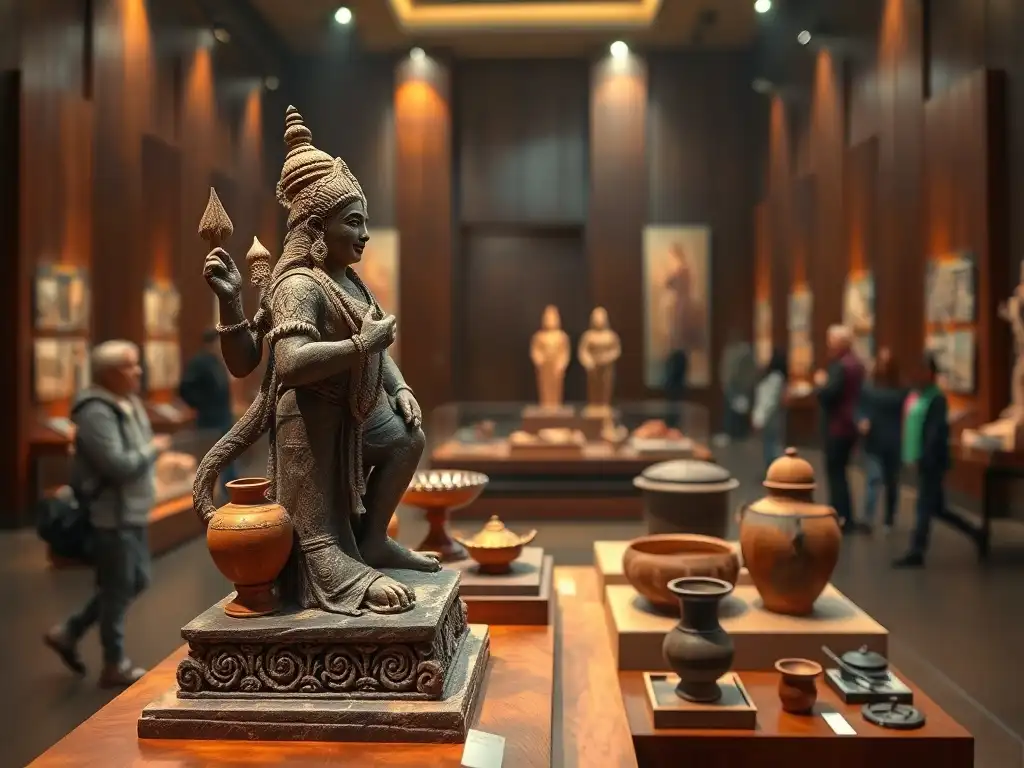
Welcome to Ancient India History, where we embark on a fascinating journey through the rich tapestry of ancient Indian civilizations. In this exploration, we delve into the mystery of ancient Indian artifacts, uncovering the secrets they hold about the cultures that thrived from the Indus Valley to the grandeur of the Gupta Empire. What stories do these remarkable relics tell?
What insights can they provide into the lives, beliefs, and artistry of our ancestors? Join us as we unravel these captivating narratives, igniting your curiosity and inviting you to discover the profound impacts of ancient Indian art forms on the world. Your adventure into the past starts here!
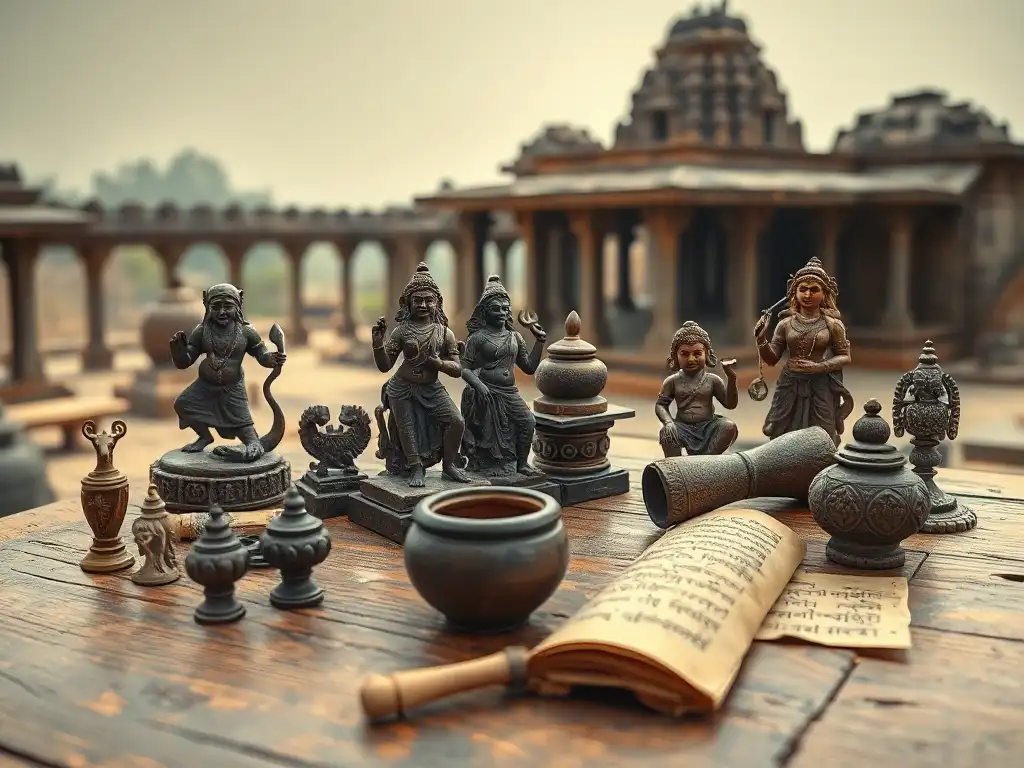
Introduction to Ancient Indian Artifacts History
The history of ancient Indian artifacts is a fascinating journey through time, revealing the intricacies of civilization, culture, and the artistic expressions of the people who once thrived on this subcontinent. From the sophisticated urban planning of the Indus Valley Civilization to the ornate sculptures of the Gupta Empire, these artifacts serve as tangible links to our past, offering insights into the daily lives, beliefs, and innovations of ancient societies.
As we delve into the rich tapestry of ancient Indian artifacts, we uncover not just objects of beauty, but also a profound narrative that reflects the values, aspirations, and technological advancements of these civilizations.
Definition and Importance of Ancient Indian Artifacts
Ancient Indian artifacts encompass a wide range of objects, including pottery, sculptures, coins, textiles, and tools, that provide critical evidence of the social, economic, and artistic practices of historical Indian civilizations. These artifacts are essential for historians and archaeologists, as they help reconstruct the lifestyles and cultural contexts of the time.
Importance of ancient Indian artifacts:
- Cultural Insights: They reveal the beliefs, rituals, and artistic sensibilities of ancient societies.
- Technological Advancements: They showcase the level of skill and innovation in craftsmanship and materials.
- Economic Indicators: Artifacts like coins and trade goods help trace the economic networks and trade practices of the era.
Overview of Ancient Indian Civilizations and Their Contributions
Ancient India was home to several remarkable civilizations, each contributing uniquely to the cultural and historical legacy of the region.
- Indus Valley Civilization (c. 2500-1900 BCE): Known for its advanced urban planning, drainage systems, and standardized weights and measures, this civilization laid the groundwork for future societal developments.
- Vedic Period (c. 1500-500 BCE): Marked by the composition of the Vedas, this era saw the rise of philosophical thought and social structure that influenced later Indian religions.
- Maurya Empire (c. 322-185 BCE): Under emperors like Ashoka, this period is notable for the spread of Buddhism and the establishment of a vast political and economic network.
- Gupta Empire (c. 320-550 CE): Often referred to as the Golden Age of India, this era is celebrated for its achievements in arts, sciences, mathematics, and literature.
Each civilization left behind a legacy of artifacts that continue to intrigue and inform our understanding of ancient Indian history.
The Rich Diversity of Ancient Indian Artifacts
The diversity of ancient Indian artifacts is a testament to the region's multifaceted cultural heritage. These artifacts not only showcase artistic creativity but also highlight the socio-economic conditions of the time.
Types of Artifacts Found in Ancient India
Ancient Indian artifacts can be categorized into several types, each offering unique insights into their respective periods:
- Pottery: Often decorated with intricate designs, pottery provides clues about daily life and trade.
- Sculptures: From the serene Buddha statues to the dynamic forms of Hindu deities, sculptures reflect religious beliefs and artistic styles.
- Coins: These artifacts illustrate economic systems and trade relationships, often bearing the images of rulers and symbols of power.
- Tools and Weapons: Artifacts such as stone tools and weaponry reveal technological advancements and the survival strategies of ancient peoples.
The Role of Artifacts in Understanding Ancient Indian Society
Artifacts play a crucial role in piecing together the mosaic of ancient Indian society. They serve as primary sources of information that help historians and archaeologists decipher cultural practices, social hierarchies, and economic interactions.
- Cultural Practices: Ritualistic artifacts, such as figurines and ceremonial vessels, shed light on the spiritual life and customs of ancient communities.
- Trade Networks: The presence of foreign artifacts suggests extensive trade connections with other civilizations, illustrating the interconnectedness of ancient cultures.
- Social Structures: Items like personal adornments and tools indicate class distinctions and gender roles within society.
The study of ancient Indian artifacts history not only enriches our understanding of the past but also emphasizes the cultural significance of these objects in shaping modern identities and historical narratives.
Key Ancient Indian Civilizations and Their Artifacts
Ancient Indian artifacts serve as a window into the rich tapestry of civilizations that flourished across the subcontinent. Each major civilization contributed uniquely to the arts, leaving behind a legacy that informs our understanding of their social, political, and cultural contexts. From the intricate seals of the Indus Valley to the majestic sculptures of the Gupta Empire, these artifacts reveal the technological advancements, religious beliefs, and everyday life of ancient peoples. This section explores the significant civilizations of ancient India and the artifacts that define their artistic heritage.
The Indus Valley Civilization: A Look at Early Artistry
The Indus Valley Civilization, one of the world's earliest urban cultures, thrived between 3300 and 1300 BCE in present-day Pakistan and northwest India. Notable for its planned cities like Harappa and Mohenjo-Daro, this civilization produced a wealth of artifacts that showcase their artistic prowess and societal complexity.
- Terracotta Seals: The Indus Valley is well-known for its intricately carved seals, often depicting animals and geometric designs. These seals, used for trade and possibly religious purposes, reflect the advanced craftsmanship and the importance of trade in their economy.
- Pottery and Figurines: The civilization also produced painted pottery and terracotta figurines, such as the famous "Dancing Girl" statue. These items provide insights into their aesthetic values and possible religious practices, hinting at a society that valued artistic expression.
- Urban Planning and Architecture: The layout of their cities, complete with drainage systems and public baths, indicates an advanced understanding of urban design, which can be viewed as an art form in its own right.
The Maurya Empire: Art and Propaganda
The Maurya Empire (c. 322–185 BCE) marked a significant turning point in ancient Indian art, characterized by the integration of art with politics and religion. Under the reign of Emperor Ashoka, art was used as a tool for governance and to promote Buddhist teachings.
- Ashoka's Edicts: The rock edicts and pillars erected by Ashoka are monumental in both scale and significance. Adorned with intricate carvings of lotus flowers and animals, these structures served not only as inscriptions of his policies but also as visual representations of his commitment to dharma (moral law).
- Sculptured Reliefs: The Mauryan period saw the emergence of sculptured reliefs that depicted scenes from the life of the Buddha and various Jataka tales. These artworks exemplify the shift towards narrative art, enhancing the Buddhist doctrine's accessibility to the general populace.
- Stupas and Monastic Architecture: The construction of stupas, such as the Sanchi Stupa, showcased not only religious devotion but also artistic innovation. These domed structures were adorned with elaborate gateways (toranas) featuring sculptural reliefs that conveyed spiritual narratives.
The Gupta Empire: The Golden Age of Indian Art
The Gupta Empire (c. 320–550 CE) is often referred to as the "Golden Age" of Indian art and culture. This era witnessed a flourishing of artistic expression, characterized by remarkable achievements in sculpture, painting, and architecture.
- Sculptural Masterpieces: Gupta sculpture is renowned for its elegance and grace. Statues of deities such as Vishnu and Shiva exemplify high levels of craftsmanship, characterized by intricate detailing and harmonious proportions. The famous "Vishnu Sleeping on the Serpent" statue is a prime example of this artistic refinement.
- Cave Paintings: The Ajanta and Ellora caves provide stunning examples of ancient Indian painting, with frescoes that depict religious narratives and daily life. These paintings reflect not only the technical skill of the artists but also the spiritual depth of the period.
- Temples and Architectural Innovation: Gupta architecture marked a shift towards grand temple complexes, with ornate carvings and intricate designs. The Brihadeeswarar Temple and the Dashavatara Temple are notable examples that showcase the period's architectural sophistication and religious devotion.
Techniques and Materials Used in Ancient Indian Artifacts
The creation of ancient Indian artifacts involved a variety of techniques and materials that shaped their distinctive styles and forms. Understanding these elements provides deeper insight into the artistic practices of ancient civilizations and their technological capabilities.
Common Techniques in Ancient Indian Art Creation
Ancient Indian artists employed several techniques that varied by region and period, reflecting both local traditions and innovations.
- Sculpting: Stone carving was a prevalent technique, especially in the creation of religious sculptures. Artists used chisels and hammers to create intricate details, often working from soft stones like limestone and sandstone that allowed for fine detailing.
- Pottery and Wheel-Throwing: The potter's wheel was a significant advancement in ancient Indian pottery, allowing for the creation of uniform and finely crafted vessels. Techniques such as glazing and painting were utilized to enhance the aesthetic appeal of pottery.
- Bronze Casting: The lost-wax casting technique was commonly used for bronze sculptures. This method enabled artisans to create detailed and complex forms, as seen in the exquisite bronze statues of deities from the Chola dynasty.
Materials Utilized in Ancient Indian Artifacts
The choice of materials in ancient Indian art was influenced by availability, cultural significance, and the intended purpose of the artifacts.
- Clay and Terracotta: Widely used for pottery and figurines, clay was abundant and versatile. Terracotta figurines, often used in religious practices, showcased the craftsmanship of ancient artisans.
- Stone: Various types of stone, including marble, granite, and basalt, were employed in sculpture and architecture. Each type of stone presented unique challenges and opportunities for artists to express their creativity.
- Metals: Gold, silver, and bronze were utilized in jewelry and sculptures, reflecting wealth and religious importance. The use of gold and silver in decorative arts was particularly prominent during the Gupta period, symbolizing the empire's prosperity.
Through the exploration of techniques and materials, we can appreciate the skill and innovation that characterized ancient Indian artifacts, revealing the depth of creativity and cultural significance inherent in these objects.
The Interpretation of Ancient Indian Artifacts
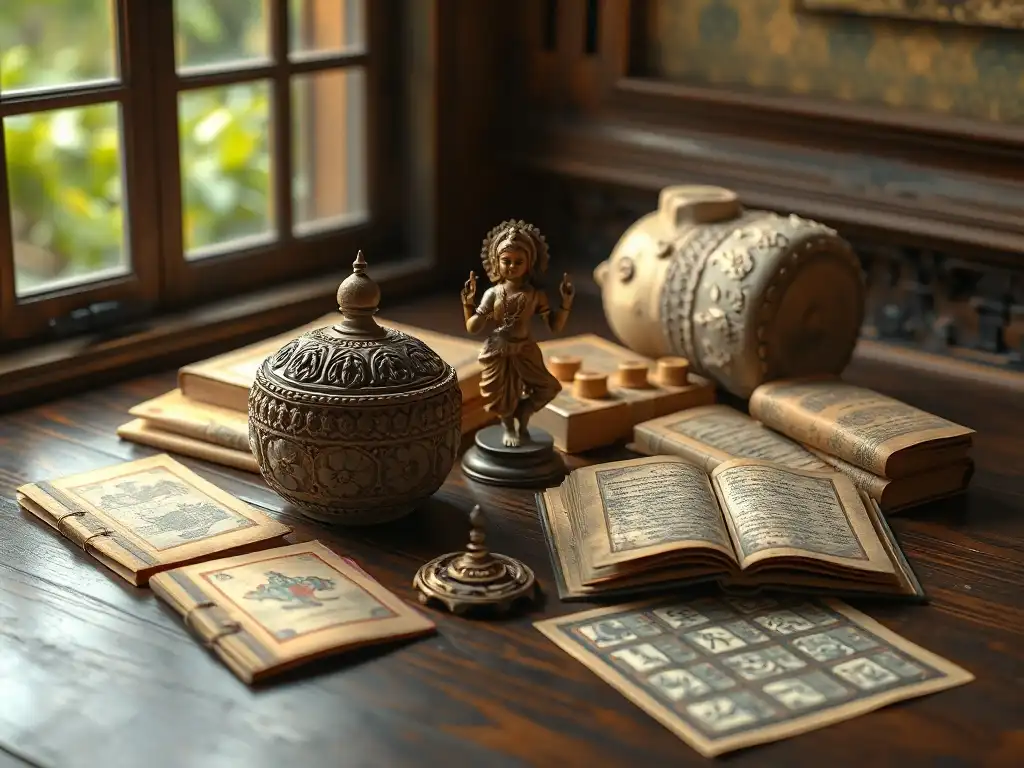
The interpretation of ancient Indian artifacts is a complex process that requires careful consideration of historical context, cultural significance, and artistic expression. These artifacts, ranging from pottery and tools to sculptures and inscriptions, provide invaluable insights into the daily lives, beliefs, and practices of ancient civilizations. Scholars and archaeologists meticulously study the materials, styles, and techniques used in the creation of these artifacts to unlock the stories they tell.
For instance, the intricate carvings found in temples and public spaces often reflect the religious and philosophical beliefs of the time. By analyzing the iconography and symbolism present in these works, researchers can piece together the spiritual and cultural narratives that were important to ancient Indian society. Additionally, the craftsmanship exhibited in pottery and metalwork reveals advancements in technology and trade, showcasing the sophistication of ancient artisans.
Moreover, the geographical distribution of artifacts can shed light on trade routes and interactions between different cultures. The presence of similar styles and materials across regions indicates the exchange of ideas and goods, suggesting a rich tapestry of interconnected civilizations. Thus, interpreting ancient Indian artifacts goes beyond mere observation; it involves a holistic approach that considers the interplay between art, culture, and history.
How Archaeologists Analyze Artifacts
Archaeologists employ a variety of methods to analyze ancient Indian artifacts, ensuring a comprehensive understanding of their context and significance. One crucial technique is stratigraphy, which involves studying the layers of soil and sediments where artifacts are found. This allows archaeologists to establish a chronological timeline, determining when the artifacts were created and used.
In addition to stratigraphic analysis, scientists utilize various dating methods, such as radiocarbon dating and thermoluminescence, to ascertain the age of organic materials and ceramics. These techniques provide a more accurate framework for understanding the timeline of ancient Indian civilization.
Furthermore, archaeologists often conduct detailed examinations of the materials used in artifacts. For example, the composition of metals in tools can reveal the technological capabilities of a society, while the clay used in pottery can indicate local resources and production techniques. Microscopic analysis may also be employed to identify wear patterns and usage, providing insights into how artifacts were utilized in daily life.
Collaboration with experts in fields such as anthropology, history, and art conservation enhances the analysis process. By integrating various disciplines, archaeologists can construct a more nuanced understanding of ancient Indian artifacts and their role within the broader narrative of civilization.
The Cultural Significance of Artifacts in Modern Times
In contemporary society, ancient Indian artifacts hold tremendous cultural significance, serving as symbols of heritage and identity. Museums and cultural institutions often display these artifacts, allowing the public to engage with and appreciate the rich history of ancient Indian civilizations. This accessibility fosters a sense of pride and connection to the past, especially among descendants of those ancient cultures.
Moreover, ancient artifacts continue to inspire modern artists and craftsmen, who draw upon traditional techniques and motifs in their work. This revival of interest in ancient art forms not only preserves traditional practices but also reinterprets them in the context of contemporary culture. The fusion of past and present can be seen in various art exhibitions and cultural festivals that celebrate India's artistic legacy.
Additionally, the study of ancient artifacts can inform discussions on social issues, such as cultural appropriation and preservation. By understanding the historical significance of these artifacts, contemporary society can engage in meaningful dialogues about ownership, representation, and the ethical responsibilities of preserving cultural heritage.
Conclusion: The Legacy of Ancient Indian Artifacts
The legacy of ancient Indian artifacts is profound, leaving an indelible mark on our understanding of civilization. These artifacts serve as tangible links to the past, offering glimpses into the complexities of ancient societies. They reveal the artistic creativity, technological advancements, and cultural values that shaped the fabric of daily life.
How Artifacts Shape Our Understanding of Ancient Indian Civilization
Artifacts play a pivotal role in shaping our understanding of ancient Indian civilization. They provide evidence of social structures, economic systems, and religious practices, enabling historians to construct a more complete picture of life in ancient times. For example, the discovery of seals from the Indus Valley Civilization has illuminated trade practices and administrative systems, while sculptures from the Gupta period have showcased advancements in art and philosophy.
Furthermore, artifacts allow us to examine the evolution of cultural practices over time. Changes in artistic styles, material use, and iconography can reflect shifts in societal norms and influences. By studying these transitions, we gain insights into how ancient Indian civilization adapted to internal and external challenges, contributing to its resilience and longevity.
The Importance of Preserving Ancient Indian Artifacts for Future Generations
Preserving ancient Indian artifacts is crucial for ensuring that future generations can appreciate and learn from their heritage. Conservation efforts safeguard these artifacts from environmental degradation, theft, and neglect. Museums, archaeological sites, and cultural organizations play vital roles in these preservation initiatives, employing both traditional and modern techniques to maintain the integrity of these historical treasures.
Moreover, educating the public about the significance of ancient artifacts fosters a collective sense of responsibility towards cultural heritage. By promoting awareness and understanding, we encourage individuals to participate in preservation efforts, ensuring that the legacies of ancient Indian civilizations are not only remembered but also celebrated for generations to come.
In essence, the history of ancient Indian artifacts is not merely a story of the past; it is a living narrative that continues to evolve as we uncover, interpret, and appreciate these remarkable remnants of human creativity and resilience.
References and Further Reading on Ancient Indian Artifacts History
To gain a deeper understanding of ancient Indian artifacts and their significance in revealing the complexities of civilization, a range of books, articles, and museum resources are available. These materials provide valuable insights and context regarding the art forms, cultural practices, and historical backgrounds associated with ancient Indian civilizations. Here, we highlight suggested readings and notable places to visit for those interested in exploring this fascinating topic further.
Suggested Books and Articles
-
"The Art and Architecture of India: Buddhist, Hindu, Jain" by Benjamin Rowland
This comprehensive book explores the rich artistic traditions of India, focusing on the historical context of various artifacts and their architectural counterparts. It provides an in-depth analysis of styles and influences that shaped ancient Indian art.
-
"The Indus Civilization: A Contemporary Perspective" by Gregory L. Possehl
This work specifically delves into the Indus Valley civilization, one of the earliest urban cultures in India. It discusses the artifacts unearthed from archaeological sites and what they reveal about the daily lives, trade, and social structures of the time.
-
"Ancient Indian Art" by R. N. Mehta
This book offers a detailed overview of the evolution of art in ancient India, covering various forms and styles, along with an exploration of the cultural significance of numerous artifacts.
-
Research articles from journals such as "Asian Art" and "Journal of Archaeological Science"
These journals publish peer-reviewed articles on archaeological findings, including studies on ancient Indian artifacts. They are excellent resources for the latest research and discoveries in the field.
Recommended Museums and Archaeological Sites
-
National Museum, New Delhi
The National Museum houses an extensive collection of ancient Indian artifacts, including sculptures, pottery, and textiles from different periods. It serves as a vital repository for understanding the historical and cultural context of these items.
-
Archaeological Museum, Hampi
Located in the UNESCO World Heritage Site of Hampi, this museum showcases artifacts from the Vijayanagara Empire, offering insights into the region's rich history and artistic achievements.
-
Ajanta Caves
The Ajanta Caves, famous for their exquisite rock-cut sculptures and frescoes, are a testament to ancient Indian artistic proficiency. Visiting these caves provides a direct experience of the artistry and religious significance of the artifacts.
-
Indus Valley Civilization Sites (e.g., Mohenjo-Daro and Harappa)
These archaeological sites offer a glimpse into one of the earliest urban civilizations in the world. The artifacts found here, including seals, pottery, and tools, reveal advanced urban planning and social organization.
-
Indian Museum, Kolkata
As the oldest museum in India, it boasts a vast collection of artifacts from various periods, including ancient sculptures, coins, and manuscripts, providing a comprehensive overview of India's historical narrative.
By engaging with these resources, readers can further enrich their understanding of ancient Indian artifacts and their pivotal role in unveiling the intricacies of past civilizations.
- Introduction to Ancient Indian Artifacts History
- The Rich Diversity of Ancient Indian Artifacts
- Key Ancient Indian Civilizations and Their Artifacts
- Techniques and Materials Used in Ancient Indian Artifacts
- The Interpretation of Ancient Indian Artifacts
- Conclusion: The Legacy of Ancient Indian Artifacts
- References and Further Reading on Ancient Indian Artifacts History
- What are ancient Indian artifacts?
- How do artifacts help us understand ancient Indian civilizations?
- What role did the Indus Valley Civilization play in artifact history?
- Which ancient Indian periods produced the most significant artifacts?
- How can I learn more about ancient Indian artifacts history?
Frequently Asked Questions
What are ancient Indian artifacts?
Ancient Indian artifacts are objects created by past civilizations in India, showcasing their artistry, technology, and culture. They include pottery, sculptures, tools, and jewelry that offer insights into historical life.
How do artifacts help us understand ancient Indian civilizations?
Artifacts provide valuable evidence of daily life, trade, and social structures in ancient India. They help historians and archaeologists piece together the cultural and technological advancements of civilizations like the Indus Valley and the Gupta Empire.
What role did the Indus Valley Civilization play in artifact history?
The Indus Valley Civilization is renowned for its advanced urban planning and remarkable artifacts, such as seals and pottery. These items illustrate their economy, religion, and social organization, highlighting their sophistication.
Which ancient Indian periods produced the most significant artifacts?
The Maurya and Gupta Empires are notable for producing a wealth of artifacts, including exquisite sculptures and coins. These items reflect their artistic achievements and help historians understand their political and cultural dynamics.
How can I learn more about ancient Indian artifacts history?
To delve deeper into ancient Indian artifacts history, explore books, documentaries, and online resources focused on archaeology and cultural heritage. Visiting museums with Indian antiquities can also provide firsthand experiences of these fascinating artifacts.
Final Reflection: Unveiling the Legacy of Ancient Indian Artifacts
The exploration of ancient Indian artifacts reveals not only the rich tapestry of civilization but also their profound relevance in today's world. As we delve into the intricate designs and cultural significance of these artifacts, we uncover stories that transcend time, reminding us of our shared human heritage. The mysteries embedded within these relics challenge us to reconsider our understanding of history and its impact on contemporary society.
Cultural artifacts serve as a bridge connecting us to our ancestors, offering insights into their lives, beliefs, and innovations. The ongoing fascination with ancient Indian artifacts continues to shape our cultural landscape, inspiring artists, historians, and enthusiasts alike. As the renowned historian R. S. Sharma once stated, Artifacts are the silent witnesses of our past, whispering stories that deserve to be heard.
This connection to history not only enriches our understanding of ancient civilizations but also fosters a sense of identity and continuity in our rapidly changing world.
As we reflect on the lessons learned from the study of ancient Indian artifacts, I invite you to consider how these insights can inspire your own journey. Take a moment to explore the stories behind the artifacts that surround you, whether they are from your own culture or others. Embrace the opportunity to learn from the past, allowing it to inform your present and shape your future. In doing so, we honor the legacy of those who came before us and ensure that their stories continue to resonate for generations to come.
Unveil the Secrets of Ancient Indian Artifacts Today!
Thank you for taking the time to explore the captivating world of ancient Indian artifacts with us! We hope you've enjoyed uncovering the mysteries they hold and the insights they provide into civilization's rich tapestry. Now, it's time to take action and deepen your connection with this fascinating history.
Here’s how you can engage with what you’ve learned:
- Join a local museum tour or exhibition to experience ancient Indian artifacts firsthand and enhance your understanding of their cultural significance.
- Share this article with friends or family who might be intrigued by ancient history, and spark a discussion about the meanings these artifacts hold for you.
- Consider volunteering for a conservation project that focuses on preserving ancient artifacts or cultural heritage within your community.
What aspect of ancient Indian artifacts fascinates you the most, and how do you believe they can reshape our understanding of civilization?