
Preserving the Past: The Importance of Conservation in Ancient Indian Art

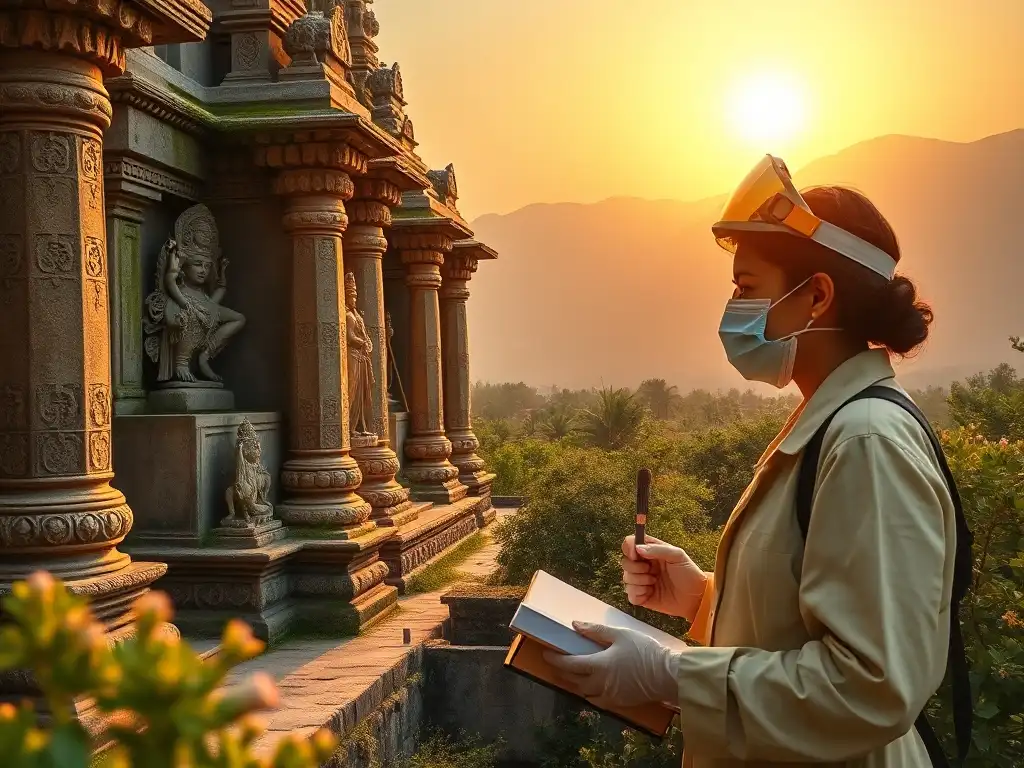
Welcome to Ancient India History, where we embark on a fascinating journey through the vibrant tapestry of ancient Indian civilizations. From the majestic Indus Valley to the illustrious Gupta Empire, we delve into the rich history and cultural contributions that have shaped our world. In our featured article, "Preserving the Past: The Importance of Conservation in Ancient Indian Art," we unravel the critical role conservation plays in safeguarding the exquisite artistry of our heritage.
Discover the stories behind these timeless creations and the efforts to ensure they endure for generations to come. Join us as we explore the depths of ancient artistry and inspire a deeper appreciation for our shared history!
Introduction to Ancient Indian Art and Its Significance
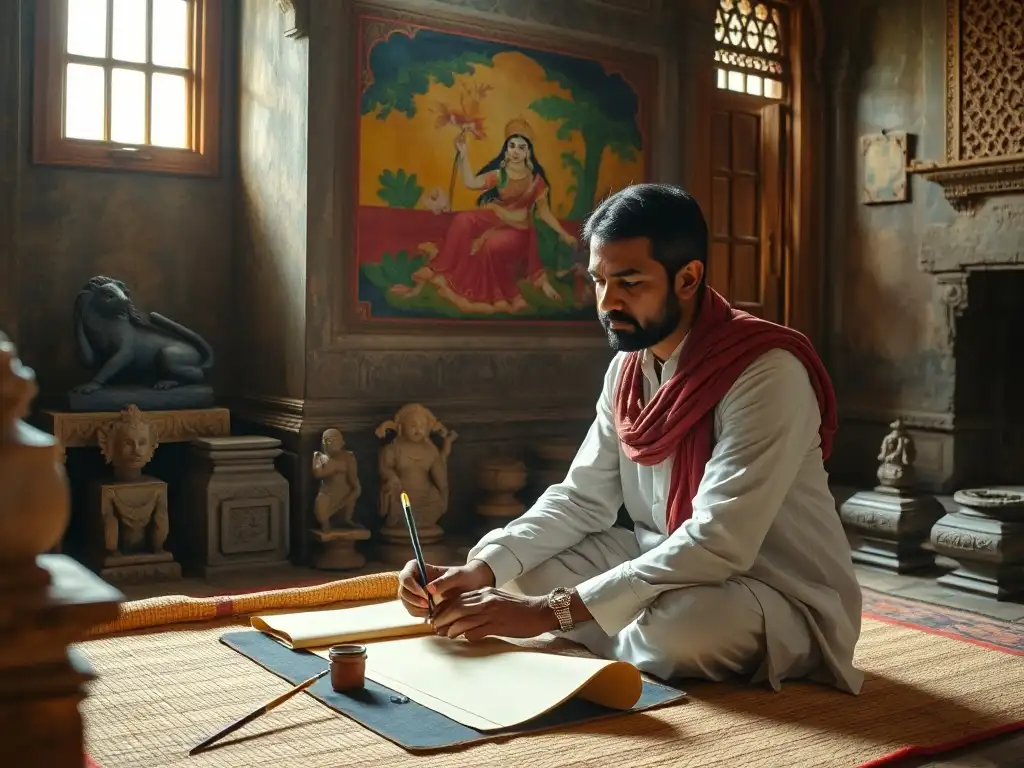
Ancient Indian art is a vivid tapestry that reflects the rich cultural and historical narratives of the subcontinent. Spanning thousands of years, from the sophisticated urban planning of the Indus Valley Civilization to the intricate sculptures of the Gupta Empire, this art form embodies the spiritual, philosophical, and artistic expressions of its time.
The significance of ancient Indian art extends beyond mere aesthetics; it serves as a crucial link to understanding the diverse traditions, beliefs, and innovations of ancient Indian civilizations. As we delve into the conservation of ancient Indian art, we uncover the necessity of preserving these invaluable artifacts, which not only enrich our knowledge of the past but also inspire future generations.
Overview of Ancient Indian Art
Ancient Indian art encompasses a broad spectrum of expressions, including:
- Sculpture: Renowned for its intricate carvings, particularly in stone and bronze, depicting deities, animals, and daily life scenes.
- Painting: From the frescoes of Ajanta to the intricate miniatures of Mughal times, painting has played a pivotal role in storytelling and cultural documentation.
- Architecture: The grandeur of temples, stupas, and palaces showcases the architectural mastery and religious devotion of ancient artisans.
The evolution of these art forms reflects the socio-political dynamics, religious transformations, and technological advancements of different eras, making them essential for understanding ancient Indian society.
The Role of Visual Arts in Ancient Indian Culture
Visual arts were integral to ancient Indian culture, serving various purposes, such as:
- Religious Expression: Many artworks were created for worship and rituals, facilitating a connection between the divine and the community.
- Cultural Identity: Art represented the unique identities of various regions and communities, showcasing local customs, attire, and traditions.
- Historical Documentation: Artworks often depicted historical events, societal norms, and significant figures, acting as visual chronicles of the time.
Through these roles, visual arts not only enriched cultural life but also fostered a sense of belonging and pride among communities.
Understanding Conservation of Ancient Indian Art
Definition of Art Conservation
Art conservation refers to the scientific and ethical practice of preserving, repairing, and maintaining artworks to ensure their longevity and integrity. This process involves:
- Assessment: Evaluating the condition of artworks to determine necessary interventions.
- Restoration: Carefully repairing damaged pieces while maintaining their original aesthetics and historical context.
- Preventive Measures: Implementing strategies to protect artworks from environmental damage, pests, and human interference.
Conservation is not merely a technical endeavor; it is a commitment to safeguarding cultural heritage for future generations.
Importance of Conservation in Preserving Cultural Heritage
The conservation of ancient Indian art is vital for several reasons:
- Cultural Continuity: Preserving art helps maintain a connection to the past, allowing future generations to appreciate and learn from their heritage.
- Educational Value: Conserved artifacts serve as educational tools, providing insights into ancient societies, beliefs, and practices.
- Economic Impact: Well-preserved art attracts tourism, contributing to local economies and fostering a sense of pride among communities.
The conservation of ancient Indian art is not just about safeguarding objects; it is about nurturing the narratives, identities, and histories that these artworks represent. Through effective conservation efforts, we can ensure that the rich legacy of ancient Indian civilizations continues to inspire and educate in the years to come.
Historical Context of Ancient Indian Art Conservation
The conservation of ancient Indian art has deep roots in the region's rich cultural and historical tapestry. From the intricate sculptures of the Indus Valley Civilization (around 2500 BCE) to the exquisite frescoes of the Ajanta and Ellora caves (circa 2nd century BCE to 6th century CE), ancient Indian art reflects a history marked by religious fervor, social dynamics, and evolving artistic techniques.
Historically, preservation methods were often tied to religious practices, as many artworks were created for temples and sacred spaces. Artisans and devotees took great care in maintaining these creations, often through rituals that involved offerings and regular maintenance. Additionally, texts from ancient scholars, such as the "Vishnudharmottara Purana," provide insights into techniques for preserving art, suggesting that the importance of conservation was recognized even in antiquity.
Traditional Methods of Preservation Used in Ancient India
Ancient Indian artists and craftsmen employed various traditional methods to preserve their works. These methods often included the following:
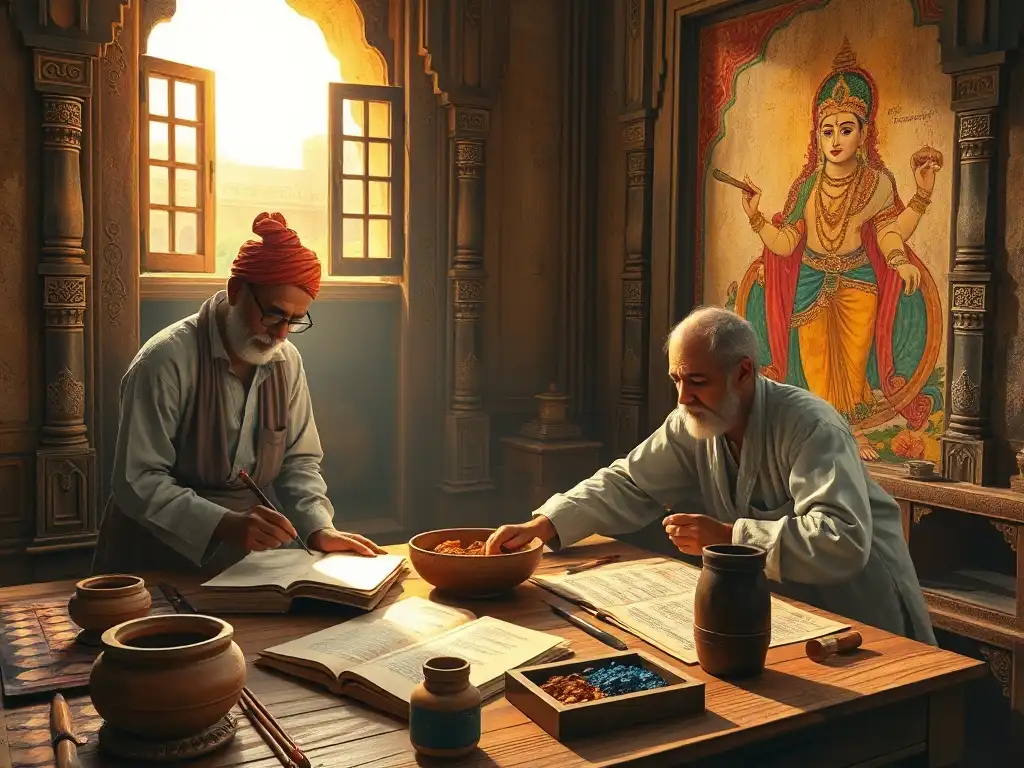
- Use of Natural Materials: Artists utilized locally sourced materials such as natural pigments, clay, and stone that were inherently durable. For example, the use of mineral-based colors in frescoes ensured that the artwork could withstand the test of time.
- Protective Coatings: Many ancient sculptures were coated with oils and waxes to protect them from moisture and erosion. This practice not only enhanced the visual appeal but also provided a barrier against environmental damage.
- Ritual Maintenance: In many cases, the artworks were maintained through ritualistic practices. This included regular cleaning and offerings, which were integral to the cultural significance of the art.
These methods highlight the sophisticated understanding ancient Indian civilizations had about materials and environmental factors influencing the longevity of their artistic creations.
Key Historical Events Influencing Art Conservation
Several significant historical events have shaped the conservation landscape of ancient Indian art:
- Colonial Era: The arrival of British colonial rule in the 18th century led to increased interest in India's cultural heritage. However, many artworks were removed from their original contexts for display in museums, often leading to neglect and damage.
- Independence Movement: The struggle for independence fostered a renewed interest in Indian heritage and identity. This period saw the establishment of various institutions dedicated to the preservation of art and culture, with efforts to restore damaged artworks and artifacts.
- Post-Independence Development: After independence in 1947, there was a significant push towards the conservation of ancient Indian art, with government initiatives and policies aimed at safeguarding the nation's cultural heritage. Organizations such as the Archaeological Survey of India (ASI) began to play a crucial role in conservation efforts.
These events underscore the dynamic relationship between historical contexts and the preservation of ancient Indian art.
Current Challenges in the Conservation of Ancient Indian Art
Despite the rich historical context of conservation, several contemporary challenges threaten the preservation of ancient Indian art.
Environmental Factors Affecting Art Preservation
Natural elements pose significant threats to ancient artworks. Factors such as:
- Climate Change: Increasing temperatures and erratic weather patterns can lead to accelerated deterioration of artworks, particularly those exposed to the elements.
- Pollution: Urbanization has resulted in higher levels of air and water pollution, which can damage stone, metal, and paint used in ancient artworks.
These environmental issues necessitate innovative conservation strategies to shield artworks from ongoing degradation.
Human Impact on Ancient Artworks
Human activities significantly contribute to the challenges faced in conserving ancient art. Some critical aspects include:
- Urban Development: Rapid urbanization often leads to the destruction of sites housing ancient artworks, as construction projects can inadvertently damage or obliterate these cultural treasures.
- Tourism Pressure: While tourism can generate revenue for conservation projects, it can also lead to wear and tear on artworks due to increased foot traffic and unauthorized interactions.
- Illegal Trade and Theft: The black market for antiquities poses a severe threat to the integrity of ancient Indian art, as many valuable pieces are stolen and sold illegally, disrupting the cultural heritage landscape.
Lack of Awareness and Resources for Conservation Efforts
A significant barrier to effective conservation is the lack of awareness and resources dedicated to these efforts. Challenges in this area include:
- Limited Funding: Many conservation projects rely on government or private funding, which can be sporadic and insufficient to meet the extensive needs of preservation.
- Public Awareness: There is often a gap in public understanding of the importance of art conservation, leading to neglect and underappreciation of ancient artworks.
- Training and Expertise: A shortage of trained conservators equipped to handle the unique challenges presented by ancient Indian art further complicates preservation efforts.
Addressing these challenges is vital to ensure the longevity of ancient Indian art for future generations.
Effective Strategies for Conservation of Ancient Indian Art
The conservation of ancient Indian art is a multifaceted endeavor that requires a combination of traditional practices and modern methodologies. Effective strategies can be categorized into preventive conservation, restoration, and documentation. Each of these plays a crucial role in ensuring the longevity of these invaluable cultural artifacts.
- Preventive Conservation: This strategy focuses on minimizing risks to the artwork through controlled environments. Factors such as temperature, humidity, and light exposure are meticulously monitored in galleries and museums. For instance, the use of climate-controlled display cases can protect delicate sculptures and paintings from environmental degradation.
- Restoration Techniques: When artworks have suffered damage, restoration techniques are employed to repair and stabilize them. This may involve careful cleaning, filling in losses with compatible materials, and using reversible adhesives. Conservators often strive to maintain the original look of the art while ensuring its structural integrity.
- Documentation: Thorough documentation of each piece of art is essential. This includes high-resolution photography, detailed condition reports, and historical context. Such records not only assist in ongoing conservation efforts but also serve as a valuable resource for future researchers.
Modern Techniques in Art Conservation
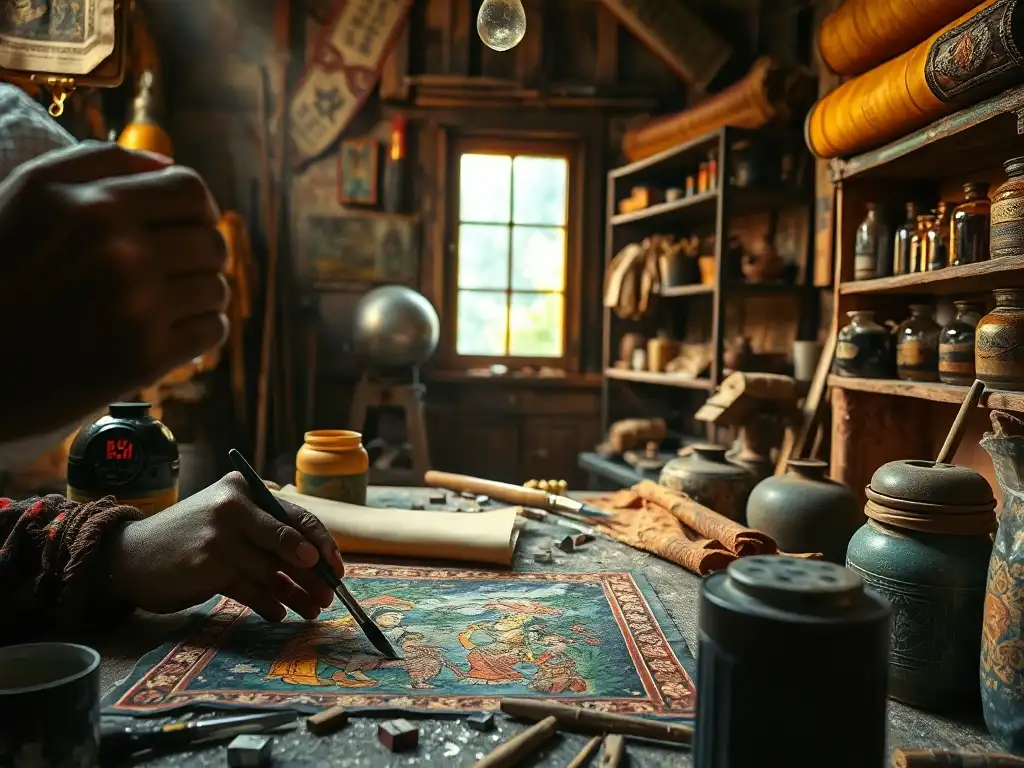
Modern conservation techniques have revolutionized the approach to preserving ancient Indian art. These techniques integrate scientific advancements and art historical knowledge to develop effective solutions.
- Chemical Analysis: The use of chemical analysis helps conservators understand the materials used in the creation of artworks. Techniques such as spectroscopy and chromatography allow for the identification of pigments, binders, and other materials, which inform the restoration process.
- Digital Imaging: High-resolution digital imaging technology provides a non-invasive method to analyze artworks. Techniques such as infrared reflectography and ultraviolet fluorescence can reveal underlying sketches or previous restorations, offering insight into the artist's process.
- Microbial and Pest Control: The presence of mold, insects, and other biological threats can severely damage artworks. Modern conservation employs biocides and integrated pest management (IPM) to safeguard against these threats while minimizing harm to the artwork itself.
Role of Technology in Preserving Ancient Art
Technology plays a pivotal role in the conservation of ancient Indian art, providing tools and methodologies that enhance preservation efforts.
- 3D Scanning and Printing: Advanced 3D scanning technology allows for the creation of accurate digital replicas of sculptures and artifacts. This not only aids in preservation but also enables the public to engage with these works in new ways. 3D printing can also be used for creating replacement parts for damaged artifacts.
- Virtual Reality (VR): VR technology is being utilized to create immersive experiences that allow individuals to explore ancient sites and artworks in a virtual environment. This not only aids in education but also raises awareness about the importance of conservation.
- Data Management Systems: Digital platforms help in cataloging and managing vast collections of ancient art. These systems ensure that information about the condition, provenance, and conservation history of artworks is readily accessible to conservators and researchers.
Collaboration Between Government and Non-Governmental Organizations
The conservation of ancient Indian art often requires collaboration between government bodies and non-governmental organizations (NGOs). This partnership enhances resource allocation, expertise, and outreach efforts.
- Funding and Resources: Government funding can significantly bolster conservation initiatives, while NGOs often provide specialized knowledge and community engagement. Joint projects can lead to more comprehensive conservation programs that address both preservation and public education.
- Awareness Campaigns: NGOs frequently conduct awareness campaigns that highlight the importance of preserving cultural heritage. These initiatives can mobilize community involvement, encouraging local populations to take an active role in protecting their artistic heritage.
- Training Programs: Collaborative training programs between government institutions and NGOs help build a skilled workforce in conservation. Workshops and internships can provide hands-on experience for aspiring conservators, ensuring a new generation is equipped to tackle conservation challenges.
Case Studies in the Conservation Efforts of Ancient Indian Art
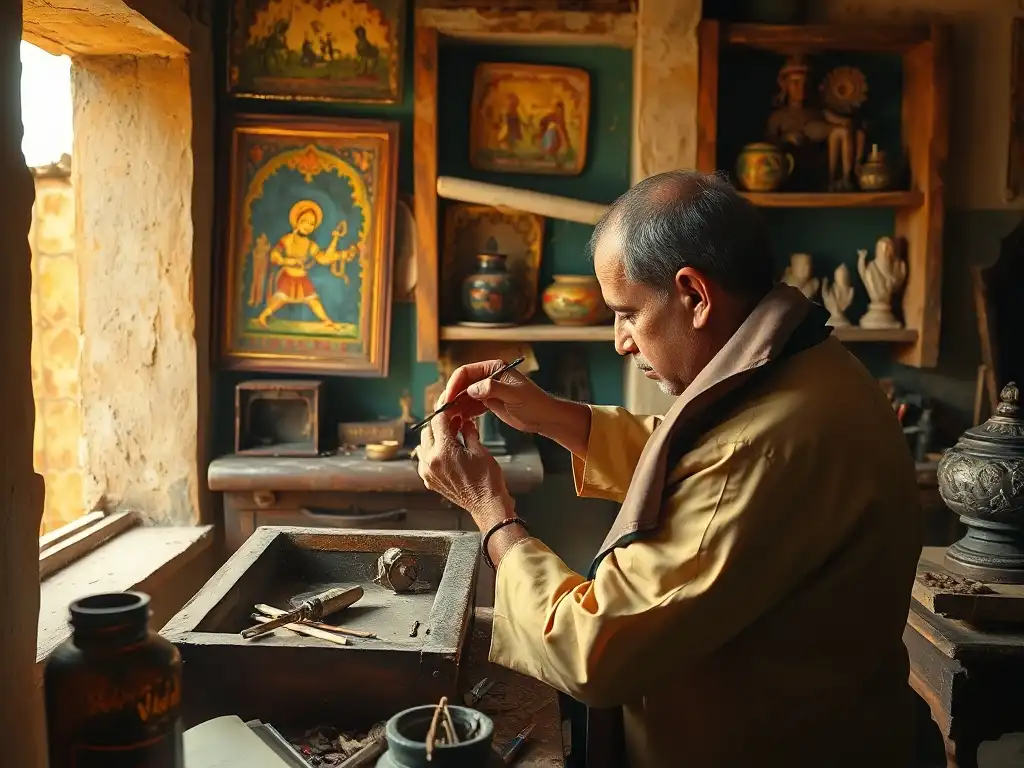
Successful Conservation Projects in India
Several conservation projects in India exemplify successful efforts in preserving ancient art. One notable example is the conservation of the Ajanta Caves, a UNESCO World Heritage Site. This project involved meticulous cleaning, structural stabilization, and the use of modern techniques to prevent further deterioration of the frescoes and sculptures. The collaborative effort between the Archaeological Survey of India (ASI) and international conservation teams has led to the preservation of these invaluable works for future generations.
Another successful project is the restoration of the paintings in the Shekhawati region of Rajasthan. Local NGOs partnered with art historians and conservationists to document and restore these fading murals, raising awareness and attracting tourism to the area.
Lessons Learned from Failed Conservation Attempts
While many conservation efforts have succeeded, there are also significant lessons to be learned from failures. One example is the restoration of the famous Chola bronzes, where the use of inappropriate materials led to irreversible damage. This case highlights the importance of thorough research and consultation with experts before undertaking restoration work.
Another failure involved the application of aggressive cleaning methods on ancient textiles, resulting in the loss of original colors and textures. Such instances underscore the necessity of employing gentle, non-invasive techniques and the value of preserving the artist's intent. By analyzing these failures, conservators can refine their practices and prevent similar mistakes in future projects.
The Future of Conservation in Ancient Indian Art
The future of conservation in ancient Indian art is a critical area of focus, as it combines technological advancements with a deeper understanding of cultural significance. With the increasing threats posed by urbanization, climate change, and pollution, it is essential to adopt dynamic and effective conservation strategies. Experts predict a shift towards more interdisciplinary approaches, integrating art history, archaeology, and environmental science to develop comprehensive preservation techniques.
Moreover, the use of digital technologies is expected to revolutionize the conservation landscape. Techniques such as 3D scanning, virtual reality, and machine learning can facilitate the documentation and analysis of ancient artworks, allowing for more precise restoration efforts. This digital preservation not only helps in maintaining the integrity of the original art but also makes it accessible to a global audience, fostering greater appreciation and understanding of ancient Indian culture.
Importance of Education and Awareness in Conservation
Education and awareness are paramount in the conservation of ancient Indian art. By fostering a sense of responsibility and stewardship among the public, we can ensure that future generations value and protect these cultural treasures. Educational programs, workshops, and community outreach initiatives can play a significant role in instilling knowledge about the historical and cultural significance of ancient artworks.
Schools and universities are increasingly incorporating conservation studies into their curricula, highlighting the importance of preserving heritage. Collaborations between cultural institutions and educational bodies can lead to innovative projects that engage students and the community in hands-on conservation efforts. Increased awareness can also lead to advocacy for policies that support the conservation of ancient art, ensuring that funding and resources are allocated for these essential projects.
Potential Innovations in Art Preservation Techniques
The field of art preservation is continuously evolving, with researchers and conservators exploring innovative techniques to safeguard ancient Indian artworks. One promising area is the use of nanotechnology in conservation materials. Nanomaterials can provide effective solutions for cleaning and protecting artworks without causing damage to the original materials. For instance, nano-coatings can enhance the durability of fragile surfaces, preventing deterioration caused by environmental factors.
Additionally, advancements in chemical analysis are enabling conservators to better understand the composition of pigments and binding agents used in ancient art. This knowledge allows for more accurate restoration techniques that respect the original methods employed by artisans. Furthermore, the integration of artificial intelligence in cataloging and monitoring artworks can streamline conservation efforts, providing real-time data on environmental conditions and potential threats to artworks.
Conclusion: The Imperative of Conservation for Future Generations
The conservation of ancient Indian art is not merely about preserving artifacts; it is about safeguarding the narratives and identities that these works represent. As custodians of cultural heritage, it is our responsibility to ensure that future generations have access to the rich tapestry of history embedded within these artworks. The sustainable conservation of ancient art is integral to maintaining the cultural fabric of society, promoting a sense of continuity and belonging.
Recap of the Importance of Conserving Ancient Indian Art
The conservation of ancient Indian art is essential for preserving historical narratives, fostering cultural identity, and promoting education. The threats posed by modernity necessitate a proactive approach that incorporates innovation, community involvement, and increased awareness. By valuing and investing in conservation efforts, we honor the legacy of our ancestors and ensure that their contributions are not lost to time.
Call to Action for Community Involvement in Conservation Efforts
Community involvement is crucial in the conservation of ancient Indian art. Individuals can play a significant role by participating in local conservation initiatives, volunteering for restoration projects, or supporting organizations dedicated to preserving cultural heritage. Raising awareness within communities can also lead to grassroots movements advocating for the protection of local artworks and heritage sites.
By coming together, we can create a culture of conservation that not only enhances our understanding of ancient Indian art but also ensures its preservation for future generations. Every small effort counts in the larger picture of safeguarding our rich heritage, and together, we can make a significant impact.
- Introduction to Ancient Indian Art and Its Significance
- Understanding Conservation of Ancient Indian Art
- Historical Context of Ancient Indian Art Conservation
- Traditional Methods of Preservation Used in Ancient India
- Key Historical Events Influencing Art Conservation
- Current Challenges in the Conservation of Ancient Indian Art
- Effective Strategies for Conservation of Ancient Indian Art
- Modern Techniques in Art Conservation
- Role of Technology in Preserving Ancient Art
- Collaboration Between Government and Non-Governmental Organizations
- Case Studies in the Conservation Efforts of Ancient Indian Art
- The Future of Conservation in Ancient Indian Art
- Conclusion: The Imperative of Conservation for Future Generations
- What is the significance of conservation of ancient Indian art?
- How does conservation impact the understanding of ancient Indian civilizations?
- What are some common methods used in the conservation of ancient Indian art?
- Who is responsible for the conservation of ancient Indian art?
- Why is it important to involve the community in the conservation of ancient Indian art?
Frequently Asked Questions
What is the significance of conservation of ancient Indian art?
The conservation of ancient Indian art is crucial for preserving the cultural heritage and historical knowledge of India's diverse civilizations, ensuring future generations can appreciate their artistic achievements.
How does conservation impact the understanding of ancient Indian civilizations?
Conservation allows us to study and interpret the artworks, providing insights into the social, religious, and economic aspects of ancient Indian life, helping us understand their values and beliefs.
What are some common methods used in the conservation of ancient Indian art?
Common methods include chemical treatments, environmental controls, and physical repairs, all aimed at maintaining the integrity and authenticity of the artworks while preventing further deterioration.
Who is responsible for the conservation of ancient Indian art?
Various stakeholders, including government agencies, non-profit organizations, and local communities, play roles in the conservation of ancient Indian art, often collaborating to ensure effective preservation.
Why is it important to involve the community in the conservation of ancient Indian art?
Involving the community fosters a sense of ownership and responsibility towards their cultural heritage, promoting awareness and appreciation for ancient art, which is vital for its long-term preservation.
Final Reflection: Embracing Our Heritage through Conservation
The conservation of ancient Indian art is not merely an academic pursuit; it is a vital bridge connecting us to our rich cultural heritage. In today's rapidly changing world, the preservation of these artistic treasures is more crucial than ever. As globalization threatens to overshadow local traditions, we must recognize that the art of our ancestors holds invaluable lessons and stories that shape our identity. The urgency to conserve these artifacts is not just about safeguarding the past; it is about ensuring that future generations can appreciate and learn from the artistic expressions that define our history.
The influence of ancient Indian art extends far beyond museum walls; it permeates our cultural and social fabric. Each piece of art tells a story, reflecting the values, beliefs, and experiences of those who came before us. As we engage with these works, we foster a deeper understanding of our roots and the diverse narratives that contribute to our collective identity. Art is the most beautiful of all lies.
This quote reminds us that while art may be a representation of reality, it also serves as a powerful medium for connection and reflection. The ongoing efforts to conserve these masterpieces are essential in keeping these narratives alive, allowing us to draw inspiration from the past as we navigate the complexities of the present.
As we conclude this exploration of the conservation of ancient Indian art, I invite you to reflect on your own relationship with cultural heritage. Consider how you can contribute to the preservation of our shared history, whether through advocacy, education, or simply by appreciating the art around you. Let us all take action to ensure that the vibrant stories of our ancestors continue to resonate, inspiring future generations to cherish and uphold the beauty of our cultural legacy. Together, we can make a difference in preserving the past for a brighter future.
Embrace and Protect Our Heritage Today!
Thank you for taking the time to explore the vital role of conservation in preserving ancient Indian art. Your interest demonstrates a commitment to safeguarding our rich cultural heritage, and every effort makes a significant difference!
To ensure that these timeless treasures endure for future generations, consider taking the following meaningful actions:
- Join a local conservation group or volunteer your time to assist with preservation efforts in your community.
- Share this article with friends, family, or online communities to raise awareness about the importance of our heritage.
- Visit local museums or exhibitions that showcase ancient Indian art, and engage in workshops to deepen your understanding.
How do you plan to contribute to the preservation of ancient art in your own life?