
How to Create an Effective Export Business Plan for Indian Products


Welcome to Ancient India History, where we embark on a fascinating journey through the rich tapestry of India's past, illuminating the remarkable civilizations that shaped our world. Today, we delve into an essential aspect of modern entrepreneurship—crafting an effective export business plan for Indian products.
As we explore the intricate connections between ancient trade practices and contemporary business strategies, you'll uncover insights that not only celebrate India’s historical significance but also empower you to thrive in today’s global marketplace. Get ready to ignite your curiosity and discover how the legacies of the Indus Valley to the Gupta Empire continue to influence the art of business in India.
- Introduction to Export Business Plan for India
- Key Components of an Effective Export Business Plan
- Product Selection: Choosing the Right Indian Goods for Export
- Financial Planning: Budgeting for Your Export Business
- Legal and Regulatory Considerations for Exporting from India
- Marketing Strategies for Your Export Business
- Logistics and Distribution: Getting Indian Products to Market
- Conclusion: Steps to Launch Your Export Business Plan for India
-
Frequently Asked Questions
- What is an export business plan?
- Why is an export business plan important for Indian products?
- What key components should be included in the export business plan?
- How can I identify the right market for exporting Indian products?
- What challenges might I face when creating an export business plan for Indian products?
- Final Reflection: Crafting a Vision for Global Trade
- Unleash Your Export Potential Today!
Introduction to Export Business Plan for India
Creating an effective export business plan is a crucial step for any entrepreneur looking to venture into the international market with Indian products. Given India's rich tapestry of history, culture, and diverse offerings, the potential for successful exports is immense.
An export business plan not only provides a roadmap for your business but also serves as a crucial tool for securing funding, managing risks, and identifying market opportunities. In this article, we will explore the key elements of developing a comprehensive export business plan tailored to the unique landscape of Indian products, guiding you through the process from initial research to execution.
Understanding the Importance of a Robust Export Business Plan
A well-structured export business plan acts as a blueprint for your international trading endeavors. It outlines the strategic approach to entering foreign markets and highlights the unique selling propositions of your products. Here are some critical reasons why having a robust export business plan is essential:
- Market Analysis: A thorough business plan encourages extensive market research, helping you understand demand, competition, and cultural nuances in target countries.
- Financial Projections: It allows for accurate forecasting of revenue, costs, and profitability, thereby enabling informed financial decisions.
- Risk Management: Identifying potential challenges and developing contingency plans helps mitigate risks associated with international trade.
- Attracting Investors: A detailed plan demonstrates your commitment and understanding of the market, making it easier to secure funding from investors or financial institutions.
- Compliance and Regulations: Exporting goods involves navigating various legal and regulatory frameworks. A solid plan includes compliance strategies to ensure adherence to international trade laws.
A robust export business plan is indispensable for success in the competitive global marketplace, providing clarity and direction for your business activities.
Overview of Indian Products in the Global Market
India is known for its diverse range of products, which cater to various international markets. From textiles and handicrafts to pharmaceuticals and agricultural products, the potential for exports is vast. Here’s a closer look at some prominent categories of Indian products that have gained traction globally:
- Textiles and Apparel: India is one of the largest producers of textiles, with traditional handicrafts and contemporary fashion garments being highly sought after.
- Pharmaceuticals: Known as the "pharmacy of the world," India exports a significant volume of generic medicines and active pharmaceutical ingredients (APIs).
- Agricultural Products: With a rich agricultural heritage, India exports spices, tea, rice, and various fruits and vegetables, appealing to health-conscious consumers worldwide.
- Handicrafts and Home Decor: Indian artisans produce exquisite handicrafts that reflect the country’s rich cultural heritage, making them popular in international markets.
- IT and Software Services: India's booming IT sector also plays a crucial role in exports, providing software solutions and services to global clients.
By understanding the landscape of Indian products in the global market, entrepreneurs can tailor their export business plans to capitalize on these opportunities and navigate the complexities of international trade effectively.
Key Components of an Effective Export Business Plan

An export business plan serves as a roadmap for your venture, guiding you through the complexities of international trade and helping you navigate the competitive landscape. To ensure your plan is effective, it should encompass several key components that align with your export goals, especially when focusing on Indian products. Here are the essential elements to include:
Executive Summary: Capturing the Essence of Your Export Vision
The executive summary is the first impression of your export business plan and should succinctly summarize the core aspects of your vision. It should include:
- Business Overview: Briefly describe your business, including its name, location, and the types of Indian products you intend to export.
- Objectives: Outline your specific goals, such as revenue targets, market penetration, or establishing brand presence in foreign markets.
- Unique Selling Proposition (USP): Highlight what makes your products distinctive, such as traditional craftsmanship, quality, or sustainability.
- Financial Overview: Provide a snapshot of your expected financial performance, including projected sales, funding requirements, and profitability timelines.
An impactful executive summary can capture the interest of stakeholders and potential investors, making it a crucial starting point for your export business plan.
Market Research: Analyzing Demand for Indian Products
Conducting thorough market research is vital in understanding the landscape in which you plan to operate. This involves identifying potential customers, assessing market trends, and evaluating the demand for your specific products. Here are the steps to effectively analyze demand for Indian products:
Identifying Target Markets for Indian Exports
- Geographic Focus: Determine which countries or regions have a demand for your products. Utilize resources such as trade statistics, market reports, and government publications to identify potential markets.
- Cultural Preferences: Understand the cultural nuances and preferences in the target markets. Products from India may resonate differently based on local tastes and traditions. For example, handcrafted textiles may be more appealing in regions that value artisanal goods.
- Regulatory Environment: Research trade regulations, tariffs, and import restrictions in target markets that could affect your export operations. For instance, some countries may have stringent quality standards for food products or textiles.
By pinpointing target markets, you can tailor your export strategy to meet the specific needs and preferences of your potential customers, enhancing your chances of success.
Competitor Analysis: Learning from Successful Exporters
Understanding your competition is critical for positioning your business effectively in the export market. Conduct a thorough competitor analysis by considering the following aspects:
- Market Positioning: Identify key players in your target markets and analyze their product offerings, pricing strategies, and market presence. This will help you understand where your business fits within the competitive landscape.
- Strengths and Weaknesses: Evaluate the strengths and weaknesses of your competitors. For example, a competitor may have a strong brand presence but may lack in customer service. Use this information to find gaps in the market that your business can fill.
- Marketing Strategies: Analyze the marketing tactics employed by successful exporters. This could include their online presence, participation in trade shows, or partnerships with local distributors. Understanding these strategies can inform your own marketing efforts.
A well-rounded competitor analysis not only helps you identify potential threats but also provides insights into best practices that can be adopted or adapted for your own export business.
By focusing on these key components, your export business plan for India will be better positioned to navigate the complexities of international trade, ultimately leading to a successful venture in the global marketplace.
Product Selection: Choosing the Right Indian Goods for Export
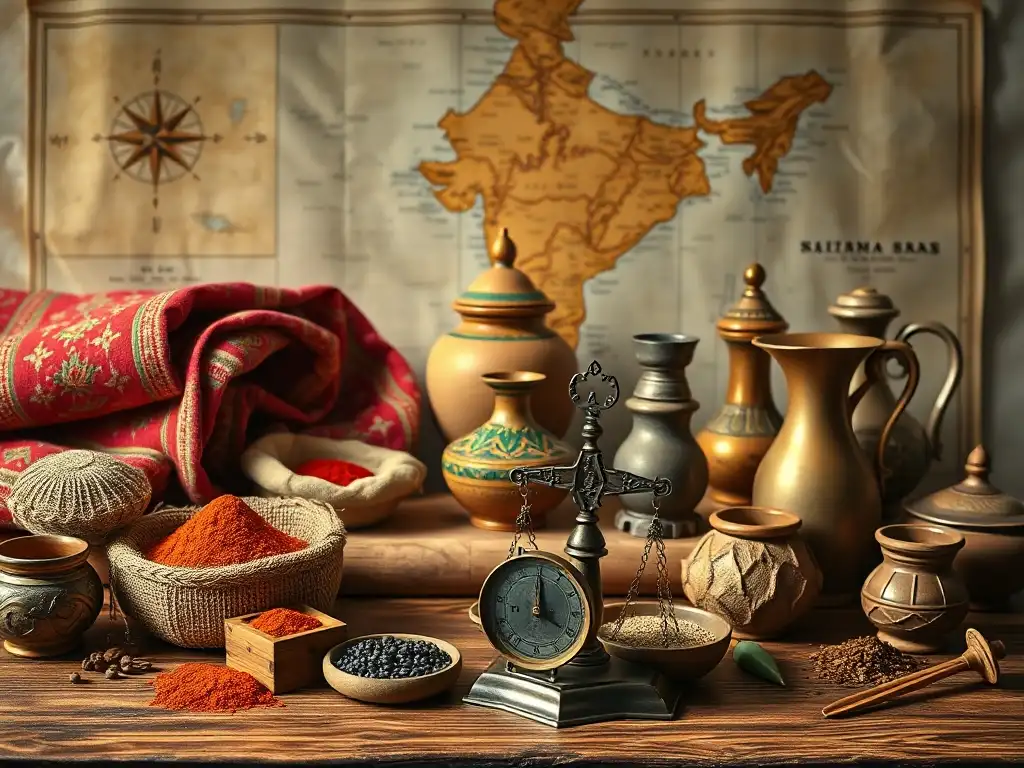
Choosing the right products for export is a crucial first step in creating an effective export business plan for India. Understanding market demand, cultural significance, and unique selling propositions is essential in this process. When selecting products, consider the following popular categories that represent the rich heritage and diverse offerings of India.
Popular Categories of Indian Products for Export
Handicrafts: Emphasizing India's Artisan Heritage
India's handicrafts are renowned for their intricate designs and craftsmanship, reflecting the country's vibrant cultural heritage. The export of handicrafts not only supports local artisans but also showcases India's unique artistry to the world. Some popular handicraft items include:
- Wooden crafts: Furniture, carvings, and decorative items made from various types of wood.
- Pottery: Traditional clay pots, terracotta items, and decorative ceramics.
- Metal crafts: Brass, copper, and silver items, including utensils and decorative pieces.
The handicraft sector is not only profitable but also sustainable, as it utilizes local materials and traditional techniques. By connecting artisans directly with international markets, exporters can help preserve India's rich artisan culture.
Spices: Tapping into the Global Love for Indian Flavors
India is often dubbed the "Land of Spices," and for good reason. The global demand for Indian spices continues to grow, making it a lucrative export category. Key spices that are highly sought after include:
- Turmeric: Known for its health benefits and vibrant color.
- Cumin: A staple in various cuisines worldwide.
- Cardamom: Valued for its aromatic flavor and versatility.
The spice trade not only allows exporters to capitalize on India's agricultural bounty but also promotes culinary diversity across the globe. By focusing on organic and high-quality spices, exporters can enhance their competitiveness in international markets.
Textiles: Promoting Indian Weaving Traditions
Indian textiles hold a significant place in global fashion markets, with a rich history of weaving traditions that date back thousands of years. The textile industry includes a variety of products, such as:
- Saris: Traditional garments that are popular in many countries.
- Scarves and stoles: Lightweight and versatile accessories made from silk, cotton, and wool.
- Home textiles: Bed linens, tablecloths, and curtains that showcase Indian designs.
The demand for sustainable and ethically produced textiles has created a niche for exporters who can promote the stories behind their products. By highlighting traditional weaving techniques and fair trade practices, exporters can appeal to conscious consumers worldwide.
Evaluating Product Viability: Factors to Consider
When selecting products for export, it's essential to evaluate their viability based on several critical factors:
- Market Demand: Research current trends and consumer preferences in target markets to ensure there is sufficient demand for the products.
- Regulatory Requirements: Understand the export regulations, including certifications and standards that may be required for specific products in different countries.
- Cost of Production: Calculate the costs associated with sourcing, manufacturing, and exporting products to ensure profitability.
- Supply Chain Logistics: Assess the logistics of transporting products from India to international markets, including shipping costs, customs duties, and delivery times.
- Cultural Relevance: Analyze the cultural significance of the products in the target market to strengthen marketing strategies and enhance customer engagement.
By carefully considering these factors, exporters can create a solid foundation for their export business plan for India, ensuring long-term success in the global marketplace.
Financial Planning: Budgeting for Your Export Business

Creating a robust financial plan is crucial for the success of any export business, especially when dealing with the diverse and sometimes volatile markets associated with Indian products. A well-structured budget not only helps in tracking expenses but also ensures that you have a clear understanding of your financial standing. This section will delve into the intricacies of cost analysis and pricing strategy, both of which are essential for an effective export business plan for India.
Cost Analysis: Understanding Export Expenses
Understanding the various costs involved in exporting is fundamental to developing a sound financial plan. These costs can be broadly classified into two categories: fixed costs and variable costs. Each type plays a significant role in determining the overall financial health of your export business.
Fixed Costs vs. Variable Costs in Exporting
- Fixed Costs: These are expenses that remain constant regardless of the volume of goods exported. Examples include:
- Rent: Costs associated with warehouse or office space.
- Salaries: Regular payments to employees, regardless of sales performance.
- Insurance: Premiums for protecting goods in transit.
- Variable Costs: Unlike fixed costs, these fluctuate based on the quantity of goods exported. Key components include:
- Shipping and Freight: Costs vary depending on the size and weight of the shipment.
- Customs Duties and Taxes: These expenses can change with different markets and trade agreements.
- Packaging: Costs associated with preparing products for export can vary by product and destination.
Understanding the distinction between these costs allows exporters to better forecast their financial needs and manage cash flow effectively. A thorough cost analysis can also identify areas where cost savings might be achieved, enhancing overall profitability.
Pricing Strategy: Setting Competitive Prices for Indian Products
Setting the right price for your products is pivotal in attracting international buyers while ensuring profitability. A well-thought-out pricing strategy incorporates various factors to remain competitive in the global market.
Calculating Export Pricing: Costs, Margins, and Market Rates
To establish a pricing strategy, consider the following components:
- Cost of Goods Sold (COGS): This includes all direct costs associated with producing your product, such as materials, labor, and overhead.
- Markup: Determine the desired profit margin on top of the COGS. This will vary based on market conditions, competition, and perceived value.
- Market Analysis: Research similar products in the target market to gauge competitive pricing. Consider factors like:
- Local Market Demand: High demand might allow for higher pricing.
- Competitor Pricing: Analyze how similar products are priced and position your product accordingly.
- Exchange Rates: Fluctuating currency values can impact pricing strategies significantly. Utilize financial tools to hedge against currency risks.
- Freight and Insurance: Incorporate shipping and insurance costs into your pricing to avoid unexpected losses.
By carefully calculating export pricing, businesses can ensure they remain competitive while achieving sustainable margins. An effective export business plan for India should integrate these financial elements to create a comprehensive approach that supports long-term growth and stability.
Legal and Regulatory Considerations for Exporting from India

Understanding the legal and regulatory framework is crucial for any entrepreneur looking to establish an export business plan for India. Exporting goods from India involves navigating a complex system of laws, regulations, and compliance requirements that aim to facilitate trade while ensuring adherence to national and international standards. Failure to comply with these regulations can lead to penalties, delays in shipments, or even loss of business opportunities.
Understanding Export Regulations and Compliance
India's export regulations are governed by several laws and policies, primarily under the Foreign Trade (Development and Regulation) Act, 1992. This act outlines the framework for regulating and facilitating foreign trade in India. Key aspects to consider include:
- Export Licensing: Certain products may require specific export licenses. The Directorate General of Foreign Trade (DGFT) issues these licenses based on the nature of the goods.
- Restricted and Prohibited Items: Exporters must be aware of the lists of restricted and prohibited items. For instance, items like wildlife, certain chemicals, and antiquities may require special permits or be entirely prohibited from export.
- Quality Standards: Exported goods must meet the quality standards set by the Bureau of Indian Standards (BIS) or other relevant authorities, depending on the product category.
It is essential for exporters to stay updated on changes in regulations, as these can significantly affect their export business plans. Regular consultation with legal experts or trade consultants can help ensure compliance.
Documentation Required for Exporting Indian Goods
Proper documentation is vital for the smooth operation of any export business. The following are the key documents required for exporting goods from India:
- Bill of Lading: This is a receipt issued by the carrier, acknowledging the receipt of goods for shipment.
- Commercial Invoice: A document detailing the transaction between the exporter and the buyer, including product descriptions, quantities, and prices.
- Packing List: Provides detailed information about the contents of each package, including dimensions and weight.
- Certificate of Origin: This certifies the country in which the goods were produced and is often required by the importing country.
- Insurance Certificate: Proof that the goods are insured during transit, protecting against potential loss or damage.
- Export License: If applicable, this document authorizes the export of specific goods.
Ensuring that all documentation is accurate and complete can prevent delays and issues at customs, facilitating a smoother export process.
Understanding customs and tariff regulations is critical for any export business plan for India. Customs regulations dictate how goods are processed at the border and the duties applied to them. Exporters should consider the following:
- Customs Clearance: This process involves submission of necessary documents to customs authorities. Timely and accurate submissions can expedite the clearance process.
- Tariff Rates: Exporters must be aware of the applicable tariff rates for their products in the importing country. Researching these rates can help in pricing strategies and negotiations with buyers.
- Export Duties: While India does not charge export duties on most goods, some products may incur specific duties. It is vital to check the latest updates from the DGFT.
Failure to comply with customs regulations can lead to penalties, including fines or seizures of goods. Hence, maintaining clear communication with customs brokers or logistics providers can be beneficial.
Utilizing Export Promotion Schemes by the Indian Government
The Indian government has implemented various schemes to promote exports and support exporters. Familiarizing oneself with these schemes can significantly enhance an export business plan for India. Key schemes include:
- Merchandise Exports from India Scheme (MEIS): This scheme provides incentives to exporters to promote the export of specified goods.
- Service Exports from India Scheme (SEIS): Similar to MEIS, this scheme focuses on promoting the export of services from India.
- Export Credit Guarantee Corporation (ECGC): This organization provides insurance coverage and guarantees to exporters against the risk of non-payment by foreign buyers.
- Market Access Initiative (MAI): This program aims to assist exporters in exploring new markets and enhancing their competitiveness.
By leveraging these schemes, exporters can reduce costs and improve their market reach, ultimately contributing to the success of their export business plans. Keeping abreast of available government support can provide a competitive edge in the global market.
Marketing Strategies for Your Export Business

Marketing strategies are pivotal for establishing a successful export business, particularly when dealing with Indian products. These strategies not only help in creating awareness about your offerings but also play a crucial role in differentiating your products in competitive global markets.
Building a Brand: Positioning Indian Products in Global Markets
Establishing a strong brand is essential for the success of any export business. When positioning Indian products in global markets, consider the following aspects:
- Cultural Heritage: Highlighting the rich cultural narratives and historical significance behind Indian products can create an emotional connection with international consumers. For example, handwoven textiles from Varanasi carry stories of tradition, craftsmanship, and authenticity.
- Quality Assurance: Emphasizing the quality and craftsmanship of Indian goods, such as organic spices or artisanal handicrafts, can instill confidence in potential buyers. Certifications like ISO or organic labeling can further validate the quality of your products.
- Sustainability: With a growing global emphasis on sustainability, showcasing eco-friendly practices in sourcing and production can make Indian products more appealing. For instance, promoting biodegradable packaging or fair trade practices can attract environmentally-conscious consumers.
Crafting a Unique Selling Proposition (USP) for Indian Goods
A well-defined Unique Selling Proposition (USP) sets your products apart from competitors. To craft a compelling USP for Indian goods, consider the following steps:
- Identify Key Strengths: Analyze the distinctive features of your products, such as traditional craftsmanship, unique materials, or geographical indications (GIs) like Darjeeling tea.
- Understand Your Target Market: Research the preferences and needs of your international target audience. Tailor your USP to resonate with their values and lifestyle.
- Communicate Clearly: Your USP should be clear and concise. For instance, if you are exporting handmade jewelry, emphasize the exclusivity and artisanal nature of your products, ensuring that potential customers understand why they should choose your brand.
- Leverage Storytelling: Use narratives to emphasize the cultural and historical significance of your products. This can enhance the perceived value and create a deeper connection with your audience.
Online Marketing Techniques for Exporters
In today's digital landscape, utilizing online marketing techniques is vital for reaching global customers. Here are some effective strategies:
Utilizing Social Media and E-commerce Platforms
Social media platforms are powerful tools for promoting Indian products internationally. Consider these tactics:
- Engagement: Create engaging content that showcases your products, such as videos demonstrating the production process or images highlighting their unique qualities.
- Influencer Collaborations: Partnering with influencers who align with your brand can extend your reach and credibility. Their endorsement can introduce your products to a broader audience.
- E-commerce Websites: Utilize popular e-commerce platforms like Amazon, Etsy, or Flipkart to list your products. Ensure your product descriptions are rich with keywords like "Export business plan for India" to enhance visibility.
- Targeted Ads: Use social media advertising to target specific demographics interested in Indian products. Platforms like Facebook and Instagram allow for precise targeting based on user interests, behaviors, and locations.
Effective Use of SEO to Attract International Customers
Search Engine Optimization (SEO) is crucial for driving organic traffic to your website. Here’s how to optimize your online presence:
- Keyword Research: Identify relevant keywords, including "Export business plan for India," and use them strategically in your website content, product descriptions, and blogs.
- Quality Content: Create informative content that addresses the interests of your target audience. This could include articles about the benefits of using Indian products or guides on their cultural significance.
- Link Building: Establish backlinks from reputable websites to enhance your site's authority. Collaborate with blogs or online magazines that focus on international trade or Indian culture.
- Mobile Optimization: Ensure that your website is optimized for mobile devices, as a significant number of international customers browse and shop using their smartphones.
Deploying effective marketing strategies is critical for the success of your export business. By building a strong brand, crafting a unique selling proposition, and utilizing online marketing techniques, you can enhance your visibility and attract international customers to your Indian products.
Logistics and Distribution: Getting Indian Products to Market

The logistics and distribution phase is crucial in the export business plan for India, as it determines how effectively products reach international markets. Understanding the intricacies of logistics helps exporters maintain competitive pricing, ensure timely deliveries, and uphold product quality. Effective logistics management encompasses selecting appropriate shipping methods, collaborating with freight forwarders, and navigating customs regulations.
Choosing the Right Shipping Methods for Export
Selecting the right shipping method is a pivotal decision for exporters. The choice can significantly affect delivery times, costs, and the overall reliability of getting products to market. The primary shipping methods include air freight and sea freight, each with its unique advantages and disadvantages.
- Air Freight:
- Speed: Ideal for perishable goods or products with high demand, air freight offers the fastest delivery times.
- Cost: Generally, air freight is more expensive than sea freight, making it less suitable for bulk or low-cost items.
- Security: Higher security levels due to strict regulations and fewer handling stages can reduce the risk of damage or loss.
- Sea Freight:
- Cost-Effectiveness: More suitable for bulk shipments, sea freight offers lower cost per unit due to larger cargo capacities.
- Transit Time: While slower, it is ideal for non-urgent shipments and can accommodate larger volumes.
- Environmental Impact: Sea freight is often seen as a more environmentally sustainable option compared to air freight.
Comparing Air Freight vs. Sea Freight for Indian Exports
| Feature | Air Freight | Sea Freight |
|---|---|---|
| Speed | Faster delivery (1-5 days) | Slower delivery (1-6 weeks) |
| Cost | Higher costs | Lower costs |
| Cargo Capacity | Limited (up to 100 kg) | Large (up to 50,000 kg+) |
| Best For | High-value or perishable goods | Bulk goods and non-perishables |
| Environmental Impact | Higher carbon footprint | Lower carbon footprint |
Both methods have their place in an export business plan for India, and the choice will depend on the specific needs of the products being exported.
Partnering with Reliable Freight Forwarders and Agents
Choosing a reliable freight forwarder is critical to efficiently managing the complexities of international shipping. Freight forwarders act as intermediaries between exporters and carriers, coordinating the logistics of transporting goods. They can provide valuable services such as customs clearance, documentation assistance, and insurance options.
- Key Considerations:
- Experience: Look for freight forwarders with experience in handling Indian exports and knowledge of specific markets.
- Network: A strong network of carriers can provide flexibility and options for shipping routes.
- Technology: Advanced tracking systems and communication tools can enhance transparency and efficiency in the shipping process.
Recommended Freight Forwarding Services for Indian Exporters
Here are a few reputable freight forwarding services that cater specifically to Indian exporters:
- DHL Global Forwarding
- Offers air and sea freight services with a robust global network.
- Provides end-to-end supply chain solutions.
- Blue Dart
- Specializes in domestic and international logistics with a strong presence in India.
- Known for its reliability and customer service.
- Agility Logistics
- Provides comprehensive logistics solutions including freight forwarding and supply chain management.
- Focuses on technology-driven logistics.
- Kuehne + Nagel
- Offers extensive sea and air freight services with a global reach.
- Known for its innovative logistics solutions.
- Maersk Logistics
- One of the world's leading shipping companies offering integrated logistics services.
- Strong focus on sustainability in shipping practices.
By partnering with reliable freight forwarders, Indian exporters can streamline their logistics processes and enhance their export business plan, ensuring successful market penetration and customer satisfaction.
Conclusion: Steps to Launch Your Export Business Plan for India
Creating an effective export business plan for India involves a series of strategic steps that can guide you through the complexities of international trade. This plan serves as a roadmap, helping you navigate potential challenges and capitalize on opportunities in the global market. Here are the essential steps to consider when launching your export business plan:
- Market Research:
- Understand the target market for your Indian products.
- Identify customer preferences, potential competitors, and market trends.
- Utilize tools such as surveys and market analysis reports to gather data.
- Product Selection:
- Choose the products you wish to export based on demand and feasibility.
- Consider unique Indian products like handicrafts, textiles, or spices that have a competitive edge.
- Regulatory Compliance:
- Familiarize yourself with the export regulations in India and the import regulations in your target country.
- Ensure compliance with customs procedures, tariffs, and trade agreements.
- Financial Planning:
- Create a detailed budget that accounts for production costs, shipping expenses, and marketing.
- Explore financing options, such as government schemes for exporters or private funding.
- Marketing Strategy:
- Develop a marketing plan that includes branding, pricing, promotion, and distribution channels.
- Leverage digital marketing platforms to reach international customers effectively.
- Implementation Timeline:
- Set a realistic timeline for each phase of your export business plan.
- Include milestones to track progress and make necessary adjustments along the way.
By following these steps, you can build a solid foundation for your export business plan for India that not only meets regulatory requirements but also positions your products for success in the global market.
Recap of Key Takeaways for an Effective Export Business Plan
To ensure the effectiveness of your export business plan for India, keep the following key takeaways in mind:
- Thorough Market Analysis: Understanding your target audience and market dynamics is crucial.
- Clear Product Strategy: Selection of competitive and appealing products can significantly enhance market penetration.
- Regulatory Knowledge: Compliance with local and international regulations is non-negotiable for successful exporting.
- Financial Viability: A robust financial plan is essential to sustain operations and growth.
- Strategic Marketing: A well-thought-out marketing strategy can enhance visibility and attract customers.
These elements will not only streamline your export operations but also increase your chances of achieving long-term success in the international market.
Encouragement to Take Action and Start Exporting Indian Products
Now that you have a comprehensive understanding of how to create an effective export business plan for India, it's time to take action! Don’t let hesitation hold you back; the global market is ripe with opportunities for Indian products.
- Start Small: Consider beginning with a pilot project to test the waters before scaling.
- Network: Connect with other exporters, join trade associations, and attend international trade fairs.
- Leverage Resources: Utilize government initiatives and resources designed to support exporters.
Remember, the journey of a thousand miles begins with a single step. Embrace the rich cultural heritage and unique products of India, and set forth on your path to becoming a successful exporter. Your contributions not only promote Indian products but also enhance the global appreciation of India’s diverse culture and craftsmanship. 🌍
Frequently Asked Questions
What is an export business plan?
An export business plan is a strategic document that outlines the goals, target markets, financial projections, and marketing strategies for selling products internationally. It serves as a guide for businesses to understand their export operations.
Why is an export business plan important for Indian products?
An effective export business plan for Indian products helps businesses identify market opportunities, understand legal requirements, and create efficient marketing strategies tailored to international customers. It can significantly enhance success rates in global markets.
What key components should be included in the export business plan?
Essential components of an export business plan include an executive summary, market analysis, marketing strategy, operational plan, and financial projections. Each section addresses critical aspects of the export process.
How can I identify the right market for exporting Indian products?
To identify the right market, conduct market research focusing on demand trends, competition, and regulatory requirements in potential countries. Assess how your Indian products align with the needs and preferences of target consumers.
What challenges might I face when creating an export business plan for Indian products?
Challenges may include understanding export regulations, navigating cultural differences, and developing a robust supply chain. Anticipating these challenges in your business plan can help mitigate risks and enhance your export strategy.
Final Reflection: Crafting a Vision for Global Trade
In today's interconnected world, the importance of a well-structured export business plan for India cannot be overstated. As Indian products gain traction in international markets, the need for strategic planning becomes paramount. A robust export business plan not only serves as a roadmap for success but also empowers entrepreneurs to navigate the complexities of global trade with confidence. The future of Indian exports hinges on our ability to adapt and innovate, making this topic more relevant than ever.
Creating an effective export business plan is not just a technical exercise; it is a cultural shift that fosters entrepreneurship and economic growth. The insights shared in this article resonate deeply within the Indian business landscape, encouraging a new generation of exporters to think globally. As Mahatma Gandhi once said, "> The best way to find yourself is to lose yourself in the service of others." This quote encapsulates the spirit of exporting, where businesses not only seek profit but also contribute to the global community by sharing the richness of Indian culture and products.
As you reflect on the strategies discussed in this article, I invite you to envision your role in the global marketplace. Consider how you can apply these lessons to your own export journey, transforming challenges into opportunities. Embrace the potential of your unique offerings and take actionable steps towards crafting your export business plan. The world is waiting for the next wave of Indian innovation—are you ready to answer the call?
Unleash Your Export Potential Today!
Thank you for taking the time to explore the essentials of creating an effective export business plan for products from India! You’ve gathered invaluable insights, and now it’s time to put that knowledge into action. Are you ready to embark on your export journey? Here’s how you can get started!
- Draft your first export business plan using the strategies presented in this article. Make it a dynamic document, continually refining it as your business evolves!
- Connect with local exporters to share experiences and gain additional tips. Networking can open doors to exciting new opportunities!
- Participate in online forums or workshops focused on export strategies. Engaging with a community can provide valuable support and insights you may not have considered!
What’s the first product you’re eager to export, and what challenges do you foresee along the way? Share your thoughts below!