
Export Licensing in India: What Every Exporter Needs to Know


Welcome to Ancient India History, where we embark on a fascinating journey through the rich tapestry of India's past. From the thriving urban centers of the Indus Valley to the intellectual heights of the Gupta Empire, our exploration reveals the profound cultural and historical contributions of ancient Indian civilizations.
In our featured article, "Export Licensing in India: What Every Exporter Needs to Know," we dive into the intricacies of export licensing requirements in India, a crucial topic for modern business and investment. As you navigate through this essential guide, prepare to uncover the connections between ancient practices and their impact on today's marketplace—sparking your curiosity to learn more about the interplay of history and commerce in this vibrant land.
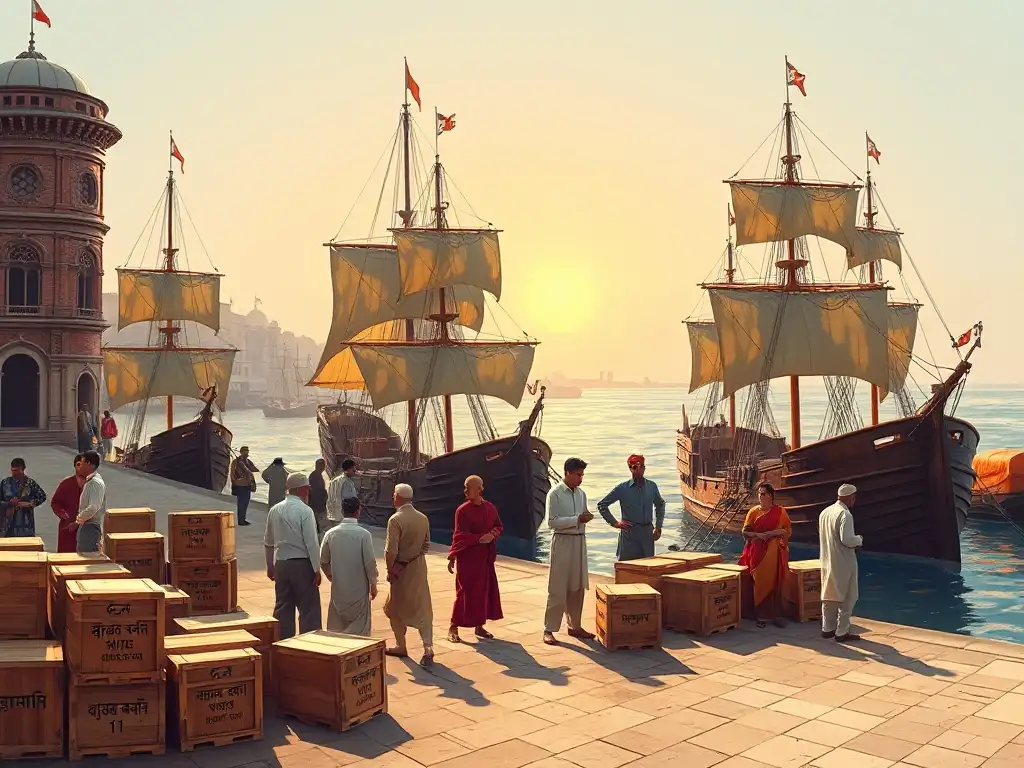
Export licensing is a critical aspect of international trade that can significantly impact the success of exporters in India. As the country continues to expand its global trade footprint, understanding the export licensing requirements in India becomes essential for businesses looking to navigate this complex landscape.
Export licenses are not merely bureaucratic hurdles; they serve to regulate and ensure that goods exported from India comply with national and international laws. From the Indus Valley Civilization to the modern-day Gupta Empire, India's rich history of trade has laid the foundation for contemporary export practices, underscoring the importance of compliance in today's market.
This article aims to provide a comprehensive guide for exporters, detailing the key regulations, procedures, and the significance of obtaining the necessary licenses. Whether you are a seasoned exporter or new to the world of international trade, understanding these requirements is crucial for smooth operations and avoiding legal pitfalls. Join us as we delve into the intricacies of export licensing in India, ensuring that you are well-equipped to meet the demands of the global marketplace.
Understanding Export Licensing Requirements in India
Export licensing is a formal authorization granted by the government that allows exporters to ship specific goods to foreign markets. The requirements and procedures associated with export licensing can vary based on the nature of the goods, the destination country, and the trade agreements in effect. This section will explore the essential components of export licensing in India.
What is Export Licensing?
Export licensing refers to the process through which exporters must apply and receive permission from the relevant authorities to export certain goods. This process is designed to regulate the export of sensitive items, such as:
- Defense and military-related products
- Dual-use goods that can be used for both civilian and military applications
- Items that may affect national security or public health
The licensing process involves submitting an application that includes details about the goods, their intended destination, and the purpose of export. Depending on the classification of the goods, licenses may be required before shipment, ensuring compliance with both Indian laws and international regulations.
Importance of Export Licensing for Indian Exporters
For Indian exporters, understanding and adhering to export licensing requirements is vital for several reasons:
- Compliance: Ensures that exporters comply with national and international laws, avoiding penalties or legal issues.
- Market Access: Facilitates access to global markets by meeting the standards and requirements set by importing countries.
- Reputation: Enhances the credibility of businesses in international trade, fostering trust with partners and customers.
- Risk Mitigation: Reduces the risk of customs delays or seizures by ensuring all necessary documentation is in order.
By recognizing the importance of export licensing, exporters can better position themselves for success in the competitive global marketplace.
Key Regulations Governing Export Licensing in India
Export licensing in India is governed by a set of regulations that are designed to facilitate trade while maintaining compliance with legal and safety standards. This section outlines the key regulations that exporters must be aware of.
Overview of the Foreign Trade Policy (FTP)
The Foreign Trade Policy (FTP) serves as the primary framework for regulating export and import activities in India. Updated periodically, the FTP outlines the government's approach to trade, including:
- Objectives of enhancing export performance
- Guidelines for obtaining export licenses
- Provisions for incentives and support programs for exporters
The FTP is essential for understanding the broader context of export licensing and should be consulted regularly to stay informed about any changes or updates.
Role of the Director General of Foreign Trade (DGFT)
The Director General of Foreign Trade (DGFT) is the key authority responsible for implementing the FTP and overseeing export licensing in India. The DGFT's responsibilities include:
- Issuing export licenses
- Monitoring compliance with export regulations
- Providing guidance and support to exporters
Exporters can rely on the DGFT for information regarding licensing requirements, application procedures, and any other regulatory concerns.
Export Licensing Procedures Under the FTP
The export licensing procedure under the FTP involves several steps that exporters must follow to ensure compliance. The main stages include:
- Application Submission: Exporters must submit a detailed application along with all required documentation to the DGFT.
- Review and Approval: The DGFT reviews the application to ensure it meets all necessary criteria before granting the license.
- Issuance of License: Once approved, exporters receive their export license, allowing them to proceed with shipping their goods.
- Post-Export Compliance: Exporters must maintain records and comply with any post-export reporting requirements as stipulated by the DGFT.
Understanding these procedures is crucial for any exporter aiming to successfully navigate the complexities of international trade in India.
Types of Export Licenses in India
Export licenses in India are essential for regulating the export of goods and ensuring compliance with international trade laws. The Government of India has established different types of export licenses to cater to various products and scenarios. Understanding these licenses is crucial for exporters to navigate the complexities of international trade smoothly.
Standard Export License: Features and Benefits
The Standard Export License is the most common type of export license issued by the Directorate General of Foreign Trade (DGFT). This license allows exporters to ship a wide range of goods without specific restrictions.
Features:
- Broad Applicability: Applicable to most goods and services.
- Validity: Generally valid for five years from the date of issuance.
- Transferability: Licenses can be transferred to other parties under certain conditions.
Benefits:
- Ease of Access: Simplifies the export process for businesses, enabling them to focus on expanding their market reach.
- Compliance: Ensures that exporters comply with the laws and regulations set forth by the Indian government.
- Incentives: Exporters holding this license may qualify for various government incentives and support schemes.
Special Export License: Who Needs It?
The Special Export License is designed for exporters dealing with specific products that require additional scrutiny. This includes items that may be sensitive due to national security, environmental concerns, or compliance with international treaties.
Who Needs It:
- High-Sensitive Items: Exporters of defense equipment, dual-use goods, and hazardous materials must obtain this license.
- Cultural Artifacts: Those exporting artifacts of historical and cultural significance may also require a Special Export License.
- Regulated Items: Businesses in sectors like pharmaceuticals, chemicals, and biotechnology often need this license due to stringent regulations.
The process for obtaining a Special Export License is generally more rigorous, requiring additional documentation and approvals.
Non-Quota License: Understanding the Basics
The Non-Quota License is issued for specific goods that are not subject to export quotas. This type of license allows exporters to freely export these goods without limitations related to quantity.
Understanding the Basics:
- No Quantity Restrictions: Exporters can ship an unlimited quantity of goods for which this license is issued.
- Applicable Goods: Commonly applicable to many manufactured goods, agricultural products, and raw materials.
- Regulatory Compliance: While there are no quotas, exporters must still ensure compliance with other regulatory requirements.
This license is particularly beneficial for exporters looking to maximize their output and reach in global markets without the constraints of quotas.
Step-by-Step Guide to Obtaining an Export License in India
Obtaining an export license in India involves a systematic process that ensures all regulatory requirements are met. Here’s a step-by-step guide to help you navigate this process effectively.
Step 1: Determine Your Export Product and Category
Before applying for an export license, it’s essential to identify the specific product you intend to export and its corresponding category. Different products may require different types of licenses based on their classification under the Foreign Trade Policy.
- Product Classification: Familiarize yourself with the Customs Tariff Act and the Harmonized System (HS) codes relevant to your product.
- Regulatory Requirements: Check if your product falls under any restricted categories or requires a special license.
This initial step sets the foundation for the following stages of the licensing process.
Step 2: Gather Required Documents for Export Licensing
Once you have determined your export product and category, the next step is to gather all necessary documents required for the application process. Key documents typically include:
- Application Form: Complete the prescribed application form available on the DGFT website.
- Business Registration: Proof of business registration, such as a Certificate of Incorporation or Partnership Deed.
- Tax Identification: PAN (Permanent Account Number) and GST (Goods and Services Tax) registration, if applicable.
- Bank Certificate: A bank certificate confirming your export business and financial viability.
- Product-Specific Documents: Any additional documents specific to the product, such as quality certifications or compliance certificates.
Accurate documentation is critical for ensuring a smooth application process.
Step 3: Apply for an Export License Online
The final step is to submit your application for an export license online through the DGFT’s electronic portal. Here’s how:
- Visit the DGFT Website: Access the DGFT online services portal.
- Register/Login: Create an account or log in to your existing account.
- Fill the Application: Complete the online application form, ensuring all fields are filled accurately.
- Upload Documents: Attach all required documents in the specified formats.
- Pay the Fee: Make the necessary payment for the application fee, as outlined by DGFT.
- Submit the Application: Review the application and submit it for processing.
After submission, you will receive an acknowledgment along with a unique reference number to track the status of your application.
By following these steps, exporters can successfully navigate the process of obtaining an export license in India, ensuring compliance and facilitating their international trade endeavors.
Common Challenges in Export Licensing and How to Overcome Them
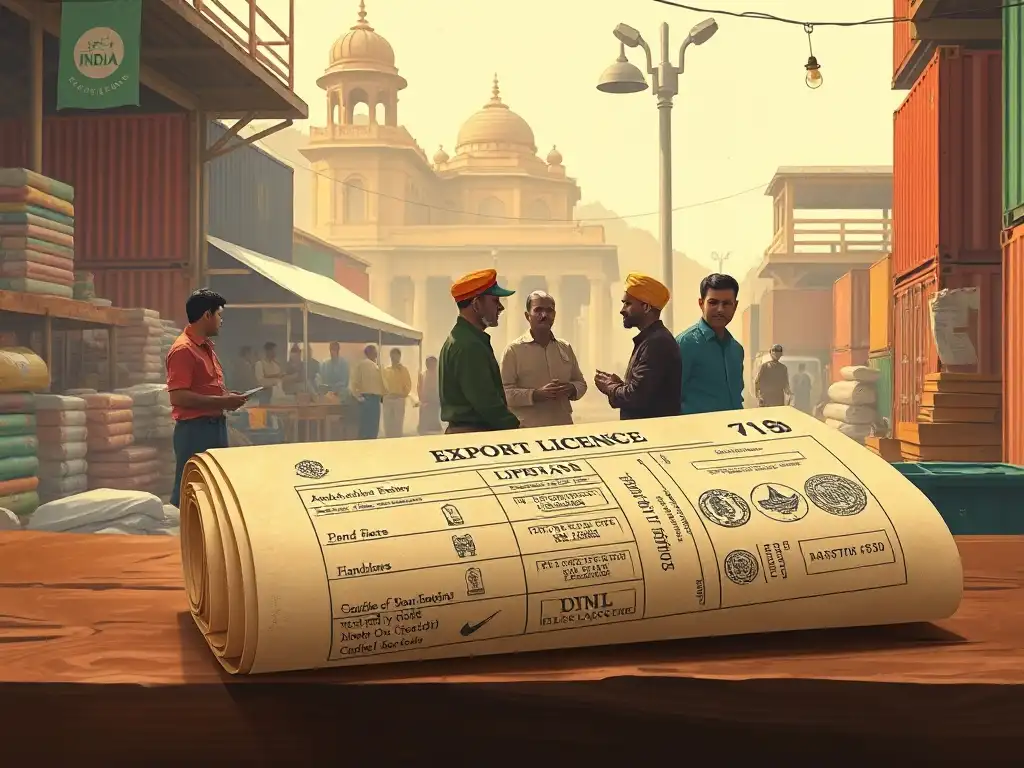
Navigating the export licensing landscape in India can be complex for many businesses. Various challenges may arise during the process, which can impede timely and efficient exports. Understanding these challenges and their solutions is crucial for exporters aiming to streamline their operations and comply with regulations. Common issues include delays in license approval, compliance challenges with legal obligations, and mistakes that can arise from a lack of knowledge or experience. By addressing these challenges head-on, exporters can ensure a smoother process and avoid costly setbacks.
Delays in License Approval: Causes and Solutions
Delays in license approval can be a significant hurdle for exporters. Common causes include:
- Incomplete Applications: Submitting incomplete or inaccurate documents can lead to rejections or requests for additional information.
- High Volume of Applications: During peak seasons or due to regulatory changes, the volume of applications may overwhelm the authorities, causing delays.
- Regulatory Changes: Sudden changes in export regulations or policies can lead to confusion and slower processing times.
To mitigate these delays, exporters can:
- Ensure Complete Documentation: Carefully review all required documents before submission to minimize the chances of rejection.
- Plan Ahead: Submit applications well in advance of intended shipping dates to account for potential delays.
- Stay Informed: Keep abreast of any regulatory changes that may impact the licensing process and adjust accordingly.
Compliance Issues: Understanding Legal Obligations
Compliance with legal obligations is crucial for exporters. Failure to adhere to these requirements can result in penalties, including fines or the revocation of licenses. Key compliance issues include:
- Understanding Export Control Laws: Different products may be subject to specific controls, and it's essential to know which regulations apply to your goods.
- Documentation Standards: Exporters must maintain accurate records and ensure that all documentation meets the standards set by regulatory bodies, such as the Directorate General of Foreign Trade (DGFT).
To navigate compliance issues, exporters should:
- Conduct Regular Training: Regularly train staff on export regulations and legal obligations to reduce the risk of non-compliance.
- Implement Compliance Checklists: Use checklists to ensure all legal requirements are met before exporting goods.
Export Licensing Mistakes: Learning from Real Cases
Learning from real cases of export licensing mistakes can provide valuable insights. Some common errors include:
- Misclassification of Goods: Incorrectly classifying goods can lead to improper licensing and fines.
- Ignoring Export Restrictions: Failing to check if the goods are on restricted lists can halt shipments and trigger legal consequences.
For instance, a company once faced significant delays and penalties after misclassifying a high-tech product, which required special licensing due to its dual-use nature. To prevent similar mistakes, exporters should:
- Conduct Thorough Research: Before applying for a license, research the correct classification and any applicable restrictions.
- Consult Experts: Seek advice from export compliance specialists to ensure proper procedures are followed.
Best Practices for Exporters to Ensure Smooth Licensing
Implementing best practices can greatly enhance the export licensing process. These practices help exporters to remain compliant, avoid delays, and streamline their operations. By establishing a systematic approach, businesses can ensure their licensing processes are efficient and effective.
Keeping Updated with Export Licensing Regulations
Staying updated with export licensing regulations is vital for successful exporting. Regulations can change frequently, and being informed about these changes can help exporters avoid compliance issues. Effective strategies include:
- Regularly Reviewing Government Resources: Utilize official government websites and resources to stay informed about the latest regulations and guidelines.
- Participating in Trade Associations: Engage with trade organizations that provide updates and insights on export regulations.
Keeping abreast of these changes allows exporters to adapt promptly, ensuring their licensing applications are compliant with the most current standards.
Utilizing Professional Services for Export Compliance
Engaging professional services can significantly ease the burden of export compliance. These services can include:
- Consultants Specializing in Export Regulations: Hiring experts who understand the intricacies of export licensing can prevent costly mistakes.
- Legal Advisors: Consulting with legal professionals ensures that all aspects of export laws are adhered to.
By leveraging these professional services, exporters can focus on their core business while ensuring compliance with export licensing requirements, ultimately leading to smoother operations and successful international trade.
Navigating the complexities of export licensing in India can be a crucial factor in determining the success of your export business. Understanding the detailed requirements, including the necessary documentation and compliance regulations, is vital for smooth international trade operations. With the right knowledge and preparation, exporters can effectively manage the licensing process, ensuring they meet all government guidelines while maximizing their export potential.
Recap of Export Licensing Requirements in India
To summarize, exporters in India must be aware of several key licensing requirements:
- Export Registration: All exporters must register with the Directorate General of Foreign Trade (DGFT) to obtain an Importer Exporter Code (IEC).
- Specific Licenses: Certain products may require specific licenses, such as restricted or prohibited items. Exporters should verify whether their goods fall under such categories.
- Documentation: Proper documentation is essential, including invoices, packing lists, and any relevant permits. Each document must comply with the requirements set by Indian and international trade laws.
- Compliance with Foreign Regulations: Exporters should also familiarize themselves with the import regulations and licensing requirements of the destination countries to avoid any legal issues.
Staying informed about these requirements is integral to successful export operations.
Encouragement to Stay Informed and Compliant
The landscape of export regulations is continuously evolving. Therefore, it is imperative for exporters to remain vigilant and update themselves on any changes in export licensing requirements in India. Regularly checking the DGFT's announcements, participating in trade seminars, and consulting with trade experts can be effective strategies for ensuring compliance. By staying informed, exporters not only protect their businesses from potential legal challenges but also seize opportunities that may arise from new trade agreements or regulatory changes.
Additional Resources for Indian Exporters
Access to reliable resources is essential for exporters to navigate the complexities of export licensing and compliance effectively. Below are some valuable resources that can aid exporters in their journey.
Helpful Links to Government Resources
- Directorate General of Foreign Trade (DGFT): The official website provides comprehensive guidelines on export licensing, applications, and updates on trade regulations.
- Ministry of Commerce and Industry: This site offers insights into India's trade policies, including export-import statistics and relevant government initiatives.
- Export Promotion Councils: Various councils focus on specific industries and can provide tailored information and support for exporters.
Recommended Books and Guides on Export Licensing
- "Export-Import Procedures and Documentation" by Usha P. Jain: This book covers the fundamentals of export-import operations, including licensing requirements and documentation processes.
- "The Complete Guide to Exporting" by John Smith: This guide provides a detailed overview of the exporting process, focusing on compliance and regulatory challenges.
- "Export Licensing: A Comprehensive Guide" by Ramesh Kumar: This resource is specifically dedicated to understanding the nuances of export licensing, making it an essential read for exporters.
By utilizing these resources, Indian exporters can enhance their knowledge and navigate the complexities of export licensing more effectively, leading to greater success in the global marketplace.
- Understanding Export Licensing Requirements in India
- Key Regulations Governing Export Licensing in India
- Types of Export Licenses in India
- Step-by-Step Guide to Obtaining an Export License in India
- Common Challenges in Export Licensing and How to Overcome Them
- Best Practices for Exporters to Ensure Smooth Licensing
- Conclusion: Navigating Export Licensing for Success in Global Trade
- Additional Resources for Indian Exporters
- What are export licensing requirements in India?
- Who needs to obtain an export license in India?
- How can one apply for an export license in India?
- What are the consequences of not adhering to export licensing regulations?
- Where can exporters find detailed information on export licensing requirements?
Frequently Asked Questions
What are export licensing requirements in India?
Export licensing requirements in India refer to the set of regulations and procedures that exporters must follow to legally ship goods abroad, ensuring compliance with government policies.
Who needs to obtain an export license in India?
Any business or individual looking to export products that fall under restricted categories or that require special permission from the government needs to obtain an export license.
How can one apply for an export license in India?
To apply for an export license, exporters must submit an application to the Directorate General of Foreign Trade (DGFT) along with relevant documentation, including details about the products and their destination.
What are the consequences of not adhering to export licensing regulations?
Failing to comply with export licensing regulations can lead to severe penalties, including fines, confiscation of goods, and a ban on future exports, which can adversely affect a business's reputation.
Where can exporters find detailed information on export licensing requirements?
Exporters can find comprehensive information on export licensing requirements through the DGFT website, which offers guidelines, necessary forms, and updates on regulations affecting international trade.
Understanding the intricacies of export licensing requirements in India is more crucial than ever in today's global economy. As international trade continues to expand, the need for exporters to grasp the regulatory landscape becomes paramount. The complexities of export licensing not only safeguard national interests but also empower businesses to thrive in competitive markets. In this context, the ability to navigate these requirements can be the difference between success and stagnation for exporters.
The topic of export licensing has significantly shaped the cultural and social landscape of trade in India. As businesses adapt to the evolving regulatory framework, they also contribute to the nation’s economic growth and global standing. The ongoing dialogue surrounding export licensing reflects a broader commitment to compliance and ethical trade practices. In the world of trade, understanding the rules is as important as the products we sell.
This quote encapsulates the essence of why exporters must remain vigilant and informed about licensing requirements, as it directly impacts their ability to operate effectively and responsibly.
As you reflect on the insights shared in this article, consider how you can apply these lessons in your own export endeavors. Embrace the challenge of understanding export licensing requirements in India as an opportunity for growth and innovation. By staying informed and proactive, you not only enhance your business prospects but also contribute to a more robust and responsible trading environment. Let this knowledge inspire you to take action, ensuring that your export journey is both compliant and successful.
Empower Your Export Journey Today!
Thank you for taking the time to explore the crucial insights on export licensing in India! By delving into this topic, you’ve equipped yourself with essential knowledge to navigate the complexities of exporting. Now, it’s time to put that knowledge into action!
Here are a few steps to set you on the path to successful exporting:
- Begin by applying for your export license: Start the process today by gathering the necessary documents and visiting the appropriate government websites.
- Connect with fellow exporters: Join online forums or local export communities to share experiences, tips, and support each other on this journey.
- Stay informed: Subscribe to newsletters or follow reputable sources to keep up with any changes in export regulations and best practices.
What’s the first step you're planning to take on your exporting adventure? Share your thoughts and let’s inspire each other!