
How to Market Indian Handicrafts: Strategies for Success in a Global Marketplace

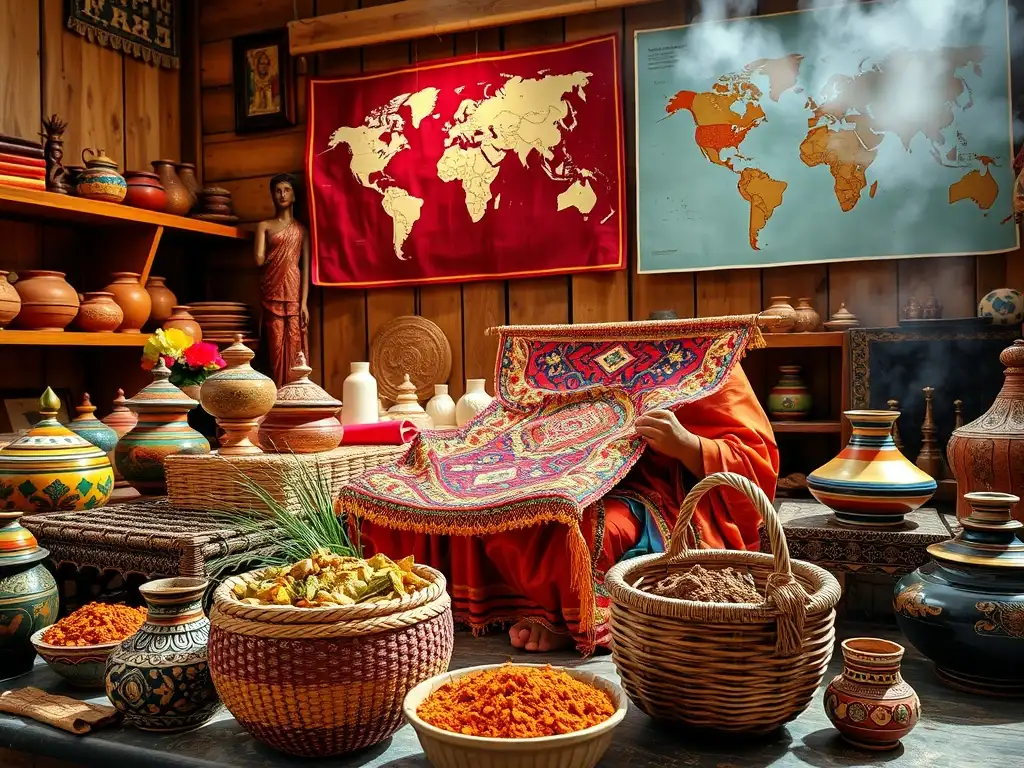
Welcome to Ancient India History, where we delve deep into the vibrant tapestry of India's past, exploring the rich culture and remarkable contributions of its ancient civilizations. In today's fast-paced world, the legacy of these artisans continues to thrive, especially in the realm of marketing Indian handicrafts globally. Join us as we uncover innovative strategies for success in a global marketplace, ensuring that the exquisite craftsmanship of our heritage reaches every corner of the globe. Curiosity piqued? Read on to discover how to navigate this fascinating intersection of tradition and commerce!
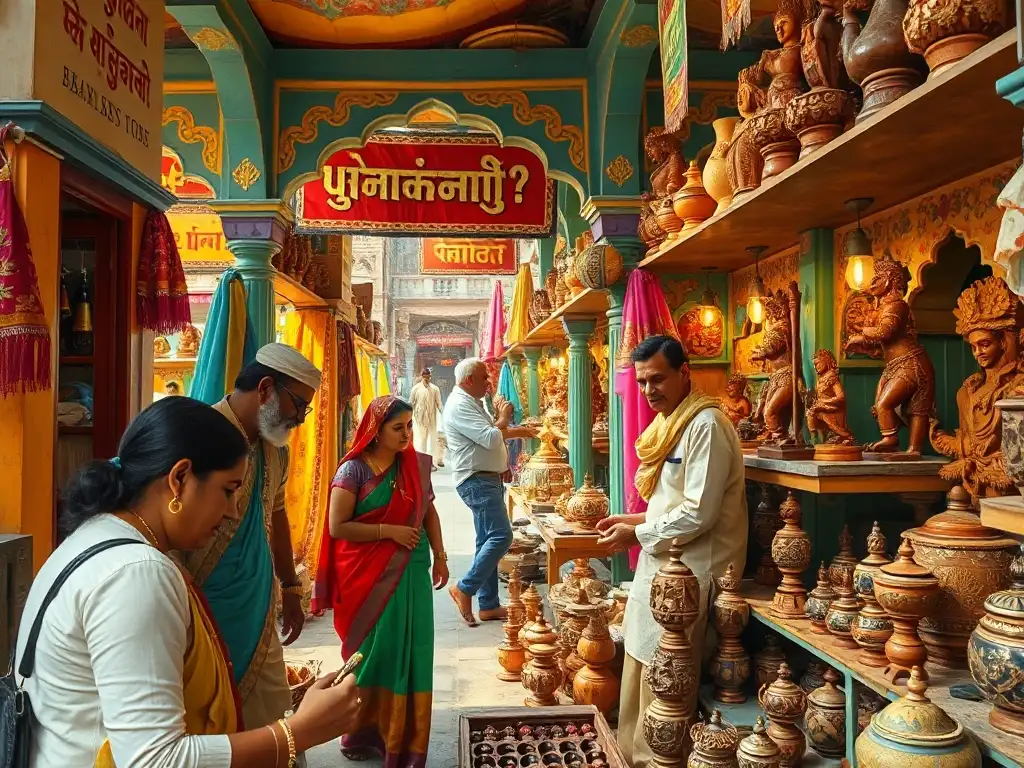
Introduction to Marketing Indian Handicrafts Globally
Marketing Indian handicrafts globally presents a unique opportunity to showcase the rich heritage and intricate craftsmanship of Indian artisans. With a history that dates back thousands of years, Indian handicrafts encompass a diverse range of products, including textiles, pottery, jewelry, and woodwork, each representing a unique cultural narrative. As the demand for authentic and sustainable products grows in international markets, understanding how to effectively promote these crafts has become essential for artisans and businesses alike.
In this article, we will explore various strategies to enhance the visibility and marketability of Indian handicrafts on a global scale. By leveraging the unique stories behind each product and employing innovative marketing techniques, stakeholders can connect cultural significance with contemporary consumer preferences. As we navigate the complexities of the global marketplace, the focus will be on creating impactful marketing strategies that resonate with diverse audiences while ensuring the sustainable growth of this vital sector.
Understanding the Global Market for Indian Handicrafts
The global market for Indian handicrafts has witnessed significant growth, driven by a burgeoning interest in artisanal products that reflect individuality and cultural authenticity. In recent years, consumers have increasingly prioritized sustainable and ethically sourced goods, which positions Indian handicrafts as a compelling choice. Understanding the intricacies of this market involves examining key factors such as:
- Market Trends:
- Growing demand for sustainable and eco-friendly products.
- Increased popularity of online shopping and e-commerce platforms.
- A rise in interest for unique, handmade items among consumers.
- Target Demographics:
- Identifying consumers who value craftsmanship and cultural heritage.
- Understanding the preferences of millennials and Gen Z, who are more inclined towards ethical consumption.
- Competitive Analysis:
- Recognizing both local and international competitors in the handicraft sector.
- Analyzing pricing strategies and product offerings to differentiate Indian handicrafts.
By comprehensively understanding these aspects, artisans and marketers can tailor their strategies to effectively engage with the global audience.
Developing a Unique Selling Proposition (USP) for Indian Handicrafts
Creating a Unique Selling Proposition (USP) is crucial for effectively marketing Indian handicrafts in a competitive global landscape. A well-defined USP not only highlights the distinct qualities of the products but also communicates the emotional and cultural narratives behind them. Here are some key elements to consider when developing a USP for Indian handicrafts:
- Cultural Authenticity:
- Emphasizing the rich history and traditional techniques that define each craft.
- Sharing stories of artisans and their communities to create emotional connections.
- Quality and Craftsmanship:
- Highlighting the meticulous processes involved in creating each piece.
- Utilizing certifications or endorsements that validate quality and ethical practices.
- Sustainability:
- Promoting eco-friendly practices and materials used in production.
- Engaging in fair trade practices that support local artisans and communities.
- Customization and Personalization:
- Offering tailored products that meet individual customer preferences.
- Creating limited-edition collections that enhance exclusivity.
By effectively communicating a strong USP, marketers can create a compelling narrative that resonates with consumers, fostering a deeper appreciation for Indian handicrafts and driving sales in the global marketplace.
Building an Effective Brand for Your Handicrafts
Creating a compelling brand is essential for marketing Indian handicrafts globally. An effective brand communicates the unique story and value of the products, connecting with consumers on an emotional level. Here are key elements to consider when building your brand:
- Identify Your Unique Selling Proposition (USP): Distinguish what makes your handicrafts unique. This could be the craftsmanship, the materials used, or cultural significance. Articulating your USP will help you position your brand effectively in the marketplace.
- Create a Strong Brand Identity: Develop a cohesive visual identity that includes a memorable logo, color palette, and typography. This identity should reflect the culture and artistry of the handicrafts, making it resonate with potential customers.
- Tell Your Story: Share the story behind your handicrafts. This could include information about the artisans, the techniques used, or the cultural heritage associated with the products. Storytelling fosters a deeper connection with buyers and enhances brand loyalty.
- Focus on Quality and Authenticity: Ensure that your handicrafts maintain high-quality standards. Authenticity is crucial in the global market; consumers are inclined to support brands that genuinely represent their cultural heritage.
- Engage with Your Audience: Build a community around your brand by engaging with your audience through social media and other platforms. Respond to comments, share user-generated content, and create a dialogue that fosters loyalty and trust.
By developing a strong brand, you lay the foundation for successful marketing strategies that appeal to global consumers interested in authentic Indian handicrafts.
Utilizing Digital Marketing Strategies for Global Reach

In today's digital age, leveraging online tools and platforms is vital for reaching a global audience. Here are effective digital marketing strategies to consider:
- Social Media Marketing: Utilize platforms like Instagram, Facebook, and Pinterest to showcase your handicrafts visually. Create engaging posts, stories, and reels that highlight the intricate details and craftsmanship. Use relevant hashtags to increase visibility and reach potential customers worldwide.
- Content Marketing: Develop valuable content that educates your audience about your handicrafts and their cultural significance. This could include blog posts, videos, or infographics that not only showcase your products but also tell the rich stories behind them.
- Email Marketing: Build an email list to keep your customers informed about new products, special promotions, and events. Personalized email campaigns can enhance customer engagement and drive sales.
- Search Engine Optimization (SEO): Optimize your website and content for search engines by using relevant keywords, including "Marketing Indian handicrafts globally." This will improve your visibility in search results and attract organic traffic.
- Influencer Collaborations: Partner with influencers who align with your brand values and have a following interested in handicrafts. Their endorsement can introduce your products to a broader audience and lend credibility to your brand.
By implementing these digital marketing strategies, you can effectively expand your reach and connect with a global audience eager for authentic Indian handicrafts.
Leveraging Online Marketplaces for Wider Distribution
Online marketplaces offer a valuable platform for artisans and businesses to increase their visibility and reach customers around the world. Here are strategies to leverage these platforms effectively:
- Choose the Right Marketplaces: Research and select online marketplaces that cater to artisanal products and have a global reach, such as Etsy, Amazon Handmade, or eBay. Each platform has its audience and unique selling features, so choose those that align with your brand.
- Optimize Product Listings: Create detailed and appealing product listings. Use high-quality images, compelling descriptions, and relevant keywords to attract buyers. Highlight the unique aspects of your handicrafts, such as the craftsmanship, materials, and cultural significance.
- Utilize Customer Reviews: Encourage satisfied customers to leave positive reviews. High ratings and positive feedback can significantly influence potential buyers' decisions, enhancing your credibility in the marketplace.
- Promote Special Offers: Use the promotional tools offered by online marketplaces to run sales, discounts, or bundle offers. This can attract more customers and increase sales, especially during festive seasons or special occasions.
- Maintain Good Inventory Management: Ensure that your inventory is well-managed and updated on the marketplaces. A quick response to orders and effective stock management can lead to higher customer satisfaction and repeat purchases.
By taking advantage of online marketplaces, you can significantly broaden your distribution channels, making your Indian handicrafts accessible to a global audience while maximizing sales opportunities.
Collaborating with Influencers and Artisans
Collaborating with influencers and artisans offers a unique avenue to market Indian handicrafts globally. Influencers, particularly those who focus on lifestyle, fashion, and sustainability, have the ability to reach vast audiences. They can showcase the beauty and craftsmanship of Indian handicrafts through engaging content, which not only promotes the products but also educates potential customers about the cultural significance and stories behind each piece.
To effectively collaborate, brands should identify influencers whose values align with their own. This ensures authenticity in the promotion. For instance, partnering with an influencer who is passionate about sustainable living can enhance the appeal of handicrafts made from eco-friendly materials. Additionally, featuring artisans themselves in marketing campaigns can provide a personal touch, allowing customers to connect with the craftsmen behind the products. Such collaborations can be executed through:
- Social Media Campaigns: Utilize platforms like Instagram and TikTok to share visually appealing posts and videos that highlight the artistry involved in creating handicrafts.
- Live Demonstrations: Organize live sessions where artisans demonstrate their craft. This not only showcases the skill involved but also allows for real-time engagement with the audience.
- Storytelling: Craft narratives that tell the story of the artisans and their communities. This emotional connection can significantly enhance customer interest and loyalty.
Effective collaborations with influencers and artisans can amplify the visibility of Indian handicrafts, making them more appealing to a global audience while preserving the authenticity and heritage of the craft.
Participating in Trade Shows and Expos
Participating in trade shows and expos is a strategic approach to market Indian handicrafts on a global stage. These events provide a platform for artisans and businesses to showcase their products to a diverse audience, including potential buyers, retailers, and distributors. Engaging in such environments can lead to valuable networking opportunities and the establishment of long-term business relationships.
When planning to participate in trade shows, consider the following steps:
- Research Relevant Events: Identify trade shows that focus specifically on handicrafts, home decor, or sustainable products. Events like the India International Trade Fair or the Ambiente Fair in Frankfurt can attract a global audience.
- Create an Engaging Booth: Design a booth that reflects the essence of the brand and highlights the unique features of the handicrafts. Use vibrant displays, informative brochures, and interactive elements to draw in visitors.
- Offer Live Demonstrations: Showcasing the crafting process live can captivate attendees and provide a firsthand look at the artisans’ skills, illustrating the dedication and craftsmanship involved.
- Network Actively: Utilize the opportunity to connect with other exhibitors and visitors. Collect business cards, follow up with leads, and establish connections that can lead to future collaborations or sales.
By participating in trade shows and expos, businesses can gain significant exposure, foster international relationships, and ultimately expand their market reach.
Shipping and Logistics for Global Marketing
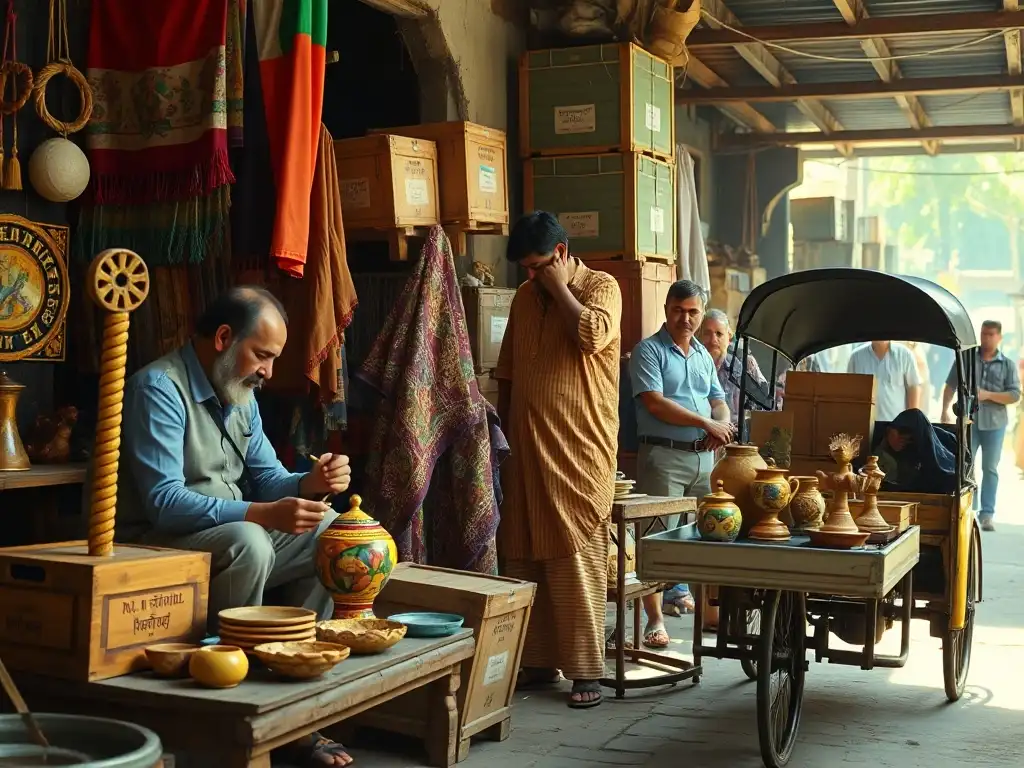
Shipping and logistics play a crucial role in the successful marketing of Indian handicrafts globally. Efficient handling of these processes ensures that products reach international customers in a timely and safe manner, which is essential for maintaining customer satisfaction and building a reputable brand.
Here are key considerations for managing shipping and logistics:
- Understand International Shipping Regulations: Familiarize yourself with the customs regulations of the countries you are shipping to. This includes understanding duty fees, import restrictions, and any specific documentation needed for handicrafts.
- Choose Reliable Shipping Partners: Collaborate with logistics companies that have experience in international shipping. Look for partners that offer tracking services, insurance options, and have a good track record for timely deliveries.
- Packaging Considerations: Use sturdy and eco-friendly packaging materials to protect the handicrafts during transit. Ensure that the packaging reflects the brand’s commitment to sustainability, as this can be a selling point for eco-conscious consumers.
- Cost Management: Determine the most cost-effective shipping options without compromising on delivery speed or product safety. Consider offering customers multiple shipping options to choose from, depending on their budget and urgency.
- Clear Communication: Keep customers informed about their order status, shipping times, and potential delays. Transparency fosters trust and enhances customer experience.
Effectively managing shipping and logistics is vital for successfully marketing Indian handicrafts globally. By prioritizing these elements, businesses can create a seamless purchasing experience that encourages repeat business and positive word-of-mouth referrals.
Conclusion: Future of Marketing Indian Handicrafts Globally
The future of marketing Indian handicrafts globally looks promising, driven by increasing consumer interest in unique, sustainable, and culturally rich products. As globalization continues to connect markets, artisans and businesses must leverage digital platforms to showcase their offerings to a wider audience. The rise of e-commerce and social media has opened new avenues for artisans to present their crafts, allowing them to tell their stories and connect with consumers on a personal level.
Furthermore, sustainability and ethical sourcing are becoming pivotal factors in consumer decision-making. As global buyers increasingly seek products that support fair trade practices and environmental responsibility, Indian handicrafts, with their rich traditions and eco-friendly materials, hold a unique position in this growing market. This trend presents an excellent opportunity for artisans to emphasize the cultural significance and ethical aspects of their products, enhancing their appeal to conscious consumers.
Collaborations with designers and influencers can also enhance visibility and credibility in the global marketplace. By partnering with individuals who resonate with the target audience, artisans can effectively reach new markets and enhance brand recognition. Moreover, participation in international trade fairs and exhibitions can provide valuable exposure and networking opportunities, allowing artisans to forge connections with global buyers.
The marketing landscape for Indian handicrafts is evolving, and those who adapt to these changes will undoubtedly find success. By embracing digital tools, focusing on sustainability, and building strategic partnerships, the future for marketing Indian handicrafts globally is bright.
Call to Action: Get Started on Your Journey to Market Indian Handicrafts
Are you ready to take your first steps in marketing Indian handicrafts globally? Here are some actionable steps to get you started on this rewarding journey:
- Research Your Market: Understand the preferences and trends in your target markets. Identify potential customers and analyze their purchasing behaviors.
- Build an Online Presence: Create a professional website and utilize social media platforms to showcase your handicrafts. Use high-quality images and engaging content to attract attention.
- Leverage E-commerce Platforms: Consider selling your products on established e-commerce sites that cater to global audiences. This will increase your reach and sales potential.
- Engage with Your Audience: Use storytelling to connect with customers. Share the history and craftsmanship behind each piece, making your products more relatable and appealing.
- Network with Other Artisans: Collaborate with fellow artisans or join organizations that promote Indian handicrafts. This can provide you with support, resources, and opportunities for joint marketing efforts.
- Participate in Trade Shows: Attend relevant trade fairs and exhibitions to showcase your handicrafts, network with buyers, and gain insights into market trends.
- Focus on Sustainability: Highlight the eco-friendly aspects of your products and ethical practices in your business. This can significantly enhance your appeal to conscious consumers.
By following these steps, you can successfully navigate the global marketplace and make your mark in the world of Indian handicrafts. Get started today, and watch your passion for craftsmanship transform into a thriving business! 🌍✨
- Introduction to Marketing Indian Handicrafts Globally
- Understanding the Global Market for Indian Handicrafts
- Developing a Unique Selling Proposition (USP) for Indian Handicrafts
- Building an Effective Brand for Your Handicrafts
- Utilizing Digital Marketing Strategies for Global Reach
- Leveraging Online Marketplaces for Wider Distribution
- Collaborating with Influencers and Artisans
- Participating in Trade Shows and Expos
- Shipping and Logistics for Global Marketing
- Conclusion: Future of Marketing Indian Handicrafts Globally
- Call to Action: Get Started on Your Journey to Market Indian Handicrafts
- What are the key strategies for marketing Indian handicrafts globally?
- How can artisans improve their visibility in the global market?
- What role does storytelling play in marketing handicrafts?
- How can pricing be effectively managed when marketing handicrafts?
- What platforms are best for selling Indian handicrafts globally?
Frequently Asked Questions
What are the key strategies for marketing Indian handicrafts globally?
To successfully market Indian handicrafts, focus on leveraging digital platforms, highlighting cultural significance, and building strong brand narratives that resonate with international audiences.
How can artisans improve their visibility in the global market?
Artisans can improve visibility by participating in international fairs, utilizing social media marketing, and collaborating with influencers who appreciate and promote handcrafted products.
What role does storytelling play in marketing handicrafts?
Storytelling is crucial as it helps to convey the cultural heritage and craftsmanship behind the products, making them more appealing and memorable to potential customers.
How can pricing be effectively managed when marketing handicrafts?
Pricing should reflect the quality and uniqueness of the handicrafts while remaining competitive. Consideration of production costs and market demand is essential for successful pricing strategies.
What platforms are best for selling Indian handicrafts globally?
Utilizing e-commerce platforms like Etsy, Amazon Handmade, and dedicated websites can significantly enhance access to global markets, alongside social media platforms for direct customer engagement.
Final Reflection: Embracing the Global Market for Indian Handicrafts
In today's interconnected world, the significance of effectively marketing Indian handicrafts globally cannot be overstated. The rich cultural heritage and unique craftsmanship of these products offer an unparalleled opportunity for artisans to thrive in a competitive marketplace. As we navigate the complexities of globalization, it becomes evident that the strategies outlined in this article are not just beneficial but essential for the survival and growth of these traditional crafts.
The influence of Indian handicrafts extends beyond mere commerce; it is a testament to the resilience and creativity of artisans who pour their heart and soul into their work. By embracing modern marketing techniques, we not only elevate these crafts but also preserve the cultural narratives they embody. Art is the most beautiful of all lies.
- Claude Debussy. This quote resonates deeply as it highlights the intrinsic value of art in shaping our identity and connecting us to our roots, even as we adapt to a global audience.
As you reflect on the insights shared in this article, consider how you can contribute to the promotion and appreciation of Indian handicrafts in your own life. Whether you are an artisan, a marketer, or simply a lover of culture, your actions can help bridge the gap between tradition and modernity. Let us champion these crafts, share their stories, and ensure that the artistry of Indian handicrafts continues to flourish on the global stage.
Unleash the Beauty of Indian Handicrafts Today!
Thank you for joining us on this journey through the vibrant world of Indian handicrafts! We hope you now have valuable insights to elevate your marketing strategies and celebrate this rich heritage. Are you ready to take your passion for handicrafts to the next level? Here’s how you can make an impact:
- Start by creating an online portfolio that showcases your unique crafts, emphasizing their special features and the stories that connect them with your audience.
- Consider hosting workshops or virtual demonstrations to engage potential customers and build a community around your brand.
- Connect with local artisans to collaborate on creative projects that can expand your reach and introduce fresh perspectives to your offerings.
As you embark on this journey, we encourage you to reflect: How can you tell the story of your handicrafts in a way that resonates with a global audience? Share your thoughts in the comments below!