
Unlocking the Secrets: How to Navigate the Export Market for Indian Products


Welcome to Ancient India History, where we embark on a fascinating journey through the rich tapestry of India's past. Discover the incredible stories behind exporting ancient Indian products, as we unlock the secrets of navigating the export market for these timeless treasures.
From the sophisticated trade routes of the Indus Valley to the flourishing commerce of the Gupta Empire, each chapter reveals the profound impact of ancient Indian civilizations on the global stage. Dive in and explore how these historical insights can guide modern business and investment strategies, fueling your curiosity and ambition to connect with the legacy of a vibrant culture.

Navigating the export market for Indian products, particularly those steeped in ancient history, presents a unique opportunity for businesses and entrepreneurs alike. With a rich tapestry of culture and tradition, ancient Indian products—ranging from textiles to handicrafts—carry the legacy of creative craftsmanship and historical significance. As global demand for authentic, culturally rich goods continues to rise, understanding how to effectively export these treasures can unlock new avenues for growth and international trade. This article aims to illuminate the path to successfully exporting ancient Indian products, providing insights into the market, historical context, and practical tips for aspiring exporters.
Understanding the Export Market for Ancient Indian Products
What is Exporting Ancient Indian Products?
Exporting ancient Indian products involves the sale and distribution of goods that are rooted in India’s rich heritage and historical craftsmanship. These products can encompass a wide array of items, including:
- Handcrafted textiles: Saris, shawls, and other traditional garments.
- Artisanal crafts: Pottery, woodwork, and metalwork.
- Ayurvedic products: Herbal medicines and wellness items.
- Cultural artifacts: Replicas and original pieces of art and sculpture.
The essence of exporting these products lies in connecting the rich history and culture of India with modern consumers who value authenticity and uniqueness.
Importance of Exporting Ancient Indian Goods in Today's Market
The exportation of ancient Indian goods is not merely a business venture; it is a vital contribution to cultural preservation and economic growth. The significance of this export market can be summarized in several key points:
- Cultural Exchange: Exporting these goods facilitates a global appreciation of Indian heritage, fostering cultural exchange and understanding.
- Economic Impact: The export of ancient products can significantly contribute to local economies, supporting artisans and craftsmen in their communities.
- Sustainability: Many ancient products are created using traditional methods that emphasize sustainability, attracting environmentally conscious consumers.
Historical Context: The Legacy of Ancient Indian Trade
The Trade Routes of Ancient India: A Historical Overview
Ancient India was a hub of trade, with an extensive network of routes that connected it to various regions across the world. Some key trade routes included:
- Silk Route: Connecting India with Central Asia, facilitating the trade of silk, spices, and other luxury items.
- Maritime Trade Routes: Linking Indian ports with the Middle East, Africa, and Southeast Asia, enabling the exchange of textiles and spices.
These routes not only facilitated commerce but also played a crucial role in cultural exchanges, influencing art, religion, and philosophy across civilizations.
Key Ancient Indian Products with Export Potential
The potential for exporting ancient Indian products is vast, particularly in several categories that have historically been in demand:
| Product Category | Description | Export Potential |
|---|---|---|
| Textiles | Handwoven fabrics, intricate designs, traditional motifs | High demand in fashion and décor |
| Jewelry | Traditional gold and silver pieces, intricate craftsmanship | Strong market in luxury goods |
| Spices | Authentic Indian spices known for their quality and flavor | Evergreen demand in global markets |
| Handicrafts | Unique items made from natural materials, showcasing traditional skills | Increasing interest in sustainable products |
By leveraging the rich history and craftsmanship behind these goods, exporters can not only tap into lucrative markets but also contribute to the preservation of ancient Indian art forms and traditions.
Identifying High-Demand Ancient Indian Products for Export
When navigating the export market for Indian products, one of the critical steps is identifying which ancient Indian goods are in high demand globally. The rich heritage and craftsmanship of ancient India have given rise to a plethora of products that not only embody cultural significance but also appeal to international consumers.
To effectively identify these products, exporters should consider factors such as current market trends, consumer preferences, and cultural significance. Products that reflect India's historical legacy, unique craftsmanship, and traditional methods often attract attention. Additionally, attending international trade fairs and exhibitions can provide insights into emerging trends and buyer interests.
Moreover, leveraging online market platforms and social media can help gauge the popularity of specific products by observing customer feedback and engagement. Some high-demand categories include textiles, handicrafts, traditional jewelry, and Ayurvedic products, which resonate well with a global audience seeking authenticity and uniqueness.
Top Ancient Indian Products in Global Markets
Several ancient Indian products stand out in global markets, driven by their rich history and cultural relevance. Some of the most sought-after items include:
- Handcrafted Textiles: Traditional fabrics such as silk, cotton, and wool, especially those from regions like Varanasi and Kutch, are highly valued for their intricate designs and craftsmanship.
- Ayurvedic Products: With a growing global interest in natural and holistic health, Ayurvedic medicines and herbal products are increasingly popular. These products are often exported as oils, powders, and supplements.
- Terracotta and Pottery: Ancient terracotta artifacts and pottery items, often handcrafted and showcasing traditional motifs, are in demand for both decorative and functional purposes.
- Traditional Jewelry: Artisanal jewelry, particularly gold and silver items with traditional designs, has a dedicated customer base abroad, especially among those seeking unique and culturally rich accessories.
- Wooden Handicrafts: Intricately carved wooden items, including furniture and decorative pieces, reflect the artistry of ancient Indian craftsmanship and have a strong market appeal.
These products not only tell the story of India's rich heritage but also serve as tangible connections to its ancient civilizations, making them appealing to international consumers.
Strategies for Successfully Exporting Ancient Indian Products
Successfully exporting ancient Indian products requires a well-planned strategy that takes into account various aspects of the international market. Here are some effective strategies to consider:
- Building a Strong Brand Identity: Establishing a recognizable brand that reflects the authenticity and cultural significance of the products can help in attracting international buyers. This involves creating compelling narratives around the products and their origins.
- Leveraging E-commerce Platforms: Utilizing online marketplaces and e-commerce platforms can broaden the reach to potential customers worldwide. This also allows for showcasing the products through high-quality images and detailed descriptions.
- Networking and Partnerships: Forming collaborations with local distributors, retailers, and international buyers can facilitate smoother entry into foreign markets. Attending trade shows and exhibitions can help in building valuable connections.
- Adapting to Market Needs: Flexibility to adapt products based on market preferences and cultural sensitivities can enhance export success. This might involve modifying designs or packaging to better align with consumer expectations in different regions.
- Effective Marketing Strategies: Utilizing digital marketing, social media, and influencer partnerships can increase visibility and drive interest in ancient Indian products. Targeted campaigns can help reach specific demographics that value cultural and historical authenticity.
Market Research: Understanding Demand for Indian Goods
Conducting thorough market research is essential for understanding the demand for ancient Indian goods in international markets. This process involves several key steps:
- Analyzing Market Trends: Regularly reviewing industry reports, trade publications, and market analysis can provide insights into which products are gaining traction and what consumers are looking for.
- Identifying Target Markets: Determining specific countries or regions where there is a high interest in ancient Indian products can help focus marketing efforts. Factors such as cultural ties, diaspora communities, and interest in Indian culture should be considered.
- Consumer Preferences: Surveys and feedback from potential customers can shed light on preferences regarding product styles, pricing, and packaging. Understanding these nuances can guide product development and marketing strategies.
- Competitor Analysis: Observing competitors who are successfully exporting similar products can reveal effective strategies and potential gaps in the market that can be capitalized upon.
By systematically researching these areas, exporters can make informed decisions that align with market demand and enhance their chances of success.
Compliance and Regulations in Exporting Indian Products
Navigating the compliance and regulatory landscape is crucial when exporting ancient Indian products. Understanding the legalities involved ensures that businesses operate within the law and maintain a good reputation in international markets. Key considerations include:
- Export Documentation: Familiarity with essential export documents such as invoices, packing lists, and certificates of origin is vital. Each country may have specific requirements that must be met for successful customs clearance.
- Trade Regulations: Exporters should be aware of trade agreements, tariffs, and quotas that may affect their products. This includes understanding regulations specific to the type of goods being exported, as certain items may require additional certifications.
- Quality Standards: Compliance with international quality standards and regulations is essential, especially for products such as Ayurvedic medicines or food items. Ensuring that products meet these standards can prevent issues during the export process.
- Intellectual Property Rights: Protecting the unique designs and cultural heritage associated with ancient Indian products through intellectual property rights is crucial. Exporters should explore options for trademarking and patenting to safeguard their products.
By adhering to these compliance and regulatory requirements, exporters can not only avoid legal complications but also build trust with international partners and customers.
Building a Network: Finding Buyers for Indian Goods
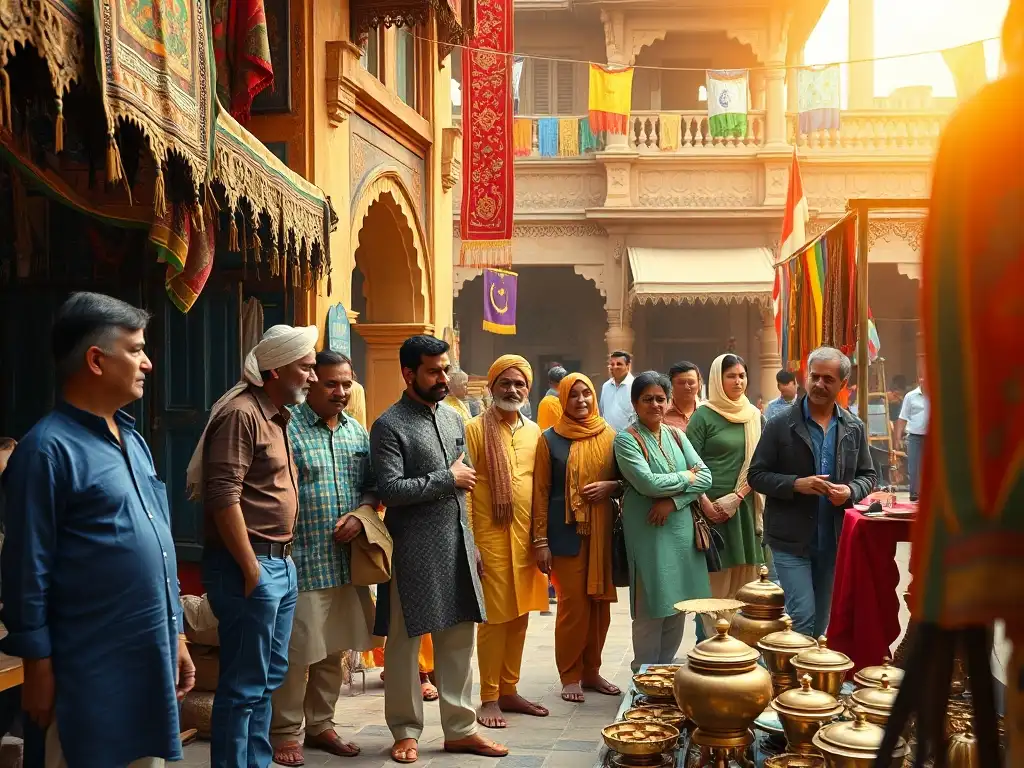
Building a robust network is crucial for successfully exporting ancient Indian products. Establishing relationships with potential buyers can not only increase sales but also enhance brand credibility. Here are some effective strategies to find and connect with buyers:
- Industry Associations: Join industry-specific associations that focus on exports. These organizations often have member directories that can help you identify potential buyers.
- Networking Events: Attend business networking events, both locally and internationally. Engaging with industry professionals can lead to valuable contacts and opportunities.
- Referrals: Leverage your existing relationships to gain introductions to potential buyers. A personal referral can significantly increase the likelihood of a successful business relationship.
- Follow-Up: Once you’ve made connections, maintain communication through regular updates about your products and company. This keeps your brand top-of-mind for buyers.
Leveraging Trade Shows and Exhibitions to Connect with Buyers
Trade shows and exhibitions serve as excellent platforms for exporters to showcase their products and connect with potential buyers. Here’s how to make the most of these events:
- Research Events: Identify trade shows that focus on ancient Indian products or related industries. Look into both domestic and international exhibitions to broaden your reach.
- Engaging Booth Design: Create an attractive and informative booth that highlights your products. Use visuals and samples to draw in attendees and spark conversations.
- Networking Opportunities: Utilize the networking segments of trade shows, such as workshops and seminars, to build connections with key industry players.
- Follow-Up Post-Event: After the event, reach out to the contacts you made with personalized messages. This can help solidify the relationships you started at the trade show.
Online Marketplaces: Platforms for Selling Ancient Indian Products
The rise of e-commerce has opened up numerous avenues for exporting ancient Indian products. Online marketplaces provide a global platform for sellers to reach diverse buyers. Here are some prominent platforms to consider:
- Etsy: Ideal for handmade and unique products, Etsy is a popular choice for artisans selling traditional crafts, textiles, and jewelry.
- Amazon: With its extensive reach and established customer base, Amazon can help you sell a wide range of ancient Indian products to a global audience.
- Alibaba: A leading platform for wholesale products, Alibaba connects exporters with bulk buyers worldwide, making it suitable for larger-scale operations.
- eBay: Known for its auction-style listings, eBay can be an effective platform for selling collectibles and vintage items that reflect India's rich heritage.
Marketing Ancient Indian Products: Best Practices
Effective marketing is key to successfully exporting ancient Indian products. It requires a strategic approach that resonates with international buyers while highlighting the unique attributes of your goods.
- Understanding Your Audience: Research the preferences and cultural sensitivities of your target market. Tailoring your marketing strategy to meet their expectations can enhance your product's appeal.
- SEO Strategies: Optimize your website and online listings with relevant keywords like "exporting ancient Indian products" to improve visibility in search engines.
- Visual Content: Utilize high-quality images and videos to showcase your products. Visual storytelling can engage potential buyers and convey the craftsmanship involved in creating your goods.
Crafting a Compelling Brand Story for Exported Goods
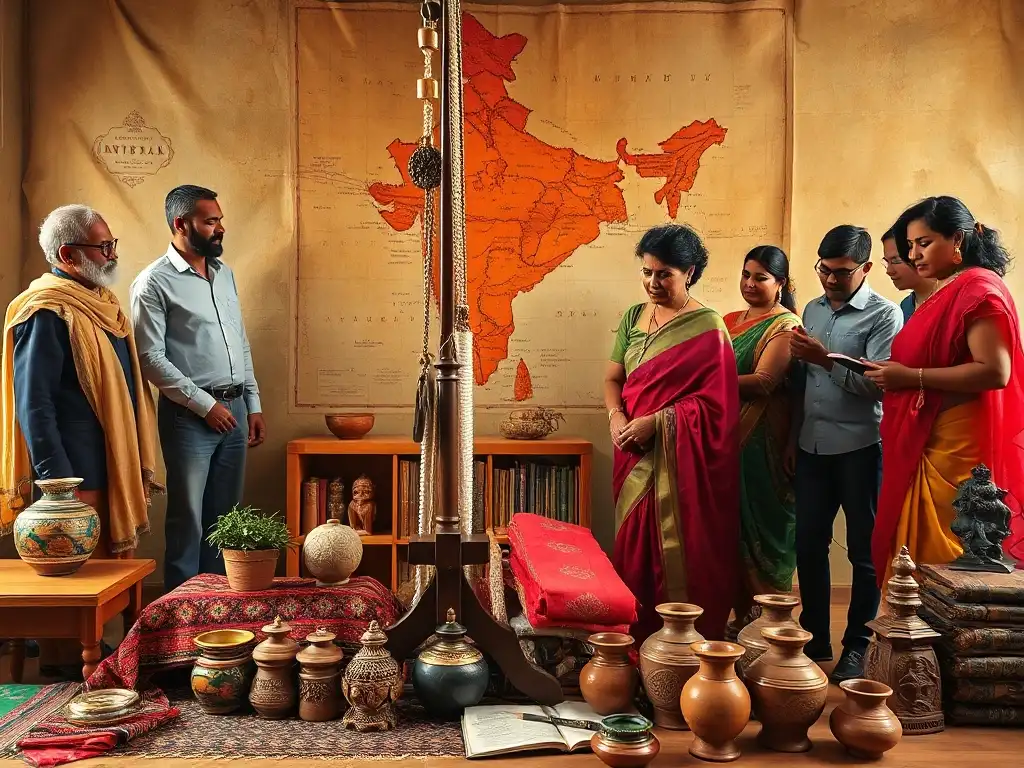
A strong brand story can differentiate your ancient Indian products in a competitive market. Here are some elements to include when crafting your narrative:
- Cultural Heritage: Highlight the historical significance and cultural roots of your products. This not only adds value but also creates an emotional connection with buyers.
- Craftsmanship: Share the story behind the artisans and the techniques used in creating your products. Emphasizing traditional methods can enhance authenticity.
- Sustainability: If applicable, communicate any sustainable practices involved in production. Many modern consumers prefer to support brands that are environmentally conscious.
Social media platforms offer an effective way to reach and engage with potential buyers globally. Here are some best practices for leveraging social media to promote ancient Indian products:
- Content Strategy: Develop a content calendar that includes a mix of product showcases, behind-the-scenes looks, and educational posts about Indian culture and craftsmanship.
- Engagement: Actively engage with your audience by responding to comments, sharing user-generated content, and participating in relevant discussions to build a community around your brand.
- Collaborations: Partner with influencers or brands that align with your values to tap into their audience and gain credibility.
- Targeted Advertising: Utilize social media advertising tools to reach specific demographics and geographic areas that are most likely to be interested in your products.
Case Studies: Successful Exporters of Ancient Indian Products
Exploring the export market for ancient Indian products reveals remarkable success stories that illustrate the potential of these goods on a global scale. Each case demonstrates how companies have leveraged India’s rich heritage and craftsmanship to carve a niche in international markets. Let's delve into two exemplary cases that have effectively navigated the complexities of exporting ancient Indian products.
Example 1: Himalaya Wellness - Revolutionizing Ayurvedic Exports
Himalaya Wellness, established in 1930, is a prime example of how traditional knowledge can be transformed into a successful export business. Specializing in Ayurveda, the company offers a range of herbal products, including skincare, health supplements, and personal care items.
- Market Positioning: Himalaya has positioned itself as a leader in natural and herbal wellness, appealing to a growing consumer base interested in holistic health.
- Research and Development: The company invests significantly in R&D, ensuring that their products meet international quality standards while preserving traditional Ayurvedic principles.
- Global Reach: With a presence in over 90 countries, Himalaya has successfully navigated regulatory challenges by obtaining necessary certifications and adhering to local compliance requirements.
Through strategic branding and a commitment to quality, Himalaya Wellness has unlocked significant market potential for Ayurvedic products globally.
Example 2: Fabindia - Transforming Handicrafts into Global Treasures
Fabindia stands out as an iconic example of how traditional Indian handicrafts can be successfully exported. Founded in 1960, the brand promotes Indian craftsmanship by sourcing products directly from artisans across the country.
- Empowering Artisans: Fabindia focuses on empowering local artisans by providing them with fair wages and sustainable livelihoods, thus preserving age-old craft techniques.
- Product Diversification: The company has diversified its product offerings, including textiles, home décor, and organic foods, appealing to international markets with varied preferences.
- Cultural Storytelling: Fabindia effectively utilizes storytelling in its branding, showcasing the cultural significance of its products, which resonates with global consumers seeking authenticity.
By cultivating a strong brand identity and ethical sourcing practices, Fabindia has successfully established itself as a leader in exporting Indian handicrafts, making them accessible to a global audience.
Overcoming Challenges in Exporting Ancient Indian Products
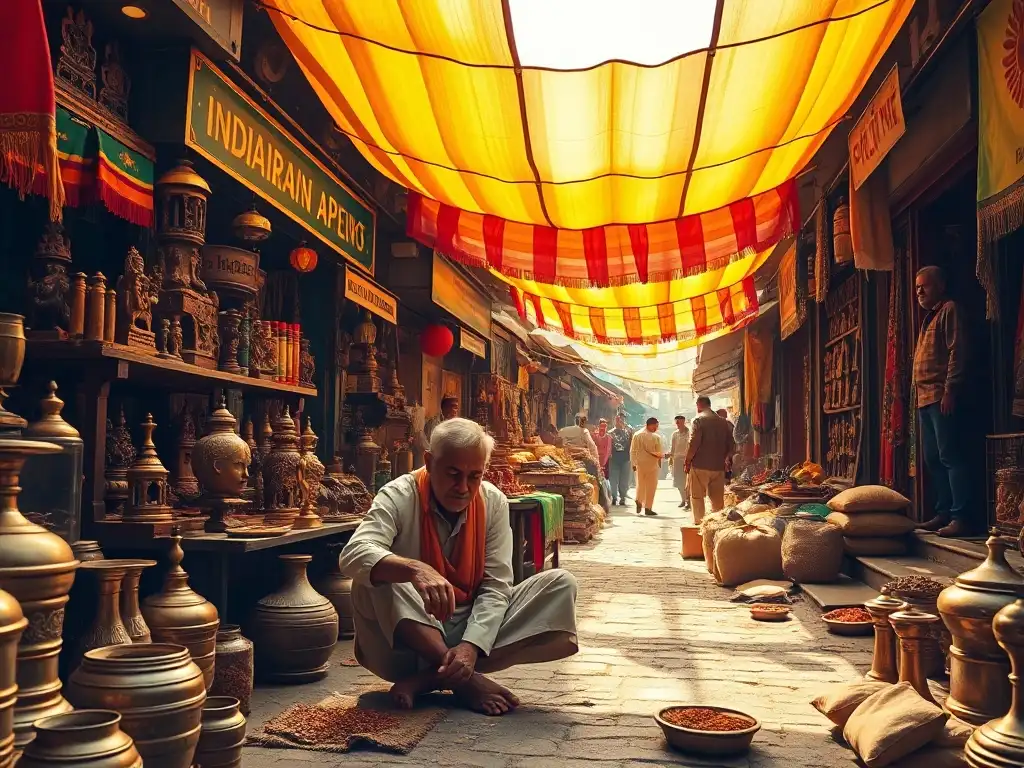
Despite the potential for success, exporters of ancient Indian products face various challenges that can hinder their growth in international markets. Understanding these obstacles is crucial for developing effective strategies to navigate the complexities of the export landscape.
Common Obstacles Faced by Exporters
- Regulatory Compliance: Exporting goods often involves navigating complex regulations and standards set by importing countries, which can be daunting for new exporters.
- Quality Assurance: Maintaining consistent quality can be challenging, especially when dealing with handcrafted products, which may vary from piece to piece.
- Logistical Issues: Transporting goods across borders can lead to delays, damage, or loss, complicating the supply chain and affecting customer satisfaction.
- Market Knowledge: Lack of understanding of foreign markets, consumer preferences, and cultural nuances can impede effective marketing strategies.
These challenges necessitate careful planning and resource allocation to ensure successful exports.
Solutions: Strategies to Mitigate Risks in Exporting
- Research and Training: Exporters should invest time in market research and training to understand international regulations and consumer preferences, ensuring compliance and relevance.
- Quality Control Systems: Implementing robust quality control measures, including regular inspections and feedback loops, can help maintain product quality and consistency.
- Logistics Partnerships: Collaborating with experienced logistics providers can streamline the shipping process, minimizing risks associated with transportation.
- Networking and Collaboration: Building networks with other exporters and industry bodies can provide valuable insights, share best practices, and foster collaboration that enhances market entry efforts.
By addressing these common challenges with strategic solutions, exporters can better position themselves to thrive in the competitive landscape of exporting ancient Indian products.
Conclusion: The Future of Exporting Ancient Indian Products
Exporting ancient Indian products has a promising future, driven by a resurgence of interest in traditional arts, crafts, and sustainable goods. As global consumers increasingly seek authenticity and unique cultural experiences, ancient Indian products stand out for their rich heritage and craftsmanship. This growing demand presents opportunities for exporters to tap into niche markets that value artisanal, hand-crafted goods over mass-produced items. Furthermore, advancements in technology and communication facilitate a more streamlined export process, enabling sellers to reach international buyers more effectively than ever before.
The emphasis on sustainability and ethical sourcing has also become pivotal in the export market. Many ancient Indian products, such as textiles, pottery, and metalworks, are produced using traditional methods that are environmentally friendly. This aligns well with the global shift towards sustainable consumption, giving exporters an additional selling point. Additionally, government initiatives and support programs aimed at promoting traditional handicrafts and products can further enhance the prospects for exporters in this sector.
Emerging Trends in the Export Market
The export market for ancient Indian products is witnessing several emerging trends that are reshaping the landscape:
- Digital Transformation: E-commerce platforms are revolutionizing how ancient products reach global consumers. Artisans and exporters can now showcase their goods through online marketplaces, increasing their visibility and sales potential.
- Cultural Storytelling: Buyers are increasingly interested in the stories behind products. Exporters who can effectively communicate the cultural significance and craftsmanship involved in creating these ancient goods will have a competitive edge.
- Sustainability: As mentioned earlier, the focus on eco-friendly and sustainable products is driving demand. Exporters should emphasize the sustainable practices involved in the production of their goods.
- Customization and Personalization: There is a rising trend towards personalized products. Exporters can cater to individual preferences by offering customized versions of ancient goods, appealing to consumers looking for unique items.
- Collaboration with Designers: Collaborations between traditional artisans and contemporary designers are gaining traction. This fusion of old and new can lead to innovative products that attract a broader audience.
Final Thoughts on Navigating the Export Landscape
Navigating the export landscape for ancient Indian products requires a strategic approach that balances cultural authenticity with modern market demands. Exporters should invest time in understanding their target markets, including consumer preferences and trends. Building relationships with international buyers and participating in trade fairs can significantly enhance visibility and market reach.
Moreover, staying informed about regulatory requirements, shipping logistics, and quality standards is essential for a smooth export process. By leveraging the unique qualities of ancient Indian products and adapting to market dynamics, exporters can carve out a successful niche in the global marketplace.
Call to Action: Start Your Journey in Exporting Ancient Indian Goods
Are you ready to embark on your journey in exporting ancient Indian goods? With the right knowledge, resources, and strategies, you can unlock the potential of this vibrant market. Begin by researching your chosen products, understanding the export process, and connecting with potential buyers. Whether you are an artisan looking to reach a wider audience or an entrepreneur eager to delve into the world of exports, now is the time to take action.
Resources for Further Learning and Export Support
- Government Export Promotion Schemes: Explore various government initiatives aimed at supporting exporters of traditional goods, including funding and training programs.
- Trade Associations: Join trade associations that focus on handicrafts and exports, which often provide valuable resources, networking opportunities, and market insights.
- Online Courses and Webinars: Enroll in online courses and webinars that cover topics such as export regulations, marketing strategies, and digital selling.
- Books and Publications: Read books and publications on export management and the history of Indian handicrafts to deepen your knowledge and improve your strategies.
- Mentorship Programs: Seek out mentorship from experienced exporters who can provide guidance and share their experiences in navigating the export landscape.
By utilizing these resources, you can enhance your understanding and efficiency in exporting ancient Indian products, paving the way for a successful venture.
- Understanding the Export Market for Ancient Indian Products
- Historical Context: The Legacy of Ancient Indian Trade
- Identifying High-Demand Ancient Indian Products for Export
- Strategies for Successfully Exporting Ancient Indian Products
- Building a Network: Finding Buyers for Indian Goods
- Leveraging Trade Shows and Exhibitions to Connect with Buyers
- Online Marketplaces: Platforms for Selling Ancient Indian Products
- Marketing Ancient Indian Products: Best Practices
- Crafting a Compelling Brand Story for Exported Goods
- Utilizing Social Media for Promoting Indian Products Overseas
- Case Studies: Successful Exporters of Ancient Indian Products
- Overcoming Challenges in Exporting Ancient Indian Products
- Conclusion: The Future of Exporting Ancient Indian Products
- Call to Action: Start Your Journey in Exporting Ancient Indian Goods
- What are some key ancient Indian products that were exported?
- How did ancient Indian civilizations influence global trade?
- What role did the Indus Valley Civilization play in trade?
- How did the Gupta Empire contribute to the export market?
- What modern practices can we learn from ancient Indian trade?
Frequently Asked Questions
What are some key ancient Indian products that were exported?
Ancient India was known for its spices, textiles, and jewelry. These products were highly sought after in markets across the world, contributing significantly to trade.
How did ancient Indian civilizations influence global trade?
They established extensive trade networks that connected Asia, Africa, and the Mediterranean, facilitating the exchange of not only goods but also ideas and cultures.
What role did the Indus Valley Civilization play in trade?
The Indus Valley Civilization had advanced urban centers with sophisticated trade practices, utilizing standardized weights and measures for trading goods like cotton and pottery.
How did the Gupta Empire contribute to the export market?
The Gupta Empire fostered a golden age of art and science, leading to the export of metallurgy, mathematical knowledge, and literature, enhancing India's reputation as a cultural hub.
What modern practices can we learn from ancient Indian trade?
Learning from ancient practices, modern businesses can focus on sustainable sourcing, cultural authenticity, and building strong relationships with international partners to enhance their export strategies.
Final Reflection: Embracing the Global Stage for Ancient Indian Exports
In today’s interconnected world, the ability to navigate the export market for ancient Indian products is more crucial than ever. The rich heritage and craftsmanship of India hold immense potential to captivate global audiences, yet many artisans and businesses remain unaware of the pathways to success. As we explore the intricacies of exporting, it becomes clear that understanding these dynamics is not just a business necessity; it is a means of preserving and promoting our cultural legacy on a global stage.
The journey of exporting ancient Indian products is not merely about trade; it is about cultural exchange and the celebration of our heritage. Each product carries with it stories, traditions, and the spirit of our ancestors, which can resonate deeply with consumers worldwide. As Mahatma Gandhi once said, “A nation’s greatness is measured by how it treats its weakest members.” This sentiment extends to our artisans, whose skills and stories deserve recognition and support in the global marketplace. By embracing this responsibility, we not only uplift our local communities but also enrich the cultural tapestry of the world.
As you reflect on the insights shared in this article, consider how you can contribute to the narrative of ancient Indian exports. Whether you are an artisan, a business owner, or simply a passionate supporter of Indian culture, your role is vital in this journey. Take the time to explore the potential of our ancient products, advocate for fair trade practices, and share these treasures with the world. Together, we can unlock the secrets of the export market and ensure that the legacy of Indian craftsmanship thrives for generations to come.
Embrace New Horizons: Start Exporting Today!
Thank you for diving into our exploration of the export market for Indian products! We hope you’ve gained valuable insights that empower you to take the next step in your export journey. Now, let’s transform that knowledge into action!
Here are a few practical steps you can take right now:
- Start your export plan: **Identify a product** you believe has potential in foreign markets and outline your first steps towards exporting it.
- Engage with your community: **Join industry forums or local networking groups** that focus on exporting; share ideas and learn from others' experiences.
- Explore online platforms: **Research two reputable export marketplaces** where you can list your products and connect with international buyers.
What innovative strategies do you think could help elevate your products in the global market? Let's ignite the conversation!