
Unlocking the Value: The Economic Impact of Indian Artifacts in the Global Market

Welcome to Ancient India History, where we invite you to journey through the fascinating tapestry of India's past, where civilizations thrived and legacies were born. In our featured article, “Unlocking the Value: The Economic Impact of Indian Artifacts in the Global Market,” we delve into the compelling connections between ancient Indian artifacts and their significant economic influence today. Discover how these timeless treasures not only tell stories of yesteryear but also shape contemporary markets. Join us as we unlock the secrets of India's rich heritage and its profound contributions to the world—there's so much more to explore!
The economic impact of Indian artifacts in the global market is a fascinating intersection of history, culture, and commerce. These artifacts, which span thousands of years, not only tell the stories of ancient civilizations but also represent significant economic value in contemporary markets.
From intricate sculptures and pottery of the Indus Valley Civilization to exquisite textiles from the Mughal era, these items are not just relics of the past; they are commodities that influence trade dynamics and cultural exchange today. Understanding the economic implications of these artifacts requires an appreciation of their historical significance, the factors that drive their valuation, and the global market trends that affect their trade.
Introduction to Indian Artifacts and Their Historical Significance
Indian artifacts carry a wealth of historical significance that reflects the diverse cultures and civilizations that have flourished in the region. The artifacts range from architectural marvels, such as the stupas and temples of ancient India, to everyday items like pottery and tools used by early inhabitants. Each piece serves as a tangible connection to the past, encapsulating the artistic expressions, technological advancements, and social structures of the time.
- Indus Valley Civilization: Known for its advanced urban planning and sophisticated drainage systems, artifacts from this period include seals, weights, and pottery that reveal insights into trade, commerce, and daily life.
- Mauryan Empire: The period saw the creation of monumental structures, with artifacts such as Ashoka's pillars and intricate sculptures that exemplify the artistic prowess of the time.
- Gupta Empire: Often referred to as the Golden Age of India, this era produced remarkable advancements in art, literature, and science, with artifacts such as coins, sculptures, and manuscripts that highlight the wealth and intellectual contributions of the civilization.
These artifacts not only serve as historical treasures but also play a crucial role in defining cultural identity and heritage in modern India.
Understanding the Economic Impact of Indian Artifacts
The economic impact of Indian artifacts extends beyond their aesthetic value; it encompasses various aspects, including their contribution to local economies, international trade, and cultural tourism.
- Local Economies: The production and sale of traditional artifacts provide livelihoods for artisans and craftsmen across India. The preservation of ancient techniques and the promotion of handmade items contribute to sustainable economic development.
- International Trade: Indian artifacts have a strong presence in global markets, where they are sought after by collectors, museums, and art enthusiasts. This demand can drive up prices and create opportunities for export, enhancing India’s trade balance.
- Cultural Tourism: Many tourists are drawn to India’s rich heritage, leading to increased visitation to historical sites and museums that display these artifacts. This influx of tourists can significantly boost local economies and create a ripple effect on various sectors, including hospitality and transportation.
The valuation of these artifacts is influenced by several factors, such as rarity, historical significance, and condition, making them a unique investment opportunity in the cultural sector.
The Global Market for Indian Artifacts
The global market for Indian artifacts is vast and diverse, influenced by trends in art collecting, cultural appreciation, and investment in heritage.
- Market Trends: The rise of online platforms has made it easier for collectors and buyers to access Indian artifacts, expanding the market reach beyond traditional galleries and auction houses.
- Cultural Appreciation: As global awareness of Indian history and culture grows, so does the interest in its artifacts. Collectors and investors are increasingly looking to acquire pieces that reflect authenticity and historical value.
- Regulatory Framework: The trade of Indian artifacts is subject to various laws and regulations aimed at protecting cultural heritage. Understanding these regulations is crucial for both buyers and sellers in the market.
The economic impact of Indian artifacts in the global market represents a rich tapestry of history, culture, and commerce, highlighting their significance not only as historical treasures but also as valuable assets in today’s economy.
Factors Influencing the Economic Value of Indian Artifacts
The economic value of Indian artifacts is shaped by a confluence of various factors that interact to determine their worth in the global market. Understanding these factors is crucial for collectors, investors, and enthusiasts alike.
- Historical Significance: Artifacts that possess a rich historical background tend to command higher prices. Items linked to significant events, prominent figures, or particular eras of Indian history, such as the Maurya or Gupta periods, are particularly sought after. The narrative surrounding the artifact enhances its desirability.
- Cultural Relevance: The cultural context of an artifact plays a significant role in its valuation. Artifacts that reflect the diverse cultural heritage of India, such as traditional textiles, sculptures, or pottery, may be valued not just for their aesthetic appeal but also for their representation of a specific cultural identity or tradition.
- Rarity and Authenticity: The scarcity of an artifact can significantly increase its economic value. Unique pieces, or those produced in limited quantities, are often more desirable. Furthermore, the authenticity of an artifact must be verified to ensure that it is genuinely representative of the time period it claims to represent, as forgeries can drastically lower market value.
- Condition and Preservation: The physical state of an artifact is paramount in determining its economic impact. Well-preserved items that show minimal signs of wear and tear are generally valued higher than those that are damaged or poorly maintained. The materials used and the craftsmanship also contribute to this assessment.
- Market Demand: Fluctuations in demand within the global market can greatly influence the economic value of Indian artifacts. Factors such as trends in art and antiquities collecting, as well as the interests of wealthy individuals or institutions, can lead to significant price variations.
- Provenance: The history of ownership (provenance) of an artifact can elevate its value. Artifacts with a well-documented lineage or those previously owned by notable collectors or institutions often fetch higher prices due to their established significance.
Case Studies of High-Value Indian Artifacts
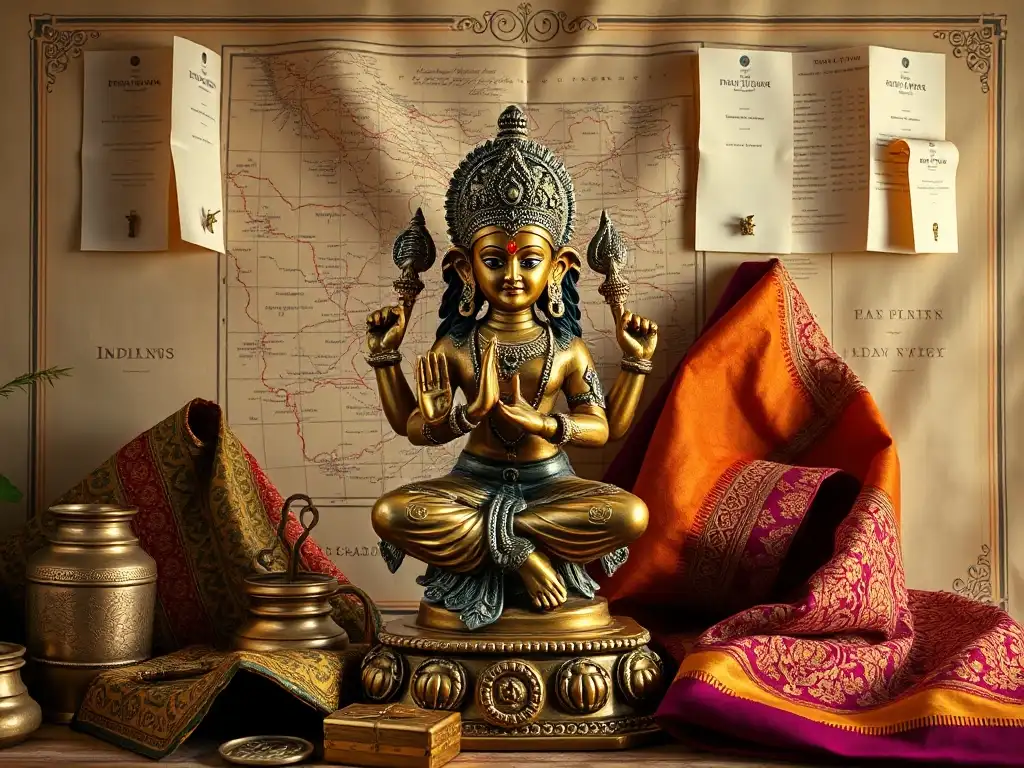
Examining specific examples of high-value Indian artifacts can provide insight into the factors that contribute to their economic impact in the global market. Here are a few notable case studies:
- The Nizam of Hyderabad’s Jewelry Collection: This collection, which includes intricate gold and diamond pieces, was sold at auction for millions. The historical significance of the Nizam as a ruler and the exquisite craftsmanship of the jewelry contributed to its high valuation.
- The Dancing Girl of Mohenjo-Daro: A bronze statuette dating back to the Indus Valley Civilization, this artifact is one of the most iconic symbols of ancient Indian art. Its rarity and the mystery surrounding its origin have made it invaluable, often cited in discussions about the economic impact of Indian artifacts.
- Mughal Miniature Paintings: These exquisite works of art, created during the Mughal Empire, often sell for high prices in global art auctions. Their intricate detail, historical significance, and cultural relevance make them highly sought after by collectors.
- Sculptures from the Gupta Period: Statues from this era, especially those depicting Hindu deities, are highly prized. Their aesthetic beauty and historical importance, representing a zenith of artistic achievement in ancient India, significantly enhance their market value.
- Ancient Textiles: Indian textiles, especially those with unique weaving techniques or patterns, have gained international acclaim. For example, a rare Kanchipuram silk saree can fetch tens of thousands of dollars, depending on its age, craftsmanship, and cultural significance.
The Impact of Global Events on the Market for Indian Artifacts
Global events can have a profound influence on the market for Indian artifacts, impacting both demand and pricing. Several key aspects illustrate this dynamic:
- Economic Crises: During economic downturns, the demand for luxury items, including artifacts, may decrease as collectors tighten their budgets. Conversely, some investors view artifacts as stable investments during such times, leading to a more complex relationship between economic conditions and the market.
- Cultural Diplomacy and Exhibitions: International exhibitions showcasing Indian art and artifacts can spark interest and increase demand for these items. When artifacts are displayed in prestigious institutions, it can elevate their status, resulting in higher market valuations.
- Changes in Trade Policies: Trade regulations and policies can either facilitate or hinder the movement of artifacts across borders. For example, stricter export laws in India aimed at protecting cultural heritage can limit availability in the global market, potentially driving up prices for rare items.
- Technological Advancements: The advent of online auction platforms has transformed how artifacts are bought and sold, enabling a broader audience to access Indian artifacts. This increased visibility can lead to greater competition and potentially higher prices.
- Cultural Resurgence: A renewed interest in Indian culture and heritage, often spurred by global events such as festivals or international collaborations, can lead to a spike in demand for Indian artifacts. This resurgence can positively affect the economic impact of these items, as more collectors seek to acquire pieces that represent their heritage or cultural history.
By understanding these factors, case studies, and the influence of global events, stakeholders can better navigate the complex landscape surrounding the economic impact of Indian artifacts in the global market.
Challenges in the Indian Artifacts Market
The market for Indian artifacts is vibrant and rich in history, but it faces several significant challenges that can impact its economic viability. One of the primary challenges is authenticity and provenance. Many artifacts are sold in the global market, but discerning genuine artifacts from replicas or fakes can be difficult for collectors and investors. This issue not only affects the value of individual pieces but also undermines the overall trust in the market.
Another major challenge is regulatory hurdles. The export of Indian artifacts is governed by various laws and regulations aimed at preserving cultural heritage. These laws can complicate transactions, with potential buyers needing to navigate complex legal frameworks to ensure compliance. For example, the Antiquities and Art Treasures Act of 1972 mandates that certain artifacts cannot be exported without government approval, which can deter international investment.
Additionally, there is the impact of globalization. While globalization opens up markets, it also introduces competition from other countries with rich cultural artifacts. This competition can drive down prices and make it challenging for Indian artifacts to maintain their unique value in the global market. Furthermore, the rise of digital marketplaces has created a saturated environment, where the sheer volume of available artifacts can overwhelm buyers and dilute the perceived value of individual pieces.
Strategies for Investing in Indian Artifacts
Investing in Indian artifacts requires a strategic approach to navigate the complexities of the market effectively. Here are several strategies that potential investors should consider:
- Research and Education: Understanding the history, significance, and market trends of Indian artifacts is crucial. Investors should familiarize themselves with various types of artifacts, their cultural contexts, and what makes them valuable. This knowledge can help in making informed purchasing decisions and identifying genuine pieces.
- Networking with Experts: Building relationships with appraisers, historians, and gallery owners can provide invaluable insights into the market. These experts can help verify the authenticity of artifacts and offer guidance on emerging trends and investment opportunities. Attending exhibitions and auctions can also enhance networking opportunities.
- Diversification: Just like any investment portfolio, diversifying investments can mitigate risks. Investors should consider a range of artifacts across different categories, such as textiles, pottery, and sculptures, to spread their investment risk and capitalize on various market segments.
- Long-term Perspective: The value of artifacts can fluctuate based on market trends and cultural appreciation. A long-term investment perspective can allow collectors to weather short-term volatility and benefit from appreciation over time as the value of artifacts increases.
- Engagement with Cultural Institutions: Collaborating with museums and cultural organizations can offer a dual benefit. These institutions not only enhance the credibility of the artifacts but also provide platforms for display and appreciation, potentially increasing their market value.
Conclusion: The Future of Indian Artifacts in the Global Economy
The future of Indian artifacts in the global economy appears promising, albeit challenging. As global interest in cultural heritage continues to grow, the economic impact of Indian artifacts is likely to increase. However, addressing the ongoing challenges of authenticity, regulatory compliance, and competition will be crucial for sustaining this momentum.
Advancements in technology, such as blockchain for verifying provenance and digital platforms for sales, are likely to play a significant role in shaping the market. By leveraging these advancements, stakeholders can enhance transparency and build trust, which are essential for attracting investment.
Furthermore, as more collectors and investors recognize the intrinsic value of Indian artifacts—not only for their aesthetic appeal but also for their cultural significance—the demand is expected to rise. This growing interest could lead to enhanced economic opportunities for artisans and communities involved in the creation and sale of these artifacts.
While there are significant challenges to navigate, the economic impact of Indian artifacts in the global market holds great potential for the future, particularly for those who approach investment with knowledge, strategy, and a respect for the cultural heritage they represent.
References and Resources for Further Reading
Exploring the economic impact of Indian artifacts provides a wealth of information for those interested in the intersection of culture and commerce. Here are some valuable references and resources that delve deeper into this topic:
-
Books
-
"The Art of Ancient India: Buddhist, Hindu, Jain" by Susan L. Huntington
This comprehensive book explores the diverse artistic traditions of ancient India, highlighting the cultural context that influenced the creation and trade of artifacts.
-
"Indian Art" by Partha Mitter
This text provides a broad overview of Indian art history, including the economic implications of art markets and the value of various artifacts over time.
-
-
Academic Journals
-
"Journal of Asian Studies"
This journal publishes research articles that often discuss the economic aspects of Asian art, including Indian artifacts, and their role in global markets.
-
"Art & Economics"
A publication focusing specifically on the economic analysis of art markets, including the valuation and investment potential of Indian artifacts.
-
-
Online Resources
-
The Archaeological Survey of India (ASI)
A governmental organization that provides insights into archaeological findings, including reports on artifacts and their significance in contemporary markets.
-
The Met’s Heilbrunn Timeline of Art History
This online resource offers a chronological exploration of the history of art, including specific sections on Indian art and its economic implications.
-
-
Reports and Studies
-
"The Global Art Market Report" by Art Basel and UBS
Annual reports that analyze trends in the global art market, including the role of Indian artifacts and their economic impact.
-
"Cultural Heritage and the Economy" by UNESCO
This report discusses how cultural heritage, including artifacts, contributes to economic development and tourism in regions, with relevant sections on India.
-
-
Documentaries and Lectures
-
"India: The Modi Question"
While primarily a political documentary, it touches upon the economic implications of India's cultural heritage and artifacts.
-
Online Lectures on Indian Art History
Many universities offer free online courses that delve into the historical and economic aspects of Indian art, providing a valuable educational resource.
-
This selection of references and resources will help deepen your understanding of the economic impact of Indian artifacts and their significance within the global market. Engaging with these materials will provide a broader context for appreciating the value of these cultural treasures.
- Introduction to Indian Artifacts and Their Historical Significance
- Understanding the Economic Impact of Indian Artifacts
- The Global Market for Indian Artifacts
- Factors Influencing the Economic Value of Indian Artifacts
- Case Studies of High-Value Indian Artifacts
- The Impact of Global Events on the Market for Indian Artifacts
- Challenges in the Indian Artifacts Market
- Strategies for Investing in Indian Artifacts
- Conclusion: The Future of Indian Artifacts in the Global Economy
- References and Resources for Further Reading
Frequently Asked Questions
What are Indian artifacts?
Indian artifacts are historical objects created by the ancient civilizations of India, such as tools, pottery, sculptures, and textiles that reflect the cultural and artistic heritage of the region.
How do Indian artifacts contribute to the economy?
Indian artifacts contribute significantly to the global market by promoting tourism, enhancing cultural exchange, and generating revenue through their trade in art auctions and museums.
What is the significance of the Indus Valley artifacts?
The artifacts from the Indus Valley Civilization provide insights into early urbanization, trade practices, and social structures, showcasing the advanced craftsmanship and economic systems of ancient India.
How has the Gupta Empire influenced Indian artifacts?
The Gupta Empire is known for its achievements in art and sculpture, with artifacts from this period reflecting a high level of artistic excellence and contributing to the cultural identity of India that is still valued today.
What role do modern collectors play in the economic impact of Indian artifacts?
Modern collectors drive the demand for Indian artifacts in the global market, influencing their value and preservation, while also promoting awareness of India's rich historical legacy.
Final Reflection: The Lasting Legacy of Indian Artifacts in the Global Economy
The economic impact of Indian artifacts is not just a historical footnote; it is a vibrant testament to the intricate relationship between culture and commerce in today's global market. As we navigate an increasingly interconnected world, the value of these artifacts transcends mere monetary worth, embodying the rich heritage and craftsmanship that define India's cultural identity. The ongoing appreciation for Indian artifacts in the global market highlights their significance, not only as objects of beauty but as catalysts for economic growth and cultural exchange.
The influence of Indian artifacts extends far beyond their physical presence; they serve as a bridge connecting diverse cultures and fostering mutual respect. The resurgence of interest in these artifacts has sparked conversations about cultural preservation, ethical sourcing, and the responsibilities of collectors and curators alike. As Mahatma Gandhi once said, “A nation's greatness is measured by how it treats its weakest members.” This sentiment resonates deeply in the context of Indian artifacts, reminding us that their economic impact is intertwined with the stories and communities behind them.
As you reflect on the economic impact of Indian artifacts, consider how you can contribute to this narrative. Engage with local artisans, support ethical practices, and educate yourself about the cultural significance of the items you admire. By doing so, you not only honor the legacy of these artifacts but also play a role in shaping a more equitable and sustainable future for the global art market. Embrace the opportunity to be part of this ongoing journey, where art and economy converge to create a richer, more inclusive world.
Unleash Your Curiosity and Connect with Indian Art!
Thank you for taking the time to delve into the fascinating world of Indian artifacts and their profound economic impact on the global market! By exploring this topic, you've gained valuable insights into how history and commerce intertwine. Now, let's take this knowledge a step further with some engaging actions that can deepen your understanding and appreciation of Indian art.
- Dive deeper: Visit local museums or galleries to experience Indian artifacts firsthand. Look for exhibitions that showcase their significance in today’s economy.
- Join the conversation: Share your thoughts on social media or in the comment section below. What aspect of Indian artifacts captures your interest the most?
- Explore further: Read more articles on ancient Indian culture and economy at Ancient India History . You might uncover even more intriguing connections!
What unique stories do you believe these artifacts could tell about our economic landscape if they could speak? Your insights could spark an enlightening discussion!