
Ancient India's Role in the Spread of Spices and Culinary Traditions

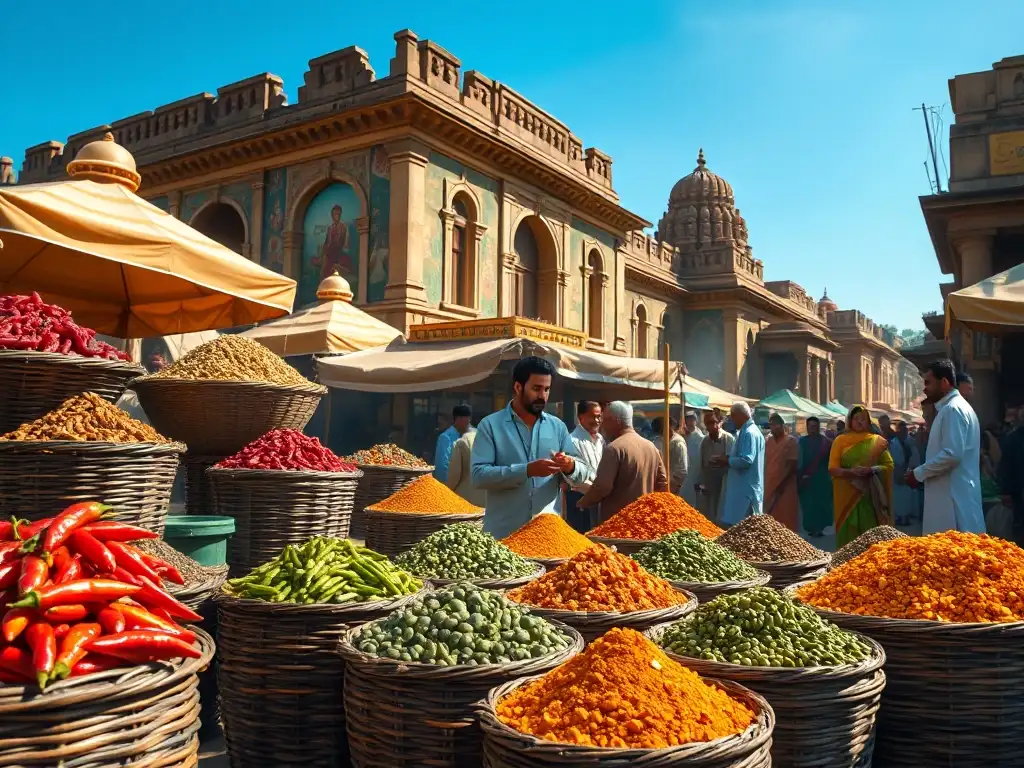
Welcome to Ancient India History, where we delve into the captivating tapestry of civilizations that shaped one of the world's oldest cultures. In our featured article, Ancient India's Role in the Spread of Spices and Culinary Traditions, we uncover the intriguing spice trade history that not only enriched the palates of ancient societies but also fostered cultural exchanges that resonate to this day.
Join us on this journey as we explore how spices became a vital thread in the fabric of ancient Indian life, influencing culinary practices across continents. Your exploration begins here—dive deeper into the flavorful legacy of ancient India!

Introduction to Ancient India Spice Trade History
The history of spice trade in ancient India is a captivating narrative that intertwines the rich tapestry of Indian civilization with the culinary traditions of the world. Spices, often referred to as "the gold of the kitchen," not only played a crucial role in enhancing the flavors of food but also served as a medium for cultural exchange and economic interaction with neighboring civilizations. This article delves into the intricate history of ancient India's spice trade, exploring its origins, significance, and the ways it contributed to the culinary landscape both within India and beyond.
Overview of Ancient India and Its Culinary Heritage
Ancient India, a cradle of civilization, boasted a diverse and vibrant culinary heritage that was deeply influenced by its geography, climate, and cultural interactions. The country's varied landscapes—from the fertile plains of the Ganges to the coastal regions of the Deccan—provided the ideal conditions for growing a wide range of spices. Historical records and archaeological findings suggest that the use of spices in cooking dates back to the Indus Valley Civilization (circa 2500–1500 BCE), where a plethora of culinary practices began to take shape.
As trade routes developed, particularly during the later periods of Indian history, spices became not only essential ingredients in local dishes but also highly sought-after commodities in international markets. The culinary traditions of ancient India were characterized by a unique blend of flavors, aromas, and health benefits attributed to various spices.
- Key Spices of Ancient India:
- Black pepper
- Cardamom
- Turmeric
- Cumin
- Mustard seeds
These spices were not only integral to everyday cooking but also held significant cultural and medicinal value, making them indispensable in ancient Indian society.
Significance of Spices in Ancient Indian Culture
Spices played a multifaceted role in ancient Indian culture, extending far beyond the kitchen. They were deeply embedded in religious rituals, traditional medicine, and even social customs. The use of spices in religious offerings and ceremonies highlighted their sacred status within various cultural practices. Moreover, spices were often utilized in Ayurvedic medicine, where their health benefits were recognized and revered.
The economic impact of the spice trade cannot be understated; it fostered connections with distant lands, facilitating the exchange of goods, ideas, and cultural practices. The demand for Indian spices in markets across the Middle East, Europe, and beyond contributed significantly to the prosperity of ancient Indian kingdoms, establishing India as a pivotal player in the global spice trade.
The Origins of Spices in Ancient India
The cultivation and utilization of spices in ancient India can be traced back to some of the earliest civilizations. Understanding these origins provides insight into how ancient Indians shaped their culinary landscape.
Early Cultivation of Spices in the Indus Valley Civilization
The Indus Valley Civilization is often credited with being one of the first to cultivate and utilize spices in their daily lives. Archaeological evidence indicates that spices such as mustard seeds and turmeric were grown and used in food preparation as early as 2000 BCE. The sophisticated urban centers of Harappa and Mohenjo-Daro had access to fertile lands, which allowed for the cultivation of various crops, including spices.
The significance of spices in the diet of the people living in these ancient cities highlights their role in enhancing flavors and preserving food. Moreover, the trade networks established during this period enabled the exchange of spices with neighboring regions, marking the beginning of India's enduring relationship with the spice trade.
Influence of Geography on Spice Production in Ancient India
India's diverse geography played a crucial role in the production of spices, with different regions specializing in various types. The tropical climate of southern India was particularly conducive to growing spices like black pepper, cardamom, and vanilla, while the arid regions of the northwest produced cumin and coriander.
The geographical distribution of spice cultivation not only influenced local cuisines but also shaped trade routes, connecting India with distant markets. The strategic location of India along the maritime silk routes facilitated the movement of spices to traders from the Middle East, Europe, and beyond, further solidifying India's reputation as the epicenter of spice trade in ancient times.
Ancient India's spice trade history is a testament to the enduring influence of spices on culinary traditions and cultural exchanges, laying the groundwork for rich and diverse gastronomic practices that continue to thrive today.
The Spice Trade Routes of Ancient India
The spice trade in ancient India was a complex network of routes that facilitated the exchange of various spices, herbs, and other commodities, not only within the Indian subcontinent but also connecting it to distant civilizations. These routes played a crucial role in establishing India as a significant player in the global trade arena, particularly between the 1st century BCE and the 15th century CE. The most notable spices traded included black pepper, cardamom, cinnamon, and turmeric, which were highly sought after for their culinary and medicinal properties.
Indian spices were transported through a combination of overland and maritime routes. The overland routes connected India with Central Asia, the Middle East, and beyond, while the maritime routes linked India to Southeast Asia, Africa, and the Mediterranean. The trade flourished due to the demand for spices, which were often regarded as luxury items. The spread of these trade routes facilitated not only economic exchange but also cultural interactions, leading to a rich tapestry of culinary traditions that transcended regional boundaries.
Major Trade Routes Connecting India to Neighboring Civilizations
The major trade routes of ancient India can be categorized into overland and maritime paths.
- Overland Routes:
- The Silk Route: This extensive trade network connected China through Central Asia to the Mediterranean, with several branches leading into the Indian subcontinent.
- The Royal Road: This ancient highway, primarily used by Persian traders, linked the Indian subcontinent to the Middle Eastern markets, facilitating the flow of spices and other goods.
- Maritime Routes:
- The Indian Ocean Trade Network: This network was crucial for connecting India with Southeast Asia, Africa, and the Arabian Peninsula. Key ports along the coast of India, such as Calicut and Cochin, served as major hubs for the spice trade.
- Monsoon Trade Winds: Navigational knowledge of these seasonal winds allowed traders to travel efficiently from India to ports in Africa and the Arabian Peninsula, further enhancing the spice trade.
These trade routes not only allowed for the exchange of spices but also represented a blend of cultures, ideas, and technologies among the civilizations involved.
Key Ports and Cities in the Ancient Indian Spice Trade
Several key ports and cities emerged as vital centers for the spice trade in ancient India. These locations facilitated the import and export of spices, acting as melting pots of different cultures and traditions.
- Calicut (Kozhikode): Known as the "City of Spices," Calicut was a major trading port on the Malabar Coast. It was famous for its high-quality black pepper and served as a crucial link between India and the Arab world.
- Cochin (Kochi): Another significant port city, Cochin, became an essential center for the spice trade, especially during the European colonial period. It was known for its production of cardamom and other spices.
- Bengal: The region around Bengal, particularly the city of Chittagong, was a bustling trade center for spices, connecting India with Southeast Asia and beyond.
- Surat: Located on the western coast, Surat was a prominent port city that flourished during the Mughal Empire and served as a trade hub for both spices and textiles.
These ports not only contributed to the spice trade but also became cultural melting pots where diverse culinary traditions merged and flourished.
Cultural Exchanges Through the Spice Trade
The spice trade was not merely an economic activity; it also fostered significant cultural exchanges between ancient India and neighboring civilizations. The interactions facilitated by the spice trade led to the blending of culinary practices, art, and ideas, profoundly shaping the cultural landscape of the regions involved.
Interactions with the Middle East: Culinary Influences
The interactions between ancient India and the Middle East through the spice trade had a lasting impact on culinary traditions in both regions. Indian spices such as cumin, coriander, and turmeric found their way into Middle Eastern cuisines, enriching dishes and introducing new flavors.
- Culinary Techniques: The exchange of culinary techniques was also evident; for example, the use of spices in marinating meats and preparing rich curries became prominent in Middle Eastern cooking.
- Spice Blends: The creation of spice blends, such as "garam masala," which incorporates various spices, reflects this shared culinary heritage, showcasing the interconnectedness of these civilizations.
The Role of Ancient India in Spice Trade with Southeast Asia
Ancient India played a pivotal role in the spice trade with Southeast Asia, influencing local culinary traditions and agricultural practices. Indian traders and sailors traveled extensively to regions such as the Malay Archipelago and the Philippines, spreading not only spices but also knowledge about cultivation and food preparation.
- Culinary Influence: The introduction of spices like nutmeg and cloves from the Indonesian islands to Indian cuisine had reciprocal effects, as Indian cooking methods and flavors also influenced Southeast Asian cuisines.
- Cultural Exchange: This trade led to significant cultural exchanges, with Indian religions, languages, and art forms melding with local traditions in Southeast Asia, creating a diverse cultural tapestry.
Impact of Spice Trade on Culinary Traditions in Ancient India
The spice trade has had a profound and lasting impact on the culinary traditions of ancient India. The availability of diverse spices transformed the Indian palate and cooking styles, making them more intricate and flavorful.
- Regional Variations: Different regions of India began to develop unique culinary identities based on the spices available to them. For example, coastal regions incorporated seafood and spices like coconut, while inland areas focused on lentils and spices such as cumin and mustard seeds.
- Medicinal Uses: Beyond culinary applications, many spices traded were also valued for their medicinal properties, leading to the integration of spices into traditional Indian medicine, Ayurveda.
- Culinary Legacy: The legacy of the spice trade is evident in modern Indian cuisine, where the use of a wide variety of spices remains central to cooking, reflecting a rich heritage that has evolved over centuries.
The spice trade not only enriched India's culinary landscape but also established it as a cultural crossroads where flavors, traditions, and ideas from various civilizations converged and thrived.
Major Spices Traded by Ancient India
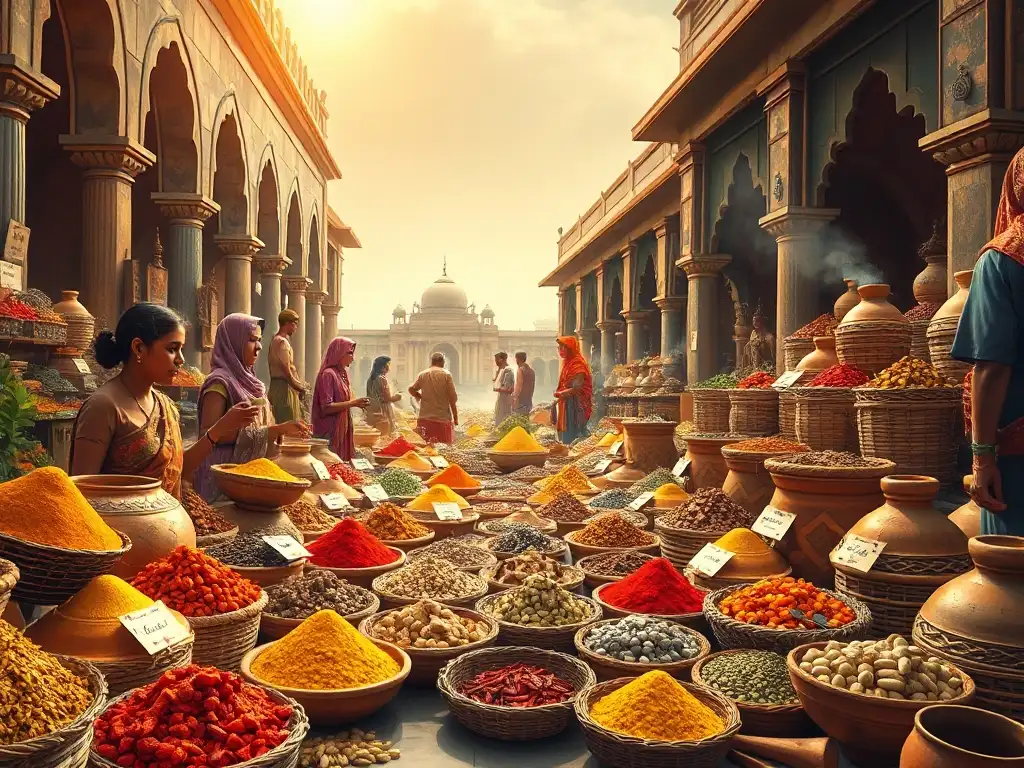
The spice trade in ancient India played a crucial role in shaping not only the culinary landscape of the region but also its economic interactions with other civilizations. Ancient Indian traders were known for their extensive trade routes that stretched across the Indian subcontinent and reached far beyond, connecting with distant lands. Among the plethora of spices that originated in India, three stand out for their significant impact: black pepper, cardamom, and turmeric. These spices were highly sought after for their unique flavors, medicinal properties, and preservative qualities, making them valuable commodities in both domestic and international markets.
Overview of Popular Spices: Black Pepper, Cardamom, and Turmeric
- Black Pepper: Often referred to as the "king of spices," black pepper has been cultivated in India for thousands of years. Its sharp, pungent flavor made it a staple in culinary practices, while its ability to enhance the taste of various dishes contributed to its high demand. In ancient times, black pepper was so valuable that it was often used as currency or offered as tribute.
- Cardamom: Known for its aromatic pods and sweet-spicy flavor, cardamom was another prized spice in ancient India. It was utilized in both cooking and traditional medicine, believed to aid digestion and enhance overall health. Cardamom's distinct flavor made it a popular ingredient in both savory and sweet dishes, and it was often used in ceremonial offerings.
- Turmeric: This vibrant yellow spice is renowned for its culinary and medicinal properties. Turmeric was not only used to impart color and flavor to food but also held a significant place in Ayurvedic medicine. Its anti-inflammatory and antiseptic properties made it a valuable asset in ancient health practices. Turmeric continues to be a staple in Indian kitchens and is celebrated worldwide for its health benefits.
The Medicinal and Culinary Uses of Spices in Ancient Indian Society
In ancient Indian society, spices were integral to both culinary practices and medicinal applications. Spices like black pepper and turmeric were not merely flavor enhancers; they were also believed to possess healing properties. Ancient texts, such as the Ayurveda, often included detailed descriptions of various spices and their uses.
- Culinary Uses: Spices played a vital role in enhancing the flavors of dishes, preserving food, and creating diverse culinary traditions. They were incorporated into daily meals, festive feasts, and religious rituals, reflecting the cultural significance of spices in Indian society. The use of spices in cooking also showcased the culinary ingenuity of ancient Indian chefs, who blended flavors to create complex and aromatic dishes.
- Medicinal Uses: The medicinal applications of spices were rooted in the belief that food is medicine. For example, turmeric was used to treat infections and boost immunity, while black pepper was thought to aid digestion and respiratory health. This integration of spices into health practices illustrates the sophisticated understanding of nutrition and wellness in ancient Indian culture.
The Economic Impact of the Spice Trade
The spice trade was a significant economic driver in ancient India, influencing trade relations and contributing to the prosperity of various regions. The demand for Indian spices in foreign markets, particularly in Europe and the Middle East, propelled the establishment of trade routes and facilitated cultural exchanges.
How Spice Trade Contributed to Ancient Indian Economies
The spice trade significantly boosted the economies of ancient Indian kingdoms. Regions known for spice cultivation, such as Kerala and Tamil Nadu, became wealthy centers of trade. The influx of wealth facilitated the growth of urban centers and enabled the flourishing of arts, culture, and architecture.
- Trade Routes: Indian traders established extensive networks, including the maritime routes connecting India with the Arabian Peninsula, Southeast Asia, and beyond. These routes allowed for the efficient transportation of spices and other goods, ensuring a steady flow of trade.
- Economic Growth: The revenue generated from spice exports led to increased investments in agriculture and infrastructure. The cultivation of spices became a lucrative enterprise, encouraging innovations in farming techniques and trade practices.
Influence of Spices on Trade Relations with Other Civilizations
The allure of Indian spices fostered robust trade relations with numerous civilizations. Ancient India became a melting pot of cultures, as traders from various regions converged to access these sought-after commodities.
- Cultural Exchanges: The spice trade facilitated cultural exchanges that enriched Indian society. As traders interacted with foreign merchants, they exchanged not only goods but also ideas, philosophies, and culinary traditions. This cross-pollination of cultures contributed to the diverse tapestry of ancient Indian civilization.
- Diplomatic Relations: The importance of spices also led to the establishment of diplomatic ties. Kings and rulers recognized the value of spices in trade, often forming alliances to secure access to these valuable resources. The spice trade, therefore, played a crucial role in shaping the geopolitical landscape of ancient India and its neighboring civilizations.
The Legacy of Ancient India's Spice Trade
Ancient India's spice trade is a testament to its rich culinary heritage and its critical role in global trade networks. The subcontinent was not only a prime producer of various spices like black pepper, cardamom, and turmeric, but it also became a hub for their distribution across Asia, Europe, and beyond. The spice trade was facilitated through well-established trade routes, such as the Silk Road, which connected India with various civilizations, enabling the exchange of goods, ideas, and cultures.
The significance of spices extended beyond their economic value; they were deeply intertwined with the social and cultural fabric of ancient Indian society. Spices were used in religious rituals, traditional medicine, and culinary practices, showcasing their multifunctional importance. The flourishing trade led to the establishment of vibrant marketplaces, where merchants and traders shared recipes and culinary techniques, further enriching the culinary landscape.
Additionally, the spice trade contributed to the spread of Indian culture, as traders often settled in foreign lands, bringing with them not only spices but also their culinary traditions. This legacy continues to be felt today, as many spices that originated in ancient India have become staples in various global cuisines, highlighting the enduring impact of this ancient trade.
How Ancient Indian Culinary Traditions Shaped Global Cuisine
Ancient Indian culinary traditions played a pivotal role in shaping the global culinary landscape through the introduction of diverse spices and cooking techniques. The use of spices in Indian cooking dates back thousands of years, with texts like the "Charaka Samhita" and "Sushruta Samhita" detailing their medicinal and culinary applications. This knowledge was disseminated through trade and cultural exchanges, influencing neighboring civilizations.
For instance, the introduction of spices such as cumin, coriander, and saffron into Middle Eastern and Mediterranean cuisines can be traced back to these ancient trade networks. The blending of Indian culinary practices with those of other cultures led to the creation of hybrid dishes, exemplifying the global culinary fusion that emerged from these interactions.
Moreover, the concept of using a variety of spices to create complex flavor profiles found in Indian cuisine has inspired numerous cooking styles worldwide. The practice of using spice blends, such as garam masala, has influenced culinary practices in regions as far as the Caribbean and Southeast Asia, showcasing the extensive reach of ancient Indian culinary traditions.
The Ongoing Influence of Ancient Indian Spices in Modern Cooking
The influence of ancient Indian spices is evident in modern cooking practices across the globe. Spices such as turmeric, ginger, and chili pepper, which have their roots in ancient Indian culinary traditions, are now integral components of many contemporary diets.
Turmeric, with its vibrant color and health benefits, has been embraced not only in Indian cuisine but also in Western cooking, often featured in health-conscious recipes and wellness trends. Similarly, ginger has found its way into various culinary applications, from beverages to savory dishes, highlighting its versatility and enduring appeal.
Chili peppers, introduced to India through trade, have transformed culinary practices worldwide. Their adoption has led to the development of regional cuisines that celebrate heat and flavor, showcasing how ancient Indian spices have continued to evolve and adapt in modern culinary contexts.
In addition, the increasing global interest in plant-based diets has renewed focus on the health benefits of spices, with many people turning to traditional Indian recipes for inspiration. This ongoing influence underscores the relevance of ancient Indian culinary practices and their adaptability to contemporary cooking.
Conclusion
Recap of Ancient India's Role in the Global Spice Trade
Ancient India played a crucial role in the global spice trade, establishing itself as a center for spice production and distribution. The subcontinent's rich variety of spices not only catered to local culinary needs but also reached far-off lands, influencing global cuisines and trade practices. The trade routes forged by Indian merchants facilitated not just the exchange of spices but also cultural interactions that enriched societies across continents.
Final Thoughts on the Cultural Significance of Spices in Ancient India
The cultural significance of spices in ancient India extends beyond mere culinary applications. Spices were symbols of wealth, markers of social status, and integral components of religious and medicinal practices. The legacy of ancient Indian spices continues to resonate in today's culinary world, reminding us of the profound connections between food, culture, and history. As we explore the rich tapestry of ancient India's contributions to the spice trade, we gain valuable insights into how these elements shaped our modern culinary landscape and fostered cultural exchanges that remain influential to this day.
- Introduction to Ancient India Spice Trade History
- The Origins of Spices in Ancient India
- The Spice Trade Routes of Ancient India
- Cultural Exchanges Through the Spice Trade
- Major Spices Traded by Ancient India
- The Economic Impact of the Spice Trade
- The Legacy of Ancient India's Spice Trade
- Conclusion
Frequently Asked Questions
What was the significance of the spice trade in ancient India?
The spice trade was crucial for ancient India, as it established the region as a key player in international trade and contributed to its economic prosperity.
How did ancient India influence culinary traditions?
Ancient India contributed to culinary traditions through the diverse use of spices and cooking techniques, which were later adopted and adapted by other cultures around the world.
What were the main spices traded by ancient Indians?
Ancient Indians traded various spices, including black pepper, cardamom, and cinnamon, which were highly sought after in global markets.
How did the Indus Valley Civilization contribute to the spice trade?
The Indus Valley Civilization established early trade routes and agricultural practices that facilitated the cultivation and exchange of spices, laying the foundation for future trade networks.
What role did the Gupta Empire play in the spice trade?
The Gupta Empire marked a period of economic growth and increased trade activities, enhancing the spice trade and promoting the exchange of cultural practices across regions.
Final Reflection: The Enduring Legacy of Ancient India's Spice Trade
The rich tapestry of Ancient India's spice trade history is not merely a relic of the past; it continues to shape our culinary practices and cultural exchanges today. The intricate networks established by ancient traders laid the groundwork for a global appreciation of spices, which have transcended borders and time. As we savor the diverse flavors in our meals, we are reminded of the profound impact that these early exchanges had on our modern palate and culinary identity.
The influence of Ancient India's spice trade is woven into the fabric of our global culture, illustrating how food can bridge divides and foster connections. From the fragrant curries of India to the aromatic blends found in kitchens worldwide, the legacy of these ancient practices remains vibrant. As the historian and culinary expert, Anjali Kumar, once said, "> Food is a universal language that speaks to our shared history and traditions." This sentiment resonates deeply as we explore how the spices that once traveled thousands of miles continue to unite us in our shared love for flavorful cuisine.
As we reflect on the lessons from Ancient India's spice trade, let us embrace the idea that our culinary choices can be a form of cultural appreciation and connection. I invite you to explore the spices in your kitchen, to learn their stories, and to celebrate the rich history behind them. By doing so, we honor not only the ancient traders who brought these flavors to our tables but also the diverse cultures that continue to enrich our culinary landscape today.
Savor the Journey of Spices – Take Action Today!
Thank you for diving into the vibrant world of Ancient India's spices and culinary traditions! We hope you found inspiration in how these flavors not only shaped cuisines but also influenced cultures across the globe. Now, it’s time to take your newfound knowledge and transform it into action!
- Explore local spice markets or specialty stores to discover unique flavors for your cooking.
- Share your culinary creations with friends and family! Try a recipe inspired by Ancient Indian traditions and host a tasting event to showcase your dishes.
- Engage with community history groups or online forums to unearth fascinating stories about Ancient Indian cuisine and its lasting impact on today’s global food scene.
What new spices or ingredients are you excited to experiment with in your cooking? We’d love to hear your thoughts below!