
Ayurveda Across Borders: The Impact of Ancient Indian Medicine on Southeast Asian Practices

Welcome to Ancient India History, where we embark on a captivating journey through the rich tapestry of ancient Indian civilizations. Delve into the profound influence of Ancient Indian medicine, particularly as we explore the fascinating article "Ayurveda Across Borders: The Impact of Ancient Indian Medicine on Southeast Asian Practices." Discover how the timeless wisdom of Ayurveda transcended borders, shaping health practices and cultural exchanges across regions. Join us as we unravel the stories and legacies that continue to resonate in our world today—your adventure into the past awaits!
The influence of ancient Indian medicine, particularly Ayurveda, extends far beyond the subcontinent, profoundly shaping medical practices and health philosophies across Southeast Asia. This article delves into the historical journey of Ayurveda, tracing its roots and examining how its principles and methodologies have been integrated into the diverse cultures of Southeast Asian nations.
From herbal remedies to holistic health approaches, the interplay between ancient Indian medicine and Southeast Asian practices highlights a rich tapestry of cultural exchange and adaptation. Understanding this influence not only sheds light on the interconnectedness of these regions but also emphasizes the enduring legacy of Ayurveda in contemporary health practices.
Historical Context of Ayurveda
Ayurveda, often regarded as one of the oldest medical systems in the world, originated in India over 3,000 years ago. Rooted in the Vedic texts, it encompasses a holistic approach to health that emphasizes balance among the body, mind, and spirit. The ancient texts, such as the Charaka Samhita and Sushruta Samhita, laid the foundation for Ayurvedic practices, detailing herbal medicines, surgical techniques, and dietary recommendations.
- Key Features of Ayurveda:
- Focus on natural healing through herbs and plants.
- Emphasis on preventive care and maintaining health.
- Use of diagnostic techniques such as pulse reading and observation.
- Recognition of the mind-body connection in health.
As Ayurveda flourished in India, it began to spread to neighboring regions, facilitated by trade routes, migration, and the exchange of ideas. The cross-cultural interactions laid the groundwork for Ayurveda's influence on the medical traditions of Southeast Asia.
The Spread of Ayurvedic Practices in Southeast Asia
The introduction of Ayurveda to Southeast Asia can be attributed to various factors, including maritime trade and the establishment of Indian kingdoms in the region. The early Indian traders, sailors, and Buddhist monks played crucial roles in disseminating Ayurvedic knowledge, which blended with local traditions to form unique medical practices.
- Regions Influenced by Ayurveda:
- Indonesia: Incorporation of Ayurvedic herbs into traditional Jamu practices.
- Thailand: Integration of Ayurvedic principles in traditional Thai medicine.
- Vietnam: Adoption of herbal remedies with Ayurvedic origins.
This cross-pollination of ideas not only enriched the local medical systems but also fostered a shared understanding of health and wellness that transcended borders.
Contemporary Relevance of Ayurvedic Influence
Today, the impact of ancient Indian medicine on Southeast Asian practices is evident in various health systems and wellness approaches. Many Southeast Asian countries have embraced Ayurveda as part of their traditional medicine, recognizing its benefits in holistic health care.
- Modern Applications:
- Ayurvedic clinics and wellness centers in urban areas.
- Workshops and training programs for practitioners.
- Increased interest in herbal remedies and natural treatments.
This resurgence of interest highlights the timeless relevance of Ayurveda and its adaptive nature, allowing it to remain a vital part of the health landscape in Southeast Asia.
Conclusion
The journey of Ayurveda from ancient India to Southeast Asia is a testament to the enduring legacy and influence of ancient Indian medicine. As we explore the intricate connections and shared practices, we gain a deeper appreciation for the cultural exchanges that have shaped health and wellness across borders. The impact of Ayurveda continues to resonate, providing valuable insights into holistic health practices that remain relevant today.
- Historical Context of Ayurveda
- The Spread of Ayurvedic Practices in Southeast Asia
- Contemporary Relevance of Ayurvedic Influence
- Conclusion
Introduction to Ancient Indian Medicine Influence
The influence of ancient Indian medicine, particularly Ayurveda, extends far beyond the subcontinent, permeating various cultures and medical practices across Southeast Asia. This impact can be traced through historical texts, trade routes, and cultural exchanges that facilitated the sharing of knowledge and practices. Understanding this influence involves delving into the origins of Ayurveda and its significance within the broader historical context of medicine in Asia.
Overview of Ayurveda and Its Origins
Ayurveda, derived from the Sanskrit words "Ayur" (life) and "Veda" (knowledge), is one of the oldest systems of medicine in the world, with roots dating back over 3,000 years. It is not merely a medical system but encompasses a holistic approach to health, emphasizing the balance of body, mind, and spirit. The foundational texts of Ayurveda, notably the Charaka Samhita and Sushruta Samhita, were composed around 600 BCE to 200 CE and outline various medical theories, surgical techniques, and herbal remedies.
Key Principles of Ayurveda
- Tridosha Theory: Ayurveda is built on the concept of three doshas—Vata, Pitta, and Kapha—that represent different physiological forces in the body. Each individual possesses a unique balance of these doshas that determines their physical and mental health.
- Holistic Approach: Treatment in Ayurveda focuses on the individual as a whole, taking into account physical, emotional, and spiritual factors. This contrasts sharply with many modern medical practices that often isolate and treat specific symptoms.
- Natural Remedies: Ayurveda utilizes a variety of natural substances, including herbs, minerals, and animal products, to restore balance and promote healing. The emphasis on natural remedies has led to the integration of Ayurvedic practices in various cultures, including those in Southeast Asia.
Significance of Ancient Indian Medicine in Historical Context
The historical significance of ancient Indian medicine lies not only in its healing practices but also in its role as a bridge connecting various cultures through the exchange of knowledge. The spread of Ayurveda across Southeast Asia can be attributed to several factors:
- Trade Routes: The ancient Silk Road and maritime trade routes facilitated the movement of goods, ideas, and practices. Indian merchants and travelers carried Ayurvedic texts and practices to regions such as Thailand, Myanmar, and Indonesia, where they were integrated into local medical systems.
- Cultural Exchanges: The interaction between Indian and Southeast Asian civilizations, particularly during the Gupta Empire (approximately 320 to 550 CE), led to a rich exchange of ideas. This period saw the establishment of Indian kingdoms in various parts of Southeast Asia, which further promoted the dissemination of Ayurvedic practices.
- Culinary Influence: Many Ayurvedic principles found their way into Southeast Asian culinary traditions, emphasizing the importance of diet in maintaining health. The use of spices and herbs in local cuisines reflects Ayurvedic teachings, highlighting the enduring influence of ancient Indian medicine.
The enduring legacy of ancient Indian medicine in Southeast Asia is a testament to its adaptability and relevance across cultures. As modern medicine continues to evolve, the principles and practices of Ayurveda remain a valuable resource for holistic health and wellness.
Historical Context of Ayurveda in Southeast Asia
Early Trade Routes and Cultural Exchanges
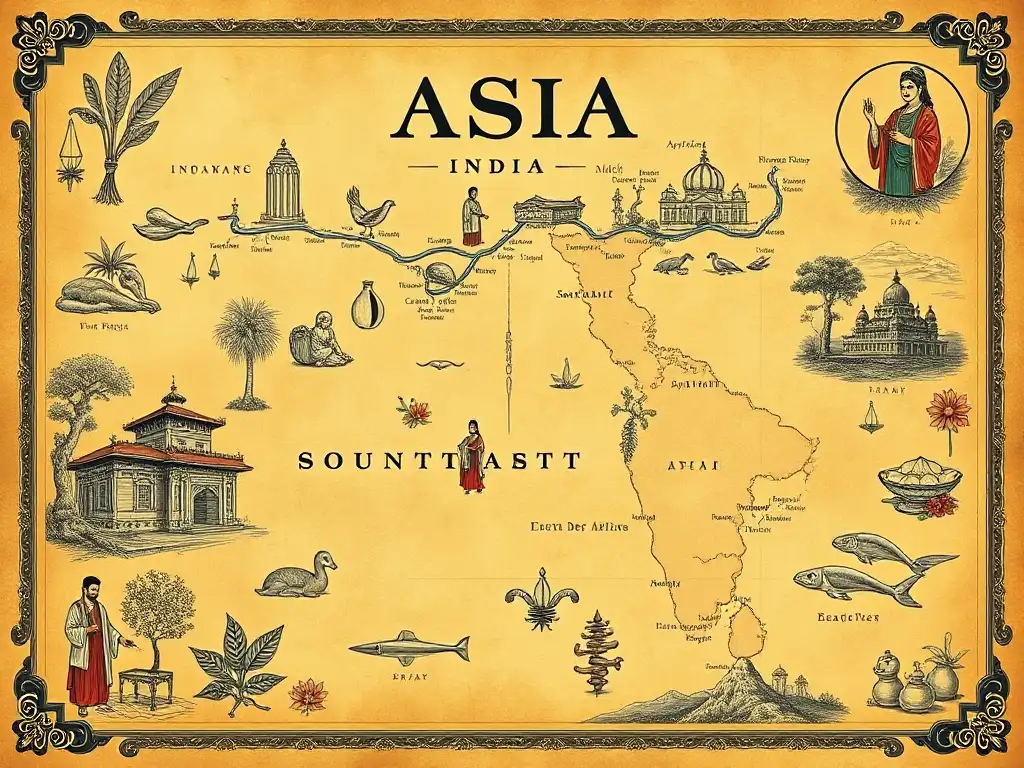
The historical trade routes between India and Southeast Asia played a pivotal role in the dissemination of Ayurveda, the ancient Indian system of medicine. These routes, primarily maritime, facilitated not only the exchange of goods but also ideas, beliefs, and cultural practices. The most significant trade relationships emerged during the early centuries CE, with merchants and travelers connecting the bustling ports of India, such as Kolkata and Kochi, with those of Southeast Asia, including Sumatra, Java, and the Malacca Strait.
- Maritime Commerce: The maritime trade networks allowed for the movement of herbal medicines, medical texts, and practitioners of Ayurveda. This exchange helped in the integration of Ayurvedic principles into local healing practices.
- Cultural Syncretism: As Indian merchants settled in Southeast Asia, they brought with them their cultural practices, including Ayurvedic medicine, which began to blend with local traditions. This syncretism led to a unique amalgamation of healing practices that retained the essence of Ayurveda while adapting to local needs.
The Spread of Ayurveda through Migration and Trade
The migration of Indian scholars, monks, and traders into Southeast Asia further facilitated the spread of Ayurveda. Historical records indicate that these individuals played a crucial role in establishing educational and medical institutions, which became centers for the learning and practice of Ayurvedic medicine.
- Establishment of Learning Centers: Many prominent Indian scholars traveled to Southeast Asia, where they established institutions that taught Ayurveda alongside other sciences. These centers became hubs for knowledge exchange, attracting local practitioners who sought to enhance their medical knowledge.
- Integration into Local Practices: As Ayurvedic practices spread, they began to integrate with local medicinal systems. For instance, the use of specific herbs and treatments found in traditional Southeast Asian medicine often reflected Ayurvedic principles, creating hybrid practices that were culturally relevant to the local population.
Influence of Indian Empires on Southeast Asian Cultures
The influence of ancient Indian empires, particularly the Maurya and Gupta dynasties, played a significant role in shaping the cultural landscape of Southeast Asia, including the field of medicine.
- Political and Cultural Exchange: The expansion of Indian empires into Southeast Asia laid the groundwork for not only political ties but also cultural exchanges. The establishment of Indian kingdoms in regions such as Srivijaya and Majapahit fostered a rich exchange of knowledge, including in the realm of medicine.
- Ayurveda's Enduring Legacy: The enduring legacy of Ayurveda in Southeast Asia can be seen in contemporary practices, where Ayurvedic concepts of balance, herbal remedies, and holistic health continue to thrive. This influence is evident in traditional practices across countries like Indonesia and Thailand, where Ayurvedic principles have been adapted to fit local cultural contexts.
The historical context of Ayurveda in Southeast Asia illustrates the significant impact of ancient Indian medicine influence through trade, migration, and cultural exchanges. The legacy of Ayurveda remains a vital part of the region's health practices, showcasing the enduring nature of these ancient traditions.
Key Features of Ancient Indian Medicine
Ancient Indian medicine, particularly Ayurveda, is characterized by its holistic approach to health and wellness. This system of medicine emphasizes balance within the body and between the individual and the environment. It is underpinned by a deep understanding of nature, emphasizing prevention, treatment, and the maintenance of health through various practices. Key features of this ancient practice include its principles, use of herbal remedies, and the integral role of spirituality.
Principles of Ayurveda: Doshas, Dhatus, and Malas
Ayurveda is founded on three fundamental concepts known as Doshas, Dhatus, and Malas, which collectively govern the physiological and psychological health of an individual.
-
Doshas: These are the three energies believed to circulate in the body and govern physiological activity. The three doshas are:
- Vata: Represents air and space, governing movement and communication.
- Pitta: Represents fire and water, responsible for metabolism and transformation.
- Kapha: Represents earth and water, providing structure and stability.
Each person has a unique constitution or Prakriti, which is a combination of these doshas. Imbalance among the doshas can lead to disease.
-
Dhatus: These are the seven tissues essential for maintaining health, which include:
- Rasa (plasma)
- Rakta (blood)
- Mamsa (muscle)
- Meda (fat)
- Asthi (bone)
- Majja (bone marrow)
- Shukra (reproductive tissue)
Understanding dhatus helps practitioners identify the underlying causes of ailments and tailor treatments accordingly.
-
Malas: These represent the waste products of the body, which include:
- Purisha (feces)
- Mutra (urine)
- Sweat
Proper elimination of malas is crucial for health, and their accumulation can lead to various health issues.
These principles not only guide diagnosis and treatment but also influence the lifestyle and dietary choices recommended in Ayurveda, making it a comprehensive system of health management.
Herbal Medicine and Natural Remedies in Ancient Indian Practices
Herbal medicine forms the cornerstone of ancient Indian medical practices. A diverse range of plants and herbs have been utilized for their therapeutic properties, many of which continue to be relevant in contemporary medicine.
- Key Herbal Ingredients:
- Tulsi (Holy Basil): Revered for its adaptogenic properties, it is known to support immunity and reduce stress.
- Ashwagandha: Often used to combat stress and anxiety, promoting overall vitality and wellness.
- Turmeric: Recognized for its anti-inflammatory and antioxidant properties, it plays a significant role in detoxification.
- Preparation Methods:
- Decoctions: Boiling herbs in water to extract medicinal compounds.
- Infusions: Steeping herbs in water to create potent teas.
- Powders and Pastes: Grinding herbs for external applications or ingestion.
The knowledge of these natural remedies was often passed down through generations, contributing significantly to the treatment of various ailments. The influence of ancient Indian herbal medicine is evident in several Southeast Asian traditional medicine systems, where similar herbs and preparation methods are utilized, demonstrating the far-reaching impact of ancient Indian medicine.
The Role of Spirituality in Ayurveda
Spirituality is intricately woven into the fabric of Ayurveda, highlighting the connection between body, mind, and spirit. This holistic perspective emphasizes that true health is not merely the absence of disease but the harmonious balance of all aspects of an individual.
- Meditation and Mindfulness: Practices such as meditation are integral to Ayurveda, promoting mental clarity and emotional stability. These practices help individuals achieve a state of equilibrium, essential for overall well-being.
- Yoga: Often considered an extension of Ayurvedic principles, yoga fosters physical and mental health through postures, breathing techniques, and meditation. It helps to balance the doshas and enhances the body's natural healing processes.
- Spiritual Well-being: Ayurveda encourages individuals to cultivate self-awareness and engage in practices that nourish the soul, such as rituals and ethical living. This spiritual dimension is essential in promoting healing and maintaining health.
In Southeast Asia, elements of spirituality in Ayurveda have influenced local practices, where the integration of spiritual beliefs with medicinal practices continues to shape health approaches. The enduring legacy of ancient Indian medicine is reflected in these cross-cultural exchanges, demonstrating the profound impact of Ayurveda across borders.
Integration of Ayurveda into Southeast Asian Medical Practices
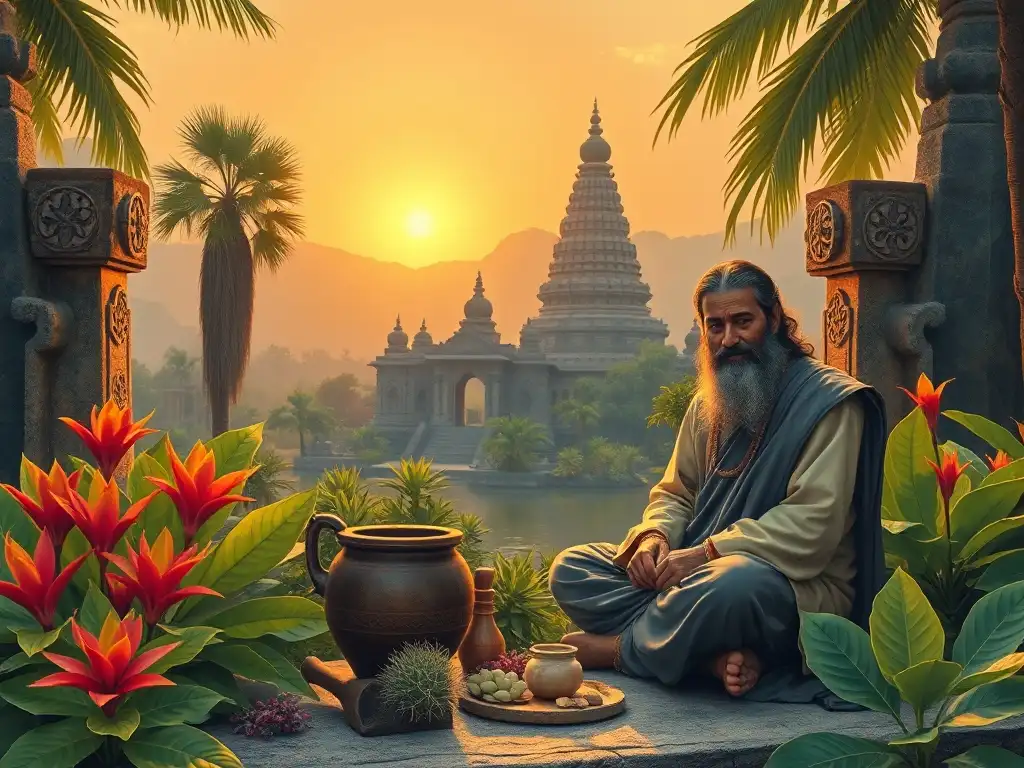
Adaptation of Ayurvedic Concepts in Local Traditions
The influence of ancient Indian medicine, particularly Ayurveda, has significantly shaped the medical practices across Southeast Asia. As trade routes flourished and cultural exchanges intensified, Ayurvedic concepts were not merely transferred but rather adapted to fit the unique cultural and environmental contexts of various Southeast Asian societies.
Ayurveda emphasizes holistic healing, the balance of bodily elements (doshas), and the interconnection of mind, body, and spirit. These principles resonated with local traditions, leading to a synthesis of practices that retained core Ayurvedic philosophies while integrating indigenous beliefs. For instance, the use of herbal remedies, which is central to Ayurveda, became intertwined with local flora, resulting in unique formulations that catered to regional health issues.
Moreover, the incorporation of Ayurvedic diagnostic techniques, such as pulse reading and tongue examination, enriched local medical systems. Practitioners began to blend these methods with their traditional practices, enhancing their diagnostic capabilities and treatment options. This adaptive process illustrates how ancient Indian medicine not only influenced but also evolved within the context of Southeast Asian health practices.
Case Studies of Ayurvedic Influence in Specific Southeast Asian Countries
Traditional Thai Medicine and Its Ayurvedic Roots
Traditional Thai Medicine (TTM) is a prime example of the profound influence of ancient Indian medicine. It incorporates numerous Ayurvedic elements, including the concept of energy lines (Sen) analogous to the Ayurvedic nadis. TTM practitioners utilize herbal formulations that reflect Ayurvedic principles, emphasizing balance and natural healing.
Key Features:
- Herbal Remedies: Many Thai herbal concoctions are derived from Ayurvedic texts, adapted to include local herbs.
- Massage Techniques: The Thai massage system parallels Ayurvedic therapies, focusing on energy flow and muscle relaxation.
- Spiritual Integration: Similar to Ayurveda, TTM intertwines spiritual practices, with rituals often accompanying treatments to enhance healing.
The mutual exchange between Ayurveda and TTM exemplifies how ancient Indian medicine influenced the development of holistic healing practices in Thailand.
Balinese Healing Practices and Ayurvedic Principles
In Bali, traditional healing practices exhibit a clear Ayurvedic influence, particularly in the use of herbal medicine and ritualistic healing. Balinese healers (Balians) often incorporate Ayurvedic herbs into their remedies, showcasing a blend of Indian medicinal knowledge and local traditions.
Key Features:
- Rituals and Offerings: Healing sessions often include spiritual rituals, reflecting Ayurveda's emphasis on the mind-body connection.
- Community Involvement: Similar to Ayurvedic practices, Balinese healing often involves community participation, emphasizing social support in the healing process.
- Diverse Modalities: Balinese healing encompasses various modalities such as massage, energy work, and herbal treatments, mirroring the multifaceted approach of Ayurveda.
This integration highlights how ancient Indian medicine has adapted to local beliefs and practices, contributing to a rich tapestry of healing traditions in Bali.
The Role of Ayurveda in Vietnamese Medicine
Vietnamese traditional medicine also exhibits significant Ayurvedic influence, particularly in its herbal practices and holistic approach to health. The incorporation of Ayurvedic herbs and treatment methodologies has enriched Vietnamese medicine, allowing for a more diverse therapeutic landscape.
Key Features:
- Herbal Pharmacopoeia: A large portion of the Vietnamese herbal pharmacopoeia includes Ayurvedic herbs, often used in combination with local plants to treat common ailments.
- Holistic Approaches: Similar to Ayurveda, Vietnamese medicine emphasizes the balance of body energies and integrates physical, emotional, and spiritual health in treatment plans.
- Cultural Syncretism: The merging of Ayurvedic concepts with local traditions has resulted in unique healing practices, demonstrating the adaptability and resilience of ancient Indian medicine in Southeast Asian contexts.
The influence of Ayurveda on Vietnamese medicine underscores the historical interconnectedness of these cultures and the enduring legacy of ancient Indian medical practices.
Modern Implications of Ancient Indian Medicine Influence
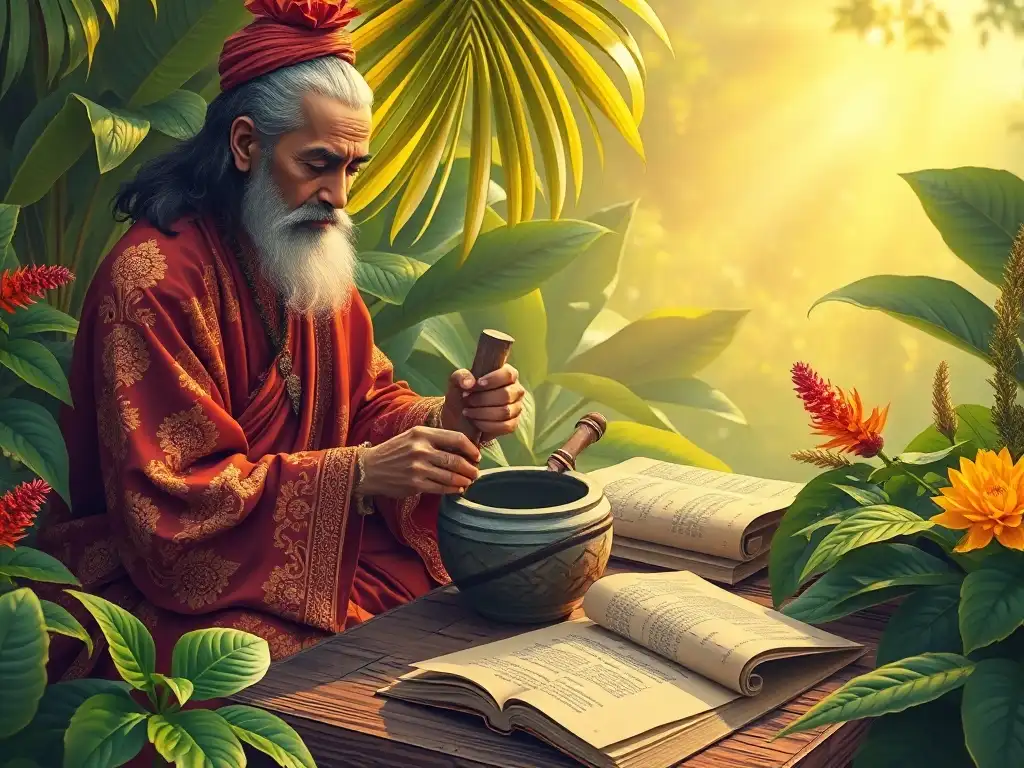
Contemporary Practices and Revivals of Ayurveda in Southeast Asia
The influence of ancient Indian medicine, particularly Ayurveda, has been profoundly integrated into contemporary healthcare practices across Southeast Asia. Countries such as Indonesia, Malaysia, and Thailand have embraced various Ayurvedic principles, leading to a revival of traditional healing methods.
- Integration into National Health Systems
- Governments in several Southeast Asian nations have recognized the value of Ayurveda and its holistic approach to health. For instance, Indonesia has incorporated Ayurvedic practices into its national healthcare policies, promoting traditional medicine alongside Western medical practices.
- In Malaysia, traditional Indian medicine is acknowledged as a complementary healthcare system, with registered practitioners offering Ayurvedic consultations and treatments.
- Educational Institutions and Training
- Numerous institutions in Southeast Asia now offer courses on Ayurveda, ensuring that traditional knowledge is passed down to future generations. These programs often include practical training in herbal medicine, dietary practices, and therapeutic applications.
- The establishment of Ayurvedic schools has created a structured pathway for practitioners, enhancing the professionalization of the field.
- Community-Based Practices
- In rural areas, community health workers often utilize Ayurvedic remedies for common ailments, reflecting a blend of ancient knowledge and modern needs. The use of local herbs and plants in treatments highlights the adaptability of Ayurveda within different ecological contexts.
- Workshops and community health programs focus on promoting Ayurvedic lifestyle choices, emphasizing the importance of diet, yoga, and meditation.
The Growing Popularity of Ayurvedic Wellness Tourism
Ayurvedic wellness tourism has emerged as a significant trend in Southeast Asia, attracting both local and international visitors seeking holistic health solutions.
- Spa and Retreat Centers
- Numerous wellness centers across the region offer Ayurvedic treatments, including massages, herbal therapies, and detoxification programs. These centers often create serene environments that enhance the therapeutic experience.
- Notable destinations, such as Bali in Indonesia and the hills of Thailand, have become popular for their Ayurvedic retreats, which combine relaxation with ancient healing practices.
- Cultural Exchange and Global Awareness
- The rise of social media and wellness influencers has contributed to increased awareness of Ayurveda globally. Many travelers are now seeking authentic experiences that connect them with ancient Indian medicine.
- Workshops and retreats often include cultural components, such as traditional cooking classes and yoga sessions, providing a comprehensive understanding of the Ayurvedic lifestyle.
- Economic Impact
- The growth of Ayurvedic wellness tourism has significant economic implications for Southeast Asian countries, boosting local economies and creating job opportunities in the health and wellness sector.
- Governments are beginning to recognize this potential and are investing in infrastructure to support wellness tourism.
Challenges and Opportunities in Preserving Ayurvedic Heritage
Despite the growing recognition and integration of Ayurveda in Southeast Asia, several challenges remain in preserving its heritage.
- Authenticity and Standardization
- One major challenge is ensuring that the practices and products marketed as Ayurvedic adhere to traditional standards. The risk of commercialization can lead to deviations from authentic practices, diluting the essence of Ayurveda.
- Establishing regulatory frameworks to certify Ayurvedic practitioners and products can help maintain quality and authenticity.
- Cultural Appropriation vs. Cultural Exchange
- As interest in Ayurveda grows, there are concerns about cultural appropriation, where elements of Ayurvedic practices are adopted without proper understanding or respect for their origins. This highlights the need for educational efforts to promote genuine cultural exchange.
- Research and Development
- Investing in research on Ayurvedic practices can provide scientific validation of its benefits, making it more acceptable in modern medical contexts. Collaborative studies between traditional practitioners and modern scientists can lead to innovative healthcare solutions.
- Global Collaboration
- Opportunities exist for Southeast Asian countries to collaborate with India in preserving and promoting Ayurveda. This could include joint research initiatives, exchange programs for practitioners, and co-hosted seminars on ancient Indian medicine influence.
While there are challenges in preserving the rich heritage of Ayurveda in Southeast Asia, the opportunities for growth and integration into modern health practices are abundant. By embracing both tradition and innovation, these regions can honor the profound influence of ancient Indian medicine while adapting to contemporary needs.
Conclusion: The Lasting Legacy of Ancient Indian Medicine
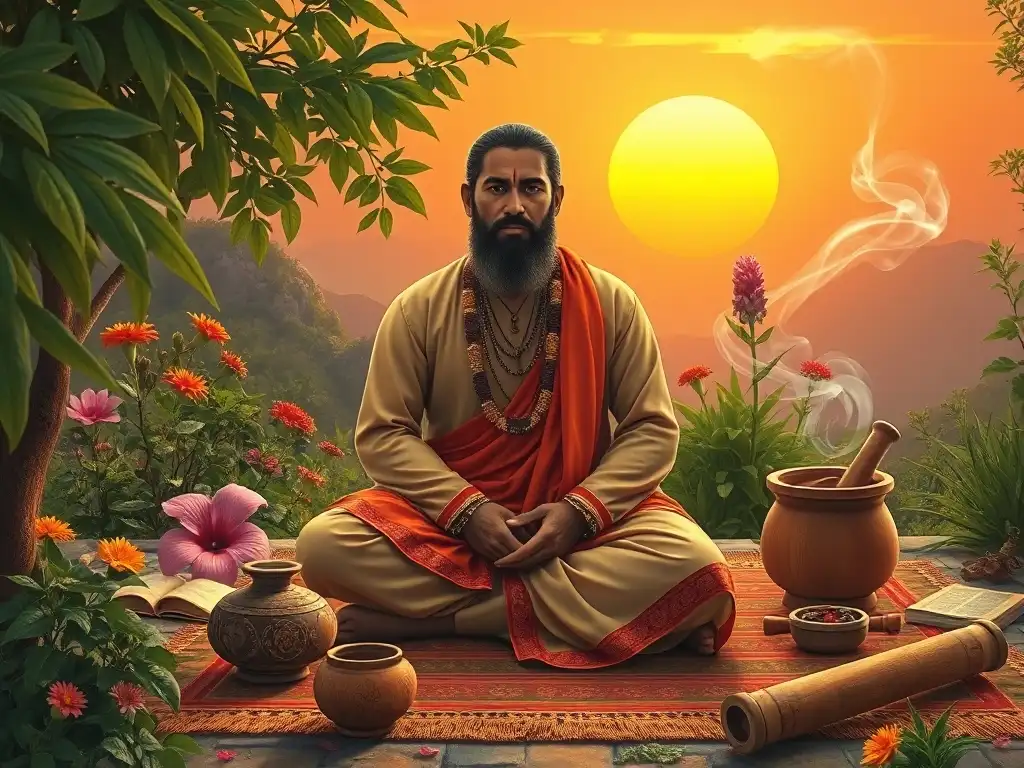
The influence of ancient Indian medicine, particularly Ayurveda, extends far beyond the geographical boundaries of India. Its integration into Southeast Asian health practices highlights a rich tapestry of cultural exchange that continues to shape medical traditions today. The principles of Ayurveda, emphasizing balance, harmony, and holistic health, have been assimilated into various local practices, creating unique adaptations that reflect the diverse cultural landscapes of Southeast Asia.
Ayurveda's core concepts, such as the importance of nutrition, herbal remedies, and preventative care, resonate with traditional Southeast Asian medical systems. This convergence has not only enriched the local health practices but has also fostered a deeper understanding of wellness that transcends cultural divides. The enduring legacy of Ayurveda serves as a testament to its foundational role in shaping health philosophies across borders.
Reflections on the Cultural Significance of Ayurveda in Southeast Asia
The cultural significance of Ayurveda in Southeast Asia can be observed through various lenses. From the use of herbal remedies to the practice of yoga and meditation, ancient Indian medicine has profoundly influenced local customs and beliefs regarding health and wellness. The integration of Ayurvedic principles into Southeast Asian cultures demonstrates a shared understanding of the interconnectedness of body, mind, and spirit.
Key aspects of Ayurveda that have found resonance in Southeast Asia include:
- Herbal Medicine: Many Southeast Asian countries have adopted Ayurvedic herbs into their traditional healing practices. For instance, turmeric and ginger, both staples in Ayurvedic medicine, are widely used in local cuisines and remedies for their anti-inflammatory properties.
- Holistic Practices: The focus on holistic health in Ayurveda has influenced local practices, promoting a balanced lifestyle that encompasses nutrition, physical activity, and mental well-being.
- Spiritual Dimensions: Ayurveda's connection to spirituality and the understanding of energy (prana) have been embraced in various Southeast Asian spiritual traditions, enriching their own practices of healing and wellness.
Future Prospects for Ayurveda and Its Influence on Global Health Practices
As the world increasingly turns towards natural and holistic approaches to health, the future prospects for Ayurveda appear promising. The global emphasis on wellness and preventative care aligns well with Ayurvedic principles, potentially leading to a resurgence in its practice and appreciation worldwide.
Several factors indicate a bright future for Ayurveda's influence on global health practices:
- Integration into Modern Medicine: There is a growing trend towards integrating traditional medicine with modern healthcare systems. Ayurvedic practices are increasingly being recognized for their value in complementary and alternative medicine, particularly in managing chronic conditions.
- Global Awareness and Education: As awareness of Ayurveda spreads, educational programs and workshops are becoming more accessible. This fosters a deeper understanding of its principles and applications, encouraging a new generation of practitioners and enthusiasts.
- Research and Validation: Ongoing research into the efficacy of Ayurvedic treatments is critical. Scientific validation of Ayurvedic practices can enhance their credibility and acceptance in the global health community, paving the way for broader utilization.
The influence of ancient Indian medicine, particularly Ayurveda, on Southeast Asian practices is a profound example of cultural exchange and adaptation. As Ayurveda continues to evolve and find its place in modern health paradigms, its rich legacy will undoubtedly inform future generations, bridging ancient wisdom with contemporary wellness approaches.
Frequently Asked Questions
What is Ayurveda?
Ayurveda is a traditional system of medicine from ancient India that emphasizes balance in bodily systems through diet, herbal treatment, and yogic practices.
How did ancient Indian medicine influence Southeast Asia?
Ancient Indian medicine, particularly Ayurveda, greatly influenced Southeast Asian health practices through trade, cultural exchanges, and the spread of Indian texts, leading to the development of local medicinal systems.
What are some key contributions of ancient Indian medicine?
Key contributions include the introduction of herbal remedies, surgical techniques, and concepts of holistic health, which are still relevant in modern medicine across various cultures.
Are there modern practices that stem from ancient Indian medicine?
Yes, many modern wellness practices such as yoga, meditation, and herbal medicine are rooted in ancient Indian traditions, continuing to influence health and wellness globally.
How is the legacy of ancient Indian medicine preserved today?
The legacy is preserved through educational institutions, ongoing research, and the integration of Ayurvedic principles into contemporary healthcare, ensuring the continuity of this ancient wisdom.
Final Reflection: Embracing the Legacy of Ancient Indian Medicine
The influence of ancient Indian medicine is not just a relic of the past; it is a vibrant thread woven into the fabric of contemporary healthcare practices across Southeast Asia. As we explore the profound impact of Ayurveda, we recognize that its principles continue to resonate in modern wellness approaches, emphasizing holistic health and balance. The enduring relevance of these ancient practices serves as a reminder that wisdom from the past can guide us toward healthier futures.
Cultural exchanges have always shaped societies, and the integration of Ayurvedic principles into Southeast Asian practices illustrates the power of shared knowledge. The ongoing dialogue between these traditions fosters a deeper understanding of health and well-being, enriching the lives of countless individuals. As Mahatma Gandhi once said, "> The best way to find yourself is to lose yourself in the service of others." This sentiment echoes the essence of Ayurveda, where the focus on community and interconnectedness remains paramount.
As you reflect on the insights shared in this article, consider how the teachings of ancient Indian medicine can inspire your own journey toward wellness. Embrace the opportunity to explore holistic practices, nurture your body and mind, and contribute to the collective well-being of your community. The legacy of Ayurveda is not merely historical; it is a living tradition that invites each of us to partake in its wisdom and transform our lives for the better.
Unveil the Wisdom of Ayurveda—Take Action Today!
Thank you for exploring the fascinating world of Ayurveda and its profound impact across Southeast Asia! We hope you have gained valuable insights into how this ancient practice continues to influence lives and cultures. Now, it’s time to translate this knowledge into action and enhance your connection with Ayurvedic principles.
Here’s how you can embark on your journey:
- Embrace Ayurveda: Incorporate Ayurvedic practices into your daily routine, such as mindfulness meditation or herbal remedies, to experience holistic wellness firsthand.
- Share the Knowledge: Engage in discussions about Ayurveda with friends and family, creating a community interested in ancient healing methods.
- Delve Deeper: Seek out local workshops or online courses to expand your understanding of Ayurvedic practices and discover how they can enhance your health and well-being.
What aspect of Ayurveda resonates with you the most, and how do you envision integrating this ancient wisdom into your modern lifestyle?