
The Interplay of Religion: How Hinduism and Buddhism Influenced Each Other

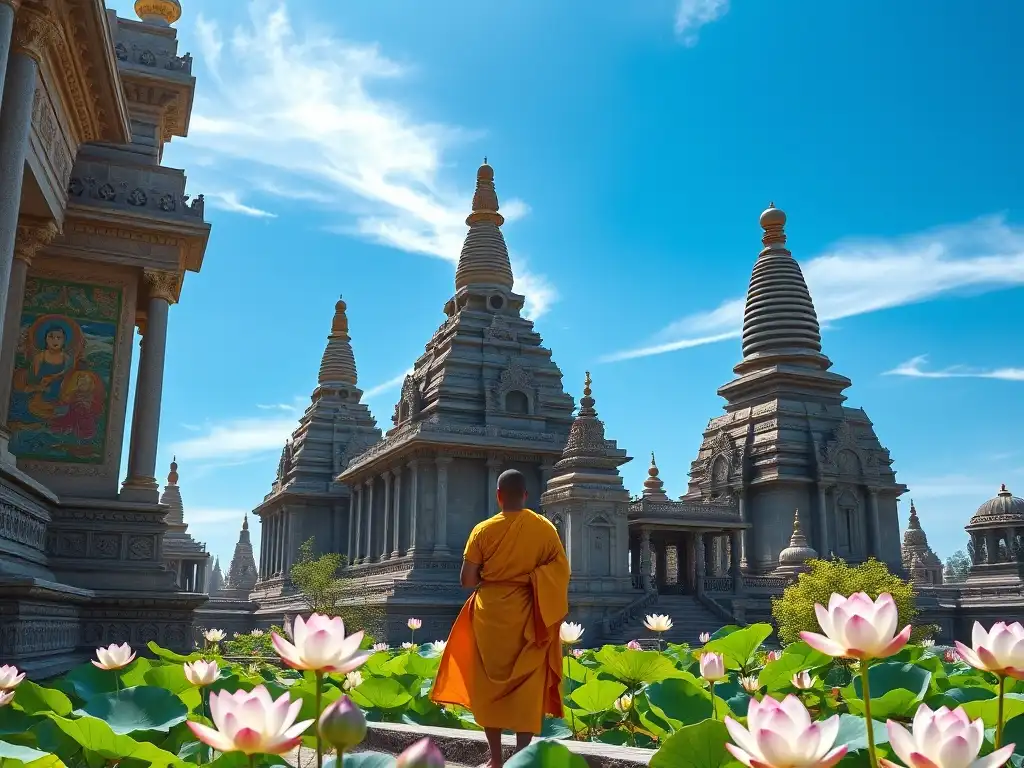
Welcome to Ancient India History, where we embark on a mesmerizing journey through the rich tapestry of India’s ancient civilizations. Here, we delve into the profound historical influence of two of the world's most significant religions: Hinduism and Buddhism. In our featured article, “The Interplay of Religion: How Hinduism and Buddhism Influenced Each Other,” we uncover the intricate dynamics and cultural exchanges that shaped these faiths and, in turn, the very fabric of Indian society.
Prepare to be intrigued as we explore how these religions not only coexisted but also enriched one another, leaving a legacy that still resonates today. Join us as we unravel the threads of history and discover the enduring impact of these ancient beliefs!
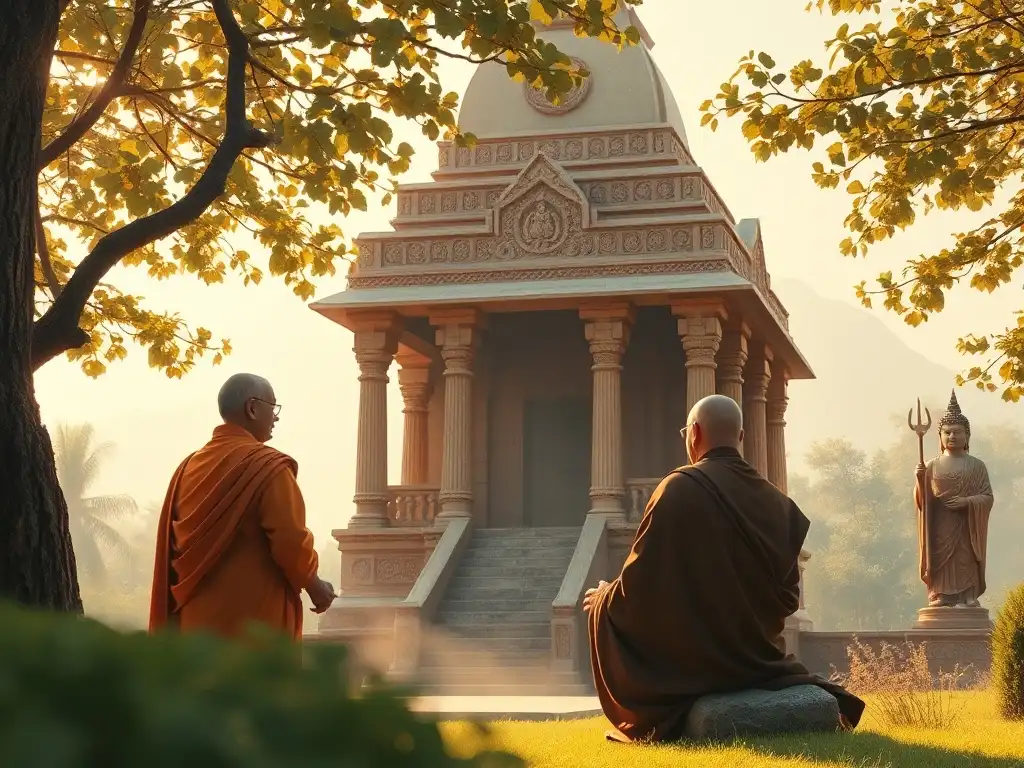
The historical relationship between Hinduism and Buddhism is a fascinating tapestry woven with threads of cultural exchange, philosophical discourse, and religious evolution. Both religions, emerging from the rich soil of ancient Indian civilization, have profoundly shaped the social and spiritual landscapes of not only India but also the broader Asian continent. The interplay between these two faiths has seen them influence each other in various ways, from shared beliefs and practices to divergent paths that reflect their unique interpretations of spirituality and ethics.
This article delves into the historical influence of Hinduism and Buddhism, exploring their origins, core principles, and the significant events that shaped their development. By examining the nuances of this interaction, we gain a deeper understanding of how these two major religions coexisted, challenged, and informed one another throughout history.
Introduction to Hinduism and Buddhism
Overview of Hinduism: Origins and Beliefs
Hinduism, one of the world's oldest religions, traces its roots back to the Indus Valley civilization, around 2500 BCE. It is characterized by a rich tapestry of beliefs and practices that vary widely across different regions and communities. Central to Hinduism are concepts such as dharma (duty/righteousness), karma (action and consequence), and moksha (liberation from the cycle of birth and rebirth). The religion is not monolithic; it encompasses a diverse range of texts, rituals, and philosophies, including the Vedas, Upanishads, and the epics like the Mahabharata and Ramayana.
Key aspects of Hindu belief include:
- A pantheon of gods and goddesses, with Brahman as the ultimate reality.
- The importance of rituals and ceremonies in daily life and during significant life events.
- A strong emphasis on the moral order of the universe, which guides individual and societal conduct.
Overview of Buddhism: Origins and Core Principles
Buddhism emerged in the 5th century BCE, founded by Siddhartha Gautama, known as the Buddha, or "the Enlightened One." In stark contrast to Hinduism's complex pantheon, Buddhism advocates for a path centered around personal enlightenment and the alleviation of suffering. Its core teachings are encapsulated in the Four Noble Truths and the Eightfold Path.
Key principles of Buddhism include:
- The notion of anatta (non-self) and anicca (impermanence) that challenge the rigid concepts of self in Hinduism.
- The practice of meditation and mindfulness as means to achieve enlightenment.
- The goal of nirvana, a state of liberation from the cycle of birth, death, and rebirth.
Historical Context of Hinduism and Buddhism
The Emergence of Hinduism in Ancient India
Hinduism's development was significantly influenced by the social and political dynamics of ancient India. As a predominantly polytheistic tradition, it assimilated various local beliefs and practices over centuries. The Vedic period (1500-500 BCE) marked a crucial point in its evolution, where the composition of the Vedas set the foundation for subsequent religious thought and practice. The caste system also emerged during this time, shaping social structures and rituals within Hindu society.
The Birth of Buddhism in the 5th Century BCE
Buddhism arose as a reformative movement within the spiritual landscape of ancient India. Siddhartha Gautama questioned the existing religious practices and the caste system, advocating for a more egalitarian approach to spirituality. His teachings resonated with many who sought liberation from the oppressive rituals of the time, leading to the establishment of monastic communities and the spread of Buddhist philosophy across Asia.
Key Historical Events Influencing Both Religions
Throughout history, several pivotal events influenced the interplay between Hinduism and Buddhism:
- The Mauryan Empire (322-185 BCE), particularly under Emperor Ashoka, played a vital role in the propagation of Buddhism while simultaneously promoting Hindu values.
- The Gupta Empire (c. 240-550 CE) witnessed a revival of Hindu practices, leading to a gradual decline of Buddhism in India.
- The Bhakti movement in medieval India redefined religious expressions in both traditions, emphasizing devotion and personal connection to the divine.
This intricate historical narrative highlights the dynamic relationship between Hinduism and Buddhism, showcasing how they have influenced one another while also carving their distinct paths in the spiritual heritage of ancient India.
The Interconnectedness of Hinduism and Buddhism
Hinduism and Buddhism, two of the most prominent religions that originated in India, share a complex and intertwined history. Their development has been marked by significant philosophical exchanges, cultural interactions, and mutual influences. While Buddhism emerged in the 6th century BCE as a reformist movement within the context of Hindu traditions, it also drew from the rich tapestry of beliefs and practices that characterized ancient Indian spirituality. This interconnectedness is evident in various aspects, including shared philosophical concepts, ethical values, and spiritual goals.
The historical backdrop of these religions highlights how they influenced each other's evolution. For instance, while Buddhism rejected certain Vedic rituals, it retained the concepts of meditation and ascetic practices that were prevalent in Hinduism. Additionally, the relationship between the two religions has been characterized by both competition and collaboration, which has contributed to their dynamic growth and adaptation over centuries.
Shared Philosophical Concepts and Beliefs
At the core of Hinduism and Buddhism lies a set of philosophical concepts that resonate across both traditions. Key among these is the notion of Dharma, which refers to the moral law and duty that governs individual conduct. In Hinduism, Dharma is often linked to one's caste and duties within society, while Buddhism interprets it as the path to enlightenment, emphasizing ethical living and mindfulness.
Another shared belief is the aspiration for Moksha (liberation) in Hinduism and Nirvana (the cessation of suffering) in Buddhism. Both concepts reflect the ultimate goal of escaping the cycle of birth and rebirth ( Samsara), though their interpretations differ. Hinduism promotes various paths to achieve Moksha, including devotion, knowledge, and meditation, while Buddhism emphasizes the Eightfold Path as the means to attain Nirvana.
The idea of impermanence is also central to both traditions. Buddhism’s concept of Anicca (impermanence) aligns with Hindu philosophies that acknowledge the transient nature of life. This shared understanding of existence informs both religions' approaches to suffering, attachment, and the nature of reality.
The Role of Karma and Rebirth in Both Religions
The principles of Karma and rebirth are foundational to both Hinduism and Buddhism, shaping their ethical frameworks and views on life. In Hinduism, Karma refers to the law of cause and effect, where one's actions in this life influence future existences. This belief underscores the importance of righteous living and fulfilling one's duties to achieve a favorable rebirth.
Similarly, Buddhism adopts the concept of Karma, but with a nuanced understanding. It emphasizes intentionality behind actions, asserting that moral and ethical choices directly impact one's spiritual journey. The cycle of rebirth ( Samsara) is viewed as a condition to transcend, with Nirvana being the ultimate goal to escape this cycle.
Both religions advocate for ethical conduct as a means to cultivate positive Karma and improve one's chances for a favorable rebirth. This shared belief system has led to a convergence of ideas regarding morality, accountability, and the human experience.
Influence of Hindu Deities on Buddhist Practices
The interaction between Hinduism and Buddhism is also evident in the influence of Hindu deities on Buddhist practices. Many Hindu deities, such as Brahma and Shiva, are incorporated into Buddhist cosmology and traditions, particularly in regions where both religions coexisted. For instance, in Mahayana Buddhism, the Bodhisattvas—enlightened beings who assist others on their path to enlightenment—bear resemblances to Hindu deities in their compassionate qualities.
Additionally, certain rituals and practices within Buddhism, such as the veneration of images and stupas, reflect Hindu influences. The depiction of deities in sculpture and temple architecture often reveals a syncretism where Hindu iconography blends with Buddhist themes, illustrating the shared cultural heritage of these religions. This cultural interplay has enriched both traditions and contributed to their evolution.
Cultural Exchanges Between Hinduism and Buddhism
The cultural exchanges between Hinduism and Buddhism have been pivotal in shaping the historical and social fabric of ancient India. These interactions have manifested in various forms, including art, literature, and rituals, contributing to a vibrant dialogue that enriched both religions.
Artistic Influences: Sculpture and Architecture
Artistic expression serves as a significant medium through which Hinduism and Buddhism have influenced each other. The emergence of Buddhist art in India drew heavily from Hindu motifs, employing similar techniques and styles in sculpture and architecture.
For instance, the intricate carvings found in Buddhist stupas often depict scenes from the life of the Buddha, incorporating elements of Hindu iconography. Temples dedicated to both religions exhibit architectural similarities, such as the use of mandapas (pillared halls) and elaborate gateways.
Furthermore, the Gupta period (c. 320-550 CE) marked a flourishing of art that was a synthesis of both traditions, showcasing a blend of styles that reflected the shared cultural milieu of the time. This artistic convergence not only enriched the visual landscape but also symbolized the deep-rooted connections between the two faiths.
Literary Contributions: Texts and Scriptures
The literary interactions between Hinduism and Buddhism have resulted in a rich tapestry of texts that reflect their philosophical dialogues. Many Buddhist scriptures, such as the Dhammapada, incorporate ideas and teachings that resonate with Hindu scriptures, including the Upanishads and the Bhagavad Gita.
Moreover, the Pali Canon, one of the earliest collections of Buddhist teachings, exhibits a dialogue with Hindu philosophical concepts, exploring themes like meditation, ethics, and the nature of reality. Conversely, Hindu texts have acknowledged Buddhist ideas, particularly in discussions surrounding Karma, Dharma, and the quest for liberation.
This cross-pollination of literary works has fostered a culture of philosophical inquiry and debate, illustrating how both religions have influenced each other's intellectual traditions.
Rituals and Practices: Cross-Pollination of Ideas
The rituals and practices of Hinduism and Buddhism have experienced significant cross-pollination, leading to shared customs and observances. For instance, both religions emphasize meditation, albeit with different techniques and objectives. Hindu meditation practices, such as Dhyana, have parallels in Buddhist mindfulness and concentration techniques.
Festivals and rituals also showcase syncretism, where Hindu celebrations may incorporate Buddhist elements and vice versa. In regions where both religions coexisted, festivals often became platforms for cultural exchange, fostering a sense of community and shared identity among practitioners.
The blending of rituals extends to life-cycle events such as births, marriages, and deaths, where both Hindu and Buddhist customs may be observed, reflecting an ongoing dialogue that transcends religious boundaries. This intermingling of practices highlights the adaptability and resilience of both traditions in the face of cultural exchange.
The Impact of Buddhism on Hinduism

The historical interplay between Buddhism and Hinduism is a testament to the dynamic and evolving nature of religious traditions in ancient India. As Buddhism emerged in the 6th century BCE, it introduced various concepts and practices that significantly impacted Hinduism. This influence is particularly evident in philosophical thought, social practices, and the development of spiritual communities.
One notable area of influence is the incorporation of ethical teachings. The principles of ahimsa (non-violence) and compassion, central to both religions, became more pronounced within Hindu practices as a response to Buddhist teachings. Additionally, the emphasis on meditation and personal experience in Buddhism led to a greater focus on these aspects within Hindu spirituality.
Furthermore, the decline of Buddhism in India by the end of the first millennium CE saw many Buddhist concepts being absorbed and reinterpreted within Hinduism, showcasing a significant syncretic evolution. This interaction laid the groundwork for a more inclusive spiritual landscape, allowing for the coexistence of various beliefs and practices.
The Adaptation of Buddhist Concepts in Hindu Philosophy
Buddhism introduced several concepts that were later adapted by Hindu philosophy, leading to a rich dialogue between the two. One of the key Buddhist doctrines, emptiness (śūnyatā), found its resonance in Hindu metaphysical thought, particularly in the schools of Vedanta. The idea that all phenomena are transient and interdependent informed the development of various Hindu philosophies, emphasizing the illusory nature of the material world (Maya).
Moreover, the doctrine of karma and rebirth, which were prominent in Buddhism, were further elaborated within Hindu texts. The nuanced understanding of karma as not just a moral law but also a means of liberation reflects a significant philosophical adaptation. This integration illustrates how Hindu thinkers engaged deeply with Buddhist thought, leading to the emergence of new interpretations and practices.
Additionally, the concept of moksha (liberation) was influenced by Buddhist notions of nirvana. Both traditions share the ultimate goal of liberation from the cycle of rebirth, yet each offers distinct paths and methodologies, showcasing the philosophical richness that emerged from their interactions.
The Influence of Buddhist Monasticism on Hindu Practices
Buddhist monasticism played a critical role in shaping Hindu practices, particularly in the development of ascetic traditions. The establishment of monastic communities by Buddhists provided a model for Hindu ascetics, leading to the formation of various sects that emphasized renunciation and meditation.
The ashrama system in Hinduism, which categorizes life into stages (Brahmacharya, Grihastha, Vanaprastha, and Sannyasa), reflects influences from Buddhist monastic life. The emphasis on a disciplined lifestyle, community living, and spiritual practice within Buddhist monasticism encouraged similar structures in Hinduism, fostering a sense of community and shared purpose among practitioners.
Moreover, the practice of meditation and mindfulness, initially popularized by Buddhism, became integral to Hindu yoga traditions. Techniques such as dhyana (meditative absorption) were enriched by the dialogues between the two faiths, leading to a holistic framework for spiritual practice that emphasizes both inner peace and social responsibility.
The Influence of Hinduism on Buddhism
The reciprocal nature of the relationship between Hinduism and Buddhism is evident in the ways Hinduism influenced the development of Buddhist thought and practices. This interaction often resulted in a blending of ideas, enriching both traditions and leading to unique expressions of spirituality.
Integration of Hindu Deities into Buddhist Pantheon
As Buddhism spread across India and beyond, it began to incorporate various Hindu deities into its pantheon. This integration is particularly visible in the Mahayana tradition, where figures such as Bodhisattvas were often depicted with characteristics reminiscent of Hindu gods, showcasing a shared cultural heritage.
For instance, Avalokiteshvara, the Bodhisattva of compassion, parallels the Hindu goddess Kuan Yin. This blending reflects the syncretic nature of religious practices in ancient India, as Buddhist practitioners adopted and adapted Hindu deities to resonate with local beliefs and practices.
Additionally, temples often featured iconography that drew from both traditions, symbolizing a broader spiritual unity. This amalgamation not only facilitated the acceptance of Buddhism within predominantly Hindu regions but also enriched the artistic and cultural expressions of both faiths.
The Evolution of Rituals in Buddhism through Hindu Practices
The evolution of rituals in Buddhism was significantly influenced by Hindu practices, particularly in the realms of worship and ceremony. As Buddhism evolved, it adopted various elements from Hindu rituals, leading to a more elaborate ceremonial framework.
For instance, the use of puja (worship) in Buddhism has roots in Hindu practices. Ritual offerings, chanting, and the veneration of images became common in Buddhist temples, reflecting a borrowing of Hindu customs to enhance devotional practices.
Furthermore, the concept of samsara (the cycle of birth and rebirth) in Buddhism was influenced by Hindu cosmology, as both traditions sought to understand the nature of existence and the path to liberation. This shared understanding led to the incorporation of Hindu symbols and motifs in Buddhist rituals, creating a unique synthesis that enriched the spiritual experiences of practitioners.
The historical influences between Hinduism and Buddhism illustrate a profound interplay of ideas, practices, and beliefs. This symbiotic relationship not only shaped the evolution of each tradition but also contributed to the rich tapestry of ancient Indian civilization.
Modern Implications of Historical Influence
The historical interplay between Hinduism and Buddhism has left a profound impact on contemporary spiritual practices and societal norms in India and beyond. This influence manifests in various ways, including shared rituals, philosophies, and ethical frameworks that continue to shape the spiritual landscape of modern societies. Understanding these implications is essential not only for comprehending the evolution of these religions but also for appreciating their roles in promoting peace, tolerance, and understanding in an increasingly pluralistic world.
How Hinduism and Buddhism Shape Contemporary Spiritual Practices
Today, many spiritual seekers and practitioners draw from both Hindu and Buddhist traditions, blending elements to create a more holistic approach to spirituality. Common practices include:
- Meditation and Mindfulness: Techniques popularized by Buddhism, such as mindfulness meditation, have been widely adopted in Hindu practices, enhancing the focus on inner peace and self-awareness.
- Rituals and Festivals: Celebrations like Diwali and Vesak show how Hindu and Buddhist festivals can overlap, showcasing shared values of light, knowledge, and community.
- Philosophical Teachings: Concepts like karma and dharma resonate in both religions, influencing ethical behavior and the understanding of life's purpose among practitioners.
This synthesis not only enriches individual spiritual experiences but also fosters a culture of cooperation and mutual respect among diverse religious communities.
The Continued Dialogue Between Hindu and Buddhist Communities
In contemporary society, dialogues between Hindu and Buddhist communities continue to thrive. These interactions are characterized by:
- Interfaith Initiatives: Collaborative efforts to promote peace and understanding, including joint observances and discussions on common philosophical grounds.
- Cultural Exchange: Art, literature, and music reflecting elements from both traditions serve as mediums for expressing shared values and experiences, enhancing cultural appreciation.
- Shared Social Causes: Movements addressing social issues such as caste discrimination, women's rights, and environmental conservation often see participation from both Hindu and Buddhist practitioners, demonstrating a united front for common goals.
These dialogues not only address historical grievances but also pave the way for a future rooted in collaboration and harmonious coexistence.
Conclusion: The Legacy of Hinduism and Buddhism’s Interplay

The legacy of the interactions between Hinduism and Buddhism is rich and multifaceted, weaving a complex tapestry of cultural and spiritual influences that continue to resonate today. Understanding this legacy is key to grasping the broader narrative of human civilization.
Summary of Historical Influences
The historical influences of Hinduism and Buddhism on each other are evident in their shared philosophies, practices, and cultural expressions. From the early days of the Buddha's teachings, which challenged certain aspects of Brahmanical tradition, to the later integration of Buddhist elements into Hindu practices, their relationship has always been dynamic. This ongoing exchange has enriched both religions, shaping their development and allowing them to adapt to changing social contexts.
The Importance of Understanding Cultural Interactions in Ancient India
Recognizing the cultural interactions between Hinduism and Buddhism is crucial for several reasons:
- Cultural Heritage: It highlights the rich tapestry of India's spiritual heritage and the interconnections that have shaped its civilization.
- Promoting Tolerance: Understanding these interactions fosters a greater sense of tolerance and respect among different religious communities, which is essential in today's diverse societies.
- Insights for Contemporary Issues: The historical interplay provides valuable lessons on coexistence, conflict resolution, and the importance of dialogue in addressing modern societal challenges.
By studying these ancient cultural exchanges, we gain insights not only into the past but also into how we can navigate our present and future.
References and Further Reading on Hinduism and Buddhism Historical Influence
To gain a deeper understanding of the historical interplay between Hinduism and Buddhism, a variety of scholarly texts, articles, and resources provide valuable insights. Below is a curated list of recommended readings that explore the complexities of these two major religions and their mutual influences throughout history.
Books
- "The Buddha and the Bhakti Movement: A Study of the Interactions Between Hinduism and Buddhism" by A. K. Sharma
- This book delves into how the Bhakti movement, characterized by devotional worship, served as a bridge between Hindu and Buddhist practices, illustrating their interconnectedness.
- "Hinduism and Buddhism: An Historical Sketch" by Charles Eliot
- A classic text offering a historical overview of both religions, exploring their origins, philosophical tenets, and the ways they have interacted over centuries.
- "The Hindu-Buddhist Connection: A Study of the Interwoven Histories" by S. R. Sharma
- This work investigates the overlapping historical narratives of Hinduism and Buddhism, emphasizing their shared cultural heritage and mutual influences.
Articles
-
"The Crossroad of Religions: Hinduism and Buddhism in Ancient India"
This article examines the cultural and philosophical exchanges between Hinduism and Buddhism, highlighting key historical figures and events that shaped their relationship.
-
"Mutual Influences of Hinduism and Buddhism in South Asia"
An insightful piece that discusses how both religions have borrowed elements from each other, affecting rituals, beliefs, and practices.
Online Resources
-
Encyclopedia Britannica: Hinduism and Buddhism
A comprehensive online resource providing well-researched articles on both religions, including their historical contexts and interrelations.
-
Stanford Encyclopedia of Philosophy: Hinduism and Buddhism
This platform offers in-depth philosophical analyses of both faiths, exploring their origins, teachings, and the ways they have influenced one another.
Journals
-
Journal of Hindu Studies
Focuses on contemporary and historical studies of Hinduism, often including articles that discuss its relationship with Buddhism.
-
Journal of Buddhist Studies
Publishes research on Buddhist traditions, including comparative studies that explore its links with Hinduism.
Conclusion
By engaging with these resources, readers can develop a nuanced understanding of how Hinduism and Buddhism have not only coexisted but also dynamically influenced each other throughout history. This exploration sheds light on the broader cultural exchanges that shaped ancient Indian civilization and its religious landscape.
- Introduction to Hinduism and Buddhism
- Historical Context of Hinduism and Buddhism
- The Interconnectedness of Hinduism and Buddhism
- Cultural Exchanges Between Hinduism and Buddhism
- The Impact of Buddhism on Hinduism
- The Influence of Hinduism on Buddhism
- Modern Implications of Historical Influence
- Conclusion: The Legacy of Hinduism and Buddhism’s Interplay
- References and Further Reading on Hinduism and Buddhism Historical Influence
- Conclusion
- What is the main focus of the article "The Interplay of Religion: How Hinduism and Buddhism Influenced Each Other"?
- How did Hinduism and Buddhism initially interact?
- What are some key contributions of Hinduism to Buddhism?
- In what ways did Buddhism influence Hindu practices?
- Why is the historical interplay between Hinduism and Buddhism significant?
Frequently Asked Questions
What is the main focus of the article "The Interplay of Religion: How Hinduism and Buddhism Influenced Each Other"?
The article explores the historical influence of Hinduism and Buddhism on each other, examining their shared roots and how their teachings evolved over time.
How did Hinduism and Buddhism initially interact?
Hinduism and Buddhism emerged in ancient India, with Buddhism developing as a reaction to certain Hindu practices, leading to a dynamic exchange of ideas and beliefs between the two religions.
What are some key contributions of Hinduism to Buddhism?
Hinduism contributed concepts like karma, dharma, and the idea of meditative practices, which were integrated into Buddhist teachings, enriching its philosophical framework.
In what ways did Buddhism influence Hindu practices?
Buddhism introduced new ideas such as non-attachment and the Four Noble Truths, which encouraged a more ascetic lifestyle and influenced various Hindu sects over time.
Why is the historical interplay between Hinduism and Buddhism significant?
Understanding their historical influence helps us appreciate the cultural and spiritual legacy of ancient Indian civilizations and their impact on modern religious practices in the region.
Final Reflection: Embracing the Harmony of Hinduism and Buddhism
The historical influence of Hinduism and Buddhism is not just a relic of the past; it is a vibrant tapestry that continues to shape our spiritual and cultural landscapes today. As we navigate an increasingly interconnected world, understanding the nuanced interplay between these two ancient religions offers profound insights into the nature of belief, coexistence, and the quest for meaning. The shared philosophies and practices that emerged from their interactions remind us that spirituality is not a solitary journey but a collective experience that transcends boundaries.
The ongoing dialogue between Hinduism and Buddhism has significantly enriched our cultural and social fabric. This dynamic relationship invites us to explore the depths of compassion, mindfulness, and the pursuit of enlightenment. As we witness the resurgence of interest in these traditions, it becomes clear that their teachings resonate with contemporary issues, such as mental well-being and ethical living. The greatest gift is the ability to share your knowledge and wisdom with others,
a sentiment that encapsulates the essence of these religions' mutual influence and their enduring legacy.
As we reflect on the lessons gleaned from the historical interplay of Hinduism and Buddhism, let us embrace the call to foster understanding and acceptance in our own lives. Consider how you can integrate the principles of compassion, mindfulness, and interconnectedness into your daily interactions. By doing so, we not only honor the rich heritage of these traditions but also contribute to a more harmonious world, where diverse beliefs can coexist and thrive together.
Dive Deeper into the Spiritual Exchange!
Thank you for exploring the rich tapestry of Hinduism and Buddhism with us! Your engagement with this intricate interplay reveals the profound ways these traditions have shaped one another and the world around them. Now, it’s time to take the next steps in your journey of understanding and exploration.
- Embrace the wisdom: Choose one teaching or practice from either religion that resonates with you, and integrate it into your daily life for a week. Notice how it influences your perspective.
- Share your insights: Connect with friends or family and discuss the intersections of these philosophies. Consider forming a small discussion group to explore these ideas more deeply!
- Explore further: Visit local temples or attend community events related to either tradition. Engage with practitioners to gain firsthand insight into their beliefs and practices.
What new insights or revelations did you uncover while reflecting on the shared influences of these two remarkable traditions? We invite you to share your thoughts with us!