
The Cultural Exchange of Textiles: Indian Fabrics in Southeast Asian Markets

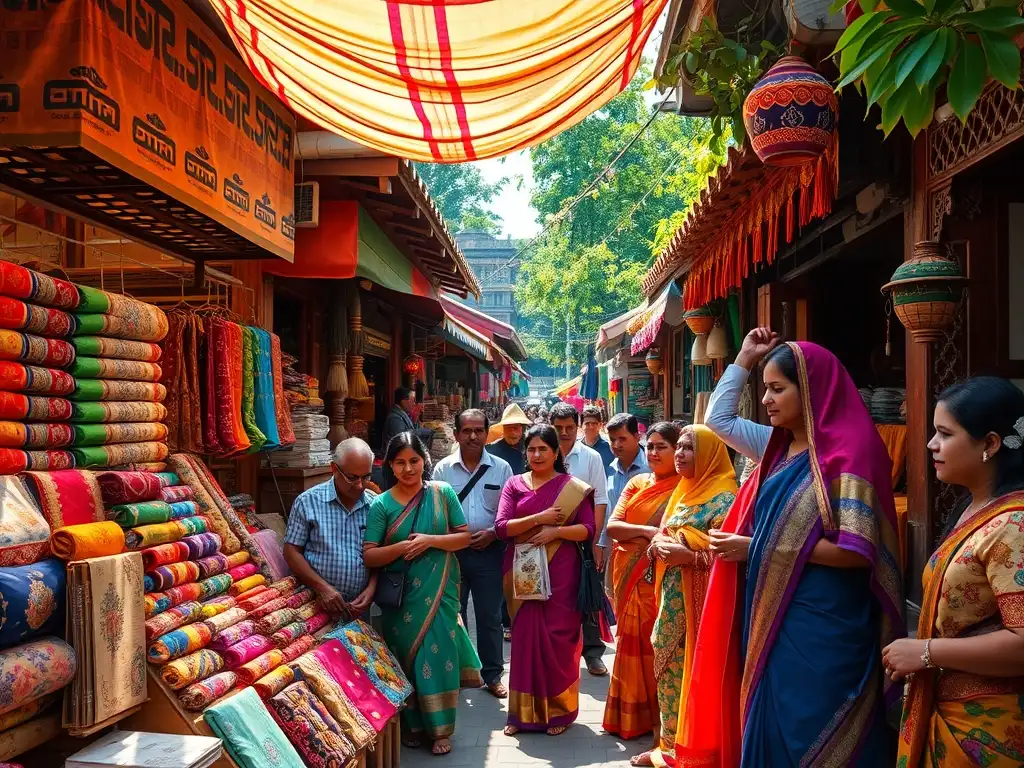
Welcome to Ancient India History, where we embark on an enthralling journey through the vibrant tapestry of India's past! Today, we delve into the fascinating world of Indian textiles in Southeast Asia, uncovering the threads that wove together cultures and economies across time and geography. Have you ever wondered how the exquisite fabrics of ancient India influenced the bustling markets of Southeast Asia?
Join us as we unravel the stories behind these textiles, exploring their significance in trade, culture, and the enduring legacy they left behind. Dive in and let your curiosity guide you through the intricate stories of cultural exchange that shaped civilizations!
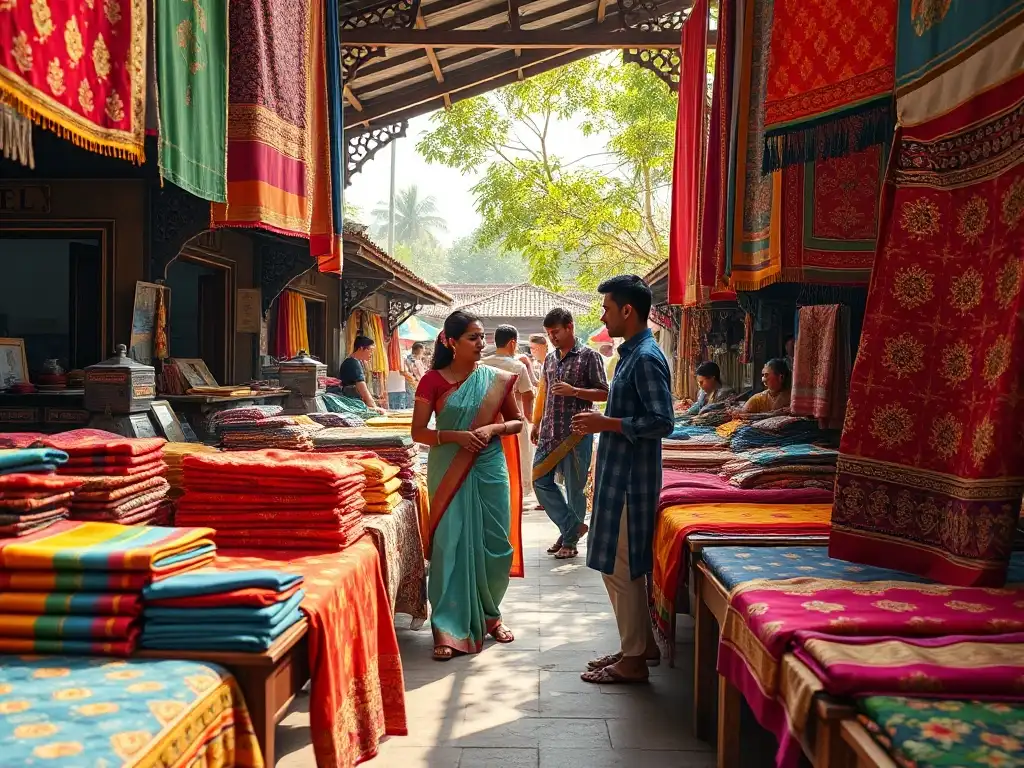
The intricate tapestry of cultural exchange between India and Southeast Asia is vividly illustrated through the lens of textiles. Indian textiles have not only adorned the people of Southeast Asia but have also played a significant role in shaping the region's identity and commerce. The craftsmanship, vibrant colors, and diverse materials of Indian fabrics have captivated Southeast Asian markets for centuries, leading to a rich history of trade and cultural interaction. This article delves into the fascinating journey of Indian textiles in Southeast Asia, exploring their historical context, trade routes, and the key periods that facilitated this vibrant exchange.
Introduction to Indian Textiles in Southeast Asia
Indian textiles are renowned for their exquisite craftsmanship and varied designs, including cotton, silk, and wool fabrics. These textiles have a profound significance in Southeast Asia, where they are not just commodities but also symbols of cultural identity and heritage. The appeal of Indian fabrics, characterized by their intricate patterns and vibrant colors, has led to their integration into local traditions, rituals, and even fashion. From ceremonial garments to everyday wear, Indian textiles have left an indelible mark on the cultural landscape of Southeast Asian nations.
The exchange of textiles between India and Southeast Asia can be traced back to ancient times, serving as a vital component of the broader cultural and economic interactions that characterized this dynamic region. This interplay has fostered not only the trade of goods but also the sharing of ideas, techniques, and innovations that have enriched both cultures.
Historical Context of Textile Exchange
The Ancient Trade Routes
The origins of textile exchange can be traced back to the ancient trade routes that connected India with Southeast Asia. These routes, often referred to as the Maritime Silk Road, facilitated the movement of goods, ideas, and cultures across vast distances. Indian merchants, navigating the seas, brought along their rich textiles, which were highly sought after in markets across Southeast Asia.
The trade routes were not only vital for economic exchange but also served as conduits for cultural interactions, such as the introduction of new weaving techniques, dyes, and patterns. The maritime trade enabled the fusion of Indian textile traditions with local practices, leading to unique textile forms that celebrated both Indian and Southeast Asian aesthetics.
Key Historical Periods of Exchange
Several key historical periods marked the flourishing of textile exchange between India and Southeast Asia:
- The Gupta Period (320-550 CE): This era is often regarded as a golden age for Indian textiles, where advancements in weaving techniques and dyeing processes reached new heights. The Gupta Empire's influence extended to Southeast Asia, where Indian fabrics became highly prized.
- The Srivijaya Empire (7th-13th centuries): This powerful maritime kingdom in present-day Indonesia played a crucial role in facilitating trade between India and Southeast Asia, promoting the exchange of textiles, spices, and other commodities.
- The Chola Dynasty (9th-13th centuries): Renowned for their naval prowess, the Chola rulers expanded their influence across Southeast Asia, leading to the widespread distribution of Indian textiles in the region.
- The Era of European Colonialism (16th-20th centuries): This period saw a shift in trade dynamics, yet Indian textiles remained a significant commodity, sought after by European traders and integrated into local Southeast Asian markets.
Through these periods, the exchange of textiles has not only shaped economic relations but has also fostered deep cultural connections, illustrating the enduring legacy of Indian textiles in Southeast Asia.
Types of Indian Textiles Influencing Southeast Asian Markets
The influence of Indian textiles in Southeast Asia is profound and multifaceted, reflecting a rich history of trade, cultural exchange, and shared traditions. Indian textiles, renowned for their quality, intricate designs, and vibrant colors, have found a significant place in the markets of Southeast Asia. The primary types of Indian textiles that have made an impact include cotton and silk fabrics, as well as various traditional weaves and patterns unique to different regions of India.
Cotton and Silk Fabrics
Cotton and silk are two of the most prominent textiles originating from India that have greatly influenced Southeast Asian markets.
- Cotton Fabrics: Indian cotton textiles, known for their softness and durability, have been traded for centuries. The production of cotton in regions such as Gujarat and Maharashtra has created a legacy of fine muslins and prints that are highly sought after. These fabrics are not only utilized in clothing but also in home textiles, often featuring intricate block prints and tie-dye techniques, which have inspired local artisans in Southeast Asia.
- Silk Fabrics: Indian silk, particularly from regions like Varanasi and Kanchipuram, is celebrated for its luxurious texture and elaborate designs. The exquisite craftsmanship involved in silk weaving has set benchmarks in Southeast Asian textile production. Thai silk, for instance, incorporates Indian weaving techniques and motifs, creating a blend of cultural aesthetics that resonates with consumers.
Traditional Weaves and Patterns
The diversity of traditional weaves and patterns in Indian textiles has significantly influenced the textile heritage of Southeast Asia. Each region in India boasts unique weaving techniques, such as:
- Banarasi Weave: Originating from Varanasi, this weave is characterized by its intricate designs and use of gold and silver threads. The influence of Banarasi motifs can be seen in the ceremonial garments of various Southeast Asian cultures, particularly during weddings and festivals.
- Kanchipuram Silk: Known for its vibrant colors and rich motifs, Kanchipuram silk has inspired silk production in countries like Thailand and Cambodia, where similar patterns and weaving techniques are employed to create ceremonial attire.
- Ikat and Tie-Dye: These techniques, prevalent in both Indian and Southeast Asian textiles, showcase the artistic expression of dyeing and weaving. The Indian tie-dye method (bandhani) has parallels in Indonesian batik, illustrating a shared appreciation for intricate designs.
Cultural Significance of Indian Textiles in Southeast Asia
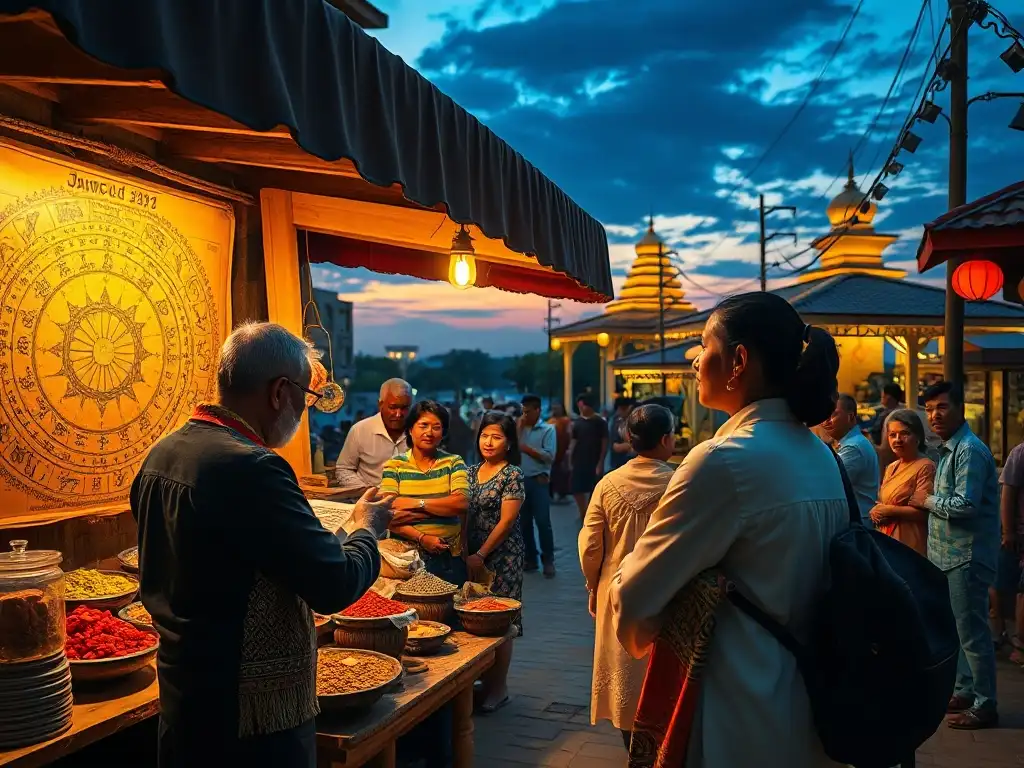
The cultural significance of Indian textiles in Southeast Asia transcends mere aesthetics; it embodies a shared history of trade, migration, and cultural exchange. The rich narrative woven into these textiles reflects the social, religious, and economic dynamics of the regions involved.
Adoption and Adaptation of Indian Fabrics
Southeast Asian cultures have not only adopted Indian textiles but have also adapted them to fit local customs and preferences. This adaptation is evident in several ways:
- Local Styles: While Indian textiles were initially imported, local artisans began to incorporate Indian designs into their creations, resulting in a unique fusion of styles. For example, Indian paisley patterns can be found in traditional Malaysian batik, showcasing a blend of the two cultures.
- Festivals and Ceremonial Use: Indian fabrics have been integrated into local rituals and celebrations. In countries like Indonesia and the Philippines, silk and cotton are worn during important ceremonies, reflecting both cultural pride and historical ties to India.
Textile Festivals and Cultural Events
Textile festivals and cultural events across Southeast Asia celebrate the enduring legacy of Indian textiles. These gatherings serve as platforms for showcasing the intricate craftsmanship and cultural narratives behind these fabrics.
- Textile Fairs: Events such as the "Batik Festival" in Malaysia and "Silk and Cotton Festival" in Thailand highlight the significance of textiles in local culture, often featuring Indian-inspired designs and weaves.
- Cultural Exhibitions: Museums and cultural centers routinely organize exhibitions focusing on the historical connections between Indian textiles and Southeast Asian cultures, educating the public about the impact of Indian craftsmanship on local traditions.
Through these activities, the cultural exchange of textiles continues to thrive, reinforcing the historical ties between India and Southeast Asia while celebrating the unique identities of both regions.
Economic Impact of Indian Textiles in Southeast Asian Markets
The economic impact of Indian textiles in Southeast Asian markets is profound and multifaceted. Historically, textiles have been one of the primary commodities traded between India and Southeast Asia, significantly contributing to the economies of both regions. Indian fabrics, known for their quality, intricate designs, and vibrant colors, have found a lucrative market in countries like Indonesia, Thailand, and Malaysia.
The textiles trade has not only facilitated economic exchanges but has also fostered job creation in both regions. The demand for Indian textiles supports local industries in Southeast Asia, where artisans and manufacturers engage in producing various goods, from clothing to home furnishings. Furthermore, Indian textiles have enhanced the cultural fabric of Southeast Asia, as local artisans adopt and adapt Indian designs, leading to a unique blend of styles that enriches their own textile traditions.
Trade Dynamics and Market Trends
The trade dynamics surrounding Indian textiles in Southeast Asia are influenced by several factors, including geopolitical relations, trade agreements, and consumer preferences. In recent years, there has been a noticeable shift towards sustainable and ethically sourced textiles, which has prompted Indian manufacturers to adopt eco-friendly practices. This trend aligns with the growing awareness among consumers in Southeast Asia regarding environmental sustainability and ethical consumption.
Market trends indicate an increasing preference for traditional and handcrafted textiles over mass-produced items, which has led to a resurgence in demand for Indian artisanal fabrics. Additionally, e-commerce platforms have facilitated easier access to Indian textiles, allowing Southeast Asian consumers to explore and purchase unique fabrics directly from Indian artisans and manufacturers. The rise of social media has also played a crucial role in promoting Indian textiles, providing a platform for showcasing their beauty and versatility.
Future Prospects for Indian Fabrics
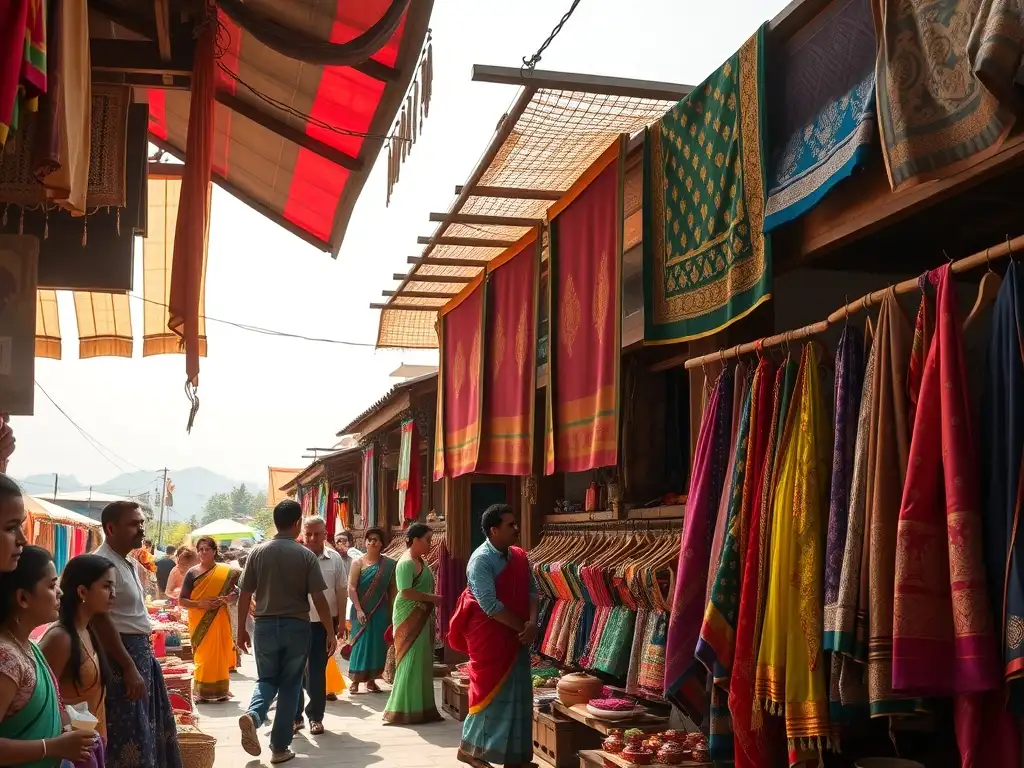
The future prospects for Indian fabrics in Southeast Asian markets appear promising, driven by a combination of cultural appreciation and economic collaboration. With the ASEAN-India Free Trade Area enhancing trade relations, Indian textiles are likely to see increased penetration in Southeast Asian countries. This agreement promotes reduced tariffs and encourages joint ventures, which can lead to innovative textile products that cater to specific consumer demands.
Moreover, the growing interest in heritage and traditional crafts presents an opportunity for Indian textiles. As consumers increasingly seek authenticity and uniqueness, Indian fabrics can capitalize on this trend by highlighting their rich history and craftsmanship. Collaborations between Indian artisans and Southeast Asian designers can also lead to the creation of hybrid textiles that merge distinct cultural elements, thereby appealing to a broader audience.
Conclusion: The Lasting Legacy of Indian Textiles in Southeast Asia
The legacy of Indian textiles in Southeast Asia is characterized by a rich tapestry of cultural exchange that has evolved over centuries. From the vibrant silks of Varanasi to the intricate block prints of Rajasthan, Indian fabrics have not only influenced local fashion but have also contributed to the regional identity of Southeast Asian nations. This exchange has fostered mutual appreciation and respect for the diverse textile traditions prevalent in both regions.
As Indian textiles continue to thrive in Southeast Asian markets, their impact will undoubtedly persist, shaping the future of textile design and trade. The enduring popularity of these fabrics is a testament to their quality and cultural significance, ensuring that the legacy of Indian textiles remains a vital part of Southeast Asia's economic and cultural landscape for generations to come.
References
The cultural exchange of textiles between India and Southeast Asia is a well-documented phenomenon that showcases the intricate web of trade, influence, and artistic collaboration that characterized ancient interactions. Below are some key references that provide insights into this vibrant aspect of history:
- Books and Academic Journals:
- "The Fabric of India" by Rosemary Crill: This work explores the history of Indian textiles, their production techniques, and their role in trade.
- "Indian Textiles: 1000 Years of Art and Design" by John Gillow: An extensive look at the evolution of textile art in India and its impact on surrounding regions, including Southeast Asia.
- "Trade and Cultural Exchange in the Indian Ocean World" edited by Angela Schottenhammer: This compilation includes various essays that discuss the dynamics of trade and cultural exchange, particularly the role of textiles.
- Research Articles:
- "The Role of Indian Textiles in the Trade Networks of Southeast Asia": An article published in the Journal of Southeast Asian Studies detailing how Indian textiles influenced local markets and cultures.
- "Cultural Interactions in the Indian Ocean: The Influence of Indian Textiles on Southeast Asian Craftsmanship": A critical study available in Asian Ethnology that analyzes the craftsmanship and techniques adopted in Southeast Asia due to Indian influence.
- Exhibition Catalogs:
- "Threads of Trade: India and Southeast Asia": A catalog from a traveling exhibition that illustrates the historical significance of textile trade and features artifacts from both regions.
- "Sarees and Silks: The Indian Influence on Southeast Asian Textiles": This catalog presents various textiles from Southeast Asia influenced by Indian designs and techniques.
- Online Resources:
- The Victoria and Albert Museum: Their online collection includes information about Indian textiles and their global trade connections, particularly with Southeast Asia.
- The British Museum: Offers extensive resources on the history of textiles, including those imported from India to Southeast Asia.
These references serve as foundational texts for understanding the depth of cultural exchange that Indian textiles facilitated in Southeast Asia, highlighting the importance of this trade in shaping regional identities and artistic expressions.
- Introduction to Indian Textiles in Southeast Asia
- Historical Context of Textile Exchange
- Types of Indian Textiles Influencing Southeast Asian Markets
- Cultural Significance of Indian Textiles in Southeast Asia
- Economic Impact of Indian Textiles in Southeast Asian Markets
- Trade Dynamics and Market Trends
- Future Prospects for Indian Fabrics
- Conclusion: The Lasting Legacy of Indian Textiles in Southeast Asia
- References
Frequently Asked Questions
What role did Indian textiles play in Southeast Asia?
Indian textiles were central to trade and cultural exchange in Southeast Asia, influencing local fashion and craftsmanship while introducing new techniques and designs.
How did Indian textiles reach Southeast Asia?
The movement of traders along maritime trade routes facilitated the exchange of Indian textiles, which were highly sought after for their quality and variety.
What types of fabrics were popular in Southeast Asian markets?
Fabrics such as cotton, silk, and block-printed textiles from India were particularly favored, showcasing intricate patterns and dyes that appealed to local tastes.
How did Indian textiles influence local cultures in Southeast Asia?
The introduction of Indian textiles led to the integration of Indian motifs and techniques into local fabric production, enriching the cultural heritage of Southeast Asian societies.
What were the economic impacts of Indian textiles in Southeast Asia?
The trade of Indian textiles significantly contributed to local economies, fostering entrepreneurship and creating jobs in weaving and dyeing industries throughout the region.
Final Reflection: The Enduring Legacy of Indian Textiles in Southeast Asia
The cultural exchange of textiles between India and Southeast Asia is not just a historical phenomenon; it is a vibrant tapestry that continues to shape contemporary markets and identities. Today, as we witness a resurgence of interest in traditional crafts and sustainable fashion, the significance of Indian textiles in Southeast Asia becomes even more pronounced. The intricate designs and rich histories embedded in these fabrics serve as a reminder of our interconnectedness and the shared narratives that transcend borders.
The influence of Indian textiles in Southeast Asia is palpable, weaving its way into the cultural fabric of the region. From the bustling markets of Jakarta to the vibrant streets of Bangkok, these textiles are not merely commodities; they are symbols of heritage and artistry. As we embrace the beauty of these fabrics, we also acknowledge the stories they carry. Textiles are not just threads woven together; they are the stories of our ancestors, the whispers of our past.
This ongoing dialogue between cultures enriches our understanding of identity and fosters appreciation for the craftsmanship that has endured through generations.
As we reflect on the lessons of this cultural exchange, let us take a moment to consider our role in this narrative. How can we honor and promote the artistry of Indian textiles in our own lives? Whether through supporting local artisans, advocating for sustainable practices, or simply appreciating the beauty of these fabrics, each of us has the power to contribute to this legacy. Embrace the stories woven into every piece, and let them inspire you to connect with the rich tapestry of cultures that shape our world today.
Embrace the Beauty of Cultural Exchange!
Thank you for diving into the fascinating world of Indian textiles and their vibrant influence in Southeast Asian markets! We hope you discovered the rich heritage and stories woven into each fabric. Now, it's time to take action and fully engage with this cultural tapestry.
- Explore local fabric stores or markets that showcase Indian textiles in your area. You might find unique pieces that inspire your wardrobe or home decor!
- Share this article with friends and family who appreciate the artistry of textiles. You can spark a conversation about the history and significance of these fabrics.
- Join online forums or social media groups focused on textile enthusiasts to connect with like-minded individuals and share your passion for cultural fabrics.
What piece of Indian textile history resonates with you the most, and how do you plan to celebrate or incorporate it into your life?