
The Cultural Impact of Ancient Indian Trade Goods on Global Markets


Welcome to Ancient India History, where we embark on an illuminating journey through the vibrant tapestry of ancient Indian civilizations. As we delve into the cultural impact of ancient Indian trade goods on global markets, you'll uncover how these remarkable commodities shaped not only local economies but also forged connections that transcended borders. What transformative exchanges took place, and how did they influence cultures far and wide? Join us as we explore these pivotal moments in history, sparking your curiosity and inspiring a deeper understanding of our shared past.
Introduction to Ancient Indian Trade Goods and Their Significance
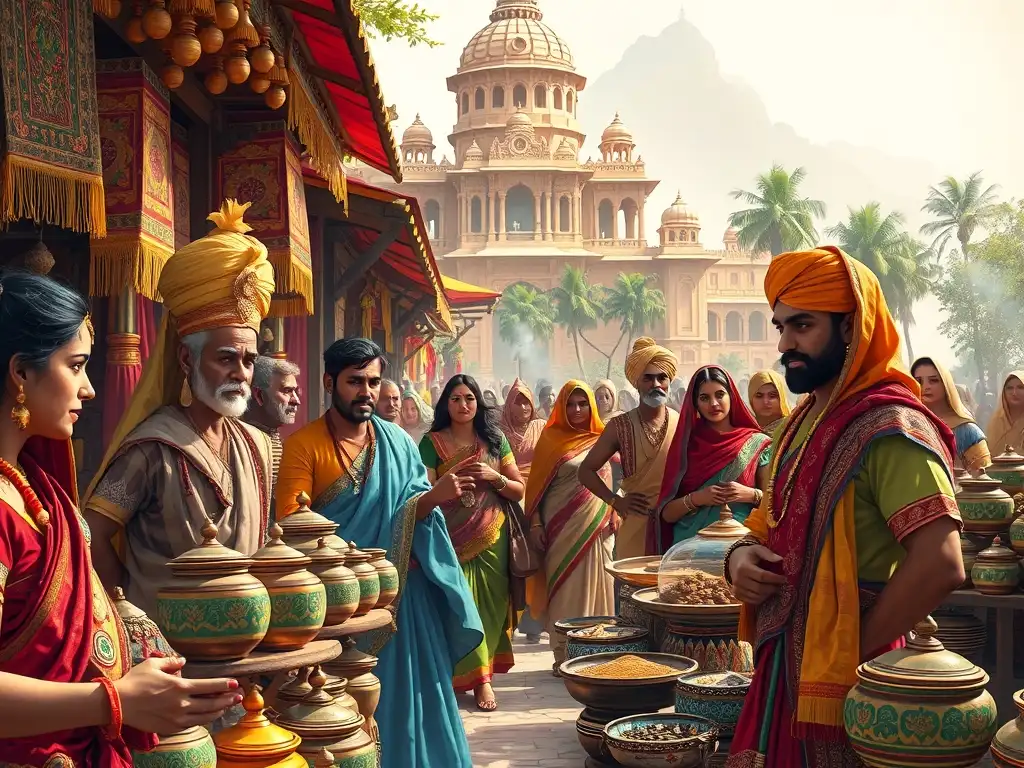
The history of ancient India is not solely defined by its empires and dynasties; it is also significantly shaped by the vibrant trade networks that connected the Indian subcontinent to distant lands. Ancient Indian trade goods played a pivotal role in creating a cultural tapestry that influenced global markets and fostered intercultural exchanges.
From the bustling marketplaces of the Indus Valley Civilization to the flourishing trade routes established during the Gupta Empire, the goods traded were not just commodities but carriers of culture, technology, and ideas. Understanding the impact of these trade goods is essential to grasp the broader story of ancient India's interactions with neighboring civilizations and its contributions to the world.
Overview of Ancient Indian Trade Goods
Ancient India was renowned for its diverse range of trade goods, which included:
- Spices: Known for their flavor and preservative properties, spices like black pepper, cardamom, and turmeric were highly sought after in markets across Asia and Europe.
- Textiles: India was famous for its exquisite textiles, including silk and cotton, which were intricately woven and dyed, embodying the artistic heritage of the region.
- Gems and Precious Stones: The subcontinent’s rich deposits of diamonds, rubies, and emeralds attracted traders from across the globe.
- Artifacts: Handcrafted items, including pottery, sculptures, and metalwork, showcased the exceptional craftsmanship of ancient Indian artisans.
This array of goods not only catered to the material needs of consumers but also served as a medium for cultural exchange, influencing culinary practices, fashion, and artistic expressions in various regions.
Historical Context of Trade in Ancient India
Trade in ancient India dates back to the earliest civilizations, particularly the Indus Valley Civilization (circa 3300–1300 BCE), which had established advanced trading systems and urban centers such as Harappa and Mohenjo-Daro. These cities were strategically located near river systems that facilitated trade with neighboring regions.
By the time of the Mauryan Empire (circa 322–185 BCE) and later the Gupta Empire (circa 320–550 CE), trade networks expanded further, connecting India with the Mediterranean, Southeast Asia, and beyond. The establishment of the Silk Road and maritime routes allowed for the exchange of not just goods, but also religious beliefs, philosophies, and technologies.
Importance of Trade Goods in Cultural Exchange
The goods traded by ancient Indian merchants were instrumental in fostering cultural exchanges between civilizations. As Indian spices traveled to distant lands, they transformed culinary traditions. Similarly, textiles became a symbol of status and cultural identity in various regions. The trade of gems and precious stones not only enhanced wealth but also led to the incorporation of Indian artistry in foreign cultures.
Moreover, trade routes facilitated the spread of ideas, including the teachings of Buddhism and Hinduism, as merchants and travelers carried their beliefs to new lands. This cultural diffusion enriched societies and laid the groundwork for future interactions.
Major Ancient Indian Trade Goods and Their Characteristics
Spices: The Heart of Ancient Indian Trade
Spices were the cornerstone of ancient Indian trade, revered for their culinary and medicinal properties. India was often referred to as the "land of spices," with black pepper being particularly prized by traders. The demand for spices played a crucial role in the establishment of trade routes, with spices being transported as far as Rome and China.
Textiles: Weaving Cultural Stories
Indian textiles, especially silk and cotton, were renowned for their quality and intricate designs. The craft of weaving was not just a trade but an art form that told stories of culture and tradition. These textiles were often traded for gold and silver, and their influence is evident in the clothing styles of various cultures that adopted Indian fabrics.
Gems and Precious Stones: A Glimmer of Wealth
The wealth of ancient India was often symbolized by its precious stones. Diamonds from India were considered the finest in the world, and the country became a major supplier of gemstones to markets across the globe. The craftsmanship involved in cutting and setting these stones also left a lasting impact on jewelry-making traditions.
Artifacts: The Craftsmanship of Ancient India
Artifacts from ancient India, including pottery, sculptures, and metalwork, reflect the advanced skills of Indian artisans. These goods not only served practical purposes but also held cultural significance. The intricate designs and craftsmanship found in these artifacts were highly sought after, influencing artistic practices in many neighboring cultures.
The ancient Indian trade goods were more than just items of exchange; they were vital links in the web of cultural interactions that shaped the history of civilizations. Understanding their impact allows us to appreciate the rich legacy of ancient India and its role in the broader narrative of global history.
The Routes of Ancient Indian Trade and Their Global Connections
Ancient Indian trade routes played a crucial role in establishing connections with various civilizations across the globe. These routes facilitated not only the exchange of goods but also the transfer of ideas, culture, and technology. The intricate networks of trade routes, both overland and maritime, made it possible for Indian merchants to reach distant markets, enriching the economies and societies they touched. This interconnectedness laid the groundwork for a rich tapestry of cultural influence, which can still be traced in contemporary societies.
Overland Trade Routes: From the Silk Road to Beyond
The overland trade routes, particularly the famous Silk Road, were vital for the exchange of goods between India and various regions, including Central Asia, the Middle East, and Europe. These routes allowed for the transport of a plethora of ancient Indian trade goods, such as spices, textiles, and precious stones. Indian merchants played a significant role in these networks, often acting as intermediaries between different cultures and civilizations.
The Silk Road facilitated not only the trade of tangible goods but also the sharing of philosophies and religions, such as Buddhism, which spread from India to other parts of Asia. The exchange of ideas along these routes had a lasting impact on art, science, and technology in regions like China and Persia. The movement of goods and ideas through the overland routes exemplifies the profound interconnectivity of ancient societies.
Maritime Trade: Navigating the Indian Ocean
Maritime trade in the Indian Ocean was another crucial aspect of ancient Indian trade. With its strategic location, ancient India became a central hub for maritime commerce, linking it to East Africa, the Arabian Peninsula, and Southeast Asia. The monsoon winds were harnessed by skilled Indian navigators, allowing for more efficient travel and trade across the ocean.
Key export goods included spices, cotton textiles, and indigo, which were highly sought after in foreign markets. Ports such as Lothal, Bharuch, and Cochin flourished as bustling trade centers. The maritime routes not only facilitated the exchange of goods but also led to cultural exchanges, influencing local customs, beliefs, and traditions in the regions involved. The Indian Ocean trade network thus served as a conduit for cultural integration and economic prosperity.
Key Trading Partners: Neighboring Civilizations and Beyond
Ancient Indian trade was characterized by a diverse array of trading partners, ranging from neighboring civilizations like Persia and China to farther regions like Rome and Southeast Asia. Each of these interactions contributed to the cultural and economic landscape of ancient India.
- Persian Empire: The trade with Persia was marked by the exchange of textiles, precious stones, and luxurious items. This relationship influenced Persian art and cuisine, incorporating Indian motifs and spices.
- China: The trade of silk, ceramics, and tea from China saw the introduction of Indian goods and cultural practices, fostering a mutual influence that shaped both societies.
- Roman Empire: Roman demand for Indian spices and textiles significantly impacted Indian trade dynamics, leading to increased production and the establishment of trade routes connecting the two great civilizations.
The diversity of trading partners illustrates the global nature of ancient Indian commerce and its far-reaching cultural impact.
The Cultural Impact of Ancient Indian Trade Goods on Neighboring Civilizations
The cultural impact of ancient Indian trade goods extended far beyond economic exchanges. As goods traveled along trade routes, they carried with them ideas, traditions, and innovations that enriched neighboring civilizations. This cultural diffusion fostered a vibrant exchange of art, cuisine, language, and literature, shaping the identities of various societies.
Influence on Art and Architecture
The exchange of goods along trade routes led to significant influences on art and architecture in neighboring civilizations. Indian artisans and craftsmen were renowned for their intricate designs, particularly in textiles, pottery, and sculpture. The introduction of Indian motifs and techniques contributed to the evolution of local artistic styles.
For instance, the influence of Indian architectural elements can be seen in the stupas and temples of Southeast Asian nations, such as Cambodia and Thailand. The Khmer Empire adopted Indian architectural styles, leading to the construction of magnificent structures like Angkor Wat. This blending of artistic traditions reflects the deep connections established through trade.
Contributions to Culinary Traditions
Ancient Indian trade goods, particularly spices, had a profound impact on culinary traditions around the world. Indian spices such as black pepper, cardamom, and turmeric, traded extensively through maritime and overland routes, transformed the flavors and cooking practices of various cultures.
In regions like the Middle East and Southeast Asia, the incorporation of Indian spices led to the development of unique culinary identities. For example, the popularity of curry in South Asian cuisine can be traced back to the influence of Indian trade goods. This culinary exchange not only enriched local diets but also created lasting traditions that continue to thrive today.
Impact on Language and Literature
The movement of trade goods was often accompanied by the exchange of languages and literary traditions. As merchants traveled, they brought with them stories, epics, and philosophies, which influenced local literature and languages. Sanskrit, for example, had a significant impact on the languages of Southeast Asia, leading to the development of literary traditions in countries like Indonesia and Thailand.
The spread of Indian epics, such as the Ramayana and Mahabharata, illustrated the deep cultural connections fostered through trade. These narratives found resonance in various cultures, leading to adaptations and retellings that enriched local literature. The interconnectedness of ancient Indian trade and cultural transmission highlights the profound impact of commerce on shaping language and literary heritage across civilizations.
The Economic Influence of Ancient Indian Trade Goods on Global Markets
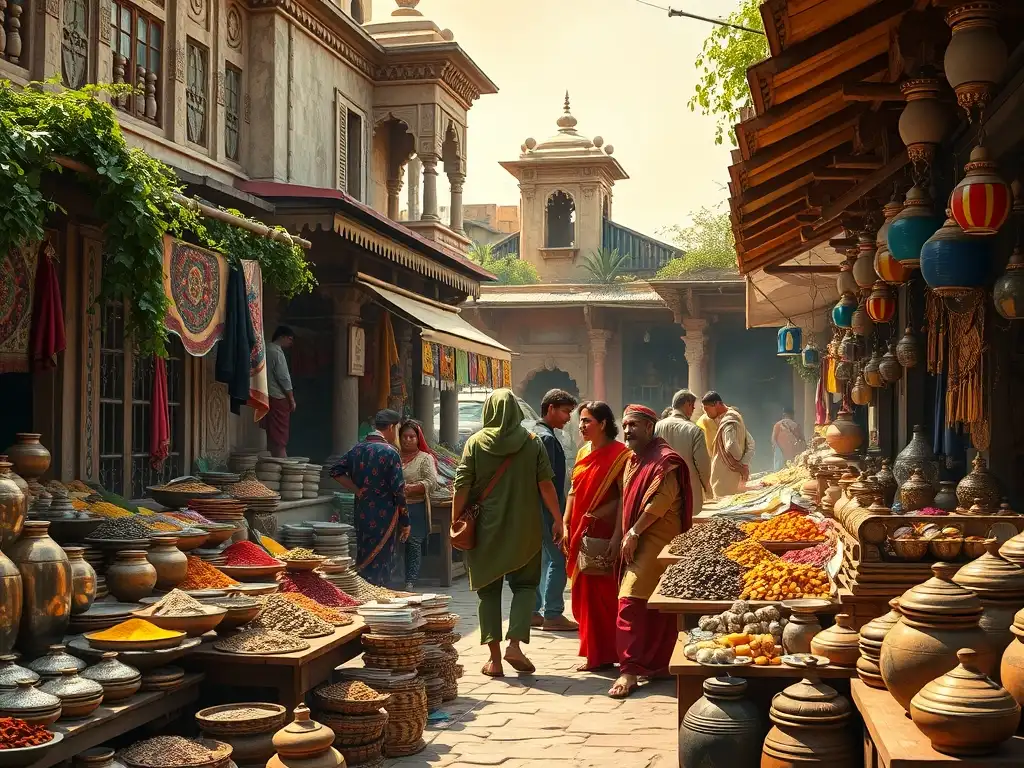
Ancient Indian trade goods played a crucial role in shaping not just local economies but also global markets. The exchange of commodities such as spices, textiles, metals, and gemstones facilitated not only economic prosperity but also cultural exchanges between diverse civilizations. The Indian subcontinent, strategically located along crucial trade routes, became a hub where merchants from different regions converged, thereby amplifying the economic influence of its trade goods.
Trade Goods and Economic Systems in Ancient Times
In ancient times, trade goods were foundational to the economic systems that thrived across the Indian subcontinent. Goods like silk, cotton textiles, and exotic spices were highly sought after, leading to the establishment of complex trade networks that reached as far as the Roman Empire and Southeast Asia. The Indus Valley Civilization (circa 3300-1300 BCE) is one of the earliest examples of a society engaged in trade, as evidence of seals and weights suggests a sophisticated economic structure.
These trade goods were not merely items of luxury; they played a pivotal role in the barter system, forming the backbone of local economies. For instance, communities would exchange agricultural products for textiles, creating a symbiotic relationship between agriculture and trade. The establishment of markets and trade routes significantly influenced the economic landscape, leading to urbanization and the growth of cities like Taxila and Pataliputra.
The Role of Mercantilism in Ancient Indian Trade
Mercantilism, characterized by the accumulation of wealth through trade, was evident in ancient Indian trade practices. Indian merchants, known for their skills in negotiation and navigation, engaged in extensive trading activities, particularly during the era of the Maurya and Gupta Empires. The state often played a role in regulating trade, imposing tariffs, and ensuring the security of trade routes.
The export of luxury goods, particularly spices and textiles, contributed to the wealth of kingdoms and facilitated diplomatic relations with other civilizations. Sustained demand for these goods in international markets incentivized local artisans and craftsmen to innovate and enhance their production techniques, ultimately leading to economic growth. Additionally, the influx of foreign goods and ideas enriched the local economy, fostering a unique blend of cultures along trade routes.
Case Study: The Trade of Spices and Its Global Economic Impact
The trade of spices serves as a prime example of the economic impact of ancient Indian trade goods. Spices such as black pepper, cardamom, and cloves were highly prized in the ancient world, often referred to as "black gold." Indian merchants capitalized on this demand, establishing long-distance trade routes that connected India with regions like the Middle East, Europe, and East Asia.
The lucrative spice trade had far-reaching consequences for global economics. It led to the establishment of trade empires and the rise of powerful merchant classes. European nations, eager to control the spice trade, embarked on voyages that eventually resulted in the Age of Exploration. This quest for spices not only transformed global trade patterns but also initiated cultural exchanges that shaped the world as we know it today. The enduring legacy of spice trade routes can still be observed in contemporary culinary practices and trade relationships.
The Legacy of Ancient Indian Trade Goods in Modern Markets
The influence of ancient Indian trade goods lingers in modern markets, showcasing the enduring appeal of these commodities. As globalization continues to shape trade dynamics, the historical significance of ancient Indian goods remains relevant, leading to a renewed interest in their cultural and economic impact.
Continuation of Trade Practices from Ancient India
Many trade practices established in ancient India have persisted into modern times. The spice trade, for instance, continues to be a vital component of India's economy, with the country being one of the largest producers and exporters of spices globally. Additionally, traditional crafts such as weaving and pottery reflect the techniques honed over centuries, maintaining their relevance in today's market.
Modern-day trade fairs and exhibitions often celebrate these ancient practices, showcasing the skills of artisans who draw inspiration from their forebears. The connection between ancient trade practices and contemporary entrepreneurship fosters a sense of identity and continuity, bridging the past and present.
Modern Perceptions of Ancient Indian Goods
In contemporary society, ancient Indian goods are often perceived as symbols of cultural heritage and quality. Products such as Ayurvedic herbs, handwoven textiles, and traditional jewelry are not only valued for their aesthetic appeal but also for their historical significance. The global market for artisanal and organic products has seen a surge in demand, with consumers increasingly seeking authentic and sustainable goods.
This shift in perception has opened avenues for Indian artisans to reach international markets, allowing them to share their craftsmanship and cultural narratives with a broader audience. The revival of interest in traditional Indian goods highlights their relevance in a world that values heritage and sustainability.
The Role of Ancient Trade Goods in Contemporary Cultural Exchange
Ancient Indian trade goods have become integral to contemporary cultural exchange, serving as bridges between diverse cultures. The global fascination with Indian cuisine, characterized by the use of spices, exemplifies how ancient trade has shaped modern culinary practices. Similarly, the popularity of Indian textiles and handicrafts in fashion reflects an appreciation for the artistry rooted in centuries of tradition.
Moreover, cultural festivals and exhibitions dedicated to ancient Indian goods foster dialogue between cultures, promoting mutual respect and understanding. This ongoing exchange not only enhances cultural diversity but also underscores the significance of ancient trade in shaping global interactions, making it clear that the impact of ancient Indian trade goods extends far beyond their historical context.
Conclusion: The Lasting Impact of Ancient Indian Trade Goods
The trade goods of ancient India left an indelible mark on global markets and cultural landscapes. From textiles like silk and cotton to spices that transformed culinary practices across continents, these commodities were not merely products; they were conduits of cultural exchange and economic innovation. The intricate trade networks established by ancient Indian merchants facilitated the movement of ideas, technologies, and artistic expressions, fostering connections between diverse civilizations.
This exchange significantly influenced not only the economies of countries involved but also their social structures, religious practices, and artistic endeavors. As a result, the legacy of ancient Indian trade goods continues to resonate in contemporary society, underlining the profound interconnectedness of human history.
Summary of Key Points on Cultural and Economic Influence
- Diverse Commodities: Ancient Indian trade was characterized by a variety of goods, including textiles, spices, precious stones, and metals. Each of these commodities played a crucial role in the economies of both India and its trading partners.
- Cultural Exchange: The movement of goods facilitated not just economic transactions but also cultural exchanges. This led to the dissemination of ideas, religious beliefs, and artistic styles that enriched various civilizations.
- Trade Routes: The establishment of major trade routes, such as the Silk Road and maritime routes connecting India to the Mediterranean, highlights the strategic importance of India in global trade during ancient times.
- Economic Impact: The wealth generated from trade contributed to the prosperity of ancient Indian kingdoms, enabling advancements in art, science, and technology. This economic power also allowed for the patronage of cultural developments that would define Indian civilization.
Reflection on the Importance of Understanding Ancient Trade in Today's Context
Understanding the impact of ancient Indian trade goods is vital in today's context as it offers insights into the foundations of global trade systems that we rely on today. The patterns established by ancient traders continue to influence modern commerce, with trade routes evolving but the essence of exchange remaining unchanged. By studying these historical interactions, we can better appreciate the complexity of current global markets and cultural dynamics.
Furthermore, recognizing the contributions of ancient civilizations fosters a greater respect for cultural diversity and encourages contemporary societies to embrace the interconnectedness of our global community. This awareness can also inspire modern trade practices that prioritize sustainability and ethical exchanges, reflecting the values of mutual respect and cooperation that characterized ancient trade.
References
Suggested Readings on Ancient Indian Trade and Cultural Influence
- "Trade and Traders in Ancient India" by R. C. Majumdar – This book provides a comprehensive overview of the trading practices of ancient Indian civilizations and their impact on cultural exchanges.
- "The Spice Route: A History": by John Keay – This work explores the historical significance of the spice trade, including the role of ancient India in shaping global culinary traditions.
- "India: A History": by John Keay – This narrative offers insights into the socio-economic frameworks of ancient India, including trade and its cultural ramifications.
Academic Sources on Global Trade History and Cultural Exchange
- "Global Trade and Global Commerce: A History": by Robert B. Marks – An academic perspective on the evolution of trade networks across the globe, including the influence of ancient Indian goods.
- "The Silk Roads: A New History of the World": by Peter Frankopan – This book reexamines world history through the lens of trade routes, highlighting the interconnectedness fostered by ancient trade.
- "Cultural Exchange in the Medieval Mediterranean" by David Abulafia – This source examines how trade facilitated cultural exchanges in the Mediterranean, with references to the influence of Indian goods.
- Introduction to Ancient Indian Trade Goods and Their Significance
- Major Ancient Indian Trade Goods and Their Characteristics
- The Routes of Ancient Indian Trade and Their Global Connections
- The Cultural Impact of Ancient Indian Trade Goods on Neighboring Civilizations
- The Economic Influence of Ancient Indian Trade Goods on Global Markets
- The Legacy of Ancient Indian Trade Goods in Modern Markets
- Conclusion: The Lasting Impact of Ancient Indian Trade Goods
- References
- What were some of the most significant trade goods from ancient India?
- How did ancient Indian trade goods affect global markets?
- What role did the Silk Road play in ancient Indian trade?
- How did ancient Indian trade contribute to the development of cities?
- What were the key impacts of ancient Indian trade goods on cultural exchange?
Frequently Asked Questions
What were some of the most significant trade goods from ancient India?
Ancient India was known for its spices, textiles, gemstones, and metals. These goods were highly sought after in global markets, influencing trade routes and cultural exchanges.
How did ancient Indian trade goods affect global markets?
The impact of ancient Indian trade goods on global markets was profound, as they introduced unique products and cultural elements that shaped local economies and consumer preferences.
What role did the Silk Road play in ancient Indian trade?
The Silk Road facilitated the exchange of Indian goods with other civilizations, promoting not only economic growth but also the spread of ideas, religions, and cultural practices.
How did ancient Indian trade contribute to the development of cities?
The flourishing trade led to the growth of urban centers as hubs for commerce, fostering advancements in infrastructure, governance, and cultural exchanges among diverse communities.
What were the key impacts of ancient Indian trade goods on cultural exchange?
Ancient Indian trade goods significantly impacted cultural exchange by introducing new culinary practices, artistic styles, and religious beliefs, enriching the cultures of trading partners worldwide.
Final Reflection: The Enduring Legacy of Ancient Indian Trade Goods
The exploration of ancient Indian trade goods and their impact on global markets reveals a fascinating tapestry of cultural exchange that continues to resonate today. As we navigate a world increasingly defined by globalization, the historical significance of these trade routes and commodities serves as a powerful reminder of how interconnected our societies have always been. The intricate web of commerce that flourished thousands of years ago laid the groundwork for the diverse cultural landscapes we experience today, illustrating that trade is not merely an economic exchange, but a profound vehicle for cultural dialogue and innovation.
The influence of ancient Indian trade goods on the cultural and social landscape is undeniable and continues to shape our world. From spices to textiles, these goods transcended borders, fostering relationships and understanding among diverse civilizations. The legacy of these exchanges is evident in modern culinary practices, fashion, and even art forms that draw inspiration from ancient traditions.
As Mahatma Gandhi once said, “A nation’s greatness is measured by how it treats its weakest members,” reminding us that the true impact of trade goods lies not only in their economic value but also in their ability to connect people and cultures. > “The world is but a canvas to our imagination,” highlighting the creative potential that arises from cultural interactions.
As we reflect on the lessons from ancient Indian trade goods, I invite you to consider how you can contribute to this ongoing dialogue in your own life. Embrace the diversity of cultures around you and seek to understand the stories behind the goods and ideas that shape our world.
Whether through supporting local artisans, exploring global cuisines, or engaging in cultural exchanges, each of us has the power to honor and amplify the rich legacy of trade that has connected humanity throughout history. Let us carry forward this spirit of curiosity and appreciation, ensuring that the impact of ancient trade goods continues to inspire future generations.
Rediscover the Legacy of Ancient Trade Routes!
Thank you for diving deep into the fascinating world of ancient Indian trade goods and their remarkable impact on global markets. You've uncovered the inspiring ways these commodities shaped cultures, economies, and societies. Now, let’s take the next step together!
- Explore your local markets to find modern goods and spices that trace their origins back to ancient trade, and share your discoveries with friends.
- Join online forums or community groups focused on ancient trade history to connect with others who share your passion and broaden your understanding.
- Research a specific ancient trade good that interests you and write a short article or blog post to share your insights with a wider audience!
What modern goods do you think still carry the influence of ancient trade practices? **We invite you to share your thoughts below! **