
The Role of Women in Cultural Exchanges: Stories from Ancient India

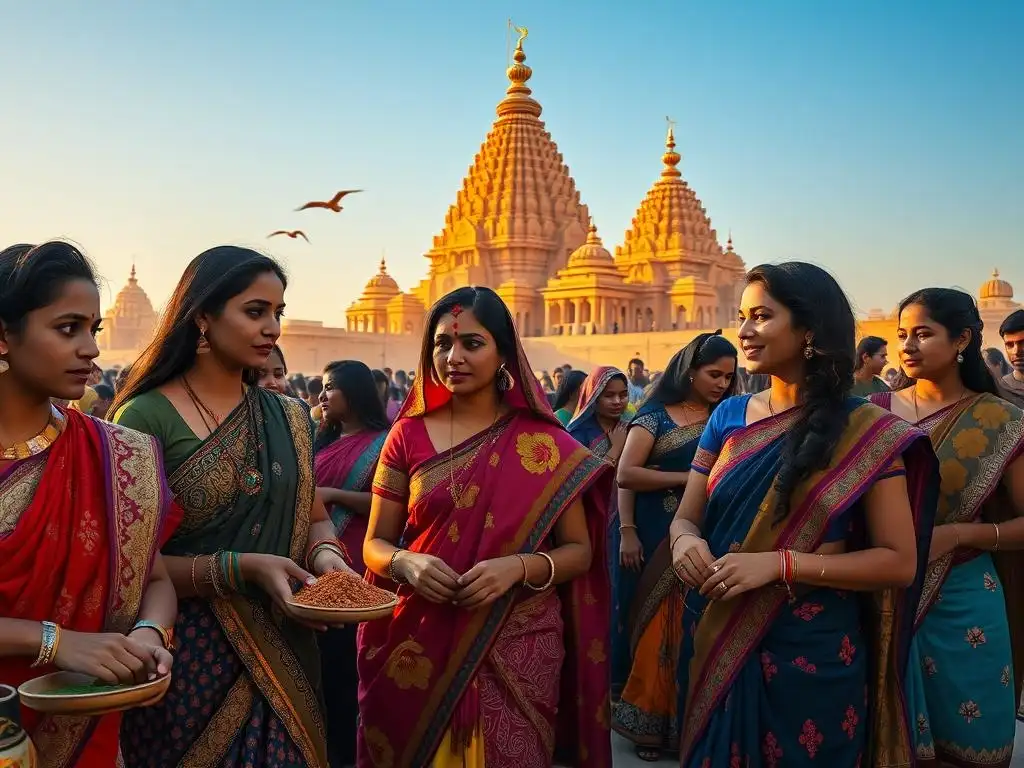
Welcome to Ancient India History, where we embark on a fascinating journey through time to uncover the rich tapestry of ancient Indian civilizations. In this exploration, we delve into the significant yet often overlooked contributions of women, particularly in our featured article, "The Role of Women in Cultural Exchanges: Stories from Ancient India." Discover how these remarkable figures shaped the cultural landscape and influenced exchanges that resonated through generations.
Join us as we unravel the stories that not only highlight their resilience and creativity but also invite you to reflect on the profound impact of women in the grand narrative of ancient India. What secrets will you uncover as you dive deeper?
Introduction to Women in Ancient Indian History
The exploration of women's roles in ancient civilizations often reveals the intricate tapestry of cultural exchanges that shaped societies. In the context of Ancient India, women were not merely passive participants; they played significant roles in the interactions with neighboring civilizations, influencing trade, religion, and art. From the Indus Valley Civilization to the Gupta Empire, women's contributions are woven into the fabric of India's rich history. This article aims to uncover the pivotal roles that women held in these exchanges and how their stories illuminate the broader narratives of ancient Indian history.
Overview of Women's Influence in Cultural Exchanges
Women in ancient India were instrumental in fostering cultural exchanges between various civilizations. Their participation in trade, diplomacy, and the arts not only enriched Indian culture but also facilitated the flow of ideas and practices from other regions. For instance:
- Merchants' Wives and Traders: Women often accompanied their families in trade, establishing connections with foreign merchants.
- Diplomatic Marriages: Marriages between Indian princesses and foreign rulers served as a means of political alliance, thus enhancing cultural ties.
- Cultural Transmission: Women were key figures in the transmission of knowledge, particularly in areas like literature, music, and dance, which often reflected a blend of indigenous and foreign influences.
The stories of these women highlight their agency and the dynamic role they played in shaping cultural narratives.
Importance of Studying Women's Roles in Ancient Civilizations
Studying women's roles in ancient civilizations offers valuable insights into the societal structures and cultural dynamics of the time. Recognizing the contributions of women allows for a more comprehensive understanding of history, challenging traditional narratives that often overlook their influence. Additionally, it:
- Promotes Gender Equality: By acknowledging women's contributions, we pave the way for a more equitable representation in historical discourse.
- Enriches Cultural Understanding: Understanding women's roles provides a nuanced view of cultural exchanges, illustrating how diverse influences shaped societal development.
- Inspires Contemporary Discourse: The stories of women from ancient India can serve as a source of inspiration for modern discussions on women's empowerment and agency.
Historical Context of Women in Ancient India
To fully appreciate the role of women in cultural exchanges, it is essential to understand the historical context of ancient India. The societal structures and gender roles that prevailed during different periods significantly influenced women's participation in various aspects of life.
Societal Structures and Gender Roles
In ancient Indian society, gender roles were often shaped by religious, economic, and cultural factors. While some periods witnessed progressive attitudes towards women, others were marked by restrictions:
- Patriarchal Norms: Predominantly patriarchal, many ancient Indian societies placed women in domestic roles, yet there were exceptions where women held positions of power.
- Education and Occupation: Women from certain classes, particularly in urban areas, had access to education and were involved in various occupations, from textile production to religious practices.
- Legal Rights: Women in ancient India enjoyed certain legal rights, including property ownership and inheritance, which varied considerably across different regions and time periods.
Understanding these dynamics is crucial to comprehending how women navigated their roles in cultural exchanges.
Prominent Women Figures in Ancient Indian History
Throughout ancient Indian history, several women have left an indelible mark on society and culture. Their stories exemplify the diverse contributions women made to the tapestry of Indian civilization:
- Gargi Vachaknavi: A renowned philosopher and scholar, she participated in philosophical debates and is celebrated for her intellect.
- Vasantsena: A character in the famous play "Mrichchhakatika," she symbolizes the complexities of love and societal roles.
- Rani Durgavati: A warrior queen known for her valor in defending her kingdom, she represents the strength and courage of women in leadership roles.
These figures not only reflect the diverse experiences of women in ancient India but also highlight their significant contributions to cultural exchanges within and beyond the subcontinent. As we delve deeper into their stories, we uncover the rich narratives that have shaped the history of women in ancient Indian civilization.
Women as Cultural Ambassadors
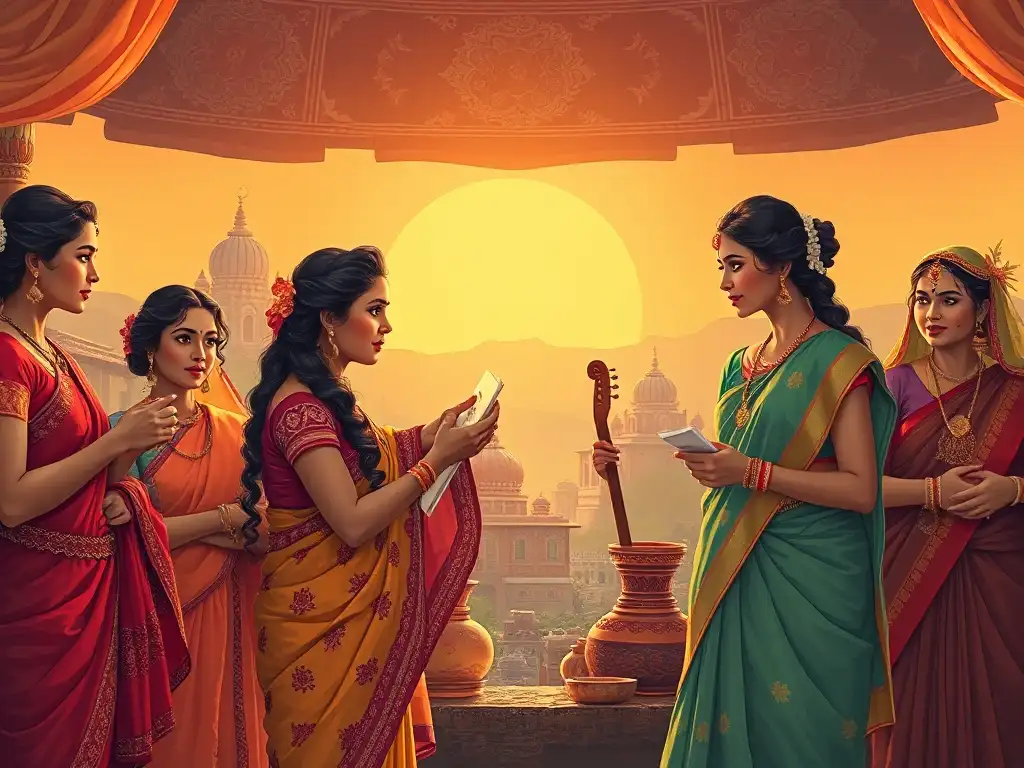
Women played a pivotal role as cultural ambassadors in ancient India, often acting as the bridge between different civilizations. Their involvement in trade, diplomacy, and community interactions facilitated not only the exchange of goods but also the sharing of ideas, customs, and beliefs. Women in ancient India were not merely passive participants; they were influential figures who shaped cultural dialogues through their unique positions in society.
From queens and noblewomen to traders and artisans, women engaged in various forms of cultural exchanges. For instance, marriages between royal families from different regions were strategic, often aimed at fostering alliances and enhancing political ties. These unions allowed for a blending of cultural practices, traditions, and languages, showcasing how women were instrumental in forging and maintaining relationships between communities.
Moreover, women’s roles in the arts, literature, and education also contributed significantly to cultural exchanges. They were not only creators but also patrons of various cultural forms, which further enriched the tapestry of ancient Indian culture. Through their diverse engagements, women emerged as key figures in promoting understanding and cooperation among different civilizations.
Stories of Women in Diplomatic Roles
Throughout ancient Indian history, several notable women served as diplomats or played significant diplomatic roles. One prominent example is the legendary figure of Rani Durgavati, the Gond queen of Mandla in the 16th century. Known for her bravery and political acumen, she engaged in diplomacy with neighboring kingdoms to defend her territory against invasions. Durgavati not only fought valiantly but also sought alliances through marriage and negotiation, showcasing the diplomatic prowess of women.
Another example is the royal women of the Maurya Empire, such as Queen Chandragupta Maurya, who played a role in diplomatic missions. It is said that she participated in negotiations with neighboring states to secure peace and foster trade relations, leveraging her status to influence political decisions.
These stories highlight how women utilized their positions to engage in diplomacy, often contributing to statecraft and international relations. Their involvement in these roles illustrates a broader recognition of women’s capabilities beyond traditional confines, marking them as essential actors in the political landscape of ancient India.
Impact of Women on Trade and Cultural Exchange
Women significantly influenced trade and cultural exchanges in ancient India through their active participation in commerce and the artisan sector. Many women were involved in local and long-distance trade, where they facilitated the exchange of goods like textiles, spices, and handicrafts. The famous Tamil Sangam literature from around 300 BCE to 300 CE mentions women merchants, known as "Sutthars," who traveled across regions, exchanging not only commodities but also cultural practices and ideas.
Additionally, women artisans contributed to the rich diversity of crafts in ancient India, producing textiles, pottery, and jewelry that reflected various cultural influences. Their work not only enriched local economies but also played a crucial role in cultural exchanges as these products were traded across the Indian subcontinent and beyond, reaching as far as the Mediterranean and Southeast Asia.
The impact of women on trade can be seen in the flourishing of markets where female traders operated, often transforming societal norms and expectations regarding women's roles in economic activities. As a result, women's involvement in trade became a significant aspect of cultural exchange, promoting interconnectedness and fostering mutual respect between different cultures.
The Influence of Women in Religious and Spiritual Exchanges
Women in ancient India were instrumental in the religious and spiritual landscape, actively participating in and sometimes leading religious movements. Their roles extended beyond mere followers; they were often the custodians of rituals, traditions, and spiritual teachings. This engagement allowed women to act as conduits of cultural and religious exchanges, influencing not only local practices but also the broader religious discourse.
Women in Ancient Indian Religions and Spiritual Practices
In ancient Indian religions, women held significant positions, particularly within Hinduism and Buddhism. Sacred texts and historical accounts reveal that women were revered as spiritual leaders and practitioners. For instance, the Rigveda mentions women sages, known as "Rishikas," who composed hymns and contributed to spiritual knowledge. These women not only participated in rituals but also played a vital role in preserving and transmitting religious teachings through generations.
In Buddhism, women like Mahapajapati Gotami, the Buddha's aunt, were instrumental in establishing the Bhikkhuni Sangha, the order of nuns. This movement allowed women to engage actively in spiritual practices and teachings, fostering an environment of inclusivity within the religious framework. Such examples illustrate that women were not merely passive participants but were actively shaping spiritual discourses and practices.
Women as Leaders in Religious Movements
Throughout ancient Indian history, women emerged as leaders in various religious movements, advocating for social and spiritual reforms. One notable figure is the 12th-century mystic poet Akka Mahadevi, who challenged societal norms through her spiritual poetry and teachings. As a leader in the Vachana movement, she emphasized the importance of personal devotion over ritualistic practices, inspiring many to question established traditions.
Similarly, in the Bhakti movement, women like Mirabai became prominent figures advocating for devotion to Krishna. Their narratives often highlighted themes of love, sacrifice, and social justice, leading to significant cultural and spiritual exchanges between different communities.
These women not only influenced religious thought but also fostered intercultural dialogues through their teachings and practices. Their leadership in religious movements demonstrated the crucial role women played in shaping spiritual landscapes, impacting societal values and cultural exchanges across ancient India.
Artistic Contributions of Women in Ancient India
Women in ancient India played a pivotal role in shaping the cultural landscape through their artistic contributions. Their creativity flourished in various forms, including literature, visual arts, and crafts, reflecting not only their individual talents but also the broader socio-cultural dynamics of the time. These contributions were significant in fostering cultural exchanges between ancient Indian civilizations and neighboring cultures.
The artistic expressions of women were often intertwined with religious and cultural practices. For instance, in the realm of literature, women composed poetry that conveyed their experiences, philosophies, and reflections on society. This literary tradition not only enriched Indian literature but also facilitated dialogues with other cultures through shared themes and motifs. Furthermore, women were integral to visual arts, such as painting and sculpture, often depicting themes from mythology and spirituality that resonated with various cultural narratives.
The craftsmanship of women is evident in the exquisite textiles, pottery, and jewelry they created. These items were not only functional but also served as cultural artifacts that exhibited the aesthetic values and craftsmanship of their societies. As these artifacts traveled through trade routes, they became mediums of cultural exchange, showcasing the skills and artistry of women to diverse audiences.
Women in Literature and Poetry
Women in ancient India made significant strides in the literary domain, contributing to a rich tapestry of poetry and prose. Notable figures such as Vemana and Andal illustrate the prominence of women poets whose works transcended societal norms, often challenging prevailing notions about gender and spirituality. Their poetry frequently explored themes of love, devotion, and the human condition, resonating with audiences across different regions and cultures.
The oral tradition played a critical role in this literary landscape, where women were often the bearers of folk tales and myths. These narratives not only served as a means of entertainment but also as a vehicle for moral and ethical teachings. Women’s voices in literature were crucial in preserving cultural identities and values, as they passed down knowledge through generations.
Moreover, texts such as the Mahabharata and Ramayana feature strong female characters, highlighting women's roles in both domestic and public spheres. These literary works reflect the complexities of women's lives and their contributions to society, offering insights into their experiences and the cultural exchanges that shaped their identities.
The Role of Women in Visual Arts and Crafts
Visual arts in ancient India were profoundly influenced by the creativity and skill of women artisans. From intricate murals in temples to delicate carvings in stone, women contributed significantly to the visual storytelling of their cultures. Their work often depicted religious themes, daily life, and nature, providing a window into the values and beliefs of ancient Indian societies.
In crafts, women were instrumental in the production of textiles, pottery, and metalwork. The art of weaving, particularly, was a domain where women excelled, creating vibrant fabrics that reflected local traditions and aesthetics. These textiles were not only essential for local use but also became valuable trade items, facilitating cultural exchanges with neighboring civilizations.
Women’s participation in these artistic endeavors allowed them to assert their identities and influence cultural practices. Through their craftsmanship, they maintained and shared traditional skills, fostering continuity and innovation in the arts. The legacy of these women is evident in the art forms that persist today, showcasing their lasting impact on Indian culture.
Education and Knowledge Transmission by Women
Education and knowledge transmission in ancient India were not solely the domain of men; women played a crucial role in these processes. Their involvement in education varied from formal learning in institutions to informal settings where knowledge was shared through storytelling and mentorship.
Women as Educators and Scholars in Ancient India
Women in ancient India often served as educators and scholars, contributing to the intellectual landscape of their time. Historical texts mention women like Gargi and Maitreyi, who engaged in philosophical debates and were recognized for their wisdom. These women had access to education, allowing them to participate in scholarly discussions that shaped societal norms and philosophical thought.
Moreover, women were instrumental in the education of children, imparting values, ethics, and knowledge of cultural traditions. They often served as the first teachers, using oral traditions to educate the next generation. This transmission of knowledge was vital in preserving cultural heritage and ensuring the continuity of societal values across generations.
The Role of Women in Preserving Oral Traditions
Oral traditions hold a significant place in the cultural history of ancient India, and women were key figures in preserving these narratives. Through storytelling, women conveyed historical events, moral lessons, and cultural myths, ensuring that these stories were carried forward in a society that valued oral transmission over written records.
Women often used their storytelling skills to engage listeners, making the narratives more relatable and impactful. This role was not just about preservation; it was also about interpretation and adaptation, as women added their perspectives and experiences to the tales they told. Their contributions ensured that the voices of women and their experiences were woven into the broader fabric of history.
As custodians of oral traditions, women facilitated cultural exchanges by sharing stories that resonated with diverse audiences. This exchange not only enriched their own cultural narratives but also fostered connections with neighboring civilizations, illustrating the dynamic role women played in the cultural dialogues of ancient India.
Case Studies of Notable Women in Cultural Exchanges
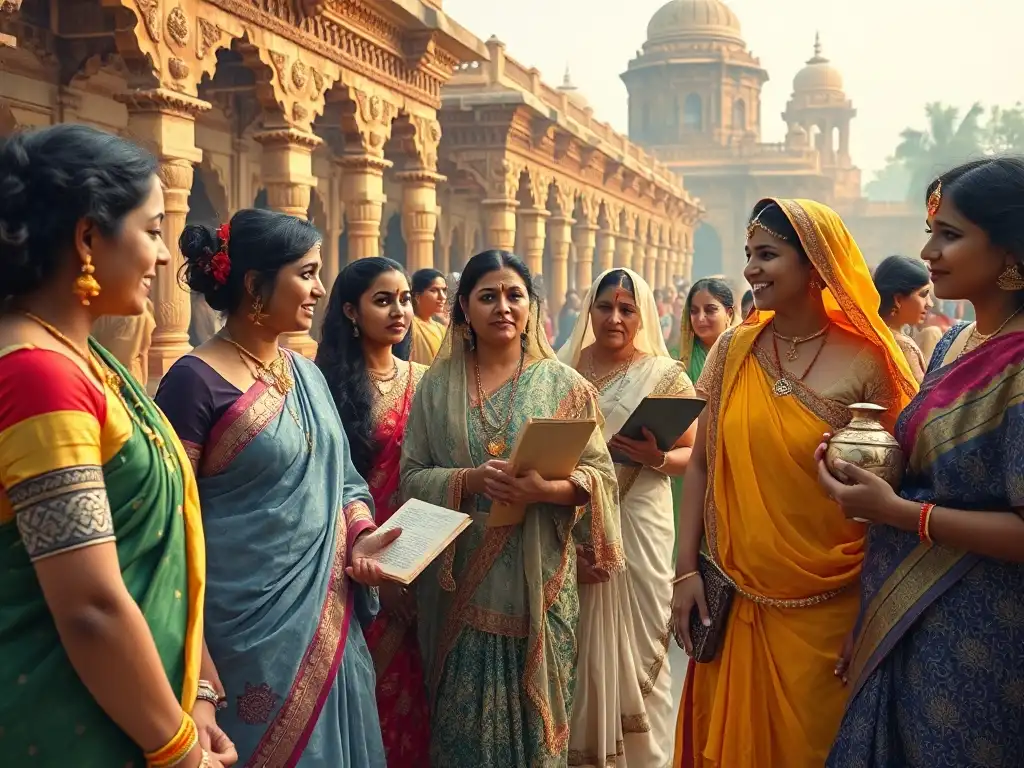
Throughout ancient Indian history, women played pivotal roles in cultural exchanges, often acting as conduits of knowledge, philosophy, and spiritual thought. Their contributions have shaped not only the local cultures but also the interactions with neighboring civilizations. Examining the lives of remarkable women such as Gargi Vachaknavi and Maitreyi reveals the depth of their influence in the philosophical and spiritual realms. These women navigated complex societal structures to engage in discussions of great significance, highlighting the vital contributions of women in ancient Indian history.
Gargi Vachaknavi: Contributions to Philosophy and Debate
Gargi Vachaknavi stands out as a groundbreaking figure in ancient Indian philosophy, particularly during the Vedic period. Renowned for her intellect and eloquence, Gargi is celebrated for her ability to engage in philosophical debates, especially in the context of the Brahadaranyaka Upanishad. In one of the most famous dialogues, she challenges the sage Yajnavalkya on the nature of the ultimate reality, demonstrating her deep understanding of metaphysical questions.
Her contributions extend beyond mere participation in debates; Gargi’s inquiries into the nature of Brahman (the ultimate reality) and her insistence on the importance of knowledge reflect a progressive viewpoint for her time. She is often depicted as a symbol of intellectual empowerment, emphasizing that women, too, could engage in and contribute to the philosophical discourse of their era. Gargi's legacy not only exemplifies the role of women in shaping philosophical thought but also underscores their involvement in the broader cultural exchanges between various schools of thought within ancient Indian civilization.
Maitreyi: Influence in Vedic Texts and Spiritual Discourse
Another prominent figure, Maitreyi, is notable for her profound influence in Vedic texts, particularly in the Brihadaranyaka Upanishad. As a philosopher and spiritual thinker, Maitreyi is often associated with discussions surrounding the nature of the self and the significance of knowledge. Her dialogues with her husband, the sage Yajnavalkya, showcase her depth of understanding and her ability to question established norms, particularly regarding the nature of immortality and the eternal self.
Maitreyi's philosophical inquiries are instrumental in the evolution of thought in ancient Indian spirituality. She poses critical questions about the relationship between material wealth and spiritual enlightenment, illustrating her role as a thinker who bridges the gap between worldly and spiritual knowledge. This engagement not only reflects her contributions to spiritual discourse but also demonstrates the critical role that women played in shaping the intellectual landscape of ancient India, facilitating cultural exchanges through their insights and perspectives.
Challenges Faced by Women in Cultural Exchanges
Despite the significant contributions of women in ancient Indian history, they faced numerous challenges that often hindered their participation in cultural exchanges. These challenges stemmed from social, political, and economic barriers that restricted their roles and access to opportunities for engagement.
Social and Political Barriers
Women in ancient India often navigated a society that was heavily patriarchal, which imposed strict social norms and expectations. The caste system further complicated their ability to participate in cultural exchanges, as women from higher castes were typically more restricted in their movements and interactions with individuals from lower castes. Additionally, political instability and the dominance of male figures in leadership roles limited women's representation in important cultural dialogues.
The societal perception of women's roles as primarily domestic also constrained their opportunities for intellectual exchange. While there were notable exceptions, the general environment often relegated women to the background of cultural discussions, thereby stifling their potential contributions to the rich tapestry of ancient Indian cultural history.
Economic Constraints and Limitations
Economic constraints significantly impacted women's ability to engage in cultural exchanges. Access to education and scholarly pursuits was often limited by economic means, with many women unable to pursue intellectual interests due to financial dependencies on male family members. This economic disparity curtailed their opportunities to travel, study, and participate in broader cultural dialogues.
Moreover, women's labor contributions, both in domestic settings and agriculture, often went unrecognized. This lack of economic independence not only restricted their mobility but also diminished their ability to assert themselves in cultural exchanges. The intersection of economic limitations with societal norms created a challenging environment for women seeking to make their voices heard in the realms of culture, philosophy, and spirituality.
Through these explorations of individual contributions and the systemic challenges faced, it becomes evident that women in ancient Indian history played a crucial role in cultural exchanges, despite the numerous barriers that sought to limit their influence.
Conclusion: The Lasting Legacy of Women in Ancient Indian History
The role of women in ancient Indian history is often understated, yet their contributions to cultural exchanges significantly shaped the civilization's evolution. From the Indus Valley civilization, where women participated in trade and craft, to the diverse cultural and intellectual landscapes of later periods, women played pivotal roles as artisans, scholars, and diplomats. Their involvement in cultural exchanges facilitated not only the transfer of goods but also the sharing of ideas, philosophies, and artistic expressions that enriched Indian society and influenced neighboring cultures.
Women such as the poetess and philosopher Gargi, who participated in philosophical debates, and the learned women of the Gupta period, who contributed to arts and sciences, exemplify the intellectual contributions women made to cultural dialogues. These stories highlight the importance of women's perspectives in understanding historical narratives and their enduring impact on cultural identity.
Reflection on Women's Contributions to Cultural Exchanges
Reflecting on the contributions of women in ancient India reveals a tapestry of influence woven through various practices and interactions. Women often acted as conduits of cultural exchange, bridging gaps between communities through marriage alliances, trade, and social networks. Their roles were not limited to domestic spheres; they were active participants in the dissemination of knowledge, religion, and customs. For instance, the presence of women in religious rituals and festivals fostered communal ties and facilitated the exchange of cultural practices among diverse ethnic groups.
Moreover, women's narratives in ancient texts and oral traditions provide valuable insights into the socio-political dynamics of their time. These stories illustrate how women navigated and influenced their environments, often challenging the constraints imposed upon them. Recognizing these contributions allows for a more nuanced understanding of ancient Indian history, emphasizing that women were not mere passive observers but dynamic agents of change.
The Importance of Recognizing Women's Roles in History
Recognizing women's roles in history is crucial for a comprehensive understanding of cultural exchanges and societal development. Often marginalized in historical accounts, women's contributions remain underrepresented, leading to an incomplete narrative of ancient civilizations. By acknowledging the roles of women, historians can challenge traditional perspectives that prioritize male achievements and highlight the diverse experiences that shaped cultural landscapes.
Furthermore, understanding women's positions in ancient Indian society can inspire contemporary discussions about gender roles and equality. It underscores the importance of inclusive historical narratives that honor all contributors, regardless of gender. This recognition not only enriches the study of history but also fosters a more equitable appreciation of cultural heritage.
Future Research Directions on Women in Ancient Indian History
Future research on women in ancient Indian history promises to unveil further complexities and narratives that have yet to be fully explored. As scholars continue to investigate this vital area, several key directions emerge that can deepen our understanding of women's roles and contributions.
Areas for Further Exploration and Study
- Regional Studies: Investigating women's roles across various regions of ancient India can provide insights into how cultural exchanges differed based on geography and local customs.
- Interdisciplinary Approaches: Employing methodologies from anthropology, sociology, and gender studies can enrich historical analyses, allowing for more nuanced interpretations of women's experiences.
- Archaeological Findings: New archaeological discoveries may shed light on women’s daily lives, economic activities, and social status, contributing to a more holistic view of their contributions.
- Literary Analysis: Analyzing ancient texts, including poetry and scriptures, can reveal the voices and perspectives of women, providing context for their roles in cultural exchanges.
Encouragement for Academic Engagement and Discussion
Encouraging academic engagement and discussion around women's contributions in ancient Indian history is essential. Scholars, students, and enthusiasts alike should be motivated to delve into primary sources, participate in interdisciplinary research, and share findings in collaborative forums. Workshops, seminars, and publications focusing on women in ancient history can create platforms for dialogue and innovation.
By fostering a vibrant academic community that prioritizes the exploration of women’s roles, we can collectively work towards a more inclusive historical narrative. This engagement not only enriches our understanding of ancient civilizations but also paves the way for future generations to appreciate and celebrate the diverse contributions of women throughout history.
- Introduction to Women in Ancient Indian History
- Overview of Women's Influence in Cultural Exchanges
- Importance of Studying Women's Roles in Ancient Civilizations
- Historical Context of Women in Ancient India
- Women as Cultural Ambassadors
- The Influence of Women in Religious and Spiritual Exchanges
- Artistic Contributions of Women in Ancient India
- Education and Knowledge Transmission by Women
- Case Studies of Notable Women in Cultural Exchanges
- Challenges Faced by Women in Cultural Exchanges
- Conclusion: The Lasting Legacy of Women in Ancient Indian History
- Future Research Directions on Women in Ancient Indian History
Frequently Asked Questions
What was the status of women in ancient Indian society?
Women in ancient India held varied statuses, often depending on their social class and region. While some had significant rights and roles, others faced restrictions, particularly in later periods.
How did women contribute to cultural exchanges in ancient India?
Women played a crucial role in cultural exchanges by acting as mediators, artists, and scholars. Their participation helped to spread ideas, art, and traditions across regions, enriching the cultural landscape.
Were there any notable women in ancient Indian history?
Yes, figures like Gargi, a philosopher, and Vasavadatta, a poetess, are notable. Their contributions highlight the intellectual and artistic capabilities of women during ancient times.
What roles did women assume in ancient Indian economies?
Women engaged in various roles, including agriculture, crafts, and trade. Their contributions were essential to the economic stability and growth of their communities.
How did ancient Indian texts portray women?
Ancient texts often reflected contradictory views of women, depicting them as both powerful figures and subservient beings. This duality illustrates the complex dynamics of gender roles in ancient Indian culture.
Final Reflection: Celebrating the Voices of Women in Ancient Indian History
The stories of women in ancient India are not just relics of the past; they are vital threads in the rich tapestry of cultural exchanges that shaped civilizations. As we delve into the lives of these remarkable women, we uncover their significant contributions to art, philosophy, and trade, which resonate with the ongoing dialogues about gender roles and empowerment today. The narratives of these women remind us that their influence was profound and far-reaching, challenging the notion that history is solely a man's domain.
The impact of women in ancient Indian history extends beyond their time, continuing to inspire movements for equality and recognition in contemporary society. Their stories serve as a powerful reminder of the resilience and creativity that women have exhibited throughout history. As noted by historian Romila Thapar, ">The role of women in ancient societies was often more complex than we acknowledge, reflecting a dynamic interplay of power and culture that is still relevant today." Their experiences and contributions are not just historical footnotes; they are essential to understanding the full scope of our cultural heritage.
As we reflect on the lessons from the past, let us embrace the call to honor and amplify the voices of women in our own lives and communities. Consider how you can contribute to the ongoing narrative of women in history, whether through storytelling, advocacy, or education.
By recognizing and celebrating the achievements of women in ancient India, we not only pay homage to their legacy but also empower future generations to continue this vital work. Together, we can ensure that the stories of women are woven into the fabric of our shared history, inspiring a more inclusive and equitable future.
Thank you for taking the time to explore the rich tapestry of women's contributions to cultural exchanges in ancient India. By delving into these incredible stories, you’re not just learning history; you’re celebrating the timeless impact of women in shaping our world. Now, it's time to take action and amplify these voices!
- Share a story: Find a female figure from history who inspires you, and write a short post about her contributions on social media using the hashtag #WomenInCulture.
- Participate in a local book club or online forum to discuss works that highlight the achievements of women throughout history—you might uncover new perspectives and insights!
- Create a tribute: Craft a piece of art, poetry, or a video that honors the vital roles women play in your culture or community.
What story of a remarkable woman will you share to inspire others today?