
The Cultural Significance of Indian Jewelry in Southeast Asia

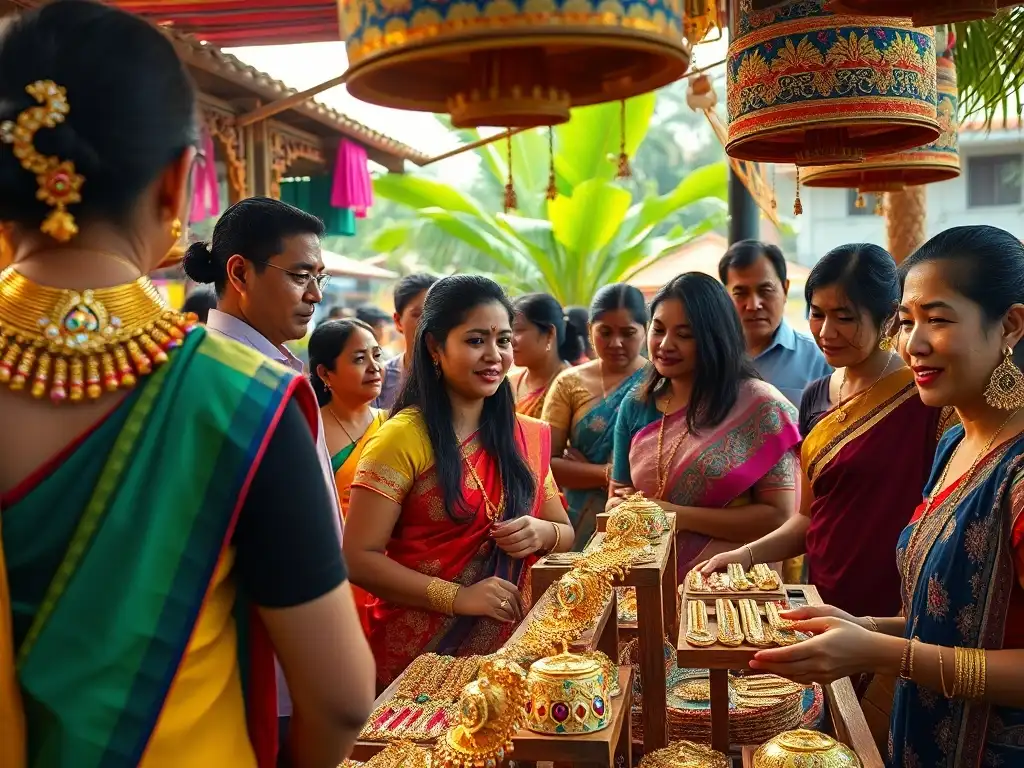
Welcome to Ancient India History, where we invite you to embark on a journey through the vibrant tapestry of India's past. Dive into our latest exploration, "The Cultural Significance of Indian Jewelry in Southeast Asia," and uncover how the exquisite craftsmanship and symbolic meanings of Indian jewelry have transcended borders, influencing cultures far and wide.
As you delve deeper, prepare to be captivated by the stories of trade, artistry, and tradition that illustrate the profound connections between ancient Indian civilizations and their Southeast Asian counterparts. Join us in this fascinating exploration, and let the allure of history inspire your curiosity!
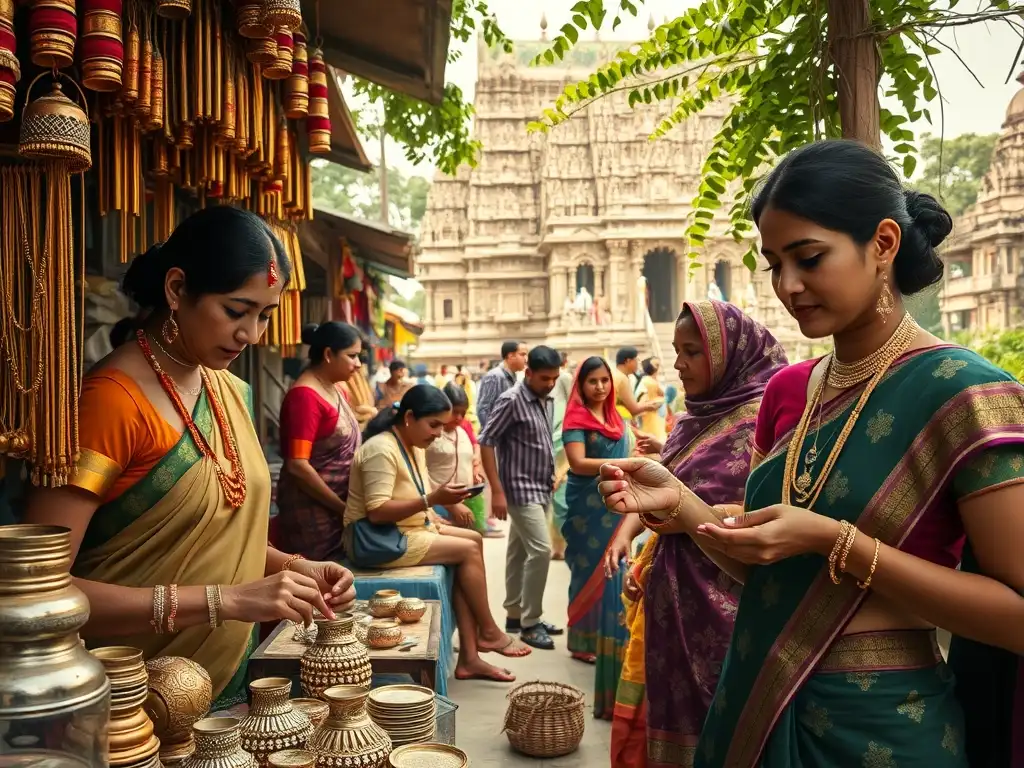
Jewelry has long been a vital aspect of cultural identity and expression across various civilizations, and in the context of Southeast Asia, the influence of Indian jewelry holds a particularly prominent place. From intricate gold ornaments to elaborate silver pieces, Indian jewelry reflects the rich traditions and artistic craftsmanship that have evolved over millennia.
This article aims to explore the cultural significance of Indian jewelry in Southeast Asia, examining its historical roots, the role it plays within Indian culture, and its profound impact on the jewelry styles and practices of Southeast Asian nations. By delving into the intricate web of historical trade routes and cultural exchanges, we will uncover how Indian jewelry has shaped the aesthetic and cultural landscapes of the region, leaving an indelible mark that continues to resonate today.
Introduction to Indian Jewelry
Overview of Indian Jewelry and Its Historical Roots
Indian jewelry is not merely ornamental; it embodies deep-rooted traditions, religious beliefs, and social statuses. Historically, Indian jewelry can be traced back to the Indus Valley Civilization, where archaeological findings reveal the use of various materials such as beads, gold, and gemstones. Over centuries, different dynasties and cultures contributed to the evolution of jewelry-making techniques, enriching the diversity of styles and forms.
- Materials Used:
- Gold
- Silver
- Gemstones (e.g., diamonds, emeralds, rubies)
- Organic materials (e.g., beads, shells)
The craftsmanship involved in creating Indian jewelry often reflects the cultural narratives and artistic expressions unique to different regions. For instance, Kundan and Meenakari are two distinctive styles that showcase the intricate artistry that has characterized Indian jewelry for ages.
Importance of Jewelry in Indian Culture
In Indian culture, jewelry serves multiple purposes beyond mere adornment. It plays a crucial role in various rituals and social events, symbolizing wealth, prosperity, and marital status. Here are some key aspects of the importance of jewelry in Indian culture:
- Ritual Significance:
- Worn during weddings and festivals
- Symbolizes blessings and good fortune
- Social Status:
- Indicates wealth and family heritage
- Used as a form of investment
- Artistic Expression:
- Showcases regional craftsmanship
- Reflects cultural narratives and traditions
The Influence of Indian Jewelry on Southeast Asian Cultures
Historical Trade Routes and Cultural Exchanges
The exchange of goods and ideas along ancient trade routes, such as the Silk Road and maritime routes, facilitated the spread of Indian culture, including its jewelry. Merchants played a pivotal role in introducing Indian designs and techniques to Southeast Asia, where they were adapted and integrated into local practices. The flourishing trade during the Gupta Empire and beyond laid the groundwork for these cross-cultural exchanges, which had lasting impacts on the region.
- Key Trade Routes:
- Silk Road
- Spice Route
- Maritime trade networks
This exchange not only involved physical goods but also ideas, art, and techniques that influenced the craftsmanship of local jewelers in Southeast Asia, resulting in unique blends of styles.
Key Southeast Asian Countries Influenced by Indian Jewelry
Several countries in Southeast Asia have been notably influenced by Indian jewelry traditions, each incorporating Indian elements into their own cultural contexts. Here are a few key countries:
- Thailand:
- Adoption of intricate gold designs
- Influence on traditional ceremonial jewelry
- Indonesia:
- Use of gold and silver in Batik and ceremonial attire
- Incorporation of Indian motifs in local jewelry
- Cambodia:
- Integration of Indian styles in royal jewelry
- Influence on traditional Khmer adornments
- Malaysia:
- Blend of Indian and Malay jewelry styles
- Use of gemstones and intricate designs in traditional attire
The cultural significance of Indian jewelry in Southeast Asia is a testament to the deep-rooted historical connections and the ongoing influence of Indian craftsmanship on the region. As we explore further, we will uncover more about the intricate relationships between these cultures and the enduring legacy of Indian jewelry.
Symbolism and Meaning of Indian Jewelry
Indian jewelry is rich in symbolism and often carries deep meanings that transcend mere adornment. Each piece of jewelry is not only a representation of beauty but also a reflection of cultural values, beliefs, and traditions. In Southeast Asia, this symbolism has been embraced and adapted, showcasing the intricate connections between Indian and Southeast Asian cultures.
For example, the use of gold in Indian jewelry symbolizes wealth and prosperity, which has been mirrored in Southeast Asian cultures where gold is often associated with divine qualities. Similarly, gemstones such as diamonds, rubies, and emeralds are believed to hold specific powers and astrological significance, influencing their use in both Indian and Southeast Asian jewelry designs.
In essence, the cultural significance of Indian jewelry in Southeast Asia lies in its ability to convey messages about spirituality, societal roles, and personal identity, making it an integral part of the region's heritage.
Spiritual and Religious Significance
The spiritual and religious significance of Indian jewelry is profound, as many pieces are crafted with the intention of serving as offerings or protective amulets. In Hinduism, for instance, certain jewelry items are believed to invoke blessings from deities. This belief has found a place in Southeast Asia, where Hindu and Buddhist influences are prevalent.
For example, the mangalsutra, a sacred necklace worn by married women in India, is often replicated in Southeast Asian cultures, symbolizing marital fidelity and divine protection. Additionally, intricate designs featuring motifs of gods and goddesses are common, further enriching the spiritual aspect of jewelry.
Jewelry also plays a role in significant life events, such as births, marriages, and religious ceremonies. In these contexts, it is seen not only as a form of adornment but also as a means to connect with the divine, reinforcing the spiritual ties between Indian and Southeast Asian traditions.
Social Status and Identity Representation
In both Indian and Southeast Asian societies, jewelry serves as a powerful symbol of social status and identity. Historically, the type and quantity of jewelry worn could indicate one's wealth, occupation, and social standing. This cultural practice has been passed down through generations, with various styles and materials signifying different social hierarchies.
For instance, in India, heavy gold jewelry is often associated with royalty and affluence, while in Southeast Asia, similar styles reflect local customs and status. Jewelry also plays a role in ethnic identity, with specific designs and adornments unique to different communities.
Moreover, the fusion of Indian jewelry styles with local traditions in Southeast Asia has led to the emergence of hybrid forms, allowing individuals to express their cultural identity while embracing influences from neighboring regions. This adaptability highlights the fluid nature of cultural exchanges and the ongoing evolution of identity through adornment.
Types of Indian Jewelry and Their Southeast Asian Adaptations
The diversity of Indian jewelry types has made a significant impact on Southeast Asia, where various adaptations can be observed. Each type carries its own historical significance and has been uniquely interpreted by Southeast Asian artisans, reflecting local tastes and traditions.
Traditional Indian Jewelry Styles
Traditional Indian jewelry encompasses a wide array of styles, each with distinct features. Some prominent types include:
- Kundan: A traditional form of gem-setting that uses glass and precious stones, often found in bridal jewelry.
- Meenakari: Enamel work that adds vibrant colors to gold or silver jewelry, popular in many regions of India.
- Temple Jewelry: Inspired by the intricate carvings of temple deities, this style often includes motifs of gods and goddesses.
- Jadau: A form of jewelry that involves intricate craftsmanship with uncut diamonds and colorful gemstones.
These styles are characterized by their elaborate designs and craftsmanship, making them highly sought after in both Indian and Southeast Asian markets.
Southeast Asian Interpretations of Indian Jewelry
Southeast Asia has embraced Indian jewelry styles while infusing them with local aesthetics and cultural elements. This synthesis has resulted in unique interpretations that reflect both Indian influence and regional identity.
For example, in Indonesia, the use of gold in traditional ceremonies often incorporates Indian-inspired designs, but with local motifs and craftsmanship techniques. Similarly, in Thailand, the intricate detailing of Indian jewelry has influenced the creation of traditional ornaments, such as the chada, a type of crown worn by brides, which showcases elements reminiscent of Indian bridal jewelry.
These adaptations not only highlight the cultural significance of Indian jewelry but also demonstrate the dynamic interplay of artistic expression across regions. The result is a rich tapestry of jewelry that narrates the shared history and cultural exchanges between India and Southeast Asia.
The Role of Indian Jewelry in Southeast Asian Festivals and Rituals
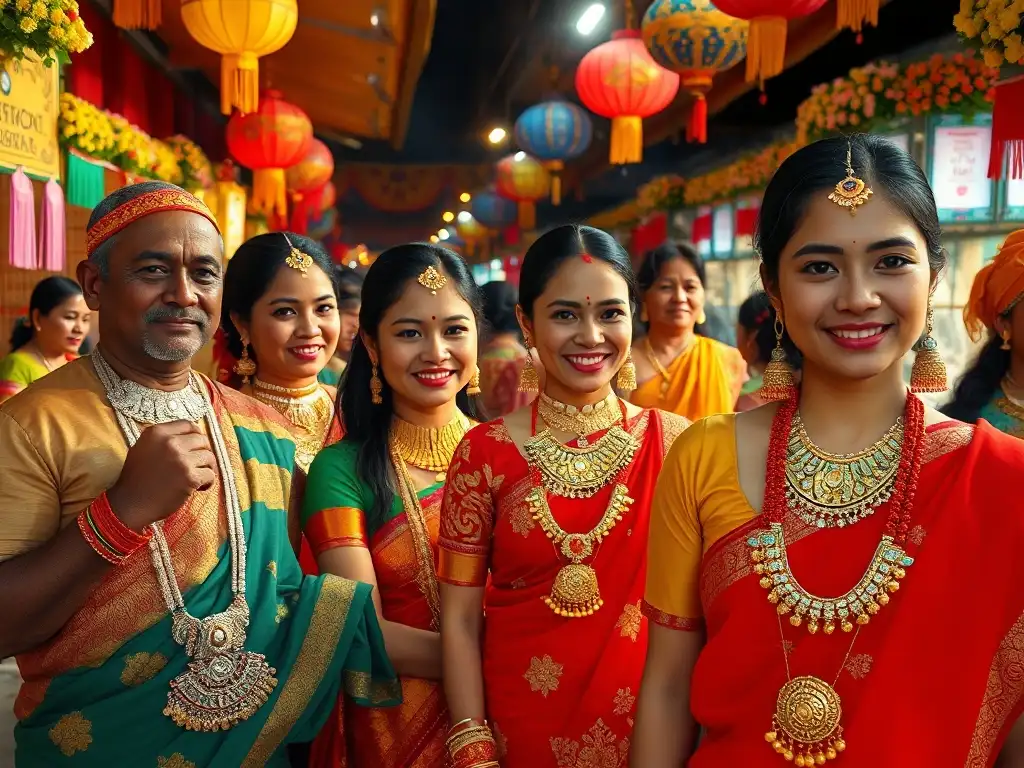
The cultural significance of Indian jewelry in Southeast Asia is deeply intertwined with various festivals and rituals. Jewelry serves not only as an ornament but also as a symbol of wealth, status, and cultural identity. In many Southeast Asian countries, Indian jewelry has been integrated into local customs, enhancing the richness of traditional celebrations. The presence of intricate designs, precious stones, and symbolic motifs in jewelry reflects the historical connections and cultural exchanges between India and Southeast Asia.
Jewelry in Religious Ceremonies
In several Southeast Asian cultures, jewelry plays a pivotal role in religious ceremonies. For instance, during Hindu festivals such as Diwali and Navaratri, individuals adorn themselves with traditional Indian jewelry to signify devotion and respect. The use of gold, silver, and gemstones in jewelry not only enhances the aesthetic appeal but also symbolizes prosperity and divine blessings.
In Buddhist traditions, jewelry is often used in rituals and offerings. The practice of wearing specific pieces of jewelry, such as amulets and pendants, is believed to provide spiritual protection and good fortune. This intertwining of jewelry with religious practices exemplifies how Indian craftsmanship and design have been embraced and adapted in the region, creating a unique blend of cultural expressions.
Jewelry in Cultural Celebrations and Weddings
Jewelry is an essential element in cultural celebrations and weddings across Southeast Asia. In countries such as Indonesia, Malaysia, and Thailand, Indian-inspired jewelry is prominently featured during wedding ceremonies. Traditional bridal attire is often complemented by elaborate gold necklaces, bangles, and earrings that reflect Indian influences.
These pieces not only enhance the beauty of the bride but also signify her family’s wealth and social status. The intricate designs and craftsmanship of Indian jewelry are celebrated during these events, as families often showcase heirloom pieces that have been passed down through generations. The fusion of Indian jewelry styles with local traditions has created a vibrant wedding culture that honors both heritage and modernity.
The Evolution of Indian Jewelry in Southeast Asia
The evolution of Indian jewelry in Southeast Asia is marked by historical changes in design and usage, influenced by trade, migration, and cultural assimilation. As Indian traders and artisans traveled to Southeast Asia, they brought with them their jewelry-making techniques and styles, which began to meld with local aesthetics.
Historical Changes in Jewelry Design and Usage
Historically, Indian jewelry served not only as adornment but also as a form of currency and a means of social mobility. Over time, as trade routes expanded and cultural exchanges flourished, the designs began to evolve. For instance, the intricate filigree work typical of Indian jewelry was adapted to incorporate local motifs and materials, resulting in unique styles that resonated with the local population.
During the colonial period, the influence of Western styles began to emerge, leading to a blend of traditional and contemporary designs. This adaptability allowed Indian jewelry to maintain its relevance in changing social contexts while preserving its cultural significance.
Contemporary Trends and Modern Adaptations
In contemporary times, the cultural significance of Indian jewelry continues to thrive in Southeast Asia. Modern trends reflect a fusion of traditional craftsmanship with contemporary fashion. Jewelers often experiment with new materials and techniques, creating pieces that appeal to younger generations while still honoring traditional designs.
Sustainability and ethical sourcing have also become important considerations. Many artisans are now focusing on eco-friendly practices and the use of recycled materials in their jewelry-making processes. This modern adaptation not only caters to the evolving tastes of consumers but also ensures the preservation of traditional skills and artistry.
Moreover, the rise of social media has allowed for a wider appreciation and visibility of Indian jewelry, leading to increased interest and demand. This resurgence ensures that the cultural significance of Indian jewelry remains vibrant and influential in the ever-evolving landscape of Southeast Asian culture.
Conclusion: The Lasting Impact of Indian Jewelry on Southeast Asian Cultures
The cultural significance of Indian jewelry in Southeast Asia extends far beyond mere adornment; it encapsulates centuries of trade, art, and shared heritage. Indian jewelry has played a crucial role in the cultural exchanges between India and Southeast Asian nations, influencing regional styles, techniques, and traditions. The intricate designs, symbolic meanings, and craftsmanship of Indian jewelry have left an indelible mark on the cultural landscape of Southeast Asia, fostering a unique blend of traditions that reflect both Indian and local influences.
Over the years, Indian jewelry has not only been a part of personal adornment but also a symbol of status, spirituality, and identity within Southeast Asian societies. From the elaborate gold ornaments of the Khmer Empire to the silver jewelry of the Philippines, the legacy of Indian craftsmanship continues to inspire artisans and jewelers across the region. This enduring impact manifests in festivals, rituals, and everyday life, showcasing the intertwined nature of cultural practices.
Summary of Cultural Significance
The cultural significance of Indian jewelry in Southeast Asia can be summarized through several key dimensions:
- Historical Trade Routes: Indian jewelry was a vital commodity along ancient trade routes, facilitating the exchange of goods, ideas, and cultural practices. The maritime Silk Route enabled the spread of Indian craftsmanship and aesthetics, influencing local artisans.
- Symbolism and Spirituality: Jewelry in many Southeast Asian cultures carries deep spiritual significance. Indian designs, often infused with meanings related to prosperity, protection, and divinity, have been adopted into local practices, enriching the spiritual landscape.
- Artistic Techniques: The intricate techniques used in Indian jewelry making, such as filigree, enameling, and stone setting, have been embraced and adapted by Southeast Asian artisans. This fusion has led to the development of hybrid styles that reflect a blend of both traditions.
- Cultural Festivals and Ceremonies: In many Southeast Asian communities, Indian-inspired jewelry plays a central role in cultural festivals and ceremonies. Weddings, religious rites, and celebrations often feature these ornate pieces, symbolizing wealth and cultural heritage.
- Fashion and Identity: Today, Indian jewelry continues to influence contemporary fashion trends in Southeast Asia. The blend of traditional and modern aesthetics allows individuals to express their identity while honoring their cultural roots.
Future Prospects for Indian Jewelry in Southeast Asia
The future prospects for Indian jewelry in Southeast Asia appear promising, driven by several factors:
- Cultural Revival: There is a growing interest in traditional crafts and heritage, leading to a resurgence of interest in Indian jewelry. This revival is fostering collaborations between Indian artisans and local jewelers, creating innovative designs that resonate with modern consumers.
- Globalization and E-commerce: The rise of e-commerce platforms is making Indian jewelry more accessible to Southeast Asian markets. Consumers are increasingly seeking unique, high-quality pieces that reflect their cultural roots, which presents opportunities for Indian jewelers to expand their reach.
- Sustainable Practices: As awareness of sustainability grows, there is a shift towards ethically sourced materials and traditional craftsmanship. Indian jewelry, often made from natural stones and metals, aligns well with this trend, appealing to environmentally conscious consumers.
- Cultural Exchange Programs: Initiatives aimed at promoting cultural exchanges between India and Southeast Asian countries can enhance the appreciation of Indian jewelry. Workshops, exhibitions, and collaborative projects may further strengthen ties and elevate the status of Indian craftsmanship.
- Influence of Pop Culture: The influence of Bollywood and Indian fashion in Southeast Asia can also drive interest in Indian jewelry. As more Southeast Asians embrace Indian films and culture, the demand for authentic Indian jewelry pieces is likely to increase.
The cultural significance of Indian jewelry in Southeast Asia is deeply rooted in history and tradition, with a bright future ahead as it continues to evolve and inspire. The interplay of cultural exchanges, artistic techniques, and modern influences will ensure that the legacy of Indian jewelry remains an integral part of the Southeast Asian cultural tapestry.
- Introduction to Indian Jewelry
- The Influence of Indian Jewelry on Southeast Asian Cultures
- Symbolism and Meaning of Indian Jewelry
- Types of Indian Jewelry and Their Southeast Asian Adaptations
- The Role of Indian Jewelry in Southeast Asian Festivals and Rituals
- The Evolution of Indian Jewelry in Southeast Asia
- Conclusion: The Lasting Impact of Indian Jewelry on Southeast Asian Cultures
Frequently Asked Questions
What is the cultural significance of Indian jewelry in Southeast Asia?
The cultural significance of Indian jewelry in Southeast Asia stems from its historical ties and trade routes, showcasing the influence of Indian craftsmanship and artistry on the region's cultural identity.
How did Indian jewelry influence Southeast Asian cultures?
Indian jewelry introduced design elements and gemstone usage that were incorporated into local traditions, reflecting the interconnectedness of societies through trade and cultural exchanges.
What materials are commonly used in Indian jewelry?
Indian jewelry often features gold, silver, and precious stones like diamonds, rubies, and emeralds, which not only signify wealth but also hold cultural and religious meanings.
How has the design of Indian jewelry evolved over time?
The design of Indian jewelry has evolved by blending traditional motifs with modern influences, reflecting changes in social norms and cultural preferences while preserving its heritage.
What role does jewelry play in Indian cultural ceremonies?
Jewelry plays a significant role in ceremonies such as weddings and festivals, symbolizing prosperity, status, and the spiritual connection between the wearer and the divine.
Final Reflection: The Enduring Legacy of Indian Jewelry in Southeast Asia
The cultural significance of Indian jewelry transcends mere adornment; it embodies a rich tapestry of history, identity, and artistry that continues to resonate in contemporary society. As we explore the intricate designs and meanings behind these exquisite pieces, we uncover a profound connection between tradition and modernity, highlighting how these artifacts serve as a bridge between generations and cultures. The enduring allure of Indian jewelry reminds us that our heritage is not just a relic of the past but a living narrative that shapes our present.
Cultural exchanges have always played a pivotal role in shaping identities, and Indian jewelry stands as a testament to this dynamic interplay. The intricate craftsmanship and symbolic meanings embedded in each piece not only reflect the artistry of Indian culture but also influence the broader Southeast Asian landscape. As noted by jewelry historian Dr. Anjali Rao, Jewelry is not just an accessory; it is a story, a cultural dialogue that speaks to the heart of who we are.
This ongoing dialogue emphasizes the importance of preserving and celebrating these traditions as they continue to evolve and inspire new generations.
As we conclude this exploration of the cultural significance of Indian jewelry, I invite you to reflect on your own relationship with cultural artifacts in your life. Consider how the jewelry you wear or admire can tell a story, connect you to your roots, and inspire you to appreciate the diverse tapestry of cultures around you. Let us embrace the beauty of our shared heritage and carry forward the lessons of unity and respect that these timeless pieces represent.
Embrace the Beauty of Indian Jewelry!
Thank you for exploring the rich tapestry of cultural significance that Indian jewelry brings to Southeast Asia. We hope you’ve discovered something new and inspiring about these exquisite adornments! Now, it's time to take the next step and deepen your appreciation for this vibrant art form.
Here’s how you can continue your journey:
- Visit local galleries or museums showcasing Indian jewelry to see these stunning pieces up close.
- Engage with online communities dedicated to jewelry appreciation, allowing you to share your insights and learn from others.
- Start your own collection by exploring antique shops or reputable online markets that offer authentic Indian jewelry, inspired by the pieces you've learned about.
What aspect of Indian jewelry are you most excited to explore or share with others?