
The Evolution of Ancient Indian Clothing Influenced by Neighboring Cultures

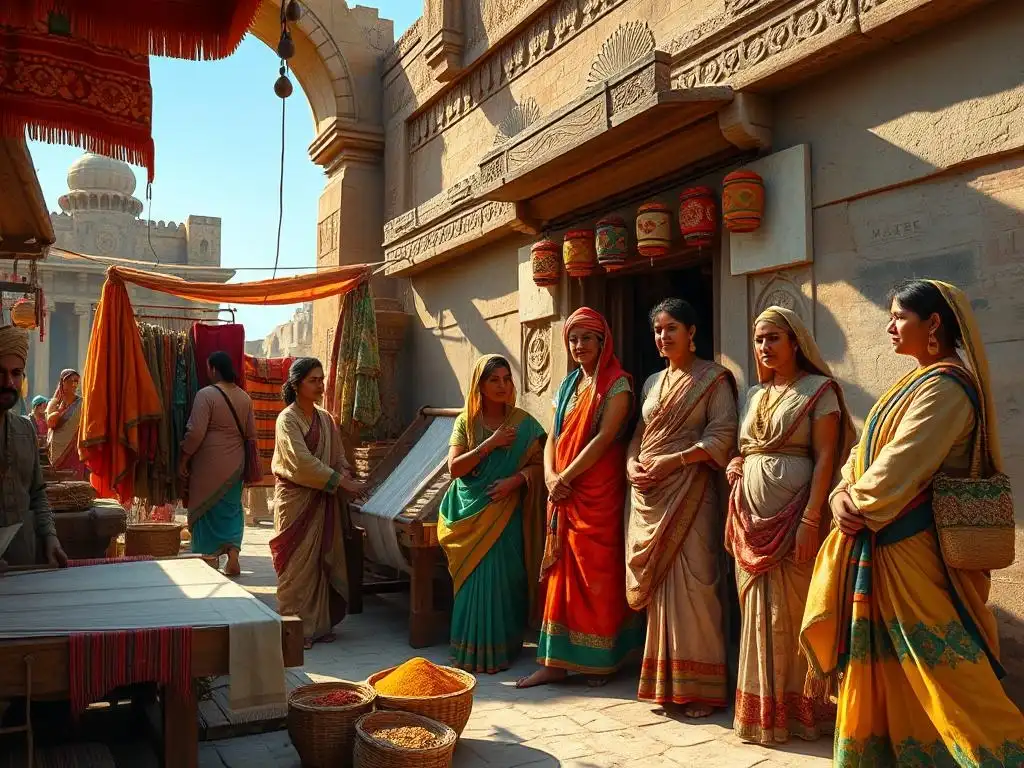
Welcome to Ancient India History, where we embark on a fascinating journey through time to uncover the rich tapestry of ancient Indian civilizations. Today, we dive into the intriguing world of ancient Indian clothing history, exploring how diverse cultural exchanges influenced the evolution of attire. From the sophisticated drapes of the Indus Valley to the intricate weaves of the Gupta Empire, this article reveals the vibrant interplay between fashion and culture that shaped the identity of a civilization. Prepare to be captivated as we unravel the threads that connect clothing, culture, and history—your exploration starts here!
Introduction to Ancient Indian Clothing History
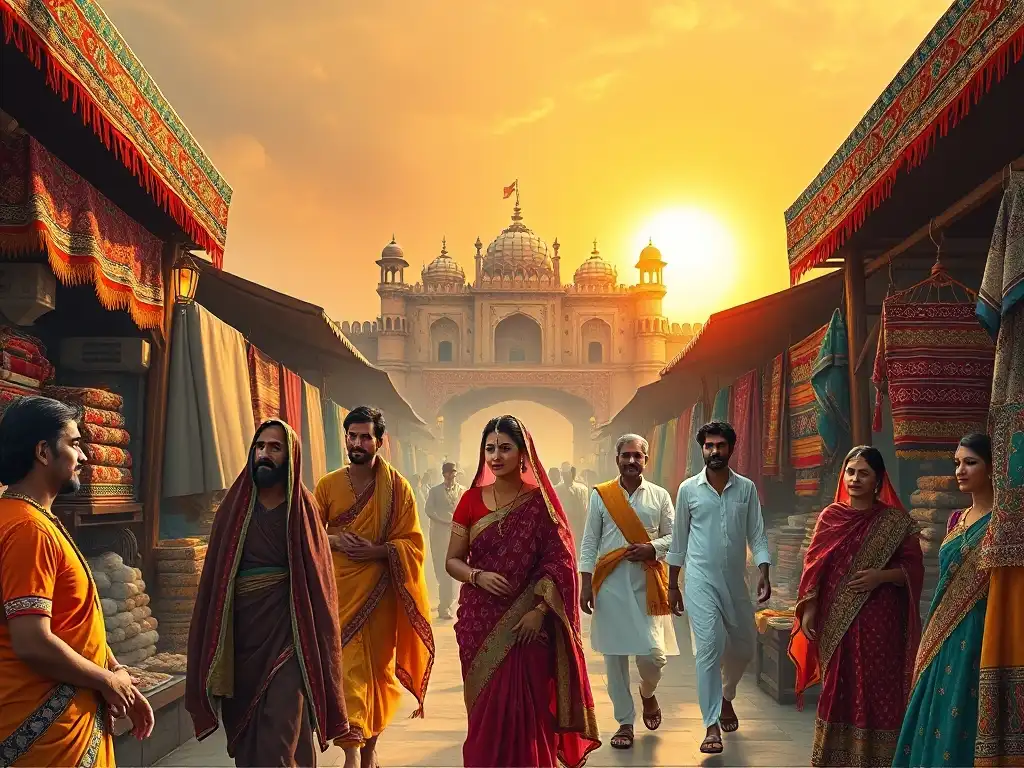
The history of clothing in ancient India is a fascinating tapestry that reflects the rich cultural heritage and diverse influences from neighboring civilizations. From the early draped garments of the Indus Valley Civilization to the more refined attire of the Gupta Empire, ancient Indian clothing evolved through a series of interactions, adaptations, and exchanges.
This evolution was not solely a result of indigenous innovation but was significantly shaped by the cultural, economic, and social exchanges with neighboring regions. Understanding the ancient Indian clothing history allows us to appreciate the complex interplay of traditions that has contributed to the vibrant textile legacy of India.
Overview of Ancient Indian Clothing
Ancient Indian clothing varied greatly across different regions and periods, influenced by geography, climate, and the prevailing socio-political conditions. Commonly, garments were made from natural fibers such as cotton, wool, and silk, showcasing the skill of artisans in spinning and weaving. Clothing styles included:
- Draped garments: Such as the sari and dhoti, characterized by their versatility and elegance.
- Tailored clothing: Emerging later, which included tunics and pants, catering to various social classes.
- Ornamental accessories: Such as jewelry and headgear that complemented the attire and indicated social status.
The evolution of these clothing styles is a testament to the ingenuity of ancient Indian civilizations and their ability to adapt influences from outside cultures while retaining their unique identity.
Importance of Cultural Interactions in Clothing Evolution
Cultural interactions played a pivotal role in shaping the clothing practices of ancient India. As trade routes flourished and empires expanded, the cross-pollination of ideas and techniques became inevitable. Key factors influencing this evolution included:
- Trade: The exchange of textiles and fashion ideas through trade routes such as the Silk Road.
- Conquests: The arrival of various empires brought new styles and materials.
- Migration: Movement of peoples led to the blending of traditional attire and the introduction of foreign techniques.
These interactions not only enriched the clothing traditions of ancient India but also fostered a sense of shared identity among diverse communities.
The Indus Valley Civilization and Early Clothing Practices
The Indus Valley Civilization, one of the earliest urban cultures in the world, laid the foundation for clothing practices in ancient India. This civilization, flourishing around 2500 BCE, showcased advanced textile production techniques and a sophisticated understanding of fashion.
Materials and Fabrics Used in Indus Valley Clothing
The people of the Indus Valley primarily used natural materials for their clothing, including:
- Cotton: Evidence suggests that cotton was cultivated and woven into fabrics as early as 3000 BCE.
- Wool: Utilized for warmer garments, especially in the cooler regions.
- Linen: Made from flax, which was also used in clothing.
These materials not only provided comfort and durability but also reflected the innovative spirit of the civilization in textile production.
Influences from Surrounding Regions
The clothing practices of the Indus Valley Civilization were influenced by neighboring cultures, such as those in Mesopotamia and Persia. This influence can be seen in:
- Design motifs: Patterns and styles that show similarities to those found in other ancient civilizations.
- Technological advancements: Techniques such as dyeing and weaving that were shared through trade and cultural interactions.
This cross-cultural exchange contributed to the evolution of clothing, setting a precedent for future developments in ancient Indian attire.
Influence of Persian Culture on Ancient Indian Clothing
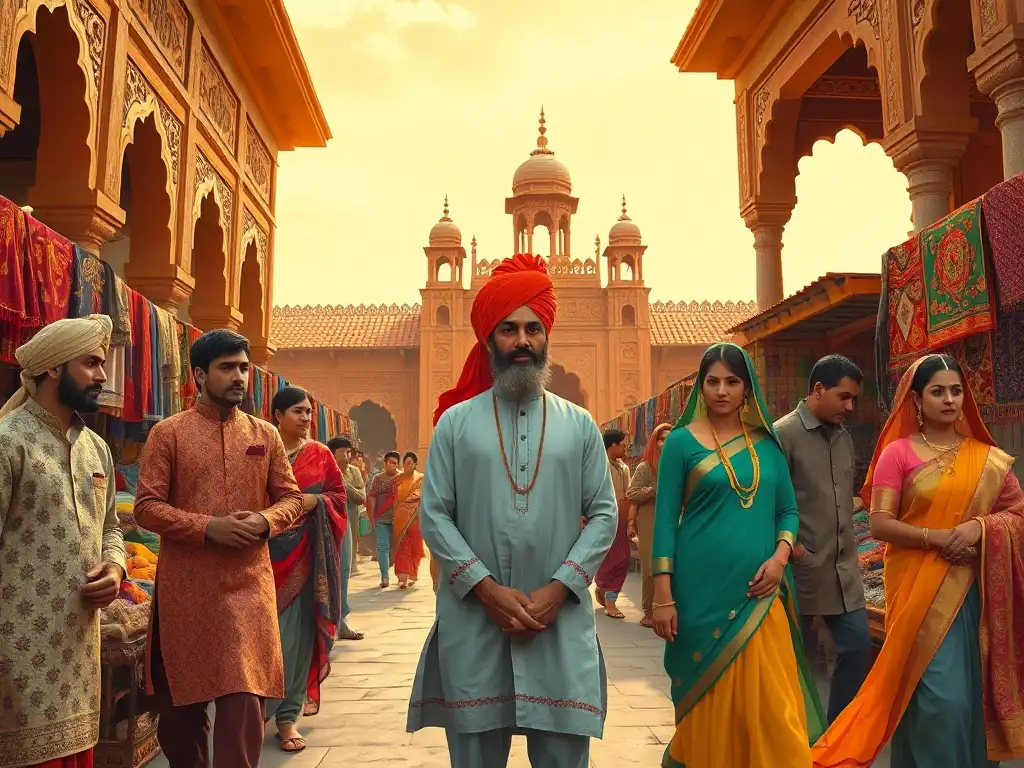
The interaction between ancient India and Persia significantly influenced the evolution of clothing styles in the Indian subcontinent. This cultural exchange was primarily facilitated through trade, military conquests, and diplomatic relations, particularly during the Achaemenid Empire's dominance over parts of northwestern India. The Persian influence is evident in various aspects of clothing, from fabric choices to specific garment styles.
Introduction of New Fabrics and Styles
Persian culture introduced a variety of luxurious fabrics and innovative styles to ancient Indian clothing. Among the most notable was the use of silk, which became highly prized for its softness and sheen. The technique of weaving silk, along with cotton and wool, was refined through Persian methods, leading to the creation of elaborate textiles adorned with intricate patterns and vibrant colors.
In addition to silk, the Persians brought the art of dying fabrics with natural colors, enhancing the aesthetic appeal of garments. This cultural infusion led to the emergence of new clothing styles, such as the chador and kurta, which were characterized by their flowing silhouettes and comfortable fits. These styles not only reflected Persian sensibilities but also adapted to the local climate and customs.
Adoption of Persian Accessories and Embellishments
Alongside clothing styles, the incorporation of Persian accessories significantly enriched the wardrobe of ancient Indians. Jewelry, particularly intricate metalwork and gemstone-studded pieces, became popular, with designs often inspired by Persian motifs.
The use of belts and sashes also gained prominence, often embellished with decorative elements like embroidery or metal fittings. These accessories served both functional and aesthetic purposes, allowing individuals to express their social status and personal style. Furthermore, the practice of layering garments, a hallmark of Persian attire, found its way into Indian fashion, leading to a more diverse and layered approach to dressing.
The Impact of Greek Culture on Ancient Indian Clothing
The arrival of Greek culture in India, particularly after the conquests of Alexander the Great in the 4th century BCE, left a lasting impact on the clothing and fashion of the region. This interaction facilitated a fusion of styles, as Indian artisans and merchants were exposed to Greek aesthetics and garment construction techniques.
Hellenistic Influence on Fashion and Design
The Hellenistic period brought with it distinctive fashion elements that resonated with Indian clothing traditions. Greek garments such as the chiton and himation influenced the design of draped fabrics in India. The emphasis on draping and flowing lines inspired local tailors to create garments that highlighted the natural silhouette of the body.
Additionally, the Greek penchant for intricate designs and patterns found expression in Indian textiles. The use of geometric motifs and floral patterns became more prevalent, showcasing a blend of Greek artistic styles with traditional Indian craftsmanship. This cross-cultural exchange fostered innovation in both design and technique, leading to more varied and expressive clothing options.
Integration of Greek Styles into Indian Wardrobes
The integration of Greek styles into Indian wardrobes was not merely an aesthetic evolution; it also represented a broader cultural adaptation. Greek influences can be seen in the adoption of specific clothing items, such as tunic-like garments and flowing capes, which were well-suited for the Indian climate and lifestyle.
Moreover, the popularity of footwear styles, such as sandals and boots, increased during this period, reflecting the Greek influence on practical attire. These shoes often featured elaborate designs, made from leather or woven materials, showcasing the craftsmanship of the time. As a result, ancient Indian clothing history evolved through a dynamic interplay of local traditions and foreign influences, creating a rich tapestry of cultural heritage.
The Role of Trade Routes in Clothing Exchange
Trade routes played a pivotal role in the evolution of ancient Indian clothing, facilitating not just the exchange of goods but also cultural and stylistic influences. These routes, which connected India to various civilizations, laid the groundwork for a dynamic interplay of ideas, materials, and techniques that shaped clothing styles across the subcontinent. As traders and travelers moved along these paths, they brought with them new textiles, designs, and methods of garment construction, leading to significant innovations in ancient Indian attire.
The interactions along these trade routes were not limited to material exchange; they also involved the sharing of cultural practices and aesthetics. For instance, the Silk Road, which connected India to China and beyond, introduced luxurious fabrics such as silk, which became highly coveted in Indian society. Similarly, maritime trade routes along the Indian Ocean facilitated the exchange of textiles with African and Middle Eastern cultures, further enriching the tapestry of Indian clothing history. This blending of styles and materials resulted in a unique fusion that characterized ancient Indian clothing, reflecting a broader narrative of cultural exchange and adaptation.
Major Trade Routes Connecting Ancient India
Several major trade routes were crucial in shaping the clothing landscape of ancient India. The Silk Road is perhaps the most famous, stretching from China through Central Asia and into the Indian subcontinent. This route facilitated the flow of silk, spices, and various textiles, profoundly impacting Indian fashion.
Another significant route was the Maritime Silk Route, which connected India with Southeast Asia, the Middle East, and Africa. Through ports such as Lothal and Kaveripattinam, Indian merchants traded textiles made of cotton and silk, introducing vibrant colors and intricate patterns that influenced clothing styles in neighboring regions.
Additionally, the Royal Roads established by various dynasties, including the Mauryas and the Guptas, enhanced internal trade within India, allowing for the distribution of clothing styles across different regions. These roads enabled a seamless exchange of local textiles, dyes, and garment-making techniques, thereby promoting a diverse array of clothing that reflected regional identities and preferences.
Exchange of Textiles and Clothing Styles with Neighboring Cultures
The exchange of textiles and clothing styles between ancient India and neighboring cultures was a complex process that involved both adaptation and innovation. Indian craftsmen were known for their exceptional skills in weaving and dyeing, producing textiles that were highly sought after across borders. As a result, Indian cotton and silk became staples in the wardrobes of various cultures.
For instance, the influence of Persian clothing styles can be traced through the adoption of elaborate embroidery techniques and the use of luxurious fabrics, which were integrated into traditional Indian garments. The introduction of the chadar (a type of shawl) in various forms was a direct result of cultural interactions with Central Asian nomadic tribes.
Furthermore, the spread of Buddhism played a significant role in clothing exchange. As Buddhist monks traveled to spread their teachings, they brought with them specific styles of monastic robes, which influenced local attire in regions such as Tibet and Southeast Asia. This cultural diffusion not only enriched the clothing styles of ancient India but also reinforced the interconnectedness of various civilizations through shared practices and aesthetics.
The Gupta Empire and the Flourishing of Clothing Styles
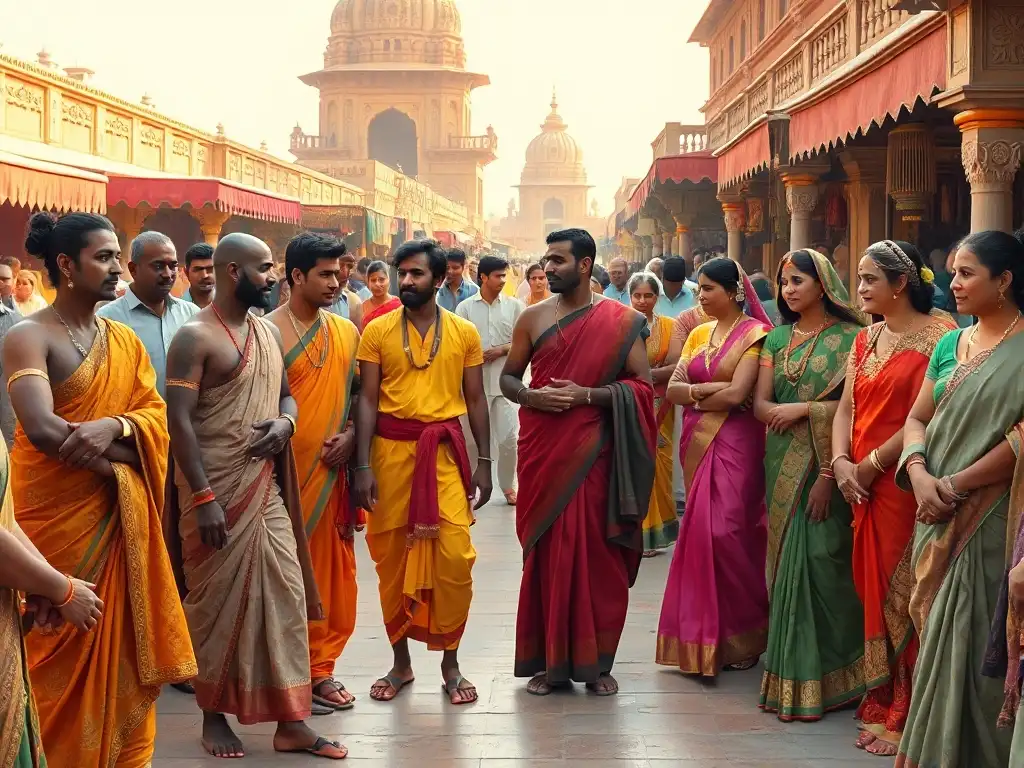
The Gupta Empire, often referred to as the "Golden Age of India," marked a significant period in the evolution of clothing styles. This era, spanning from approximately 320 to 550 CE, was characterized by artistic, cultural, and intellectual advancements that were reflected in the fashion of the time. The flourishing of trade, both domestic and international, further contributed to the diversity and richness of clothing during this period.
During the Gupta Empire, clothing became a symbol of status and identity. The elite classes adopted more elaborate and luxurious garments, often embellished with intricate embroidery and fine ornamentation. The emphasis on aesthetics and the use of high-quality fabrics showcased the wealth and sophistication of Gupta society, while also highlighting the influence of neighboring cultures in shaping these styles.
Evolution of Clothing during the Gupta Period
The evolution of clothing during the Gupta period was marked by several distinctive features. Sarees and dhotis became prevalent, with regional variations emerging based on local customs and available materials. The saree, in particular, evolved into a more structured garment, reflecting both traditional styles and new influences from trade.
Additionally, the introduction of uttariya (a type of shawl) became increasingly popular among both men and women, often used to signify social status. This garment was typically made from fine fabrics and adorned with elaborate patterns, showcasing the artistry of Gupta textile makers.
The Gupta period also saw changes in fashion that were influenced by the cultural interactions with neighboring civilizations. For instance, the adoption of tunics and trousers, which were prevalent in Persian and Central Asian attire, began to appear in Indian clothing, illustrating the blending of styles that characterized this dynamic era.
Influence of Neighboring Cultures on Gupta Fashion
The clothing styles of the Gupta Empire were significantly influenced by neighboring cultures, reflecting a blend of indigenous and foreign elements. The interactions with Persian, Greek, and Central Asian cultures led to the incorporation of new materials and styles into Gupta fashion. For example, silk, which was a luxury item traded along the Silk Road, became a favored fabric among the upper classes, influencing the draping and styling of garments.
The Kushan Empire's earlier influence also persisted, with elements such as embroidery styles and ornamental motifs being adapted into Gupta clothing. The use of vibrant colors and intricate designs, often seen in Gupta textiles, can be traced back to these cultural exchanges, showcasing how ancient Indian clothing history is a tapestry woven from various influences.
Moreover, the spread of Buddhism and the movement of monks across regions facilitated the sharing of clothing styles and practices. The simplicity and functionality of monastic robes influenced the everyday attire of the populace, leading to a more diverse array of clothing that catered to both aesthetic and practical needs.
Overall, the Gupta Empire stands as a testament to the rich interplay of cultural exchanges that shaped ancient Indian clothing, making it a vibrant and dynamic aspect of the subcontinent's history.
Regional Variations in Ancient Indian Clothing
Ancient Indian clothing was not monolithic; it varied greatly across regions, reflecting the diverse cultural and geographical landscape of the subcontinent. Each region developed its unique styles, fabrics, and ornamentation, influenced by local customs, climate, and available resources. The evolution of clothing was also a testament to interactions with neighboring cultures, which further enriched the textile traditions of India.
Differences in Clothing Across Various Regions of India
In the north, clothing was often layered and designed to withstand cold winters. For example, the use of woolen shawls and heavy fabrics was common in regions like Kashmir, where Pashmina shawls became a symbol of luxury. In contrast, the warmer southern regions favored lighter materials. Cotton was the primary fabric, and the draping style varied significantly. The traditional lungi and saree in Tamil Nadu and Kerala showcased the elegance of simplicity.
The western regions, particularly Rajasthan and Gujarat, embraced vibrant colors and intricate embroidery in their clothing, influenced by the arid climate and the necessity for bright, reflective colors to combat the heat. The use of mirror work and heavy embellishments in lehengas and cholis is a notable feature here. Meanwhile, the eastern states like West Bengal and Assam celebrated textiles like muslin and silk, with elaborate draping styles that highlighted their rich weaving traditions.
Influence of Neighboring Cultures in Different States
Neighboring cultures played a crucial role in shaping the clothing styles across various states. For instance, the trade routes connecting India with Central Asia and Persia facilitated the introduction of new fabrics and patterns. The arrival of Persian influences during the Mughal era led to the adoption of specific garments like the churidar and the kurta, which became staples in northern India.
In the coastal regions, particularly along the Konkan and Malabar coasts, the influence of Arab traders is evident in the use of specific fabrics and attire such as the sari with a distinct style of draping. The interaction with Southeast Asian cultures also resulted in unique textile practices, such as the batik technique seen in parts of Odisha and West Bengal.
The continuous cultural exchanges fostered by trade, colonization, and migration contributed to the evolution of clothing styles, making them a rich tapestry of influences that narrate the story of ancient India's interactions with the world.
Conclusion: The Lasting Legacy of Cultural Exchanges in Ancient Indian Clothing History
The evolution of ancient Indian clothing is a fascinating study of how cultural exchanges shaped practices, styles, and societal norms. From the varied draping styles to the choice of fabrics, the influences of neighboring civilizations are evident and have left an indelible mark on the cultural heritage of India.
Summary of Influences on Clothing Evolution
Throughout history, clothing in ancient India evolved due to factors such as geography, climate, trade relations, and cultural interactions. The infusion of foreign elements from Persia, Central Asia, and neighboring regions diversified the textile traditions and clothing styles. This blend of indigenous and foreign influences is encapsulated in the rich variety of fabrics, colors, and designs that characterize ancient Indian clothing history.
Reflection on the Cultural Significance of Clothing in Ancient India
Clothing in ancient India was more than just a means of protection or modesty; it was a reflection of identity, status, and cultural values. The intricate designs and specific styles often indicated a person's social standing and regional affiliation. Clothing served as a canvas for artistic expression, showcasing the skills of local artisans and the rich narrative of cultural history. Today, the legacy of ancient Indian clothing continues to inspire modern fashion, reminding us of the diverse cultural threads that weave together the story of civilization in India.
- Introduction to Ancient Indian Clothing History
- Overview of Ancient Indian Clothing
- Importance of Cultural Interactions in Clothing Evolution
- The Indus Valley Civilization and Early Clothing Practices
- Influence of Persian Culture on Ancient Indian Clothing
- The Impact of Greek Culture on Ancient Indian Clothing
- The Role of Trade Routes in Clothing Exchange
- The Gupta Empire and the Flourishing of Clothing Styles
- Regional Variations in Ancient Indian Clothing
- Conclusion: The Lasting Legacy of Cultural Exchanges in Ancient Indian Clothing History
- What are the main influences on ancient Indian clothing history?
- How did the Indus Valley Civilization contribute to clothing styles?
- What role did the Gupta Empire play in the evolution of clothing?
- Were there any specific garments that defined ancient Indian clothing?
- How did trade affect the clothing styles in ancient India?
Frequently Asked Questions
What are the main influences on ancient Indian clothing history?
Ancient Indian clothing history was significantly influenced by neighboring cultures, trade routes, and the climate of various regions, leading to a rich tapestry of styles and materials.
How did the Indus Valley Civilization contribute to clothing styles?
The Indus Valley Civilization showcased advanced textile techniques, using materials like cotton, which laid the foundation for future clothing innovations in ancient India.
What role did the Gupta Empire play in the evolution of clothing?
During the Gupta Empire, clothing became more elaborate, with the introduction of fine fabrics and intricate designs, reflecting the cultural renaissance of the time.
Were there any specific garments that defined ancient Indian clothing?
Yes, garments like the sari, dhoti, and kurta became symbolic of ancient Indian clothing, each representing different cultural identities and traditions.
How did trade affect the clothing styles in ancient India?
Trade brought in new materials and influences from other cultures, allowing for the incorporation of diverse fabrics and styles, enriching the textile heritage of ancient India.
Final Reflection: The Timeless Influence of Ancient Indian Clothing
The evolution of ancient Indian clothing is not just a historical narrative; it is a testament to the rich tapestry of cultural exchange that continues to shape our identities today. As we explore the intricate patterns and styles that emerged from interactions with neighboring cultures, we realize that clothing is more than mere fabric; it is a reflection of our shared heritage and ongoing evolution. The relevance of this topic is profound, as it reminds us that our present fashion choices are deeply rooted in a history of adaptation and influence.
The impact of ancient Indian clothing transcends time, weaving itself into the very fabric of our social and cultural landscape. From the vibrant sarees to the regal turbans, each piece tells a story of resilience and creativity, echoing the voices of those who wore them. As we witness the resurgence of traditional attire in contemporary fashion, we are reminded of the words of the renowned designer Ritu Kumar: Fashion is not just about clothes; it’s about the stories they tell.
This ongoing dialogue between past and present underscores the importance of understanding our clothing history as a means of connecting with our roots.
As we conclude this exploration of ancient Indian clothing history, I invite you to reflect on your own relationship with fashion and identity. Consider how the garments you choose to wear can serve as a bridge to your heritage, a canvas for self-expression, and a means of honoring the diverse influences that have shaped your culture. Let us embrace the lessons of the past and carry them forward, celebrating the beauty of our shared history while paving the way for a future that honors both tradition and innovation.
Unveil the Rich Tapestry of Ancient Indian Clothing!
Thank you for taking the time to explore the fascinating evolution of ancient Indian clothing influenced by neighboring cultures. You've uncovered valuable insights into how history and culture weave together to shape identity. Now, it's your turn to dive deeper and embrace this vibrant heritage!
Here are some engaging actions you can take:
- Delve into the details: Explore the unique regional styles of ancient Indian attire and discover how they were shaped by trade and interactions with various cultures throughout history.
- Share the knowledge: Inform your friends or post on social media to spark discussions about the influence of cultural exchange on fashion over time.
- Join our community: Get involved in discussions or workshops focused on ancient textiles and clothing, and connect with fellow enthusiasts who share your passion!
What aspect of ancient Indian clothing intrigues you the most, and in what ways do you believe these cultural exchanges continue to shape fashion today?