
The Impact of Ancient Indian Festivals on Neighboring Cultures and Traditions

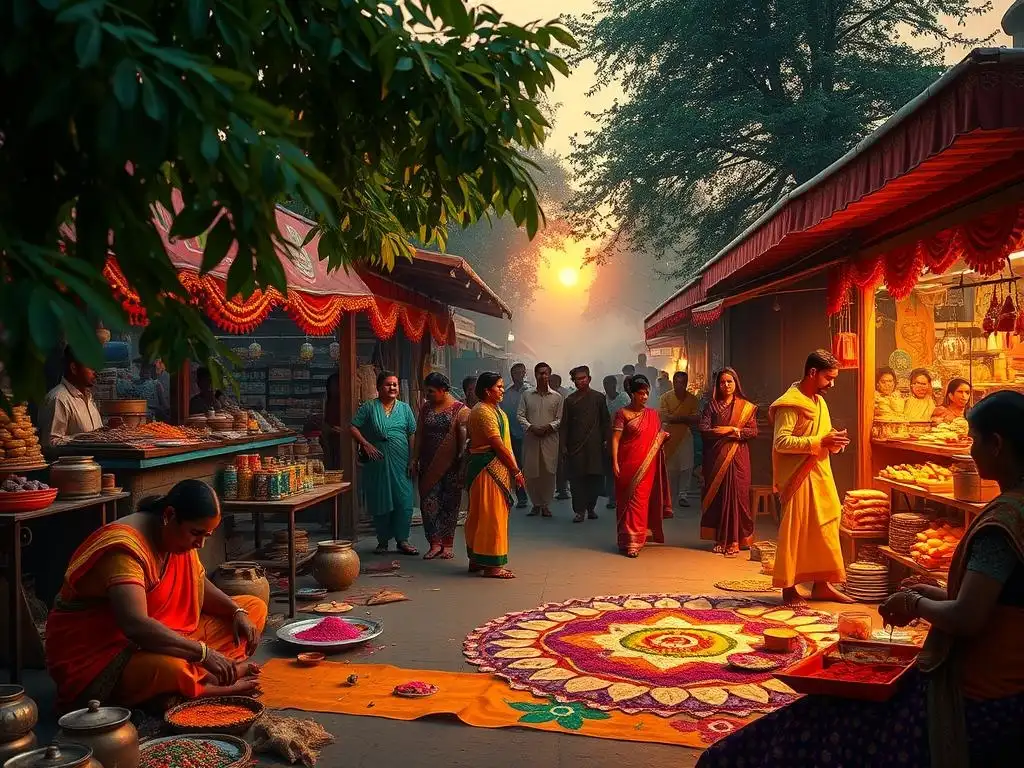
Welcome to Ancient India History, where we embark on a fascinating journey through time, exploring the rich tapestry of India's past. In this article, we delve into the impact of ancient Indian festivals on neighboring cultures and traditions, uncovering how vibrant celebrations have transcended borders and shaped cultural exchanges. What secrets do these festivals hold, and how have they influenced societies far and wide?
Join us as we unravel the intricate threads of history that connect ancient celebrations with the modern world, and discover the enduring legacy of India's cultural richness. Your adventure into the wonders of ancient civilizations starts here!
Introduction to Ancient Indian Festivals Influence
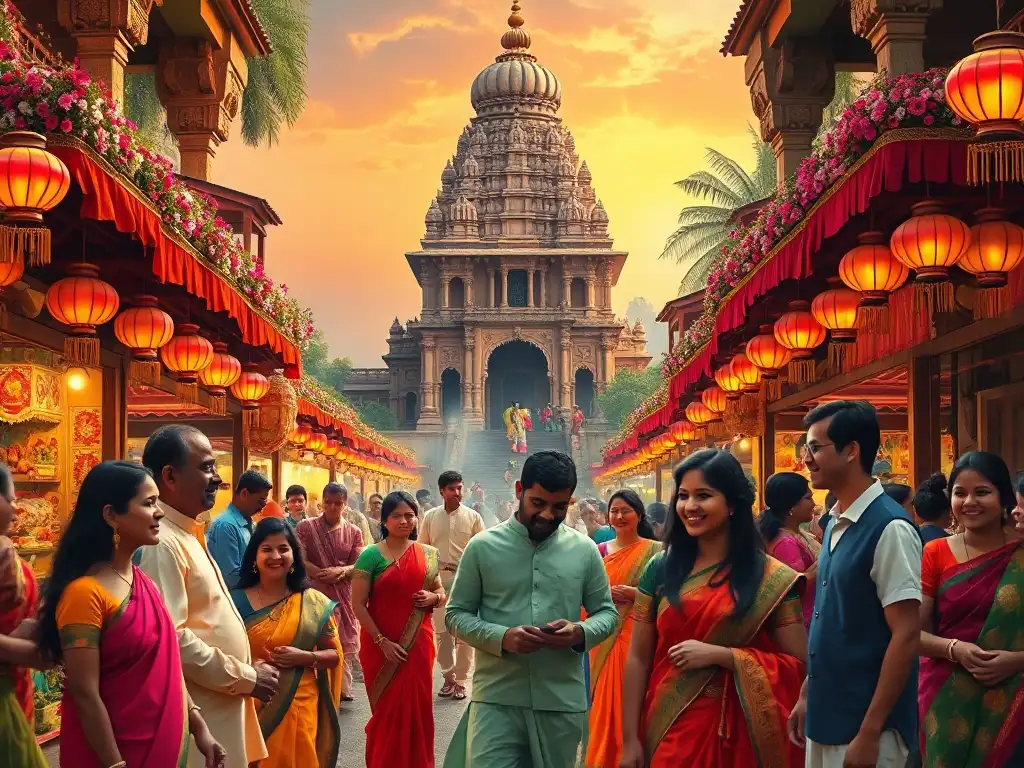
Ancient Indian festivals are not merely occasions for celebration; they are profound reflections of the cultural, spiritual, and social fabric of Indian civilization. These festivals, rich in symbolism and tradition, have significantly influenced neighboring cultures throughout history. The intermingling of customs and beliefs has led to a vibrant tapestry of shared practices that transcend geographical boundaries. From the colorful festivities of Diwali to the harvest celebrations of Pongal, the influence of ancient Indian festivals extends far beyond India's borders, showcasing the interconnectedness of cultures in the region.
As we delve into the impact of these festivals, it becomes evident that they serve as a bridge between societies, fostering unity, understanding, and respect for diverse traditions. This article aims to explore the intricate ways in which ancient Indian festivals have shaped the cultural landscapes of neighboring civilizations, highlighting their enduring legacy through interactions and exchanges.
Historical Context of Ancient Indian Festivals
The historical significance of ancient Indian festivals can be traced back to the early civilizations that flourished on the Indian subcontinent. Festivals in ancient India were deeply intertwined with agricultural cycles, religious beliefs, and social customs. They were not only occasions for joyous gatherings but also integral to the rhythm of life, marking changes in seasons and agricultural abundance.
The roots of these festivals can be found in ancient texts and scriptures, which provide a glimpse into the rituals and traditions that have been passed down through generations. Understanding this historical context is crucial for appreciating the rich heritage and the influences that these festivals have exerted on neighboring cultures.
Origins of Major Festivals in Ancient India
Many of the major festivals celebrated in ancient India have origins that can be traced back thousands of years. For instance:
- Diwali: Known as the Festival of Lights, Diwali symbolizes the victory of light over darkness and good over evil. Its roots can be found in ancient texts such as the Ramayana, where the return of Lord Rama to Ayodhya is celebrated.
- Holi: This vibrant festival of colors marks the arrival of spring and is linked to the legends of Radha and Krishna. Its joyous and playful nature reflects the spirit of community and togetherness.
- Makar Sankranti: Celebrated to mark the winter solstice and the beginning of longer days, this festival has agricultural significance and is observed with kite flying and feasting.
These festivals have not only served religious purposes but have also acted as catalysts for social cohesion, bringing people together in celebration and shared experiences.
Timeline of Ancient Indian Festivals
To understand the evolution of ancient Indian festivals, it's essential to consider their chronological development. Here is a brief timeline highlighting key festivals and their significance:
| Period | Festival | Significance |
|---|---|---|
| Vedic Period | Makar Sankranti | Celebration of the sun's transition into Capricorn |
| Maurya Period | Buddha Purnima | Commemoration of the birth, enlightenment, and death of Buddha |
| Gupta Period | Diwali | Celebration of prosperity and the harvest season |
| Medieval Period | Holi | Welcome of spring and the victory of good over evil |
This timeline underscores the enduring nature of these festivals, revealing how they have adapted while maintaining their core significance through the ages. As ancient Indian festivals continue to influence neighboring cultures, they forge connections that enrich the cultural heritage of the entire region.
The Influence of Ancient Indian Festivals on Neighboring Cultures
Ancient Indian festivals have had a profound impact not only within India but also on neighboring cultures and civilizations over centuries. These festivals, steeped in history and tradition, served as a medium for cultural exchanges that influenced art, literature, customs, and religious practices in various regions.
The vibrant celebrations, rich rituals, and underlying philosophies of festivals such as Diwali and Holi have transcended geographical boundaries, fostering connections among diverse communities. The influence of these festivals can be traced back through historical interactions, trade, and the spread of ideas, showcasing how ancient Indian festivals have shaped and enriched the cultural landscapes of neighboring societies.
Cultural Exchanges and Adaptations
The festivals of ancient India often incorporated elements from neighboring cultures, leading to a unique blend of traditions that enriched the celebratory practices. As merchants, travelers, and scholars moved across regions, they carried with them the customs and rituals associated with these festivals. This resulted in various adaptations in neighboring cultures, where local customs were intertwined with Indian festival traditions.
For instance, the rituals of lighting lamps during Diwali found resonance in cultures influenced by Hinduism and Buddhism, leading to similar practices in countries such as Nepal, Indonesia, and even parts of Southeast Asia. Additionally, festivals like Makar Sankranti, which marks the transition of the sun into Capricorn, have been embraced in various forms across regions, showcasing the adaptability and influence of ancient Indian celebrations.
Case Studies of Influence
Several case studies illustrate the significant influence of ancient Indian festivals on neighboring cultures. One notable example is the celebration of Diwali in Nepal, where the festival is observed with great enthusiasm, albeit with its own unique cultural expressions. In Nepal, Diwali is known as Tihar, and it incorporates local customs such as honoring crows and cows, showcasing a blend of Indian and Nepali traditions.
Another example is the Holi festival, which has garnered international recognition and has been embraced in various countries, including Mauritius and Trinidad and Tobago. The celebration of Holi in these regions reflects the Indian diaspora's cultural retention and adaptation, where the festival is celebrated with local flavors and styles, further enhancing its cross-cultural significance.
Specific Examples of Festival Influence
Diwali and Its Regional Variants
Diwali, often referred to as the "Festival of Lights," has expanded beyond India, impacting cultures in various neighboring regions. In Bali, Indonesia, the festival is celebrated as a form of gratitude towards the gods, showcasing the island's Hindu heritage. The Balinese celebrate with elaborate rituals, traditional dances, and offerings, emphasizing the festival's spiritual significance.
In Gujarat, the festival is marked by the tradition of Dhanteras, which involves purchasing new items and worshipping wealth. This has influenced similar practices in regions like Sindh, Pakistan, where the festival is celebrated as a time for prosperity and togetherness. The regional variants of Diwali highlight the adaptability and enduring appeal of this ancient Indian festival across cultures.
Holi and Its Cross-Cultural Significance
Holi, known as the "Festival of Colors," is another ancient Indian festival that has inspired celebrations across the globe. In countries like Nepal, Holi is celebrated with exuberance, combining traditional Indian practices with local customs. The Nepali version often includes singing and dancing, showcasing its importance as a communal event.
Furthermore, Holi has gained recognition in Western countries, where citizens of Indian origin celebrate it as a means of cultural expression. Festivals like the "Holi Festival of Colors" held in the United States attract thousands, celebrating diversity and unity through color and joy. These cross-cultural adaptations of Holi underscore its universal themes of love, renewal, and the triumph of good over evil, illustrating the festival's lasting influence on global cultures.
The Role of Trade and Interaction in Festival Influence
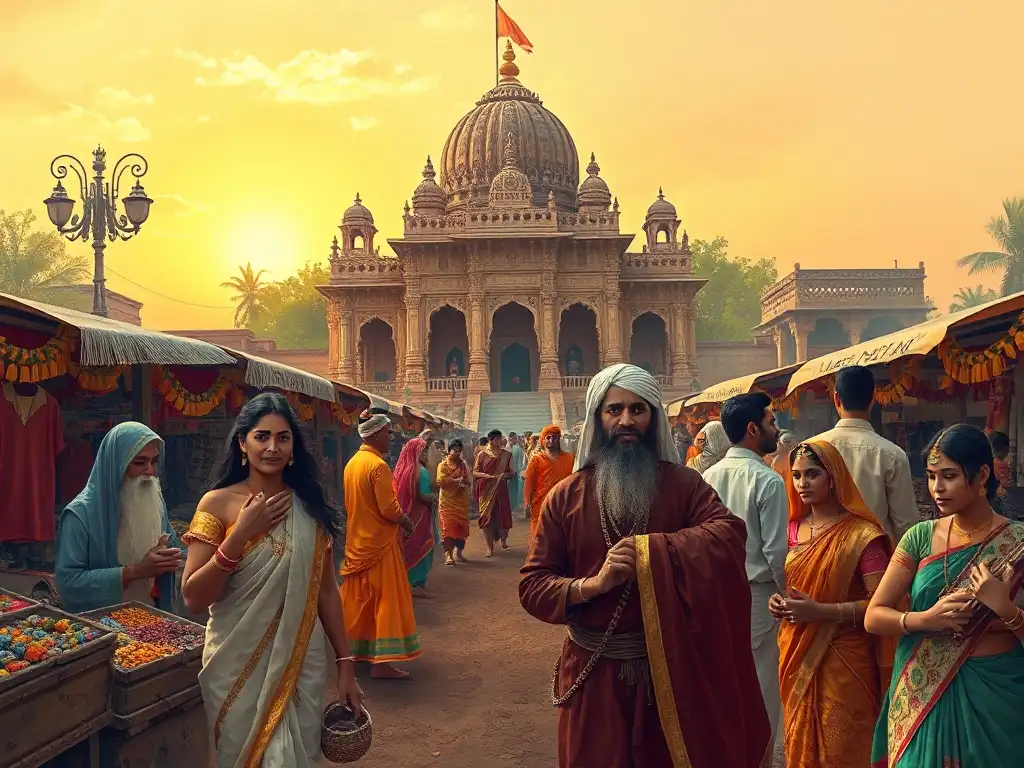
Ancient Indian festivals were not only significant within the subcontinent but also played a crucial role in shaping the cultural landscapes of neighboring civilizations. The intersections of trade, migration, and diplomatic relations facilitated a rich exchange of ideas, beliefs, and practices that transformed cultural festivals across regions. These interactions often led to the localization of festival customs, creating unique blends that reflected the shared histories and values of neighboring societies.
Trade Routes and Cultural Exchange
Trade routes, such as the Silk Road and maritime pathways, served as conduits for not only goods but also cultural exchange. Merchants and travelers carried with them stories, traditions, and religious practices from one region to another. For example, the spread of Buddhism from India to Central Asia and beyond was closely tied to trade interactions. Festivals such as Buddha Purnima, celebrating the birth of Buddha, gained prominence in regions like modern-day Sri Lanka, Tibet, and parts of Southeast Asia.
The celebration of Diwali, originally a Hindu festival symbolizing the victory of light over darkness, also found its way into various cultures through trade. In places like Nepal and Bali, the essence of Diwali has been adapted to local customs, merging Hindu traditions with indigenous practices. This cultural fluidity highlights the significance of trade routes in facilitating the influence of ancient Indian festivals across borders.
Interactions During Ancient Empires
As empires expanded, their cultural practices often permeated neighboring territories. The Maurya and Gupta empires, for instance, were pivotal in the dissemination of cultural and religious ideas that included various festivals. The royal patronage of festivals like Makar Sankranti and Holi exemplified how imperial influence could elevate local celebrations into grand, cross-cultural events.
During these periods, festivals became platforms for political expression and unity among diverse groups. The celebration of festivals often involved elaborate rituals that attracted people from various backgrounds, fostering community ties and shared identities. Such interactions not only strengthened local traditions but also incorporated elements from neighboring cultures, creating a rich tapestry of festival practices that reflected a blend of influences.
Modern-Day Reflections of Ancient Festival Influence
The legacy of ancient Indian festivals continues to resonate in contemporary society. Many modern celebrations still bear the hallmarks of their ancient origins, while also incorporating influences from other cultures. This evolution reflects the ongoing nature of cultural exchange and adaptation.
Preservation of Ancient Traditions
While globalization poses challenges to cultural preservation, many communities actively work to maintain the authenticity of ancient festivals. Traditional practices are often revived through local initiatives that emphasize the historical significance of these celebrations. For instance, festivals like Durga Puja in West Bengal involve elaborate rituals that have remained largely unchanged for centuries, showcasing the preservation of ancient traditions amid modern influences.
In addition, educational programs and cultural organizations promote awareness of these festivals, ensuring that younger generations understand their roots and significance. This commitment to preservation helps safeguard the rich heritage of ancient Indian festivals and their influence on neighboring cultures.
Globalization and Cultural Fusion
In an increasingly interconnected world, ancient Indian festivals have also adapted to modern contexts, leading to cultural fusion. The celebration of Holi, for example, has gained global recognition, celebrated in various countries with diverse interpretations that reflect local customs. In places like the United States and Canada, Holi has transformed into vibrant community events that blend Indian traditions with contemporary music, dance, and art forms.
This globalization of festival practices highlights the dynamic nature of culture, where ancient traditions interact with modern influences, creating new meanings and expressions. As cultures continue to intersect, the influence of ancient Indian festivals will likely evolve, further enriching the cultural landscapes of both local and global communities.
Conclusion
The influence of ancient Indian festivals extends far beyond the borders of the Indian subcontinent, weaving a rich tapestry of cultural exchanges that have shaped neighboring civilizations. Festivals like Diwali, Holi, and Makar Sankranti have not only celebrated the diverse beliefs and traditions of the Indian populace but have also permeated the cultures of surrounding regions, fostering a shared heritage.
As we reflect on the impact of these festivals, it becomes clear that they serve as a bridge connecting peoples of different backgrounds, promoting mutual respect and understanding. For instance, the celebration of Diwali in Nepal as Tihar and its recognition in countries like Mauritius and Fiji illustrate how ancient Indian festivals have transcended geographic boundaries, adapting to local customs while retaining their core significance.
In essence, ancient Indian festivals are a testament to the enduring legacy of cultural interchange. They remind us that traditions are not static but evolve through interactions, enriching the cultural fabric of societies. As we continue to explore the influence of these festivals in contemporary times, it is vital to acknowledge and appreciate the shared values they represent, nurturing a sense of unity in diversity among the cultures they impact.
- Introduction to Ancient Indian Festivals Influence
- Historical Context of Ancient Indian Festivals
- The Influence of Ancient Indian Festivals on Neighboring Cultures
- Specific Examples of Festival Influence
- The Role of Trade and Interaction in Festival Influence
- Modern-Day Reflections of Ancient Festival Influence
- Conclusion
- What are some major ancient Indian festivals highlighted in the article?
- How did ancient Indian festivals affect neighboring cultures?
- What is the significance of the Gupta Empire in relation to festivals?
- How do ancient Indian festivals continue to influence modern celebrations?
- What role did regional variations play in ancient festivals?
Frequently Asked Questions
What are some major ancient Indian festivals highlighted in the article?
The article focuses on several key festivals, including Diwali, Holi, and Makar Sankranti, which have significantly influenced cultural practices in neighboring regions.
How did ancient Indian festivals affect neighboring cultures?
Ancient Indian festivals introduced various rituals and celebrations that were adopted and adapted by neighboring cultures, enriching their own traditions and cultural practices.
What is the significance of the Gupta Empire in relation to festivals?
During the Gupta Empire, festivals flourished and became a means of cultural expression, influencing not only religious practices but also social cohesion among diverse communities.
How do ancient Indian festivals continue to influence modern celebrations?
Many modern celebrations still reflect the rituals and symbols of ancient festivals, showcasing their lasting impact on contemporary culture and traditions.
What role did regional variations play in ancient festivals?
Regional variations in ancient Indian festivals allowed for diverse interpretations and celebrations, which enriched the cultural tapestry of the subcontinent and its influence on surrounding areas.
Final Reflection: The Enduring Influence of Ancient Indian Festivals
The rich tapestry of ancient Indian festivals continues to weave its threads into the cultural fabric of neighboring societies, demonstrating that ancient Indian festivals influence is not merely a historical phenomenon but a living legacy. In today’s globalized world, where cultural exchange is more prevalent than ever, the traditions rooted in ancient Indian celebrations resonate across borders, fostering unity and understanding among diverse communities. The vibrancy of these festivals serves as a reminder of our shared humanity, transcending time and geography.
Cultural exchange is a powerful force that shapes our identities and values, and the influence of ancient Indian festivals is a testament to this ongoing dialogue. The celebration of Diwali, for instance, has found its way into the hearts of people beyond India, symbolizing the triumph of light over darkness. As we witness these traditions being embraced and adapted by various cultures, we recognize the profound impact they have on fostering inclusivity and respect for diversity. Tradition is not the worship of ashes, but the preservation of fire.
– Gustav Mahler. This quote encapsulates the essence of how ancient festivals keep the flame of cultural heritage alive, igniting new interpretations and celebrations around the world.
As we reflect on the significance of these ancient traditions, I invite you to explore how you can incorporate the lessons learned from them into your own life. Consider how the values of joy, gratitude, and community, inherent in these festivals, can enhance your personal and social interactions. Engage with your own cultural practices while embracing the beauty of others, fostering a spirit of celebration that honors both heritage and innovation. Let us carry forward the essence of these ancient Indian festivals, allowing their influence to inspire us in creating a more harmonious and interconnected world.
Embrace the Rich Heritage of Festivals!
Thank you for diving into the fascinating world of ancient Indian festivals and their significance on neighboring cultures. You've unraveled the threads connecting vibrant traditions that continue to inspire us today. Now, it’s your turn to take action!
Here are a few ways to deepen your exploration:
- Immerse yourself in a local festival! Participate in or visit celebrations inspired by these ancient traditions to experience the cultural richness firsthand.
- Share your insights! Discuss what you've learned with friends and family, or join online communities that celebrate cross-cultural exchanges.
- Research and reflect! Discover how your own cultural festivities are influenced by or share similarities with those rooted in ancient traditions.
Which festival or tradition resonates with you the most, and in what ways do you see its impact reflected in your own culture?