
The Influence of Indian Astrology on Southeast Asian Practices

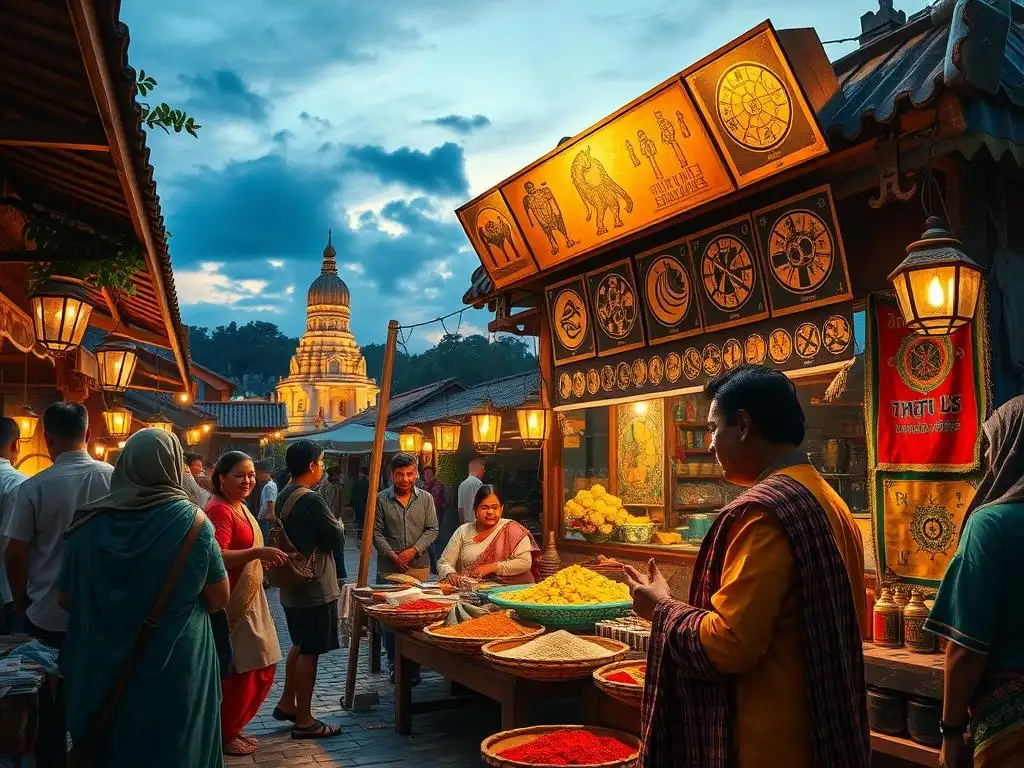
Welcome to Ancient India History, where we embark on a captivating journey through time to uncover the rich tapestry of ancient Indian civilizations. From the enigmatic Indus Valley to the illustrious Gupta Empire, our exploration reveals the profound cultural exchanges that shaped not only India but also the broader world. In this article, we delve into the intriguing realm of Indian astrology and its remarkable influence on Southeast Asian practices.
What connections can be traced across the seas, and how did these celestial insights transform other cultures? Join us as we unravel these mysteries and more, inviting you to dive deeper into the fascinating legacy of Indian heritage.

Introduction to Indian Astrology
Indian astrology, known as Jyotisha, holds a profound position in the cultural and spiritual fabric of India. With its roots tracing back thousands of years, it offers insights into the cosmic influence on human affairs, guiding individuals in various aspects of life from decision-making to personal relationships.
This ancient practice, characterized by its intricate calculations and celestial observations, has not only shaped Indian society but has also left an indelible mark on the cultural practices of neighboring regions, particularly Southeast Asia. By examining the historical context and the evolution of Indian astrology, we can better understand its influence in Southeast Asia and how it has interwoven with local traditions.
Definition and Historical Context of Indian Astrology
Indian astrology, or Jyotisha, derives its name from the Sanskrit word "Jyoti," meaning light or heavenly bodies. It is traditionally categorized into two main branches: Natal Astrology (Horoscopes) and Mundane Astrology (World Events). The former focuses on individual birth charts, while the latter analyzes the influence of planetary positions on larger societal events.
Historically, Indian astrology is believed to have developed around the 2nd millennium BCE, with substantial contributions from texts such as the Vedanga Jyotisha, which is one of the earliest known texts on the subject. The practice is deeply intertwined with Vedic philosophy, encompassing a holistic approach that includes astronomy, mathematics, and spiritual insights. Over the centuries, it has evolved through various interpretations and adaptations, ultimately influencing the astronomical and astrological practices in neighboring regions.
Overview of the Concept of Astrology in Ancient India
In ancient India, astrology was not just a tool for predicting the future but was seen as a vital part of life that encompassed spirituality, medicine, and rituals. It was believed that celestial bodies had a direct impact on the physical and emotional states of individuals.
Key concepts of Indian astrology include:
- Nakshatras (Lunar Mansions): The 27 divisions of the lunar zodiac, each associated with specific traits and deities.
- Rashis (Zodiac Signs): The twelve signs of the zodiac that represent various characteristics and destinies.
- Dasha Systems: Methods to predict the timing of life events based on planetary periods.
Astrology was often integrated into various aspects of daily life, including marriage, crop planting, and personal endeavors, demonstrating its significance in ancient Indian civilization.
The Spread of Indian Astrology to Southeast Asia
The influence of Indian astrology on Southeast Asia can be traced through ancient trade routes and cultural exchanges that facilitated the sharing of knowledge and practices across regions.
Historical Trade Routes and Cultural Exchanges
From around the 1st century CE, extensive maritime trade networks connected India with Southeast Asia. Merchants, travelers, and scholars traveled these routes, bringing along not only goods but also cultural ideas, including astrology.
- Maritime Trade Routes: The Southern Silk Road and the Spice Route were instrumental in facilitating exchanges between Indian traders and Southeast Asian civilizations.
- Cultural Synthesis: As Indian astrology mingled with local beliefs and practices, it adapted to the sociocultural context of Southeast Asian societies, leading to the emergence of unique astrological systems.
This cross-cultural interaction laid the foundation for a rich tapestry of astrological practices that were influenced by Indian methodologies while also reflecting local customs and beliefs.
Key Historical Figures in the Dissemination of Astrology
Several key historical figures played a crucial role in the dissemination of Indian astrology to Southeast Asia.
- Brahmin Scholars: As the primary bearers of Vedic knowledge, Brahmin scholars traveled to Southeast Asia, imparting astrological knowledge alongside religious teachings.
- Royal Patronage: Many Southeast Asian kings adopted Indian astrology for governance, leading to the establishment of local astrologers who blended Indian practices with indigenous insights.
Through these figures, the principles of Indian astrology were not only preserved but also transformed, creating a distinct legacy in Southeast Asian cultures.
By exploring these foundational aspects, we can gain a deeper appreciation for the intricate ways in which Indian astrology has influenced Southeast Asian practices, fostering a unique blend of traditions that continue to resonate today.
The Impact of Indian Astrology on Southeast Asian Cultures
The influence of Indian astrology on Southeast Asian cultures is profound and multifaceted, reflecting centuries of cultural exchange and adaptation. As Indian traders, travelers, and scholars ventured into Southeast Asia, they brought with them a wealth of knowledge, including astrological concepts that were integrated into local belief systems. This transfer of knowledge catalyzed the development of unique astrological practices that melded Indian traditions with indigenous beliefs, thus enriching the cultural tapestry of the region.
Astrology in Southeast Asia serves not only as a means of divination but also as a framework for understanding personal identity and social relationships. The alignment of celestial bodies is believed to impact daily life, influencing everything from agricultural practices to personal decisions. This deep-seated belief in astrology fosters a connection between the cosmos and the earthly realm, where celestial events are meticulously recorded and interpreted by local astrologers and priests.
Moreover, the integration of Indian astrological systems into Southeast Asian cultures has led to the establishment of various astrological schools and traditions that reflect local customs and practices. These adaptations showcase the dynamic interplay between Indian and Southeast Asian cultures, illustrating how astrology has become a cornerstone of spiritual and practical life in the region.
Adaptation of Indian Astrological Practices in Southeast Asia
The adaptation of Indian astrological practices in Southeast Asia can be traced back to early interactions between Indian traders and local populations. Initially, Indian astrology, particularly concepts from texts like the "Vedanga Jyotisha," served as a framework for timekeeping and agricultural cycles in the region. Over time, these practices were localized, resulting in distinct regional interpretations that harmonized with existing beliefs.
For example, in countries like Thailand and Cambodia, elements of Indian astrology were blended with indigenous animistic beliefs, creating unique rituals and practices. Local astrologers began to interpret Indian astrological principles through the lens of their cultural contexts, leading to the development of new astrological systems that incorporated symbols, deities, and folklore from Southeast Asian traditions.
In addition, the use of astrology in royal courts throughout Southeast Asia illustrates the importance of these practices in governance and social hierarchy. Monarchs often consulted astrologers to determine auspicious dates for important events, such as coronations and agricultural activities, reflecting the influence of Indian astrology on political and social structures.
Influence on Local Beliefs and Practices
Indian astrology has significantly influenced local beliefs and practices across Southeast Asia, permeating various aspects of life, including health, agriculture, and spirituality. In many communities, astrological beliefs shape rituals, festivals, and daily activities, reinforcing the interconnectedness of cosmic events and human affairs.
For instance, the concept of auspicious timings, or "muhurat," derived from Indian astrology, is widely practiced in Southeast Asian cultures. Important life events such as weddings, housewarmings, and business openings are often scheduled based on astrological calculations to ensure success and prosperity. This practice underscores the belief that celestial alignment can impact the outcomes of such events.
Moreover, traditional healers often incorporate astrological insights into their medical practices, using the positions of planets and stars to diagnose ailments and prescribe remedies. This integration of astrology into health practices reveals a holistic approach to well-being that emphasizes the influence of cosmic forces on physical and mental health.
Key Elements of Indian Astrology Incorporated in Southeast Asia
Southeast Asian cultures have incorporated several key elements of Indian astrology, adapting them to fit their unique contexts. These elements include zodiac signs, astrological charts, and lunar calendars, all of which play significant roles in shaping local astrological practices.
Zodiac Signs and Their Interpretations
The zodiac signs originating from Indian astrology have been adapted in Southeast Asia, with local interpretations often reflecting cultural values and beliefs. The twelve zodiac signs, known as "Rashis," have been embraced in various forms, with each sign associated with specific characteristics, personalities, and fortunes.
In countries like Indonesia and the Philippines, the zodiac signs are often blended with local mythologies and folklore, resulting in distinct interpretations that resonate with the local populace. For example, zodiac traits may be associated with local animals or natural elements, thereby enhancing their relevance within the cultural context.
Astrologers in Southeast Asia utilize these zodiac systems to provide insights into personal relationships, career prospects, and compatibility among individuals, thereby reinforcing the significance of astrology in everyday life.
Astrological Charts and Predictions
Astrological charts, or "Kundalis," derived from Indian astrology, have found a place in Southeast Asian practices as well. These charts are used to create detailed predictions about an individual's life path, potential challenges, and opportunities based on their birth details.
In Thailand, for instance, astrologers often create personalized charts that incorporate the time and location of birth, aligning them with the local astrological calendar. This personalized approach allows for tailored predictions that guide individuals in making significant life choices, such as career changes or marriage decisions.
Additionally, the practice of consulting astrological charts has extended to various societal aspects, including governance and agriculture, where predictions about auspicious times for planting and harvesting are made based on astrological calculations.
Lunar Calendar and Its Influence on Agriculture
The lunar calendar, a fundamental aspect of Indian astrology, has been adopted and adapted in Southeast Asia to guide agricultural practices. The cycles of the moon are closely monitored to determine the best times for planting and harvesting, reflecting a deep understanding of the natural world and the cosmos.
In many Southeast Asian communities, traditional farming practices are synchronized with lunar phases, with specific days deemed more favorable for sowing seeds or reaping crops. This reliance on the lunar calendar not only enhances agricultural productivity but also reinforces the connection between celestial events and terrestrial cycles, illustrating the enduring influence of Indian astrology on local customs.
The interplay between the lunar calendar and agriculture is especially significant during key agricultural festivals, where communities celebrate the harvest in alignment with astrological events, further cementing the bond between astrology, culture, and livelihood in Southeast Asia.
Comparative Analysis: Indian vs. Local Astrology Practices

The influence of Indian astrology in Southeast Asia can be seen through a comparative analysis of methodologies, beliefs, and interpretations that define both Indian and local astrological systems. While there are significant overlaps, local adaptations have led to unique practices that reflect the diverse cultures of Southeast Asia. Understanding these similarities and differences is crucial to grasping the broader impact of Indian astrology on the region.
Similarities in Methodologies and Beliefs
Both Indian astrology, known as Jyotisha, and various Southeast Asian astrological practices share foundational concepts that stem from ancient astronomical observations. Key similarities include:
- Zodiac Signs: Both systems utilize a zodiac framework, comprising twelve signs that correspond to specific celestial events. This shared structure reflects the universal nature of celestial phenomena and their perceived influence on human affairs.
- Planetary Influence: The belief in the influence of celestial bodies, such as planets and stars, is a common thread. Both Indian and Southeast Asian astrological practices attribute personality traits and life events to these celestial movements, underscoring a shared understanding of cosmic influence.
- Horoscopic Systems: Many Southeast Asian cultures have adopted the horoscopic system prevalent in Indian astrology, wherein individual horoscopes are created based on the exact time and place of birth, facilitating personalized astrological readings.
- Rituals and Festivals: Astrological events often overlap with cultural festivals and rituals. For instance, the timing of harvest festivals in various Southeast Asian cultures is frequently determined by astrological calculations, mirroring practices observed in Indian traditions.
Differences in Interpretations and Cultural Significance
Despite the similarities, significant differences exist in how astrology is interpreted and its cultural significance across the regions. These include:
- Cultural Context: Local astrology often integrates indigenous beliefs and practices, resulting in unique interpretations of celestial influences. For example, while Indian astrology places strong emphasis on karma and dharma, some Southeast Asian practices may prioritize animistic beliefs or local spirits.
- Astrological Terminology: The terminology used in local astrological practices may differ significantly from that of Indian astrology. This includes variations in names for zodiac signs, planetary deities, and the methods of interpretation.
- Focus on Timing: In many Southeast Asian cultures, astrology serves as a guide for auspicious timing for events such as marriages and business ventures, often incorporating local calendars and lunar cycles that may differ from Indian practices.
Modern-Day Influence of Indian Astrology in Southeast Asia
The legacy of Indian astrology continues to thrive in contemporary Southeast Asia, influencing various aspects of life and spirituality. Its enduring relevance is evident in the practices and beliefs of the region.
Continued Relevance in Contemporary Practices
Indian astrology remains a vital component of cultural identity in many Southeast Asian countries. Today, its principles are integrated into various modern practices, including:
- Astrological Consultations: Many individuals seek astrological guidance for personal and professional decisions, reflecting a continued trust in the insights provided by astrological readings.
- Integration with Local Beliefs: Contemporary practices often blend Indian astrological techniques with local belief systems, creating hybrid practices that resonate with both traditions.
- Digital Platforms: The rise of digital astrology platforms has made Indian astrological services more accessible, allowing Southeast Asians to access astrological readings and tools online, further embedding these practices into daily life.
The Role of Indian Astrology in Southeast Asian Spirituality
Indian astrology plays a significant role in shaping the spiritual landscape of Southeast Asia. Its influence manifests in several ways:
- Spiritual Guidance: Many individuals turn to astrology as a source of spiritual guidance and personal growth, viewing astrological charts as a means to understand their life paths and spiritual journeys.
- Cultural Festivals: Various cultural and religious festivals in Southeast Asia incorporate astrological elements, such as determining the best dates for celebrations based on astrological alignments, reinforcing the connection between astrology and spirituality.
- Community Practices: In some regions, communal rituals and practices are influenced by astrological considerations, fostering a sense of belonging and shared belief that enhances communal bonds.
The intertwining of Indian astrology with Southeast Asian practices highlights a rich tapestry of cultural exchange, where ancient wisdom continues to inform contemporary beliefs and practices.
Conclusion
The influence of Indian astrology on Southeast Asian practices is a testament to the profound cultural exchanges that have occurred throughout history. This interplay has shaped not only astrological practices but also broader societal norms, beliefs, and rituals in the region. By understanding the roots of these practices, we gain insight into how ancient civilizations communicated, interacted, and enriched one another's cultures.
Summary of Indian Astrology's Influence in Southeast Asia
Indian astrology, with its intricate systems of calculation and philosophical underpinnings, laid the groundwork for astrological practices across Southeast Asia. Countries such as Thailand, Indonesia, and Cambodia adopted and adapted these astrological concepts, often blending them with local traditions and beliefs. For instance, the Hindu calendar's influence can be seen in the traditional festivities of these nations, where astrological timings dictate auspicious dates for rituals and ceremonies. The widespread use of astrological charts and horoscopes reflects the deep-rooted belief in the power of celestial bodies, which continues to play a significant role in guiding personal and societal decisions.
Furthermore, the integration of Indian astrological practices into local customs has not only preserved these ancient traditions but has also allowed them to evolve. This fusion has resulted in unique regional interpretations that maintain the core principles of Indian astrology while reflecting the diverse cultural landscapes of Southeast Asia.
Reflection on the Cultural Exchange between India and Southeast Asia
The cultural exchange between India and Southeast Asia is a remarkable example of how knowledge and beliefs transcend geographical boundaries. This dynamic interaction was facilitated by trade routes, maritime connections, and the spread of religion, particularly Buddhism and Hinduism, which brought along their associated astrological systems. As merchants, scholars, and monks traveled between these regions, they exchanged not only goods but also ideas.
The enduring impact of this exchange can be observed in the continued relevance of astrological practices in modern Southeast Asia. Festivals, rituals, and even governance are often influenced by astrological calculations, highlighting how these ancient beliefs continue to resonate within contemporary societies. This cultural symbiosis underscores the importance of understanding historical interactions, as they shape current identities and practices.
References and Further Reading
Key Texts on Indian Astrology
- Brahmagupta's "Khandakhadyaka" - An essential text on Indian mathematics and astronomy, detailing astrological calculations.
- Varahamihira's "Brihat Samhita" - A foundational work that covers various aspects of astrology, including horoscopes and planetary influences.
- "Surya Siddhanta" - An ancient treatise that discusses astronomical calculations and their astrological implications.
Academic Studies on Cultural Exchange between India and Southeast Asia
- "India and Southeast Asia: A Cultural History" by John M. Fritz: - This book explores the historical interactions between these regions, with a focus on cultural exchanges, including astrology.
- "The Indian Influence on Southeast Asian Cultures" by R. C. Majumdar - An analysis of how Indian traditions, including astrology, have shaped the cultural landscape of Southeast Asia.
- "Astrology and Religion Among the Greeks and Romans" by J. J. O'Connor and E. F. Robertson - While primarily focused on Western astrology, it provides a comparative perspective on the influence of Indian astrology in the broader context of cultural exchanges.
- Introduction to Indian Astrology
- The Spread of Indian Astrology to Southeast Asia
- The Impact of Indian Astrology on Southeast Asian Cultures
- Key Elements of Indian Astrology Incorporated in Southeast Asia
- Comparative Analysis: Indian vs. Local Astrology Practices
- Modern-Day Influence of Indian Astrology in Southeast Asia
- Conclusion
- References and Further Reading
- What is the main focus of the article on Indian astrology's influence in Southeast Asia?
- How did Indian astrology spread to Southeast Asia?
- What are some examples of Indian astrological practices in Southeast Asia?
- How did the Gupta Empire contribute to the spread of astrology?
- What is the significance of understanding this influence today?
Frequently Asked Questions
What is the main focus of the article on Indian astrology's influence in Southeast Asia?
The article explores the historical connections between Indian astrology and its significant impact on Southeast Asian practices, highlighting how these traditions have shaped cultures in the region.
How did Indian astrology spread to Southeast Asia?
Indian astrology spread through trade routes and cultural exchanges, facilitated by Indian merchants and travelers who introduced astrological concepts and practices to Southeast Asian societies.
What are some examples of Indian astrological practices in Southeast Asia?
The article details practices such as horoscopy, calendar systems, and rituals that incorporate Indian astrological principles, which have been integrated into local customs and beliefs across various Southeast Asian countries.
How did the Gupta Empire contribute to the spread of astrology?
The Gupta Empire played a crucial role by promoting scholarship and cultural exchange, leading to the proliferation of astrological texts and ideas that reached Southeast Asia during its height.
What is the significance of understanding this influence today?
Understanding the influence of Indian astrology on Southeast Asia is significant as it reveals the interconnectedness of cultures and provides insights into the shared heritage that continues to shape identities in the region.
Final Reflection: The Enduring Legacy of Indian Astrology in Southeast Asia
The intricate tapestry of Indian astrology has woven itself into the cultural and spiritual fabric of Southeast Asia, illustrating how ancient wisdom can transcend borders and time. Today, as societies grapple with modernity, the relevance of these astrological practices remains profound, guiding individuals in their personal and communal lives. The influence of Indian astrology in Southeast Asia is not merely a relic of the past; it is a living tradition that continues to shape identities and beliefs.
Cultural exchange is a powerful force, and the integration of Indian astrology into Southeast Asian practices exemplifies this beautifully. The ways in which these astrological systems have adapted and evolved highlight the resilience and dynamism of cultural traditions. As noted by renowned scholar Dr. R. K. Sharma, “Astrology is not just about predicting the future; it is a lens through which we can understand our place in the universe.” This perspective underscores the importance of astrology as a tool for self-discovery and connection to the cosmos, resonating deeply within the hearts of many in the region.
As we reflect on the profound impact of Indian astrology in Southeast Asia, I invite you to consider how these ancient practices can inform your own life. Take a moment to explore the wisdom of the stars and how it might guide your decisions, relationships, and understanding of the world around you. Embrace the lessons of the past as you navigate your future, and recognize that in the dance of celestial bodies, there lies a timeless connection that unites us all.
Unveil the Cosmic Connections of Indian Astrology!
Thank you for diving into the fascinating world of Indian astrology and its profound impact on Southeast Asian practices. We hope you feel inspired by the rich tapestry of cultural connections revealed in this exploration. Now, let’s take those insights further and turn curiosity into action!
- Explore an authentic astrology reading to see how these ancient practices can illuminate your life today.
- Share your insights with friends and family—spread the knowledge and spark conversations about the influences of astrology in your culture!
- Join a local or online group to connect with others who share your enthusiasm for astrology and cultural studies.
What new insights have you discovered about the role of astrology in your life or community? We invite you to share your thoughts below!