
Ancient Indian Contributions to Southeast Asian Medicine: A Historical Perspective

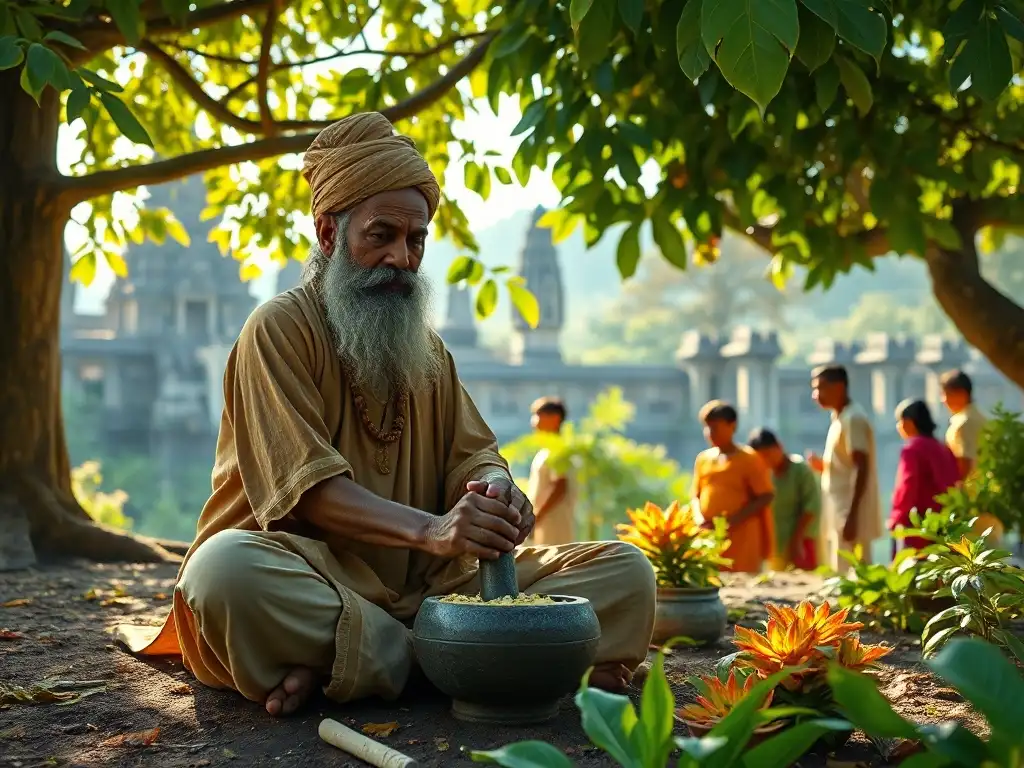
Welcome to Ancient India History, where we delve into the rich tapestry of ancient Indian civilizations and their profound impact on global culture. In this exploration, we invite you to discover the fascinating world of Ancient Indian medicine in Southeast Asia. How did the wisdom of ancient healers travel across vast distances, shaping medicinal practices in foreign lands? Join us as we unravel the intricate threads of cultural exchange and influence that have left an indelible mark on Southeast Asian medicine. Your journey into history begins here—let's explore the legacies that continue to resonate today!
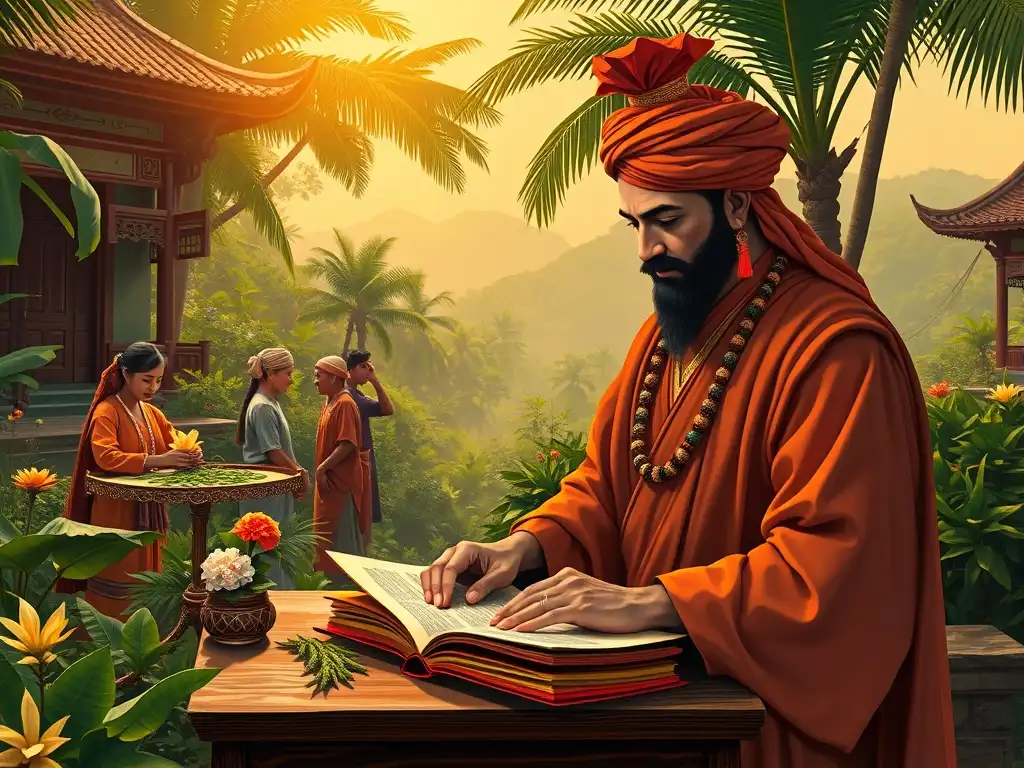
Introduction to Ancient Indian Medicine in Southeast Asia
The influence of ancient Indian medicine in Southeast Asia is a fascinating chapter in the broader narrative of cultural exchanges between civilizations. As trade routes flourished and cultural interactions intensified, ancient Indian medical practices, philosophies, and texts profoundly impacted the healthcare systems across Southeast Asia.
This article investigates how Indian medicinal knowledge, stemming from rich traditions such as Ayurveda and Siddha, permeated Southeast Asian cultures, leading to significant advancements in their medical practices. Through a detailed exploration of historical contexts, key texts, and influential figures, we aim to shed light on the enduring legacy of ancient Indian medicine in the Southeast Asian region and how it shaped healthcare practices that continue to resonate today.
Overview of Ancient Indian Medicine
Ancient Indian medicine, primarily rooted in Ayurveda, emphasizes a holistic approach to health, focusing on the balance between body, mind, and spirit. This traditional system not only encompasses herbal remedies and surgical techniques but also integrates philosophical concepts, making it a comprehensive guide to wellness.
Key features of ancient Indian medicine include:
- Holistic Healing: Emphasis on treating the entire person.
- Natural Remedies: Utilization of herbs, minerals, and animal products.
- Preventive Care: Focus on maintaining health and preventing illness.
- Personalized Treatment: Tailoring therapies to individual constitution (Prakriti).
As Indian merchants and travelers ventured into Southeast Asia, they brought these medical practices along, which were adapted and integrated into local traditions.
Importance of Cultural Exchanges in Medicine
Cultural exchanges are vital in shaping medical practices across regions. The interaction between ancient Indian and Southeast Asian civilizations facilitated the transfer of knowledge, resulting in enriched medicinal practices.
Some significant aspects of these exchanges include:
- Trade Networks: Key routes such as the Maritime Silk Road allowed for the movement of not only goods but also ideas and knowledge.
- Religious Influence: The spread of Buddhism and Hinduism played a crucial role in disseminating Indian medical texts and concepts.
- Local Adaptations: Southeast Asian cultures adapted Indian medical practices to fit their own environments and social structures, creating a unique blend of traditions.
This fusion of ideas led to a more diverse and robust medical framework in Southeast Asia, illustrating how interconnectedness can foster innovation in health practices.
Historical Context of Medicine in Ancient India
Understanding the historical context of medicine in ancient India is essential for appreciating its influence on Southeast Asian practices. The evolution of medical knowledge in India can be traced back to ancient texts and significant figures who laid the groundwork for future advancements.
Key Medical Texts from Ancient India
Several ancient texts are pivotal in the history of Indian medicine, providing invaluable insights into medical theories and practices. Notable among these are:
- Charaka Samhita: A foundational text on Ayurveda, it presents comprehensive discussions on diagnosis, treatment, and surgical procedures.
- Sushruta Samhita: Known as the "father of surgery," Sushruta's work includes detailed descriptions of surgical techniques and instruments.
- Ashtanga Hridaya: A synthesis of Ayurvedic knowledge that emphasizes the eight branches of medicine, providing a holistic overview of health care.
These texts not only served as educational resources in India but also traveled across borders, influencing medical practices in Southeast Asia.
Prominent Figures in Ancient Indian Medicine
Throughout history, several key figures emerged in ancient Indian medicine, contributing significantly to its development and dissemination. Among them are:
- Charaka: Renowned for his contributions to Ayurveda, emphasizing the importance of diet and lifestyle in health.
- Sushruta: An ancient surgeon whose techniques and methodologies laid the foundation for surgical practices.
- Vagbhata: A physician who contributed to the synthesis of earlier Ayurvedic texts, making knowledge more accessible.
These figures, through their pioneering work, not only advanced medical knowledge in India but also inspired practitioners in Southeast Asia, cementing the legacy of ancient Indian medicine across the region.
The Spread of Ancient Indian Medicine to Southeast Asia
The influence of ancient Indian medicine on Southeast Asia is a fascinating narrative that illustrates the deep cultural exchanges between the two regions. This spread can be traced back to the early centuries of the Common Era, primarily through trade routes and the movement of people, ideas, and knowledge. Ancient Indian medicinal practices, particularly Ayurveda, became integral to the healthcare systems of various Southeast Asian societies, leading to a unique synthesis of local and Indian medical traditions.
As Indian merchants and travelers ventured into Southeast Asia, they brought not only goods but also their cultural practices, including medicine. This exchange was particularly significant in regions such as present-day Indonesia, Malaysia, and Thailand, where Indian influence can be seen in the medical texts, treatment methodologies, and even in the spiritual aspects of health. The incorporation of Indian medicinal principles helped shape local practices, leading to a rich tapestry of healing traditions that persist to this day.
Trade Routes and Cultural Exchanges
The trade routes connecting India and Southeast Asia played a pivotal role in the dissemination of ancient Indian medicine. Maritime trade routes, such as the Maritime Silk Road, facilitated not only the exchange of spices and textiles but also the flow of knowledge and cultural practices. Indian traders, who often settled in coastal areas, acted as cultural intermediaries, introducing Ayurvedic concepts and practices to local communities.
This exchange was not limited to commerce; it also encompassed various forms of cultural interaction, including religion and philosophy. The spread of Hinduism and Buddhism further accelerated the integration of Indian medical knowledge into Southeast Asian societies, as these religions often emphasized holistic approaches to health and well-being. Consequently, the adoption of Indian medical practices occurred alongside the spread of religious beliefs, leading to a more profound and lasting impact on Southeast Asian medicine.
Influence of Indian Civilization on Southeast Asian Societies
The influence of Indian civilization on Southeast Asian societies extended beyond medicine to encompass various aspects of life, including art, architecture, and governance. As Indian cultural norms and practices took root, local societies began to adapt and modify them to suit their unique contexts. This hybridization is particularly evident in the medical traditions that emerged across the region.
In places like Cambodia and Vietnam, elements of Ayurveda were integrated into traditional healing systems, resulting in practices that combined Indian and local herbal knowledge. Moreover, the establishment of Indian-style educational institutions contributed to the training of local practitioners in Ayurvedic medicine, further embedding these practices into the fabric of Southeast Asian healthcare. This cultural interplay not only enriched local medical practices but also fostered a sense of shared identity and heritage among the peoples of Southeast Asia.
Contributions of Ancient Indian Medicine to Southeast Asian Practices
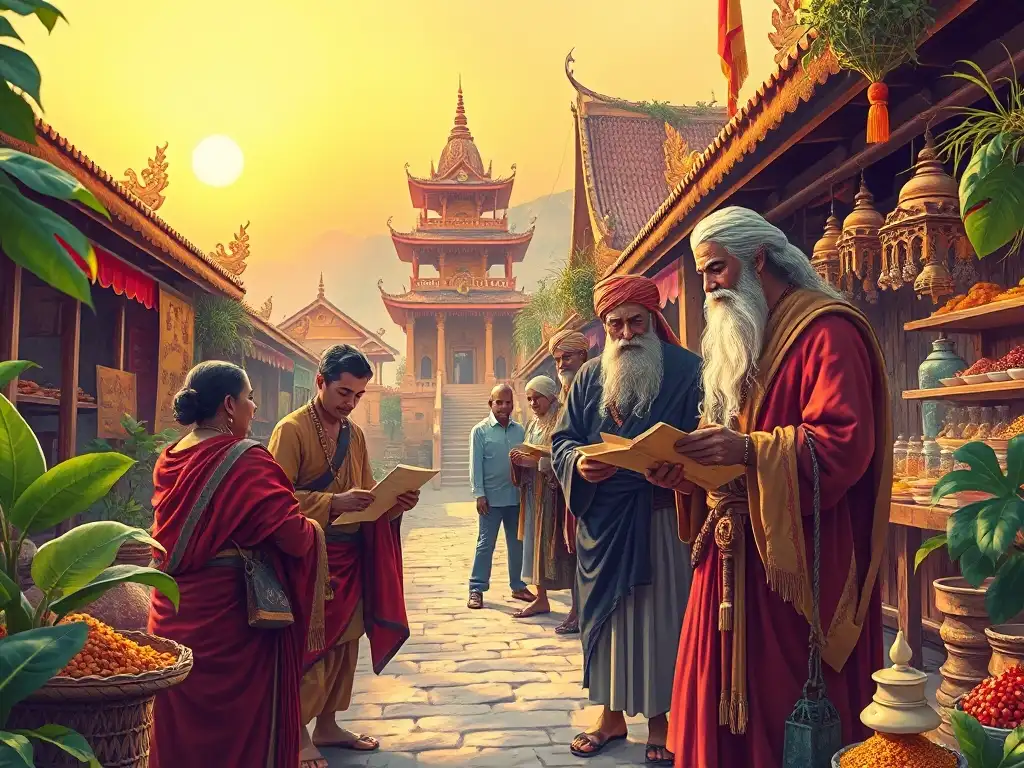
The contributions of ancient Indian medicine to Southeast Asian practices are profound and multifaceted. From the introduction of Ayurvedic principles to the adoption of herbal remedies and surgical techniques, the impact of Indian medical knowledge is evident in various aspects of healthcare in the region.
Ayurvedic Principles in Southeast Asian Medicine
Ayurveda, as a comprehensive system of medicine, brought with it a holistic approach to health that emphasized balance and wellness. This principle resonated well with many Southeast Asian cultures, which often had their own traditional beliefs in the balance of bodily humors and natural elements.
In Southeast Asia, practitioners began to incorporate Ayurvedic concepts such as doshas (body constitutions) and panchakarma (detoxification processes) into their healing practices. This synthesis led to the development of unique medical systems that respected local traditions while benefiting from the depth of Ayurvedic knowledge. The focus on preventive care and lifestyle management found in Ayurveda also aligned well with local health philosophies, making it a valuable addition to Southeast Asian medicine.
Herbal Remedies and Their Adoption
The rich biodiversity of Southeast Asia provided an ideal environment for the adaptation and integration of herbal remedies from ancient Indian medicine. Many Indian herbs and plants, recognized for their medicinal properties, were introduced to Southeast Asian practitioners who then incorporated them into local healing traditions.
For instance, herbs like Turmeric ( Curcuma longa), known for its anti-inflammatory properties, and Neem ( Azadirachta indica), celebrated for its antiseptic qualities, became staples in local medicine cabinets. The synergistic relationship between Indian and local herbal knowledge led to the creation of new remedies that addressed regional health issues while retaining the essence of Ayurvedic principles. This collaborative approach enhanced the efficacy of treatments and broadened the therapeutic options available to practitioners and patients alike.
Surgical Techniques and Innovations
Beyond herbal medicine, ancient Indian contributions to surgical techniques significantly influenced Southeast Asian medical practices. Indian texts such as the Sushruta Samhita provided detailed accounts of surgical procedures, including operations like cataract surgery and plastic surgery. These texts were among the earliest to document surgical methods and principles, showcasing a sophisticated understanding of human anatomy and surgical techniques.
Southeast Asian surgeons adopted these innovative methods, blending them with local practices. This resulted in advanced surgical interventions that addressed various ailments, from trauma to cosmetic enhancements. The legacy of Indian surgical knowledge is evident in the skillful practices of traditional healers in Southeast Asia today, where ancient techniques continue to be utilized alongside modern medical advancements.
Case Studies of Ancient Indian Medical Influence in Southeast Asia
The influence of ancient Indian medicine in Southeast Asia is evidenced through various case studies that highlight the transmission and adaptation of medical knowledge across regions. One notable example is the spread of Ayurveda, which became integrated into local healing practices in countries such as Thailand and Indonesia. In Thailand, the traditional healing system known as "Traditional Thai Medicine" incorporates Ayurvedic principles, particularly in the use of herbal remedies and massage techniques. This cross-cultural exchange showcases how ancient Indian medical concepts were not only adopted but also adapted to suit the local cultural and environmental contexts.
Another significant case study can be found in the ancient Khmer Empire (present-day Cambodia), where inscriptions detailing medicinal practices reflect a robust integration of Indian medical texts. The “Khmer Medical Texts,” influenced by Sanskrit texts, document treatments for various ailments, illustrating a sophisticated understanding of both herbal and surgical practices. Such texts reveal the depth of ancient Indian medical knowledge and its lasting impact on the region.
Additionally, the maritime trade routes facilitated the spread of medical knowledge, particularly through the exchange of medicinal herbs and spices. The Indian influence is evident in the use of specific plants like turmeric and ginger, which were incorporated into local medicine in places such as Malaysia and the Philippines. These plants not only served culinary purposes but also played significant roles in traditional healing practices.
The Role of Indian Physicians in Southeast Asian Kingdoms
Indian physicians played a crucial role in shaping the medical landscape of Southeast Asia, particularly during the early centuries of the Common Era. Historical records indicate that Indian doctors were often invited to royal courts across various kingdoms, including Srivijaya and Majapahit. Their expertise was highly valued, and they contributed significantly to the development of local medical practices.
In the Srivijaya Empire, for example, Indian physicians introduced advanced surgical techniques and pharmacological knowledge. They established centers of medical learning, which attracted local scholars who wished to deepen their understanding of medicine. This collaborative environment fostered the growth of a unique medical tradition that melded Indian and indigenous practices.
Furthermore, the role of Indian physicians extended beyond mere practice; they were also involved in the training of local practitioners. This mentorship ensured the continuity of medical knowledge and techniques, which were disseminated throughout the region. The presence of Indian physicians in Southeast Asia not only facilitated the exchange of medical ideas but also led to the establishment of a medical network that transcended cultural boundaries.
Notable Medical Practices in Southeast Asian Cultures
Southeast Asian cultures have incorporated various notable medical practices influenced by ancient Indian medicine. One of the most prominent is the use of herbal medicine, where local practitioners blend indigenous plants with Indian herbal knowledge. For instance, in Vietnam, traditional medicine emphasizes the use of herbs like ginseng and lotus alongside Ayurvedic remedies, showcasing a synthesis of medical traditions.
Another significant practice is marma therapy, which is derived from ancient Indian texts and focuses on the manipulation of vital points in the body to promote healing. This technique has been integrated into traditional healing practices in countries such as Myanmar, where local healers utilize marma points in conjunction with spiritual healing methods.
Moreover, ritualistic healing practices, which often involve prayers, chants, and offerings, have also found roots in ancient Indian traditions. In places like Indonesia, the incorporation of Indian rituals into local healing practices reflects a deep cultural exchange, where spiritual and physical health are viewed as interconnected.
The Legacy of Ancient Indian Medicine in Southeast Asia
The legacy of ancient Indian medicine in Southeast Asia is profound and continues to shape the region's healthcare practices today. The foundational principles established during ancient times have persisted through centuries of cultural exchange and adaptation. Many traditional healing practices still reflect the methodologies and philosophies introduced by Indian scholars and physicians.
Continuing Influence on Modern Southeast Asian Medical Systems
Today, the influence of ancient Indian medicine is evident in the modern medical systems of Southeast Asia. Countries like Thailand, Malaysia, and Indonesia have integrated aspects of Ayurvedic and traditional Indian medicine into their healthcare frameworks. For instance, Thai Traditional Medicine is officially recognized and practiced alongside Western medicine, emphasizing the holistic approach that originated from Indian principles.
Furthermore, the resurgence of interest in traditional medicine globally has led to a renewed appreciation for ancient practices. Medical tourism has also highlighted the significance of traditional healing systems, attracting individuals seeking holistic treatments rooted in ancient Indian medicinal knowledge.
Preservation of Ancient Medical Practices in Contemporary Society
Despite the rapid modernization of the medical field, many Southeast Asian societies continue to preserve ancient medical practices. Community healers and traditional practitioners play a vital role in maintaining these traditions, often blending them with modern healthcare approaches. In Indonesia, for example, traditional Jamu medicine involves the preparation of herbal concoctions that have been passed down through generations, with many practitioners still using methods described in ancient texts.
Moreover, various organizations and initiatives are working towards the documentation and revival of traditional medical practices. This preservation effort not only safeguards ancient knowledge but also promotes its relevance in contemporary health discussions. Many local communities are increasingly valuing their traditional medical heritage, recognizing its importance in fostering cultural identity and promoting holistic health.
The contributions of ancient Indian medicine to Southeast Asia are deeply embedded in the region's medical practices and cultural identity, showcasing a rich tapestry of historical influence that continues to evolve today.
Conclusion: The Interconnectedness of Ancient Indian and Southeast Asian Medicine
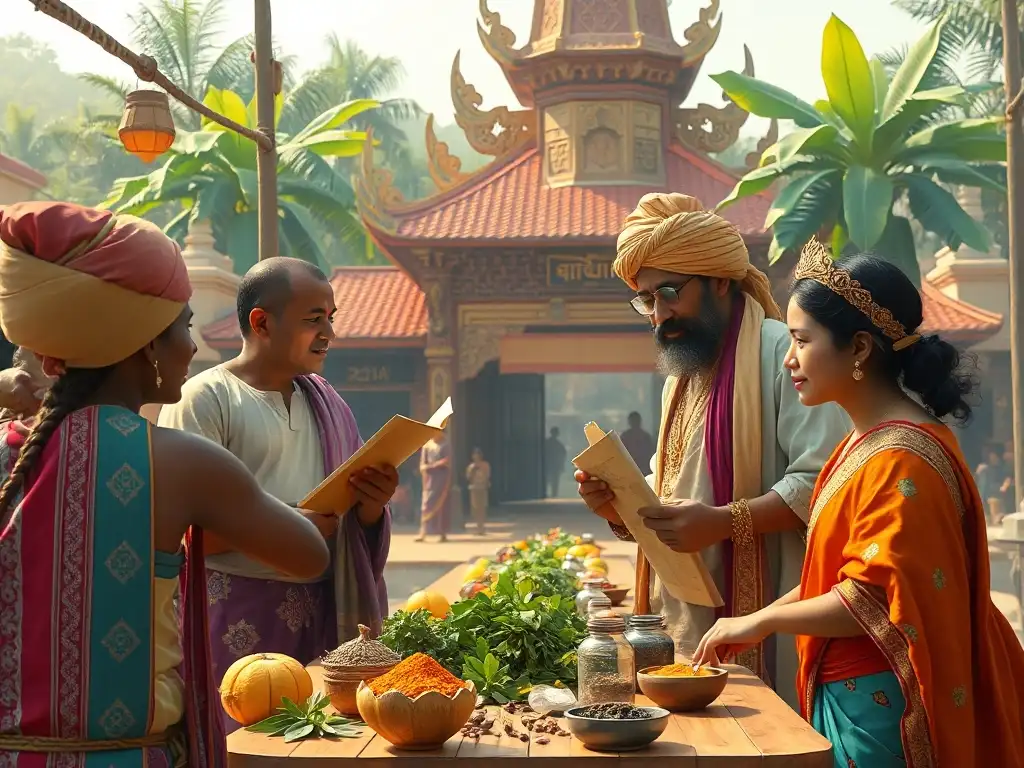
The relationship between ancient Indian and Southeast Asian medicine is a testament to the profound impact of cultural exchanges throughout history. This interconnectedness is evident in the shared medical practices, herbal knowledge, and therapeutic techniques that have emerged as a result of trade, migration, and the spread of ideas. Ancient Indian medicine, particularly Ayurveda, provided a foundation that influenced various Southeast Asian healing traditions, blending seamlessly with local practices and beliefs. This synthesis not only enriched the medical landscape of the region but also fostered a mutual respect for diverse healing methodologies.
The legacy of this interconnectedness can still be observed today, as many Southeast Asian countries continue to uphold traditional practices that have roots in ancient Indian medicine. The importance of holistic approaches, the use of natural remedies, and the emphasis on balance and harmony in health reflect the enduring influence of this historical relationship. Furthermore, the documentation of medical texts and the establishment of institutions contributed to a shared knowledge base, allowing for the cross-pollination of ideas that advanced medical understanding across cultures.
Reflection on Cultural Exchange and Its Impact on Medicine
Cultural exchange between ancient India and Southeast Asia not only shaped medical practices but also transformed societal perceptions of health and wellness. The introduction of Ayurveda to Southeast Asia facilitated a deeper understanding of herbal medicine, anatomy, and holistic health principles. Notably, texts such as the Sushruta Samhita and Charaka Samhita were translated and adapted, highlighting the importance of surgical techniques, dietary practices, and lifestyle choices in maintaining health.
This exchange was not merely a one-way transfer of knowledge; it allowed for a dynamic interplay where local traditions also influenced Indian practices. For example, elements of traditional Chinese medicine and indigenous healing systems were integrated into the Ayurvedic framework, creating a rich tapestry of medical knowledge that was uniquely Southeast Asian. This blending of traditions exemplifies how cultural exchanges can lead to innovative approaches in medicine, catering to the specific needs and contexts of different populations.
Future Research Directions in Ancient Medical Histories
As scholars continue to explore the intricate web of historical influences between ancient Indian and Southeast Asian medicine, several promising research directions emerge. Firstly, a comparative analysis of ancient medical texts from both regions could yield valuable insights into how theories and practices evolved in response to cultural interactions. By examining translations and adaptations of foundational texts, researchers can better understand the dynamics of knowledge transfer and the contexts in which it occurred.
Secondly, archaeological findings from ancient trade routes and settlements can provide tangible evidence of the exchanges that took place. Investigating medicinal plants and artifacts related to healthcare practices can shed light on how ancient societies viewed health and healing. Additionally, interdisciplinary approaches that incorporate anthropology, history, and ethnobotany could enrich our understanding of the socio-cultural factors that shaped medical traditions.
Finally, there is a significant opportunity to investigate the contemporary relevance of ancient Indian medicinal practices in Southeast Asia. As modern healthcare challenges emerge, revisiting these ancient systems may inspire innovative solutions and holistic approaches to health and wellbeing. By bridging past knowledge with present-day practices, researchers can contribute to a more comprehensive understanding of the enduring legacy of ancient Indian medicine in Southeast Asia.
- Introduction to Ancient Indian Medicine in Southeast Asia
- Historical Context of Medicine in Ancient India
- The Spread of Ancient Indian Medicine to Southeast Asia
- Contributions of Ancient Indian Medicine to Southeast Asian Practices
- Case Studies of Ancient Indian Medical Influence in Southeast Asia
- The Legacy of Ancient Indian Medicine in Southeast Asia
- Conclusion: The Interconnectedness of Ancient Indian and Southeast Asian Medicine
- Reflection on Cultural Exchange and Its Impact on Medicine
- Future Research Directions in Ancient Medical Histories
- What was the significance of Ancient Indian medicine in Southeast Asia?
- How did trade routes facilitate the spread of Ancient Indian medicine to Southeast Asia?
- What are some key texts that influenced Southeast Asian medicine from Ancient India?
- How did cultural exchanges impact the development of medicine in Southeast Asia?
- Are there any modern practices in Southeast Asia that trace back to Ancient Indian medicine?
Frequently Asked Questions
What was the significance of Ancient Indian medicine in Southeast Asia?
Ancient Indian medicine played a crucial role in shaping the medical practices of Southeast Asia, influencing local health systems and promoting Ayurvedic principles throughout the region.
How did trade routes facilitate the spread of Ancient Indian medicine to Southeast Asia?
The establishment of trade routes between India and Southeast Asia enabled the exchange of medical knowledge, texts, and herbal remedies, leading to the integration of Indian medical practices into local cultures.
What are some key texts that influenced Southeast Asian medicine from Ancient India?
Key texts such as the Sushruta Samhita and the Charaka Samhita provided foundational knowledge in surgery and herbal medicine, which were adapted and utilized in Southeast Asian healing traditions.
How did cultural exchanges impact the development of medicine in Southeast Asia?
Cultural exchanges between India and Southeast Asia enriched local medicinal practices, as Indian practitioners shared their expertise in herbal treatments and surgical techniques, fostering a blend of traditions.
Are there any modern practices in Southeast Asia that trace back to Ancient Indian medicine?
Yes, many modern practices in Southeast Asia, such as traditional healing methods and the use of herbal medicine, can be traced back to the influence of Ancient Indian medicine, showcasing its lasting legacy.
Final Reflection: The Enduring Legacy of Ancient Indian Medicine in Southeast Asia
The contributions of ancient Indian medicine to Southeast Asia are not just historical footnotes; they are vital threads woven into the fabric of contemporary healthcare practices. Today, as we navigate a world increasingly focused on holistic and integrative approaches to wellness, the principles and practices rooted in ancient Indian medicine resonate more than ever. The wisdom of Ayurveda and traditional healing systems continues to influence modern medical paradigms, reminding us that ancient knowledge holds timeless relevance.
The impact of ancient Indian medicine on the cultural and social landscape of Southeast Asia is profound and ongoing. From herbal remedies to surgical techniques, these contributions have shaped local traditions and health practices, fostering a rich tapestry of medical knowledge that transcends borders. As we reflect on this historical journey, we are reminded of the words of the great Indian philosopher, Mahatma Gandhi: A nation's greatness is measured by how it treats its weakest members.
This sentiment underscores the importance of preserving and honoring the ancient wisdom that has served communities for centuries, ensuring that it continues to benefit future generations.
As we conclude this exploration, I invite you to reflect on the lessons from ancient Indian medicine and consider how they can inspire your own approach to health and wellness. Embrace the holistic principles that have stood the test of time, and let them guide you in nurturing not only your own well-being but also the health of your community. By integrating these ancient practices into our modern lives, we can honor the legacy of those who came before us and pave the way for a healthier, more interconnected future.
Unleash the Wisdom of Ancient Indian Medicine Today!
Thank you for embarking on this fascinating journey into the contributions of ancient Indian medicine to Southeast Asian healthcare. You've discovered how these rich traditions and practices have significantly influenced healthcare across the region, and now it's time to carry that knowledge forward!
Here are a few impactful actions you can take to honor and enhance this legacy:
- Explore local herbal remedies or traditional healing practices inspired by ancient Indian medicine within your community.
- Share this article with friends and family to ignite conversations about incorporating traditional wisdom into modern health practices.
- Join a workshop or online forum dedicated to herbal medicine and Ayurvedic practices to connect with like-minded individuals.
Which aspects of ancient Indian medicine do you find most relevant to today’s healthcare practices? We invite you to share your thoughts below!