
The Legacy of Indian Dance Forms: Bharatanatyam's Journey to Southeast Asia

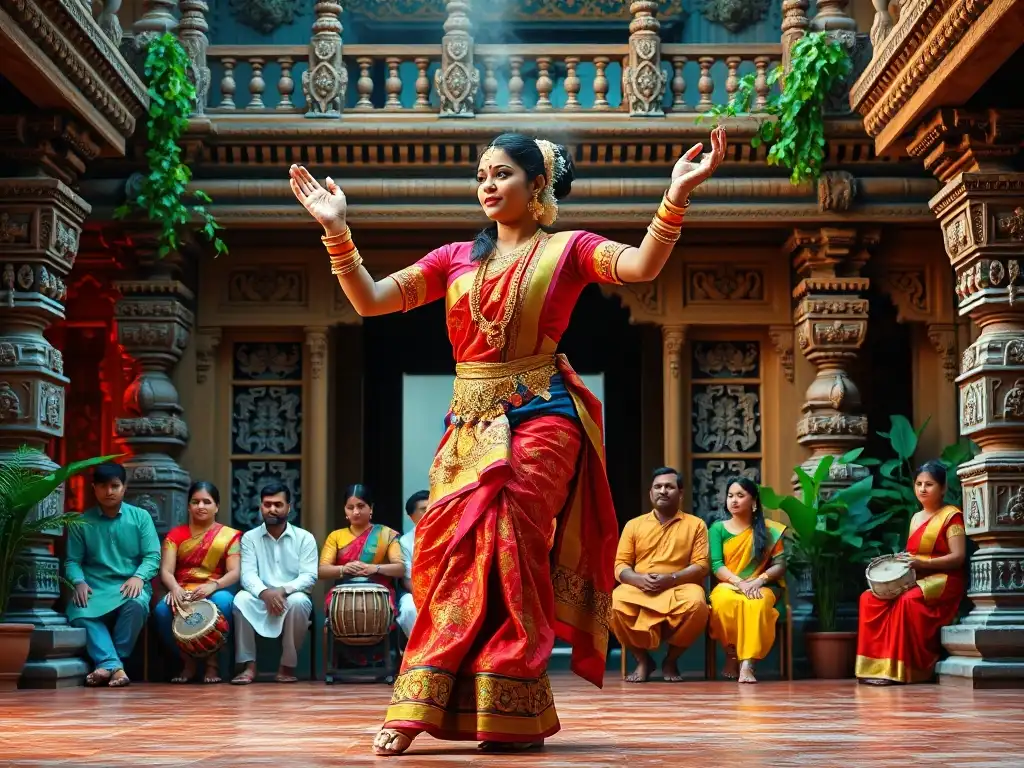
Welcome to Ancient India History, where we embark on a fascinating journey through the rich tapestry of India's past. Our exploration delves into the vibrant cultures and remarkable contributions of ancient Indian civilizations, from the intriguing Indus Valley to the illustrious Gupta Empire. In this article, we uncover the captivating history of Bharatanatyam dance and its profound influence as it traveled across Southeast Asia.
What secrets does this graceful art form hold about cultural exchanges and the interconnectedness of societies? Join us as we unravel the legacy of Indian dance, sparking your curiosity to learn more about its mesmerizing journey!
Introduction to Bharatanatyam Dance History
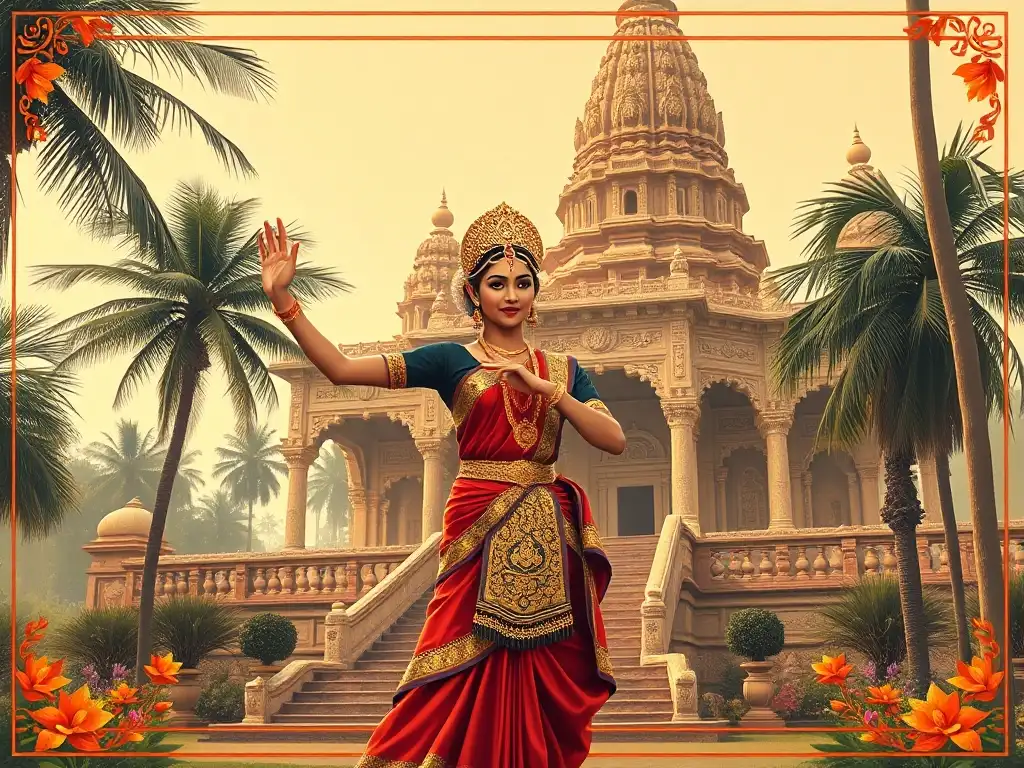
Bharatanatyam, one of the oldest and most revered classical dance forms of India, embodies a rich tapestry of history, spirituality, and artistic expression. Originating in the temples of Tamil Nadu, this dance form has not only played a pivotal role in Indian culture but has also transcended geographical boundaries, particularly influencing Southeast Asia. The journey of Bharatanatyam from its sacred roots to the global stage is a compelling story of cultural exchange, adaptation, and resilience.
This article explores the intricate history of Bharatanatyam, its significance within Indian culture, and its profound impact on the dance traditions of Southeast Asia, particularly in regions such as Thailand, Malaysia, and Indonesia. By examining the historical context and evolution of Bharatanatyam, we will uncover how this dance form has become a symbol of artistic heritage and cultural identity across continents.
Overview of Bharatanatyam
Bharatanatyam is characterized by its graceful movements, intricate footwork, and expressive gestures, known as mudras. It is traditionally performed by women, often depicting themes of devotion, mythology, and nature. This dance form is a synthesis of three key elements:
- Bhava (expression)
- Raga (melody)
- Tala (rhythm)
These elements combine to create a narrative that is not only visually captivating but also spiritually enriching. The dance is typically accompanied by classical Carnatic music, enhancing its emotional depth and cultural significance.
Significance of Bharatanatyam in Indian Culture
In India, Bharatanatyam holds a revered status, often associated with temple rituals and spiritual devotion. Historically, it was performed by the Devadasis, women dedicated to temple service, who used dance as a means of worship and storytelling. Today, Bharatanatyam is celebrated for its artistic beauty and its role in preserving traditional narratives and values. It serves as a medium for the expression of cultural identity and continuity, fostering a deep connection between the past and the present.
Bharatanatyam's Global Influence
The global influence of Bharatanatyam is evident in its adoption and adaptation across various cultures, particularly in Southeast Asia. As Indian traders and travelers ventured into these regions, they brought with them not only goods but also cultural practices, including dance. This exchange has led to the emergence of hybrid styles and performances that reflect the shared heritage of these regions. Today, Bharatanatyam is performed worldwide, celebrated in international festivals, workshops, and academic institutions, showcasing its versatility and enduring appeal.
Historical Context of Bharatanatyam
Origins of Bharatanatyam Dance
The origins of Bharatanatyam can be traced back over 2,000 years, with references found in ancient texts such as the Natya Shastra, a comprehensive treatise on performing arts attributed to the sage Bharata Muni. Initially, the dance was performed in temples as a means of worship, with movements and expressions designed to convey spiritual themes and stories from Hindu mythology.
Evolution of Bharatanatyam through the Ages
Over the centuries, Bharatanatyam has undergone significant transformations. From its early religious context, it evolved through the influence of various royal patronages, regional styles, and societal changes. The 19th and early 20th centuries marked a crucial period, with the revival of Bharatanatyam as a respected art form, thanks to the efforts of pioneers like Rukmini Devi Arundale, who redefined its presentation and accessibility to broader audiences.
Key Figures in Bharatanatyam's Development
Several key figures have played instrumental roles in the development and popularization of Bharatanatyam. Notable among them are:
- Rukmini Devi Arundale: A visionary artist who revitalized Bharatanatyam and brought it to the global stage.
- Balasaraswati: A celebrated dancer who emphasized the traditional aspects of Bharatanatyam, ensuring its authenticity and depth.
- Vasanta S. M.: A contemporary artist known for her innovative interpretations that blend tradition with modernity.
These individuals, among others, have contributed to Bharatanatyam's rich legacy, ensuring its relevance and vibrancy in the contemporary world while honoring its historical roots.
The Cultural Exchange Between India and Southeast Asia
The cultural exchange between India and Southeast Asia has been a significant aspect of historical interactions that have shaped the traditions and practices in both regions. This exchange can be traced back over a millennium, with Indian merchants, scholars, and religious figures traversing the seas and establishing connections with various Southeast Asian civilizations. The influence of Indian culture is evident in languages, art forms, architecture, and, notably, dance.
The dynamics of trade and migration facilitated not only the transfer of goods but also the sharing of ideas and artistic expressions. As Indian dance forms, particularly Bharatanatyam, spread across Southeast Asia, they began to merge with local traditions, creating a unique cultural tapestry that reflects the historical ties between these regions.
Ancient Trade Routes and Cultural Interactions
The ancient maritime trade routes between India and Southeast Asia played a crucial role in fostering cultural exchanges. These routes, which flourished from around the 1st century CE, connected Indian ports in regions like Tamil Nadu and Kerala with the Malay Archipelago, the Philippines, and beyond. Merchants and traders not only exchanged spices, textiles, and precious metals but also ideas, religious beliefs, and artistic expressions.
Archaeological evidence suggests that Indian traders settled in key coastal cities in Southeast Asia, establishing a lasting Indian presence. This led to the integration of Indian cultural elements into local customs. The presence of Indian epics, such as the Ramayana and Mahabharata, in the art and dance forms of Southeast Asia illustrates this deep-rooted cultural interaction.
Influence of Indian Civilization on Southeast Asian Cultures
Indian civilization significantly influenced Southeast Asian cultures through the introduction of Hinduism and Buddhism, both of which brought along rich artistic traditions. Temples like Angkor Wat in Cambodia and Borobudur in Indonesia showcase Indian architectural styles and religious iconography.
Moreover, the incorporation of Indian languages into local dialects and the adaptation of literary forms further highlight this influence. The narratives of Indian mythology began to be depicted in local art forms, including dance, which adopted themes and stories from these epics, enriching the cultural landscape of Southeast Asia. Bharatanatyam, with its intricate storytelling and emotive expressions, became a medium through which these shared cultural stories were conveyed.
Role of Religion in Cultural Exchange
Religion served as a pivotal channel for cultural exchange between India and Southeast Asia. As Hinduism and Buddhism spread to Southeast Asia, they brought with them a wealth of rituals, traditions, and artistic expressions, including dance. Temples often featured dance as a form of worship, and Bharatanatyam, rooted in devotional practices, found a place in these religious contexts.
The performance of Bharatanatyam in temples and during religious festivals in Southeast Asia allowed for the preservation and adaptation of this dance form. The spiritual aspect of Bharatanatyam resonated with local beliefs, leading to a synthesis of styles and practices that reflected both Indian and Southeast Asian traditions. This interplay of religions not only deepened spiritual connections but also fostered a shared cultural heritage.
The Spread of Bharatanatyam to Southeast Asia
The journey of Bharatanatyam from India to Southeast Asia is a fascinating tale of adaptation and fusion. As Indian traders and cultural emissaries traveled across the seas, they brought with them their art forms, including dance. Bharatanatyam, with its intricate footwork and expressive storytelling, quickly captured the interest of Southeast Asian audiences, leading to its integration into local cultures.
Introduction of Bharatanatyam in Southeast Asia
Bharatanatyam was introduced to Southeast Asia primarily through Indian migrants, who settled in places like Malaysia, Indonesia, and Thailand. Initially performed in temples as a devotional offering, the dance form soon evolved to include performances for royal courts and public audiences.
This introduction was accompanied by the establishment of dance schools, where local dancers were trained in the Bharatanatyam style. Over time, the dance form became a symbol of cultural pride and identity among Indian communities in these regions, while also attracting interest from local populations.
Adaptations of Bharatanatyam in Different Countries
As Bharatanatyam spread to various Southeast Asian countries, it underwent significant adaptations, blending with local dance traditions and cultural practices. For instance, in Malaysia, Bharatanatyam incorporates elements of traditional Malay dance, resulting in a unique hybrid form that retains the original's essence while embracing local flavors.
In Indonesia, Bharatanatyam has been influenced by the intricate movements of Balinese dance, leading to the creation of performances that reflect both Indian themes and Indonesian aesthetics. Similarly, in Thailand, the influence of Bharatanatyam can be seen in the classical dance form of Khon, which integrates Indian narratives and poses.
These adaptations underline the dynamic nature of Bharatanatyam as it interacts with and enriches the cultural landscapes of Southeast Asia, illustrating the enduring legacy of Indian dance history in this vibrant region.
The Fusion of Bharatanatyam with Local Dance Forms
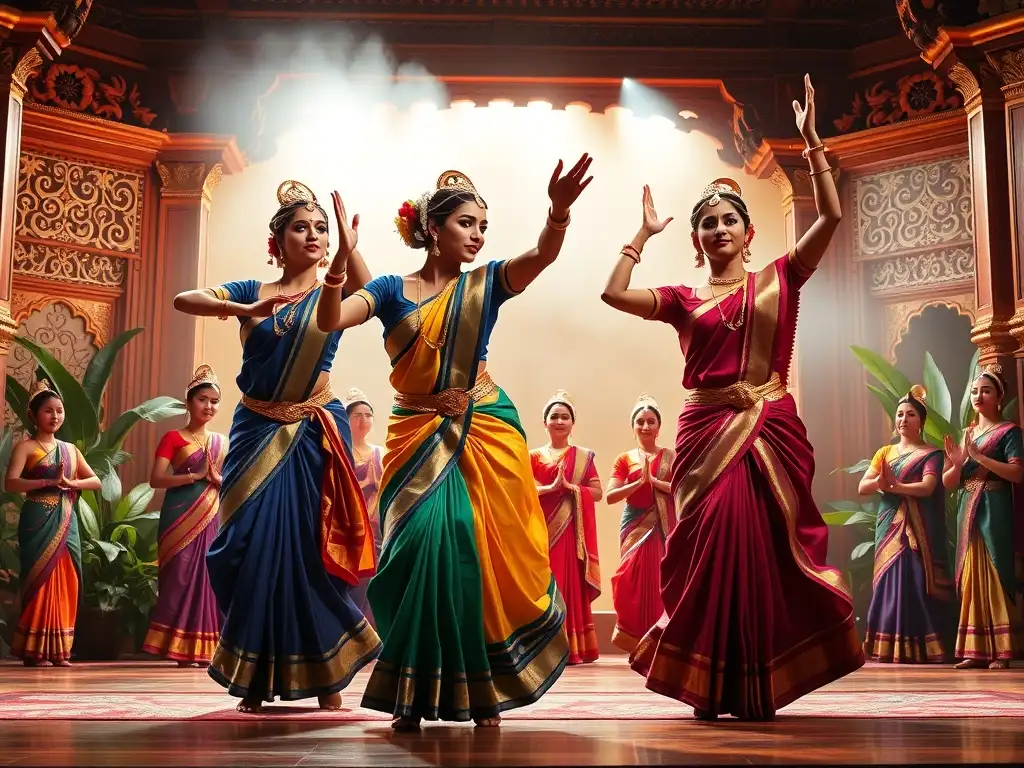
Bharatanatyam, one of the oldest classical dance forms of India, has undergone significant transformations as it spread to Southeast Asia. This evolution is characterized by the blending of Bharatanatyam with various local dance traditions, creating unique hybrid forms that reflect the cultural richness of the region. The interaction between Bharatanatyam and indigenous dance forms has led to a vibrant exchange of techniques, styles, and thematic elements, enriching the overall artistic landscape.
The fusion typically involves the incorporation of local music, costume styles, and storytelling methods. For instance, in countries like Malaysia and Indonesia, Bharatanatyam has merged with traditional dances such as Zapin and Balinese dance, resulting in performances that maintain the intricate footwork and expressive hand gestures of Bharatanatyam while adopting the narrative styles and rhythms of local traditions. This synthesis not only preserves the essence of Bharatanatyam but also celebrates the diversity of Southeast Asian cultures.
Blending Bharatanatyam with Southeast Asian Traditions
The blending of Bharatanatyam with Southeast Asian traditions is evident in the way these dance forms have adapted to local contexts. In Malaysia, for example, Bharatanatyam has been influenced by the rhythmic patterns of Malay dances, leading to performances that feature a distinctive blend of footwork and hand movements. The use of local instruments, such as the gamelan, has also enriched the musical accompaniment for Bharatanatyam performances, creating a unique auditory experience that resonates with local audiences.
In Indonesia, the influence of Bharatanatyam can be seen in the way traditional Balinese dance incorporates its expressive storytelling techniques. The narrative elements of Bharatanatyam, which often depict mythological stories and moral lessons, align well with the themes of Balinese performances, thus fostering a collaborative environment where both dance forms can thrive.
Examples of Hybrid Dance Forms
Several hybrid dance forms have emerged from the fusion of Bharatanatyam with local Southeast Asian traditions. One notable example is the "Bharata Natyam Bali," a style that combines the traditional aspects of Bharatanatyam with Balinese dance elements. This form showcases the intricate footwork and poses of Bharatanatyam alongside the fluid movements characteristic of Balinese dance.
Another example is the "Bharatanatyam Zapin," which integrates the fast-paced movements of Zapin dance with the graceful expressions of Bharatanatyam. This hybrid form often features a lively musical score that reflects the local cultural context, appealing to a broader audience while retaining the technical precision of Bharatanatyam.
The Impact of Cultural Synthesis on Dance
The cultural synthesis resulting from the fusion of Bharatanatyam with Southeast Asian dance forms has had profound implications for the dance community. This interaction has not only led to the creation of new dance styles but has also fostered a deeper appreciation for cross-cultural artistic expressions. Performers often find themselves at the intersection of multiple traditions, allowing for innovative choreography that resonates with diverse audiences.
Additionally, this synthesis has encouraged the sharing of knowledge and techniques among dancers from different backgrounds, promoting collaboration and experimentation in performances. The outcome is a dynamic dance culture that honors its roots while embracing modern influences. This adaptability ensures that Bharatanatyam remains relevant and continues to evolve alongside other art forms.
Preservation and Promotion of Bharatanatyam in Southeast Asia
The preservation and promotion of Bharatanatyam in Southeast Asia have been vital to maintaining its integrity while allowing it to flourish in new environments. Various institutions and cultural organizations play a key role in this process, facilitating education, performance opportunities, and cultural exchange.
Institutions and Schools Teaching Bharatanatyam
Numerous institutions and schools across Southeast Asia are dedicated to teaching Bharatanatyam, ensuring that the dance form is passed down to future generations. These institutions often employ experienced instructors from India and local artists who have mastered the dance. They offer structured programs that cover the technical aspects of Bharatanatyam, including footwork, hand gestures, and facial expressions, while also delving into the historical and cultural significance of the art form.
For example, the "Shri Ramakrishna Bharatanatyam Academy" in Malaysia provides comprehensive training in Bharatanatyam and organizes performances that showcase students' talents. Similarly, the "Indonesian Institute of Bharatanatyam" promotes workshops and cultural exchanges to enhance understanding and appreciation of this classical dance form.
Festivals Celebrating Bharatanatyam
Festivals dedicated to Bharatanatyam serve as platforms for showcasing the dance form and celebrating its cultural heritage. Events such as the "International Bharatanatyam Festival" in Malaysia attract performers and audiences from around the world, fostering a sense of community and shared cultural identity. These festivals often feature performances, workshops, and discussions, allowing practitioners to connect and share experiences.
In Indonesia, festivals celebrating Indian culture frequently include Bharatanatyam performances, highlighting its significance within the broader tapestry of Southeast Asian performing arts. Such events not only promote Bharatanatyam but also encourage intercultural dialogue and appreciation.
Contemporary Performers and Their Contributions
Contemporary performers play a crucial role in the ongoing evolution and promotion of Bharatanatyam in Southeast Asia. Many artists are blending traditional Bharatanatyam with modern influences, creating innovative choreographies that resonate with younger audiences. These performers often experiment with themes, narratives, and presentation styles, making Bharatanatyam more accessible and relevant in today's cultural landscape.
Notable contemporary artists, such as "Rani Sari," have gained recognition for their unique interpretations of Bharatanatyam, combining it with elements of contemporary dance and local cultural themes. Their contributions not only enrich the dance form but also inspire a new generation of dancers to explore and innovate within the framework of Bharatanatyam, ensuring its continued relevance in Southeast Asia.
Conclusion
The journey of Bharatanatyam from its roots in ancient India to Southeast Asia showcases the intricate tapestry of cultural exchange that has shaped the region's artistic landscape. This dance form, which evolved over centuries, has not only retained its traditional essence but has also adapted to local contexts, enriching the cultural identities of the communities it has touched. As Bharatanatyam continues to thrive and evolve in Southeast Asia, it serves as a testament to the enduring power of art as a medium for connection, expression, and cultural dialogue.
The Enduring Legacy of Bharatanatyam in Southeast Asia
Bharatanatyam's influence in Southeast Asia is profound, as it has transcended geographical boundaries to become a significant part of the cultural fabric in countries such as Malaysia, Singapore, and Indonesia. The dance form has been embraced by local artists, who have infused it with regional nuances while preserving its traditional techniques. The establishment of dance schools and cultural festivals dedicated to Bharatanatyam further underscores its importance in fostering cultural appreciation and artistic collaboration.
Moreover, Bharatanatyam performances often serve as a bridge between generations, allowing older practitioners to share their knowledge with younger dancers. This continuity ensures that the dance form remains vibrant and relevant, reflecting the evolving dynamics of cultural identity in Southeast Asia. Through workshops, performances, and collaborations, Bharatanatyam continues to inspire a new generation of artists who seek to explore their cultural heritage while innovating within the dance form.
Bharatanatyam's Role in Cultural Identity
Bharatanatyam plays a crucial role in shaping cultural identity among Southeast Asian communities, particularly among the Indian diaspora. For many, engaging with Bharatanatyam is not merely an artistic pursuit; it is a means of connecting with their roots and preserving their heritage in a foreign land. The dance form encapsulates stories, histories, and spiritual beliefs, allowing practitioners to express their cultural narratives through movement and music.
In nations like Malaysia and Singapore, where Indian communities are significant, Bharatanatyam is often featured in cultural events and festivals, reinforcing a sense of belonging and pride. This dance form has become a symbol of cultural resilience, as it thrives amidst the diverse influences that characterize Southeast Asia. As individuals partake in Bharatanatyam, they not only honor their ancestral traditions but also contribute to the broader multicultural narrative of their societies.
Future Prospects for Bharatanatyam Dance History in Southeast Asia
The future of Bharatanatyam in Southeast Asia appears promising, as the dance form continues to attract interest from both artists and audiences. With the rise of globalization and digital platforms, Bharatanatyam has the potential to reach wider audiences, transcending geographical limitations. Online tutorials, virtual performances, and social media engagement are enabling new forms of interaction and appreciation for this traditional art.
Furthermore, collaborations between Southeast Asian artists and Indian dance practitioners are likely to flourish, leading to innovative fusions that respect both traditions while creating new expressions. Educational institutions and cultural organizations are also increasingly recognizing the importance of Bharatanatyam in promoting cross-cultural understanding, further solidifying its role in the arts.
As the world evolves, so too will Bharatanatyam, adapting to contemporary themes and narratives while remaining deeply rooted in its historical significance. The dance form's resilience and ability to evolve suggest that it will continue to be a vital part of the cultural landscape in Southeast Asia for generations to come.
- Introduction to Bharatanatyam Dance History
- Historical Context of Bharatanatyam
- The Cultural Exchange Between India and Southeast Asia
- The Spread of Bharatanatyam to Southeast Asia
- The Fusion of Bharatanatyam with Local Dance Forms
- Preservation and Promotion of Bharatanatyam in Southeast Asia
- Conclusion
Frequently Asked Questions
What is the origin of Bharatanatyam dance?
Bharatanatyam originated in Tamil Nadu, India, and is one of the oldest classical dance forms. It traditionally served as a temple dance performed by Devadasis.
How did Bharatanatyam influence Southeast Asian dance?
Bharatanatyam's influence in Southeast Asia is evident through the migration of Indian culture during ancient trade routes, leading to the incorporation of its elements into local dance forms.
What are the key characteristics of Bharatanatyam?
Bharatanatyam is known for its expressive storytelling, intricate footwork, and vivid facial expressions. It combines music, drama, and dance to convey spiritual themes.
How did colonialism affect Bharatanatyam?
During colonial rule, Bharatanatyam was suppressed but later revived in the 20th century, transforming it into a respected art form and global phenomenon.
Why is Bharatanatyam significant in Indian culture?
Bharatanatyam represents the rich cultural heritage of India and showcases its spiritual and artistic values, making it a vital part of the nation's identity.
Final Reflection: The Enduring Legacy of Bharatanatyam in Southeast Asia
The journey of Bharatanatyam from its roots in India to the vibrant cultural tapestry of Southeast Asia underscores the profound impact of artistic expression on global interconnectedness. Today, as we witness a resurgence of interest in traditional art forms, it becomes increasingly clear that Bharatanatyam is not merely a dance; it is a living testament to the shared histories and cultural exchanges that shape our world. This dance form, steeped in centuries of tradition, continues to resonate with audiences and performers alike, reminding us of the power of art to transcend borders and foster understanding.
Cultural exchanges have always played a pivotal role in shaping identities, and the influence of Bharatanatyam in Southeast Asia is a prime example of this dynamic interplay. The dance form has not only enriched the artistic landscape of the region but has also fostered a deeper appreciation for Indian heritage among diverse communities. As noted by renowned dance scholar Dr. Ananda K. Coomaraswamy, Art is the most beautiful of all lies; it is the truth that we can see.
This sentiment encapsulates the essence of Bharatanatyam, as it bridges the past and present, inviting us to explore the narratives that connect us all.
As we reflect on the legacy of Bharatanatyam and its journey across cultures, I invite you to consider how art can inspire personal growth and community connection in your own life. Embrace the stories that dance tells, and let them guide you in your pursuit of understanding and appreciation for the diverse cultural expressions that enrich our global society. By engaging with these traditions, we not only honor their history but also contribute to a future where art continues to unite and inspire.
Unleash the Rhythm: Dive Deeper into Bharatanatyam!
Thank you for taking the time to explore the captivating journey of Bharatanatyam and its rich legacy in Southeast Asia. We hope this article has illuminated the intricacies of this beautiful dance form and its profound cultural significance. Now, it's time to take action and deepen your connection with this vibrant tradition!
Here are some steps you can take:
- Immerse Yourself in Practice: Consider joining a local dance class or workshop to experience Bharatanatyam firsthand. This is a wonderful opportunity to grasp its techniques, rhythm, and storytelling elements.
- Explore Cultural Festivals: Attend a cultural festival or performance celebrating Indian dance in your area. Engaging with the art in a community setting fosters appreciation and enjoyment.
- Share the Journey: Spread the word about what you've learned! Share this article with friends and family, or discuss the beauty of Bharatanatyam on social media. Your voice can ignite interest in this remarkable art form.
As you reflect on your discoveries about Bharatanatyam, we’d love to hear your thoughts: What aspect of Bharatanatyam resonates with you the most, and how do you plan to explore it further?