
The Intricate Weave: How Ancient Indian Art Reflected Cultural Syncretism

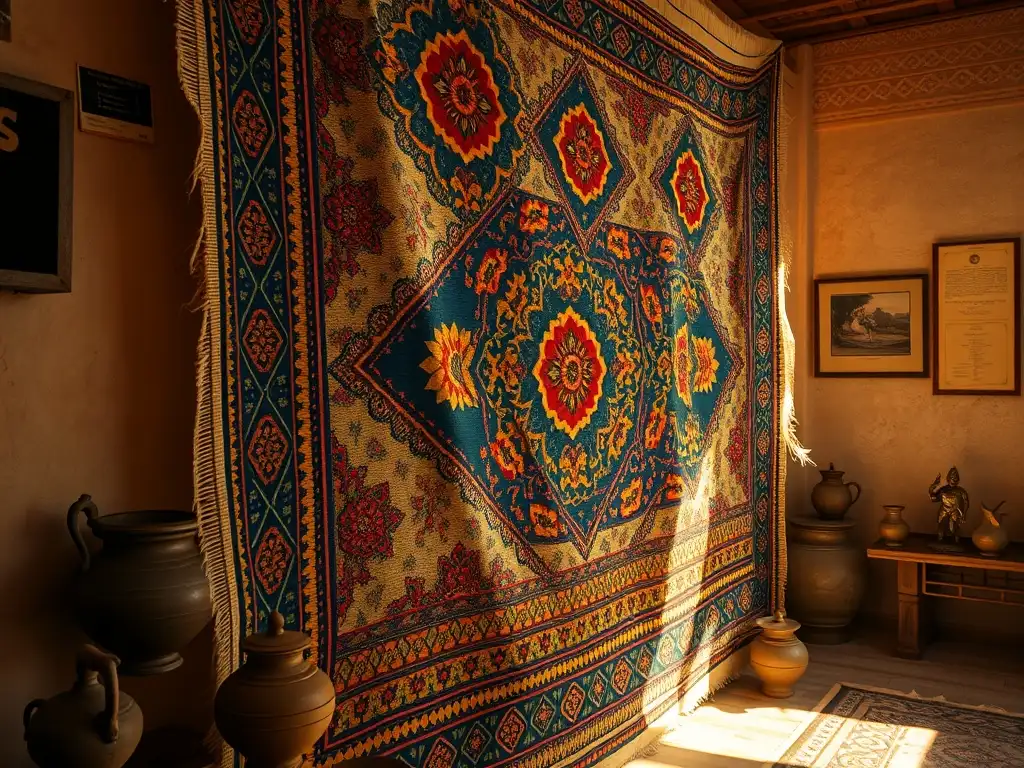
Welcome to Ancient India History, where we embark on a mesmerizing journey through the vibrant tapestry of ancient Indian art and culture. Discover how the intricate patterns and vivid expressions of art not only captivated hearts but also mirrored the rich cultural syncretism of its time. As you delve into our featured article, "The Intricate Weave: How Ancient Indian Art Reflected Cultural Syncretism," you'll uncover the fascinating intersections of diverse traditions that shaped one of the world's most profound civilizations. Get ready to explore the depths of history that continue to inspire and intrigue!
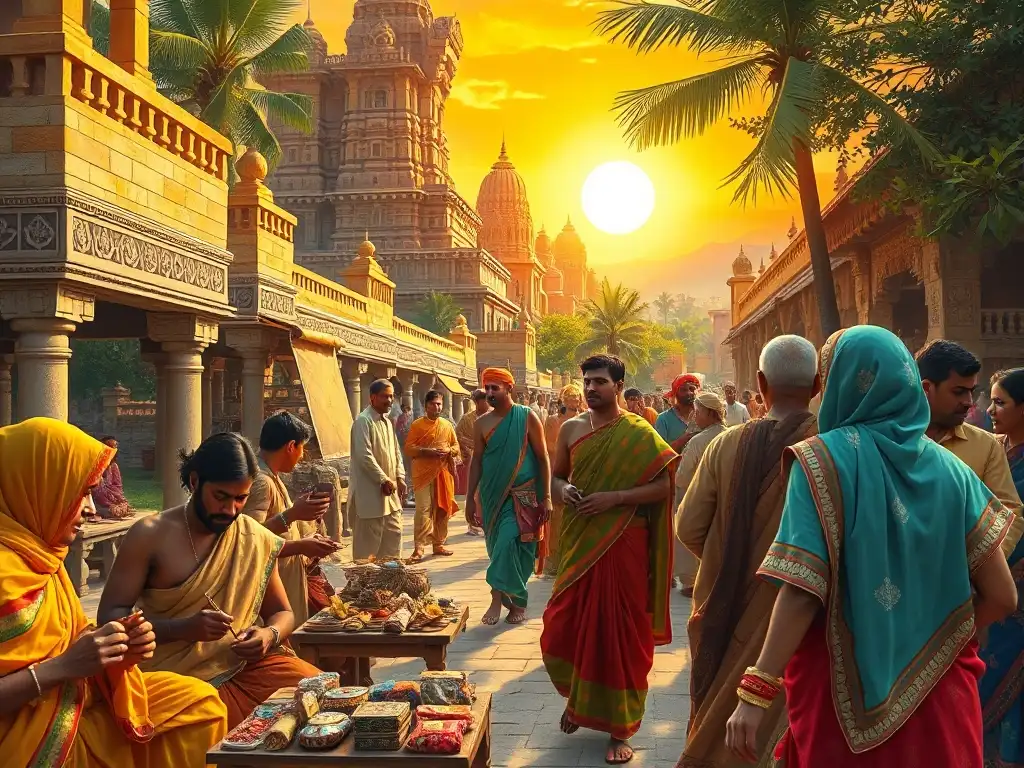
Introduction to Ancient Indian Art and Culture
The vast tapestry of ancient Indian art and culture is a testament to the profound and intricate exchanges that have shaped the subcontinent over millennia. From the sophisticated urban planning of the Indus Valley Civilization to the intricate sculptures of the Gupta Empire, ancient Indian art serves as a mirror reflecting the diverse cultural influences and syncretism that enriched its narratives.
This article delves deep into the essence of ancient Indian art, exploring how it embodies the spirit of cultural amalgamation and the various dynamics that contributed to its evolution. Understanding these elements not only enhances our appreciation of ancient Indian art but also provides insights into the broader cultural interactions that defined the region.
Overview of Ancient Indian Art
Ancient Indian art encompasses a wide range of forms and expressions, including architecture, sculpture, painting, and textiles. It is characterized by its diversity, with styles varying significantly across regions and time periods. Key periods, such as the Maurya, Gupta, and Mughal empires, witnessed remarkable advancements in artistic techniques and thematic explorations.
- Key Characteristics of Ancient Indian Art:
- Symbolism: Many artworks convey spiritual and philosophical themes, often drawing from Hinduism, Buddhism, and Jainism.
- Naturalism: There is a notable progression towards realism, especially in sculptures and paintings during the Gupta period.
- Regional Diversity: Styles such as the Dravidian and Indo-Saracenic architecture showcase the rich regional variations influenced by local customs and beliefs.
Ancient Indian art is thus not merely an aesthetic pursuit; it is an expression of the society’s values, beliefs, and interactions with other cultures.
Significance of Cultural Syncretism in Ancient India
Cultural syncretism in ancient India played a significant role in shaping its art and culture. This phenomenon can be observed through the blending of different religious, philosophical, and artistic traditions.
- Factors Contributing to Syncretism:
- Trade Routes: The Silk Road and maritime trade routes facilitated not only the exchange of goods but also ideas and artistic styles.
- Conquests and Migrations: Various invasions and migrations led to the fusion of traditions, as seen during the Indo-Greek and later Mughal periods.
- Religious Interactions: The coexistence of multiple religions such as Hinduism, Buddhism, and Jainism fostered a rich dialogue that influenced artistic expressions.
The significance of cultural syncretism lies in its ability to create a dynamic and evolving art form that reflects the complexities of human interaction across different cultures.
Historical Context of Ancient Indian Art
To understand ancient Indian art fully, it is essential to explore the historical contexts in which it developed. The evolution of art in this region is deeply intertwined with its social, political, and religious landscapes.
The Evolution of Art in Ancient Indian Civilizations
The journey of ancient Indian art can be traced back to prehistoric times, evolving through different civilizations and empires.
- Indus Valley Civilization (c. 3300–1300 BCE): Known for its urban planning and intricate seals, the art of this era laid the groundwork for future artistic traditions.
- Maurya Period (c. 322–185 BCE): Characterized by monumental sculptures and the introduction of the Ashoka Pillars, this period signifies the emergence of a national artistic identity.
- Gupta Empire (c. 240–550 CE): Often referred to as the Golden Age of India, this era saw the flourishing of classical art, with exquisite temple architecture and detailed sculptures reflecting religious themes.
Each phase in this evolution was marked by significant artistic advancements, influenced by contemporary socio-political conditions and cross-cultural exchanges.
Major Influences on Ancient Indian Culture and Art Forms
The rich tapestry of ancient Indian culture was woven from various influences that shaped its art forms.
- Religious Influences: The rise of Buddhism and Jainism introduced new iconography and themes that significantly impacted artistic representations.
- Foreign Influences: Hellenistic art, brought by the Indo-Greeks, introduced new styles and techniques that were integrated into local art forms.
- Regional Variations: Different regions contributed unique elements, such as the intricate carvings found in South Indian temples versus the Mughal miniatures from the North.
The interplay of these influences created a unique and diverse artistic heritage that is essential to understanding the depth and breadth of ancient Indian art and culture.
Key Features of Ancient Indian Art
Ancient Indian art is characterized by its diverse styles and intricate details that reflect the rich cultural heritage of the subcontinent. One of the most remarkable aspects is its symbolic representation, where every element serves a deeper meaning, often tied to spirituality and mythology. The art forms range from the sophisticated sculptures of the Indus Valley civilization to the ornate temple carvings of the Gupta period, showcasing a variety of techniques and aesthetics.
Another key feature is the use of vibrant colors and elaborate designs. Art from this era often employs natural pigments and intricate patterns, which not only enhance the visual appeal but also convey narratives that are steeped in cultural significance. Additionally, ancient Indian art frequently exhibits a profound connection to religion, with many artworks dedicated to deities and religious practices, serving as a means of devotion and cultural expression.
Symbolism and Themes in Ancient Indian Art
The symbolism found in ancient Indian art is deeply rooted in the spiritual and philosophical beliefs of the time. Common themes include the cycle of life, death, and rebirth, represented through motifs such as the lotus, which symbolizes purity and spiritual awakening. Furthermore, many artworks depict scenes from epics like the Mahabharata and Ramayana, illustrating moral values and ethical dilemmas that resonate with the society's ethos.
Another prevalent theme is the interrelation between nature and spirituality, where artists often portrayed landscapes, flora, and fauna imbued with spiritual significance. The essence of harmony between humans and nature is a recurring motif, reflecting the ancient Indian worldview that emphasizes balance and interconnectedness.
Materials and Techniques Used in Ancient Artworks
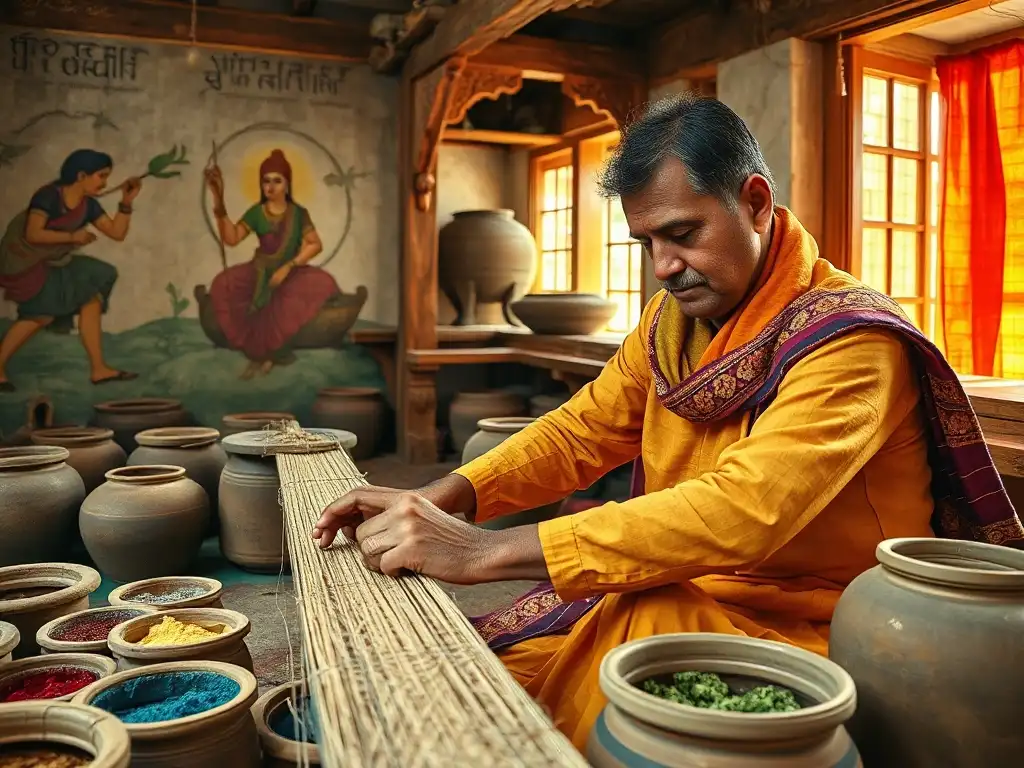
Ancient Indian artists utilized a variety of materials that were available in their environment, leading to distinctive techniques in their creations. Stone was a primary medium, particularly in the construction of temples and sculptures. Artists employed carving techniques that showcased their skill in depicting intricate details and lifelike forms in stone, as seen in the exquisite temples of Khajuraho.
In addition to stone, metalworking emerged as a significant art form, especially during the Maurya and Gupta periods. Techniques such as lost-wax casting were used to create bronze sculptures, which are celebrated for their elegance and expressiveness. Moreover, textiles played a crucial role, with traditional weaving techniques producing stunning fabrics adorned with intricate patterns and motifs that reflected the cultural syncretism of the time.
Cultural Syncretism in Ancient Indian Art
Cultural syncretism in ancient Indian art represents the amalgamation of various influences from different civilizations, resulting in unique artistic expressions. This phenomenon arose due to the subcontinent's historical position as a crossroads for trade and cultural exchanges. The interaction with diverse cultures, including Persian, Greek, and later Islamic influences, enriched the artistic landscape of ancient India, leading to a fusion of styles, themes, and techniques.
The Buddhist art of the Gandhara region is a prime example of cultural syncretism, where Hellenistic elements merged with traditional Indian motifs, creating a distinctive style that is recognized for its realistic portrayal of figures and deep emotional expression. This intermingling of cultures not only shaped the aesthetics of the artworks but also contributed to the broader philosophical and religious dialogues occurring in ancient India.
Interaction of Different Cultures in Ancient India
The interaction of different cultures in ancient India was facilitated by trade routes, conquests, and migrations, which played a pivotal role in the evolution of its art. For instance, the Silk Road not only allowed for the exchange of goods but also facilitated the sharing of artistic techniques and religious ideas. This led to the incorporation of foreign motifs and styles into local art forms, enriching the artistic heritage of the region.
Additionally, invasions and the establishment of various empires brought diverse influences. The Mauryan Empire saw the introduction of Persian and Greek artistic elements, which were adapted into local traditions. The spread of Buddhism and Jainism also contributed to cultural exchanges, as artists depicted religious narratives that resonated across different communities, fostering a shared cultural identity.
Examples of Syncretic Art Forms in Ancient India
Several notable examples of syncretic art forms in ancient India illustrate the blending of artistic traditions. The Ajanta and Ellora Caves, with their stunning frescoes and sculptures, showcase the integration of Buddhist, Hindu, and Jain artistic elements, reflecting the spiritual diversity of the time. The intricate carvings and paintings convey stories and teachings from multiple religious perspectives, embodying the essence of cultural syncretism.
Another significant example is the temple architecture of Khajuraho, where sculptures depict a harmonious blend of eroticism, spirituality, and everyday life, influenced by various regional styles. These temples not only serve religious purposes but also celebrate the human experience, highlighting the artistic freedom that emerged from cultural interactions.
Ancient Indian art is a testament to the rich tapestry of cultural influences that shaped its development, with each artwork reflecting the syncretic nature of society during that era.
Case Studies of Cultural Syncretism in Ancient Indian Art
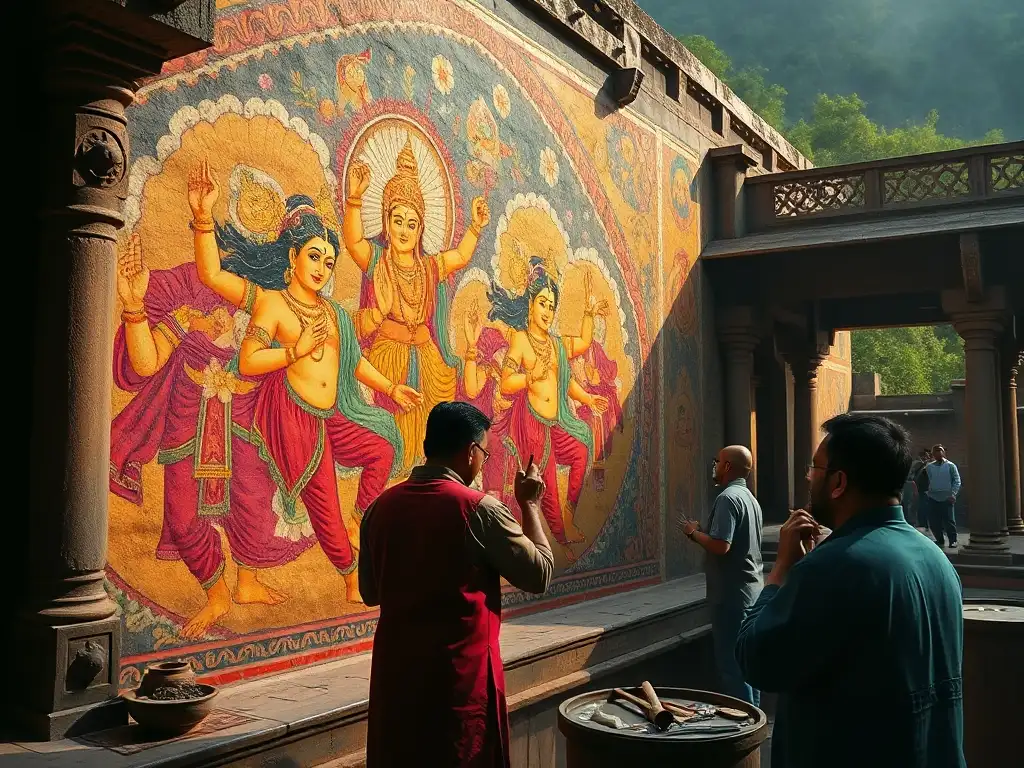
Ancient Indian art serves as a profound testament to the rich tapestry of cultural syncretism that evolved through centuries of interaction among diverse civilizations. These interactions were characterized by the blending of artistic styles and techniques, resulting in unique forms of expression that reflect the complexities of social, political, and religious landscapes. By examining specific case studies, we can explore how these cross-cultural exchanges shaped various artistic traditions within ancient India, thereby enriching its cultural heritage.
The Influence of Persian Art on Indian Miniatures
The Mughal Empire, which flourished in India from the 16th to the 19th centuries, marked a significant chapter in the history of ancient Indian art, particularly in the realm of miniatures. Persian art had a profound impact on the development of Indian miniatures, leading to a distinct style that combined the intricacies of Persian aesthetics with indigenous Indian themes.
Mughal miniatures often depicted court scenes, battles, and portraits, characterized by vibrant colors, detailed backgrounds, and meticulous attention to human expressions. The introduction of techniques such as the use of watercolors and gold leaf, which were prevalent in Persian art, transformed Indian miniature painting. Noteworthy artists such as Bichitr and Basawan blended Persian motifs with Indian subjects, creating masterpieces that encapsulated this cross-cultural dialogue.
This fusion not only enriched the visual language of Indian art but also facilitated the exchange of ideas and techniques between artists, further emphasizing the interconnectedness of cultures in ancient India.
Buddhist Art and its Cross-Cultural Exchanges
Buddhist art, emerging from the 3rd century BCE, is another prime example of cultural syncretism in ancient Indian art. As Buddhism spread across Asia, it absorbed and adapted various artistic influences, resulting in unique regional styles. The early aniconic representations of the Buddha were gradually replaced by figurative sculptures, influenced by the Hellenistic art of the Greeks and the indigenous artistic traditions of India.
Key sites such as the Ajanta and Ellora caves illustrate this syncretism, with their intricate carvings and frescoes depicting scenes from the Jataka tales and the life of Buddha. The adoption of architectural styles from different regions, such as the use of rock-cut architecture, further reflects the cross-cultural interactions that shaped Buddhist art.
Moreover, as Buddhism traveled to countries like China, Japan, and Southeast Asia, it continued to evolve, incorporating local artistic elements and religious symbols, thus demonstrating the dynamic nature of cultural exchanges across borders.
The Role of Religion in Shaping Ancient Indian Art and Culture
Religion played a pivotal role in the evolution of ancient Indian art and culture, influencing the themes, subjects, and techniques employed by artists. The interplay between religious beliefs and artistic expression fostered a rich environment where creativity could flourish, resulting in a diverse array of artistic traditions that resonated with the spiritual and philosophical tenets of the time.
Hindu, Buddhist, and Jain Contributions to Art
The contributions of Hinduism, Buddhism, and Jainism to ancient Indian art are significant and varied. Hindu art, with its vibrant depictions of deities, intricate temple architecture, and detailed sculptures, reflects the rich mythological narratives and philosophical concepts intrinsic to the religion. Temples such as those in Khajuraho and Hampi are adorned with exquisite carvings that illustrate religious stories and celebrate divine love.
Similarly, Buddhist art, as previously discussed, evolved through cross-cultural exchanges and was characterized by its emphasis on enlightenment and the teachings of Buddha. Jain art, known for its meticulous detail and emphasis on non-violence, showcases figures of Tirthankaras and intricate iconography, often found in temples like those at Ranakpur and Delwara.
These three religious traditions not only coexisted but also influenced one another, leading to a syncretic artistic expression that highlighted shared values and beliefs, ultimately enriching the cultural landscape of ancient India.
The Impact of Religious Diversity on Artistic Expression
The religious diversity of ancient India significantly impacted artistic expression, fostering an environment where different styles and traditions could coexist and interact. The presence of multiple faiths led to a vibrant cultural milieu, where artists drew inspiration from various sources, resulting in innovative forms of artistic expression.
For instance, during the period of the Gupta Empire (approximately 320 to 550 CE), a synthesis of Hindu, Buddhist, and Jain artistic elements emerged, exemplified in the art of the period. The Gupta sculptures, known for their grace and proportion, often integrated themes from all three religions, highlighting the prevailing spirit of tolerance and coexistence.
Additionally, the patronage of art by rulers of diverse religious backgrounds encouraged artists to create works that transcended sectarian boundaries. This dynamic interchange not only fostered a rich artistic legacy but also facilitated the exchange of ideas and philosophies, contributing to the overall cultural syncretism that defines ancient Indian art and culture today.
Preservation and Legacy of Ancient Indian Art
The preservation and legacy of ancient Indian art are paramount in understanding the historical narrative of the subcontinent. Over centuries, various forms of artistic expression, from intricate sculptures to vibrant frescoes, have survived the ravages of time, showcasing the rich cultural tapestry of ancient India. Temples such as those at Khajuraho and Ajanta provide invaluable insights into the artistic techniques and spiritual beliefs of the time. By meticulously documenting these artworks, scholars and archaeologists have ensured that future generations can appreciate the aesthetic and philosophical underpinnings of ancient Indian society.
The legacy of ancient Indian art extends beyond mere preservation; it has also influenced various art movements and practices across the globe. The motifs, styles, and techniques seen in ancient Indian art have inspired artists and craftsmen, leading to a fusion of ideas that resonate in contemporary artistic expressions.
Art schools in India, such as those in Rajasthan and Bengal, continue to draw inspiration from these ancient traditions, thus keeping the essence of this legacy alive. Furthermore, modern technologies like digitization and virtual reality are now being employed to recreate and disseminate ancient artworks, making them accessible to a wider audience and ensuring their relevance in today’s cultural landscape.
Influence of Ancient Art on Modern Indian Culture
Ancient Indian art has left an indelible mark on modern Indian culture, influencing everything from architecture to fashion. The motifs and designs seen in ancient sculptures and paintings echo in contemporary art forms, bridging the gap between past and present. For instance, the intricate patterns of Mughal art can be seen in modern textile designs, while the vibrant colors of traditional Indian paintings influence contemporary artists. This artistic lineage fosters a sense of identity and continuity among modern Indians, connecting them with their rich heritage.
Moreover, festivals and rituals in modern India often incorporate elements of ancient art. For example, the practice of creating rangoli, intricate designs made with colored powders, draws inspiration from ancient decorative arts. Similarly, traditional dance forms, such as Bharatanatyam and Kathak, continue to reflect themes and narratives found in ancient sculptures and paintings, demonstrating the ongoing dialogue between ancient and modern expressions. This synthesis of old and new not only enriches contemporary culture but also reinforces the significance of ancient Indian art as a foundation for future creativity.
The Importance of Art in Understanding Ancient Indian Society
Art serves as a crucial lens through which we can understand the complexities of ancient Indian society. It provides insights into the values, beliefs, and daily lives of people from various historical periods. For instance, the depictions of gods and goddesses in sculptures and paintings reveal the spiritual and religious dimensions that shaped societal norms and practices. Additionally, the themes portrayed in ancient art often reflect the socio-political climate of the time, offering clues about governance, social hierarchies, and cultural exchanges.
Furthermore, art can reflect the syncretism that characterized ancient Indian society. The amalgamation of different cultural influences, seen in the fusion of indigenous and foreign artistic styles, illustrates how ancient Indians interacted with various cultures through trade, conquest, and migration. This exchange is exemplified in the art of the Indo-Greek period, where Hellenistic motifs merged with local traditions, resulting in unique artistic expressions. Understanding these dynamics through art allows historians and researchers to piece together a more comprehensive picture of ancient Indian civilization.
Conclusion: The Enduring Impact of Ancient Indian Art and Culture
The enduring impact of ancient Indian art and culture is evident in various facets of contemporary life. From architectural styles to visual arts, the influence of ancient traditions continues to resonate, shaping the cultural landscape of modern India. The preservation of ancient artworks not only enriches our understanding of the past but also serves as a source of inspiration for future generations of artists and scholars. By valuing and studying ancient art, we can foster a deeper appreciation for the cultural syncretism that characterizes Indian civilization.
Reflections on Cultural Syncretism in the Contemporary World
In the contemporary world, the concept of cultural syncretism, as reflected in ancient Indian art, remains relevant as societies navigate globalization and cultural exchange. The blending of diverse cultural elements can be seen in various art forms, music, and even culinary practices. This ongoing fusion echoes the historical interactions that have shaped civilizations throughout history. By embracing these syncretic practices, modern societies can foster inclusivity and understanding, drawing from the rich tapestry of influences that define their cultural identity.
Final Thoughts on the Importance of Ancient Indian Art in Cultural Studies
Ancient Indian art holds a pivotal place in cultural studies, serving as a testament to the creativity and resilience of human expression. Its significance extends beyond aesthetic appreciation; it is a vital tool for understanding the historical, social, and cultural dynamics of ancient India. As we delve into the intricacies of ancient Indian art, we uncover stories of cultural exchange, innovation, and identity that continue to resonate today. Recognizing the importance of these artistic legacies enriches our comprehension of cultural history and encourages a more profound engagement with the arts in both a historical and contemporary context.
- Introduction to Ancient Indian Art and Culture
- Historical Context of Ancient Indian Art
- Key Features of Ancient Indian Art
- Symbolism and Themes in Ancient Indian Art
- Materials and Techniques Used in Ancient Artworks
- Cultural Syncretism in Ancient Indian Art
- Interaction of Different Cultures in Ancient India
- Examples of Syncretic Art Forms in Ancient India
- Case Studies of Cultural Syncretism in Ancient Indian Art
- The Role of Religion in Shaping Ancient Indian Art and Culture
- Preservation and Legacy of Ancient Indian Art
- Conclusion: The Enduring Impact of Ancient Indian Art and Culture
Frequently Asked Questions
What is cultural syncretism in ancient Indian art?
Cultural syncretism in ancient Indian art refers to the blending of diverse cultural influences and styles, resulting in unique artistic expressions that reflect the rich tapestry of India's history.
How did the Indus Valley civilization contribute to ancient Indian art?
The Indus Valley civilization is known for its advanced urban planning and craftsmanship, showcasing intricate pottery, seals, and sculptures that laid the foundation for later artistic traditions in ancient Indian culture.
What were some key features of Gupta Empire art?
The Gupta Empire is celebrated for its golden age of art, characterized by sculptures, frescoes, and temple architecture that emphasized religious themes and refined aesthetics, influencing subsequent artistic movements.
How does ancient Indian art reflect religious beliefs?
Ancient Indian art often embodies spiritual significance, with many pieces designed to depict deities, mythological stories, and symbolic motifs, illustrating the deep interconnection between art and religion in Indian culture.
Why is the study of ancient Indian art important today?
Studying ancient Indian art allows us to understand the cultural exchanges and historical developments that shaped modern India, providing insight into how art reflects societal values and beliefs throughout time.
Final Reflection: Embracing the Tapestry of Ancient Indian Art and Culture
The intricate weave of ancient Indian art and culture serves as a profound reminder of our shared humanity and the beauty of cultural syncretism. In a world that often seems divided, the rich tapestry of influences found in ancient Indian art—where diverse traditions and beliefs coalesce—reminds us that creativity knows no boundaries. This art form not only reflects the historical interactions between various cultures but also highlights the enduring relevance of these connections in our contemporary society.
The influence of ancient Indian art continues to resonate deeply within our cultural and social landscapes. From the intricate designs of temple carvings to the vibrant colors of traditional textiles, these artistic expressions tell stories of unity and diversity that are as pertinent today as they were centuries ago. As we navigate our increasingly globalized world, we are reminded of the words of the renowned artist Anish Kapoor: Art is a way of understanding the world, a way of connecting with others.
This connection is vital in fostering empathy and appreciation for the myriad cultures that enrich our lives.
As we reflect on the lessons embedded in ancient Indian art and culture, let us embrace the call to action: to celebrate and nurture the diversity around us. Take a moment to explore the art forms that inspire you, engage with different cultures, and recognize the threads that bind us together. By doing so, we not only honor the legacy of our ancestors but also contribute to a more harmonious and interconnected future. Let the intricate weave of our shared heritage inspire you to create, connect, and cultivate understanding in your own life.
Unveil the Rich Tapestry of Cultural Syncretism!
Thank you for exploring the fascinating world of ancient Indian art with us! By delving into this article, you’ve gained insights into how cultural syncretism beautifully influenced artistic expressions throughout history. Now, it's your turn to engage with this vibrant legacy!
Here are a few actionable steps you can take right now:
- Dive deeper: Visit local galleries or museums showcasing Indian art and explore the stories behind each piece.
- Share your thoughts: Discuss what you've learned with friends or online communities to ignite conversation about cultural influences in art and history.
- Create your own art: Inspired by ancient techniques, try crafting a piece that reflects your personal cultural influences. Document your journey and share it with us!
What aspects of cultural syncretism in art resonate with you most, and how can you incorporate those ideas into your creative expressions?