
The Role of Indian Literature in Shaping Southeast Asian Folklore

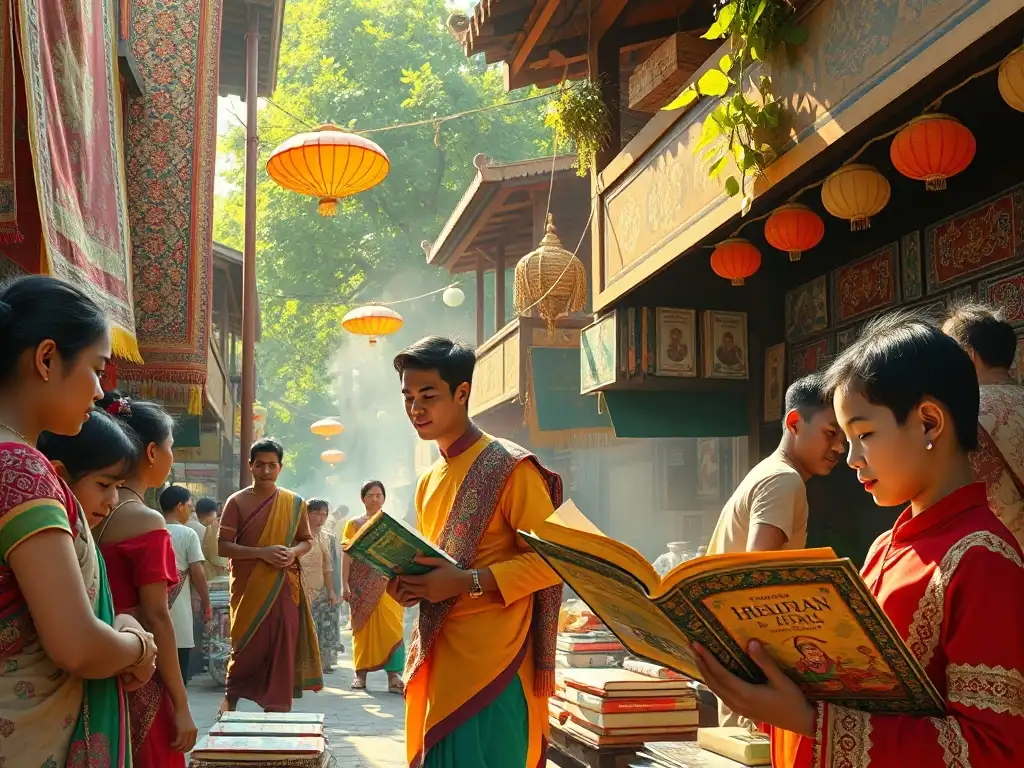
Welcome to Ancient India History, where we embark on a fascinating journey through time to uncover the rich tapestry of ancient Indian civilizations. From the enigmatic Indus Valley to the illustrious Gupta Empire, this platform delves deep into the cultural exchanges that have shaped not only India but also its far-reaching influence. In this article, we explore the compelling theme of "Indian literature influence Southeast Asia" and unveil how the stories and epics of India have woven themselves into the folklore of Southeast Asia.
Prepare to be captivated as we reveal the profound connections that transcend borders and time. Join us as we dive into this remarkable exploration!
Introduction to Indian Literature's Influence on Southeast Asia
Indian literature has played a pivotal role in shaping the cultural and literary landscape of Southeast Asia, transcending geographical boundaries and influencing various aspects of local folklore, mythology, and storytelling traditions. The rich tapestry of narratives, poetics, and philosophical discourses found in Indian texts has not only enriched the literary heritage of Southeast Asian nations but has also facilitated a profound exchange of ideas and cultural practices.
This article delves into the ways in which Indian literature has influenced the folklore of Southeast Asia, exploring key historical interactions, the dissemination of texts, and the resulting syncretic traditions that emerged across the region.
The influence of Indian literature is evident in the epic narratives, fables, and moral tales integrated into Southeast Asian cultures. By examining these literary connections, we can better understand the depth of cultural exchanges that have shaped the identities and narratives of Southeast Asian societies. From the Ramayana to the Mahabharata, the stories and characters have found resonance in local lore, underscoring the enduring legacy of Indian literary traditions.
Historical Context of Cultural Exchange
Understanding the influence of Indian literature on Southeast Asian folklore requires a comprehensive look at the historical context in which these cultural exchanges occurred. The interaction between the Indian subcontinent and Southeast Asia can be traced back to ancient times, facilitated by trade routes, maritime connections, and the movement of people.
Early Interactions Between India and Southeast Asia
The early interactions between India and Southeast Asia were pivotal in laying the groundwork for cultural exchange. Beginning around the 1st century CE, Indian traders and travelers ventured into Southeast Asia, bringing with them not only goods but also cultural and religious ideas. The establishment of Indianized kingdoms, such as Funan and Srivijaya, served as a conduit for the transmission of Indian literature and its associated cultural practices.
These exchanges were not one-sided; Southeast Asian societies also contributed to this cultural dialogue by adapting and integrating Indian literary elements into their own storytelling traditions. This mutual influence helped to create a rich mosaic of folklore that reflected both Indian and local themes, characters, and morals.
The Role of Indian Kingdoms in Southeast Asia
The presence of Indian kingdoms in Southeast Asia significantly impacted the region's cultural landscape. Indian rulers, scholars, and artists settled in various parts of Southeast Asia, establishing centers of learning and promoting the study of Indian literature. The Buddhist and Hindu traditions, along with their associated texts, became integral to the spiritual and cultural fabric of Southeast Asian societies.
In many cases, local adaptations of Indian epics resulted in unique interpretations that resonated with local populations. For instance, the Ramayana has been retold in various Southeast Asian cultures, including the Javanese, Thai, and Malay traditions, each infusing their distinct cultural elements into the narratives. These adaptations not only preserved the essence of the original texts but also illustrated the dynamic interplay of cultures that characterized the historical relationship between India and Southeast Asia.
By exploring these intricate connections, we can appreciate the profound impact Indian literature has had on the development of Southeast Asian folklore and the broader implications for cultural exchange across regions.
Key Elements of Indian Literature
Indian literature is a vast tapestry woven with diverse narratives, themes, and styles that have significantly influenced various cultures, especially in Southeast Asia. One of the most defining characteristics of Indian literature is its rich oral tradition, where stories were passed down through generations, fostering a collective cultural memory. This oral heritage laid the groundwork for written texts, including epics and religious scriptures.
Another key element is the spiritual and philosophical depth found in works such as the Vedas, Upanishads, and the epics of the Mahabharata and Ramayana. These texts explore profound questions about existence, morality, and the human condition, which resonate with audiences beyond India. The use of allegory and symbolism in Indian literature serves to convey complex ideas in accessible forms, allowing for cross-cultural engagement.
Furthermore, poetic forms such as kavya and shlokas emphasize rhythm and meter, influencing literary styles in Southeast Asia. The incorporation of mythology, folklore, and regional narratives showcases the adaptability of Indian literary motifs, allowing them to flourish and evolve in new cultural landscapes.
Major Literary Works That Influenced Southeast Asia
Several literary masterpieces from India have had a profound impact on the folklore of Southeast Asia. The epic Ramayana, attributed to the sage Valmiki, has been a cornerstone of cultural exchange. Adaptations of the Ramayana can be found in various Southeast Asian countries, including Indonesia, Thailand, and Malaysia, where local versions like the Kakawin Ramayana and Ramakien have emerged, often integrating local customs and narratives.
The Mahabharata, another epic, has similarly influenced Southeast Asian literature with its themes of dharma (duty) and morality. Its characters and stories have been reinterpreted in local contexts, contributing to the rich tapestry of regional folklore.
Moreover, Puranic texts and Sanskrit dramas have also permeated Southeast Asian cultures, providing narratives that reflect local values and societal structures. The use of the Buddhist Jataka tales, which originated from Indian literature, has been significant in spreading moral lessons across Buddhist communities in Southeast Asia.
Themes and Motifs Common in Indian and Southeast Asian Folklore
The thematic overlap between Indian and Southeast Asian folklore is notable, reflecting shared cultural and spiritual beliefs. One prevalent theme is the heroic journey, often depicted through characters who embark on quests that test their strength, morality, and resilience. This motif is vividly illustrated in both the Ramayana and local folktales, where protagonists face trials that lead to personal growth and enlightenment.
Another significant theme is the interplay of good and evil, frequently represented through the dichotomy of divine figures and demons. This can be seen in the narratives of the Asuras and Devas in Indian texts, which find parallels in Southeast Asian mythology, emphasizing the universal struggle between light and darkness.
Additionally, the motif of nature and its personification is common, where rivers, mountains, and forests are imbued with spiritual significance. This reverence for nature is a shared cultural trait that transcends geographical boundaries, reinforcing the connection between the two literary traditions.
The Process of Adaptation and Integration
The integration of Indian literature into Southeast Asian folklore is a complex process shaped by historical trade routes, migration, and cultural exchanges. The Indian influence can be traced back to the early centuries CE when Indian traders and scholars traveled to Southeast Asia, bringing with them literary texts, religious beliefs, and artistic practices.
As Indian literature was introduced, it underwent significant adaptation to align with local cultures. This process often involved the localization of stories, where Indian narratives were modified to reflect regional values, languages, and customs. For instance, while the core story of the Ramayana remains intact, the characters and settings may be adjusted to resonate with local audiences, creating a unique blend of Indian and Southeast Asian elements.
How Indian Literature Was Assimilated into Southeast Asian Folklore
The assimilation of Indian literature into Southeast Asian folklore was facilitated by several factors, including the establishment of Buddhism and Hinduism as dominant religions in the region. This religious framework provided a common ground for the acceptance of Indian literary themes and narratives, which were often used to convey moral and spiritual lessons.
Furthermore, the royalty and nobility in Southeast Asia played a crucial role in promoting Indian literature. Rulers often commissioned translations and adaptations of Indian texts, integrating them into their courts' cultural practices. This patronage not only preserved Indian narratives but also encouraged local authors to create works inspired by Indian traditions.
The performative arts, such as dance and theater, also contributed to this integration. Traditional forms like wayang kulit in Indonesia and Khon in Thailand often draw upon Indian epics, incorporating them into local storytelling practices, thereby reinforcing their cultural significance.
Influence on Language and Literary Styles
The influence of Indian literature extends to the languages and literary styles of Southeast Asia. Sanskrit, as the ancient language of Indian texts, left an indelible mark on local languages, resulting in a plethora of loanwords and phrases that enriched Southeast Asian vernaculars. For instance, languages such as Malay, Thai, and Khmer exhibit significant Sanskrit influence in vocabulary related to religion, governance, and culture.
Moreover, the poetic forms and literary techniques found in Indian literature have inspired Southeast Asian writers to adopt and innovate upon these styles. The use of metaphor, alliteration, and rhyme found in Indian poetry is mirrored in Southeast Asian literary traditions, leading to the development of unique literary expressions that blend indigenous and Indian influences.
The storytelling techniques, including the use of frame narratives and dialogue, have also been assimilated, shaping the narrative structures in Southeast Asian folklore. This intermingling of styles not only highlights the influence of Indian literature but also showcases the creative agency of Southeast Asian cultures in adapting and transforming these literary traditions.
Case Studies of Indian Literature’s Influence
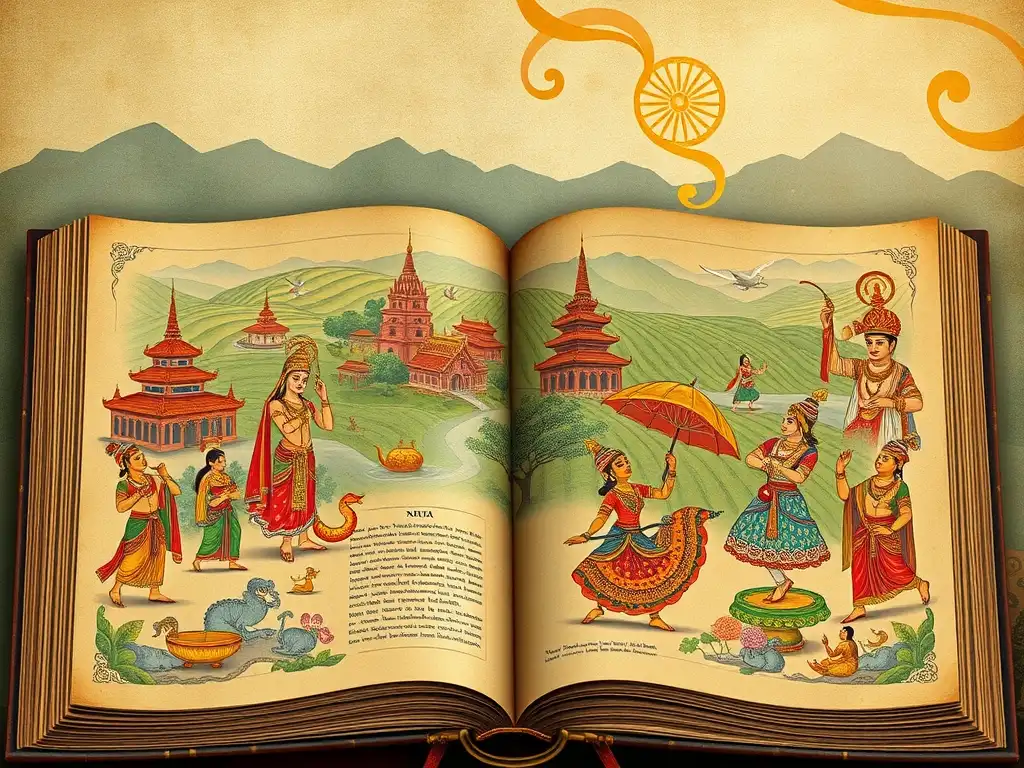
Indian literature has played a pivotal role in shaping the folklore of Southeast Asia, serving as a bridge between cultures and enriching the region's narrative traditions. The profound influence of epics such as the Ramayana and the Mahabharata can be seen in various Southeast Asian cultures, where these texts have been adapted, localized, and transformed into unique artistic expressions. This section delves into specific examples that illustrate how Indian literature has permeated and influenced the cultural fabric of Southeast Asia.
The Ramayana in Southeast Asian Cultures
The Ramayana, an ancient Indian epic, has had a remarkable impact on the cultures of Southeast Asia, particularly in countries like Indonesia, Thailand, Malaysia, and Cambodia. Each region has adapted the narrative to reflect its own cultural values and traditions.
In Indonesia, the Ramayana is celebrated through various art forms, including wayang kulit (shadow puppetry) and traditional dance performances. The story of Rama and Sita resonates deeply with Indonesian audiences, where local adaptations often incorporate indigenous elements, enhancing the narrative's relevance. For instance, in the Balinese version, the characters may wear traditional Balinese attire, and the performance is accompanied by gamelan music, creating a unique cultural fusion.
Similarly, in Thailand, the Ramayana is known as the "Ramakien," which has been integrated into Thai literature and dance. The Ramakien features unique characters and plots that diverge from the original Indian text while retaining the core themes of love, duty, and valor. The epic is performed in elaborate theatrical productions, showcasing the rich artistic heritage of Thailand.
In Cambodia, the Ramayana is depicted in the form of murals in the Angkor Wat temple complex, showcasing scenes from the epic's narrative. This visual representation not only highlights the importance of the Ramayana in Cambodian culture but also serves as a testament to the enduring legacy of Indian literature in shaping Southeast Asian artistic expressions.
The Mahabharata's Legacy in Southeast Asia
The Mahabharata, another cornerstone of Indian literature, has also left an indelible mark on Southeast Asia. Similar to the Ramayana, the Mahabharata has been adapted into various forms of art, literature, and performance across the region.
In Indonesia, particularly in Java, the Mahabharata is a significant source of inspiration for traditional performing arts such as wayang orang (human puppetry) and wayang golek (wooden puppets). The narratives are often retold through dramatic performances that emphasize moral lessons and social values inherent in the story. These adaptations frequently incorporate local myths and legends, creating a rich tapestry of storytelling that resonates with Indonesian audiences.
In Malaysia, the Mahabharata has influenced the local literature and artistic expressions. The epic's themes of conflict, justice, and righteousness are often echoed in Malaysian folklore, providing a moral compass that shapes societal values. Local adaptations often include elements from Malay culture, blending Indian narratives with indigenous storytelling traditions.
Moreover, the Mahabharata's impact can also be seen in other Southeast Asian countries, such as Thailand, where it is woven into the fabric of traditional dance and theater. The Thai adaptation, known as "Phra Ram," reflects the local customs and practices while retaining the essence of the original epic.
Conclusion: The Lasting Legacy of Indian Literature
The influence of Indian literature on Southeast Asian folklore is profound and multifaceted. Through the Ramayana and the Mahabharata, Indian narratives have transcended geographical boundaries and cultural differences, leaving a lasting legacy that continues to thrive. These epics not only serve as literary masterpieces but also as cultural touchstones that resonate with the values, beliefs, and artistic expressions of Southeast Asian societies.
As these narratives have been adapted and transformed over centuries, they have fostered a shared cultural heritage that underscores the interconnectedness of the Indian subcontinent and Southeast Asia. The ongoing relevance of these stories in contemporary performances, literature, and art underscores the vital role of Indian literature in shaping the folklore and cultural identities of Southeast Asian nations. The enduring legacy of these texts highlights the importance of cultural exchanges and the ways in which literature can unite diverse peoples through shared narratives.
Future Perspectives on Indian Literature and Southeast Asian Folklore
The influence of Indian literature on Southeast Asian folklore is a rich and evolving narrative that continues to unfold. As globalization accelerates and cultural exchanges become more pronounced, we can anticipate several key developments in the future perspectives of this interplay.
Emphasis on Digital Narratives
With the rise of digital media, Indian literature is likely to find new platforms for expression and dissemination, significantly impacting Southeast Asian folklore. Online storytelling, e-books, and social media can facilitate cross-cultural exchanges, allowing writers from both regions to collaborate and share their interpretations of ancient texts. This digital revolution may lead to modern renditions of traditional tales, integrating contemporary themes while preserving the essence of Indian literary influences.
Academic Collaboration and Research
As scholars increasingly recognize the interconnectedness of cultures, there will be a heightened focus on academic collaboration between Indian and Southeast Asian institutions. Joint research projects and conferences dedicated to the study of Indian literature and its effects on Southeast Asian folklore can yield new insights and foster a deeper understanding of these historical ties. This scholarly engagement could produce a wealth of publications, contributing to the preservation and revitalization of folklore traditions.
Revitalization of Traditional Practices
The future may also see a resurgence in the performance arts that draw from both Indian literature and Southeast Asian folklore. Traditional storytelling methods, such as puppetry and dance, can be reimagined to incorporate themes from Indian texts, thereby enriching local narratives. This revival would not only honor the past but also create dynamic cultural experiences that resonate with younger generations, ensuring that these traditions remain relevant.
Cross-Cultural Literary Festivals
The establishment of cross-cultural literary festivals can serve as a platform for showcasing the literary heritage of both regions. These events would facilitate dialogue among authors, poets, and folklorists, encouraging the exchange of ideas and narratives. By highlighting the stories that weave the fabric of Indian and Southeast Asian cultures, such festivals could inspire new works that reflect shared histories and themes of resilience, love, and adventure.
Influence on Contemporary Literature
As modern authors in Southeast Asia increasingly draw inspiration from Indian literary forms and themes, we may witness a transformation in contemporary literature. The adaptation of Indian epics like the Ramayana and Mahabharata into new narratives can lead to innovative storytelling techniques that resonate with current societal issues. This symbiosis has the potential to enrich both Indian and Southeast Asian literary canons.
The future of Indian literature's influence on Southeast Asian folklore promises to be vibrant and multifaceted. Through digital narratives, academic collaborations, revitalization of traditional practices, cross-cultural festivals, and contemporary literature adaptations, the legacy of this rich cultural exchange will continue to evolve, fostering a deeper appreciation of both traditions.
- Introduction to Indian Literature's Influence on Southeast Asia
- Historical Context of Cultural Exchange
- Key Elements of Indian Literature
- The Process of Adaptation and Integration
- Case Studies of Indian Literature’s Influence
- Conclusion: The Lasting Legacy of Indian Literature
- Future Perspectives on Indian Literature and Southeast Asian Folklore
- What is the significance of Indian literature in Southeast Asia?
- How did Indian literature spread to Southeast Asia?
- What are some examples of Indian literary works that impacted Southeast Asia?
- How did the Gupta Empire contribute to the spread of Indian literature?
- What role do oral traditions play in the adaptation of Indian literature in Southeast Asia?
Frequently Asked Questions
What is the significance of Indian literature in Southeast Asia?
Indian literature has had a profound influence on the folklore and storytelling traditions of Southeast Asia, introducing myths, epics, and cultural motifs that shaped regional narratives.
How did Indian literature spread to Southeast Asia?
The spread occurred through trade routes and cultural exchanges facilitated by Indian traders, travelers, and Buddhist missionaries, who brought texts and oral traditions to the region.
What are some examples of Indian literary works that impacted Southeast Asia?
Works such as the Ramayana and Mahabharata were adapted into local forms, influencing various performing arts, literature, and religious practices across Southeast Asian cultures.
How did the Gupta Empire contribute to the spread of Indian literature?
During the Gupta Empire, literature flourished, and its cultural reach expanded, leading to the transmission of literary and philosophical texts to Southeast Asia, enriching local traditions.
What role do oral traditions play in the adaptation of Indian literature in Southeast Asia?
Oral traditions serve as a vital medium for preserving and transforming Indian literary themes, allowing them to resonate with local audiences while reflecting unique cultural identities.
Final Reflection: The Enduring Influence of Indian Literature on Southeast Asian Folklore
The intricate tapestry of Southeast Asian folklore is undeniably woven with threads of Indian literature, illustrating how cultural exchanges transcend borders and time. Today, as globalization continues to blur the lines between distinct cultures, the influence of Indian narratives on Southeast Asian traditions serves as a powerful reminder of our interconnectedness. This enduring relationship highlights the profound impact that literature can have in shaping identities and storytelling practices across diverse societies.
The legacy of Indian literature is not merely historical; it continues to resonate in the cultural and social landscapes of Southeast Asia. From the epic tales of the Ramayana to the philosophical musings of ancient texts, these narratives have inspired countless generations, enriching local folklore and traditions. As we witness the revival of interest in indigenous stories, it becomes evident that the seeds sown by Indian literature have blossomed into a vibrant cultural exchange. Literature is the most powerful weapon in the hands of a people.
– Nelson Mandela. This quote encapsulates the transformative power of storytelling, reminding us that literature can forge connections and inspire change.
As we reflect on the profound influence of Indian literature on Southeast Asian folklore, I invite you to explore your own cultural narratives and consider how they have been shaped by external influences. What stories resonate with you, and how do they reflect the rich tapestry of your own heritage? Let this exploration inspire you to embrace the stories that connect us all, fostering a deeper appreciation for the shared human experience that literature offers. Together, we can celebrate the beauty of our diverse narratives while acknowledging the threads that bind us across cultures and time.
Ignite Your Passion for Literature and Culture!
Thank you for diving into the fascinating world of Indian literature and its profound influence on Southeast Asian folklore! By exploring these connections, you’ve unlocked new insights into our shared cultural heritage. Now, let’s take that knowledge further into action!
Here are some inspiring ways you can deepen your engagement:
- Join a local or online book club dedicated to Indian literature to broaden your understanding and appreciation of these narratives.
- Share this article with friends and family to spark conversations about the cultural ties that connect us across different regions.
- Explore folklore from Southeast Asia by visiting museums or reading literature that celebrates the diverse stories and traditions of the region.
What new perspectives on cultural connections have you discovered through Indian literature? Share your thoughts below, and let’s keep the conversation going!