
The Role of Indian Merchants in Southeast Asia: Economic Ties Through the Ages

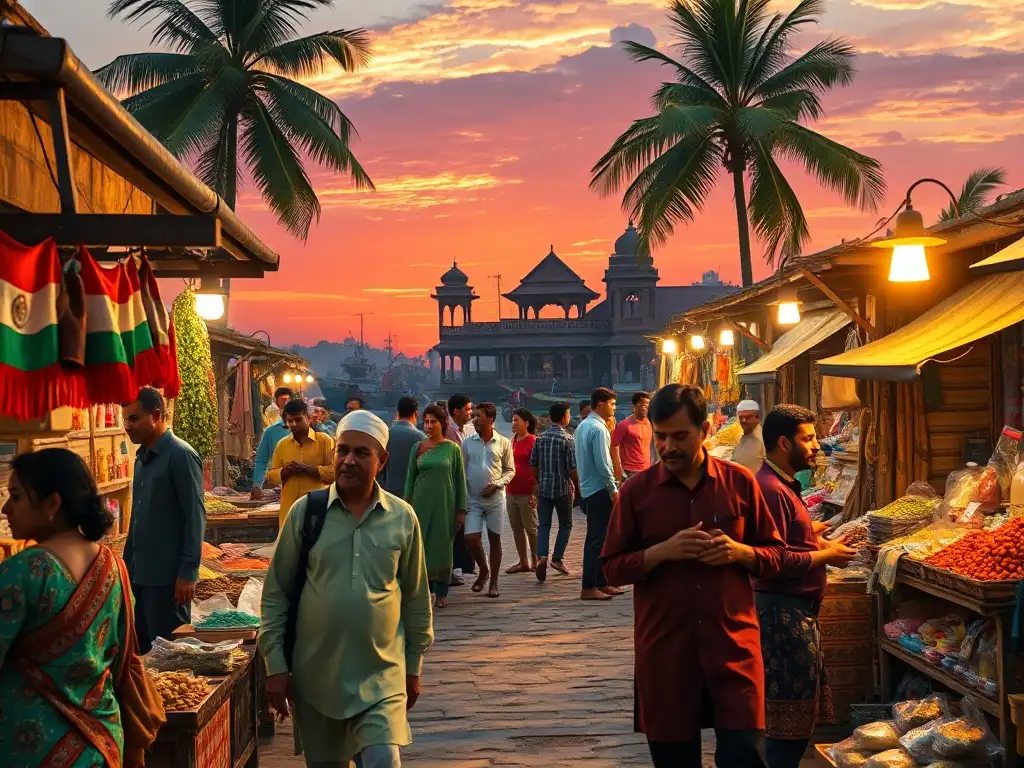
Welcome to Ancient India History, where we embark on a journey through the captivating tapestry of India’s past! Dive deep into the rich and diverse history, culture, and contributions of ancient Indian civilizations, from the enigmatic Indus Valley to the illustrious Gupta Empire. In our featured article, "The Role of Indian Merchants in Southeast Asia: Economic Ties Through the Ages," we unravel the intriguing connections that shaped trade and cultural exchanges between India and Southeast Asia.
What were the driving forces behind these economic ties? Join us as we explore the vibrant stories of these merchants who played a pivotal role in weaving an intricate web of influence that resonates even today!
Introduction to Indian Merchants and Southeast Asia Trade
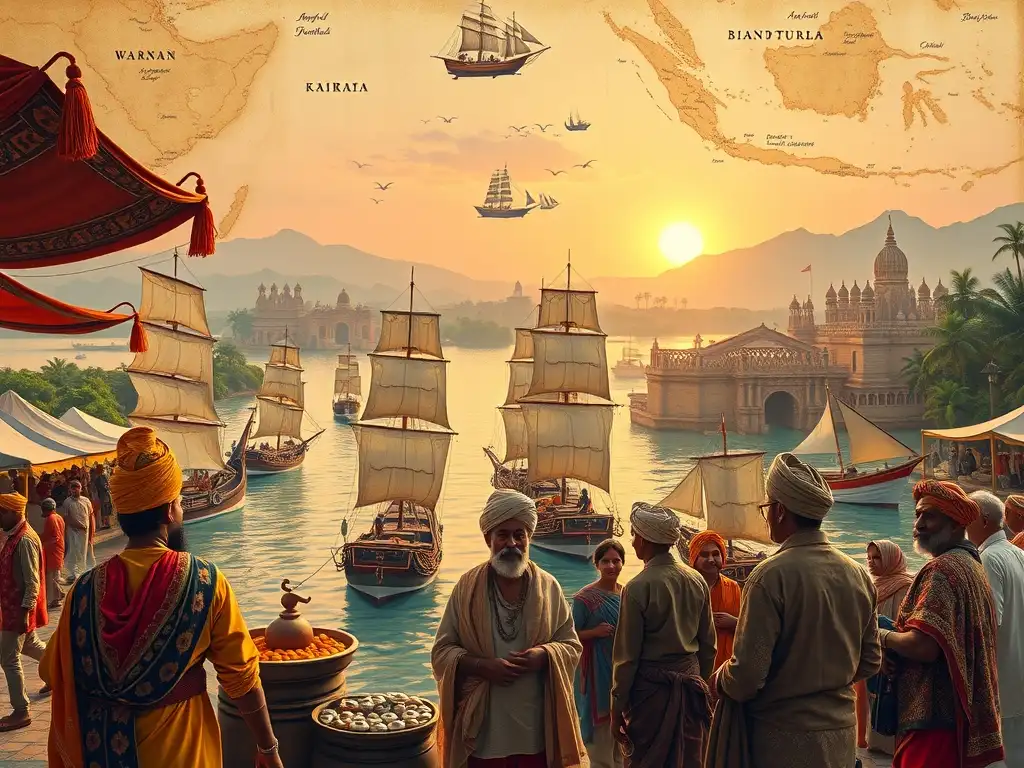
The historical ties between Indian merchants and Southeast Asia form a significant chapter in the narrative of cultural exchanges and economic interactions. From ancient times to the present day, Indian merchants have played a crucial role in shaping the trade landscape of Southeast Asia, fostering not only economic prosperity but also cultural and social connections.
This article delves into the multifaceted role that Indian merchants have played in Southeast Asia, highlighting the economic ties that have developed over the ages. By examining the intricate networks of trade routes and the impact of these merchants on local economies, we gain valuable insights into the legacy of Indian commerce in this vibrant region.
Overview of Indian Merchants in Historical Context
Indian merchants have been active participants in global trade for millennia, with their influence extending well beyond the subcontinent. Historical records reveal that as early as the 3rd century BCE, Indian traders were navigating the waters of the Indian Ocean, establishing direct links with Southeast Asian kingdoms. These merchants brought not only goods such as spices, textiles, and precious metals, but also ideas, culture, and religious beliefs, leaving an indelible mark on the societies they encountered.
The establishment of trade routes, including the famed Maritime Silk Road, facilitated the exchange of commodities and ideas. Indian merchants, with their advanced navigational skills and knowledge of maritime trade, became pivotal players in this thriving economic network. The exchange between India and Southeast Asia was characterized by a mutual benefit, as Indian goods became highly sought after in Southeast Asian markets, while Southeast Asian products, such as gold, precious stones, and exotic spices, found their way into Indian trade hubs.
Importance of Trade Routes Between India and Southeast Asia
The trade routes established between India and Southeast Asia were not merely conduits for the exchange of goods; they were also vital to the dissemination of culture and knowledge. Key trade centers, such as Srivijaya and Majapahit, emerged as significant hubs where Indian merchants interacted with local traders and consumers. These interactions helped to promote a blend of cultural practices, leading to the spread of Hinduism and Buddhism across the region.
The economic ties forged through these trade routes have had lasting implications, contributing to the development of urban centers and the rise of powerful kingdoms in Southeast Asia. The presence of Indian merchants facilitated the establishment of a vibrant marketplace where diverse cultures coalesced, allowing for the exchange of not only products but also ideas and traditions.
Historical Background of Indian Merchants in Southeast Asia
Early Trade Activities: From Ancient Times to the Early Medieval Period
The history of Indian merchants in Southeast Asia can be traced back to ancient times, with evidence of trade activities dating to the 1st century CE. The flourishing trade in spices, textiles, and other luxury goods laid the groundwork for what would become a robust economic relationship. Notably, Indian merchants established trade outposts and settlements throughout the region, including in places like Sumatra and the Malay Peninsula.
These early interactions were marked by the establishment of commercial treaties and alliances, which facilitated trade and ensured mutual protection. The exchange of goods was often accompanied by cultural exchanges, as Indian merchants introduced new agricultural practices, artistic traditions, and literary influences, enriching the cultural tapestry of Southeast Asia.
The Influence of Indian Merchants on Southeast Asian Economies
The presence of Indian merchants significantly influenced the economic landscape of Southeast Asia. Their activities contributed to the growth of local economies, as they facilitated the introduction of new products and technologies. For instance, the arrival of Indian agricultural techniques led to improved crop yields, which in turn supported population growth and urbanization.
Moreover, Indian merchants played a crucial role in the establishment of trade networks that linked various Southeast Asian islands and coastal regions. This interconnectedness not only bolstered local economies but also positioned Southeast Asia as a vital hub in the broader framework of Indian Ocean trade. As Indian merchants continued to engage with local communities, their impact on the region's cultural and economic development became increasingly pronounced, laying the foundation for the vibrant trade dynamics that characterize Southeast Asia to this day.
Economic Contributions of Indian Merchants in Southeast Asia
Indian merchants played a pivotal role in shaping the economic landscape of Southeast Asia from ancient times to the present. Their contributions were not merely confined to the exchange of goods but extended into creating complex trade networks that facilitated economic growth in the region. By establishing trade routes and settlements, Indian merchants became integral to the economic fabric of Southeast Asia, promoting not only commerce but also cultural interactions.
The movement of goods such as spices, textiles, and precious stones brought immense wealth to both the Indian subcontinent and the various Southeast Asian kingdoms. Indian traders contributed to the rise of port cities, which became bustling centers of commerce, attracting merchants from various parts of the world. The economic ties established during this period laid the foundation for long-lasting relationships between the Indian subcontinent and Southeast Asia, influencing trade practices and economic policies.
Trade Goods Exchanged: Spices, Textiles, and Precious Stones
The trade between Indian merchants and Southeast Asia was characterized by a vibrant exchange of goods, with spices, textiles, and precious stones being among the most sought-after commodities.
- Spices: The demand for spices such as black pepper, cardamom, and cloves was significant, with Indian traders acting as intermediaries in the spice trade. Southeast Asia, particularly the islands of Indonesia, supplied these valuable spices, which were highly prized in both Indian and global markets.
- Textiles: Indian textiles, renowned for their quality and intricate designs, were exchanged extensively throughout Southeast Asia. Cotton, silk, and embroidered fabrics from India became staples in the local markets, influencing the fashion and textile industries in the region.
- Precious Stones: The trade in precious stones, including diamonds and rubies, also flourished. Indian merchants not only traded these stones but also introduced advanced cutting and polishing techniques, enhancing the craftsmanship in Southeast Asia.
The reciprocal nature of these trade goods facilitated the establishment of strong economic ties, leading to mutual benefits for both Indian merchants and Southeast Asian economies.
The Impact of Indian Trade Networks on Local Economies
The trade networks established by Indian merchants significantly impacted local economies in Southeast Asia. By integrating local economies into the broader Indian Ocean trade system, these networks fostered economic interdependence that benefited multiple regions.
- Economic Growth: The influx of Indian goods and the development of trade routes led to increased economic activity in port cities like Srivijaya, Malacca, and Java. These cities became vital trade hubs, attracting merchants from various regions and facilitating the exchange of goods, ideas, and cultures.
- Job Creation: The growth of trade networks resulted in job creation across multiple sectors, including shipping, agriculture, and handicrafts. Local populations found employment in various capacities, from laborers in ports to artisans producing goods for trade.
- Cultural Integration: Economic ties between Indian merchants and local communities also led to cultural integration, as trade fostered interactions among diverse groups. This integration further enriched local economies by enhancing skills and introducing new technologies.
In essence, the impact of Indian trade networks on local economies was profound, laying the groundwork for a thriving commerce environment that benefited both Indian and Southeast Asian societies.
Cultural Exchange: Beyond Trade
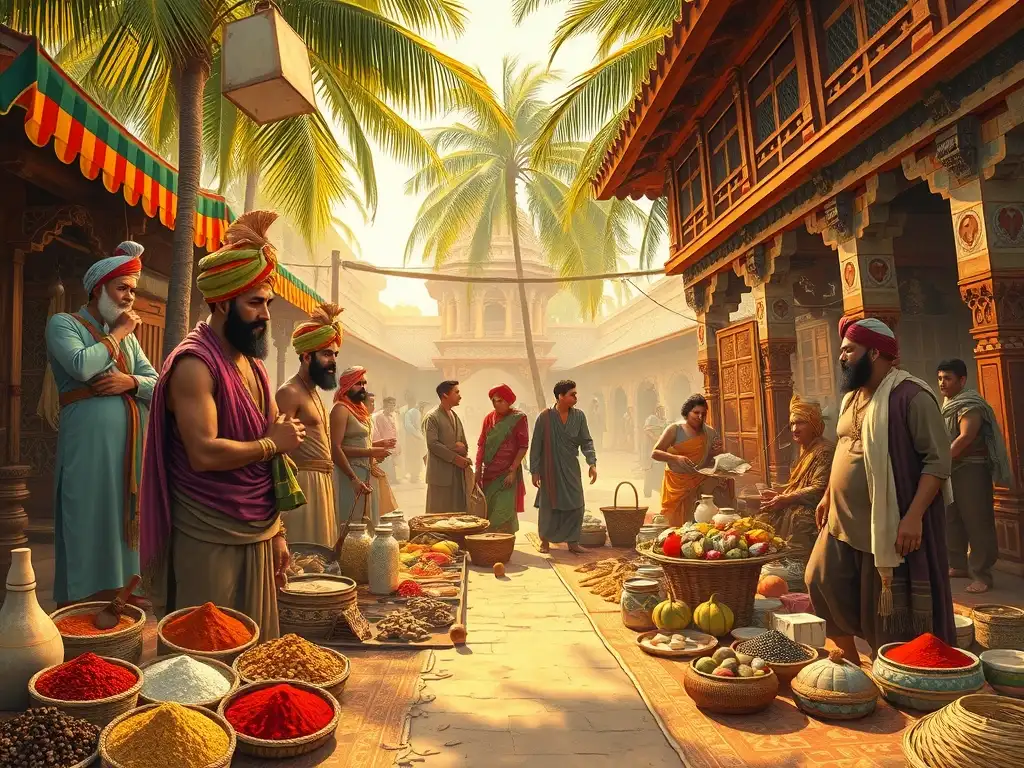
The influence of Indian merchants in Southeast Asia transcended economic transactions and extended into the realm of cultural exchange. The interactions facilitated by trade led to a rich tapestry of cultural influences that shaped the identity of Southeast Asian societies.
The Role of Indian Merchants in Cultural Dissemination
Indian merchants served as conduits for cultural dissemination, introducing various aspects of Indian culture to Southeast Asia. Their travels for trade purposes allowed them to share not just goods but also ideas, beliefs, and practices.
- Cultural Practices: Indian merchants brought with them cultural practices, rituals, and customs, many of which were adopted and adapted by local populations. This exchange enriched the cultural landscape of Southeast Asia, leading to the emergence of hybrid cultures.
- Literature and Knowledge: The spread of Indian literature, philosophies, and sciences was another significant aspect of cultural exchange. Indian texts and knowledge systems influenced local scholarly pursuits, promoting education and the arts.
- Trade as Cultural Exchange: Trade itself became a vehicle for cultural exchange. Festivals, artistic expressions, and culinary practices were shared among merchants and local communities, leading to a vibrant cultural intermingling.
Through their travels and interactions, Indian merchants played a critical role in the cultural evolution of Southeast Asia, leaving a lasting legacy that continues to influence the region today.
Influence on Language, Religion, and Art in Southeast Asia
The interactions between Indian merchants and Southeast Asian societies had profound effects on language, religion, and art, further illustrating the depth of cultural exchange.
- Language: The introduction of Sanskrit and Tamil through trade relationships influenced the local languages of Southeast Asia. Many words and phrases from Indian languages found their way into the regional dialects, enriching local linguistic traditions.
- Religion: Indian merchants also played a crucial role in the dissemination of religious beliefs, particularly Hinduism and Buddhism. The establishment of temples and the spread of religious texts contributed to the rich spiritual landscape of Southeast Asia, where these religions took root and flourished.
- Art: The artistic traditions of Southeast Asia were significantly influenced by Indian styles. The architectural designs of temples and sculptures often mirrored Indian aesthetics, showcasing intricate carvings and motifs that reflected Indian artistic heritage.
The influence of Indian merchants in Southeast Asia was multifaceted, impacting not only the economy but also the cultural framework of the region. Their role in shaping language, religion, and art underscores the significance of their contributions to the rich historical narrative of Southeast Asia.
The Evolution of Trade Relations: Key Periods
Throughout history, Indian merchants have played a pivotal role in shaping economic ties with Southeast Asia. Their influence can be traced across several key periods that highlight the dynamics of trade relations. From ancient times to the medieval era and into modernity, these merchants facilitated not only the exchange of goods but also cultural and ideological interactions.
- Pre-Gupta Era (circa 3rd century BCE to 3rd century CE): Trade flourished along established routes, with Indian goods such as textiles, spices, and precious stones reaching the shores of Southeast Asia. This period saw the emergence of port cities in both regions, enhancing maritime trade.
- Gupta Empire (circa 4th to 6th century CE): This golden age of Indian culture and trade marked significant developments in trade policies and practices. The Gupta rulers encouraged commerce through the establishment of trade guilds and improved infrastructure, making it easier for merchants to operate in Southeast Asia.
- Chola Dynasty (9th to 13th century CE): The Chola Empire expanded its maritime trade networks, establishing direct connections with Southeast Asian kingdoms. This era witnessed the rise of naval power and trade expeditions that solidified India’s economic presence in the region.
- Medieval Period (13th to 18th century CE): Indian merchants adapted to changing political landscapes, maintaining trade routes despite the rise of Islamic empires. This period saw the establishment of trading posts in places like Malacca, which became crucial hubs for Indian goods.
The Gupta Empire and Its Trade Policies
The Gupta Empire, often referred to as the "Golden Age" of India, significantly influenced trade policies that facilitated commerce with Southeast Asia. The Gupta rulers implemented a series of strategic measures that enhanced trade relations and fostered economic growth.
- Encouragement of Trade Guilds: The Gupta administration promoted the formation of trade guilds, which organized merchants and artisans, providing them with a platform to negotiate trade agreements and protect their interests. These guilds were instrumental in both local and international trade, acting as intermediaries between Indian and Southeast Asian markets.
- Infrastructure Development: The Guptas invested in infrastructure, such as roads and ports, which were crucial for facilitating maritime trade. This development improved access to coastal regions, allowing merchants to transport goods more efficiently and safely.
- Cultural Exchange: The trade policies of the Gupta Empire not only focused on economic gains but also on cultural exchanges. Indian merchants brought back exotic goods, philosophies, and religions from Southeast Asia, enriching Indian culture while simultaneously introducing Indian customs to Southeast Asian societies.
- Regulation and Protection: The Gupta rulers established regulations to ensure fair trade practices and protect merchants from piracy, which was prevalent at the time. Such measures fostered a sense of security among traders, encouraging them to engage more actively in international commerce.
The Maritime Trade Expansion During the Chola Dynasty
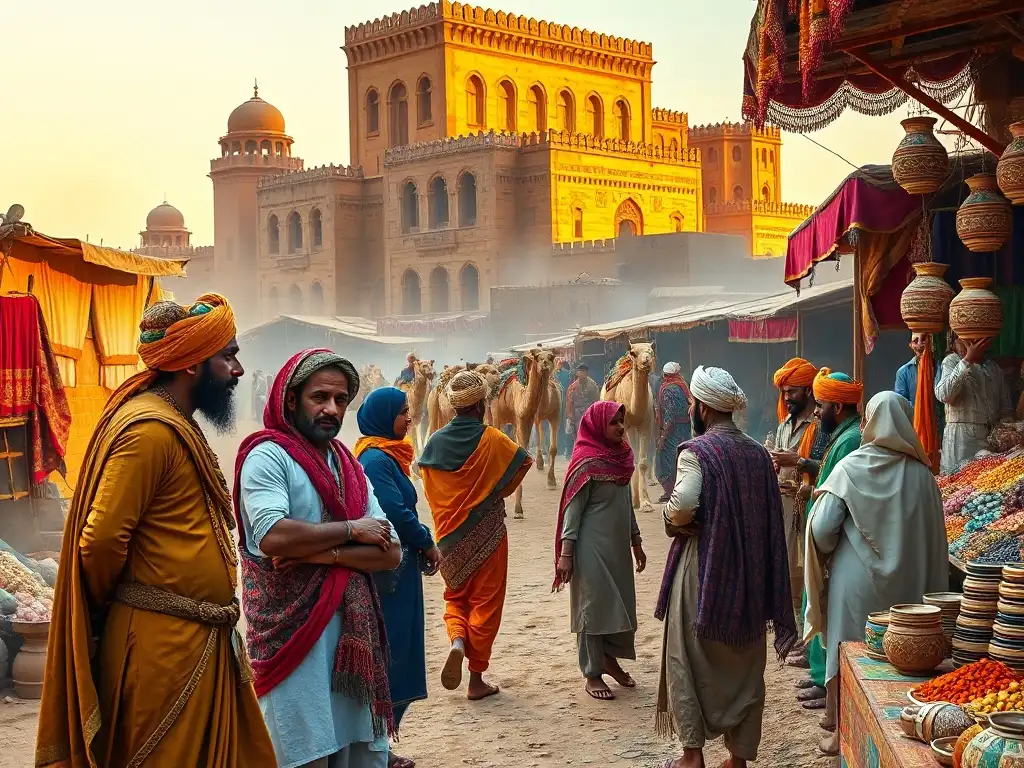
The Chola Dynasty is renowned for its maritime prowess and expansive trade networks that connected India with Southeast Asia. This period marked a significant evolution in trade practices, driven by the Chola rulers' ambitions and strategic initiatives.
- Naval Power: The Chola Empire developed a formidable navy that allowed for greater control over trade routes in the Indian Ocean. This naval strength enabled them to establish trade links with key Southeast Asian kingdoms, including Srivijaya and the Khmer Empire.
- Cultural Influence: Alongside economic exchanges, the Chola merchants facilitated the spread of Indian culture, religion, and art in Southeast Asia. Temples and architectural styles in regions such as Cambodia and Indonesia bear testament to this cultural diffusion.
- Trade Goods: Indian merchants during the Chola period exported a variety of goods, including textiles, spices, and metalwork. In return, they imported commodities like gold, precious stones, and exotic woods, creating a vibrant exchange system that benefited both regions.
- Trade Networks: The establishment of trade networks led to the creation of flourishing port cities such as Nagapattinam and Thanjavur. These ports became bustling centers of commerce, attracting traders from various parts of the world and enhancing the economic landscape of the region.
Modern Implications of Historical Trade Ties
The historical trade ties between Indian merchants and Southeast Asia have left a lasting legacy that continues to influence modern economic relations and cultural exchanges.
The Legacy of Indian Merchants in Contemporary Southeast Asia
The legacy of Indian merchants is evident in the cultural and economic frameworks of contemporary Southeast Asian nations. The historical interactions have contributed to the following aspects:
- Cultural Integration: Many Southeast Asian countries, such as Indonesia and Malaysia, showcase a blend of Indian cultural elements in their languages, religions, and traditions. Hinduism and Buddhism, introduced through trade, continue to play significant roles in the cultural identity of these nations.
- Business Practices: The trading practices established by Indian merchants have influenced modern business approaches in Southeast Asia. Concepts of trade guilds and cooperative business models can be traced back to the organizational structures set by ancient merchants.
- Diaspora Communities: The Indian diaspora in Southeast Asia, which has its roots in historical trade, remains a vital part of the socio-economic fabric of countries like Singapore and Malaysia. These communities continue to foster economic ties and cultural exchanges, reinforcing the connections forged through centuries of trade.
Current Economic Relations Between India and Southeast Asian Nations
Today's economic relations between India and Southeast Asian nations are deeply rooted in the historical ties established by Indian merchants. Key aspects include:
- Trade Agreements: Modern trade agreements between India and ASEAN (Association of Southeast Asian Nations) reflect the historical trade connections, facilitating smoother trade flows and economic collaboration.
- Investment Opportunities: Indian companies are increasingly investing in Southeast Asia, particularly in sectors such as technology, pharmaceuticals, and infrastructure. This investment trend echoes the historical economic exchanges that once thrived between the regions.
- Cultural Diplomacy: India continues to engage with Southeast Asia through cultural diplomacy, recognizing the importance of shared heritage in strengthening economic ties. Events celebrating Indian culture are often organized to foster goodwill and enhance bilateral relations.
- Regional Cooperation: Initiatives such as the India-ASEAN Free Trade Area aim to bolster economic cooperation, capitalizing on the historical foundations laid by Indian merchants. These efforts are designed to optimize trade and investment flows, benefiting both regions.
Through these dynamics, the historical role of Indian merchants in Southeast Asia remains a cornerstone of contemporary economic and cultural relations, illustrating the enduring impact of ancient trade ties.
Conclusion: The Enduring Impact of Indian Merchants in Southeast Asia
The legacy of Indian merchants in Southeast Asia is a testament to the profound economic and cultural interactions that shaped the region over centuries. Their activities not only established trade routes but also facilitated the exchange of ideas, beliefs, and practices, leaving an indelible mark on Southeast Asian societies. The influence of these merchants can be seen in the diverse cultural landscapes of countries such as Indonesia, Malaysia, Thailand, and the Philippines, where Indian customs and traditions have melded with local practices, creating a rich tapestry of cultural heritage.
The enduring impact of Indian merchants is reflected in the establishment of vibrant trading ports, which became melting pots of commerce and cultural exchange. The trade networks they created were instrumental in linking Southeast Asia with the Indian subcontinent, allowing for the flow of goods, such as spices, textiles, and precious metals, as well as the introduction of new agricultural practices and technologies. This multifaceted interaction not only enriched the economies of Southeast Asian nations but also fostered a sense of shared identity among diverse communities.
Summary of Economic and Cultural Contributions
The economic contributions of Indian merchants to Southeast Asia are significant and multifaceted. They established extensive trade networks that connected the Indian subcontinent with various parts of Southeast Asia, facilitating the exchange of not just goods but also cultural practices. Key contributions include:
- Trade Goods: Indian merchants introduced valuable commodities such as textiles, spices, and metalwork to Southeast Asian markets, stimulating local economies and trade activities.
- Cultural Exchange: The merchants acted as conduits for the spread of Indian culture, religion (notably Hinduism and Buddhism), art, and architecture across the region, influencing local customs and traditions.
- Urban Development: The establishment of trade hubs led to the development of urban centers, fostering economic growth and cultural exchanges that transformed the social landscape of Southeast Asia.
- Language and Literature: The interactions resulted in the adoption of Sanskrit and Tamil in some regions, influencing local languages and contributing to the literary traditions of Southeast Asia.
Indian merchants played a pivotal role in shaping the economic and cultural frameworks of Southeast Asia, laying the groundwork for future interactions and developments.
Reflections on the Historical Ties and Their Relevance Today
The historical ties between Indian merchants and Southeast Asia continue to resonate in contemporary times. The legacy of trade and cultural exchange established centuries ago has paved the way for ongoing economic collaborations and cultural interactions.
Today, Southeast Asia remains a crucial hub for trade, and the historical connections with India are evident in various sectors, including tourism, education, and business. The shared heritage is celebrated through festivals, culinary exchanges, and artistic expressions that highlight the historical bond.
Moreover, the lessons learned from the past regarding cooperation, cultural exchange, and economic ties can guide current and future partnerships between India and Southeast Asian nations. As globalization continues to shape the world, revisiting these historical connections can foster deeper understanding and collaboration, making the enduring impact of Indian merchants not just a relic of the past, but a cornerstone for future relations between these regions.
The role of Indian merchants in Southeast Asia is a rich narrative of interconnectedness that continues to influence economic and cultural dynamics to this day, reminding us of the power of collaboration across borders.
- Introduction to Indian Merchants and Southeast Asia Trade
- Historical Background of Indian Merchants in Southeast Asia
- Economic Contributions of Indian Merchants in Southeast Asia
- Cultural Exchange: Beyond Trade
- The Evolution of Trade Relations: Key Periods
- The Gupta Empire and Its Trade Policies
- The Maritime Trade Expansion During the Chola Dynasty
- Modern Implications of Historical Trade Ties
- Conclusion: The Enduring Impact of Indian Merchants in Southeast Asia
- What role did Indian merchants play in Southeast Asia's economy?
- How did trade routes influence cultural exchanges?
- What were the main goods traded between India and Southeast Asia?
- How did the arrival of Indian merchants impact local economies in Southeast Asia?
- What historical events marked the peak of Indian trade in Southeast Asia?
Frequently Asked Questions
What role did Indian merchants play in Southeast Asia's economy?
Indian merchants were crucial players in the economic ties between India and Southeast Asia, facilitating trade in goods such as spices, textiles, and precious metals.
How did trade routes influence cultural exchanges?
Trade routes established by Indian merchants not only promoted economic interactions but also led to significant cultural exchanges, including the spread of religions, languages, and artistic influences.
What were the main goods traded between India and Southeast Asia?
The primary goods included spices, silks, gemstones, and textiles, which were highly sought after in Southeast Asia and contributed to a vibrant trade network.
How did the arrival of Indian merchants impact local economies in Southeast Asia?
The influx of Indian merchants stimulated local economies by introducing new trade practices, enhancing market systems, and creating opportunities for cross-cultural collaborations.
What historical events marked the peak of Indian trade in Southeast Asia?
The peak of Indian trade in Southeast Asia was marked by events such as the establishment of port cities and the rise of maritime trade networks during the Chola and Gupta periods, which fostered robust economic ties.
Final Reflection: The Enduring Legacy of Indian Merchants in Southeast Asia
The historical ties between Indian merchants and Southeast Asia are not merely relics of the past; they are a testament to the dynamic interplay of cultures and economies that continues to shape our world today. As we navigate an increasingly interconnected global landscape, understanding the profound impact of these early trade relationships illuminates the pathways of commerce and cultural exchange that have defined the region for centuries. The legacy of Indian merchants in Southeast Asia serves as a reminder of the power of trade to transcend borders and foster mutual understanding.
The influence of Indian merchants is evident in the rich tapestry of Southeast Asian culture, where their contributions have woven together a blend of traditions, languages, and practices. Their role in establishing trade routes and cultural connections has laid the foundation for the vibrant societies we see today. As the historian J. S. Furnivall aptly noted, Trade is not merely the exchange of goods; it is the exchange of ideas, values, and identities.
This observation underscores the ongoing significance of these historical ties, as they continue to inspire contemporary economic and cultural interactions between India and Southeast Asia.
As we reflect on the lessons from the past, let us embrace the spirit of collaboration and understanding that Indian merchants exemplified. Consider how you can contribute to fostering connections in your own community, whether through supporting local businesses, engaging in cultural exchanges, or exploring the rich histories that shape our identities. By recognizing the enduring legacy of trade and cultural exchange, we can cultivate a future that honors our shared heritage while paving the way for new opportunities and partnerships.
Unveil the Legacy: Engage with Southeast Asia Today!
Thank you for exploring the fascinating history of Indian merchants and their economic ties in Southeast Asia! We hope you gained valuable insights into how these connections shaped not only trade but also cultural exchanges that resonate even today. Now, let's discover how you can continue this journey:
- Join a local cultural event that celebrates Indian or Southeast Asian heritage, allowing you to experience the rich traditions firsthand.
- Share an intriguing historical fact about Indian merchants with friends or on social media to spark dialogue and interest in this captivating topic.
- Dive deeper by exploring related literature or documentaries that delve into the history of trade routes in Southeast Asia.
As you reflect on these actions, consider this: In what ways do you think the enduring legacy of Indian merchants continues to shape modern trade dynamics in Southeast Asia today?