
The Role of Artisans in Facilitating Cultural Exchanges in Ancient India

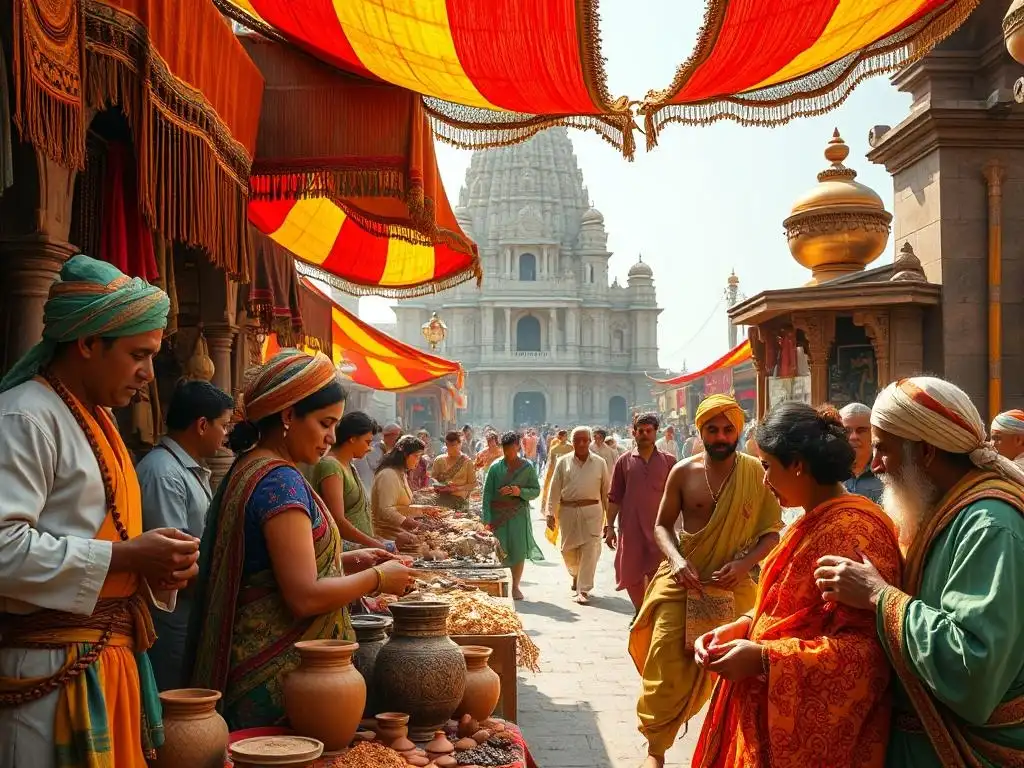
Welcome to Ancient India History, where we embark on a fascinating journey through the rich tapestry of ancient civilizations that shaped the Indian subcontinent. In our featured article, The Role of Artisans in Facilitating Cultural Exchanges in Ancient India, we delve into how skilled artisans not only crafted exquisite works but also served as vital conduits of cultural dialogue, influencing art, trade, and society. Prepare to uncover the intricate connections that defined a civilization renowned for its diversity and innovation. Join us as we explore the profound impact of these artisans and the vibrant exchanges that enriched ancient India!
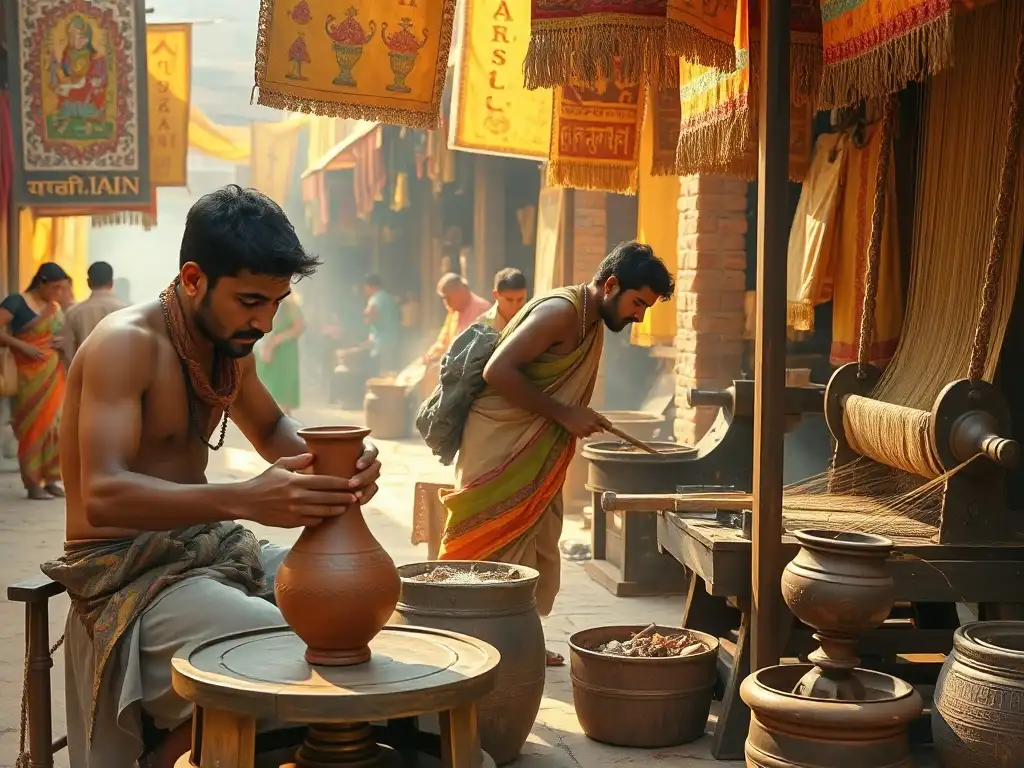
Introduction to Artisans and Cultural Exchanges in Ancient India
Artisans played a pivotal role in shaping the cultural landscape of ancient India, acting as vital conduits for the exchange of ideas, techniques, and artistic traditions. From the intricately crafted jewelry of the Indus Valley Civilization to the ornate sculptures of the Gupta Empire, these skilled workers not only contributed to the local economy but also fostered connections with neighboring civilizations.
The interactions facilitated by artisans allowed for a rich tapestry of cultural exchanges, influencing religious practices, social structures, and artistic expressions across regions. Understanding the significance of artisans in this context reveals the profound ways in which their craft has influenced the historical narrative of ancient India.
Understanding the Importance of Artisans in Society
Artisans were the backbone of ancient Indian society, encompassing a wide array of skilled trades such as metalwork, pottery, textiles, and woodworking. Their craftsmanship was not merely a means of livelihood but also a reflection of cultural identity and heritage. The intricate skills passed down through generations contributed to the communal fabric, as artisans often worked closely with local communities, creating products that held both practical and ceremonial significance.
- Economic Contribution: Artisans contributed significantly to trade, both locally and with distant cultures, enhancing the economy.
- Cultural Identity: The unique styles and techniques of artisans encapsulated the cultural narratives of their communities, preserving traditions through art.
- Social Cohesion: Artisan guilds fostered social bonds, promoting collaboration and the sharing of knowledge among members.
Overview of Cultural Exchanges in Ancient India
Cultural exchanges in ancient India were a dynamic process influenced by trade, conquests, and migration. The subcontinent's strategic location on trade routes facilitated interactions with various civilizations, including the Persians, Greeks, and Chinese. These exchanges brought new materials, ideas, and technologies, enriching Indian culture in various forms:
- Art and Architecture: The incorporation of foreign styles led to unique architectural marvels, as seen in the Indo-Greek stupas.
- Religious Syncretism: Exchanges fostered the blending of religious beliefs, evident in the coexistence of various faiths and the emergence of new philosophical schools.
- Language and Literature: The interaction with different cultures resulted in the exchange of languages, influencing literature and the arts.
Historical Context of Artisans in Ancient India
The Evolution of Artisan Communities
The development of artisan communities in ancient India can be traced back to the Indus Valley Civilization, where specialized crafts emerged as a response to urbanization and trade demands. Over time, these communities evolved, adapting to societal changes and technological advancements.
- Indus Valley Civilization: Known for its advanced urban planning and skilled craftsmanship, artisans created a range of products that were traded widely.
- Mauryan Period: The rise of empires led to increased demand for luxury goods, prompting artisans to refine their techniques and expand their markets.
- Gupta Empire: This era saw a flourishing of arts, with artisans playing a key role in producing intricate sculptures, textiles, and metalwork.
Major Regions and Their Artisan Specialties
Different regions of ancient India became renowned for their unique artisan specialties, each contributing distinct styles and techniques to the cultural mosaic:
| Region | Artisan Specialties |
|---|---|
| Gujarat | Textiles, beadwork, and pottery |
| Tamil Nadu | Bronze casting and temple sculptures |
| Rajasthan | Block printing and blue pottery |
| Uttar Pradesh | Glassware and terracotta |
The diverse skills and creativity of artisans not only enriched local cultures but also facilitated extensive cultural exchanges, making them essential figures in the history of ancient India.
Types of Artisans and Their Crafts
Artisans in ancient India played a pivotal role in both the economy and cultural landscape, contributing significantly to local and regional identities through their diverse crafts. Each type of artisan specialized in unique crafts that not only showcased their skills but also facilitated cultural exchanges with neighboring civilizations. Here, we explore the various categories of artisans and their crafts that were prominent in ancient India.
Weavers: The Fabric of Cultural Identity
Weaving is one of the most ancient and respected crafts in India, with weavers often holding a sacred place in society. They produced a variety of textiles, including cotton, silk, and wool, using techniques that varied from region to region. Regions like Varanasi and Kanchipuram became renowned for their rich silk sarees, while the intricate patterns of Jamdani and Ikat showcased the skill and artistry of local weavers.
These textiles were not merely functional; they were imbued with cultural significance, often used in religious rituals and important ceremonies. The weavers' ability to incorporate motifs and symbols from different cultures contributed to a blend of artistic traditions, making their work a canvas of cultural identity and exchange. The movement of textiles along trade routes facilitated interactions with foreign cultures, leading to the introduction of new designs and techniques.
Potters: Shaping Traditions Through Clay
Potters were essential artisans in ancient Indian society, creating utilitarian and decorative items that reflected the community's status and cultural values. The craft of pottery, ranging from everyday cooking vessels to intricate decorative pieces, was deeply rooted in local traditions. Notably, the painted pottery of the Indus Valley Civilization exemplifies the artistic prowess of potters in that era.
The art of pottery also served as a medium for cultural exchange, as artisans adopted and adapted techniques from neighboring cultures. For instance, the influence of Persian pottery styles can be seen in the designs of certain Indian ceramics. Through trade and interaction, potters shared their knowledge and skills, leading to a vibrant exchange of ideas and aesthetic values that enriched India's cultural tapestry.
Metalworkers: Crafting Tools of Trade and Warfare
Metalworking was a highly specialized craft that played a crucial role in ancient Indian society. Metalworkers produced items ranging from agricultural tools to weapons, jewelry, and ceremonial artifacts. The use of metals like bronze, iron, and later, steel, significantly impacted both everyday life and warfare.
Metalworkers were skilled in techniques such as casting, forging, and engraving, which allowed them to create sophisticated and functional items with intricate designs. Their craftsmanship not only met local needs but also facilitated trade with distant lands, introducing new technologies and styles to Indian artisans. The influence of metalwork from regions like Persia and Central Asia brought new techniques that were integrated into Indian metalworking traditions, showcasing the artisans’ adaptability and creativity.
Stone Carvers: Creating Architectural Marvels
Stone carving was another vital artisan craft that contributed to the architectural grandeur of ancient India. From temples to sculptures, stone carvers were responsible for some of the most breathtaking works of art in Indian history. Techniques such as chiseling and polishing enabled them to create intricate designs and lifelike figures that adorned religious and public buildings.
The craftsmanship of stone carvers not only reflected local styles but also absorbed influences from various cultures. For instance, the architectural styles of ancient Indian temples exhibit a blend of indigenous techniques and elements borrowed from Greco-Roman and Central Asian architecture due to cultural interactions. The masterpieces created by these artisans served as a testament to the shared cultural heritage and artistic dialogue between civilizations.
Artisans as Catalysts for Cultural Exchanges
Artisans were not only skilled craftsmen but also key players in the exchange of ideas, techniques, and cultural practices. Their movements along trade routes and interactions with foreign civilizations significantly impacted the evolution of art and culture in ancient India.
Trade Routes and Their Impact on Artisan Practices
Ancient trade routes, such as the Silk Road and maritime paths, facilitated not just the exchange of goods but also the convergence of cultures. Artisans traveled along these routes, bringing their crafts to new regions and learning from local techniques. This mobility allowed for a dynamic exchange of ideas, leading to the blending of artistic styles and the introduction of new materials and methods.
For example, the interaction between Indian artisans and those from Central Asia led to the adoption of new textile patterns and metalworking techniques, which enriched local traditions. The establishment of trade networks thus acted as a conduit for cultural exchanges, transforming the artistic landscape of ancient India.
The Role of Artisans in Cross-Cultural Interactions
Artisans were often the first point of contact between different cultures, acting as ambassadors of their own traditions while assimilating elements from others. Through workshops, marketplaces, and exhibitions, they showcased their crafts and interacted with foreign merchants and travelers.
These encounters not only allowed artisans to share their knowledge and skills but also provided an opportunity to learn about foreign styles and innovations. For instance, the introduction of Persian motifs into Indian textiles demonstrates how artisans served as vehicles for cross-cultural interactions, facilitating the enrichment of their crafts through the integration of diverse influences.
Influence of Foreign Techniques and Styles on Indian Artisans
The influence of foreign techniques on Indian artisans is evident in various art forms. As artisans adopted and adapted different styles, they enriched their own traditions while contributing to a fusion of artistic expression.
For example, the introduction of new pottery techniques from Mesopotamia and Persia transformed local pottery styles, resulting in unique Indian variants that maintained traditional elements while incorporating foreign influences. Similarly, the introduction of new metal alloys and techniques from Central Asia led to advancements in weaponry and jewelry-making, showcasing the artisans’ ability to innovate while preserving their cultural heritage.
Artisans in ancient India were instrumental in facilitating cultural exchanges through their crafts, interactions, and adaptability. Their contributions not only shaped the artistic landscape of their time but also created a rich tapestry of cultural influences that continue to resonate in modern India.
Case Studies of Artisan Contributions to Cultural Exchanges
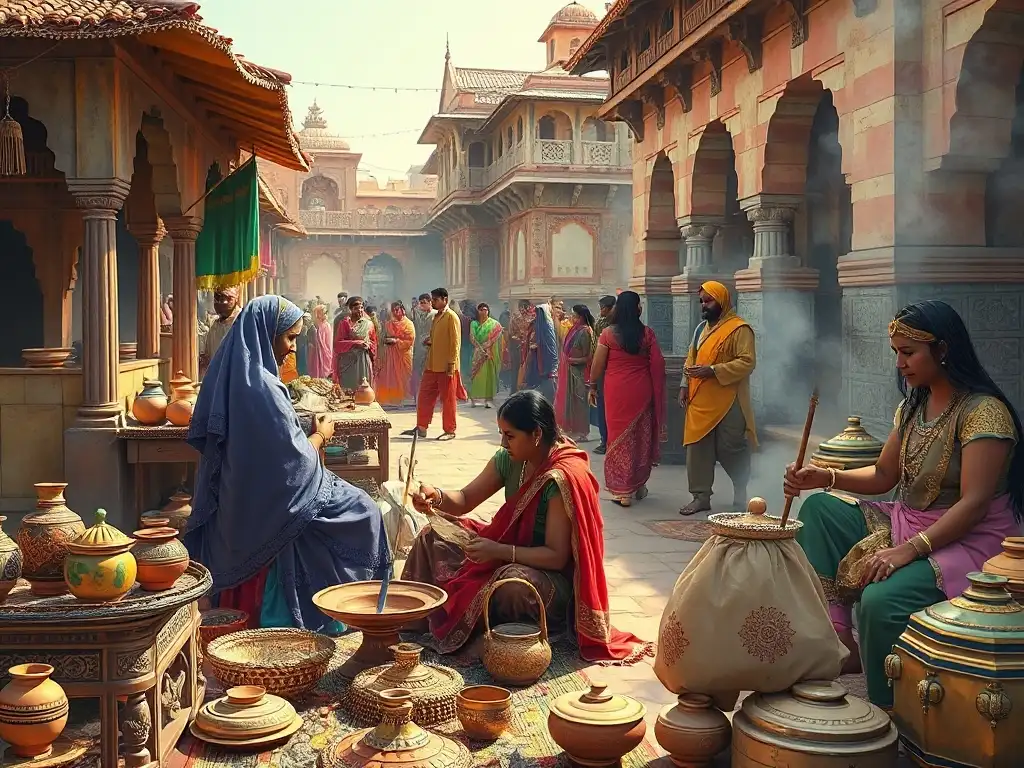
Artisans in ancient India played a pivotal role in facilitating cultural exchanges through their crafts and techniques. Their skills not only contributed to local economies but also fostered interactions with neighboring civilizations, leading to the exchange of ideas, styles, and technologies. This section explores specific case studies that illustrate how artisans influenced cultural dialogues across regions.
The Influence of Persian Techniques on Indian Weaving
During the Achaemenid Empire’s expansion, Persian weaving techniques significantly impacted Indian textile production. The introduction of intricate patterns, vibrant colors, and advanced dyeing processes from Persia enriched local practices. Indian weavers began adopting these Persian methods, blending them with traditional styles to create exquisite textiles that were highly sought after.
For example, the famous silk textiles of Varanasi incorporated Persian motifs, showcasing a beautiful synthesis of cultures. The use of gold and silver threads, known as "zari," became prevalent, demonstrating the influence of Persian craftsmanship. This cultural exchange not only enhanced the aesthetic appeal of Indian textiles but also established trade routes that allowed artisans to share and innovate continuously.
The Exchange of Pottery Styles Between India and Southeast Asia
The interaction between Indian and Southeast Asian cultures is well-documented through pottery styles. Indian artisans, particularly from regions like Tamil Nadu and Gujarat, exported their ceramics to Southeast Asia, where local artisans adapted these styles to their own traditions.
The influence is evident in the similarities between Indian painted pottery and the ceramics found in ancient Southeast Asian sites, such as those in Indonesia and Thailand. The introduction of the "red slip" technique and distinctive motifs inspired local pottery styles, leading to a unique fusion that reflected both Indian and indigenous influences. This exchange not only enriched the art forms of both regions but also facilitated trade and cultural ties.
The Impact of Greco-Roman Trade on Indian Metalwork
The Greco-Roman trade established a significant connection between ancient India and the Mediterranean world, particularly influencing Indian metalwork. Artisans skilled in metallurgy began incorporating techniques and styles from Greek and Roman artisans.
One notable example is the production of coins. Indian coinage adopted Greco-Roman designs, which featured deities and symbols that were reflective of both cultures. Additionally, the use of alloys and advanced techniques in metal smelting, such as the production of high-quality steel (known as Wootz steel), was influenced by interactions with Greco-Roman artisans. This exchange not only enhanced the quality of Indian metalwork but also showcased the artisans' ability to adapt and innovate through cultural interactions.
The Legacy of Artisans in Ancient Indian Civilization
The contributions of artisans in ancient India have left a lasting legacy that continues to resonate through various aspects of culture and craftsmanship. Their ability to blend techniques and styles from different civilizations laid the groundwork for a rich tapestry of artistic expression.
Preservation of Cultural Heritage Through Artisan Crafts
Artisan crafts have been essential in preserving the cultural heritage of ancient India. Many traditional crafts, such as handloom weaving, pottery, and metalwork, are direct descendants of the techniques developed by ancient artisans. These crafts have been passed down through generations, maintaining not only the skills but also the stories and traditions associated with them.
For instance, the art of block printing in Rajasthan has its roots in ancient practices that involved intricate designs and motifs, reflecting the cultural narratives of the time. Artisans today continue to draw inspiration from ancient methods, ensuring that the cultural heritage remains vibrant and relevant. This continuity highlights the importance of artisans as custodians of cultural identity.
The Enduring Influence of Ancient Artisans on Modern Crafts
The influence of ancient artisans extends into contemporary crafts, where traditional techniques are often revived and reinterpreted. Modern artisans frequently look back to their ancient predecessors for inspiration, leading to a resurgence of interest in traditional crafts.
Many artisans today blend ancient techniques with modern aesthetics, creating products that appeal to contemporary tastes while honoring historic practices. For example, the revival of traditional Indian embroidery techniques in fashion and home décor reflects a desire to connect with the past. This ongoing dialogue between ancient and modern crafts underscores the vital role of artisans in shaping and sustaining cultural identities through their work, ensuring that the legacy of ancient India remains alive in the present day.
Conclusion: The Lasting Impact of Artisans on Cultural Exchanges in Ancient India
The role of artisans in ancient India was pivotal not only in the realm of craftsmanship but also in the broader context of cultural exchanges with neighboring civilizations. Through their skilled work, artisans became conduits of ideas, traditions, and technologies, fostering a rich tapestry of cultural interaction that shaped the identity of ancient Indian society. Their contributions can still be felt today, as many artisan practices and techniques have persisted through generations, reflecting a continuous dialogue between cultures.
Summary of Key Contributions
Artisans in ancient India were instrumental in various forms of cultural exchange, which can be summarized in several key contributions:
- Trade and Commerce: Artisans produced goods that were highly sought after in international markets, such as textiles, pottery, and metalwork. Their participation in trade routes facilitated the exchange of not only products but also cultural ideas and practices.
- Technological Innovations: The skills of artisans led to the introduction and adaptation of new techniques from other cultures. For instance, the infusion of Persian motifs in Indian textile designs illustrates how artisans embraced and reinterpreted foreign influences.
- Art and Architecture: The contributions of artisans in crafting intricate sculptures, carvings, and architectural styles showcased a synthesis of local and foreign artistic traditions, enriching the cultural landscape of ancient India.
- Cultural Narrative: Through their crafts, artisans narrated stories that reflected the beliefs, values, and social structures of their time. This storytelling aspect helped in preserving cultural heritage and promoting cross-cultural understanding.
Reflection on the Importance of Artisan Heritage in Cultural Identity
The heritage of artisans in ancient India is not merely a historical footnote; it plays a crucial role in the contemporary cultural identity of the region. The skills and crafts developed by these artisans form an integral part of local traditions, festivals, and everyday life.
- Preservation of Tradition: The ongoing practice of traditional crafts is a testament to the resilience and adaptability of artisan communities. This preservation ensures that ancient techniques and cultural narratives continue to thrive, fostering a sense of belonging and continuity among communities.
- Cultural Diversity: Artisans represent the diverse cultural fabric of India, encompassing various ethnicities, languages, and traditions. Their work reflects regional identities and contributes to a collective cultural heritage that is celebrated across the nation.
- Economic Empowerment: In modern times, artisan communities are crucial for sustaining local economies and promoting sustainable practices. By valuing and supporting artisan craftsmanship, society can honor its historical roots while empowering these communities to thrive in the contemporary world.
The artisans' role in facilitating cultural exchanges in ancient India has left a profound and lasting impact on the region's cultural identity. Their legacy continues to inspire and enrich the collective memory of India's diverse heritage.
- Introduction to Artisans and Cultural Exchanges in Ancient India
- Historical Context of Artisans in Ancient India
- Types of Artisans and Their Crafts
- Artisans as Catalysts for Cultural Exchanges
- Case Studies of Artisan Contributions to Cultural Exchanges
- The Legacy of Artisans in Ancient Indian Civilization
- Conclusion: The Lasting Impact of Artisans on Cultural Exchanges in Ancient India
- What role did artisans play in ancient India?
- How did cultural exchanges influence the development of ancient Indian societies?
- What types of artisans were prominent in ancient India?
- How did trade routes contribute to cultural exchanges in ancient India?
- What impact did the Gupta Empire have on artisans and cultural exchanges?
Frequently Asked Questions
What role did artisans play in ancient India?
Artisans were essential in creating goods that not only served local needs but also facilitated cultural exchanges through trade and interactions with other civilizations.
How did cultural exchanges influence the development of ancient Indian societies?
Cultural exchanges introduced new ideas, techniques, and materials that enriched the social fabric and artistic expressions of ancient Indian civilizations.
What types of artisans were prominent in ancient India?
Ancient India had a variety of artisans including weavers, potters, metalworkers, and carpenters, each contributing to the cultural and economic landscape.
How did trade routes contribute to cultural exchanges in ancient India?
Trade routes connected ancient India with other regions, allowing artisans to share their crafts and learn from other cultures, enhancing the diversity of artistic practices.
What impact did the Gupta Empire have on artisans and cultural exchanges?
The Gupta Empire supported artisans through patronage and trade, leading to a flourishing of art and culture that promoted broad cultural exchanges across the region.
Final Reflection: The Enduring Legacy of Artisans in Cultural Exchanges
The role of artisans in facilitating cultural exchanges in ancient India remains profoundly relevant today, as it highlights the intricate tapestry of human connection and creativity. In a world increasingly defined by globalization, understanding how artisans bridged diverse cultures through their craft provides invaluable insights into the importance of collaboration and shared heritage. The legacy of these skilled individuals is not merely historical; it serves as a reminder of the power of creativity to transcend boundaries and foster understanding.
Artisans were not just creators; they were cultural ambassadors who shaped the social landscape of their time. Their work fostered dialogue between different communities, enriching the cultural fabric of ancient India. This influence continues to resonate, as we see modern artisans drawing inspiration from their predecessors to create works that celebrate diversity and heritage. Art is the most beautiful of all lies.
This quote encapsulates how the beauty of art can convey deeper truths about our shared human experience, transcending time and geography.
As we reflect on the lessons from the artisans of ancient India, let us embrace the call to become modern-day cultural ambassadors in our own communities. Consider how you can engage with diverse cultures through art, craft, or dialogue, and contribute to a more interconnected world. By honoring the legacy of these artisans, we can cultivate a spirit of collaboration and creativity that enriches our lives and those around us, ensuring that the art of cultural exchange continues to thrive.
Unveil the Legacy of Ancient Artisans!
Thank you for diving into the fascinating world of artisans in Ancient India! Your journey through their impactful role in cultural exchanges highlights the richness of our shared history. Now, it's time to bring that inspiration into action!
Here’s how you can deepen your understanding and appreciation of ancient artisanship:
- Explore local artisans or craftspeople in your area to learn about their unique traditions and skills.
- Join an online community dedicated to ancient crafts, where you can share insights and discoveries with fellow enthusiasts.
- Challenge yourself to create a piece of art or craft inspired by ancient techniques, and proudly share your creation with your community!
What aspect of the artisans' legacy do you find most inspiring, and how would you like to see it preserved in today’s culture?