
The Role of Pilgrimages in Promoting Cultural Interactions in Ancient India

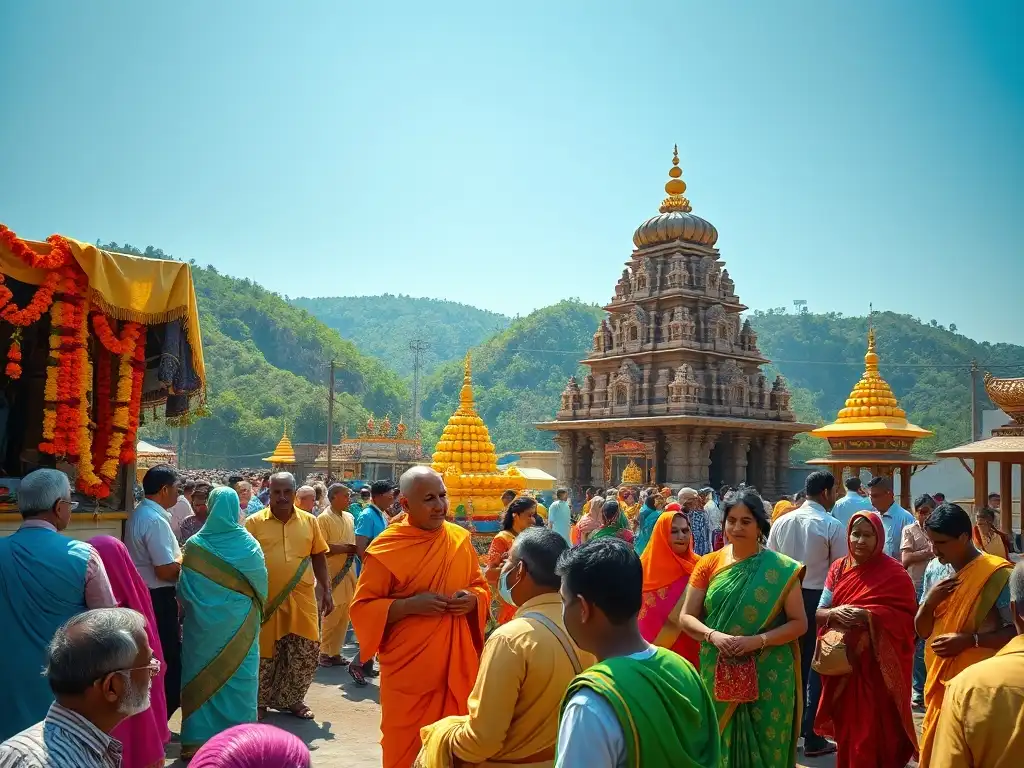
Welcome to Ancient India History, where we embark on a captivating journey through the rich tapestry of India's past. In this exploration, we delve into the fascinating role of pilgrimages in promoting cultural interactions in ancient India. Discover how these sacred journeys not only shaped spiritual practices but also served as vital conduits for cultural exchange among diverse civilizations. Are you ready to uncover the intricate links between faith and culture that have left an indelible mark on India’s heritage? Join us as we unveil the stories that lie at the heart of this vibrant history.
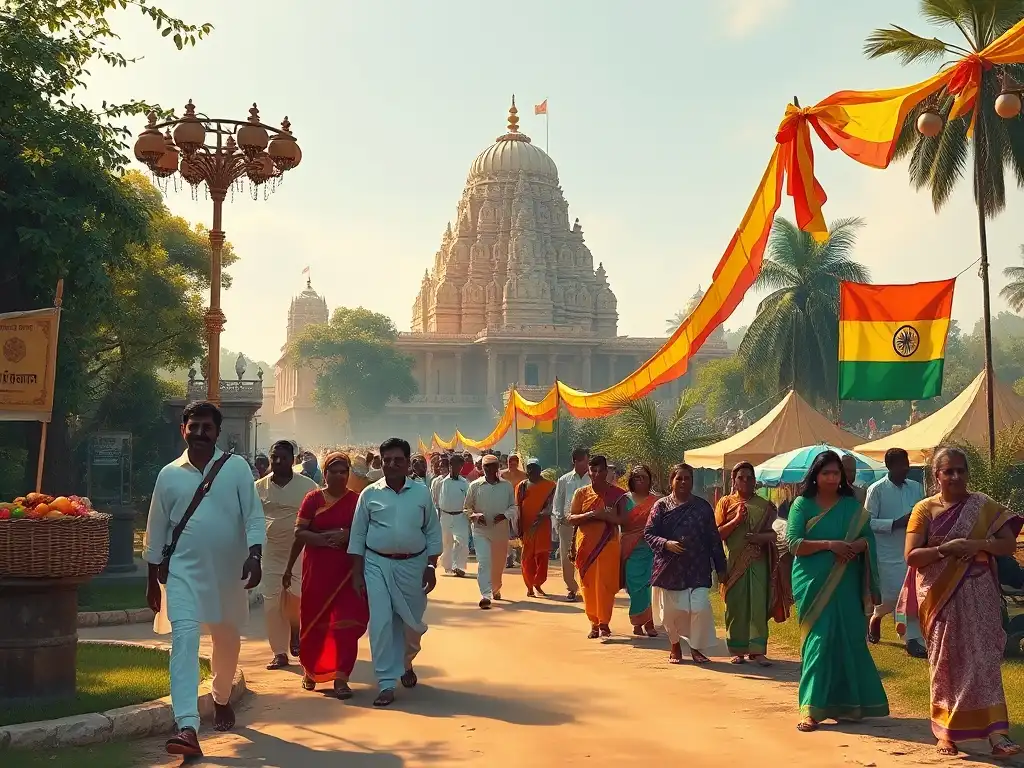
Introduction to Pilgrimages and Cultural Exchange in Ancient India
The intricate tapestry of ancient Indian history is woven with the threads of diverse cultural exchanges, many of which were facilitated through the practice of pilgrimages. These journeys, often undertaken for spiritual purposes, not only served as avenues for religious devotion but also acted as significant conduits for cultural interactions among various civilizations. This article delves into how pilgrimages and cultural exchange in India were interlinked, highlighting their role in fostering relationships between communities, promoting mutual understanding, and enriching the cultural landscape of ancient India.
Definition of Pilgrimages in Ancient Indian Context
In the ancient Indian context, a pilgrimage is defined as a journey to sacred sites, often associated with religious significance. These journeys were not limited to mere travel; they embodied a quest for spiritual enlightenment, community bonding, and cultural exploration. Pilgrimages were typically directed towards revered locations—such as temples, riverbanks, and mountain shrines—where individuals sought blessings, performed rituals, and participated in communal worship.
Importance of Cultural Exchange in Ancient Civilizations
Cultural exchange plays a vital role in the evolution of civilizations. In ancient India, the intersection of diverse cultures through trade, conquest, and religious practices catalyzed the exchange of ideas, art, and knowledge. Such interactions contributed to societal advancement, as communities learned from one another, adapting and integrating various cultural elements into their own practices. The significance of cultural exchange in ancient civilizations can be seen in multiple aspects, including:
- Artistic Influence: The sharing of artistic techniques and styles across cultures enriched the visual and performing arts.
- Philosophical Ideas: The dissemination of philosophical thoughts led to the emergence of new schools of thought and religious beliefs.
- Trade and Economy: Interaction through trade fostered economic ties, further enhancing cultural exchanges.
Overview of the Relationship between Pilgrimages and Cultural Interactions
Pilgrimages facilitated cross-cultural interactions by bringing together individuals from diverse backgrounds. As pilgrims traveled to sacred sites, they encountered people from different regions, ethnicities, and social classes. These encounters often led to the exchange of customs, languages, and traditions, fostering a sense of unity despite differences. The shared experience of pilgrimage not only strengthened communal bonds but also promoted an understanding of the vast cultural heritage that characterized ancient India.
Historical Background of Pilgrimages in Ancient India
The historical significance of pilgrimages in ancient India can be traced back to early civilizations, where religious practices and travel were intertwined. The following sections explore major pilgrimage sites, the role of religious practices in cultural exchanges, and how these journeys served as a means of travel and interaction.
Major Pilgrimage Sites in Ancient India
Ancient India was home to several prominent pilgrimage sites that attracted devotees from far and wide. Notable locations included:
- Varanasi: Revered as one of the oldest continuously inhabited cities, it drew pilgrims seeking spiritual cleansing in the Ganges River.
- Kashi Vishwanath Temple: A significant site dedicated to Lord Shiva, it became a focal point for religious gatherings.
- Bodh Gaya: The place where Gautama Buddha attained enlightenment, attracting countless Buddhists throughout history.
These sites not only served religious purposes but also became cultural melting pots, where diverse groups converged, leading to rich interactions.
The Significance of Religious Practices in Cultural Exchange
Religious practices associated with pilgrimages often transcended mere rituals, serving as platforms for cultural exchange. Festivals, fairs, and communal gatherings around sacred sites encouraged the mingling of diverse communities, leading to the sharing of traditions, art forms, and languages. Such interactions played a pivotal role in shaping the socio-cultural fabric of ancient India.
Pilgrimages as a Means of Travel and Interaction
In addition to their spiritual significance, pilgrimages functioned as essential travel routes within the subcontinent. They connected disparate regions, allowing for the exchange of goods, ideas, and cultural practices. Traders, scholars, and travelers often accompanied pilgrims, further enhancing the cultural and economic exchanges that flourished along these routes. This interconnectedness contributed to the richness and diversity of ancient Indian civilization, making pilgrimages a cornerstone of cultural interactions.
Types of Pilgrimages and Their Impact on Cultural Exchange
Pilgrimages in ancient India were not merely spiritual endeavors; they served as vital conduits for cultural exchange, fostering interactions among diverse communities. These journeys can be categorized into several types, each contributing uniquely to cultural dynamics in ancient Indian society. The primary types include religious pilgrimages, trade routes that doubled as pilgrimage pathways, and festivals that brought together different cultural groups.
Religious pilgrimages were often tied to sacred sites, where devotees sought blessings and spiritual fulfillment. These journeys facilitated the movement of people from various regions, allowing for the exchange of ideas, traditions, and practices. Furthermore, trade routes often intersected with pilgrimage paths, enabling merchants and pilgrims to interact, leading to an economic and cultural symbiosis. Festivals and fairs, which marked seasonal pilgrimages, became melting pots for various communities, celebrating their distinct identities while fostering a spirit of unity.
Religious Pilgrimages: Spiritual Journeys and Cultural Interactions
Religious pilgrimages are perhaps the most recognized form of pilgrimage in ancient India. Sites such as Kashi (Varanasi), Haridwar, and Ayodhya attracted vast numbers of pilgrims from all over the subcontinent. These journeys were not only personal spiritual quests but also opportunities for cultural interactions. As pilgrims gathered at these sacred sites, they shared stories, customs, and practices, enriching the local culture and creating a tapestry of shared beliefs.
The arrival of pilgrims facilitated the growth of local economies and cultures, as towns developed around these sacred sites to accommodate visitors. Temples, as centers of worship, also became hubs of cultural exchange, where different sects and communities interacted. For instance, the interaction between Shaivites and Vaishnavites during pilgrimages led to a blending of traditions and rituals, demonstrating the dynamic nature of cultural practices in ancient India.
Trade Routes as Pilgrimage Pathways: Economic and Cultural Exchange
In ancient India, trade routes often overlapped with pilgrimage paths, creating a dual purpose for these routes. Major trade routes such as the Silk Road and Grand Trunk Road facilitated not only the movement of goods but also the flow of people embarking on pilgrimages. This intersection allowed for the exchange of not just commodities but also cultural ideas and practices.
Merchants traveling alongside pilgrims contributed to the dissemination of knowledge, art, and technology. For example, the spread of Buddhist teachings across Asia was significantly aided by trade routes that also served as pilgrimage pathways. Pilgrims visiting sites like Bodh Gaya, where Buddha attained enlightenment, often interacted with traders, leading to the mutual exchange of goods and cultural practices.
Festivals and Fairs: Celebrating Cultural Diversity through Pilgrimages
Festivals and fairs associated with pilgrimages played a crucial role in showcasing the cultural diversity of ancient India. Events like the Kumbh Mela and local fairs at pilgrimage sites attracted millions of visitors, creating a vibrant atmosphere for cultural exchange. These gatherings served as platforms for various communities to come together, share their traditions, and celebrate their differences.
During these festivals, various forms of art, music, and dance were performed, reflecting the rich cultural tapestry of India. Pilgrims and locals exchanged not only religious beliefs but also culinary practices, clothing styles, and other aspects of daily life. The interaction facilitated by these festivals contributed significantly to the cultural cohesion and understanding among different groups, fostering a sense of unity despite diverse backgrounds.
Key Pilgrimages that Shaped Cultural Interactions
The significance of specific pilgrimages in shaping cultural interactions in ancient India cannot be overstated. Certain key sites and events played pivotal roles in fostering connections among diverse communities, contributing to the rich cultural heritage of the region.
The Kumbh Mela: A Confluence of Cultures
The Kumbh Mela is one of the largest religious gatherings in the world, occurring every twelve years at four rotating sites: Allahabad, Haridwar, Ujjain, and Nashik. This festival not only attracts millions of pilgrims seeking spiritual purification but also serves as a significant cultural interaction point. During the Kumbh Mela, devotees from various regions and backgrounds come together, sharing their unique customs and practices.
The Kumbh Mela is characterized by the presence of sadhus (holy men), who represent different sects and traditions, thereby promoting dialogue among diverse religious communities. The event transforms into a melting pot of cultural expressions, where art, music, and local cuisines are shared, creating a rich tapestry of experiences that enhances mutual respect and understanding.
The Journey to Varanasi: Spiritual and Cultural Significance
Varanasi, one of the oldest inhabited cities in the world, is a pivotal pilgrimage site for Hindus. The journey to Varanasi is not only a quest for spiritual enlightenment but also an opportunity for cultural exchange. As pilgrims arrive in this sacred city, they contribute to a vibrant cultural milieu that includes local artisans, musicians, and scholars.
The interactions that occur in Varanasi often lead to the sharing of philosophical ideas, artistic expressions, and religious practices. The city itself, with its ghats and temples, serves as a living museum of cultural heritage, where diverse communities converge to celebrate their faith while learning from one another.
The Impact of Buddhist Pilgrimages on Cultural Exchange in India
Buddhist pilgrimages, particularly to sites such as Bodh Gaya, Sarnath, and Kushinagar, played a crucial role in fostering cultural exchange not only within India but also across Asia. These pilgrimage sites attracted followers from various regions, including monks, scholars, and laypeople, leading to a rich exchange of ideas and practices.
The spread of Buddhism through these pilgrimages facilitated the sharing of art, philosophy, and cultural practices across borders. For instance, the architectural styles of stupas and monasteries influenced local building traditions in regions such as Southeast Asia, while Buddhist texts and teachings permeated various cultures, leading to a profound intermingling of ideas and beliefs. This cultural exchange significantly enriched the civilizations that engaged with Buddhism, demonstrating the profound impact of these pilgrimages on cultural interactions in ancient India.
Pilgrimages and Their Influence on Art and Literature
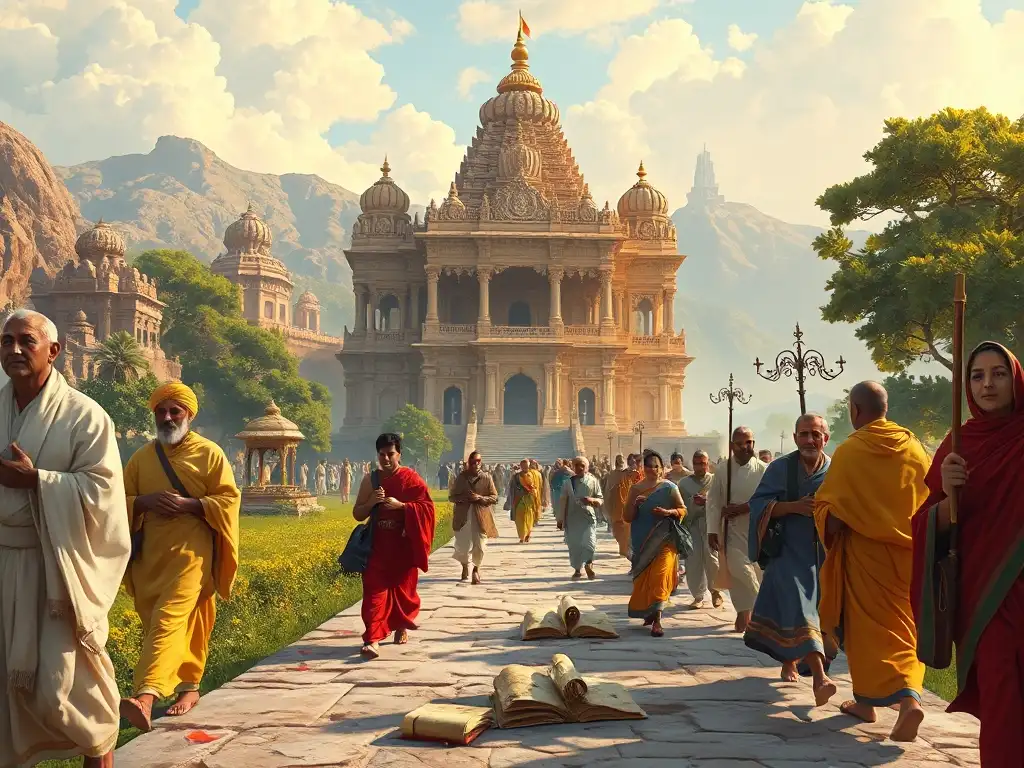
Pilgrimages in ancient India were not only spiritual journeys but also vibrant catalysts for cultural exchange, significantly influencing art and literature. As pilgrims traversed vast landscapes to reach sacred sites, they carried with them diverse traditions, beliefs, and artistic expressions. The experiences and narratives that emerged from these journeys found their way into various art forms and literary works, reflecting the rich tapestry of interactions among different cultures.
Artistic Expressions Inspired by Pilgrimages
The impact of pilgrimages on art can be observed through various mediums, including sculpture, painting, and architecture. Temples and monuments built along pilgrimage routes often feature intricate carvings and sculptures that depict scenes from religious texts and stories of revered deities. For instance, the rock-cut caves of Ajanta and Ellora are prime examples where art flourished due to the influx of pilgrims, showcasing rich narratives from Buddhist, Jain, and Hindu traditions.
Moreover, the decorative motifs on temple walls often reflect the influence of regional styles as artisans from different backgrounds collaborated. As pilgrims shared their unique artistic traditions, these interactions led to the evolution of hybrid art forms. The depiction of gods and goddesses in different styles, such as the unique Gupta art's gracefulness, highlights how artistic expressions were enriched through cultural exchange during pilgrimages.
Literary Works Reflecting Cultural Interactions during Pilgrimages
Literature also thrived under the influence of pilgrimages, with numerous texts capturing the essence of these journeys. Sacred scriptures, such as the Puranas, often recount the significance of pilgrimage sites and the stories associated with them. These texts not only served as guides for devotees but also as historical records reflecting the socio-cultural landscape of the time.
Travel narratives, such as those by Chinese pilgrims like Xuanzang and Fa-Hien, provide invaluable insights into the interactions between Indian and foreign cultures. Their accounts detail encounters with various communities, highlighting the exchange of ideas, philosophies, and practices. Additionally, poems and epics, such as the Ramayana and Mahabharata, often incorporate themes of pilgrimage, reinforcing the idea that these journeys were central to the cultural identity of ancient India.
The Role of Pilgrimages in Preserving Cultural Heritage
Pilgrimages played a crucial role in preserving and transmitting cultural heritage across generations. The rituals and practices associated with these journeys helped maintain the continuity of traditions, ensuring that they were not lost over time. Pilgrimages fostered a sense of community among devotees, creating bonds that transcended regional and linguistic differences.
Furthermore, the establishment of sacred sites as centers of learning and cultural exchange significantly contributed to the preservation of ancient texts and knowledge. Many temples and monasteries became hubs for scholars and artists, where they could share ideas and engage in intellectual discussions. This environment nurtured the development of various schools of thought, such as Bhakti and Siddha traditions, which emphasized personal devotion and spiritual experience.
Conclusion: The Lasting Legacy of Pilgrimages in Cultural Interactions
Summary of the Impact of Pilgrimages on Ancient Indian Civilizations
The role of pilgrimages in ancient India extended far beyond spiritual endeavors; they were instrumental in promoting cultural interactions that shaped the civilization’s art, literature, and heritage. The blending of diverse traditions through these journeys fostered a rich cultural milieu that left a lasting impact on Indian society. The artistic and literary expressions that emerged from these interactions underscore the importance of pilgrimages as vehicles for cultural exchange.
The Relevance of Pilgrimages in Understanding Cultural Exchanges Today
Today, the legacy of ancient pilgrimages continues to resonate. Modern pilgrimages still serve as platforms for cultural exchange, reflecting the enduring nature of these ancient practices. By studying the historical significance of pilgrimages and their role in fostering interactions among civilizations, we gain deeper insights into the complexities of cultural exchange. This understanding not only enriches our appreciation of ancient Indian history but also enhances our perspective on contemporary cultural interactions in a globalized world.
References and Further Reading on Pilgrimages and Cultural Exchange in India
The study of pilgrimages in ancient India offers a profound insight into the ways cultural interactions shaped the subcontinent's history. Various authors and resources delve into this theme, providing historical narratives, analyses, and interpretations. Here are some recommended references and further readings that explore the multifaceted connections between pilgrimages and cultural exchange in ancient India.
Suggested Literature on Ancient Indian Pilgrimages
-
"The Sacred Geography of Ancient India" by John S. Strong
This book examines the significance of sacred sites in ancient India, discussing how these locations served as focal points for pilgrimages and facilitated cultural interactions among diverse groups.
-
"Pilgrimage in the Hindu Tradition: A Case Study of Varanasi" by David Kinsley
Kinsley's work provides an in-depth analysis of Varanasi, one of the most revered pilgrimage sites, illustrating how pilgrimages fostered cultural exchanges and influenced social structures.
-
"Cultural Interactions in Ancient India: The Role of Pilgrimages" by Aditi Sharma
This academic study discusses the impact of pilgrimages on cultural exchanges in ancient India, highlighting various pilgrimage routes and their significance in connecting different regions.
-
"Religious Pilgrimage in the Modern World" by Victor Turner and Edith Turner
Though focusing on modern implications, this book provides valuable insights into the historical foundations of pilgrimage practices, including those in ancient India.
-
"The Pilgrimage to Mecca: A Comparative Study" by R. K. Sharma
This comparative analysis of pilgrimage practices includes references to Indian traditions and their interactions with other cultures, showcasing the broader implications of cultural exchange through religious journeys.
Online Resources for Exploring Cultural Interactions in Ancient India
-
Digital South Asia Library (DSAL)
A comprehensive resource that offers access to various texts and maps related to South Asian history, including information on pilgrimage routes and cultural exchanges.
-
Internet Archive
A treasure trove of digitized books and manuscripts, many of which cover ancient Indian culture, religious practices, and the significance of pilgrimages. A search for "ancient Indian pilgrimages" will yield numerous relevant texts.
-
The Archaeological Survey of India (ASI)
The ASI website provides information on archaeological findings related to ancient pilgrimage sites, offering insights into how these locations facilitated cultural interactions.
-
Academia.edu
A platform where scholars share their research papers. Searching for topics related to "pilgrimages and cultural exchange in India" can lead to a wealth of academic articles and studies.
-
Ancient India: A Historical Overview
This online resource outlines the major historical periods of ancient India, with specific sections dedicated to religious practices and the role of pilgrimages in fostering cultural exchange.
- Introduction to Pilgrimages and Cultural Exchange in Ancient India
- Historical Background of Pilgrimages in Ancient India
- Types of Pilgrimages and Their Impact on Cultural Exchange
- Key Pilgrimages that Shaped Cultural Interactions
- Pilgrimages and Their Influence on Art and Literature
- Conclusion: The Lasting Legacy of Pilgrimages in Cultural Interactions
- References and Further Reading on Pilgrimages and Cultural Exchange in India
Frequently Asked Questions
What were some significant pilgrimages in ancient India?
Ancient India saw numerous significant pilgrimages, such as the journey to Kashi, Bodh Gaya, and Rameshwaram, which served as major spiritual centers and facilitated cultural exchange.
How did pilgrimages contribute to cultural interactions?
Pilgrimages allowed for cultural interactions by bringing together people from different regions, fostering the exchange of ideas, traditions, and art forms, thus enriching the social fabric of ancient India.
What role did religion play in pilgrimage activities?
Religion was a central aspect of pilgrimage activities, as these journeys were often undertaken for spiritual merit, connecting individuals with sacred sites, and deepening their religious beliefs.
How did the Gupta Empire influence pilgrimages?
The Gupta Empire promoted pilgrimages by establishing well-maintained routes, enhancing accessibility to sacred sites, and supporting the infrastructure needed for travelers, which in turn boosted cultural exchange.
Pilgrimages had significant social impacts, as they facilitated community bonding, encouraged trade, and stimulated economic growth, ultimately leading to a more interconnected and prosperous society.
Final Reflection: The Enduring Legacy of Pilgrimages and Cultural Exchange in India
The exploration of how pilgrimages served as vital conduits for cultural exchange in ancient India reveals their profound relevance in today’s interconnected world. As we navigate through a global landscape marked by cultural diversity and the blending of traditions, the historical significance of these sacred journeys reminds us of the power of shared experiences in fostering understanding and unity among different communities.
The impact of pilgrimages on cultural interactions is not merely a relic of the past; it continues to shape our social fabric. The exchanges that took place along these routes enriched the spiritual and cultural dimensions of society, creating a tapestry of shared beliefs and practices that resonate even today. Pilgrimages are not just journeys to sacred places; they are pathways to cultural harmony.
This observation underscores the ongoing influence of these ancient practices, highlighting how they laid the groundwork for the rich cultural mosaic that characterizes modern India.
As we reflect on the lessons from the past, let us embrace the spirit of pilgrimage in our own lives. Consider how you can embark on your own journey of cultural exploration and understanding, whether through travel, learning, or engaging with diverse communities. By doing so, you not only honor the legacy of those who walked these paths before us but also contribute to a more harmonious and interconnected world.
Embark on Your Own Journey of Cultural Discovery!
Thank you for exploring the fascinating world of ancient Indian pilgrimages with us! By diving into the rich cultural interactions influenced by these sacred journeys, you’ve uncovered valuable insights into how they shaped societies and traditions. Now, it's time to put that knowledge into action!
Here are a few ways you can continue your exploration:
- Plan a visit to a local cultural festival that celebrates traditions similar to those of ancient pilgrimages—immerse yourself in the experience!
- Share your thoughts about this article on social media to ignite conversations about the significance of cultural interactions within your community.
- Join a community group or forum dedicated to exploring historical journeys—discuss findings, share experiences, and connect with like-minded enthusiasts!
What aspect of cultural interactions through pilgrimages inspires you the most, and how do you see its relevance in today’s world?