
The CrossCultural Exchange of Indian and Southeast Asian Myths and Legends

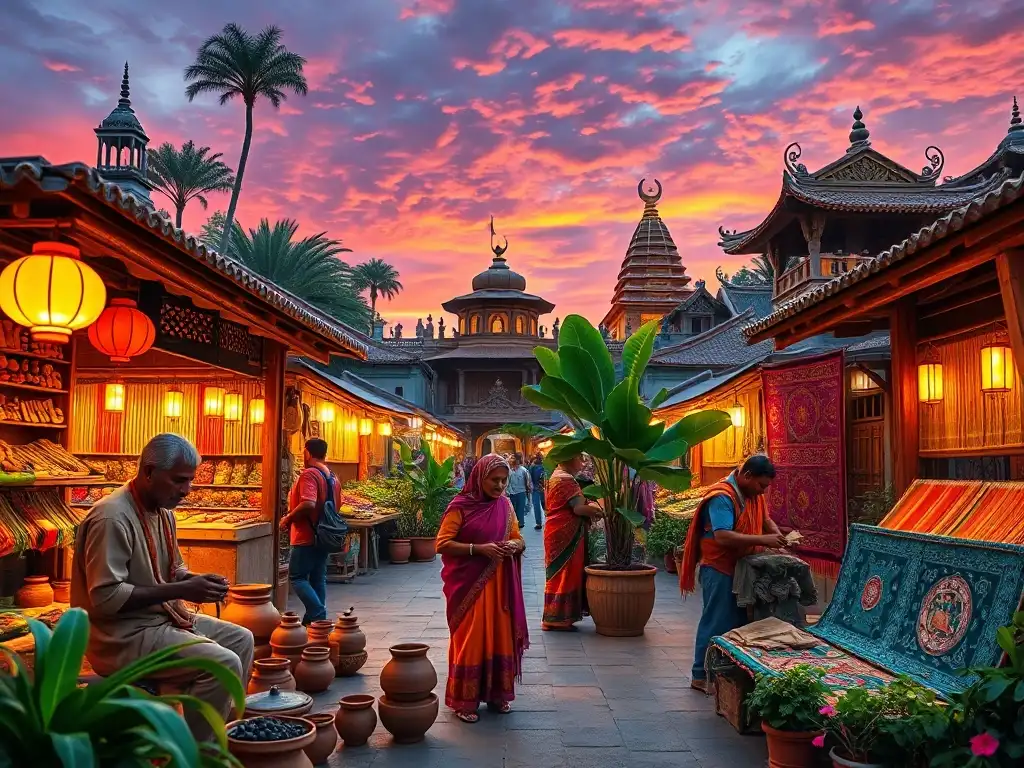
Welcome to Ancient India History, where we embark on a captivating journey through the rich tapestry of India's past. Here, we delve into the fascinating theme of Indian Southeast Asian cultural exchange, uncovering how the myths and legends of these ancient civilizations intertwined to create a vibrant cultural mosaic. In our featured article, “The CrossCultural Exchange of Indian and Southeast Asian Myths and Legends,” we invite you to explore the profound influences that shaped not only the region but also the world at large.
Prepare to discover stories that transcend borders and time, sparking your curiosity and inspiring a deeper appreciation for the cultural legacies that continue to resonate today. Join us as we unlock the secrets of ancient connections and their enduring impact on our modern lives!
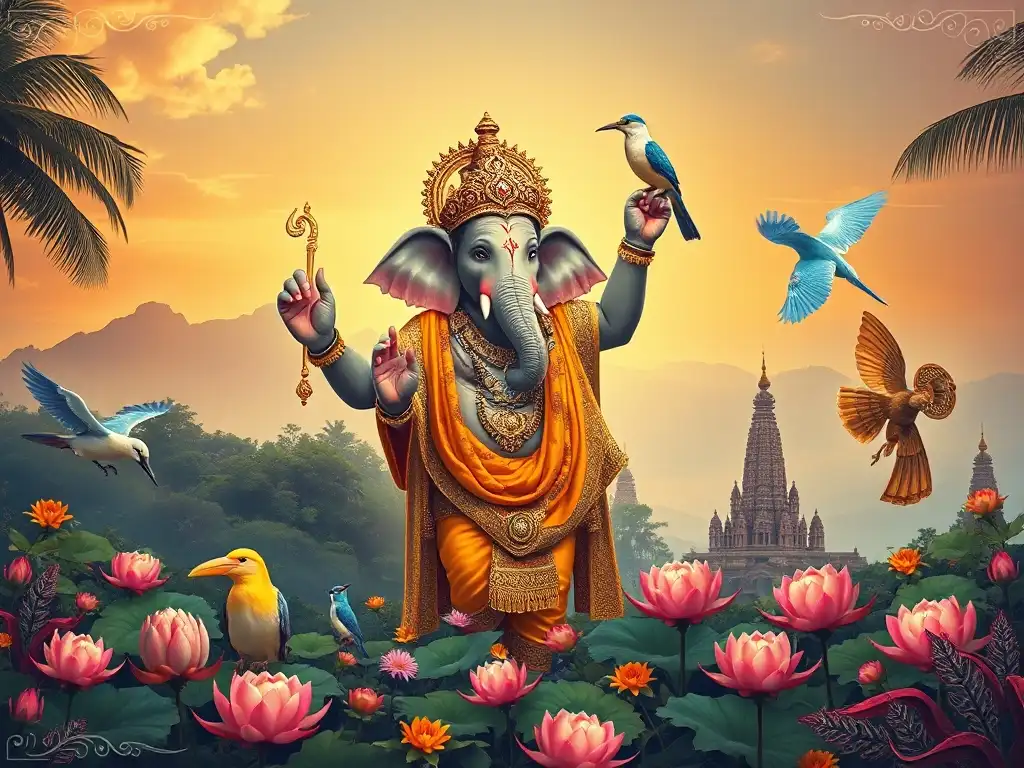
Introduction to Indian Southeast Asian Cultural Exchange
The cultural exchange between India and Southeast Asia is a captivating narrative that illustrates the profound interconnectedness of civilizations. This exchange, particularly evident in the myths and legends shared between these regions, underscores the historical ties that have shaped their respective cultures.
From the ancient trade routes that facilitated the movement of goods and ideas to the rich tapestry of stories that emerged as a result, the Indian Southeast Asian cultural exchange has significantly influenced the development of societies across the region. By delving into the intricate web of these interactions, we can better appreciate the enduring legacy of ancient Indian civilizations and their impact on the cultures of Southeast Asia.
Overview of Cultural Influences
The cultural influences between India and Southeast Asia can be traced back to the early centuries CE. Various forms of art, religion, and philosophy flowed between these regions, creating a rich amalgamation of traditions. Key aspects include:
- Religious Practices: The spread of Hinduism and Buddhism into Southeast Asia played a pivotal role in shaping local beliefs and practices, with temples such as Angkor Wat in Cambodia exemplifying this influence.
- Literature and Oral Traditions: Myths and legends, often rooted in Indian epics like the Ramayana and Mahabharata, were adapted and retold in Southeast Asian contexts, giving rise to unique local variations.
- Art and Architecture: Indian artistic styles influenced the local crafts and architectural designs, evident in sculptures and temple layouts across the region.
Significance of Myths and Legends in Cultural Exchange
Myths and legends serve as crucial vessels for cultural transmission, encapsulating the values, beliefs, and philosophical concepts of a society. In the context of Indian and Southeast Asian interactions, these narratives have:
- Fostered Identity: Shared myths helped in forming a collective identity among diverse communities, allowing them to relate to broader cultural themes.
- Preserved History: Legends often contain historical references that provide insights into the past, helping societies retain a sense of heritage and continuity.
- Facilitated Adaptation: As stories traveled across regions, they were adapted to fit local contexts, leading to a rich diversity of interpretations and expressions.
Historical Context of Indian and Southeast Asian Interactions
To fully understand the cross-cultural exchange of myths and legends, it's essential to explore the historical backdrop that facilitated these interactions.
Early Trade Routes and Their Impact
The establishment of trade routes, particularly the land and maritime paths, marked the beginning of significant cultural exchanges between India and Southeast Asia. These routes enabled:
- Economic Interactions: Trade in spices, textiles, and precious metals created economic ties that fostered mutual interests.
- Cultural Transmission: Merchants and travelers carried not only goods but also ideas, stories, and religious beliefs, leading to a fertile ground for cultural exchange.
The Role of Maritime Trade in Cultural Exchange
Maritime trade routes, in particular, played a crucial role in linking Indian and Southeast Asian civilizations. Key elements include:
- Strategic Ports: Ports such as those in present-day Indonesia and Malaysia became hubs for cultural interaction, facilitating the movement of merchants and scholars.
- Influence of Navigation Techniques: Advanced navigation techniques developed by Indian sailors allowed for extensive maritime exploration, further connecting distant cultures.
- Intermingling of Communities: The influx of Indian traders into Southeast Asia led to the establishment of diaspora communities, which contributed to the local culture while maintaining ties to their origins.
The Indian Southeast Asian cultural exchange is marked by a rich history of interaction, where myths and legends play a vital role in bridging cultural divides, preserving heritage, and fostering identity across civilizations.
The cultural exchange between India and Southeast Asia has resulted in a rich tapestry of shared myths and legends. These narratives, while rooted in their respective cultural contexts, often reveal striking similarities and connections. The influence of Indian mythology on Southeast Asian legends is particularly evident in the realms of Hindu and Buddhist traditions, where stories of gods, heroes, and cosmic battles transcend geographical boundaries.
Introduction to Prominent Myths
One of the most notable Indian epics that has found resonance in Southeast Asia is the Ramayana. This ancient narrative, which tells the story of Lord Rama's quest to rescue his wife Sita from the demon king Ravana, has been adapted into various forms across Southeast Asian countries such as Indonesia, Thailand, and Malaysia. In Indonesia, for instance, the Ramayana is performed as a traditional dance known as the Ramayana Ballet, showcasing the story's enduring appeal.
Similarly, the Mahabharata, another cornerstone of Indian literature, has also permeated Southeast Asian cultures, manifesting in local interpretations that retain core themes while incorporating regional elements. Characters like Bhima and Arjuna have become heroes in their own right, celebrated through local folklore and theatrical performances.
Comparison of Indian Epics and Southeast Asian Adaptations
The adaptations of Indian epics in Southeast Asia are not mere translations but rather reimaginations that reflect local customs, beliefs, and values. For example, in Thailand, the Ramayana is known as the Ramakien, where the characters and events are adapted to align more closely with Thai culture. The portrayal of Rama as a noble king and Sita as a virtuous queen resonates with Thai ideals of monarchy and fidelity, creating a unique narrative that speaks to the local audience.
In contrast, the Mahabharata has been localized in various ways across the region. In Malaysia, the epic is often integrated into traditional shadow puppet plays known as Wayang Kulit, where the stories are performed with intricate puppets that depict the epic's rich character roster. This form of storytelling not only entertains but also preserves the moral and ethical lessons inherent in the original text.
Thematic Similarities in Myths and Legends
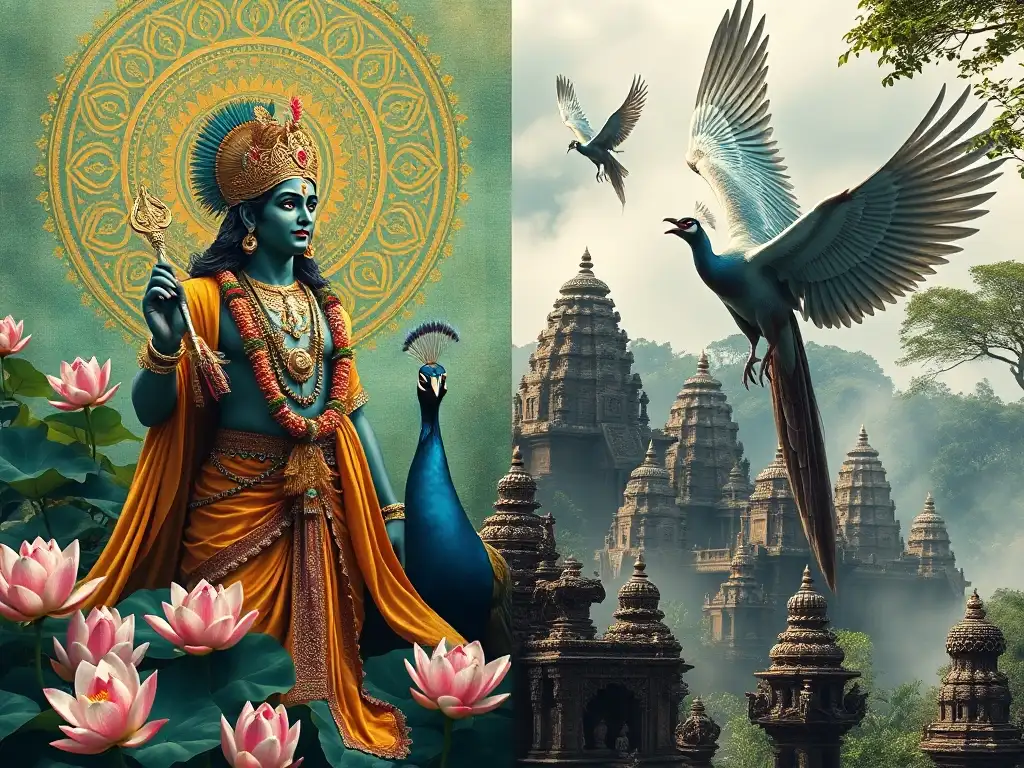
The thematic elements found in the myths and legends of both Indian and Southeast Asian cultures reveal significant overlaps. These themes often explore universal human experiences, such as the struggle between good and evil, the importance of duty (dharma), and the quest for knowledge and enlightenment.
Common Themes Across Cultures
- Good vs. Evil: This theme is prevalent in both Indian and Southeast Asian myths, prominently featured in the battles between divine figures and demons. In the Ramayana, Rama represents virtue, while Ravana embodies evil. Similarly, Southeast Asian adaptations often highlight this dichotomy, emphasizing moral lessons that resonate with the audience.
- Heroic Journeys: Many legends from both regions depict heroes embarking on transformative journeys. These narratives often illustrate the hero's growth and the trials faced, mirroring the Mahabharata's focus on the importance of personal sacrifice and resilience.
- Divine Intervention: The presence of divine beings who guide and influence human affairs is a common motif. In both Indian and Southeast Asian legends, gods frequently intervene in human struggles, providing support or challenges that shape the course of events.
- Cultural Syncretism: The blending of local beliefs with Indian influences showcases the adaptability of these myths. For instance, while Indian epics introduce a pantheon of gods, Southeast Asian interpretations often incorporate local deities, creating a syncretic belief system that reflects both traditions.
By examining these shared myths and thematic connections, we gain a deeper understanding of the rich cultural exchanges that have shaped the historical narratives of both India and Southeast Asia. This interplay not only enriches the literary landscape but also highlights the enduring legacy of these ancient stories in contemporary society.
The Impact of Indian Mythology on Southeast Asian Cultures
The influence of Indian mythology on Southeast Asian cultures is profound and multifaceted, stemming from centuries of trade, migration, and cultural exchange. The spread of Hinduism and Buddhism from India to Southeast Asia brought with it a plethora of myths, legends, and deities that became interwoven with local beliefs and traditions. This cross-cultural exchange led to the adaptation and reinterpretation of these narratives, enriching the cultural tapestry of Southeast Asian societies.
Indian epics such as the Mahabharata and Ramayana have found a significant place in the mythological landscape of Southeast Asia. These stories not only serve as moral and ethical guides but also shape the artistic expressions and religious practices of the region. The narratives of heroism, divine intervention, and moral dilemmas resonate with local audiences, leading to a unique blend of Indian and indigenous elements in their retellings.
The interaction between Indian and Southeast Asian cultures also facilitated the development of new mythological themes that reflect the experiences and values of local populations. This dynamic exchange resulted in the creation of hybrid myths, which both honored their Indian roots and adapted to the local context, demonstrating the fluid nature of cultural identity in the region.
Adaptation of Indian Deities in Southeast Asia
The adaptation of Indian deities in Southeast Asia illustrates the deep-rooted influence of Indian mythology on local religious practices. Major deities like Vishnu, Shiva, and Durga were integrated into the spiritual pantheon of various Southeast Asian cultures, often taking on new forms and attributes that resonated with local beliefs.
For instance, in Indonesia, the figure of Shiva is revered in various forms, including as the God of fertility and agriculture, reflecting the agrarian lifestyle of the region. Similarly, Durga is worshiped in her incarnations, symbolizing strength and protection against evil forces. The transformation of these deities signifies not only religious adaptation but also the synthesis of cultural values and societal norms.
Moreover, the portrayal of these deities in local art and iconography often reflects indigenous aesthetics and symbolism, further emphasizing the unique intersection of Indian and Southeast Asian traditions. Temples built in honor of these deities, such as the Prambanan Temple in Java, serve as architectural marvels that encapsulate this cultural amalgamation.
Influence on Art and Architecture
The impact of Indian mythology on Southeast Asian art and architecture is unmistakable, with numerous temples, sculptures, and paintings echoing themes derived from Indian epics. The intricate carvings and reliefs found in temples like Angkor Wat and Borobudur illustrate scenes from the Ramayana and Mahabharata, showcasing the high level of craftsmanship and the integration of mythological narratives into architectural design.
Southeast Asian artists often drew from Indian stylistic elements while infusing their work with local motifs and interpretations. This blend is evident in the depiction of mythological figures, where Indian deities are often portrayed with regional attire and attributes, symbolizing a unique cultural identity that honors both Indian and local traditions.
In addition to temple architecture, Indian influences can also be seen in traditional dance forms, such as the Balinese Kecak and Thai Khon, which often depict stories from Indian mythology. These performances serve not only as entertainment but also as a means of preserving and transmitting cultural heritage across generations.
The Role of Oral Traditions in Cultural Exchange
Oral traditions have played a crucial role in the cultural exchange between India and Southeast Asia, facilitating the transmission of myths and legends across generations. Storytelling, an integral part of both Indian and Southeast Asian cultures, has enabled the preservation and adaptation of narratives that reflect the values and beliefs of these societies.
In many Southeast Asian communities, oral storytelling practices are not merely a form of entertainment; they serve as a vital educational tool, imparting moral lessons and cultural knowledge. Through these narratives, listeners are introduced to the rich mythological heritage of India, which becomes intertwined with local folklore, creating a vibrant tapestry of stories that resonate with both Indian and Southeast Asian audiences.
Oral Storytelling Practices in India and Southeast Asia
Oral storytelling practices in India and Southeast Asia share similarities that highlight their interconnectedness. In India, epics like the Mahabharata are traditionally recited by bards during festivals and gatherings, while in Southeast Asia, similar practices can be found in the form of community storytelling sessions or shadow puppet performances that bring myths to life.
These storytelling traditions often incorporate local dialects, customs, and cultural nuances, making them accessible and relatable to the audience. The use of rhythm, melody, and dramatization enhances the storytelling experience, ensuring that the narratives are memorable and impactful.
As these oral traditions evolve, they continue to reflect the changing dynamics of society, adapting to contemporary themes while retaining their mythological roots. This adaptability underscores the enduring legacy of Indian mythology within the oral cultures of Southeast Asia.
Preservation and Transformation of Myths Over Time
The preservation and transformation of myths over time is a fascinating aspect of the cultural exchange between India and Southeast Asia. While many stories have remained intact, others have undergone significant changes in response to shifting cultural contexts, societal norms, and historical events.
In the process of adaptation, certain elements of the original narratives may be emphasized or downplayed, reflecting the values of the society that is interpreting them. For example, themes of heroism and sacrifice in Indian epics may resonate differently in Southeast Asia, leading to new interpretations that align more closely with local customs and beliefs.
Moreover, the advent of modern communication technologies and globalization has also influenced how these myths are shared and understood. Contemporary adaptations in literature, film, and digital media have revitalized interest in these ancient narratives, ensuring their relevance in today's world while fostering a greater appreciation for the rich cultural heritage they represent.
This dynamic interplay between preservation and transformation not only highlights the resilience of these myths but also emphasizes the ongoing dialogue between Indian and Southeast Asian cultures, showcasing the enduring legacy of their historical connections.
Modern Reflections of Ancient Myths in Contemporary Culture
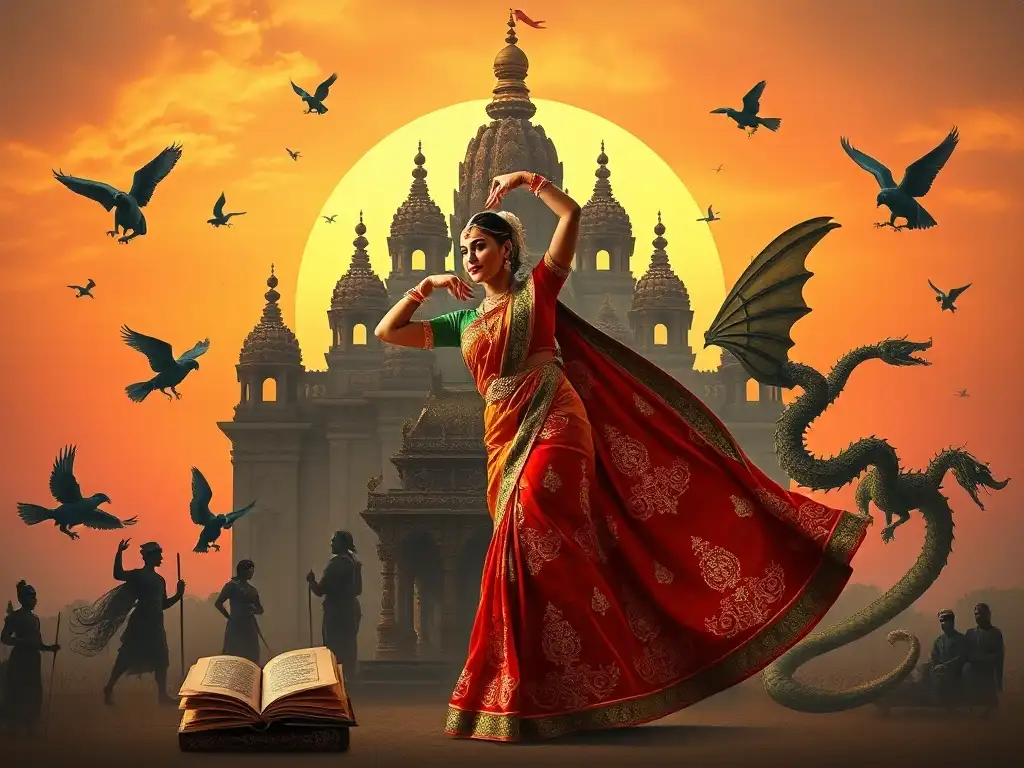
The ancient myths and legends of India and Southeast Asia continue to resonate in contemporary culture, showcasing the enduring legacy of cross-cultural exchanges between these regions. Today, we observe a myriad of modern interpretations and adaptations of these ancient narratives, which serve not only as a source of inspiration but also as a means to explore identity and values in a rapidly changing world. From literature to visual arts, the motifs of mythological figures and stories provide a rich tapestry that connects the past with the present.
In the realm of literature, contemporary authors often draw upon ancient myths to weave narratives that reflect current societal issues while retaining the essence of the original tales. Similarly, in Southeast Asia, local storytellers and playwrights adapt Indian epics like the Ramayana and Mahabharata, infusing them with regional flavors and contemporary themes. This cultural dialogue underscores how ancient myths remain relevant, allowing audiences to engage with their historical roots while contemplating modern dilemmas.
Influence on Literature and Film
The influence of Indian and Southeast Asian myths on literature and film is profound and multifaceted. In Indian cinema, adaptations of epic narratives have been a staple, with films like "Raavan" and "Baahubali" reinterpreting mythological themes for a modern audience. Such films not only celebrate the grandeur of ancient stories but also explore complex character dynamics and moral questions that resonate with contemporary viewers.
Southeast Asian cinema, too, has embraced these mythological elements, with films often featuring adaptations of local versions of the Ramayana and Mahabharata. For instance, the Indonesian "Ramayana Ballet" integrates traditional dance with storytelling, showcasing how ancient narratives can be reimagined through performance art. This fusion of ancient and modern forms highlights the ongoing cultural exchange, as filmmakers and artists strive to keep these timeless stories alive while making them accessible to new generations.
Reinterpretations of Myths in Modern Society
Reinterpretations of ancient myths in modern society often reflect evolving cultural values and social issues. In many Southeast Asian cultures, traditional mythological figures are reinterpreted to address contemporary themes such as gender roles, social justice, and environmental concerns. For example, the portrayal of female characters in these myths has evolved, with modern adaptations showcasing strong and independent women who challenge traditional norms.
Additionally, the phenomenon of globalization has led to cross-cultural collaborations that further reinterpret these ancient myths. Artists and writers from diverse backgrounds come together to create works that blend elements from both Indian and Southeast Asian traditions, fostering a unique narrative space that honors the past while addressing present realities. This collaborative approach not only enriches the creative landscape but also emphasizes the shared heritage and interconnectedness of the cultures involved.
Conclusion: The Legacy of Indian Southeast Asian Cultural Exchange
The legacy of Indian Southeast Asian cultural exchange is evident in the rich tapestry of myths and legends that continue to shape contemporary identities in both regions. The enduring nature of these stories highlights their significance in understanding the shared cultural history and the ways in which they continue to evolve. As modern societies grapple with their identities in a globalized world, these ancient narratives serve as a source of reflection and inspiration.
Lasting Impact of Myths and Legends on Cultural Identity
The impact of myths and legends on cultural identity is profound, as they provide frameworks through which individuals and communities understand their histories, values, and beliefs. In both India and Southeast Asia, these narratives foster a sense of belonging and continuity, linking generations and reinforcing cultural heritage. The retelling and adaptation of these stories in contemporary contexts ensure that they remain a vital part of cultural identity, allowing for personal and collective reflection.
Moreover, the themes present in these myths often serve as moral compasses, guiding individuals in navigating the complexities of modern life. The ongoing engagement with these narratives illustrates not only their relevance but also their ability to unite diverse communities around shared values and experiences.
Future Directions in the Study of Cultural Exchange
As we look to the future, the study of Indian Southeast Asian cultural exchange will undoubtedly continue to evolve. Scholars and researchers are increasingly recognizing the importance of interdisciplinary approaches that incorporate perspectives from anthropology, art history, and comparative literature. This holistic understanding will illuminate the nuances of how myths and legends have shaped and been shaped by cultural interactions.
Furthermore, advancements in technology and digital media provide new avenues for exploring these ancient stories. Virtual reality experiences, online storytelling platforms, and social media can facilitate cross-cultural dialogues, allowing contemporary audiences to engage with these myths in innovative ways. By embracing these new mediums, future scholarship can foster a deeper understanding of the enduring legacy of Indian Southeast Asian cultural exchange, ensuring that these rich narratives continue to thrive in a global context.
References and Further Reading on Indian Southeast Asian Cultural Exchange
The cross-cultural exchange between Indian and Southeast Asian myths and legends is a rich field of study that has attracted the attention of historians, linguists, and cultural anthropologists. To delve deeper into this fascinating topic, readers can explore a variety of scholarly books, articles, and online resources that provide valuable insights and analyses of the connections between these two regions.
Suggested Books and Articles
-
"The Indian Influence on Southeast Asia" by K. R. Qanungo
This comprehensive book examines the various ways Indian culture, religion, and mythology have permeated Southeast Asia, tracing the historical pathways of influence from ancient times to the present.
-
"Hindu-Buddhist Art of Indonesia" by Joost C. de Vries
Focusing on the artistic expressions that emerged from the cultural exchange, this text illustrates how Indian artistic traditions influenced Southeast Asian sculpture, architecture, and iconography.
-
"The Ramayana in Southeast Asia" by David K. Wyatt
An exploration of how the epic narrative of the Ramayana has been adapted and transformed across Southeast Asian cultures, this book highlights the shared mythological heritage and regional variations.
-
"Cultural Interactions between India and Southeast Asia" by G. A. Grierson
This article provides a critical analysis of the linguistic and cultural exchanges that shaped the relationship between these two regions, focusing on the spread of languages, literature, and religious practices.
-
"Legends of the Southeast Asian Archipelago" by James R. H. Cokorda
This work compiles various myths and legends from Southeast Asia, showcasing the Indian influences that permeate these narratives and how they have been integrated into local cultures.
Online Resources for Further Exploration
-
Southeast Asian Studies Alliance (SEASA)
A collaborative platform that provides access to a wealth of resources related to the study of Southeast Asia, including research papers, cultural analyses, and discussions on Indian influences.
-
The South and Southeast Asian Studies Journal
An academic journal that publishes articles on various aspects of South and Southeast Asian cultures, including the impact of Indian mythology and legends on the region. It is a valuable resource for current research and developments.
-
BBC's "The Story of India"
This online documentary series offers a visually engaging exploration of India's history and its cultural exchanges with neighboring regions, including Southeast Asia. It provides insights into the broader context of Indian mythology's impact.
-
Digital South Asia Library
A rich digital collection of resources including texts, maps, and images related to South Asia's history and culture, which can be instrumental in understanding the nuances of the Indian-Southeast Asian cultural exchange.
-
Academia.edu
A platform where scholars share papers and research related to Indian and Southeast Asian cultural studies. Searching for keywords like "Indian Southeast Asian cultural exchange" can yield numerous academic papers and articles for further reading.
These resources will provide a solid foundation for understanding the intricate tapestry of myths and legends shared between Indian and Southeast Asian cultures, highlighting the significance of their historical interactions and cultural exchanges.
- Introduction to Indian Southeast Asian Cultural Exchange
- Historical Context of Indian and Southeast Asian Interactions
- Key Myths and Legends Shared Between Indian and Southeast Asian Cultures
- Comparison of Indian Epics and Southeast Asian Adaptations
- Thematic Similarities in Myths and Legends
- The Impact of Indian Mythology on Southeast Asian Cultures
- The Role of Oral Traditions in Cultural Exchange
- Modern Reflections of Ancient Myths in Contemporary Culture
- Conclusion: The Legacy of Indian Southeast Asian Cultural Exchange
- References and Further Reading on Indian Southeast Asian Cultural Exchange
- What is the focus of the article "The CrossCultural Exchange of Indian and Southeast Asian Myths and Legends"?
- How did Indian myths influence Southeast Asian cultures?
- What role did trade play in the cultural exchange between India and Southeast Asia?
- Can you provide examples of myths that were exchanged between India and Southeast Asia?
- Why is the Indian Southeast Asian cultural exchange significant?
Frequently Asked Questions
What is the focus of the article "The CrossCultural Exchange of Indian and Southeast Asian Myths and Legends"?
The article explores the interconnectedness of Indian and Southeast Asian cultures, highlighting how myths and legends influenced each other through cultural exchange.
How did Indian myths influence Southeast Asian cultures?
Indian myths introduced significant religious concepts and narratives, particularly through the spread of Hinduism and Buddhism, which shaped the cultural landscape of Southeast Asia.
What role did trade play in the cultural exchange between India and Southeast Asia?
Trade routes facilitated the movement of ideas and stories, allowing for the exchange of myths, art, and religious practices, which enriched both regions significantly.
Can you provide examples of myths that were exchanged between India and Southeast Asia?
Prominent myths include the Ramayana and Mahabharata, which were adapted into local versions in countries like Indonesia and Thailand, showcasing the shared cultural heritage.
Why is the Indian Southeast Asian cultural exchange significant?
This cultural exchange is significant as it highlights the historical connections and mutual influences that helped shape the identity and traditions of both regions, fostering a rich cultural tapestry.
Final Reflection: Embracing the Tapestry of Indian-Southeast Asian Cultural Exchange
The intricate web of Indian Southeast Asian cultural exchange continues to shape our understanding of mythology and identity in today's globalized world. As we navigate through the complexities of modern society, the stories and legends that have transcended borders remind us of our shared heritage and the power of narratives to unite diverse cultures. The relevance of these myths is not merely historical; they resonate with contemporary issues of identity, belonging, and the quest for meaning in an increasingly interconnected world.
Cross-cultural exchanges have always been a catalyst for creativity and innovation, influencing art, literature, and social norms across generations. The myths and legends we explored serve as a testament to the enduring impact of these narratives, fostering a sense of connection and understanding among people from different backgrounds. Myth is the foundation of our culture, a bridge that connects us to our past and guides us into the future.
This ongoing dialogue between Indian and Southeast Asian cultures enriches our collective consciousness, reminding us that our stories are not confined to geographical boundaries but are part of a larger human experience.
As we reflect on the lessons embedded in these myths, I invite you to consider how you can contribute to this cultural tapestry. Engage with the stories that shape your identity, share them with others, and explore the narratives of different cultures. By doing so, you not only honor the rich heritage of Indian and Southeast Asian myths but also become an active participant in the ongoing exchange of ideas and values that define our world. Let us embrace this journey of discovery and connection, fostering a deeper appreciation for the diverse narratives that unite us all.
Unveil a World of Myths: Join the Cross-Cultural Journey!
Thank you for diving into the rich tapestry of Indian and Southeast Asian myths and legends with us! We hope you’ve found new insights and connections that inspire your curiosity. Now, it's time to take that inspiration further and immerse yourself in the stories that shape our understanding of culture and history.
Here’s how you can continue your exploration:
- Dive deeper into the legends! Explore a variety of myths from both cultures on our website to see their influence throughout history.
- Share your newfound knowledge! Engage in discussions about these fascinating tales with friends or on social media—sparking conversations helps keep these stories alive.
- Join our community! Subscribe to our newsletter for exclusive content and stay updated on new discoveries in ancient history.
What myth or legend resonates most with you, and how do you see it reflected in today’s world? Let’s discuss!