
Exploring the Four Vedas: A Journey Through Sacred Texts


Welcome to Ancient India History, where we embark on a fascinating journey through the tapestry of time, exploring the rich and diverse heritage of ancient Indian civilizations. Today, we delve into the Significance of the Four Vedas, the sacred texts that have shaped spiritual and philosophical thought for millennia.
These ancient scriptures not only illuminate the profound wisdom of their era but also offer insights into the cultural and intellectual foundations of India. Join us as we unravel the mysteries of the Vedas and their enduring impact on society, inviting you to discover more about the epic literature that continues to inspire generations.
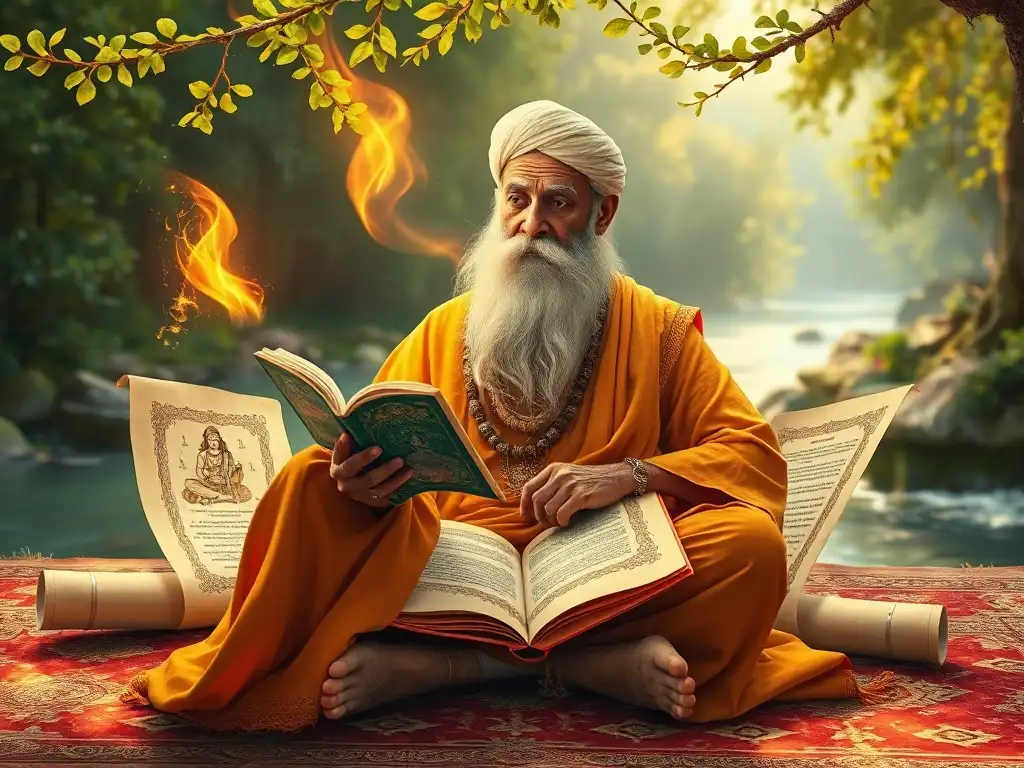
The Four Vedas— Rigveda, Samaveda, Yajurveda, and Atharvaveda—represent the foundation of ancient Indian literature and hold immense significance in the cultural and spiritual landscape of Hinduism. These sacred texts not only reflect the religious practices and beliefs of early Indian civilization but also serve as a window into the philosophical and societal frameworks that shaped the lives of the people during that era.
The Vedas encapsulate a wealth of knowledge, ranging from hymns and rituals to philosophical discourses, making them a crucial subject of study for anyone interested in the rich tapestry of ancient Indian history. Through this article, we will embark on a journey to explore the essence and importance of the Four Vedas, delving into their individual characteristics and roles within the broader context of Hindu philosophy and culture.
Introduction to the Four Vedas
Overview of the Vedas in Ancient Indian Literature
The Vedas are considered the oldest sacred texts of Hinduism, composed in Sanskrit around 1500 to 500 BCE. They are divided into four distinct collections, each serving unique purposes in the spiritual and practical life of ancient Indians. The term "Veda" itself means "knowledge," which underscores their role as comprehensive sources of wisdom and guidance. The Vedic literature encompasses a variety of texts, including hymns, prayers, and philosophical treatises, reflecting the diverse aspects of ancient Indian society.
- Rigveda: Contains hymns dedicated to various deities.
- Samaveda: Focuses on melodies and chants for rituals.
- Yajurveda: Provides instructions for performing sacrifices.
- Atharvaveda: Includes spells, charms, and practical knowledge.
Importance of the Vedas in Hindu Philosophy
The Vedas are not merely religious scriptures; they are the cornerstone of Hindu philosophy. They lay down the principles that govern moral conduct, cosmology, and the nature of the universe. The teachings found within the Vedas have been interpreted and expanded upon by numerous scholars and sages throughout history, influencing various schools of thought within Hinduism.
- Philosophical Foundations: The Vedas explore concepts such as dharma (duty/righteousness), karma (action), and moksha (liberation).
- Ritual Practices: They provide detailed guidelines on conducting rituals that are essential for spiritual advancement.
- Cultural Influence: The Vedas have significantly shaped Indian art, literature, and societal norms, making them integral to understanding ancient Indian culture.
The Four Vedas: An In-Depth Look
Rigveda: The Foundation of Vedic Knowledge
The Rigveda is the oldest of the four Vedas and consists of 1,028 hymns that praise various deities, including Agni (the fire god), Indra (the king of gods), and Varuna (the cosmic order). Its hymns are composed in poetic form and are primarily used in rituals to invoke divine blessings.
- Significance: It lays the groundwork for later Vedic literature and Hindu thought, emphasizing the importance of rituals and sacrifice.
- Cultural Impact: Many of its hymns are still recited in Hindu rituals today, signifying its enduring relevance.
Samaveda: The Melody of Vedic Chants
The Samaveda is renowned for its musical compositions, as it is primarily a collection of melodies (saman) meant to be sung during rituals. It consists of verses extracted from the Rigveda, arranged to create an auditory experience that enhances the spiritual ambiance of ceremonies.
- Musical Significance: The Samaveda's emphasis on melody underscores the connection between sound and spirituality in Hindu practices.
- Ritual Context: It is integral to the performance of sacrifices, where its chants are believed to invoke the presence of the divine.
Yajurveda: The Manual of Rituals
The Yajurveda serves as a practical guide for conducting rituals and sacrifices, providing instructions and formulas for priests. It is divided into two sections: the Shukla Yajurveda (white) and the Krishna Yajurveda (black), each with its unique style and content.
- Ritual Instructions: It contains prose and verses that detail the procedural aspects of Vedic rituals.
- Philosophical Insights: Beyond rituals, it touches upon the metaphysical aspects of existence, blending practical guidance with spiritual wisdom.
Atharvaveda: The Collection of Spells and Incantations
The Atharvaveda differs from the other three Vedas by incorporating a more diverse range of topics, including everyday life, healing practices, and spells for protection. It consists of hymns and chants that address the practical needs and concerns of individuals.
- Practical Knowledge: It offers insights into medicine, rituals for health, and spells for various life situations.
- Cultural Relevance: The Atharvaveda highlights the intersection of spirituality and daily life, serving as a reflection of the people's beliefs and practices.
Through this exploration of the Four Vedas, we can appreciate their profound significance in shaping Hindu philosophy, rituals, and cultural identity, as well as their lasting impact on the spiritual landscape of ancient and modern India.
Significance of the Four Vedas in Ancient Indian Civilization
The Four Vedas—Rigveda, Samaveda, Yajurveda, and Atharvaveda—hold immense significance in ancient Indian civilization, serving as the foundational texts of Hindu philosophy and spirituality. These texts not only encapsulate the spiritual and religious essence of the Vedic period but also reflect the socio-cultural milieu of the time. The Vedas are revered as śruti, meaning "that which is heard," indicating their divine origin and spiritual authority. Their teachings and hymns laid the groundwork for various aspects of life, including philosophy, ethics, and rituals, influencing countless generations.
The importance of the Vedas extends beyond their religious context; they have played a pivotal role in shaping the identity and continuity of Indian civilization. By providing a structured understanding of the universe, the self, and the divine, the Vedas foster a sense of belonging and cultural unity among diverse communities. Their insights into natural phenomena and human existence have also contributed to the development of science and mathematics in ancient India, making them invaluable to the intellectual heritage of the country.
Spiritual and Cultural Relevance of the Vedas
The Vedas are not merely religious texts; they embody the spiritual and cultural ethos of ancient India. Each Veda serves a unique purpose and emphasizes different aspects of life, enriching the spiritual landscape. For instance, the Rigveda is primarily a collection of hymns and praises directed to various deities, reflecting the early spiritual consciousness of the people. In contrast, the Samaveda focuses on melodies and chants, emphasizing the importance of music in worship.
The cultural relevance of the Vedas is evident in their influence on various art forms, including dance, music, and drama, which often draw inspiration from Vedic themes. Festivals and rituals that are integral to Indian culture today can trace their origins back to Vedic practices, showcasing the enduring legacy of these ancient texts. Moreover, the Vedas encourage a holistic approach to life, emphasizing harmony between humans and nature, a principle that resonates deeply with contemporary eco-spiritual movements.
The Role of the Vedas in Shaping Indian Society
The Vedas played a crucial role in establishing social norms and values in ancient Indian society. They laid down the principles of Dharma, outlining ethical conduct and responsibilities that guided individual and communal life. These texts influenced the caste system, delineating roles and duties based on spiritual and occupational criteria, which shaped the societal structure for centuries.
Furthermore, the Vedas facilitated the development of a rich oral tradition, as they were initially transmitted orally before being written down. This tradition fostered a sense of community and continuity, as knowledge was shared and preserved through generations. The rituals and practices derived from the Vedas also contributed to social cohesion, as communal worship and sacrifices reinforced group identity and collective values.
Vedic Texts and Their Influence on Later Philosophical Works
The philosophical underpinnings found in the Vedas have had a profound impact on later Indian philosophical systems. The Upanishads, which are considered the concluding part of the Vedic texts, delve into the metaphysical inquiries posed in the Vedas, exploring concepts such as Brahman (the ultimate reality) and Atman (the individual soul). These explorations laid the groundwork for various schools of thought, including Vedanta, which further elaborated on the nature of consciousness and existence.
Additionally, the Vedic texts influenced notable philosophers such as Adi Shankaracharya, whose interpretations and teachings drew heavily from Vedic principles. The dialogues and ideas that emerged from Vedic literature have continued to inspire philosophical discourse, both in India and globally, emphasizing the timeless relevance of these ancient texts.
Themes and Concepts in the Four Vedas
The Four Vedas are rich in themes and concepts that explore the nature of existence, the universe, and human life. Their teachings encompass a wide array of topics, including cosmology, ethics, and rituals, which are integral to understanding ancient Indian thought.
Cosmology and Creation in Vedic Thought
Cosmology in Vedic literature is characterized by a profound understanding of the universe's origins and structure. The Nasadiya Sukta from the Rigveda, for instance, presents a contemplative approach to creation, questioning the origins of the cosmos and the very nature of existence. This hymn reflects the philosophical inquiries of the time, pondering whether even the gods know the truth of creation.
The Vedas describe the universe as a dynamic interplay of various forces, emphasizing the cyclical nature of creation and destruction. This perspective laid the foundation for later cosmological theories in Hindu philosophy, influencing concepts such as Karma and Samsara, which underscore the interconnectedness of all life forms and the eternal cycle of birth and rebirth.
The Concept of Dharma in Vedic Literature
Dharma, a central theme in Vedic literature, encompasses duty, righteousness, and moral order. The Vedas articulate the importance of adhering to one's Dharma, which varies according to individual roles and responsibilities in society. This concept is crucial for maintaining social order and harmony, as it encourages individuals to act in accordance with ethical principles.
The Vedic texts outline various forms of Dharma, including Sva-Dharma (personal duty) and Samanya-Dharma (universal duty), promoting the idea that while individual responsibilities may differ, the overarching principle of righteousness is universal. This nuanced understanding of Dharma has influenced Indian ethics and law, shaping societal norms through the ages.
Rituals and Practices Derived from the Vedas
Rituals and practices outlined in the Vedas are integral to understanding their significance in ancient Indian civilization. The Vedic texts detail numerous rituals, including sacrifices ( yajnas) and rites of passage, which were performed to appease deities and ensure prosperity. These practices fostered a deep connection between humans and the divine, emphasizing the importance of ritual in maintaining cosmic order.
The Yajurveda, in particular, serves as a guide for conducting these rituals, providing precise instructions on the performance of various ceremonies. The intricate relationship between ritual and spirituality in the Vedic tradition has left a lasting legacy, influencing contemporary Hindu practices and ceremonies. Additionally, these rituals often served as communal events, reinforcing social bonds and shared cultural identity among participants.
The Legacy of the Four Vedas
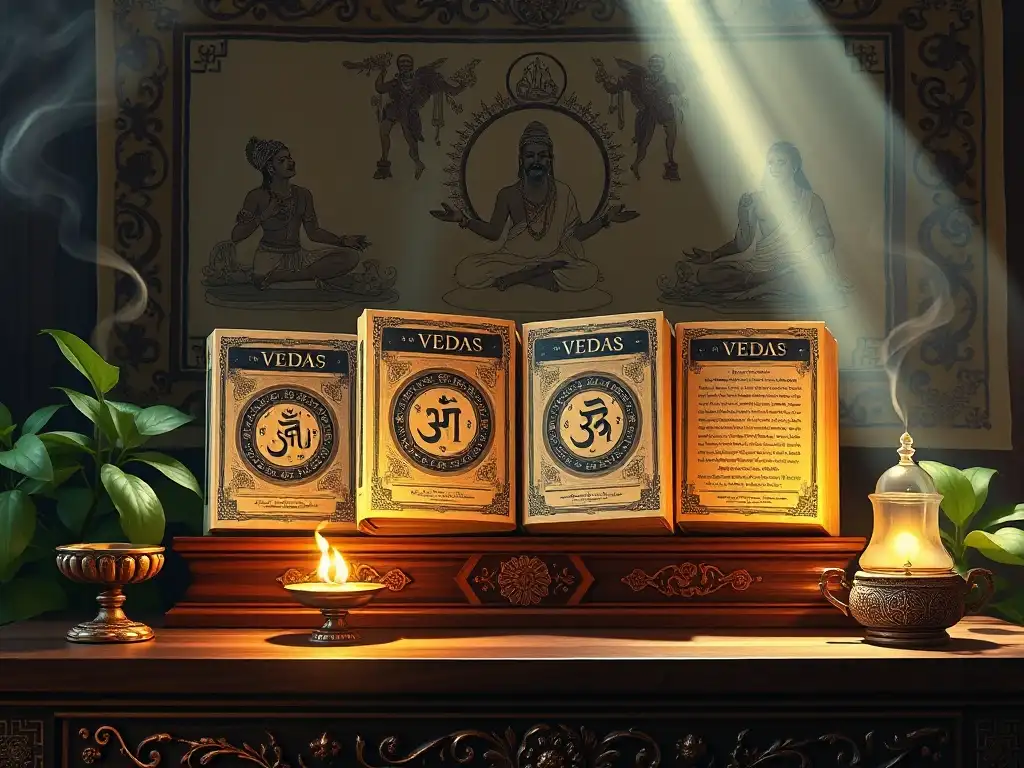
The Four Vedas—Rigveda, Samaveda, Yajurveda, and Atharvaveda—form the bedrock of ancient Indian literature and philosophy. Their legacy is profound, influencing not only the spiritual practices of Hinduism but also shaping the cultural and intellectual landscape of India. These texts, composed in Sanskrit, encapsulate hymns, rituals, and philosophical discourses that have been revered for thousands of years. The Vedas are not merely religious scriptures; they embody a comprehensive worldview that addresses the human experience, ethics, and the cosmos, establishing a framework for understanding life and existence.
The Vedic tradition has provided a continuous thread through Indian history, as these texts have been studied, interpreted, and adapted across generations. They have served as a source of knowledge for various disciplines, including philosophy, astronomy, mathematics, and medicine. The teachings found within the Vedas remain relevant, as they continue to inspire spiritual seekers and scholars alike, fostering a deep connection with ancient wisdom.
Preservation and Transmission of Vedic Knowledge
The preservation of Vedic knowledge is a remarkable achievement in the history of literature. Oral tradition played a crucial role in maintaining the integrity of these texts for centuries. Vedic scholars, known as Brahmins, undertook rigorous methods of memorization and recitation, ensuring that the texts were transmitted accurately through generations. This oral transmission was complemented by the development of various schools of thought, each interpreting the Vedas in unique ways.
Written versions of the Vedas began to emerge around the 1st millennium BCE, but the oral tradition remained dominant for centuries. The meticulous attention to detail in pronunciation and intonation was essential, as even minor deviations could alter the meaning of sacred chants. This dedication to preservation has allowed the Vedic texts to survive through tumultuous periods of history, retaining their significance as spiritual and philosophical guides.
Modern Interpretations and Relevance of the Vedas Today
In contemporary society, the Four Vedas continue to be subjects of scholarly research and interpretation. Modern scholars and practitioners explore the Vedas through various lenses, including historical, linguistic, and philosophical perspectives. This exploration has led to new interpretations that resonate with today's values and challenges.
The Vedas are often revisited for their insights into ethics, governance, and social justice. Themes such as Dharma (righteousness), Karma (action and consequence), and Moksha (liberation) are particularly relevant in discussions concerning individual and societal responsibilities in the modern world. Furthermore, the Vedas have found a place in contemporary spiritual practices, offering a foundation for meditation, yoga, and holistic health approaches.
The Influence of the Vedas on Indian Arts and Culture
The impact of the Vedas on Indian arts and culture is profound and multifaceted. They have inspired various forms of music, dance, and visual arts throughout Indian history. The Samaveda, in particular, is considered the source of Indian music, with its hymns being set to melody for rituals and ceremonies.
Literature and drama also draw heavily from Vedic themes and narratives. The rich symbolism and philosophical concepts embedded in the Vedas have been interpreted in countless ways, influencing poets, playwrights, and artists across generations. Additionally, the Vedic worldview has permeated Indian festivals, rituals, and customs, shaping cultural practices that continue to be celebrated today.
Conclusion: The Enduring Significance of the Four Vedas
The Four Vedas remain a cornerstone of Indian civilization, embodying the spiritual essence and intellectual achievements of ancient India. Their teachings continue to inspire individuals seeking wisdom and understanding in a rapidly changing world. The Vedas represent a treasure trove of knowledge that transcends time and geography, inviting exploration and reflection on our place in the universe.
Reflections on the Vedic Tradition in Contemporary Society
In contemporary society, the Vedic tradition serves as a source of inspiration for spiritual seekers and scholars alike. As people grapple with modern challenges, the Vedas offer timeless wisdom that encourages introspection, ethical living, and a deeper connection to the cosmos. The principles outlined in these texts resonate with individuals striving for meaning and purpose in their lives, reinforcing the importance of values such as compassion, humility, and truth.
Future Studies and Exploration of Vedic Texts
The future of Vedic studies holds great promise, with new methodologies and interdisciplinary approaches emerging. Scholars across various fields are increasingly recognizing the value of the Vedas in understanding historical contexts, cultural dynamics, and philosophical inquiries. As global interest in ancient wisdom grows, the Vedas will likely play a pivotal role in promoting cross-cultural dialogue and enriching the collective human experience. Continued exploration of these sacred texts can illuminate pathways to greater understanding of ancient Indian philosophy and its relevance to modern society.
References and Further Reading on the Vedas
The Vedas, as the foundational texts of Hindu philosophy and spirituality, have inspired countless scholarly works and resources. For those looking to deepen their understanding of these ancient scriptures, a variety of texts and academic resources are available. Below is a curated list of suggested readings and materials that offer insights into the Vedas, their significance, and their impact on Indian culture and thought.
Suggested Texts and Resources for Deeper Understanding
- The Vedas:
- Rigveda: A collection of hymns dedicated to various deities, it serves as one of the oldest religious texts in the world.
- Yajurveda: This text focuses on rituals and the performance of sacrifices, offering a practical guide to Vedic rituals.
- Samaveda: Predominantly a chant-based text, it emphasizes the musical aspects of Vedic rituals.
- Atharvaveda: Distinguished by its focus on everyday life and practical knowledge, it includes spells, charms, and philosophical discussions.
- Scholarly Analyses:
- The Vedas: An Introduction to Hinduism's Sacred Texts by Roshen Dalal: This book provides an overview of the Vedas, their historical context, and their lasting influence.
- Hinduism: A Very Short Introduction by Kim Knott: This concise text offers insights into the Vedic tradition and how it shapes modern Hinduism.
- The Philosophy of the Veda by Swami Prabhupada: This work delves into the philosophical underpinnings of the Vedic texts and their relevance today.
- Online Resources:
- Sacred Texts Archive: A digital repository of religious texts, including the Vedas, accessible for free to readers worldwide.
- The Internet Archive: A collection of various translations and commentaries on the Vedas, facilitating easy access to different interpretations.
Academic Perspectives on the Vedas and Their Impact
The Vedas have been the subject of extensive academic study, with scholars from various disciplines examining their linguistic, philosophical, and historical dimensions. These texts are not only foundational to Hindu thought but also pivotal in understanding the development of Indian civilization.
- Linguistic Studies: Scholars have explored the linguistic richness of the Vedas, analyzing the evolution of the Sanskrit language and its literary forms. The complexity of the Vedic texts showcases early poetic devices and metaphors that have influenced later Indian literature.
- Philosophical Interpretations: The Vedas lay the groundwork for various philosophical schools in India, including Vedanta and Samkhya. Modern philosophers and theologians continue to engage with Vedic concepts, discussing their relevance to contemporary ethical and metaphysical debates.
- Cultural Impact: The influence of the Vedas extends beyond religion into art, music, and societal norms. They have inspired countless works of literature and have been integral in shaping rituals and cultural practices within Hindu communities.
- Interdisciplinary Studies: The Vedas are increasingly being examined through interdisciplinary lenses, intersecting with history, anthropology, and sociology. This approach provides a comprehensive understanding of their role in shaping not only spiritual beliefs but also social structures and cultural identities in ancient and modern India.
By exploring these texts and academic perspectives, readers can gain a richer appreciation of the significance of the Four Vedas, their historical context, and their lasting legacy in Indian civilization.
- Introduction to the Four Vedas
- The Four Vedas: An In-Depth Look
- Significance of the Four Vedas in Ancient Indian Civilization
- Themes and Concepts in the Four Vedas
- The Legacy of the Four Vedas
- Conclusion: The Enduring Significance of the Four Vedas
- References and Further Reading on the Vedas
Frequently Asked Questions
What are the Four Vedas?
The Four Vedas are ancient sacred texts of Hinduism, consisting of the Rigveda, Samaveda, Yajurveda, and Atharvaveda. They form the foundation of Vedic literature and contain hymns, rituals, and philosophical teachings.
Why are the Four Vedas significant in Hindu culture?
The significance of the Four Vedas lies in their role as authoritative texts that guide spiritual practices, rituals, and moral conduct in Hindu culture. They are considered the source of knowledge and wisdom for millions.
How do the Vedas influence modern Hindu practices?
Many modern Hindu practices and rituals are derived from the teachings of the Four Vedas. They continue to shape religious ceremonies, festivals, and daily worship, maintaining their relevance in contemporary society.
What is the historical context of the Vedas?
The Vedas were composed during the Vedic period (approximately 1500-500 BCE), a time marked by the emergence of complex societies in ancient India, influencing both religion and culture throughout the region.
How do scholars interpret the Vedas today?
Scholars today analyze the Four Vedas through various lenses, including linguistics, anthropology, and philosophy, to uncover their historical significance and impact on the evolution of Indian civilization.
Final Reflection: The Enduring Significance of the Four Vedas
In our exploration of the Four Vedas, we have uncovered not only their historical and spiritual importance but also their profound relevance in today's world. As we navigate an era marked by rapid change and uncertainty, the wisdom encapsulated in these sacred texts offers timeless guidance and insight. The teachings of the Vedas remind us that the quest for knowledge, truth, and harmony is as crucial now as it was thousands of years ago.
The influence of the Vedas extends far beyond the realm of spirituality; they have shaped cultural, philosophical, and social landscapes throughout history. Their teachings resonate deeply within the fabric of Indian society and beyond, inspiring countless generations to seek understanding and connection. As we reflect on this ongoing impact, we are reminded of the words of Mahatma Gandhi: The Vedas are the foundation of all knowledge, and they guide us towards a life of righteousness.
This enduring legacy continues to inspire individuals to explore their own paths of wisdom and ethical living.
As we conclude this journey through the Four Vedas, I invite you to reflect on how these ancient teachings can inform your own life. Consider the values of knowledge, compassion, and unity that the Vedas espouse, and think about how you can incorporate these principles into your daily actions. Let the significance of the Four Vedas inspire you to embark on your own journey of discovery, fostering a deeper connection with yourself and the world around you.
Uncover the Wisdom of the Vedas!
Thank you for joining us on this exploration of the Four Vedas! You've taken an important step in deepening your understanding of these sacred texts and their profound impact on ancient Indian philosophy and culture. Now, let's transform your insights into action!
Here’s how you can continue your journey:
- Dive Deeper: Select a Veda that speaks to you and read a meaningful passage. Reflect on its significance and how it can be applied to your life today.
- Join the Conversation: Discuss your interpretations with friends or share your insights on social media. Use the hashtag #VedicWisdom to connect with others who are also exploring these texts.
- Expand Your Knowledge: Seek out local workshops or online courses focused on Vedic studies to deepen your understanding and enhance your skills.
Which aspect of the Vedas captivates you the most, and in what ways do you believe it can shape your life's journey?