
The Mahabharata: Exploring the Role of Karma in the Epic

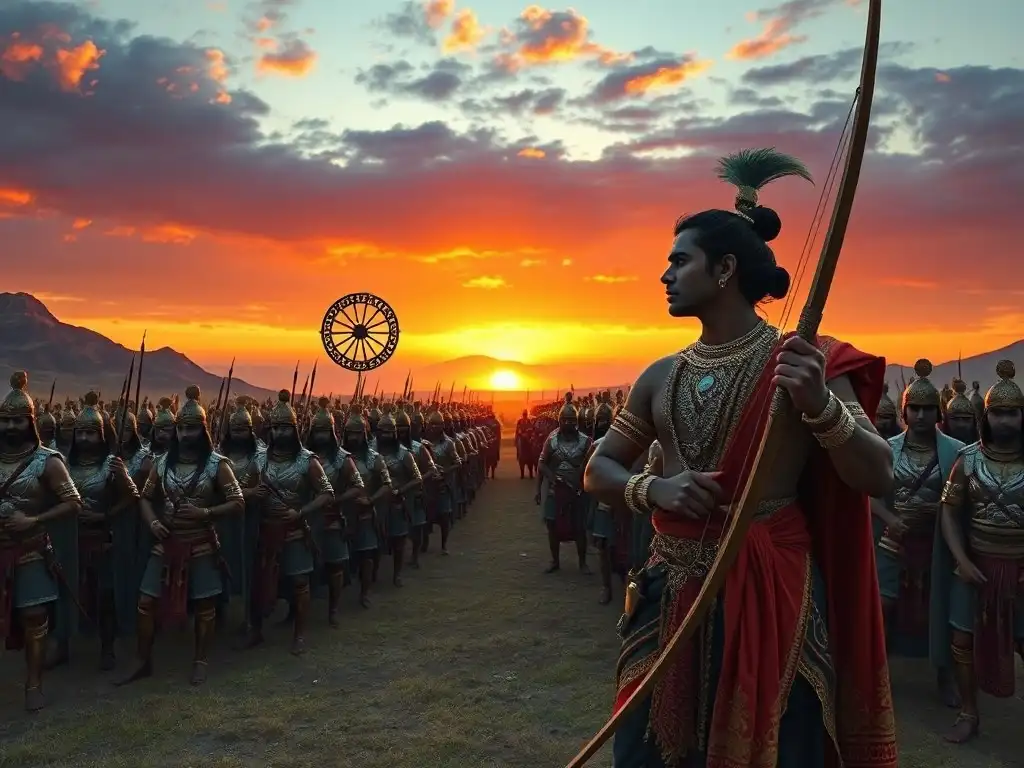
Welcome to Ancient India History, where we invite you to embark on a fascinating journey through the vibrant tapestry of ancient Indian civilizations. In this exploration, we delve into the profound themes that have shaped our understanding of history and culture. Today, we focus on the Mahabharata and the intriguing significance of karma within this epic tale.
What lessons does this timeless narrative offer us about morality, duty, and the human experience? Join us as we unravel the layers of this monumental work and discover how its teachings resonate through the ages. Your adventure into the depths of ancient wisdom begins here!
Introduction to the Mahabharata
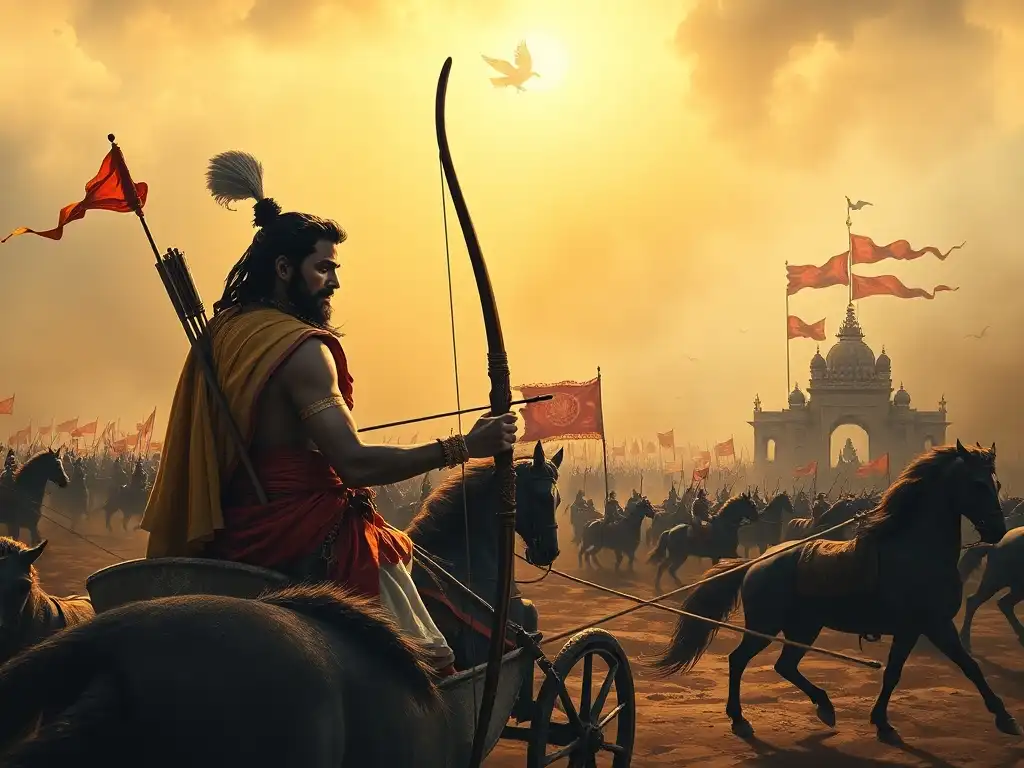
The Mahabharata is not merely an epic; it is a profound narrative that weaves together themes of duty, righteousness, and the complex interplay of human emotions. Central to this grand tale is the concept of karma, which shapes the destinies of its characters and serves as a moral compass throughout the narrative. This article delves into the significance of karma within the context of the Mahabharata, exploring how this ancient doctrine influences the actions and fates of its protagonists, providing valuable insights into the philosophical underpinnings of ancient Indian civilization.
As we embark on this exploration, we will uncover the layers of meaning that karma imparts to the epic, illuminating its role not only in the story of the Pandavas and Kauravas but also in the greater tapestry of Indian thought and culture. Understanding the Mahabharata's karma significance in history allows us to appreciate its lasting impact on contemporary interpretations of morality and justice.
Overview of the Mahabharata Epic
The Mahabharata, attributed to the sage Vyasa, is one of the longest epic poems in the world, consisting of over 100,000 verses. It narrates the story of the Kurukshetra War, a cataclysmic conflict between two factions of a royal family—the Pandavas and the Kauravas. The epic is rich with subplots, characters, and philosophical discourses, which include the famous Bhagavad Gita, a dialogue between Lord Krishna and the warrior Arjuna that addresses the moral dilemmas faced in battle.
Key elements of the Mahabharata include:
- Characters: Protagonists like Arjuna, Bhishma, and Draupadi, each embodying various virtues and flaws.
- Themes: The concepts of dharma (duty/righteousness), adharma (unrighteousness), and karma (action and consequence) are intricately explored.
- Cultural Impact: The Mahabharata has influenced art, literature, and philosophy throughout Indian history and continues to resonate with audiences today.
Historical Context of the Mahabharata
The origins of the Mahabharata can be traced back to ancient India, with its roots deeply embedded in the Vedic period. Scholars suggest that the epic likely began as an oral tradition, evolving over centuries as it was passed down through generations.
Significant historical aspects include:
- Timeline: The events depicted in the Mahabharata are believed to have occurred around 400 BCE to 400 CE, although the epic itself was compiled over a much longer period.
- Cultural Practices: The narrative reflects the socio-political structures, values, and religious beliefs prevalent during its time, including the varna (class) system and the role of women in society.
- Influence on Subsequent Literature: The Mahabharata has inspired countless adaptations, commentaries, and reinterpretations, solidifying its place as a cornerstone of Indian literary heritage.
Understanding Karma in Hindu Philosophy
Karma is a foundational concept in Hindu philosophy, intricately tied to the moral fabric of life and the universe. It embodies the principle that every action has consequences, shaping both individual destinies and the collective human experience.
Definition of Karma
In its simplest form, karma refers to the law of cause and effect. The term itself is derived from the Sanskrit word "karman," which means "action" or "deed." According to this principle:
- Types of Karma:
- Sanchita Karma: Accumulated karma from past lives.
- Prarabdha Karma: The portion of karma that is currently active and influencing one's life.
- Kriyamana Karma: The karma that one is currently creating through actions.
This framework emphasizes that every choice—be it virtuous or sinful—contributes to the soul's journey and ultimately influences future incarnations.
The Importance of Karma in Ancient Indian Thought
Karma plays a crucial role in shaping the moral and philosophical landscape of ancient Indian thought. It is not merely a theological concept; rather, it is a guiding principle that informs ethical decision-making and personal responsibility.
Key points include:
- Moral Responsibility: Individuals are accountable for their actions, fostering a sense of duty and ethical conduct.
- Cycle of Rebirth: Karma is deeply connected to the cycle of samsara (rebirth), where one's actions in this life determine the circumstances of future lives.
- Philosophical Discussions: The Mahabharata explores these themes through its characters, particularly in dialogues that question the nature of justice, righteousness, and the consequences of one's choices.
By understanding karma's significance in both the Mahabharata and the broader context of ancient Indian philosophy, we gain invaluable insights into the moral complexities that define human existence.
The Role of Karma in the Mahabharata
Karma, a central tenet in Hindu philosophy, plays a pivotal role in the narrative of the Mahabharata. The epic illustrates the principle that every action has consequences, shaping the destinies of its characters. The concept of karma in the Mahabharata transcends mere fate; it emphasizes moral responsibility and ethical conduct. Characters are not merely puppets of destiny; their choices, influenced by their understanding of dharma (duty/righteousness), dictate their paths.
Throughout the epic, karma is intertwined with the themes of justice, retribution, and redemption. The actions of the Pandavas and Kauravas serve as a backdrop for exploring how intentions and deeds shape one's life and relationships. Whether through acts of valor or grave misdeeds, each character's journey is a reflection of their karmic influences, illustrating that the pursuit of righteousness is fraught with challenges and moral dilemmas.
Major Characters and Their Karma
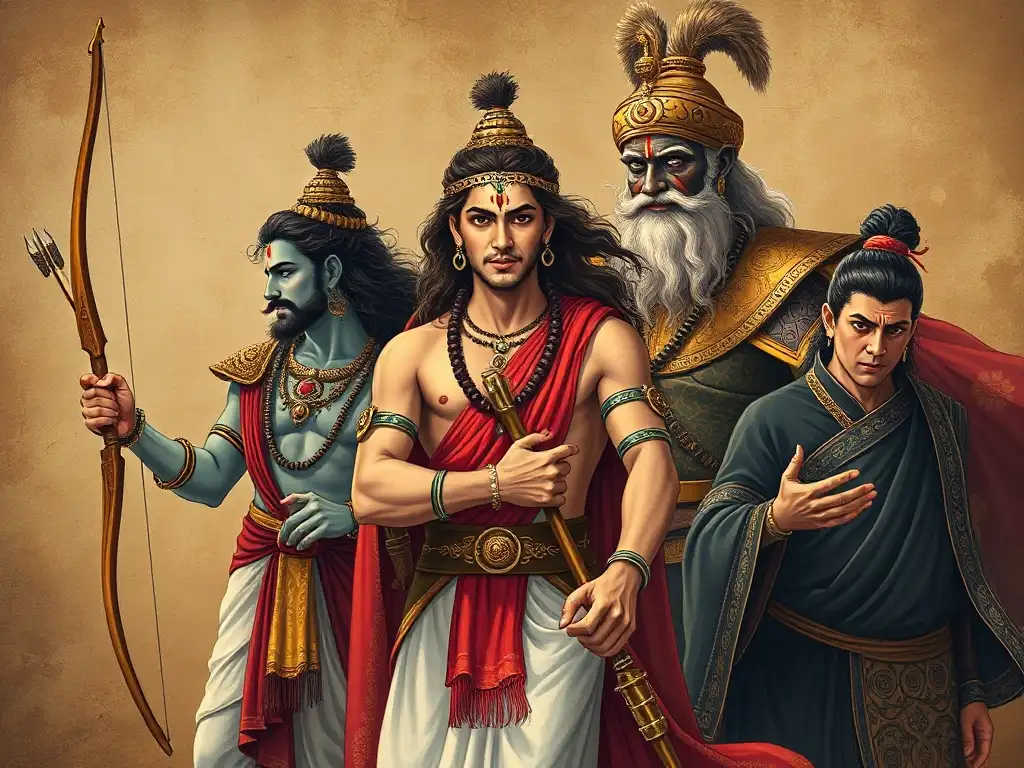
The Mahabharata features a rich tapestry of characters, each embodying unique karmic journeys that illustrate the complexities of human nature.
- Yudhishthira: The eldest Pandava, known for his unwavering commitment to truth and righteousness, faces numerous trials that test his moral integrity. His adherence to dharma ultimately leads him to suffer loss but also rewards him with the throne of Hastinapura.
- Duryodhana: The eldest Kaurava, whose ambition and jealousy drive him to commit numerous injustices, exemplifies negative karma. His choices culminate in the catastrophic war of Kurukshetra, showcasing how his actions lead to his downfall.
- Karna: A tragic hero, Karna’s loyalty to Duryodhana and his quest for honor often conflict with his moral beliefs. His life reflects the duality of karma—he is praised for his generosity yet condemned for his allegiance to adharma (unrighteousness).
- Bhishma: The grand patriarch, bound by his vow of celibacy, represents the complexities of duty. His decisions, though rooted in honor, lead to the perpetuation of conflict, demonstrating that even virtuous intentions can yield dire consequences.
The karmic journeys of these characters reveal that every choice carries weight, influencing not only their fates but also the fates of those around them.
Key Events Illustrating Karma in the Mahabharata
Several key events in the Mahabharata serve as powerful illustrations of karma in action:
- The Game of Dice: This pivotal moment sets off a chain of events leading to the war. Yudhishthira's decision to gamble away his kingdom and brothers highlights the immediate and long-term consequences of one's actions.
- The Kurukshetra War: The culmination of karmic debts and resolutions, the war symbolizes the ultimate clash of dharma and adharma. Each warrior's participation is rooted in personal karma, reflecting their past deeds and choices.
- The Death of Duryodhana: In his final moments, Duryodhana attempts to justify his actions and seeks to blame others for his fate. This event underscores the idea that one must confront the consequences of their karma, regardless of their last-minute attempts at rationalization.
- The Ascent to Heaven: The conclusion of the epic where the Pandavas, after their trials, ascend to heaven emphasizes the belief in karmic resolution. Their journey reflects the idea that righteous actions ultimately lead to liberation and peace.
These events encapsulate the essence of karma, illustrating how individual choices and collective actions shape the course of history.
Mahabharata Karma Significance in History
The significance of karma in the Mahabharata extends beyond its narrative, influencing historical thought and cultural practices in India. The epic serves as a philosophical framework for understanding human behavior, ethics, and the consequences of actions throughout history.
Karma in the Mahabharata has been interpreted as a guiding principle for individuals and societies, reinforcing the idea that moral actions lead to positive outcomes, while unethical behavior results in suffering. This understanding has permeated Indian culture, shaping social norms and ethical frameworks.
The Legacy of Karma in Indian Culture
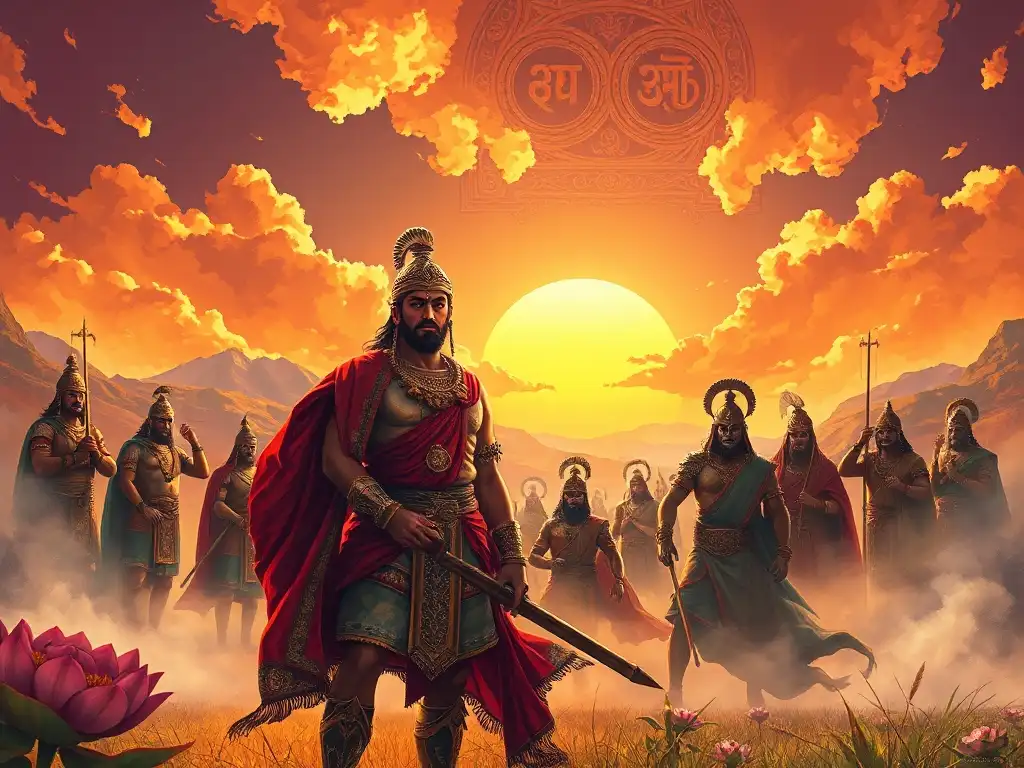
The legacy of karma as depicted in the Mahabharata continues to resonate within Indian culture. It has influenced various aspects of life, including:
- Ethics and Morality: The teachings of the Mahabharata encourage individuals to reflect on their choices, promoting a society that values ethics and moral integrity.
- Literature and Art: The themes of karma have inspired countless works of literature, drama, and art, reinforcing the story's relevance across generations.
- Philosophy and Spirituality: The karmic lessons of the Mahabharata have become integral to Indian philosophical thought, informing various spiritual practices and beliefs regarding the cycle of birth and rebirth (samsara).
The epic's portrayal of karma underscores its importance as a tool for personal growth and societal harmony, fostering a deeper understanding of the interconnectedness of actions and their consequences.
Lessons from the Mahabharata: Karma and Moral Choices
The Mahabharata imparts profound lessons about karma and moral choices, encouraging readers to contemplate the ramifications of their actions. Key lessons include:
- Responsibility: Every action carries weight; individuals must take responsibility for their choices and their impacts on others.
- The Complexity of Dharma: Moral choices are often complicated. The epic teaches that understanding one’s duty (dharma) is essential in navigating ethical dilemmas.
- Redemption and Forgiveness: The characters demonstrate that while karma has consequences, there is also potential for redemption through sincere efforts to correct one’s wrongs.
- Interconnectedness: The Mahabharata illustrates how individual actions can affect the broader community, emphasizing the importance of collective moral responsibility.
These lessons continue to resonate, guiding individuals in their personal and communal lives, reinforcing the enduring relevance of the Mahabharata in exploring the significance of karma in history.
Conclusion: The Enduring Impact of Karma in the Mahabharata
The concept of karma is intricately woven into the narrative of the Mahabharata, serving as a central theme that shapes the actions and fates of its characters. The epic illustrates how individual choices and actions have far-reaching consequences, guiding readers to reflect on their moral responsibilities.
The enduring impact of karma within the Mahabharata can be seen in its ability to transcend time, offering lessons that remain relevant in contemporary society. By emphasizing the significance of ethical conduct and the repercussions of one's deeds, the Mahabharata not only serves as a story of conflict and resolution but also as a moral compass that continues to resonate with audiences across generations.
In essence, the Mahabharata presents karma not merely as a philosophical doctrine but as a dynamic force that influences personal and societal trajectories. The tragic outcomes of characters such as Duryodhana and the redemption arcs of others highlight the complexities of human behavior and the intertwining of fate and free will. This intricate relationship between karma and human action encourages readers to engage with the text on a deeper level, fostering a critical understanding of their own lives and the universe.
Reflection on Karma’s Role in Ancient Indian Society
In ancient Indian society, the notion of karma was foundational to the cultural and spiritual framework. It shaped the moral paradigms within which individuals operated, influencing social interactions and community dynamics. The Mahabharata reflects these societal values, illustrating how karma dictated the moral compass of its characters and, by extension, the society they inhabited. The epic's portrayal of karma served to reinforce societal norms regarding dharma (duty) and righteousness, which were pivotal in guiding the actions of individuals within their respective roles.
Karma acted as both a motivator and a deterrent, fostering a sense of accountability among individuals. The belief in karmic retribution encouraged people to act virtuously, as their deeds would ultimately return to them, whether in this life or the next. This reverberation of actions formed the basis of social ethics and was instrumental in maintaining order within the complex social hierarchies of ancient India.
Moreover, the Mahabharata's exploration of karma highlighted the interconnectedness of individual actions and the communal fabric. The consequences of personal choices rippled through families and clans, affecting collective well-being and societal harmony. This reflection on karma's role in ancient Indian society underscores its significance as a guiding principle that helped shape not only individual destinies but also the moral and ethical landscape of the civilization.
Final Thoughts on the Mahabharata's Relevance Today
The relevance of the Mahabharata in contemporary times cannot be overstated, particularly in its articulation of karma. As modern society grapples with ethical dilemmas and the consequences of actions, the lessons embedded in the epic provide valuable insights. The Mahabharata encourages individuals to reflect on their choices, fostering a sense of responsibility that is crucial in today's interconnected world.
In an era where actions often have immediate and widespread repercussions, the teachings of the Mahabharata regarding karma invite introspection and mindfulness. The narrative urges individuals to consider the long-term effects of their decisions, promoting a more thoughtful approach to personal and communal issues. This timeless message of accountability and moral integrity resonates strongly, reminding us that our actions shape not only our destinies but also the fabric of society.
Ultimately, the Mahabharata stands as a monumental text that not only chronicles the epic tale of conflict and resolution but also serves as a repository of wisdom regarding the significance of karma. Its teachings continue to inspire individuals to strive for righteousness and reflect on the profound impact of their actions in the ongoing journey of life.
- Introduction to the Mahabharata
- Understanding Karma in Hindu Philosophy
- The Role of Karma in the Mahabharata
- Major Characters and Their Karma
- Key Events Illustrating Karma in the Mahabharata
- Mahabharata Karma Significance in History
- The Legacy of Karma in Indian Culture
- Lessons from the Mahabharata: Karma and Moral Choices
- Conclusion: The Enduring Impact of Karma in the Mahabharata
Frequently Asked Questions
What is the Mahabharata?
The Mahabharata is an ancient Indian epic that narrates the story of a great war between the Pandavas and Kauravas, encompassing themes of dharma, karma, and fate.
How does karma play a role in the Mahabharata?
In the Mahabharata, karma signifies the moral law of cause and effect, where actions of individuals influence their destiny and the unfolding of events, highlighting the importance of righteousness.
Why is the concept of karma significant in Indian history?
The significance of karma in Indian history stems from its influence on ethical and moral philosophies, shaping the cultural narrative and social values throughout ancient Indian civilizations.
How does the Mahabharata reflect the complexities of karma?
The Mahabharata illustrates the complexity of karma through its characters, showing that good intentions can lead to tragic outcomes and that actions have both immediate and long-term consequences.
What can we learn from the Mahabharata regarding karma?
The Mahabharata teaches that understanding karma is essential for navigating life, emphasizing that one's actions—whether just or unjust—will ultimately determine their fate and impact future generations.
Final Reflection: The Enduring Significance of Karma in the Mahabharata
The exploration of karma within the Mahabharata remains profoundly relevant today, as it serves as a timeless reminder of the consequences of our actions and decisions. In a world increasingly defined by rapid change and moral ambiguity, the lessons embedded in this epic resonate deeply, urging us to reflect on the impact of our choices. Karma is not just a philosophical concept; it is a guiding principle that shapes our lives and the world around us.
Cultural narratives surrounding karma have significantly influenced our social fabric, encouraging a sense of accountability and ethical responsibility. The Mahabharata illustrates how the characters' fates are intricately woven into the tapestry of their actions, reinforcing the idea that every deed carries weight. As Mahatma Gandhi once said, The law of karma is the law of the universe. It is the law of cause and effect.
This perspective invites us to consider how our actions, both big and small, contribute to the greater narrative of our lives and society.
As we reflect on the teachings of the Mahabharata, let us embrace the call to mindfulness in our daily lives. Consider how your actions ripple through the lives of others and the world at large. Each moment presents an opportunity to choose wisely, to act with intention, and to contribute positively to the collective karma of humanity. In doing so, we not only honor the legacy of the Mahabharata but also pave the way for a more compassionate and just future.
Unveil Your Karma: Take Action Today!
Thank you for diving into the fascinating world of the Mahabharata and the intricate dance of karma within its epic narratives! Your exploration has uncovered profound insights into how actions shape destinies, not just in the story, but in our own lives as well. Now, it's time to translate this understanding into meaningful actions.
Here’s what you can do next:
- Reflect on your own karma: Take a moment today to write down three positive actions that align with your values and aspirations.
- Engage with the community: Share your thoughts on karma with friends or in discussion forums. What are their perspectives? How do they believe karma influences their lives?
- Explore further: Delve deeper into other epic tales from Ancient India. Choose another story and compare its themes of karma with those in the Mahabharata.
What steps will you take today to create positive karma in your life and positively influence those around you?