
The Ramayana and Its Connection to Ancient Indian Astronomy

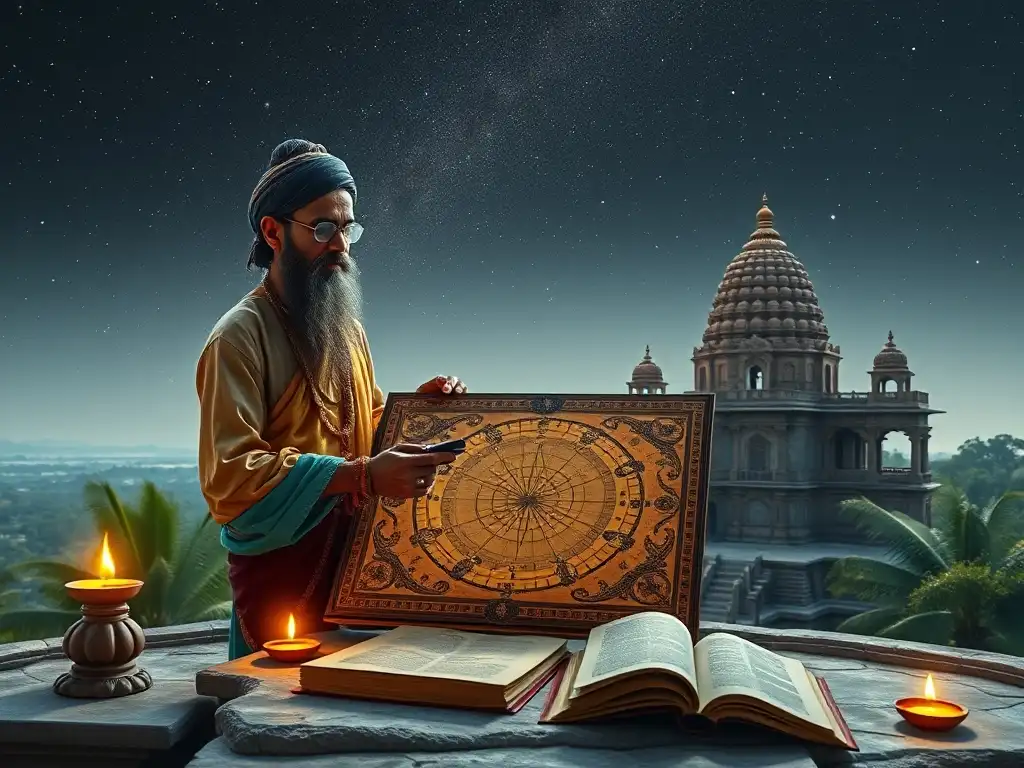
Welcome to Ancient India History, where we embark on a fascinating journey through the rich tapestry of ancient Indian civilizations. As we dive into the intricate relationship between astronomy and epic literature, our featured article, “The Ramayana and Its Connection to Ancient Indian Astronomy,” unveils the celestial wonders that shaped the narratives of this iconic epic. What secrets do the stars hold within the verses of the Ramayana? Join us as we explore this captivating intersection of culture and science, igniting your curiosity to discover the profound contributions of ancient Indian scholars and their understanding of the cosmos.
- Introduction to Ancient Indian Astronomy and the Ramayana
- The Ramayana: An Epic of Cosmic Proportions
- Historical Context of Ancient Indian Astronomy
- Key Astronomical Texts and Their Influence
- The Connection Between the Ramayana and Ancient Indian Astronomy
- Notable Astronomical Events in the Ramayana
- The Influence of the Ramayana on Ancient Indian Astronomical Practices
- Conclusion: The Legacy of the Ramayana in Understanding Ancient Indian Astronomy
-
Frequently Asked Questions
- What is the connection between the Ramayana and ancient Indian astronomy?
- How did ancient Indian astronomers contribute to the field?
- What role do celestial bodies play in the Ramayana?
- Can we find scientific principles in the Ramayana?
- How does ancient Indian astronomy compare to other civilizations?
- Final Reflection: The Cosmic Dance of the Ramayana and Ancient Indian Astronomy
- Unveil the Stars of Ancient Wisdom!
Introduction to Ancient Indian Astronomy and the Ramayana
The connection between ancient Indian astronomy and the revered epic, the Ramayana, unveils a fascinating narrative that intertwines celestial observations with the cultural and spiritual fabric of Indian civilization. Ancient Indian astronomy, characterized by its profound understanding of celestial bodies and their movements, played a pivotal role in shaping various aspects of life, including agriculture, navigation, and religious practices.
The Ramayana, an epic poem attributed to the sage Valmiki, not only narrates the heroic adventures of Lord Rama but also reflects the astronomical knowledge and cosmological concepts prevalent during its composition. This article delves into the intricate relationship between ancient Indian astronomy and the Ramayana, highlighting how celestial events and astronomical principles are woven into the epic's narrative, thereby enriching its cultural and philosophical significance.
Overview of Ancient Indian Astronomy
Ancient Indian astronomy is a rich and sophisticated field that dates back thousands of years, with roots in the Vedic texts and later developments in the works of mathematicians and astronomers such as Aryabhata and Brahmagupta. The understanding of celestial phenomena in ancient India was not merely academic; it was deeply intertwined with the daily lives and religious beliefs of the people. Key aspects of ancient Indian astronomy include:
- Celestial Bodies: Ancient Indian texts identified and described various celestial bodies, including the Sun, Moon, planets, and stars. The movements of these bodies were meticulously observed and recorded.
- Timekeeping: Astronomical observations were crucial for developing calendars. The ancient Indians used lunar cycles to create calendars that guided agricultural activities and religious festivals.
- Cosmology: The concept of the universe in ancient Indian thought was elaborate, encompassing ideas of cycles of creation and destruction, which are reflected in various texts, including the Ramayana.
- Astrological Practices: Astronomy was closely linked to astrology, influencing personal and societal decisions based on celestial alignments.
Significance of the Ramayana in Indian Culture
The Ramayana holds a central place in Indian culture, encompassing moral, spiritual, and philosophical teachings that resonate with people across generations. Its significance extends beyond mere storytelling; it serves as a cultural touchstone that embodies the values, ethics, and cosmological beliefs of ancient India. The key aspects of its significance include:
- Cultural Identity: The Ramayana is not just a literary work; it is integral to the cultural identity of various communities across India and Southeast Asia, inspiring countless adaptations in art, dance, and drama.
- Moral Lessons: The epic conveys timeless moral lessons through the characters and their journeys, illustrating virtues such as duty (dharma), honor, and loyalty.
- Spiritual Insights: The Ramayana provides insights into the nature of good and evil, the divine, and humanity's relationship with the cosmos, aligning with ancient Indian philosophical thought.
- Integration of Astronomy: The narrative incorporates celestial phenomena and astronomical events, showcasing the advanced understanding of astronomy among the ancient Indians and emphasizing its relevance in the epic's moral and philosophical fabric.
In exploring these themes, the article will illuminate the multifaceted connections between ancient Indian astronomy and the Ramayana, enriching our understanding of both the epic and the astronomical knowledge of the time.
The Ramayana: An Epic of Cosmic Proportions
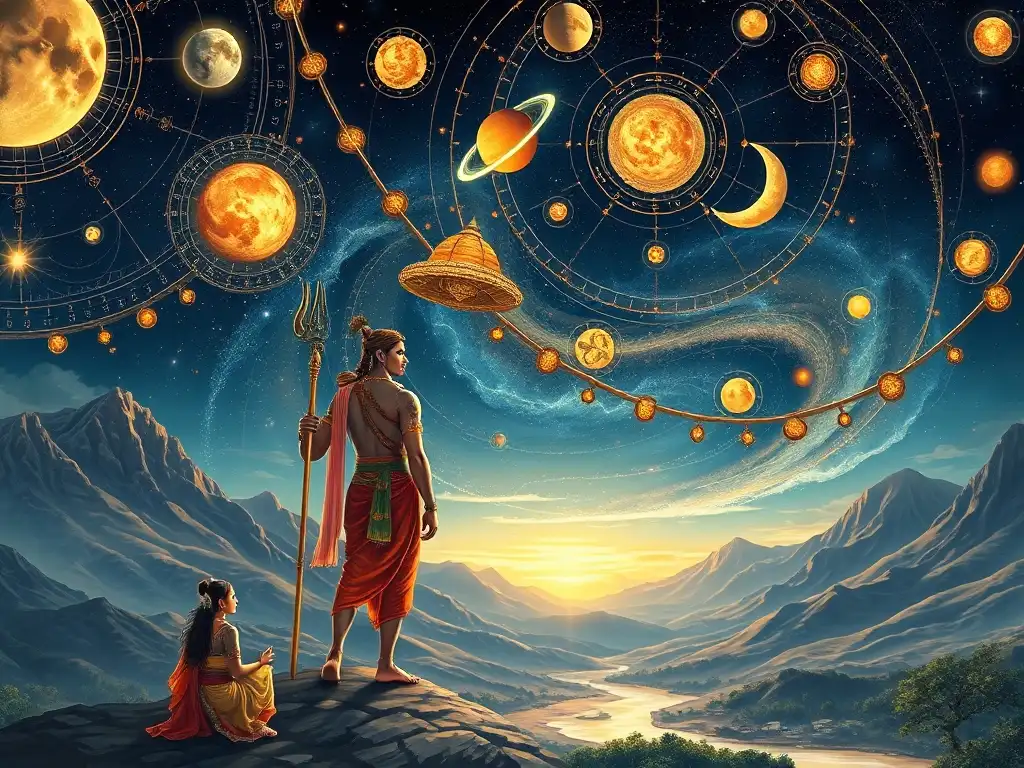
The Ramayana, one of the two great epics of ancient Indian literature, is not merely a tale of heroism and virtue; it is also a profound exploration of the cosmos and its intricate relationship with human affairs. This epic, attributed to the sage Valmiki, interweaves moral lessons with celestial phenomena, revealing how ancient Indian astronomy was deeply embedded in the narrative. The characters in the Ramayana, from Lord Rama to the demon king Ravana, often find themselves in situations influenced by celestial bodies and astronomical events, illustrating the significance of the universe in their lives.
The epic captures the essence of ancient Indian astronomy through various themes, showcasing not just the stars and planets but also the philosophical interpretations that accompany these celestial observations. The alignment of stars and planets often reflects the moral and ethical choices of the characters, and the events in the story frequently coincide with significant astronomical phenomena, highlighting the belief in a cosmic order where the heavens and earth are interconnected.
Themes of Astronomy in the Ramayana
The themes of astronomy in the Ramayana can be categorized into several key concepts:
- Cosmic Order (Rita): The Ramayana illustrates the concept of Rita, which is the principle of natural order that governs the universe. Characters like Rama embody this cosmic law, demonstrating how their actions align with the celestial order. The narrative suggests that adherence to Rita is crucial for maintaining harmony in both the universe and human society.
- Astrological Significance: The characters in the Ramayana are often influenced by astrological predictions. For instance, the birth of Rama and his brothers is marked by auspicious planetary alignments, signifying their divine roles in the epic. The emphasis on astrology reflects the ancient Indian belief that celestial movements can dictate human destinies.
- Symbolism of Celestial Bodies: Throughout the narrative, celestial bodies symbolize various virtues and vices. For example, the moon often represents tranquility and peace, while the sun symbolizes strength and valor. The interactions of characters with these celestial symbols reinforce their moral journeys, showcasing the impact of ancient Indian astronomy on ethical considerations.
- Mythological Interpretations: The Ramayana also weaves mythological tales surrounding celestial entities, such as the planets and stars. These stories often serve to explain natural phenomena and underscore the interconnectedness of all beings in the cosmos. The narrative uses such myths to impart lessons on morality, duty, and the significance of cosmic harmony.
Celestial Events Depicted in the Ramayana
The Ramayana intricately depicts various celestial events that have both narrative and symbolic significance:
- Solar Eclipses: The epic mentions instances of solar eclipses, which were viewed as ominous signs in ancient Indian culture. The appearance of eclipses often coincides with critical turning points in the narrative, emphasizing their importance in the lives of the characters.
- Lunar Phases: The waxing and waning of the moon are referenced in the Ramayana, often reflecting the emotional states of the characters. For instance, the full moon signifies hope and reunion, especially in the context of Rama's eventual return to Ayodhya.
- Star Alignments: The alignment of stars plays a crucial role in the epic. For example, the Nakshatras (lunar mansions) influence the timing of significant events, such as battles and rituals. The narrative illustrates how these celestial alignments are believed to affect the outcomes of human endeavors.
- Planetary Movements: The Ramayana also touches upon the movements of planets, particularly Venus and Mars, which were significant in determining auspicious times for warfare and important decisions. The characters’ awareness of these movements reflects their deep understanding of ancient Indian astronomy and its practical applications.
Through these themes and celestial events, the Ramayana not only serves as a literary masterpiece but also as a document that encapsulates the essence of ancient Indian astronomy, illustrating how it shaped the worldview of its time. This intricate connection between the epic and celestial phenomena highlights the profound relationship between ancient Indian culture and the cosmos, making the Ramayana a pivotal text for understanding ancient Indian astronomy.
Historical Context of Ancient Indian Astronomy
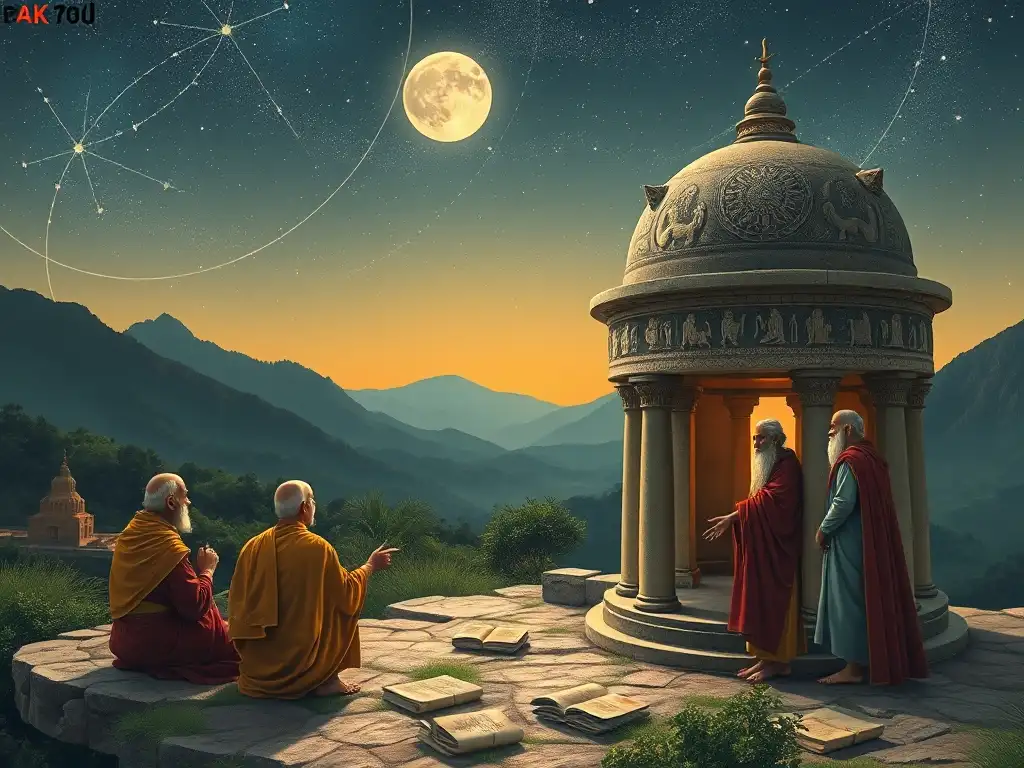
The history of ancient Indian astronomy is deeply intertwined with the cultural and philosophical developments of the civilization. The astronomical knowledge in India dates back to the Vedic period (1500–500 BCE), where celestial bodies were not only observed but also integrated into religious and ritualistic practices. This early form of astronomy laid the groundwork for more systematic studies that emerged in subsequent periods, notably during the Maurya and Gupta empires.
Development of Astronomy in Ancient India
The Vedas, particularly the Rigveda, contain references to celestial phenomena. The Nakshatras (lunar mansions) were categorized, and their significance in agriculture and rituals was highlighted. The Vedic texts also introduced concepts of time measurement through the lunar calendar, which played a crucial role in determining auspicious days for rituals.
Post-Vedic Advances
Following the Vedic period, scholars like Aryabhata (476–550 CE) and Brahmagupta (598–668 CE) made significant contributions to astronomy. Aryabhata's work, Aryabhatiya, presented innovative ideas, such as the Earth's rotation on its axis and the calculation of the value of pi. Brahmagupta further advanced these concepts, addressing planetary motions and eclipses.
Integration with Epics
The Ramayana, one of the two great Indian epics, reflects the astronomical knowledge of its time. Events in the narrative, such as the alignment of celestial bodies and astrological forecasts, are often linked to the characters' fates. This connection illustrates how ancient Indian astronomy was not merely a scientific pursuit but was also interwoven with mythology and storytelling.
Key Astronomical Texts and Their Influence
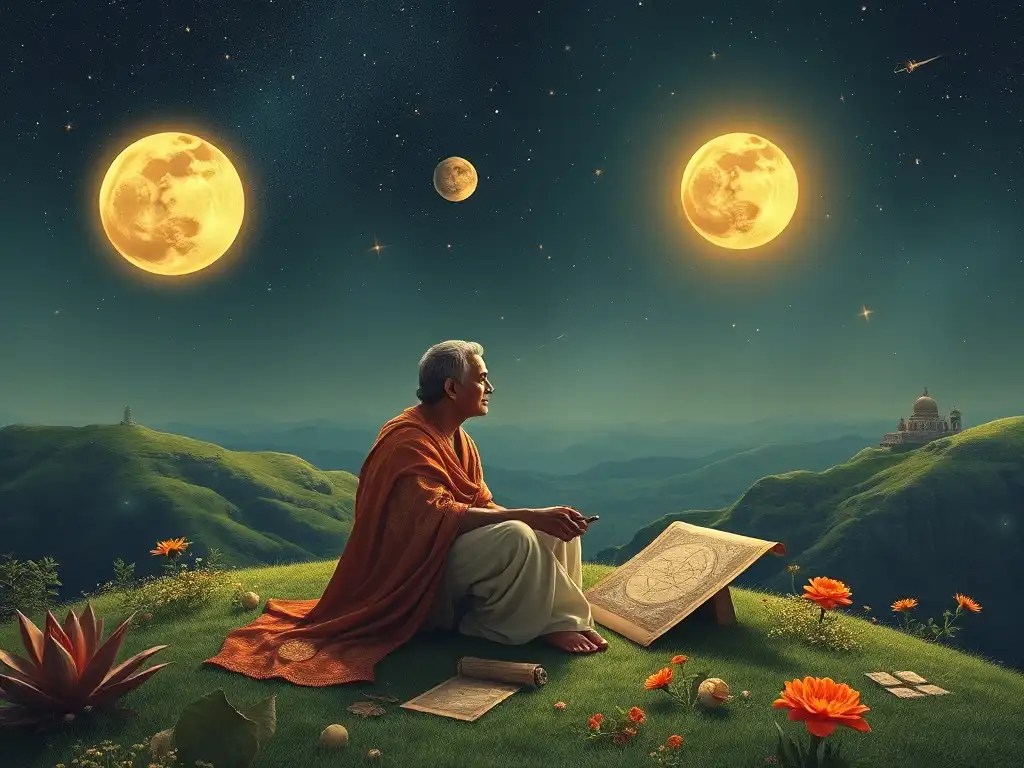
Ancient Indian astronomy is documented in various texts that served as both scientific treatises and cultural artifacts. These texts not only influenced subsequent generations of astronomers but also had a profound impact on the cultural landscape of India.
Notable Texts
- Aryabhatiya: Authored by Aryabhata, this text is foundational in Indian astronomy. It covers topics such as arithmetic, algebra, and astronomy, offering methods for astronomical calculations and introducing the concept of zero.
- Brahmasphutasiddhanta: Written by Brahmagupta, this text expands on Aryabhata's ideas and provides rules for the calculation of planetary positions. It also presents the first systematic methods for solving quadratic equations.
- Surya Siddhanta: This ancient text is attributed to an unknown author and serves as a comprehensive manual on astronomy. It includes calculations of the positions of celestial bodies and the timing of eclipses.
Influence on Other Cultures
The astronomical knowledge encapsulated within these texts not only shaped the intellectual landscape of India but also reached other cultures through translations and adaptations. The ideas of Aryabhata and Brahmagupta were transmitted to the Islamic world and influenced medieval European astronomy.
Connection to the Ramayana
The Ramayana serves as an excellent example of the practical application of astronomical principles in ancient India. Key events, such as the alignment of stars during Rama's birth or the timing of battles, demonstrate the integration of astronomy with narrative and cultural beliefs. These elements reflect the importance of celestial events in everyday life and the spiritual ethos of ancient Indian society.
The study of ancient Indian astronomy reveals a rich tapestry of knowledge, intricately linked to the cultural and literary heritage of the Ramayana. Understanding this relationship enhances our appreciation of the sophistication of ancient Indian civilization and its enduring legacy in the fields of science and literature.
The Connection Between the Ramayana and Ancient Indian Astronomy
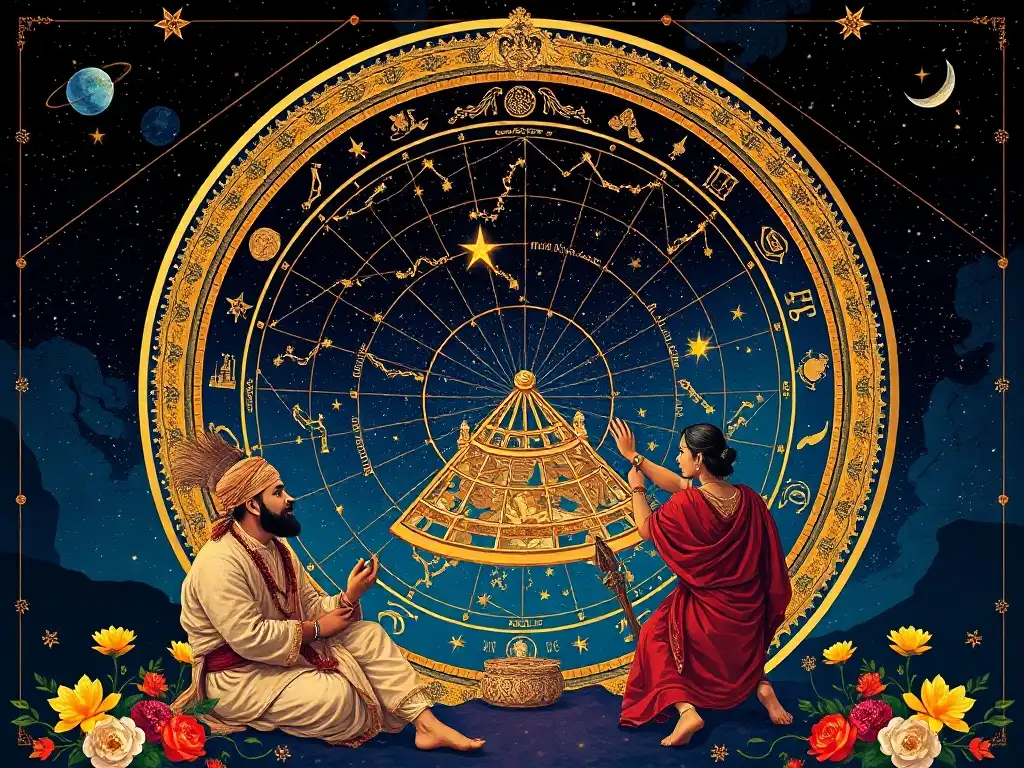
The Ramayana, one of the two great epics of ancient Indian literature, is not just a tale of heroism and adventure; it also serves as a rich tapestry woven with elements of ancient Indian astronomy. The interplay between the narrative of the Ramayana and astronomical concepts reflects the sophisticated understanding of celestial phenomena by ancient Indian scholars. This connection provides insights into how these celestial elements influenced the cultural and spiritual life of ancient India.
Astrological References in the Ramayana
Astrology plays a significant role in the Ramayana, with numerous references that highlight the importance of celestial alignments and their implications on human affairs. Notably, events within the epic are often linked to specific astrological conditions. For instance, the birth of Lord Rama is said to coincide with an auspicious planetary alignment, which signifies his divine nature and his destined role in the epic.
- Key Astrological Events:
- Rama's Birth: The alignment of planets when Rama was born is described as a significant astrological event. This connection underscores the belief that celestial events can influence human destinies.
- Dasharatha's Sacrifice: King Dasharatha performed a Putrakameshti Yagna, a sacrificial ritual aimed at begetting sons. The timing of this ritual was crucial and was influenced by astrological calculations, emphasizing the intertwining of astronomy and ritualistic practices.
The ancient Indian understanding of astrology is evident through the meticulous descriptions of celestial events in the text, which serve not only as narrative devices but also as reflections of the cultural beliefs of the time. This indicates that ancient Indian astronomy was deeply integrated into the societal and spiritual fabric, guiding the actions and decisions of its characters.
The Role of Celestial Bodies in Ramayana Narratives
Celestial bodies such as the sun, moon, and various planets are not merely symbolic in the Ramayana; they actively participate in the unfolding of the narrative. Their movements and positions often act as metaphors for the characters' journeys and moral dilemmas.
- The Sun and Its Significance:
- The sun is often associated with the valor and righteousness of Lord Rama. His journey is frequently compared to the sun’s path across the sky, symbolizing his unwavering commitment to dharma (righteousness).
- The Moon as a Symbol of Emotion:
- The moon represents emotions and the softer aspects of human experience, often linked to Sita, Rama's beloved. Her sorrow during exile mirrors the waning moon, which reflects her diminishing joy and hope.
- Planetary Influences on Character Decisions:
- The positioning of planets at crucial moments influences the decisions of key characters, illustrating the belief in celestial determinism. For example, the momentous decisions made during battles or during Rama’s exile are often accompanied by celestial descriptions, accentuating the cosmic significance of these events.
The integration of celestial bodies into the narrative not only enhances the epic's dramatic effect but also reinforces the ancient belief that human lives are interconnected with the cosmos. This connection between ancient Indian astronomy and the Ramayana illustrates the profound significance of celestial phenomena in shaping the cultural and spiritual narratives of ancient India, revealing a civilization that viewed the universe as a dynamic participant in their everyday lives.
The Ramayana serves as a crucial text that encapsulates the sophisticated understanding of ancient Indian astronomy, intertwining it with astrological beliefs and the moral fabric of its characters. This rich tapestry of narratives encourages a deeper exploration of how ancient Indian civilizations perceived their place in the cosmos and the influence of celestial phenomena on their lives and decisions.
Notable Astronomical Events in the Ramayana
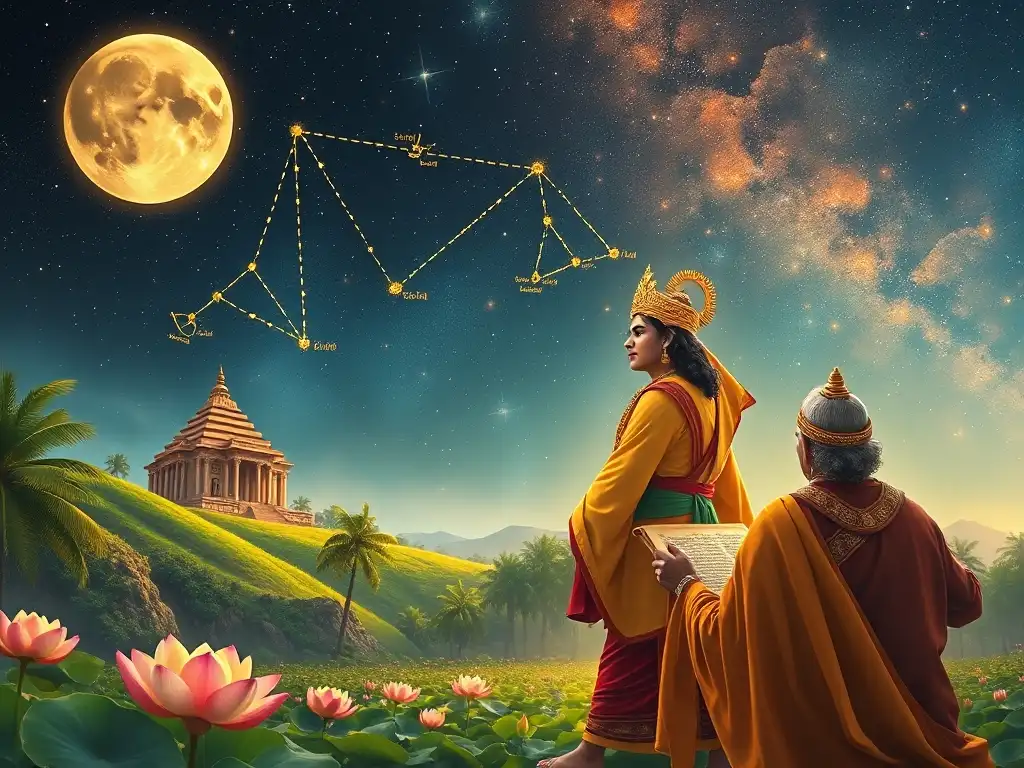
The Ramayana, one of the most revered epics of ancient Indian literature, is rich with not only moral and philosophical teachings but also significant astronomical references. These references often serve to enhance the narrative and underscore the divine nature of the characters and events. The astronomical events depicted in the Ramayana provide a deep insight into how ancient Indian civilizations perceived and understood celestial phenomena.
Solar and Lunar Eclipses in the Ramayana
The Ramayana mentions several instances of solar and lunar eclipses, illustrating the importance of these events in ancient Indian culture. For example, during the great battle of Lanka, a solar eclipse is described, which is often interpreted as an omen of the impending conflict and the chaos that ensues.
- Symbolic Meaning: Eclipses in the Ramayana are commonly seen as symbols of change or transition. They serve as reminders of the cyclical nature of life and the cosmic forces at play.
- Astrological Implications: The characters in the Ramayana, particularly those of royal lineage, often consult astrologers to interpret the signs of celestial events. Eclipses are believed to signify significant shifts in power or fortune, influencing decisions made by characters like Rama and Ravana.
The astronomical details surrounding these eclipses reflect a sophisticated understanding of celestial mechanics. For instance, the description of the sun being obscured hints at an awareness of the relationship between the Earth, Moon, and Sun, showcasing the ancient Indians' observational skills in astronomy.
Constellations and Their Symbolism in the Epic
Constellations also play a pivotal role in the Ramayana, with various stars and groups of stars appearing throughout the narrative. These constellations are not merely decorative; they carry deep symbolic meanings that enrich the text.
- Prominent Constellations:
- Bharani: Often associated with the birth of significant characters in the epic, Bharani is linked to creation and transformation.
- Rohini: This constellation symbolizes beauty and fertility, reflecting the divine qualities of characters like Sita.
The use of constellations in the Ramayana serves multiple purposes:
- Navigation and Timekeeping: The characters often rely on the positions of the stars for navigation, highlighting the practical applications of ancient Indian astronomy.
- Mythological Connections: Each constellation is imbued with stories and legends that tie back to the characters and plotlines of the epic, deepening the reader's engagement with the narrative.
The Ramayana intricately weaves astronomical phenomena into its storyline, enriching the epic's cultural and moral dimensions. The representation of solar and lunar eclipses, alongside the significance of various constellations, showcases the depth of ancient Indian astronomy and its profound connection to the epic's themes and characters.
The Influence of the Ramayana on Ancient Indian Astronomical Practices
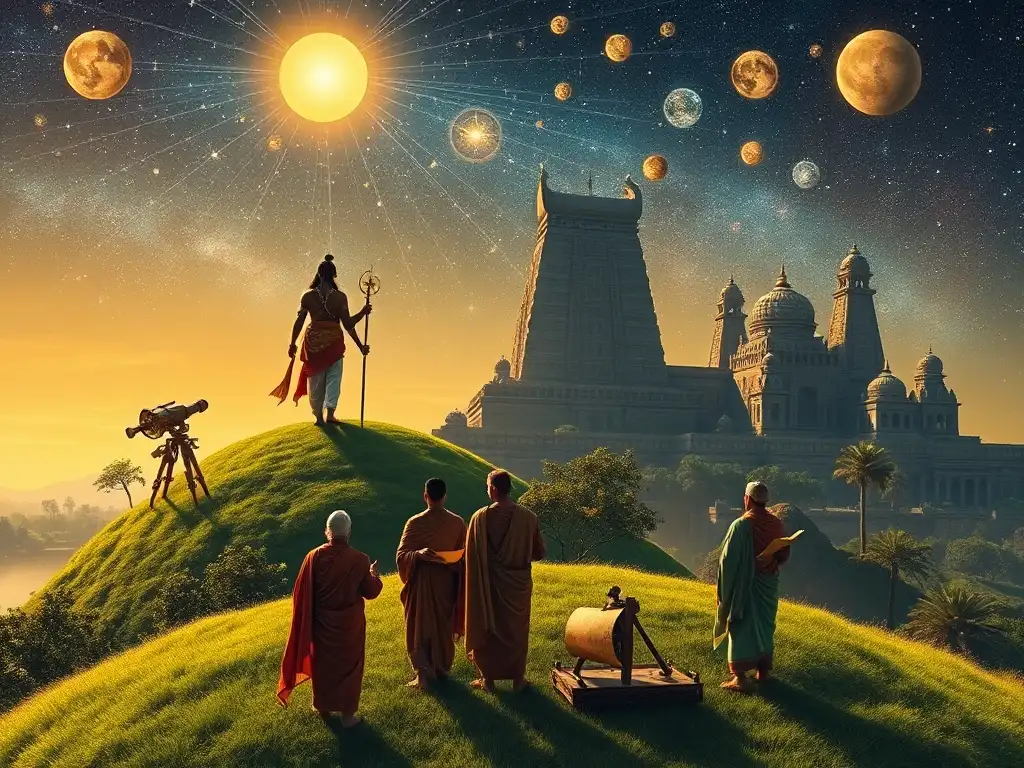
Rituals and Observances Based on Astronomical Events
The Ramayana, one of the two great epics of ancient Indian literature, not only provides a rich narrative of dharma, devotion, and heroism but also intricately weaves astronomical observations into its storytelling. Significant events in the Ramayana align with various celestial phenomena, influencing the rituals and observances of ancient Indian society.
- Cosmic Alignment: The epic begins with the alignment of planets, which is often interpreted as a divine sign. This notion is reflected in various Puja (worship) practices where specific planetary positions are deemed auspicious for performing rituals.
- Festivals and Celestial Events: Certain festivals mentioned in the Ramayana, such as Diwali, have astronomical significance. Diwali, celebrated during the new moon, is linked to the return of Lord Rama to Ayodhya after defeating Ravana. The timing of this celebration aligns with specific lunar phases, highlighting the importance of celestial calendars in determining festive dates.
- Agricultural Practices: The Ramayana references the agricultural cycle, which is closely related to celestial events. For instance, sowing and harvesting seasons are dictated by the positions of stars and planets, showcasing how astronomical observations influenced agrarian rituals among ancient Indians.
The Ramayana's Impact on Later Astronomy
The Ramayana's influence extends beyond its narrative and into the realm of astronomy, leaving a profound impact on subsequent astronomical thought and practice in ancient India.
- Integration of Myth and Science: The epic contributed to the integration of mythology with scientific observation, fostering a culture where astronomy was not merely a scientific discipline but also a spiritual endeavor. This duality is evident in texts like the Surya Siddhanta, which draws on mythological references from the Ramayana to explain astronomical concepts.
- Astrological Practices: The characters and events in the Ramayana also played a pivotal role in the development of astrology in India. The birth charts and horoscopes of significant figures, such as Lord Rama and Sita, were analyzed based on celestial configurations, influencing subsequent astrological practices.
- Astronomical Texts: Later astronomical texts often cited the Ramayana, using its events to frame astronomical phenomena. For example, the Aryabhatiya by Aryabhata makes references to celestial events described in the epic, reinforcing the connection between literature and astronomy.
- Educational Framework: The teachings within the Ramayana served as a foundational element for educational frameworks in ancient Indian astronomy. The stories and moral lessons embedded in the epic provided a narrative structure for teaching complex astronomical principles, making them accessible to students of the time.
The Ramayana has significantly influenced ancient Indian astronomy, intertwining celestial observations with cultural practices and thereby laying the groundwork for future astronomical developments.
Conclusion: The Legacy of the Ramayana in Understanding Ancient Indian Astronomy
The Ramayana, one of the two great epics of ancient Indian literature, serves not only as a narrative of moral and ethical values but also as a significant repository of astronomical knowledge. Through the lens of this epic, we can discern the sophisticated understanding that ancient Indian civilizations had of the cosmos, celestial bodies, and their movements. The integration of astronomical phenomena within the storyline is not merely incidental but deeply interwoven with the cultural and scientific fabric of ancient India.
Summary of Key Connections
The connections between the Ramayana and ancient Indian astronomy can be categorized into several key areas:
- Celestial Events:
- The text references various celestial events, such as eclipses and planetary conjunctions, which were not only significant for their mythological implications but also for their practical applications in timekeeping and agricultural practices.
- For example, the alignment of stars and planets is often used as a backdrop for important events in the epic, reflecting the belief in their influence over terrestrial events.
- Symbolism of Celestial Bodies:
- Characters in the Ramayana often embody the traits associated with specific celestial bodies. For instance, the valor of Lord Rama is sometimes likened to the brightness of the sun, symbolizing strength and righteousness.
- The epic encourages readers to observe the night sky, fostering a sense of wonder and curiosity about the universe.
- Ancient Astronomical Texts:
- Scholars believe that the astronomical knowledge depicted in the Ramayana was derived from earlier texts, such as the Vedanga Jyotisha, which outlines the principles of Vedic astronomy.
- The mathematical precision evident in the descriptions of time measurements and celestial cycles underscores the advanced state of ancient Indian astronomy.
- Cultural Practices and Rituals:
- Many rituals and festivals described in the Ramayana are closely tied to astronomical events, such as solstices and equinoxes, demonstrating the integration of astronomy into daily life and spiritual practices.
- This synergy emphasizes the importance of aligning human activities with celestial rhythms, showcasing a holistic view of existence in ancient India.
The Importance of Preserving Ancient Knowledge
Preserving the knowledge encapsulated in the Ramayana is crucial for several reasons:
- Cultural Heritage:
- The Ramayana represents a vital part of India’s cultural heritage, providing insights into the values, beliefs, and scientific understanding of ancient civilizations. Preserving this epic ensures that future generations can appreciate and learn from their ancestors.
- Scientific Inquiry:
- The astronomical concepts illustrated in the Ramayana offer a unique perspective for contemporary scholars and astronomers. By studying these ancient texts, modern science can uncover historical methods of astronomical observation and calculation that may still hold relevance today.
- Interdisciplinary Learning:
- The Ramayana is not just a work of literature; it is an intersection of history, philosophy, and science. By maintaining a focus on its astronomical aspects, educators can promote interdisciplinary learning that combines literature, history, and scientific inquiry.
- Global Understanding:
- As ancient Indian astronomy garners interest worldwide, the Ramayana can serve as a bridge for cultural exchange. Understanding these ancient texts fosters global appreciation for India's contributions to science and philosophy.
The Ramayana stands as a testament to the rich tapestry of ancient Indian astronomy. By exploring its connections to celestial phenomena, we not only gain insights into the scientific prowess of ancient civilizations but also recognize the importance of preserving this knowledge for future exploration and understanding.
Frequently Asked Questions
What is the connection between the Ramayana and ancient Indian astronomy?
The Ramayana contains references to celestial phenomena and astronomical events that provide insights into the ancient Indian understanding of the cosmos.
How did ancient Indian astronomers contribute to the field?
Ancient Indian astronomers made significant contributions, including the development of astrological calculations and calendar systems, which are often reflected in texts like the Ramayana.
What role do celestial bodies play in the Ramayana?
Celestial bodies, such as stars and planets, are used symbolically in the Ramayana, often representing divine guidance or fate throughout the epic.
Can we find scientific principles in the Ramayana?
Yes, the Ramayana includes descriptions of astrological principles and mathematical concepts that show the advanced knowledge of ancient Indian astronomy.
How does ancient Indian astronomy compare to other civilizations?
While ancient Indian astronomy shares similarities with other civilizations, it is unique in its incorporation of mythological narratives like the Ramayana, integrating science and storytelling.
Final Reflection: The Cosmic Dance of the Ramayana and Ancient Indian Astronomy
The intricate relationship between the Ramayana and ancient Indian astronomy reveals a profound understanding of the cosmos that resonates even today. As we navigate our modern world, the celestial themes woven into this epic serve as a reminder of how ancient cultures sought to comprehend their place in the universe. The Ramayana not only tells a timeless story of heroism and virtue but also encapsulates the astronomical knowledge that shaped the spiritual and scientific paradigms of its time.
The influence of ancient Indian astronomy, as reflected in the Ramayana, continues to permeate our cultural and social landscapes. From festivals that celebrate celestial events to the ongoing fascination with astrological practices, the echoes of this ancient wisdom are ever-present. The stars are not just points of light; they are the guides of our destiny.
This quote encapsulates the enduring belief in the power of the cosmos, reminding us that our ancestors looked to the heavens for guidance, much like we seek meaning in our lives today.
As we reflect on the lessons of the Ramayana and its astronomical connections, I invite you to explore your own relationship with the cosmos. Consider how the stories and knowledge of the past can illuminate your path forward. Whether through stargazing, learning about celestial events, or simply pondering the vastness of the universe, let the wisdom of ancient Indian astronomy inspire you to seek deeper connections with the world around you. Embrace the cosmic dance that binds us all, and carry forward the legacy of knowledge that has shaped humanity for millennia.
Unveil the Stars of Ancient Wisdom!
Thank you for exploring the fascinating connection between the Ramayana and ancient Indian astronomy! We hope you’ve gained valuable insights into how these timeless tales intertwine with the celestial wonders.
Now, take the next step to deepen your understanding and engage with this rich history:
- Dive deeper into the stars: Investigate how ancient civilizations utilized astronomy to navigate their lives and understand the world around them.
- Share your newfound knowledge: Discuss your insights with friends or participate in online forums dedicated to ancient history to connect with fellow enthusiasts.
- Explore further resources: Look for books or documentaries on ancient Indian literature and astronomy to broaden your understanding even more.
As you contemplate these actions, consider this: In what ways do you think ancient narratives like the Ramayana can shape modern perspectives on science and spirituality? We invite you to share your thoughts below!