
The Ramayana and Its Role in Shaping Indian Nationalism

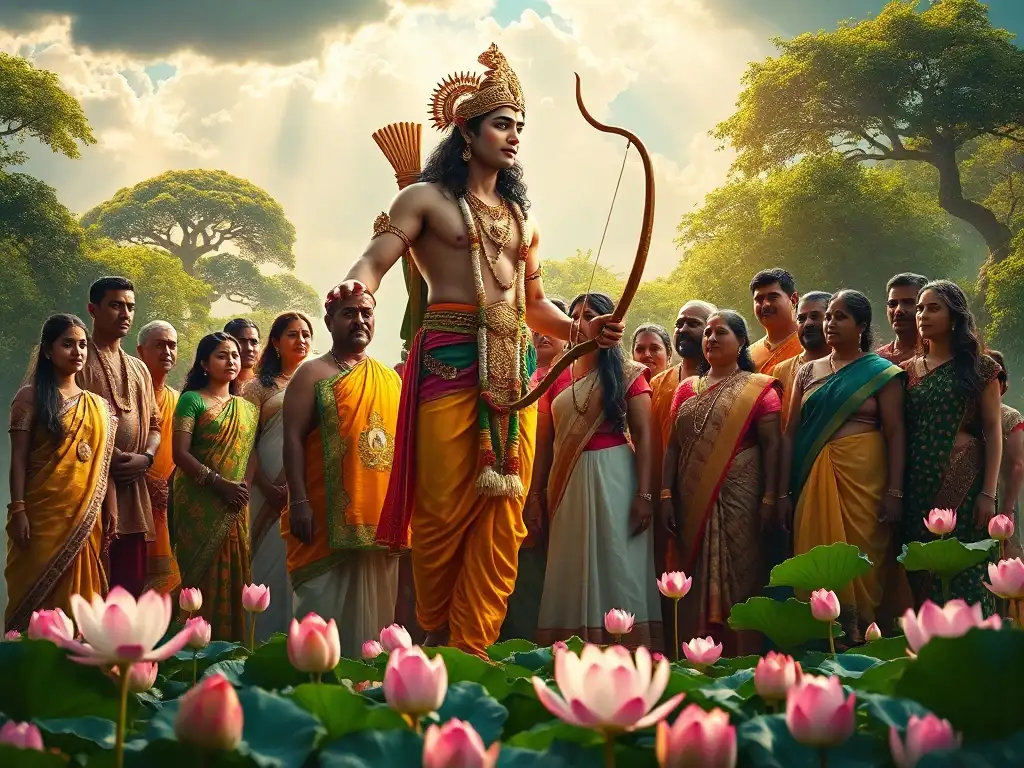
Welcome to Ancient India History, where we embark on a journey through the rich tapestry of India's past, from the majestic Indus Valley to the illustrious Gupta Empire. In our featured article, The Ramayana and Its Role in Shaping Indian Nationalism, we delve into the profound impact of this epic literature on the spirit of Indian identity and unity.
Discover how the timeless tales of valor, duty, and righteousness have woven themselves into the fabric of Indian nationalism, sparking curiosity and conversation across generations. Join us as we explore these captivating narratives that continue to resonate deeply with the essence of our nationhood.
Introduction to the Ramayana
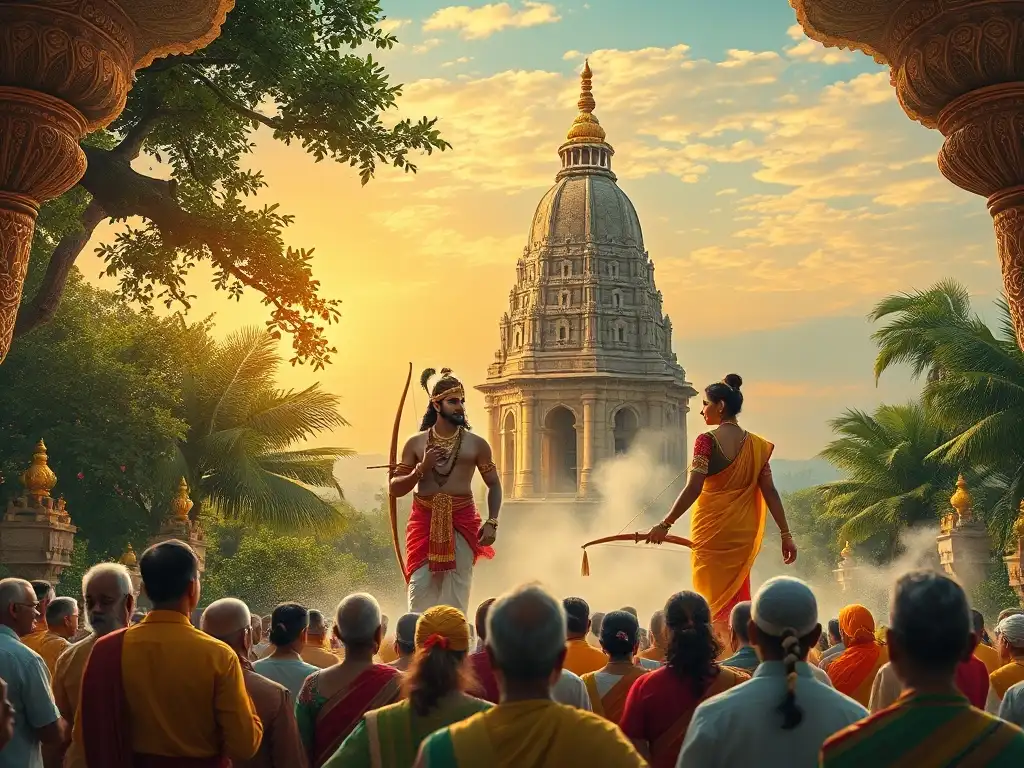
The Ramayana, one of the two epic poems of ancient Indian literature, holds profound significance not only as a tale of heroism and virtue but also as a crucial element in the formation of Indian identity and nationalism. Written by the sage Valmiki, this epic narrates the life and adventures of Lord Rama, his quest to rescue his wife Sita from the demon king Ravana, and the moral lessons embedded within these narratives.
The Ramayana transcends mere storytelling; it embodies the values of dharma (righteousness), duty, and devotion, principles that have deeply influenced the cultural and national consciousness of India.
As India navigated through the colonial period, the relevance of the Ramayana evolved, becoming a source of inspiration and unity among diverse groups seeking to reclaim their identity and assert their rights. This article delves into the profound Ramayana influence on Indian nationalism, exploring how this ancient text has shaped the ideologies and sentiments that contributed to the nationalist movements in India.
Overview of the Ramayana
The Ramayana is divided into seven books, known as Kandas, detailing various episodes of Lord Rama's life, including his exile, the abduction of Sita, and the eventual battle with Ravana. Each Kanda elucidates key themes such as loyalty, sacrifice, and the triumph of good over evil. The characters in the Ramayana, particularly Rama, Sita, and Hanuman, are not only revered in religious contexts but also serve as symbols of idealism and virtue in the broader cultural landscape.
The epic has been interpreted in various forms across regions and languages in India, leading to a rich tapestry of retellings, adaptations, and performances. From traditional recitations to modern theatrical productions, the Ramayana continues to resonate with audiences, illustrating its enduring legacy.
Significance of the Ramayana in Indian Culture
The Ramayana's impact on Indian culture is profound, as it has shaped religious practices, art, literature, and social norms for centuries. The epic's characters are celebrated in festivals, rituals, and art forms, reinforcing the moral and ethical values they represent.
- Cultural Celebrations: Events such as Diwali, which commemorates Rama's return to Ayodhya, highlight the Ramayana's influence on the cultural calendar.
- Artistic Expressions: The Ramayana has inspired countless works of art, including paintings, sculptures, and classical dance forms, each interpreting the epic's themes through unique cultural lenses.
- Literary Adaptations: Numerous authors and playwrights have adapted the Ramayana, contributing to its relevance in contemporary literature and discourse.
The Ramayana serves as a moral compass, guiding individuals and communities toward righteousness, making it an integral part of the Indian ethos.
Historical Context of Indian Nationalism
Emergence of Nationalism in India
The rise of nationalism in India can be traced back to the late 19th century, a period marked by increasing discontent against British colonial rule. Intellectuals and leaders began to articulate a vision of an independent India, drawing upon historical and cultural narratives to foster a sense of unity among diverse populations.
The Ramayana, with its themes of heroism and resistance against tyranny, became a source of inspiration for nationalists. Figures such as Bankim Chandra Chatterjee and Rabindranath Tagore incorporated elements of the Ramayana into their works, emphasizing the need for collective action and national pride.
Key Events Influencing Indian Nationalism
Several key events and movements during the nationalist struggle highlighted the Ramayana's role in shaping national identity:
- The Swadeshi Movement: This movement encouraged the boycott of British goods and promoted indigenous products, invoking the spirit of Lord Rama's struggle against oppression.
- The Indian National Congress: Founded in 1885, the Congress sought to unite Indians in their quest for self-rule, often referencing the Ramayana to symbolize unity and resistance.
- Cultural Renaissance: The late 19th and early 20th centuries witnessed a cultural revival where the Ramayana was celebrated as a symbol of India's glorious past, reinforcing the narrative of a unified nation.
Through these events, the Ramayana emerged not only as a literary masterpiece but also as a cornerstone in the dialogue of Indian nationalism, helping to articulate a vision of India that resonated with the aspirations of its people.
The Ramayana's Influence on Indian Nationalism
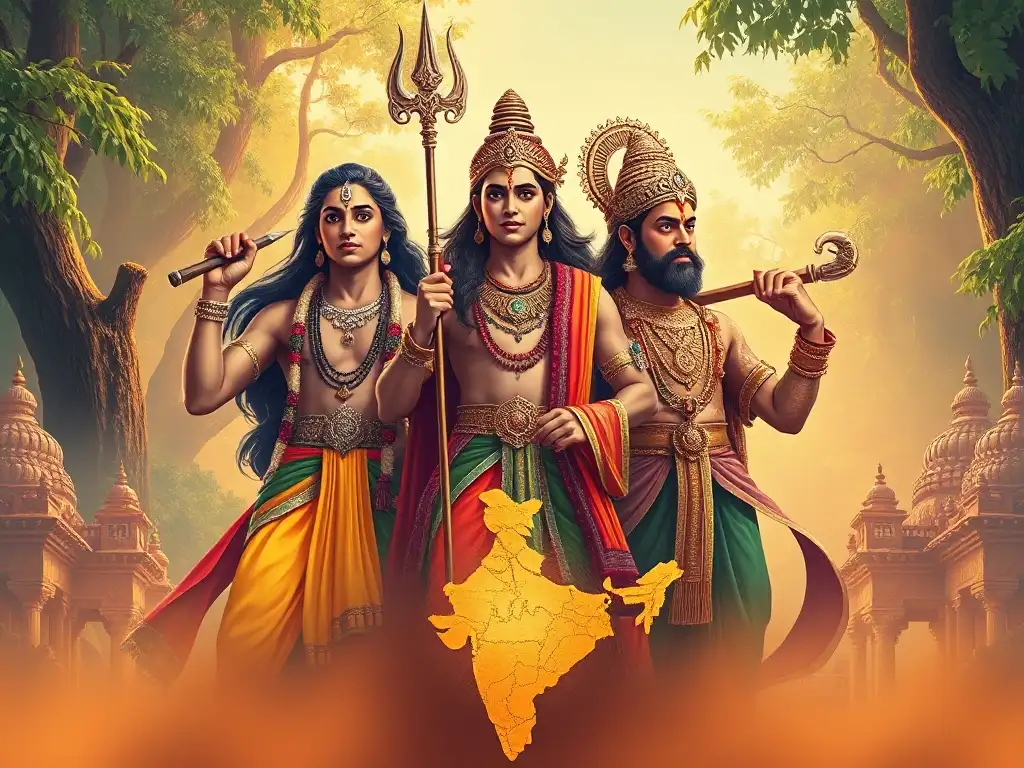
The Ramayana, an ancient Indian epic, has played a pivotal role in shaping Indian nationalism, particularly during the colonial period. Its narratives and characters resonate with the ideals of heroism, sacrifice, and moral duty, making it a powerful tool for instilling a sense of national identity among Indians.
The story of Lord Rama, his quest to rescue Sita, and the battle against the demon king Ravana symbolize the struggle for righteousness and justice, themes that became particularly relevant in the context of India's fight for independence. As nationalist leaders sought to unify diverse communities under a shared cultural heritage, the Ramayana's teachings provided a framework for promoting national pride and a collective identity.
The epic's influence extends beyond mere storytelling; it has inspired various movements and ideologies. Nationalist thinkers and leaders recognized the potential of the Ramayana to evoke a sense of unity among Indians, transcending regional, religious, and linguistic differences. The epic's rich symbolism, characters, and moral lessons have been employed to advocate for social reform and political change, making it a cornerstone in the narrative of Indian nationalism.
Symbolism of the Ramayana in the Nationalist Movement
The symbolism found within the Ramayana has been instrumental in the Indian nationalist movement. Lord Rama is often depicted as an ideal king and a model citizen, embodying virtues such as courage, integrity, and devotion to duty. These traits became emblematic of the qualities that Indian leaders aspired to cultivate within the populace. The narrative of Rama's exile and eventual return to reclaim his kingdom resonated with the Indian struggle against British colonial rule, symbolizing the hope of regaining sovereignty and justice.
Furthermore, the character of Sita represents the dignity and strength of Indian womanhood, serving as a symbol of resilience amidst adversity. Her abduction by Ravana and subsequent rescue reflect the broader struggle against oppression, which was a central theme in the fight for freedom. The Ramayana's rich tapestry of characters and events provided a powerful metaphorical arsenal that nationalists utilized to inspire and mobilize the masses.
Key Figures Who Advocated the Ramayana's Role
Several prominent figures in the Indian nationalist movement recognized the Ramayana's significance in fostering a national identity. Leaders like Bal Gangadhar Tilak and Vinayak Damodar Savarkar emphasized the epic's themes of valor and duty as essential components of Indian culture. Tilak famously stated that the Ramayana should be viewed not merely as a religious text but as a source of inspiration for national awakening.
Moreover, Mahatma Gandhi drew upon the Ramayana to articulate his vision of a non-violent struggle for independence. He often referenced the epic to underline the moral imperatives of truth and righteousness (Satyagraha) in the face of oppression. Gandhi's interpretation of the Ramayana emphasized the importance of ethical conduct, aligning it with his philosophy of peaceful resistance.
The Ramayana is rich in themes that resonate deeply with the concept of national identity in India. Its narrative emphasizes unity, sacrifice, and the collective struggle against injustice, serving as a reflection of the aspirations and values of a nation striving for independence. These themes have been pivotal in shaping the consciousness of the Indian populace, particularly during times of social and political upheaval.
Valor and Duty in the Ramayana
Central to the Ramayana's message is the theme of valor and duty (Dharma). Lord Rama's unwavering commitment to his duty as a son, husband, and king serves as a profound example of selflessness and bravery. This emphasis on duty transcends personal desires, advocating for the greater good—a principle that resonated with the nationalist movement's call for sacrifice in the pursuit of freedom.
The valor demonstrated by Rama and his allies, such as Hanuman and Lakshmana, became a rallying cry for those fighting against colonial oppression. Their courage in the face of overwhelming odds inspired many to embrace self-sacrifice as a vital aspect of the national struggle. The Ramayana's portrayal of these ideals reinforced the notion that true patriotism involves putting the nation's needs above one's own.
The Concept of Dharma and Its National Implications
The concept of Dharma, or righteous duty, is intricately woven into the fabric of the Ramayana. This principle not only defines individual conduct but also serves as a foundation for societal norms and values. In the context of nationalism, Dharma underscores the responsibility of citizens to uphold justice, truth, and moral integrity.
In the face of colonial injustices, the idea of Dharma became a source of empowerment for Indians. Nationalist leaders invoked this concept to encourage the population to rise against oppression, framing the struggle for independence as a moral obligation. By aligning the fight for freedom with the principles of Dharma, the Ramayana reinforced the belief that the quest for national sovereignty was not only a political endeavor but a sacred duty.
The Ramayana's Role in Literature and Arts
The Ramayana serves not only as a foundational epic of Indian literature but also as a profound source of inspiration across various forms of art. Its narratives and characters resonate deeply within the cultural landscape of India, influencing literature, visual arts, and performance traditions. The themes of dharma (duty), righteousness, and the struggle between good and evil have been universally appealing, allowing the Ramayana to transcend its original context and become a powerful narrative for expressing national identity and moral values.
In classical literature, the Ramayana has inspired numerous poets and playwrights. From Tulsidas's Ramcharitmanas to the modern adaptations by authors like R.K. Narayan, the epic continues to be reinterpreted, offering fresh perspectives while maintaining its core themes. Each adaptation reflects the socio-political context of its time, which often aligns with nationalistic sentiments, thereby reinforcing the Ramayana's influence on Indian nationalism.
Literary Adaptations and Their Nationalistic Themes
Literary adaptations of the Ramayana have frequently mirrored the socio-political climate of their respective eras, positioning the epic as a tool for nationalistic discourse. For instance, in the late 19th and early 20th centuries, during the British colonial period, writers like Bankim Chandra Chatterjee utilized the Ramayana to evoke a sense of pride and unity among Indians. The valorization of Rama as a symbol of resistance against tyranny inspired a collective identity, reinforcing the notion of an ancient civilization with a glorious past.
Contemporary adaptations continue this trend. Modern authors often focus on the Ramayana's themes of justice, honor, and sacrifice, framing them within the context of contemporary issues such as caste, gender, and social justice. This renewed engagement with the text underscores its relevance and adaptability, allowing it to resonate with current nationalistic movements. Through these literary adaptations, the Ramayana becomes a medium for articulating aspirations for a united and sovereign India, thereby solidifying its role in shaping Indian nationalism.
Ramayana in Folk Art and Performance
The Ramayana has a rich tradition in folk art and performance, which has played a significant role in disseminating its themes and messages throughout Indian society. Traditional forms such as Ramleela, a theatrical reenactment of the Ramayana, bring the epic to life in a dynamic and engaging manner. These performances not only entertain but also educate audiences about moral values and cultural heritage, thus reinforcing the epic's place in Indian identity.
Visual arts also reflect the Ramayana's influence, with intricate paintings, sculptures, and murals depicting scenes and characters from the epic. These artistic expressions often serve a dual purpose: preserving cultural history while also fostering a sense of belonging and pride among viewers. The depiction of Rama, Sita, and Hanuman in folk art becomes a symbol of national identity, illustrating the enduring legacy of the Ramayana in shaping cultural narratives.
Ramayana as a Tool for Political Mobilization
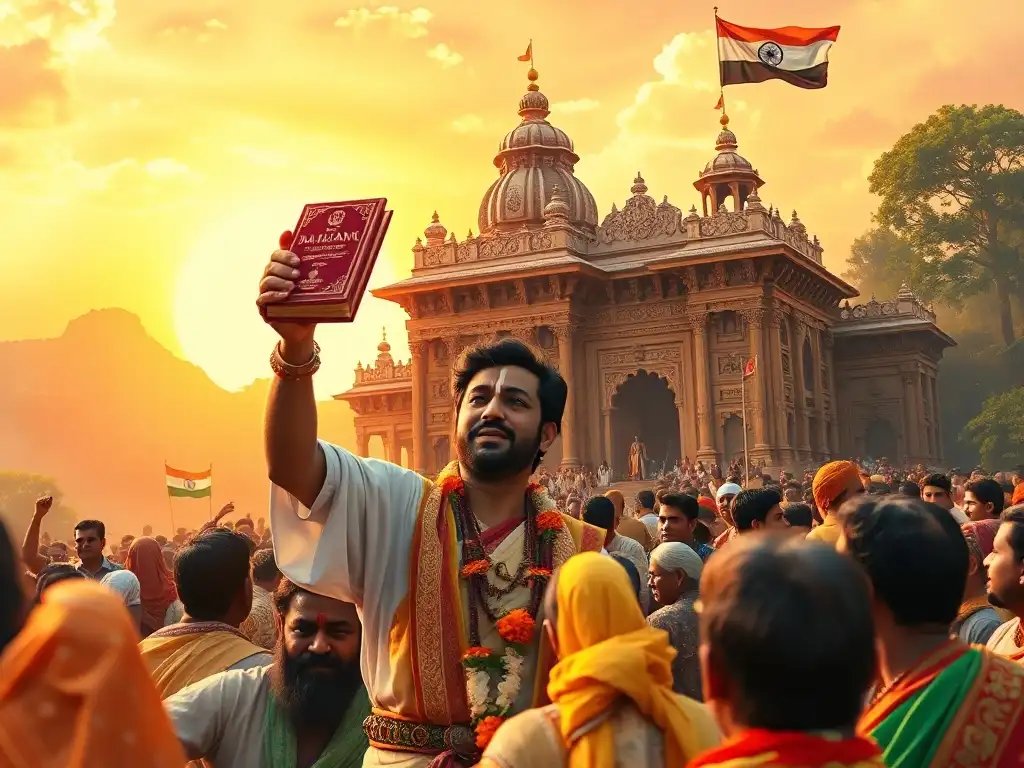
The Ramayana has been employed strategically as a tool for political mobilization throughout Indian history. Its powerful themes and revered characters offer a narrative framework that can be utilized to rally support and unify people around common goals. Politicians and leaders have often invoked the epic to draw parallels between its stories of heroism and the struggles of contemporary society, effectively harnessing its influence to foster nationalistic sentiments.
Use of the Ramayana in Political Rhetoric
Political leaders have historically leveraged the Ramayana's narratives in their rhetoric to resonate with the sentiments of the masses. The imagery of Rama as an ideal king and his quest for justice has been used to promote governance based on dharma. For instance, during the rise of the Hindu nationalist movement, leaders have invoked the Ramayana to emphasize the need for a return to traditional values and the restoration of a perceived golden age of Hindu culture.
Such rhetorical strategies often employ the epic's characters as archetypes for political leaders, framing them as embodiments of virtues that political figures should aspire to. This alignment with the Ramayana not only strengthens their appeal but also creates a sense of legitimacy rooted in ancient cultural narratives, thereby effectively mobilizing support among the populace.
The Ramayana in Modern Political Movements
In recent years, the Ramayana has gained renewed prominence in modern political movements, particularly in the context of Hindu nationalism. Organizations like the Rashtriya Swayamsevak Sangh (RSS) and the Bharatiya Janata Party (BJP) have utilized the epic to foster a collective Hindu identity, drawing on the Ramayana's themes to support their political agendas. The portrayal of Rama as a champion of dharma is strategically employed to advocate for policies that resonate with Hindu nationalist ideals, reinforcing the connection between the epic and contemporary political discourse.
Moreover, the Ramayana has also been used to address contemporary issues, such as social justice and gender equality. By reinterpreting the characters and narratives within the epic, modern activists seek to engage with its themes in ways that align with current societal challenges. This adaptability ensures that the Ramayana remains a relevant and influential component in shaping the discourse around Indian nationalism, demonstrating its enduring power as a tool for political mobilization.
Critiques of the Ramayana's Role in Nationalism
The Ramayana, while often heralded as a cornerstone of Indian culture and nationalism, has not been without its critiques. Scholars and commentators have pointed out that the epic's portrayal of characters and narratives can sometimes reinforce patriarchal values and caste hierarchies. Critics argue that the glorification of figures like Rama can overshadow the complexities of human morality and ethical dilemmas found within the text.
Moreover, some contend that the selective interpretation of the Ramayana has been utilized for political gains, particularly during the rise of Hindutva nationalism in the late 20th century. This has led to a polarizing effect within Indian society, often marginalizing non-Hindu communities and fostering divisiveness rather than unity. The emphasis on a singular narrative can overlook the diverse interpretations and adaptations of the Ramayana across various cultures and regions, thereby limiting its role as a unifying national symbol.
Alternative Perspectives on the Ramayana's Influence
While the Ramayana has been a significant element in the discourse of Indian nationalism, alternative perspectives highlight its role as a text that transcends mere patriotism. Some scholars argue that the epic serves as a vehicle for exploring universal themes such as duty, righteousness, and the complexities of human relationships. These themes resonate with audiences beyond the boundaries of nationalism, offering insights into the human condition.
Additionally, the Ramayana has inspired various adaptations and retellings that reflect contemporary values and social issues. These adaptations often critique traditional norms, presenting alternative narratives that challenge the status quo. For instance, modern interpretations may emphasize the agency of female characters like Sita, who in many retellings assert their autonomy and voice, thereby expanding the epic's relevance in discussions of gender and social justice.
Debates on the Ramayana and Secularism
The intersection of the Ramayana with secularism in India presents a complex landscape of debate. Some argue that the Ramayana should be understood as a cultural artifact rather than a religious text, advocating for its appreciation in a secular framework. This perspective posits that the epic's rich storytelling and moral lessons can contribute to a shared cultural heritage that transcends religious divides.
Conversely, others contend that the Ramayana's deeply embedded religious significance complicates its role within a secular state. This debate is particularly relevant in the context of India's diverse population, where the Ramayana's interpretations can vary significantly across religious and cultural lines. The challenge lies in navigating these differences while fostering a sense of national identity that is inclusive and recognizes the pluralistic nature of Indian society.
Conclusion
Summary of the Ramayana's Impact on Indian Nationalism
The Ramayana has played a pivotal role in shaping Indian nationalism, serving as a source of inspiration and cultural identity for many. Its narratives have been interwoven with the fabric of national discourse, often invoked to rally sentiments of unity and pride. However, the interpretations of the Ramayana have varied widely, reflecting the diversity of Indian society itself. While it has been used to bolster national identity, its complexities and critiques remind us of the multifaceted nature of this epic.
Reflection on the Ramayana's Continued Relevance in Contemporary India
The continued relevance of the Ramayana in contemporary India remains a subject of significant interest and discourse. As modern India grapples with issues of identity, inclusion, and social justice, the Ramayana offers a rich tapestry of narratives that can be revisited and reinterpreted. Its themes of duty, righteousness, and moral complexity resonate with ongoing debates about ethics in public life and personal conduct.
Furthermore, the Ramayana's adaptability ensures that it remains a powerful cultural reference point, inspiring new generations to engage with its stories in ways that reflect their realities. Whether through literature, theater, or film, the epic continues to shape cultural dialogues, making it an enduring symbol of both tradition and modernity in India.
- Introduction to the Ramayana
- Overview of the Ramayana
- Significance of the Ramayana in Indian Culture
- Historical Context of Indian Nationalism
- The Ramayana's Influence on Indian Nationalism
- Themes in the Ramayana Related to National Identity
- The Ramayana's Role in Literature and Arts
- Ramayana as a Tool for Political Mobilization
- Critiques of the Ramayana's Role in Nationalism
- Conclusion
Frequently Asked Questions
What is the Ramayana?
The Ramayana is an ancient Indian epic that narrates the life and adventures of Lord Rama, focusing on his quest to rescue his wife Sita from the demon king Ravana. It is a key text in Hindu culture and literature.
How has the Ramayana influenced Indian nationalism?
The Ramayana has played a significant role in shaping Indian nationalism by promoting values such as dharma, courage, and unity. These themes have been utilized to inspire a sense of identity and pride among Indians.
What are the key themes of the Ramayana relevant to nationalism?
Key themes include the importance of dharma (righteousness), the struggle for justice, and the idea of a unified Indian identity. These themes resonate deeply with the ideals of national pride and collective purpose.
How did political leaders utilize the Ramayana for nationalist movements?
Political leaders like Mahatma Gandhi and Bal Gangadhar Tilak referenced the Ramayana to unify people against colonial rule, emphasizing its moral lessons and the idea of sacrifice for the nation.
Is the Ramayana still relevant in contemporary Indian society?
Yes, the Ramayana remains relevant today, influencing various aspects of Indian culture, politics, and social values. It continues to be a source of inspiration for promoting national unity and cultural heritage.
Final Reflection: The Ramayana's Enduring Influence on Indian Nationalism
The Ramayana's influence on Indian nationalism remains a powerful testament to the way ancient narratives can shape modern identities. As we navigate a world increasingly defined by cultural and political complexities, the lessons embedded in the Ramayana resonate more than ever. This epic not only serves as a source of inspiration but also as a unifying force that has helped forge a collective national identity among diverse communities in India. The tale of Rama and Sita transcends time, reminding us of the values of duty, honor, and sacrifice that continue to inspire generations.
The Ramayana's impact on the cultural and social landscape of India is profound and far-reaching. It has woven itself into the very fabric of Indian society, influencing art, literature, and even political discourse. The narrative has been a rallying point for various movements, illustrating how stories can galvanize a nation.
As Mahatma Gandhi famously said, "> The Ramayana is a story of the triumph of good over evil, and it teaches us that we must strive for righteousness in our own lives." This sentiment underscores the ongoing relevance of the Ramayana, as it continues to inspire individuals and leaders alike to pursue justice and integrity.
As we reflect on the teachings of the Ramayana, let us take a moment to consider how we can embody its lessons in our daily lives. The call to action is clear: engage with the values of the Ramayana—compassion, resilience, and unity—and apply them in our interactions with others.
In a world that often feels divided, we have the power to foster understanding and connection by embracing the timeless wisdom of this epic. Let the Ramayana guide us as we navigate our own paths, encouraging us to contribute to a more harmonious society, rooted in the ideals that have shaped our national identity.
Unveil the Power of the Ramayana in Modern Times!
Thank you for taking the time to explore the profound impact of the Ramayana on Indian nationalism. Your curiosity not only enriches your understanding but also celebrates the depth of our cultural heritage.
Now, it's time to put this knowledge into action! Here are a few steps you can take to dive deeper:
- Participate in a local discussion group focused on the themes of unity and resilience found in the Ramayana.
- Share this article with friends and family to spark conversations about how ancient texts continue to influence our identity today.
- Explore community events that celebrate Indian culture, allowing you to connect with others who share your passion.
What insights do you believe the Ramayana provides that are relevant to today’s national identity? Share your thoughts, and let’s engage in a meaningful dialogue!