
The Ramayana's Depiction of Kingship and Governance


Welcome to Ancient India History, where we invite you to embark on an enthralling journey through the rich tapestry of India's past. Our spotlight today illuminates the intricate dynamics of kingship and governance as depicted in the legendary Ramayana. This epic not only narrates the heroic saga of Lord Rama but also serves as a profound commentary on the principles of leadership and moral duty.
Are you ready to delve into the fascinating layers of governance that shaped ancient Indian civilization? Join us as we explore how the Ramayana’s portrayal of kingship can provide timeless insights into the art of ruling and justice. Your adventure into the realms of epic literature and historical wisdom begins now!
- Introduction to the Ramayana and Its Significance in Ancient Indian Literature
- Concept of Kingship in the Ramayana
- Governance Models Depicted in the Ramayana
- Case Studies of Governance in the Ramayana
- Lessons on Kingship and Governance from the Ramayana
- Conclusion: The Timeless Relevance of Ramayana's Depiction of Kingship
- Frequently Asked Questions
- Final Reflection: The Enduring Legacy of Kingship in the Ramayana
- Embrace the Wisdom of The Ramayana: Take Action Today!
Introduction to the Ramayana and Its Significance in Ancient Indian Literature
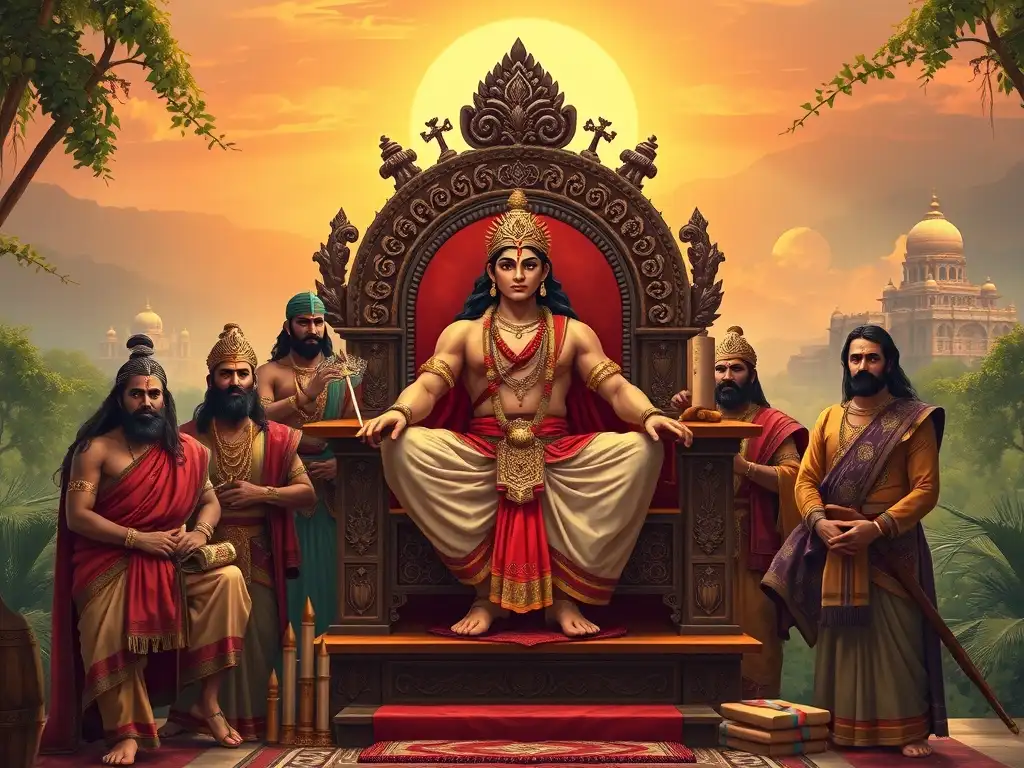
The Ramayana, one of the two major Sanskrit epics of ancient Indian literature, holds a prominent place in the cultural and spiritual heritage of India. Composed by the sage Valmiki, this epic narrates the life and adventures of Lord Rama, his wife Sita, and his loyal companion Hanuman, among others.
Beyond its captivating narrative, the Ramayana serves as a profound exploration of various themes, including duty (dharma), morality, and the complexities of human relationships. However, one of the most significant aspects of the Ramayana is its portrayal of kingship and governance, which offers insights into the political and ethical frameworks of ancient Indian society.
In this analysis, we will delve into the intricate depictions of kingship and governance within the text, examining how these elements reflect the values and principles of leadership that were revered in ancient India. By understanding the Ramayana's perspective on governance, we can gain valuable insights into the broader implications of leadership and moral responsibility that continue to resonate in contemporary discussions about governance.
Overview of the Ramayana
The Ramayana is divided into seven Kandas (books) and is revered not only as a literary masterpiece but also as a spiritual guide. Each Kanda contributes to the overarching narrative, rich in allegory and symbolism. The epic begins with the birth of Rama, a prince of Ayodhya, and follows his journey as he confronts various challenges, including the abduction of his wife Sita by the demon king Ravana.
The text intertwines the personal struggles of its characters with broader societal themes, emphasizing the importance of righteousness, justice, and the ideal qualities of a ruler. The portrayal of Rama as the ideal king—Maryada Purushottama—serves as a model for leadership, elucidating the characteristics that define effective governance and the responsibilities that come with power.
Importance of Kingship and Governance in the Text
Kingship and governance are central themes in the Ramayana, providing a framework through which the epic explores the moral and ethical dimensions of leadership. The text presents various rulers, from the virtuous Rama to the tyrannical Ravana, showcasing the consequences of their actions on society.
Key elements include:
- Righteousness (Dharma): The concept of dharma is paramount in the Ramayana, illustrating that a king must uphold justice and moral order.
- Sacrifice and Duty: Rama's willingness to sacrifice his throne for the sake of his father's honor highlights the importance of duty over personal ambition.
- The Role of Advisors: The presence of wise advisors, such as Vasistha and Hanuman, emphasizes the need for counsel in governance.
Through these portrayals, the Ramayana not only reflects the ideals of kingship in ancient India but also critiques the failures of leadership and their impact on the kingdom's welfare.
Purpose of the Ramayana Kingship Governance Analysis
The purpose of this analysis is to critically examine the principles of kingship and governance as depicted in the Ramayana, shedding light on their relevance to contemporary discourses on leadership. By analyzing specific episodes and character actions within the epic, we aim to uncover the underlying messages about ethical governance, the responsibilities of rulers, and the societal expectations of leadership.
This exploration will provide a deeper understanding of how ancient Indian literature informs modern perspectives on governance, making it clear that the lessons of the Ramayana extend far beyond its narrative, influencing ideals of leadership and moral conduct in various cultural contexts. The insights gained from this analysis can contribute to ongoing conversations about effective governance and the qualities that define a just ruler.
In the following sections, we will delve deeper into specific examples from the Ramayana that illustrate these themes, providing a comprehensive analysis of kingship and governance in this revered epic.
Concept of Kingship in the Ramayana
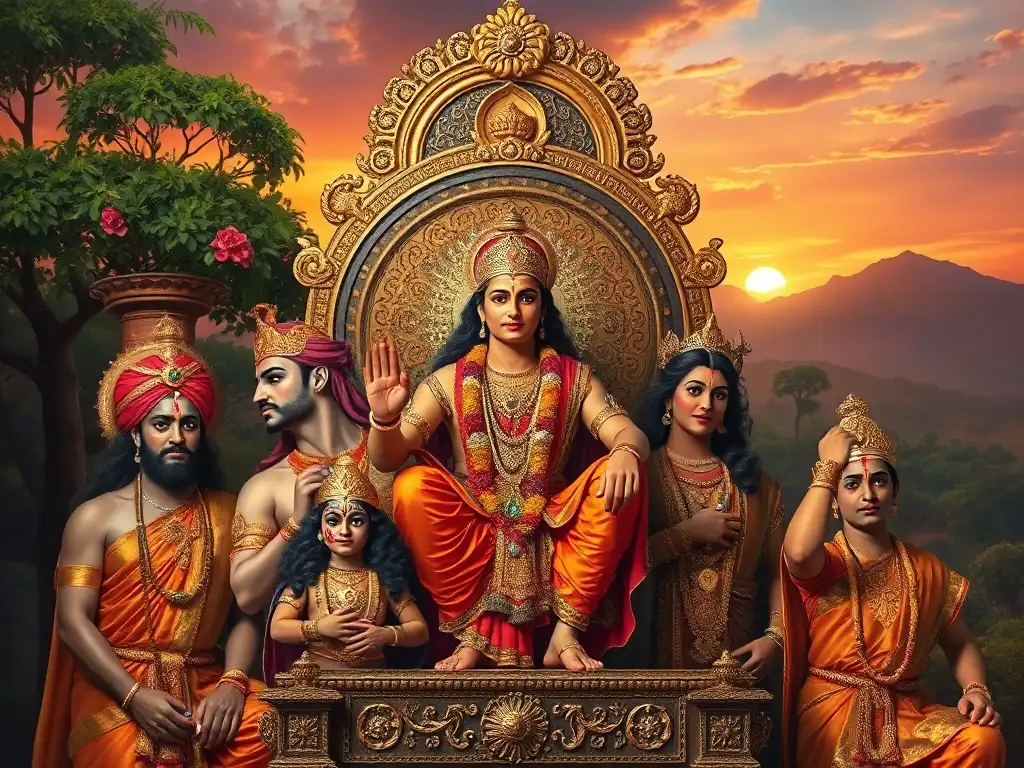
The concept of kingship in the Ramayana is intricately woven into the narrative, reflecting the values, ethics, and responsibilities expected of rulers in ancient India. This epic not only serves as a story of adventure but also as a moral guide that delineates the qualities of an ideal king and the overarching principles of governance.
Definition of Ideal Kingship in Ancient India
In ancient Indian society, the idea of kingship was deeply rooted in dharma, or righteousness. An ideal king, often referred to as a Raja Dharma, was expected to embody virtues such as justice, wisdom, compassion, and selflessness. These qualities were paramount in maintaining order and ensuring the well-being of the kingdom. The key elements that define ideal kingship in the Ramayana include:
- Dharma: The king must uphold moral laws and ensure justice for all subjects.
- Attentiveness to Subjects: A good ruler listens to the grievances of the people and acts in their best interest.
- Ability to Defend the Realm: The king is responsible for protecting his kingdom from external threats and ensuring the safety of his subjects.
- Promotion of Prosperity: The king should promote economic stability and prosperity, fostering a thriving environment for all.
These principles are illustrated throughout the Ramayana, where the actions and decisions of the characters reflect these ideals, ultimately serving as a critique and affirmation of governance.
Rama as the Ideal King: Attributes and Responsibilities
Rama, the protagonist of the Ramayana, is often heralded as the epitome of an ideal king. His character embodies the essence of kingship through various attributes and responsibilities that highlight his commitment to dharma. Key attributes of Rama as an ideal king include:
- Integrity and Honor: Rama is portrayed as a man of his word, as evidenced by his adherence to his father’s promise, even at great personal cost.
- Compassion and Empathy: He demonstrates deep compassion towards his subjects, ensuring their happiness and well-being.
- Wisdom in Leadership: Rama is depicted as a wise leader who seeks counsel and values the opinions of his advisors and subjects.
- Courage and Valor: His bravery in facing formidable foes, such as Ravana, underscores the importance of defending the kingdom.
Rama’s responsibilities extend beyond personal virtue; they include actively engaging in the welfare of the kingdom. His decisions—whether during his exile or in battle—reflect a ruler's duty to prioritize the greater good over personal desires. This serves as a powerful lesson in self-sacrifice and the essence of true leadership.
Contrast with Other Characters: Ravana and His Governance
In stark contrast to Rama’s ideals of kingship, Ravana, the antagonist of the Ramayana, represents a flawed model of governance. His characteristics and leadership style serve as a cautionary tale about the dangers of power when misused. Key aspects of Ravana’s governance include:
- Despotism: Ravana's rule is marked by tyranny, where he imposes his will without regard for the welfare of his subjects.
- Lust for Power: His insatiable ambition leads him to abduct Sita, disregarding the principles of dharma and the sanctity of familial bonds.
- Neglect of Governance: Unlike Rama, Ravana fails to listen to the voices of his people, leading to unrest and dissatisfaction within his kingdom.
- Immorality: His actions are often driven by selfish desires, showcasing a stark departure from the virtues expected of a ruler.
The juxtaposition of Rama and Ravana highlights the consequences of adhering to or deviating from the ideals of kingship. While Rama’s governance is characterized by benevolence and righteousness, Ravana’s leadership ultimately leads to his downfall, emphasizing the crucial role of ethics in governance.
The Ramayana's exploration of kingship and governance offers profound insights into the expectations of rulers in ancient India. Through the characters of Rama and Ravana, it illustrates the significance of moral integrity, empathy, and selflessness in leadership, reinforcing the timeless principles of dharma that continue to resonate in discussions of governance today.
Governance Models Depicted in the Ramayana
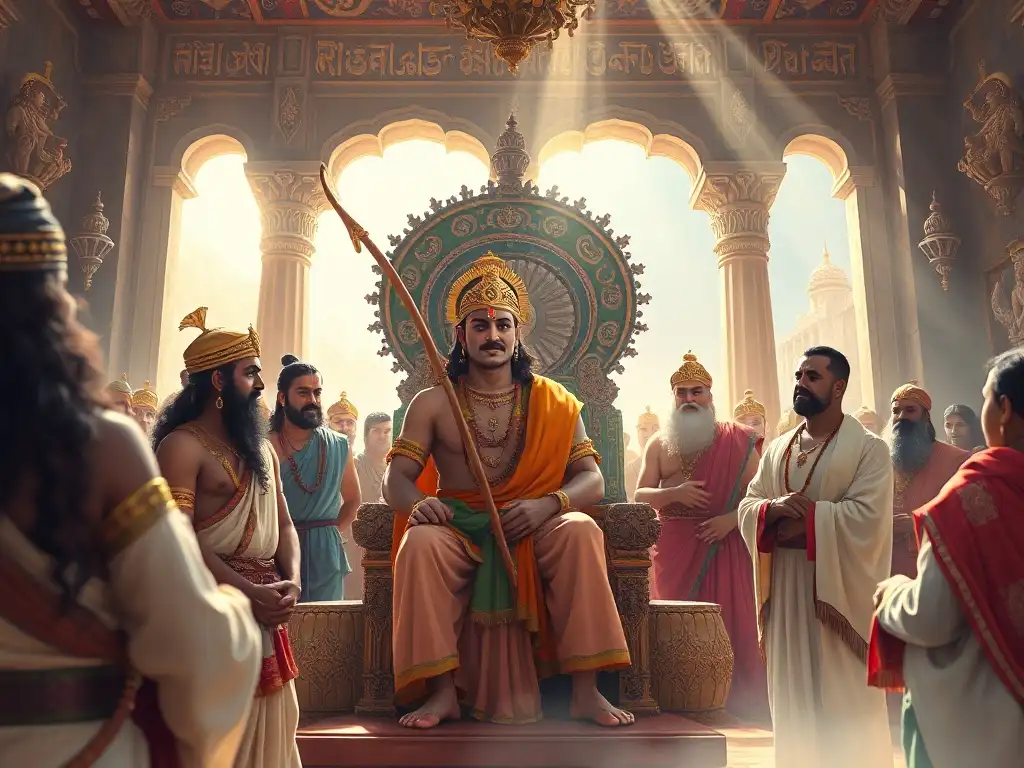
The Ramayana, one of the most revered epics of ancient Indian literature, offers profound insights into the governance models of its time. It is not merely a tale of adventure and heroism but a rich tapestry that reflects the political, social, and ethical dimensions of kingship and governance. The epic portrays various governance models through its characters, particularly through the actions and decisions of its central figures, such as Rama, Bharata, and Ravana.
The Ramayana illustrates a dichotomy between ideal governance and tyrannical rule. Rama, representing the ideal king, embodies the principles of dharma (righteousness) and justice. His governance is characterized by a deep commitment to ethical behavior, which fosters loyalty and trust among his subjects. In contrast, Ravana, the king of Lanka, exemplifies the pitfalls of despotism, leading to unrest and eventual downfall. This duality serves as a moral framework for analyzing the principles of governance within the epic.
Furthermore, the Ramayana emphasizes the importance of consultation and consensus in decision-making. Rama frequently seeks counsel from wise figures like Vasistha and Hanuman, demonstrating that effective governance requires collaboration and respect for diverse perspectives. This approach contrasts sharply with the autocratic style exhibited by Ravana, who often disregards the advice of his advisors, leading to catastrophic consequences.
The Role of Dharma in Governance
Dharma plays a pivotal role in the governance depicted in the Ramayana, serving as a guiding principle for rulers and subjects alike. The concept of dharma encompasses moral law, duty, and righteousness, which are essential for maintaining social order and harmony. The epic illustrates that rulers must prioritize dharma above personal desires or ambitions, as their actions directly influence the welfare of their kingdom.
Rama's adherence to dharma is exemplified in his decision to banish Sita, despite his deep love for her. This act, while painful, was driven by his commitment to uphold the moral standards expected of a king, showcasing the significance of ethical governance. His decision underscores the notion that a ruler's duty to justice often supersedes personal sentiment, reinforcing the idea that true kingship is one rooted in virtue.
Moreover, the Ramayana emphasizes the reciprocal relationship between the ruler and the ruled. Subjects are expected to uphold their dharma as well, which includes loyalty to their king and adherence to social norms. In the epic, the citizens of Ayodhya are portrayed as deeply loyal to Rama, reflecting the trust and respect he cultivates through his just governance. This mutual obligation forms the backbone of a stable society, highlighting the integral role of dharma in the governance of ancient India.
Administrative Structures in the Ramayana
The administrative structures depicted in the Ramayana reveal a sophisticated understanding of governance that was prevalent in ancient Indian society. The epic illustrates the various roles and functions of officials, advisors, and ministers in supporting the king's rule.
- Council of Ministers: Rama’s governance is supported by a council of wise ministers who offer counsel and guidance. This council is integral for decision-making, reflecting the significance of collaborative governance.
- Regional Administration: The epic also alludes to the division of territories within the kingdom, with local rulers or governors overseeing specific regions. This decentralization allows for more effective management of diverse communities, ensuring that local customs and needs are respected.
- Military Organization: The Ramayana highlights the importance of military strength in governance. Rama’s army, composed of loyal subjects and allies like Hanuman and the vanaras (monkey army), exemplifies the necessity of a well-organized military to protect the kingdom and uphold dharma.
- Judicial Systems: Justice is a recurring theme, with Rama often portrayed as a fair judge. His ability to resolve disputes and deliver justice reinforces the importance of a robust judicial system in maintaining order and righteousness.
Through these structures, the Ramayana emphasizes that effective governance is not solely the responsibility of the king but involves a network of individuals committed to upholding the values and laws of the land.
The Concept of Rajadharma: Duties of a Ruler
Rajadharma, or the duties of a ruler, is a central theme in the Ramayana that underscores the ethical obligations of kingship. This concept encompasses various responsibilities that a ruler must fulfill to maintain the welfare of their subjects and the integrity of the state.
- Protection of the People: A fundamental duty of a ruler is to protect their subjects from external threats and internal discord. Rama's battles against Ravana are emblematic of this protective role, emphasizing that the safety of the kingdom is paramount.
- Promotion of Justice: A ruler must ensure that justice prevails within their realm. Rama is frequently depicted as a paragon of virtue, administering justice fairly and equitably, which in turn fosters loyalty and respect from his subjects.
- Adherence to Moral Law: The concept of rajadharma emphasizes that rulers must act in accordance with moral and ethical standards. Rama’s commitment to dharma, even at personal cost, illustrates the profound impact of moral leadership on governance.
- Welfare of the State: Beyond individual subjects, a ruler must consider the broader welfare of the state, including economic stability and social harmony. The Ramayana encourages rulers to engage in policies that promote prosperity and well-being for all.
The Ramayana offers a rich analysis of kingship and governance through its depiction of dharma, administrative structures, and the duties inherent in rulership. The lessons drawn from this epic remain relevant, providing valuable insights into the ethical foundations of governance that can inform contemporary discussions on leadership and statecraft.
Case Studies of Governance in the Ramayana
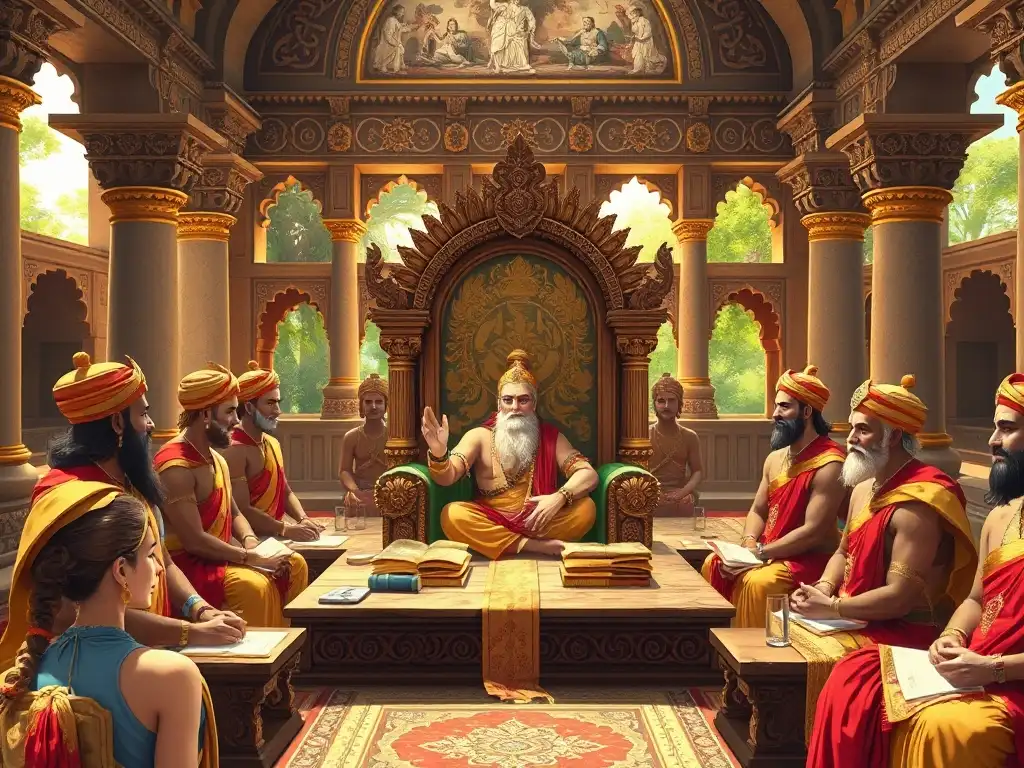
The "Ramayana," an epic integral to ancient Indian literature, provides profound insights into the concepts of kingship and governance through the narratives of its central characters. Through the contrasting depictions of Rama and Ravana, the epic explores the virtues and pitfalls of governance, offering valuable lessons that resonate even today.
Rama's Rule in Ayodhya: A Model of Ideal Governance
Rama, the protagonist of the Ramayana, exemplifies the archetype of an ideal ruler. His governance in Ayodhya is characterized by several key principles that define effective leadership:
-
Dharma (Righteousness)
Rama's commitment to dharma is paramount. He prioritizes duty and moral law over personal desires, as seen in his decision to exile Sita to uphold societal expectations, despite his deep love for her. This act illustrates the complexity of governance where personal emotions must sometimes be set aside for the greater good.
-
Consultative Leadership
Rama is known for his consultative approach to governance. He seeks advice from wise counsel, including his father King Dasharatha and mentor Vashishta. This practice not only strengthens his decisions but also fosters a sense of inclusion among his subjects, thereby enhancing loyalty and trust.
-
Welfare of Subjects
Rama's rule is marked by a focus on the welfare of his citizens. He ensures that his subjects are happy and prosperous, as illustrated by the festival celebrations in Ayodhya and the general contentment of the populace. His governance model underscores the importance of a ruler's responsibility towards the welfare of their people.
-
Justice and Equality
Under Rama's rule, justice prevails. He maintains a fair legal system that treats all subjects equally, regardless of their social standing. This commitment to justice is evident when he listens to the grievances of his citizens and takes necessary actions to rectify injustices.
The governance model presented through Rama's leadership emphasizes the alignment of personal virtue with effective rule, making it a timeless paradigm for aspiring leaders.
Ravana's Rule in Lanka: A Case of Misgovernance
In stark contrast to Rama, Ravana's rule over Lanka presents a cautionary tale of misgovernance. Several critical aspects of his reign highlight the consequences of poor leadership:
-
Autocratic Rule
Ravana exemplifies an autocratic style of governance, where power is centralized and dissent is not tolerated. His refusal to heed the advice of his ministers and reliance on brute force lead to widespread fear among his subjects, ultimately resulting in instability.
-
Abandonment of Dharma
Ravana's actions, particularly the abduction of Sita, reflect a blatant disregard for dharma. By prioritizing his desires over moral law, he not only invites the wrath of Rama but also undermines his legitimacy as a ruler. This deviation from righteousness serves as a critical lesson on the importance of ethical governance.
-
Neglect of Welfare
Under Ravana's rule, the focus shifts from the welfare of the populace to personal indulgence and ambition. The grandeur of Lanka contrasts sharply with the lack of contentment among its citizens, illustrating how a ruler's neglect of the people's needs can lead to discontent and rebellion.
-
Isolation from Allies
Ravana's pride alienates potential allies, such as Vibhishana, who ultimately defect to Rama's side. His failure to build alliances is a significant factor contributing to his downfall, emphasizing the importance of collaboration and diplomacy in governance.
Through Ravana's misgovernance, the Ramayana warns against the dangers of tyranny, selfishness, and the abandonment of ethical principles.
Vibhishana's Perspective: The Importance of Rightful Rule
Vibhishana, Ravana's brother, provides a unique perspective on governance that underscores the necessity of rightful rule. His character offers valuable lessons on loyalty, righteousness, and the moral obligations of leadership:
-
Advocacy for Dharma
Vibhishana is a staunch advocate for dharma, urging Ravana to return Sita and make amends. His character embodies the principle that a ruler must adhere to moral and ethical standards for sustainable governance. His departure from Ravana's court to ally with Rama signifies a rejection of tyranny in favor of rightful rule.
-
Wisdom Over Might
Unlike Ravana, Vibhishana values wisdom and seeks to promote peace rather than conflict. His willingness to speak the truth, even when it puts him at odds with his brother, highlights the importance of integrity in leadership. He understands that true strength lies in righteous governance, not in the force of arms.
-
The Role of Advisors
Vibhishana’s actions emphasize the importance of having wise and morally upright advisors in governance. He embodies the ideal advisor who prioritizes the welfare of the kingdom over personal ambitions, showcasing how critical counsel can steer rulers towards just decisions.
-
Redemption and Restoration
Vibhishana’s eventual acceptance into Rama’s camp symbolizes the possibility of redemption through aligning with righteous governance. It serves as a reminder that true leadership requires humility and the courage to stand against wrongdoing, reinforcing the notion that rightful rule is achievable through conscious choices.
The "Ramayana" offers a profound analysis of kingship and governance through the contrasting leadership styles of Rama and Ravana, complemented by Vibhishana's advocacy for ethical rule. These narratives not only reflect the complexities of leadership but also provide timeless lessons that can guide contemporary governance practices.
Lessons on Kingship and Governance from the Ramayana
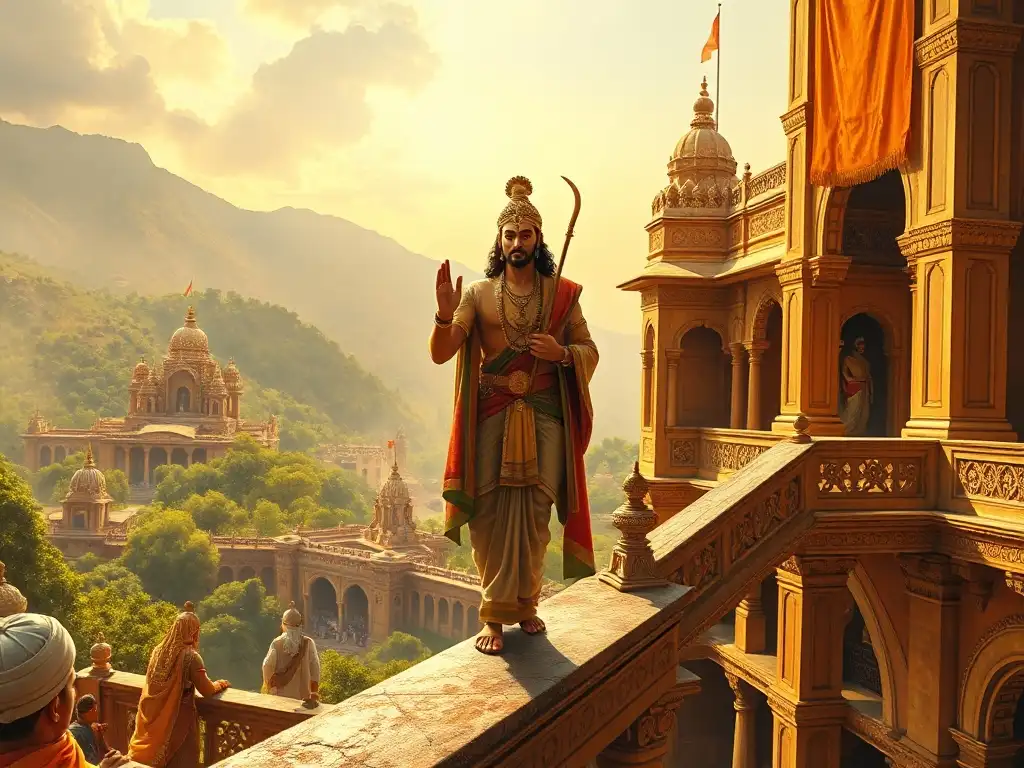
The Ramayana serves not only as an epic narrative but also as a profound treatise on kingship and governance. This ancient text encapsulates the principles of ethical leadership, the consequences of tyranny, and the importance of wise counsel, providing timeless lessons for rulers and administrators. Through the vivid portrayal of its characters, particularly Rama and Ravana, the Ramayana delves into the moral complexities of governance, highlighting the responsibilities of a king towards his subjects and the ethical dilemmas that can arise in leadership.
Ethical Leadership: Lessons from Rama
Rama, often regarded as the ideal king or Maryada Purushottama, embodies the principles of ethical leadership throughout the Ramayana. His governance style is characterized by righteousness, compassion, and a commitment to dharma (moral duty).
- Adherence to Dharma: Rama’s life exemplifies the adherence to dharma as the cornerstone of effective governance. His decisions are guided by a sense of duty, not only towards his family but also towards his subjects. For instance, his choice to exile Sita to uphold public perception underscores his commitment to moral integrity, even at a personal cost.
- Empathy and Compassion: Rama's interactions with his subjects reveal his empathetic nature. He listens to their grievances and respects their opinions, fostering a sense of loyalty and trust. This approach is pivotal in establishing a ruler’s legitimacy and ensuring a harmonious society.
- Role Model for Future Generations: Rama’s ethical leadership serves as a benchmark for future kings. His ability to navigate complex moral dilemmas while maintaining integrity is a crucial lesson for modern governance, emphasizing that leaders must prioritize ethics over personal interests.
The Consequences of Tyranny: Ravana's Downfall
In stark contrast to Rama, Ravana represents the archetype of tyranny and unchecked power. His reign illustrates the dire consequences of despotic governance.
- Abuse of Power: Ravana’s rule is marked by arrogance and the exploitation of his subjects. His abduction of Sita not only signifies a personal failure but also highlights a ruler’s responsibility to protect the dignity and welfare of his people. This act of tyranny ultimately leads to widespread dissent against his rule.
- Isolation from Counsel: Ravana’s downfall is further exacerbated by his disregard for wise counsel. Despite having knowledgeable advisors, he often dismisses their advice, leading him to make impulsive decisions that alienate allies and strengthen his enemies.
- Lessons in Governance: The tragic fate of Ravana serves as a cautionary tale about the perils of tyranny. His eventual defeat emphasizes that a ruler must embody virtues of justice and humility, as tyranny breeds resentment and ultimately leads to destruction.
The Role of Counsel and Advisors in Effective Governance
The Ramayana also underscores the significance of counsel and advisors in governance. Effective leadership is portrayed as a collaborative endeavor rather than a solitary pursuit.
- Strategic Counsel: Characters like Vibhishana, Ravana's brother, exemplify the importance of strategic counsel. Vibhishana’s wise counsel ultimately leads Rama to victory, showcasing that a ruler’s success is often contingent on the quality of advice received.
- Balancing Perspectives: The epic highlights the need for rulers to seek diverse perspectives. Rama’s willingness to listen to various advisors strengthens his governance approach, allowing him to make informed decisions that benefit his kingdom.
- Moral Responsibility of Advisors: The role of advisors extends beyond mere counsel; they hold a moral responsibility to guide their leaders towards virtuous decisions. The Ramayana illustrates that advisors must also embody ethical standards, as their influence can significantly shape the governance landscape.
The Ramayana provides a rich tapestry of lessons on kingship and governance, offering insights that remain relevant in contemporary discourse. Through the contrasting figures of Rama and Ravana, the epic emphasizes the importance of ethical leadership, the dangers of tyranny, and the critical role of counsel, serving as a timeless guide for rulers and leaders throughout history.
Conclusion: The Timeless Relevance of Ramayana's Depiction of Kingship
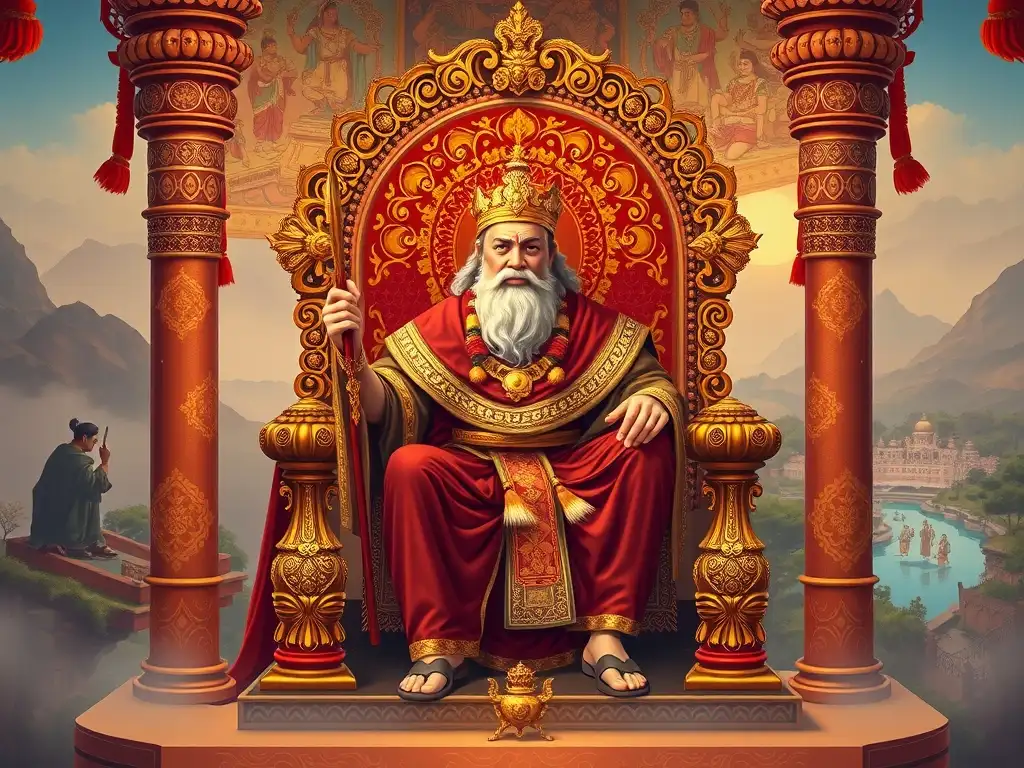
The Ramayana, as an epic narrative, is not just a tale of heroism and adventure; it serves as a profound commentary on kingship and governance. The portrayal of leadership throughout this ancient text provides insights that remain relevant across centuries, reflecting on the responsibilities and virtues essential for effective governance.
Reflection on Ancient Governance Systems
The governance depicted in the Ramayana highlights key principles that ancient Indian societies valued. The character of Rama, as an ideal king, embodies the qualities of dharma (righteousness), sacrifice, and integrity. His rule, often referred to as Rama Rajya, symbolizes an era of peace, prosperity, and ethical governance.
- Dharma as Central to Leadership
- The notion of dharma is pivotal in the Ramayana. Leaders are shown as upholders of cosmic order, showcasing the idea that governance is fundamentally linked to moral and ethical foundations.
- The Role of Advisors and Bureaucracy
- The text also emphasizes the importance of wise counsel. Characters like Vishwamitra and Hanuman illustrate the necessity of having trusted advisors who guide the king in making just decisions.
- Public Welfare and Justice
- Governance in the Ramayana is portrayed as a collective responsibility. Rama's decisions often reflect the needs and welfare of his subjects, reinforcing the idea that a ruler’s legitimacy comes from the happiness and prosperity of the people.
Implications for Modern Governance Practices
The lessons derived from the Ramayana can inform contemporary governance structures. The principles of ethical leadership and public accountability resonate with current democratic ideals.
-
Ethical Leadership
Rulers today can learn from Rama’s unwavering commitment to dharma. In an era where political scandals are rampant, the emphasis on integrity and accountability remains crucial for garnering public trust.
-
Participatory Governance
The Ramayana advocates for governance that is inclusive of the voices of the people. Modern governments could enhance their legitimacy by adopting participatory practices that encourage public engagement in decision-making processes.
-
Crisis Management
Rama’s handling of crises—such as the abduction of Sita—demonstrates effective crisis management. Leaders can draw lessons from his strategic thinking and courage in adversity to navigate contemporary challenges.
Final Thoughts on the Ramayana Kingship Governance Analysis
The Ramayana offers a rich analysis of kingship and governance that transcends its narrative scope. By examining the text through the lens of governance, we uncover timeless truths about leadership that are applicable even in today’s complex political landscape. The epic not only serves as a historical document but also as a guide for ethical leadership, illustrating that the essence of good governance lies in the balance of power, wisdom, and moral integrity.
As we reflect on the principles embedded within the Ramayana, it is clear that its teachings on kingship are not merely relics of the past but vital lessons for nurturing responsible and empathetic governance in the present.
Frequently Asked Questions
What is the significance of kingship in the Ramayana?
The Ramayana illustrates the concept of ideal kingship through characters like Rama, who exemplifies dharma (righteousness) and ethical governance, highlighting the responsibilities of rulers in ancient Indian society.
How does the Ramayana portray governance?
The text presents governance as a reflection of moral integrity and justice, emphasizing that a king's duty is to protect his subjects and maintain social order in line with divine principles.
What lessons about leadership can be learned from the Ramayana?
The Ramayana offers insights into effective leadership, such as the importance of compassion, wisdom, and self-sacrifice, showing that a ruler must prioritize the welfare of their people over personal desires.
How does the theme of kingship relate to modern governance?
The depiction of kingship in the Ramayana can inform modern governance by stressing the need for ethical leadership and the balance between authority and responsibility in public administration.
What role do the characters play in the analysis of kingship?
Characters like Rama, Lakshmana, and Ravana serve as archetypes that represent different aspects of kingship and governance, providing a rich framework for analyzing the complexities of leadership and moral dilemmas in rulership.
Final Reflection: The Enduring Legacy of Kingship in the Ramayana
In exploring the Ramayana's depiction of kingship and governance, we uncover timeless principles that resonate profoundly in today's world. The narratives woven throughout this epic not only illustrate the virtues of righteous leadership but also serve as a mirror reflecting the challenges faced by rulers in contemporary society. As we navigate through complex political landscapes, the lessons from the Ramayana remind us that true governance is rooted in justice, compassion, and moral integrity.
The influence of the Ramayana extends beyond its historical and literary significance; it continues to shape cultural and social paradigms. The ideals of dharma (righteousness) and the responsibilities of a king are not merely relics of the past but are vital in guiding modern leadership. As we witness leaders grappling with ethical dilemmas, the wisdom encapsulated in the Ramayana remains relevant. A king should be like a father to his subjects, embodying the principles of justice and benevolence.
This quote encapsulates the essence of governance that prioritizes the well-being of the people, a principle that is often overlooked in today's political discourse.
As we reflect on the lessons of the Ramayana, I invite you to consider how these ancient teachings can be applied in your own life and community. What does it mean to be a leader in your own sphere, whether in your family, workplace, or society? Embrace the virtues of empathy, fairness, and accountability that the Ramayana champions. Let us strive to embody these principles, fostering a culture of responsible governance and ethical leadership that honors the legacy of this timeless epic.
Embrace the Wisdom of The Ramayana: Take Action Today!
Thank you for diving into the rich insights of The Ramayana and its profound teachings on kingship and governance. You’ve explored the intricate lessons that can inspire modern leadership! Now, let’s turn that knowledge into action:
- Reflect on Leadership: **Choose a core principle** from The Ramayana that resonates with you and incorporate it into your daily interactions, whether at work or in your community.
- Engage with Others: **Initiate a conversation** with friends or colleagues about how ancient texts can shape modern governance. Consider hosting a small gathering or starting an online group focused on these themes.
- Discover More: **Look for additional resources** about The Ramayana and its impact on contemporary thought—books, podcasts, or local events that dive deeper into this subject.
What principle of kingship from The Ramayana do you think is most relevant to today’s leaders? Share your thoughts below!