
The Ramayana’s Lessons on Family Dynamics and Relationships

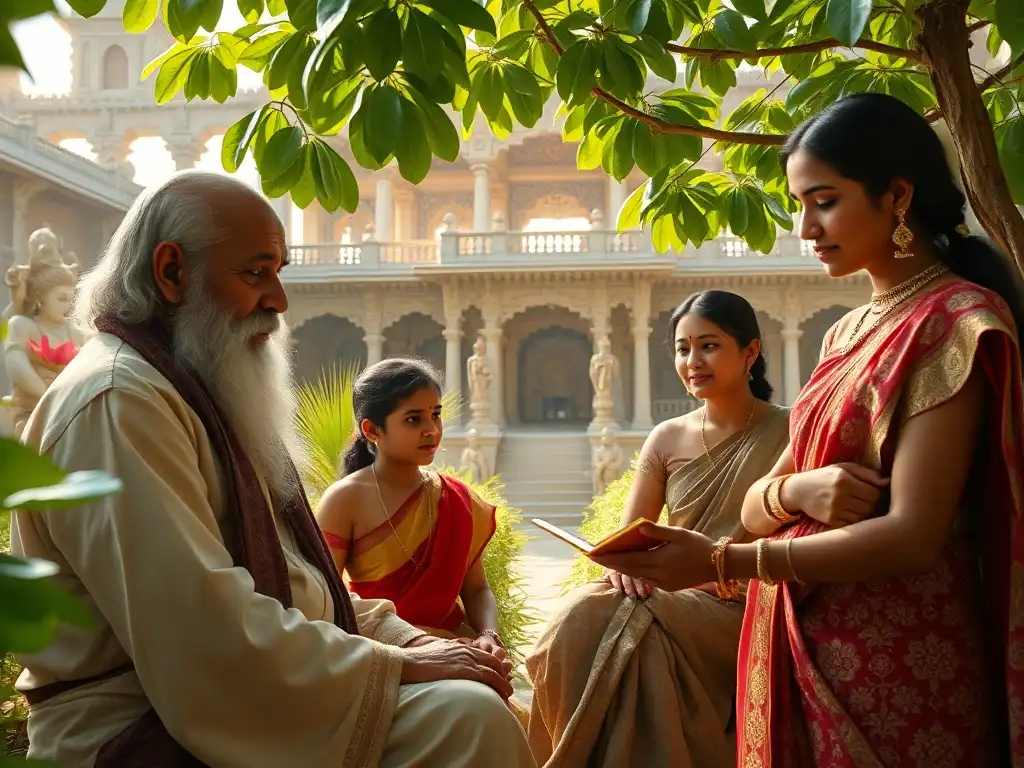
Welcome to Ancient India History, where we embark on a fascinating journey through the rich tapestry of India's past. Delve into the intriguing lessons of family dynamics found within the epic narrative of the Ramayana. Discover how the relationships and choices of its characters resonate with modern life, illuminating timeless truths about love, loyalty, and duty. Join us as we unravel the complexities of these ancient narratives, and let the wisdom of the ages inspire your understanding of familial bonds. Are you ready to explore the depths of this epic literature?
Introduction to the Ramayana and Its Significance
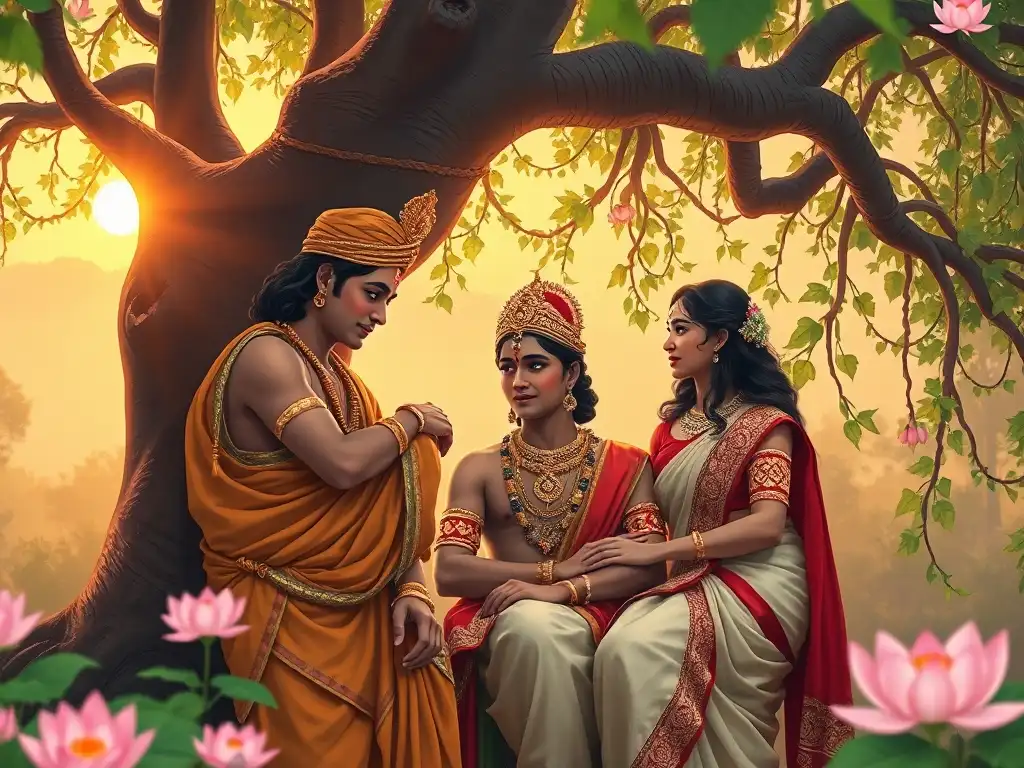
The Ramayana, one of the two great epics of ancient Indian literature, serves as a profound reflection on family dynamics and relationships. Composed by the sage Valmiki, this epic narrates the life of Lord Rama, his wife Sita, and his loyal companion Hanuman, among others.
With its rich tapestry of narratives, the Ramayana not only entertains but also imparts valuable lessons about duty, love, sacrifice, and the complexities of familial relationships. The exploration of these themes is particularly relevant in understanding how ancient Indian society viewed family roles and responsibilities, making the Ramayana an essential text for comprehending the cultural fabric of its time.
Overview of the Ramayana Epic
The Ramayana is divided into seven Kandas (books) that detail the journey of Rama from his exile to his eventual return to Ayodhya. The epic is imbued with moral and ethical lessons, presenting an idealized view of family life. Key events, such as Rama’s banishment, Sita’s abduction, and the ensuing battle with Ravana, highlight the interplay of loyalty, honor, and familial duty. Each character embodies distinct virtues and flaws, offering readers insights into the complexities of human relationships.
Importance of Family in Ancient Indian Culture
Family has always held paramount importance in ancient Indian culture, often considered the cornerstone of society. The joint family system, prevalent during this period, emphasized collective living and shared responsibilities. Relationships among family members were defined by duty (dharma), respect (adarsha), and love (prem). The Ramayana encapsulates these values, illustrating how family ties shape individual identities and societal roles. Through the lens of the epic, we can trace the evolution of familial relationships and their significance in fostering community cohesion.
Understanding Family Dynamics in the Ramayana
Key Characters and Their Family Roles
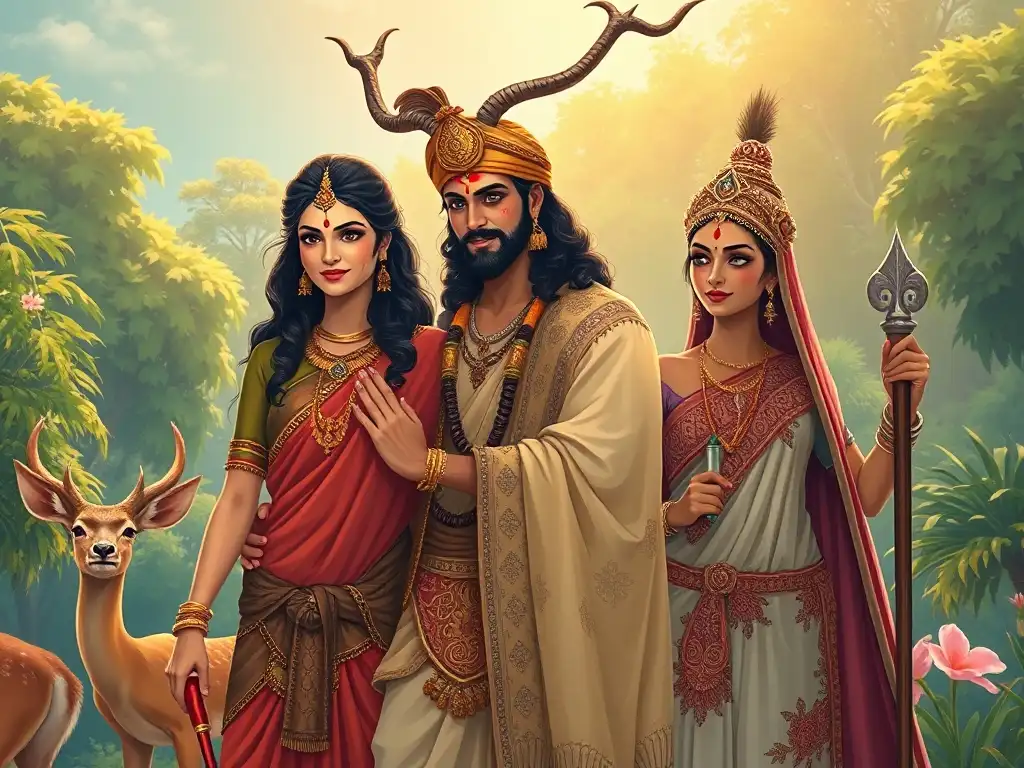
The Ramayana is populated with a diverse cast of characters, each playing a pivotal role in the family structure.
- Rama: The protagonist, representing the ideal son and husband, whose adherence to dharma drives the narrative.
- Sita: Rama's devoted wife, symbolizing loyalty and virtue, whose trials reflect the struggles faced by women in a patriarchal society.
- Lakshmana: Rama’s younger brother, embodying loyalty and dedication, often seen as a protector of family values.
- Bharata: Another brother, whose love for Rama is evident as he refuses to take the throne, highlighting the theme of sacrifice for family honor.
- Ravana: The antagonist, whose abduction of Sita disrupts familial harmony and serves as a cautionary tale against unchecked ambition.
These characters illustrate various facets of family dynamics, from the bonds of brotherhood to the complexities of marital relationships.
The Role of Extended Family in the Ramayana
In the context of the Ramayana, extended family plays a crucial role in shaping the characters' actions and decisions. The presence of characters such as Sumitra (Lakshmana’s mother) and Kaikeyi (Bharata’s mother) highlights the influence of maternal figures on family dynamics. The relationships among cousins, uncles, and aunts also emphasize the collective responsibility of family members in supporting one another.
The interactions within this extended family framework often reflect the cultural values of loyalty, honor, and mutual respect, reinforcing the idea that family is not merely a nuclear unit but a broader communal entity. This perspective on family dynamics offers timeless lessons that resonate even in contemporary discussions about familial relationships.
By examining these aspects, we can glean important insights into the Ramayana's family dynamics lessons, which remain relevant in today’s world.
Lessons on Relationships from the Ramayana
The Ramayana, one of the two great epics of ancient Indian literature, offers profound insights into family dynamics and relationships through its narrative and characters. Each character embodies distinct qualities that illuminate the complexities of familial bonds, duty, and ethical dilemmas. These lessons resonate throughout time, providing guidance on how to nurture relationships within families and navigate the intricacies of human emotions.
The Importance of Duty and Dharma in Family Relationships
In the Ramayana, the concept of dharma (duty or righteousness) plays a pivotal role in shaping family relationships. Characters adhere to their responsibilities towards each other, reflecting the belief that fulfilling one’s duties is paramount for maintaining harmony within the family unit. For instance, Rama’s commitment to uphold his father’s honor by accepting exile illustrates the lengths to which one should go to fulfill familial obligations.
Moreover, the relationship between Rama and his brothers shows a deep understanding of mutual respect and duty. Lakshmana’s decision to accompany Rama into exile underscores the importance of loyalty and support within the family. This adherence to dharma not only strengthens bonds but also ensures that families function smoothly, even in the face of adversity.
Sacrifice and Selflessness: Sita’s Journey
Sita, the epitome of virtue and devotion, provides a powerful example of sacrifice and selflessness in family dynamics. Her journey, marked by trials and tribulations, highlights the sacrifices one may need to make for the sake of family and love. Sita’s unwavering loyalty to Rama, despite facing numerous challenges, showcases the strength of character required to uphold familial bonds.
Her abduction by Ravana serves as a critical moment that tests the fabric of her relationship with Rama. Yet, Sita’s resilience and commitment to her husband emphasize the significance of selflessness in sustaining family relationships. The lessons from Sita’s journey remind us that genuine love often requires personal sacrifice and the ability to endure hardships for the well-being of loved ones.
The Dynamics of Loyalty and Betrayal
The Ramayana intricately weaves themes of loyalty and betrayal, providing a nuanced understanding of family dynamics. The character of Kaikeyi, Rama’s stepmother, exemplifies how loyalty can be overshadowed by ambition and jealousy. Her desire to secure the throne for her own son leads to the exile of Rama and creates a rift within the family.
This betrayal highlights the fragility of familial bonds and the consequences of prioritizing personal desires over collective well-being. Conversely, the unwavering loyalty displayed by characters like Lakshmana and Hanuman in their support for Rama underscores the profound impact loyalty can have in strengthening family ties. The contrast between loyalty and betrayal in the Ramayana serves as a reminder of the complexities inherent in family relationships.
Conflict Resolution and Family Dynamics
Conflict is an inevitable aspect of any relationship, and the Ramayana provides valuable lessons on how to navigate these challenges within a family context. Through its characters and their interactions, the epic illustrates various approaches to conflict resolution that can be applied to contemporary familial disputes.
Handling Disagreements: Rama and Kaikeyi
The disagreement between Rama and Kaikeyi serves as a critical lesson in handling conflicts within families. Kaikeyi’s insistence on enforcing her demands, leading to Rama’s exile, reflects how unresolved tensions can spiral into significant familial strife. However, Rama’s dignified response, choosing to honor his father’s word rather than retaliate against Kaikeyi, presents a model for addressing conflicts with grace and composure.
This episode emphasizes the importance of open communication and understanding in resolving disagreements. It teaches that maintaining respect and compassion, even in the face of betrayal, is essential for fostering long-lasting family relationships.
The Role of Forgiveness in Family Relationships
Forgiveness emerges as a vital theme in the Ramayana, highlighting its importance in nurturing healthy family dynamics. The epic illustrates that misunderstandings and conflicts are part of human relationships; thus, the ability to forgive is crucial for healing and moving forward.
Rama’s eventual reconciliation with Kaikeyi and the acceptance of his fate demonstrate the power of forgiveness in restoring familial bonds. By choosing to forgive, Rama exemplifies how families can overcome deep-seated grievances and emerge stronger. This lesson is crucial for modern families, where forgiveness often paves the way for renewed trust and understanding.
Examples of Reconciliation in the Ramayana
The Ramayana not only addresses conflicts but also provides numerous examples of reconciliation that offer hope and guidance. For instance, the reunion of Rama and Sita after her abduction serves as a poignant reminder of the strength of love and commitment in overcoming adversity.
Furthermore, the return of Bharata, who initially resented Kaikeyi’s actions, showcases the possibility of reconciliation through understanding and dialogue. These examples highlight that while conflicts are common, the path to reconciliation is achievable through empathy, communication, and a willingness to move beyond past grievances.
The teachings of the Ramayana on family dynamics offer timeless lessons that continue to resonate in today's world, emphasizing the importance of duty, sacrifice, loyalty, conflict resolution, and forgiveness in nurturing strong familial relationships.
Modern Relevance of Ramayana Family Dynamics Lessons

The Ramayana, an ancient Indian epic, offers profound insights into family dynamics and relationships that resonate even in contemporary society. Its themes of duty, loyalty, and moral dilemmas provide a framework for understanding familial bonds. The stories of Rama, Sita, Lakshmana, and Ravana reflect varied aspects of family life, including the complexities of relationships, the importance of communication, and the need for mutual respect. In a world grappling with changing family structures and values, the lessons from the Ramayana can guide individuals in nurturing healthy relationships and fostering unity within families.
Applying Ancient Lessons to Contemporary Family Relationships
The principles illustrated in the Ramayana can be directly applied to modern family relationships. For instance, the concept of Dharma (duty) emphasizes the importance of fulfilling one's roles within the family. Whether it involves being a supportive spouse, a caring parent, or a responsible child, the Ramayana teaches the significance of commitment and accountability.
Moreover, the epic underscores the value of open communication, as seen in the relationship between Rama and Sita. Their dialogues reflect mutual understanding and respect, highlighting that healthy relationships thrive on transparency and dialogue. By embracing these lessons, contemporary families can navigate challenges more effectively, fostering environments of love and support.
The Ramayana’s Influence on Modern Indian Family Values
The Ramayana has significantly shaped modern Indian family values, embedding core principles within cultural practices. The ideal of patriarchy represented by Rama as the dutiful son and husband has established benchmarks for behavior and expectations in family roles. However, it also introduces the notion of Sita's strength, portraying women as resilient figures who contribute equally to family dynamics.
The narrative encourages families to prioritize relationships over materialistic pursuits, promoting values such as sacrifice, loyalty, and respect. Many Indian families still refer to the teachings of the Ramayana during significant life events, such as marriages and festivals, reinforcing the epic's ongoing influence on moral and ethical family standards.
Bridging Tradition and Modernity: Family Dynamics Today
Today's families are often a blend of traditional values and modern influences, creating unique dynamics. The Ramayana serves as a bridge between these two realms, offering timeless wisdom while allowing for the evolution of relationships. For example, while traditional roles may dictate certain behaviors, the lessons from the Ramayana can inspire families to adapt these roles in ways that honor both individual aspirations and collective responsibilities.
Families today face challenges such as globalization, technology, and changing gender roles. The teachings of the Ramayana encourage families to embrace these changes while remaining grounded in values such as respect, love, and understanding. By integrating ancient wisdom with contemporary practices, families can cultivate resilience and harmony in an ever-evolving landscape.
Conclusion: Timeless Teachings of the Ramayana on Family Dynamics
The Ramayana provides a rich tapestry of lessons regarding family dynamics that remain relevant across generations. Its emphasis on duty, communication, and mutual respect serves as a guide for navigating the complexities of family relationships in today's world.
Summary of Key Lessons
- Dharma (Duty): Committing to one’s roles within the family.
- Communication: Emphasizing transparency and dialogue to resolve conflicts.
- Respect and Loyalty: Valuing relationships over material pursuits.
- Resilience: Recognizing the strength of individuals within familial bonds.
Final Thoughts on the Ramayana’s Relevance to Family Relationships
As families continue to evolve, the teachings of the Ramayana remind us of the enduring importance of strong familial ties. By reflecting on the lessons of this epic, individuals can cultivate nurturing and supportive relationships that honor both tradition and modernity. The Ramayana not only narrates the story of a heroic journey but also serves as a timeless manual for fostering healthy family dynamics, ensuring its relevance for generations to come.
References for Further Reading on Ramayana Family Dynamics Lessons
To gain a deeper understanding of the lessons on family dynamics and relationships in the Ramayana, exploring a variety of texts and academic resources can be particularly enriching. Below are some recommended texts and studies that delve into the intricate themes of family dynamics portrayed in this ancient epic.
Recommended Texts and Resources
-
The Ramayana by Valmiki
This is the original Sanskrit text of the Ramayana, offering the most authentic perspective on the epic's themes, characters, and moral dilemmas. Various translations are available, each providing unique interpretations of the narrative.
-
The Ramayana: A New Translation by Ramesh Menon
Menon's translation is accessible and engaging, capturing the essence of the Ramayana while presenting its lessons on family relationships in a contemporary context.
-
The Ramayana: A Shortened Modern Prose Version of the Indian Epic by R. K. Narayan
Narayan's adaptation simplifies the complex narratives of the Ramayana, making it easier for modern readers to grasp the family dynamics and ethical dilemmas faced by the characters.
-
Ramayana: Divine Loophole by Sanjay Patel
This illustrated retelling combines visuals with the storyline, making the epic more relatable, especially for younger audiences. It emphasizes the values of love, loyalty, and family ties.
-
Cultural Studies on the Ramayana
Various cultural studies explore how the Ramayana has influenced familial structures, societal norms, and moral values in Indian culture, providing context for its lessons on family dynamics.
Academic Studies and Interpretations
-
"The Ethics of Family in the Ramayana" by R. S. Sharma
This scholarly article analyzes ethical dilemmas faced by characters in the Ramayana, focusing on how these situations reflect the complexities of familial responsibilities and relationships.
-
"Interpreting Family Roles in the Ramayana" by Anita Desai
Desai explores the representation of various family roles in the Ramayana, discussing how these roles contribute to the broader understanding of familial loyalty and duty.
-
"Gender Dynamics in the Ramayana" by S. K. Gupta
This study examines the roles of male and female characters in the Ramayana, highlighting the expectations placed on each gender and the impact on family relationships.
-
"Narratives of Love and Duty in the Ramayana" by Priya Kumar
Kumar's work emphasizes the duality of love and duty in familial relationships as portrayed in the Ramayana, offering insights into the moral complexities faced by the characters.
-
"The Ramayana as a Reflection of Ancient Indian Society" by Arvind Mishra
This research discusses how the Ramayana mirrors the social and familial structures of ancient India, providing context to the lessons on family dynamics and their relevance today.
These resources collectively provide a comprehensive understanding of the Ramayana's teachings on family dynamics, illustrating how these ancient narratives continue to resonate in contemporary discussions about relationships and family values.
- Introduction to the Ramayana and Its Significance
- Overview of the Ramayana Epic
- Importance of Family in Ancient Indian Culture
- Understanding Family Dynamics in the Ramayana
- Lessons on Relationships from the Ramayana
- Conflict Resolution and Family Dynamics
- Modern Relevance of Ramayana Family Dynamics Lessons
- Conclusion: Timeless Teachings of the Ramayana on Family Dynamics
- References for Further Reading on Ramayana Family Dynamics Lessons
- What are the main family dynamics explored in the Ramayana?
- How does the Ramayana depict the relationship between parents and children?
- What lessons on marriage can be learned from the Ramayana?
- How does the story of Sita contribute to the understanding of family roles?
- In what ways can the Ramayana's teachings be applied to modern family life?
Frequently Asked Questions
What are the main family dynamics explored in the Ramayana?
The Ramayana illustrates various family dynamics such as loyalty, sacrifice, and the importance of duty, showcasing how relationships influence personal choices and societal roles.
How does the Ramayana depict the relationship between parents and children?
In the Ramayana, the bond between parents and children is portrayed as sacred, emphasizing respect, obedience, and the significance of fulfilling one's dharma or duty towards family.
What lessons on marriage can be learned from the Ramayana?
The Ramayana highlights the importance of mutual respect, trust, and commitment in marriage, as seen in the relationship between Rama and Sita, which serves as an ideal for couples.
How does the story of Sita contribute to the understanding of family roles?
Sita's character demonstrates the complexities of family roles, portraying strength, resilience, and the challenges women face within traditional family structures in ancient India.
In what ways can the Ramayana's teachings be applied to modern family life?
The lessons from the Ramayana on communication, forgiveness, and maintaining strong bonds can be applied to modern family life, promoting healthier and more supportive relationships.
Final Reflection: Embracing the Ramayana's Wisdom on Family Dynamics
The lessons on family dynamics from the Ramayana resonate profoundly in today's world, reminding us that the essence of relationships is timeless and universal. As we navigate the complexities of modern family life, the narratives and values depicted in this ancient epic serve as a guiding light, illuminating the paths of love, duty, and sacrifice that define our connections. The Ramayana teaches us that understanding and compassion are the cornerstones of any relationship, a lesson that remains ever relevant in our fast-paced society.
The influence of the Ramayana extends beyond its pages, shaping cultural norms and social values across generations. Its teachings about respect, loyalty, and the importance of familial bonds continue to inspire individuals and families alike. As we reflect on our own relationships, we can find echoes of the Ramayana's characters in our lives, reminding us of the importance of empathy and communication. In every relationship, there is a lesson to be learned, a story to be told, and a bond to be cherished.
As we conclude this exploration of the Ramayana's lessons on family dynamics, I invite you to take a moment to reflect on your own relationships. Consider how the values of understanding, respect, and love can transform your interactions with family and friends. Let the wisdom of the Ramayana inspire you to nurture your connections, fostering an environment where every member feels valued and heard. Together, we can create a legacy of strong family dynamics that honors the teachings of the past while paving the way for a harmonious future.
Embrace the Wisdom of the Ramayana for Stronger Relationships!
Thank you for immersing yourself in the timeless lessons of the Ramayana! You’ve uncovered invaluable insights that can enrich your family dynamics and relationships. Now, it’s time to put this wisdom into practice and strengthen your bonds with loved ones.
Here are some actionable steps to help you integrate these teachings into your daily life:
- Initiate a family discussion on how the values drawn from the Ramayana can enhance your interactions— explore a lesson together each week!
- Share your favorite passages or lessons from the Ramayana on social media and encourage your friends to participate— let's spread these insights far and wide!
- Join or establish a book club that focuses on family-oriented literature, including the Ramayana— create a nurturing space for meaningful dialogue and personal growth!
Which lesson from the Ramayana resonates most with you in your personal relationships? Share your thoughts below; we’d love to hear how you plan to implement these insights!