
Fusion Fashion: Blending Ancient Indian Patterns with Global Trends

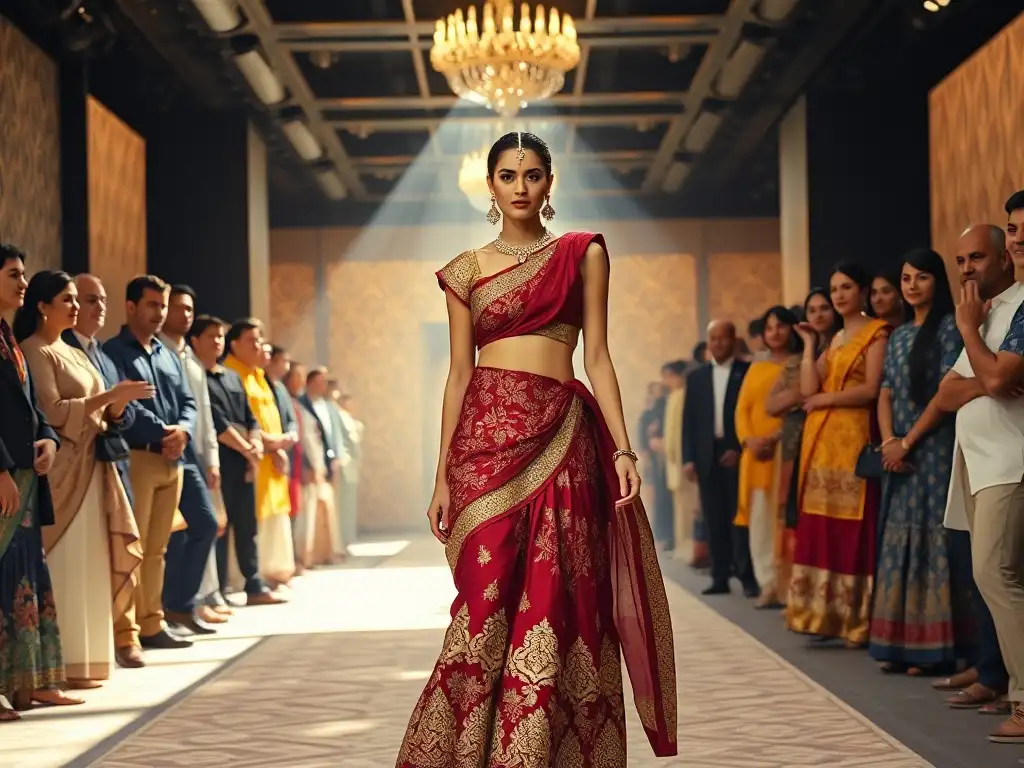
Welcome to Ancient India History, where we embark on an enchanting journey through time, exploring the vibrant tapestry of cultures and civilizations that shaped one of the world's oldest societies. In our featured article, we delve into the fascinating world of Ancient Indian fusion fashion trends, a celebration of how age-old patterns and styles intertwine with contemporary global trends.
Join us as we uncover the stories and artistry behind these unique blends, sparking your curiosity and inspiring your own fashion explorations. Dive deeper to discover how the past continues to influence the present in the realm of fashion and textiles!
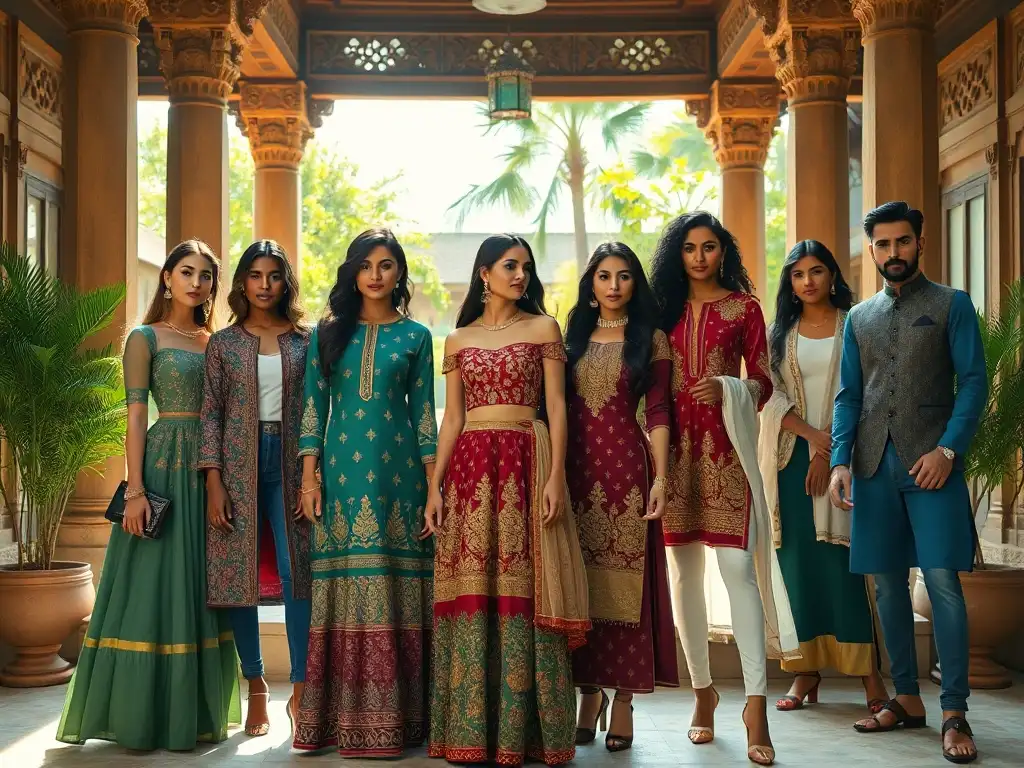
Introduction to Ancient Indian Fusion Fashion Trends
Ancient Indian fusion fashion trends represent a vibrant interplay between the traditional textile artistry of India and contemporary global fashion sensibilities. As we delve into this fascinating topic, it becomes clear that the rich tapestry of Indian history and culture serves as a foundation for innovative fashion expressions.
By integrating traditional patterns, motifs, and techniques with modern styles, designers are creating unique garments that not only pay homage to India's illustrious past but also resonate with today's fashion-forward consumers. This article aims to explore the roots of these trends, the evolution of ancient patterns, and how they are being reimagined in the context of global fashion.
The Evolution of Ancient Indian Patterns
The journey of ancient Indian patterns into modern fashion is marked by a fascinating evolution that reflects the changing sociocultural landscape of India. From the intricate designs of the Indus Valley Civilization to the opulent textiles of the Mughal era, these patterns have undergone transformations that have allowed them to remain relevant in contemporary fashion.
Historical Significance of Indian Textile Patterns
Indian textile patterns are not merely decorative; they carry profound historical significance. Each pattern tells a story, often rooted in the region's culture, religion, and traditions. For example, the use of paisley, or "buta," can be traced back to ancient Persia and has become a symbol of Indian craftsmanship.
- Indus Valley Civilization: The earliest evidence of textile manufacturing dates back to this era, showcasing the use of cotton and intricate dyeing techniques.
- Mughal Era: This period saw a blend of Persian and Indian motifs, leading to the creation of luxurious fabrics adorned with detailed embroidery and intricate prints.
Key Characteristics of Ancient Indian Designs
Understanding the key characteristics of ancient Indian designs is essential to appreciate their modern adaptations. These designs often feature:
- Geometric Patterns: Symmetry and repetition are hallmarks of ancient Indian textiles, found in everything from block prints to woven fabrics.
- Nature-Inspired Motifs: Floral and fauna patterns reflect the rich biodiversity of India, often symbolizing fertility and prosperity.
- Vibrant Colors: Traditional dyes extracted from natural sources result in a palette that is both rich and diverse, making Indian textiles visually striking.
As we explore the intricate world of ancient Indian fusion fashion trends, it becomes evident that these elements not only preserve cultural heritage but also inspire contemporary fashion narratives, creating a bridge between the past and the present.
Modern Adaptations: The Rise of Fusion Fashion
Fusion fashion represents a dynamic intersection where traditional ancient Indian aesthetics meet contemporary global trends. This modern adaptation has gained significant traction over the past few decades, driven by a growing appreciation for ethnic designs and the desire to create unique, versatile wardrobes. The rise of fusion fashion is not merely a trend but a cultural phenomenon that reflects the diverse identities of individuals in an increasingly globalized world.
One of the primary reasons for the popularity of fusion fashion is the influence of globalization, which has led to a cross-pollination of styles and ideas. Designers and consumers alike embrace the blend of traditional motifs with modern silhouettes and fabrics, resulting in innovative pieces that cater to a global audience. This synergy allows individuals to express their heritage while simultaneously participating in contemporary fashion dialogues.
Moreover, fusion fashion has empowered artisans and craftsmen to showcase their skills on a global stage. By incorporating ancient techniques and patterns into modern garments, many designers are not only preserving traditional crafts but also giving them new life through contemporary applications. This has created a sustainable fashion movement, emphasizing ethical practices and appreciation for heritage.
How Ancient Patterns Influence Contemporary Fashion
Ancient Indian patterns, such as paisley, block prints, and intricate embroidery, serve as a rich source of inspiration for contemporary fashion designers. These motifs, deeply rooted in history, are often reimagined in innovative ways that resonate with modern aesthetics. For instance, traditional bandhni (tie-dye) and ikat patterns are frequently seen on contemporary dresses, tunics, and accessories, merging the past with the present.
The influence of ancient patterns is not limited to the visual aspect; it also extends to the symbolism and storytelling embedded in these designs. Each pattern often carries historical significance or cultural narratives that enrich the garment's appeal. Designers leverage this storytelling aspect to create a deeper emotional connection with consumers, who seek authenticity and meaning in their fashion choices.
Additionally, the resurgence of interest in sustainable and ethical fashion practices has led to a renewed focus on traditional crafts. By integrating ancient patterns into their collections, brands not only promote these skills but also ensure that the artisans behind them receive fair compensation and recognition. This not only sustains livelihoods but also keeps the cultural heritage alive.
The Role of Technology in Blending Styles
Technology plays a pivotal role in the evolution of fusion fashion, facilitating the blending of ancient Indian styles with modern trends. Advanced techniques, such as digital printing and 3D modeling, enable designers to experiment with traditional patterns and apply them to contemporary silhouettes effectively. This innovative approach allows for greater precision, customization, and creativity in design, leading to unique and personalized fashion pieces.
Moreover, e-commerce platforms have transformed the way consumers access fusion fashion. With a few clicks, individuals can explore a diverse range of styles that blend ancient Indian motifs with global trends, enhancing the reach of both established and emerging designers. Social media platforms further amplify this process, allowing designers to showcase their creations and connect with a worldwide audience.
The use of technology in fashion design also promotes a deeper understanding of cultural heritage. By utilizing augmented reality (AR) and virtual reality (VR), consumers can experience the stories behind the patterns and techniques used in fusion fashion, fostering a greater appreciation for the craftsmanship involved.
Popular Ancient Indian Fusion Fashion Trends
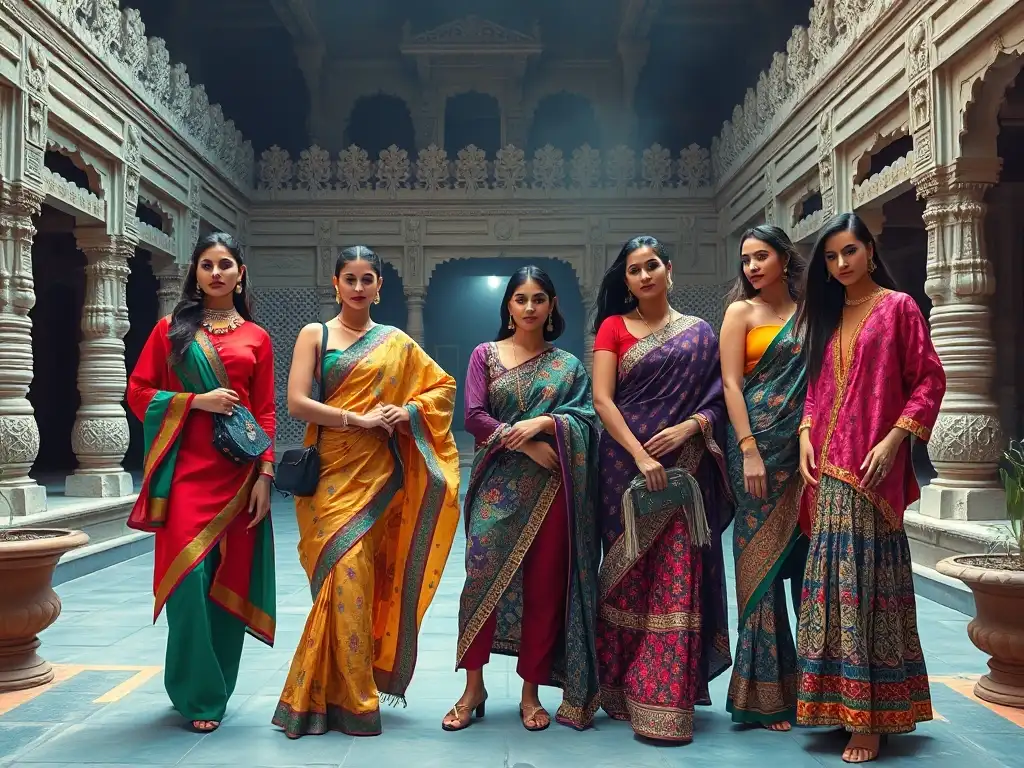
The landscape of ancient Indian fusion fashion is continually evolving, with several key trends emerging that highlight the blend of traditional and contemporary styles. These trends not only showcase the versatility of ancient designs but also reflect the changing tastes and preferences of modern consumers.
Top Fusion Fashion Trends in 2024
As we move into 2024, several fusion fashion trends stand out:
- Anarkali Jumpsuits: Combining the elegance of the Anarkali silhouette with the practicality of a jumpsuit, this trend is perfect for both casual and formal occasions.
- Saree Gowns: This innovative take on the traditional saree allows for ease of movement while maintaining the grace associated with Indian wear.
- Kurtas with Western Cuts: Designers are experimenting with kurtas featuring asymmetrical hemlines and unconventional cuts, blending Indian textiles with modern tailoring.
- Indo-Western Co-ord Sets: These matching sets incorporate traditional prints and fabrics in chic, contemporary designs, making them ideal for day-to-night wear.
- Brocade and Velvet Fabrics: Rich, luxurious materials are being paired with modern silhouettes, offering a regal touch to everyday fashion.
Best Brands Offering Ancient Indian Fusion Fashion
Several brands have successfully embraced the concept of fusion fashion, offering collections that celebrate ancient Indian patterns while catering to contemporary tastes. Some notable names include:
- FabIndia: Known for its commitment to traditional crafts, FabIndia offers a range of fusion wear that incorporates handloom fabrics and ancient patterns into modern designs.
- Suta: This brand specializes in handwoven sarees and fusion wear, blending traditional textiles with contemporary styles that appeal to a global audience.
- Buna: With a focus on sustainable fashion, Buna features collections that merge ancient Indian embroidery techniques with modern silhouettes, promoting ethical craftsmanship.
- Anita Dongre: Renowned for her luxurious designs, Anita Dongre often incorporates indigenous patterns and textiles into her contemporary collections, showcasing the richness of Indian heritage.
- House of Masaba: Known for its quirky and bold prints, Masaba Gupta's brand creatively fuses traditional Indian motifs with modern fashion sensibilities.
These brands exemplify how ancient Indian fusion fashion trends are reshaping the industry, making it more inclusive and reflective of diverse cultural narratives.
Shopping Guide for Ancient Indian Fusion Fashion
When embarking on the journey of incorporating ancient Indian fusion fashion into your wardrobe, understanding the nuances of this unique style is crucial. The fusion of traditional Indian patterns with contemporary designs offers a plethora of choices that can enhance any outfit. Here are some essential tips to guide you through your shopping experience:
- Identify Your Style: Determine whether you prefer subtle blends of traditional motifs or bold statements that showcase intricate designs. Knowing your personal style will help narrow down your options.
- Fabric Selection: Choose fabrics that resonate with the essence of ancient Indian textiles, such as silk, cotton, and linen. These materials not only provide comfort but also allow for the intricate detailing typical of traditional patterns.
- Fit and Comfort: Since fusion fashion often combines elements from both Eastern and Western styles, ensure that the garments fit well and are comfortable for everyday wear. Look for designs that flatter your body type while maintaining a sense of ease.
- Versatility: Opt for pieces that can be styled in multiple ways, facilitating seamless transitions from casual day wear to elegant evening attire.
- Sustainability: Consider brands that emphasize sustainable practices and ethical sourcing. This approach not only supports the environment but also values the craftsmanship involved in creating fusion pieces.
Key Factors to Consider When Choosing Fusion Fashion
When selecting ancient Indian fusion fashion, several key factors can elevate your choices and ensure that you find pieces that are not only stylish but also meaningful:
- Cultural Significance: Familiarize yourself with the cultural backgrounds of the patterns and designs you are drawn to. Understanding their history can enhance your appreciation and connection to the garments.
- Color Combinations: Ancient Indian fashion often features vibrant colors. Choose color palettes that complement each other and work well with your skin tone, allowing you to express your personality through your attire.
- Embellishments and Details: Look for garments with intricate embellishments like zardozi, mirror work, or block printing. These details can add depth and uniqueness to your outfit.
- Seasonal Considerations: Keep the climate in mind when choosing fabrics and styles. Lighter materials work well for warmer seasons, while heavier textiles are suitable for cooler months.
- Accessorizing: Think about how you can accessorize your fusion pieces. Statement jewelry, bags, and shoes can enhance the overall look, marrying traditional elements with contemporary flair.
Recommended Products for Fusion Fashion Enthusiasts
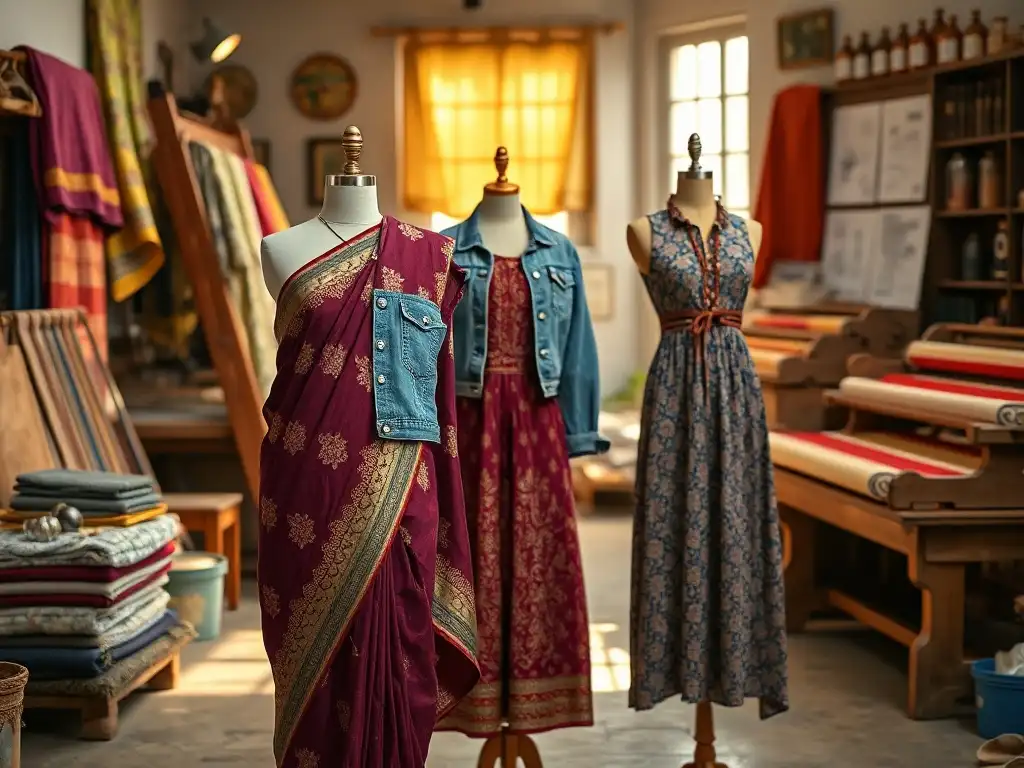
For those passionate about ancient Indian fusion fashion, here are some recommended products that beautifully encapsulate the blend of traditional and modern styles:
| Category | Recommended Products |
|---|---|
| Dresses | Anarkali dresses with contemporary cuts |
| Tops | Crop tops featuring traditional embroidery |
| Bottoms | Palazzos or dhoti pants in vibrant prints |
| Kurtas | Long kurtas with asymmetrical hems |
| Jackets | Ethnic jackets paired with Western outfits |
| Accessories | Statement jewelry that combines metals and fabrics |
| Footwear | Ethnic juttis or modern sandals with traditional motifs |
Conclusion: The Future of Ancient Indian Fusion Fashion Trends
The future of ancient Indian fusion fashion trends looks promising as designers continue to draw inspiration from India's rich cultural heritage while integrating contemporary global influences. This evolving style not only celebrates tradition but also encourages innovation.
As the world becomes increasingly interconnected, the fusion fashion landscape will likely witness the emergence of new trends that blend traditional craftsmanship with modern aesthetics. This blend promotes inclusivity, where diverse cultures can share and appreciate each other's fashion narratives.
With a growing emphasis on sustainability, we can expect to see more eco-friendly practices in the production of fusion garments, ensuring that ancient techniques are preserved while adapting to contemporary needs. As consumers become more conscious of their choices, the emphasis on ethical fashion will shape the future of ancient Indian fusion trends, making them not only stylish but also responsible.
In essence, ancient Indian fusion fashion is an exciting journey that celebrates the past while looking forward to a vibrant future. Embrace this fusion of cultures, and let your wardrobe reflect the beauty of diversity.
Resources for Further Exploration
To delve deeper into the fascinating world of ancient Indian fusion fashion trends, a variety of resources are available that encompass scholarly articles, books, and online platforms dedicated to the study of ancient Indian textiles and their modern adaptations. Here are some valuable resources to enrich your understanding:
1. Books
-
"Textiles of India: From the Collection of the Calico Museum" by Rajkot's Calico Museum of Textiles
This comprehensive book showcases a rich array of Indian textiles, tracing their history and significance, while highlighting patterns that have influenced modern fashion trends.
-
"The Fabric of Our Lives: The Story of Indian Textiles" by T. R. Sharma
This book explores the evolution of Indian textiles, providing insights into traditional patterns that have been reinterpreted in contemporary fashion.
2. Academic Journals
-
Journal of Fashion Technology & Textile Engineering
This peer-reviewed journal features articles that explore the intersection of fashion and technology, including studies on how ancient patterns are being integrated into modern designs.
-
International Journal of Clothing Science and Technology
This journal publishes research on the science of textiles and clothing, often including discussions on cultural influences and the adaptation of traditional patterns in current trends.
3. Online Platforms
-
Fashion History Timeline
An excellent resource for understanding the evolution of fashion, this platform includes sections dedicated to Indian textiles and their global impact.
-
The Textile Museum
This museum offers a wealth of information on textiles from around the world, including a significant focus on Indian fabrics. Their online collections and virtual exhibitions are particularly insightful.
4. Documentaries and Films
-
"Threads of India"
This documentary explores the rich tapestry of Indian textiles, focusing on the intricate patterns and techniques that have influenced both ancient and modern fashion.
-
"The Art of Weaving"
This film offers a look into traditional Indian weaving practices, showcasing the craftsmanship behind the textiles that inform contemporary fusion trends.
5. Workshops and Exhibitions
-
Local Textile Workshops
Participating in workshops that focus on traditional textile techniques can provide hands-on experience and a deeper appreciation of the craft that informs fusion fashion.
-
Textile Exhibitions
Visiting exhibitions, either in person or virtually, can provide insights into the latest interpretations of ancient designs and how they are being integrated into modern fashion.
Exploring these resources will not only enhance your knowledge of ancient Indian fusion fashion trends but also inspire your own creative endeavors in this dynamic field.
- Introduction to Ancient Indian Fusion Fashion Trends
- The Evolution of Ancient Indian Patterns
- Key Characteristics of Ancient Indian Designs
- Modern Adaptations: The Rise of Fusion Fashion
- Popular Ancient Indian Fusion Fashion Trends
- Shopping Guide for Ancient Indian Fusion Fashion
- Key Factors to Consider When Choosing Fusion Fashion
- Recommended Products for Fusion Fashion Enthusiasts
- Conclusion: The Future of Ancient Indian Fusion Fashion Trends
- Resources for Further Exploration
- What is fusion fashion in the context of ancient Indian styles?
- How did ancient Indian civilizations influence modern fashion trends?
- What are some key patterns from ancient Indian fashion?
- How can one incorporate ancient Indian fashion into everyday wear?
- Why is it important to preserve ancient Indian fashion trends?
Frequently Asked Questions
What is fusion fashion in the context of ancient Indian styles?
Fusion fashion refers to the blending of traditional Indian patterns and designs with modern global trends, creating unique clothing that honors both influences.
How did ancient Indian civilizations influence modern fashion trends?
Ancient Indian civilizations, such as the Indus Valley and Gupta Empire, contributed intricate textiles and patterns that continue to inspire contemporary designers in their creations.
What are some key patterns from ancient Indian fashion?
Key patterns include block printing, zari work, and ikat, which are often incorporated into modern pieces to create a distinctive fusion look that celebrates heritage.
How can one incorporate ancient Indian fashion into everyday wear?
Incorporating ancient Indian fashion can be achieved by wearing fusion outfits that pair traditional fabrics with modern cuts, or by accessorizing with ethnic jewelry that complements contemporary attire.
Why is it important to preserve ancient Indian fashion trends?
Preserving ancient Indian fashion trends helps maintain a connection to cultural heritage, promotes awareness of traditional craftsmanship, and allows for the continuation of rich artistic expressions in modern fashion.
Final Reflection: Embracing the Harmony of Ancient and Modern in Fusion Fashion
The fusion of ancient Indian patterns with global trends is not just a passing style; it is a vibrant celebration of cultural heritage that resonates deeply in today's fashion landscape. As we navigate a world increasingly defined by globalization, the ability to blend traditional artistry with contemporary aesthetics allows us to honor our roots while embracing innovation. This dynamic interplay creates a unique narrative that speaks to our collective identity, reminding us that fashion is more than mere clothing—it's a reflection of who we are and where we come from.
The influence of ancient Indian fusion fashion trends extends far beyond the runway, shaping cultural conversations and inspiring a new generation of designers and consumers alike. As we witness the revival of traditional craftsmanship in modern designs, we are reminded of the rich history that informs our present. This movement not only preserves age-old techniques but also empowers artisans and communities, fostering a sense of pride in cultural identity. Fashion is the armor to survive the reality of everyday life.
— Bill Cunningham. This quote encapsulates the essence of fusion fashion, as it equips us with the confidence to express our individuality while honoring the past.
As you reflect on the themes presented in this article, I invite you to consider how you can incorporate the principles of fusion fashion into your own life. Embrace the stories behind the garments you wear, and seek out pieces that resonate with your personal journey. Let your wardrobe be a canvas that showcases the beauty of diversity and the richness of cultural heritage. By doing so, you not only elevate your style but also contribute to a broader narrative that celebrates the interconnectedness of our global community.
Unveil the Magic of Fusion Fashion Today!
Thank you for diving into the captivating world of fusion fashion! You've explored how ancient Indian patterns beautifully blend with global trends. Now, let’s take the next step and bring that inspiration into your life!
Here’s how you can embrace this unique style:
- Experiment with Your Wardrobe: Incorporate traditional Indian patterns into your daily outfits. Whether it's a beautifully designed scarf, a chic handbag, or a striking kurta, let your personal style reflect this rich heritage.
- Join a Local Workshop: Explore fusion fashion further by participating in a workshop. Discover the art of mixing traditional and modern pieces while connecting with others who share your passion.
- Share Your Style: Showcase your favorite fusion outfits on social media. Use the hashtag #FusionFashion to inspire others to celebrate this wonderful blend of cultures!
What fusion fashion piece are you excited to try first? Your journey begins now!