
Ancient Indian Fashion Icons: Inspirations for Today’s Style Mavericks

Welcome to Ancient India History—your portal to the mesmerizing tapestry of ancient Indian civilizations! Here, we delve into the rich and diverse heritage that shaped not just a nation but also the very fabric of global culture. In our latest article, "Ancient Indian Fashion Icons: Inspirations for Today’s Style Mavericks," we invite you to uncover how the timeless elegance of ancient Indian fashion inspirations continues to resonate in modern styles. Join us on this captivating journey, and discover the iconic trends that echo through the ages, sparking your creativity and igniting your passion for fashion!
Introduction to Ancient Indian Fashion Inspirations
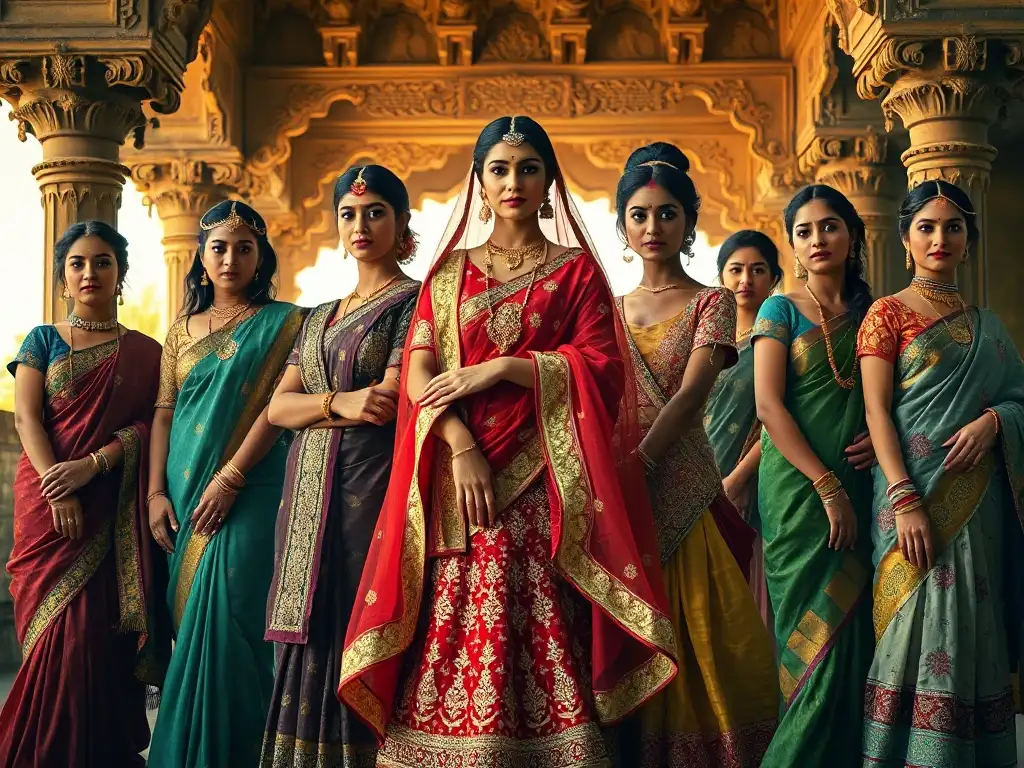
Ancient Indian fashion is a vibrant tapestry woven from the threads of diverse cultures, traditions, and regional influences. Over the centuries, the clothing styles, accessories, and textiles of ancient India have not only reflected the artistic sensibilities of their time but have also laid the groundwork for contemporary fashion trends. From the elegant drapes of the saree to the intricate patterns of hand-woven fabrics, the fashion of ancient India continues to inspire modern designers and style enthusiasts alike.
In today’s fast-paced world, where globalization often blurs cultural lines, the rich history of ancient Indian fashion provides a wellspring of inspiration for modern style mavericks. The revival of traditional garments, the use of organic materials, and the incorporation of ancient motifs in contemporary designs highlight a growing appreciation for heritage and craftsmanship. This article delves into the iconic fashion elements of ancient India, showcasing how these timeless styles influence and resonate within today’s fashion landscape.
The Evolution of Fashion in Ancient India
The evolution of fashion in ancient India is a story marked by transformation and adaptation, influenced by various historical periods and cultural exchanges.
- Indus Valley Civilization (c. 3300–1300 BCE):
- The earliest known urban culture in India showcased sophisticated textile production, including cotton garments. Evidence suggests that people wore simple draped clothing, often complemented with jewelry made from precious metals and stones.
- Vedic Period (c. 1500–500 BCE):
- During this period, clothing became more elaborate. The antarvasaka (an undergarment) and uttariya (a shawl) were commonly worn. The use of natural dyes and the introduction of weaving techniques marked a significant advancement in textile artistry.
- Maurya and Gupta Empires (c. 322 BCE–550 CE):
- The Maurya Empire saw a flourishing of arts and crafts, with the introduction of silk and more elaborate garments. The Gupta period is often referred to as the Golden Age of India, where fashion became a reflection of societal status and prosperity, featuring rich fabrics and intricate embroidery.
- Medieval Period (c. 600–1700 CE):
- With the advent of new influences, such as Persian styles due to invasions, clothing became even more diverse. The choli (blouse) and lehenga (skirt) emerged as popular choices for women, while men favored long tunics and turbans.
- Colonial Era (c. 1757–1947):
- British colonial rule ushered in a new chapter in Indian fashion, leading to a blend of Western styles with traditional Indian wear. This period witnessed the introduction of tailored suits and dresses, which coexisted with indigenous attire.
The rich history of ancient Indian fashion demonstrates a continuous evolution, characterized by adaptability and innovation. As we explore the influential icons of ancient Indian fashion, we will uncover how their legacies continue to shape and inspire modern style, making ancient Indian fashion inspirations a vital part of today’s sartorial narrative.
Iconic Fashion Figures of Ancient India
Ancient India was home to numerous fashion icons whose styles have left an indelible mark on the fabric of cultural history. These figures, ranging from royals to spiritual leaders, not only influenced the fashion of their times but also set trends that resonate in modern fashion. Their attire, often laden with symbolism and craftsmanship, reflected both their status and the rich traditions of their respective regions. Understanding these iconic personalities provides a deeper insight into the evolution of ancient Indian fashion inspirations.
Among the most notable fashion figures were the queens and empresses of ancient dynasties, who adorned themselves with intricate jewelry and luxurious fabrics. Their styles often showcased the artistry of local craftsmen and represented the wealth and power of their kingdoms. Alongside royalty, spiritual leaders, such as saints and philosophers, also made significant contributions to the fashion narrative, often opting for simple yet elegant garments that conveyed their values and beliefs.
The Influence of Royalty on Fashion Trends
Royalty in ancient India had a profound influence on fashion trends, shaping styles that were emulated by the masses. The attires of kings and queens were characterized by opulence, featuring elaborate embroidery, rich fabrics like silk, and intricate jewelry that often included precious stones. The Mughal emperors, for instance, popularized the use of zari and zardosi work, which became synonymous with luxury and elegance.
Royalty also played a pivotal role in the development of regional styles. In Rajasthan, the vibrant colors and mirror work of the traditional ghagra choli were inspired by the attire of the royal families, while the pattu shawls of Punjab reflected the rich textile heritage patronized by the Sikh rulers. The grandeur of royal attire not only set standards for fashion but also influenced various crafts and textile techniques, fostering a culture of artistry that persists in modern fashion.
Spiritual Figures and Their Impact on Style
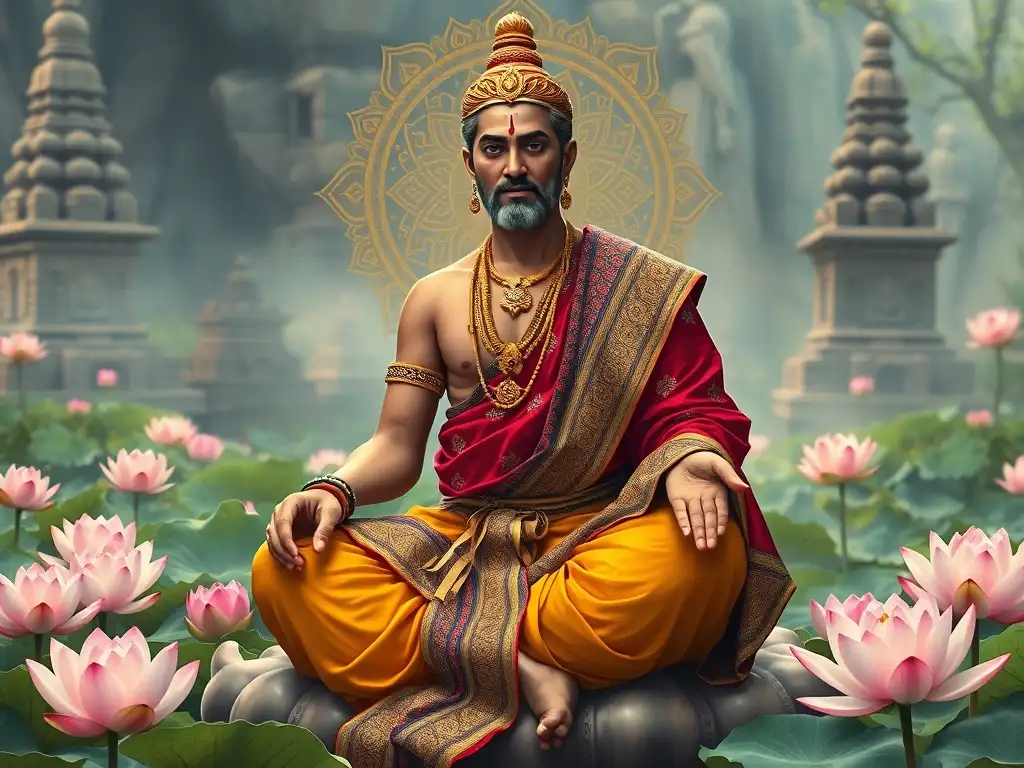
Spiritual figures in ancient India also contributed significantly to fashion, although their influence often leaned towards simplicity and modesty. Renowned saints, monks, and philosophers frequently donned garments that were practical yet rich in meaning. The saffron robes of Buddhist monks, for example, symbolize renunciation and enlightenment, inspiring contemporary interpretations of spiritual fashion.
These spiritual garments emphasized natural fabrics and earthy colors, promoting a connection to nature that resonates with today’s sustainable fashion movements. The influence of these figures can be seen in various modern styles that prioritize comfort and simplicity, reflecting the values of peace and introspection they embodied.
Traditional Attire as Fashion Inspirations
The traditional attire of ancient India serves as a wellspring of inspiration for contemporary fashion designers and style enthusiasts. These garments are not merely relics of the past; they embody a rich tapestry of culture, artistry, and identity. Modern adaptations of traditional clothing can be seen in fashion runways and street style alike, showcasing the enduring legacy of ancient Indian fashion.
Today, designers are increasingly drawing on traditional motifs, fabrics, and silhouettes to create contemporary pieces that resonate with global fashion trends. This synthesis of the old and the new not only celebrates India's rich heritage but also demonstrates the versatility of its traditional attire.
Sarees: The Quintessential Indian Garment
The saree, a timeless and versatile garment, stands as one of the most iconic symbols of Indian fashion. Originating from ancient times, the saree has evolved in style and draping techniques, making it a canvas for creativity and expression. It can be worn in countless ways, each style reflecting regional customs and personal flair.
Fashion designers today have embraced the saree, reinventing it with modern fabrics, innovative draping styles, and contemporary prints. The saree has transcended its traditional roots and is now a staple in the wardrobes of fashion-forward individuals, symbolizing elegance and grace while allowing for personal expression.
Dhoti and Kurta: A Blend of Tradition and Modernity
The dhoti and kurta represent a harmonious blend of tradition and modernity in Indian fashion. Traditionally, the dhoti was worn by men as a symbol of cultural identity, often paired with a kurta for formal occasions. This ensemble reflects the simplicity and elegance of ancient Indian attire while allowing for comfort and ease of movement.
In recent years, the dhoti and kurta have undergone a transformation, with designers experimenting with cuts, fabrics, and patterns. This fusion of styles has made them popular among the younger generation, who appreciate their cultural significance while seeking a modern aesthetic. The adaptability of the dhoti and kurta ensures their relevance in contemporary fashion, making them a symbol of ancient Indian fashion inspirations that continue to inspire today’s style mavericks.
Accessories: Ancient Indian Fashion Statements
Accessories have always played a pivotal role in defining the fashion landscape of ancient India. From elaborate jewelry to intricately designed footwear, these elements were not merely functional but also served as symbols of status, culture, and identity. In ancient times, accessories were often handcrafted, showcasing the skills of artisans and reflecting the rich cultural heritage of various regions.
The significance of accessories in ancient Indian fashion can be observed in the way they were used to complement clothing, enhance beauty, and convey social standing. For instance, the use of gold, silver, and precious stones in jewelry not only added to the aesthetic appeal but also indicated wealth and power. Similarly, distinct styles of footwear, such as juttis and mojris, were associated with specific communities and regions, further enriching the fashion narrative of ancient India.
Jewelry: From Ancient Adornments to Modern Trends
Jewelry in ancient India was both an art form and a means of personal expression. Crafted from materials like gold, silver, and semi-precious stones, these adornments were often designed with intricate motifs inspired by nature, mythology, and religious symbolism. For instance, the famous nath (nose ring) and maang tikka (forehead ornament) have their origins in ancient traditions and continue to inspire modern jewelry designers.
Today, contemporary jewelers draw inspiration from these ancient designs, infusing them with modern aesthetics and materials. The resurgence of traditional motifs in modern jewelry reflects a growing appreciation for heritage while appealing to the tastes of today's fashion enthusiasts. The combination of ancient techniques with modern sensibilities allows for a unique fusion that resonates with both tradition and contemporary style.
Footwear: The Transition from Traditional to Contemporary
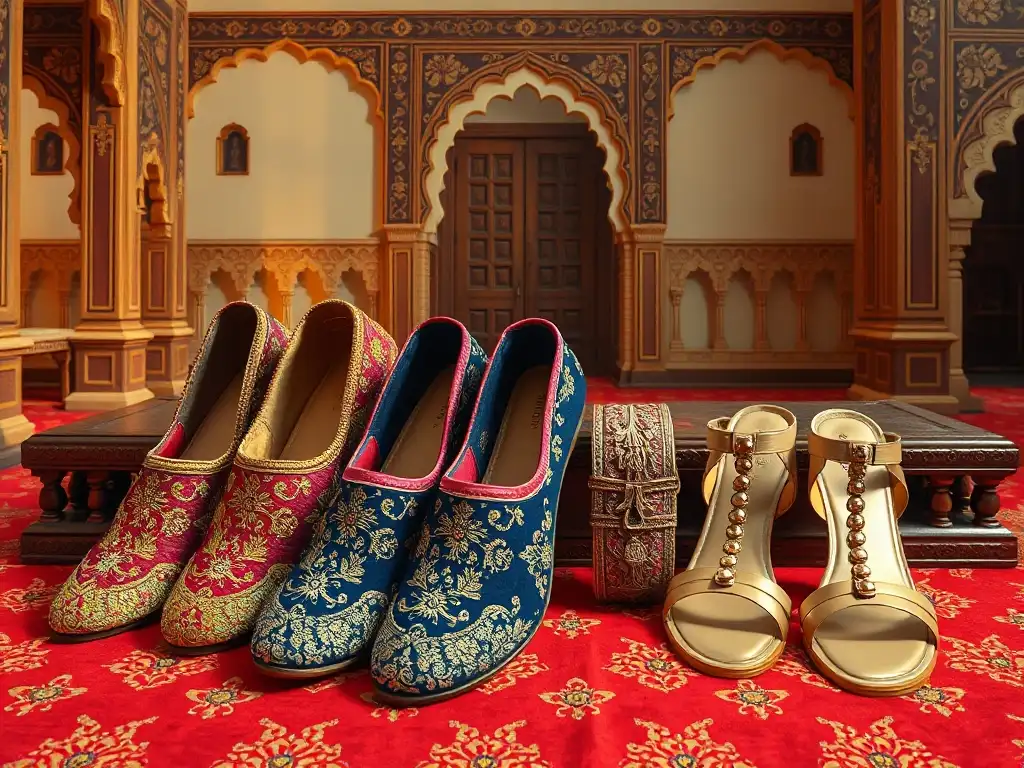
Footwear in ancient India was not only functional but also an essential aspect of fashion. Traditional styles, such as juttis, mojris, and chappals, were crafted using leather and adorned with embroidery, beads, and other embellishments. These shoes were often region-specific, reflecting local customs and craftsmanship.
In modern times, while the essence of these traditional styles remains, there has been a notable shift towards contemporary designs that cater to current fashion trends. Designers now blend traditional craftsmanship with modern comfort and style, resulting in footwear that is both stylish and practical. This evolution has led to the rise of ethnic-inspired footwear that can be worn on various occasions, bridging the gap between ancient tradition and modern fashion.
Fabrics and Textiles: Inspirations from Ancient India
The textiles of ancient India are renowned for their exquisite craftsmanship and variety. Fabrics like silk, cotton, and wool were not only used for clothing but also held cultural significance. The intricate weaving techniques, patterns, and dyeing methods developed during this era continue to inspire today’s fashion designers.
Textiles were often adorned with motifs that reflected the region's heritage and the natural environment. The revival of these ancient techniques in contemporary fashion has led to a renewed interest in handwoven fabrics and artisanal craftsmanship, appealing to modern consumers who value authenticity and sustainability in fashion.
The Use of Handwoven Fabrics in Ancient Fashion
Handwoven fabrics were a hallmark of ancient Indian fashion, showcasing the skill and artistry of weavers across the subcontinent. Each region had its own distinctive weaving traditions, such as khadi from Gujarat and banarasi silk from Varanasi, each telling a story of its cultural roots.
Today, there is a growing movement towards sustainable fashion that embraces these traditional handwoven textiles. Designers are incorporating these fabrics into modern designs, promoting ethical practices and supporting local artisans. This blend of ancient techniques with contemporary silhouettes has created a unique niche in the fashion industry that honors tradition while appealing to modern sensibilities.
Color Palettes and Patterns Inspired by Ancient Art
The color palettes and patterns used in ancient Indian textiles were deeply influenced by nature, spirituality, and daily life. Rich hues of red, gold, and green were prevalent, often symbolizing prosperity and fertility. Patterns such as paisleys, floral motifs, and geometric designs were commonly used, each carrying its own significance and story.
Modern fashion designers are increasingly drawing from these ancient inspirations, incorporating vibrant colors and intricate patterns into their collections. This revival not only pays homage to the artistic heritage of ancient India but also offers a fresh perspective that resonates with today's fashion-forward consumers. By blending traditional aesthetics with modern designs, these patterns continue to inspire and shape contemporary fashion narratives.
How to Incorporate Ancient Indian Fashion Inspirations Today
Incorporating ancient Indian fashion inspirations into contemporary style can be a thrilling endeavor. The rich tapestry of Indian textiles, designs, and silhouettes offers endless possibilities for modern fashion enthusiasts. Here are some effective ways to weave these inspirations into your wardrobe:
- Mix and Match Textiles: Combine traditional fabrics such as silk, cotton, and linen with contemporary cuts. For instance, pairing a classic block-printed kurta with tailored trousers can create a sophisticated yet comfortable ensemble.
- Use Statement Accessories: Integrate ancient jewelry styles like jhumkas (earrings), chokers, or statement necklaces made from intricate designs. These pieces can elevate any modern outfit, adding a unique touch that pays homage to India’s artistic heritage.
- Embrace Ethnic Prints: Incorporate ancient Indian motifs—like paisleys, mandalas, or geometric patterns—into everyday wear. Look for dresses, tops, or skirts that feature these prints, providing a cultural depth to your fashion choices.
- Layering Techniques: Experiment with layering traditional garments, such as draping a dupatta over a western outfit. This not only adds style but also introduces a sense of fluidity and elegance typical of ancient Indian fashion.
- Footwear Fusion: Invest in juttis or mojaris—traditional Indian footwear—that can be paired with both ethnic and contemporary outfits. Their intricate designs and comfort make them versatile for various occasions.
Tips for Blending Traditional and Modern Styles
Blending traditional and modern styles requires a thoughtful approach. Here are some tips to achieve a harmonious look:
- Choose a Focal Point: Decide whether your outfit will lean more towards traditional or modern, and use that as a focal point. For example, if you choose a traditional sari, pair it with a modern crop top to strike a balance.
- Color Coordination: Use a cohesive color palette that draws from both styles. Earthy tones or pastels often work well, allowing traditional pieces to complement contemporary styles without clashing.
- Minimalistic Approach: When incorporating bold traditional pieces, opt for minimalistic modern attire to avoid overwhelming your look. A simple, tailored outfit can allow an ornate dupatta or elaborate jewelry to shine.
- Tailoring is Key: Ensure that traditional garments are tailored to fit well. A well-fitted kurta or lehenga can elevate your look, making it suitable for modern contexts while retaining its roots.
- Experiment with Silhouettes: Don’t shy away from innovative silhouettes. A traditional anarkali paired with structured trousers can create a stunning ensemble that reflects both heritage and modernity.
Where to Find Ancient Indian Fashion Pieces
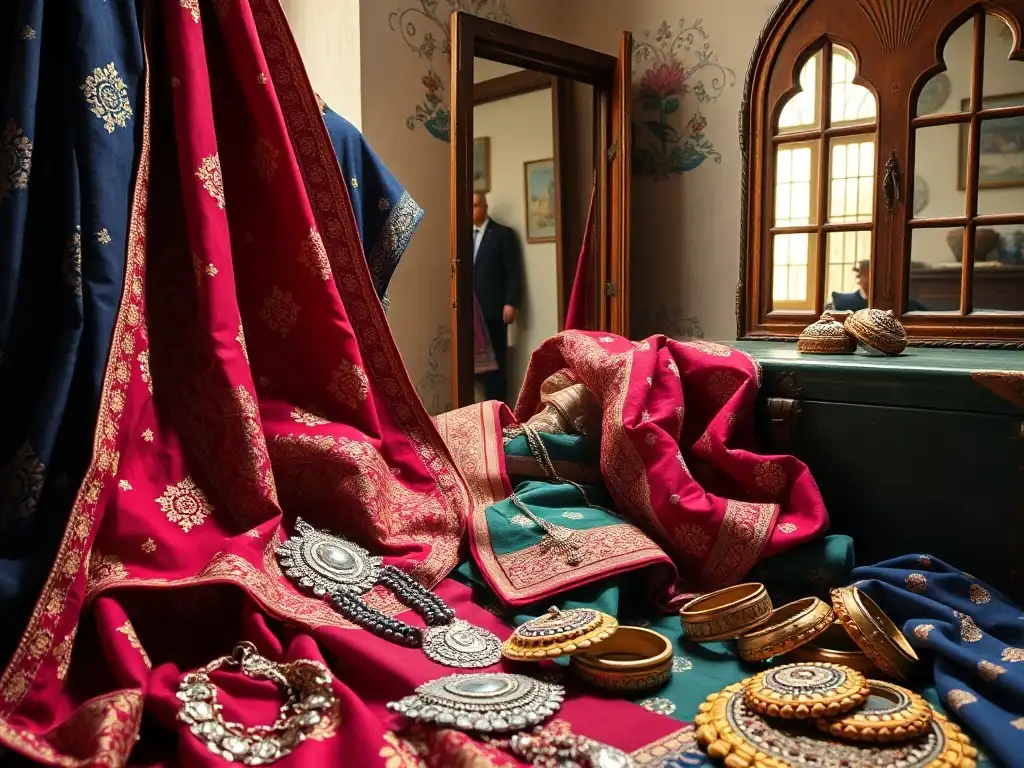
Finding authentic ancient Indian fashion pieces can be an enriching experience. Here are some suggestions on where to look:
- Local Handicraft Stores: Many cities have stores dedicated to traditional crafts, where you can find handwoven sarees, embroidered kurtas, and artisan jewelry.
- Online Marketplaces: Websites specializing in Indian fashion often have curated collections of traditional wear. Look for platforms that focus on sustainable and handmade products to ensure authenticity.
- Cultural Festivals and Exhibitions: Attend local festivals or exhibitions that showcase Indian textiles and crafts. These events often feature artisans and provide a platform to purchase unique pieces.
- Thrift Stores and Vintage Shops: Vintage shops may house hidden gems from past eras, including traditional garments that can be reimagined. Always check the quality and condition of the pieces.
- Fashion Collaborations: Keep an eye out for collaborations between contemporary designers and traditional artisans. These partnerships often result in unique pieces that blend ancient techniques with modern aesthetics.
Conclusion: Embracing Ancient Indian Fashion Inspirations in Modern Life
Embracing ancient Indian fashion inspirations in our modern lives is not just about wearing clothes; it’s about celebrating a rich cultural heritage and integrating it into our everyday style. By thoughtfully incorporating traditional elements, blending styles, and seeking authentic pieces, we can create a fashion narrative that honors the past while looking towards the future.
As style mavericks, let us draw inspiration from the timeless elegance of ancient Indian fashion, allowing it to enrich our wardrobes and express our unique identities. The journey of fashion is an ever-evolving tapestry, and with every piece we wear, we continue to weave the stories of our rich cultural legacy into the fabric of modern life.
Call to Action
As we delve into the vibrant tapestry of ancient Indian fashion, it becomes clear that the influences of past icons can be seamlessly woven into the fabric of modern style. Whether you’re a fashion enthusiast, a designer, or simply someone who appreciates the beauty of textiles, embracing these ancient inspirations can elevate your wardrobe and personal style.
- Explore Heritage Textiles: Dive into the exquisite world of traditional fabrics like silk, cotton, and wool. Consider incorporating unique pieces into your collection—think handloom sarees, intricately designed dupattas, or embroidered kurtas. These textiles not only tell a story of craftsmanship but also add a touch of authenticity to contemporary looks.
- Reinterpret Classic Silhouettes: Take cues from ancient silhouettes such as the saree, lehenga, and kurta. Modern adaptations can include asymmetrical cuts or fusion styles that blend traditional and contemporary aesthetics. Experiment with layering and accessorizing to create looks that honor the past while making bold statements today.
- Accessorize with Purpose: Ancient Indian fashion was never complete without its adornments. From statement jewelry like jhumkas and chokers to intricate bangles and headpieces, accessories can transform any outfit. Explore local artisans and sustainable brands that create pieces inspired by ancient designs, ensuring that your style is both fashionable and eco-conscious.
- Share Your Style: Engage with others who appreciate the beauty of ancient Indian fashion. Share your outfits on social media, join fashion forums, or participate in local cultural events that celebrate this rich heritage. By doing so, you not only express your individuality but also contribute to a larger conversation about the significance of ancient influences in modern fashion.
As you embark on your journey of incorporating ancient Indian fashion inspirations into your style, remember that fashion is not just about clothing—it's about storytelling, culture, and identity. Embrace the elegance of history, and let it inspire your unique fashion narrative today!
- Introduction to Ancient Indian Fashion Inspirations
- The Evolution of Fashion in Ancient India
- Iconic Fashion Figures of Ancient India
- The Influence of Royalty on Fashion Trends
- Spiritual Figures and Their Impact on Style
- Traditional Attire as Fashion Inspirations
- Accessories: Ancient Indian Fashion Statements
- Jewelry: From Ancient Adornments to Modern Trends
- Footwear: The Transition from Traditional to Contemporary
- Fabrics and Textiles: Inspirations from Ancient India
- How to Incorporate Ancient Indian Fashion Inspirations Today
- Tips for Blending Traditional and Modern Styles
- Where to Find Ancient Indian Fashion Pieces
- Conclusion: Embracing Ancient Indian Fashion Inspirations in Modern Life
- Call to Action
Frequently Asked Questions
What are some key influences on ancient Indian fashion?
Ancient Indian fashion was shaped by regional diversity, cultural exchanges, and religious practices, showcasing a blend of styles across different civilizations.
Who were the notable fashion icons in ancient India?
Fashion icons included royalty, nobility, and artisans who influenced trends through elaborate clothing, accessories, and unique craftsmanship that reflected their status.
How did ancient Indian fashion contribute to modern style?
Ancient Indian fashion provides rich inspirations for today’s style, evident in the use of vibrant fabrics, intricate embroidery, and traditional silhouettes that continue to influence contemporary designers.
What materials were commonly used in ancient Indian clothing?
Ancient Indian clothing featured materials like cotton, silk, and wool, often dyed with natural colors and adorned with embroidery and beadwork, showcasing the artistic skills of the time.
How can one incorporate ancient Indian fashion into modern wardrobes?
To blend ancient Indian fashion into modern style, consider using traditional patterns, contemporary cuts, and accessories inspired by historical garments, creating a unique fusion look.
Final Reflection: Embracing Timeless Elegance in Ancient Indian Fashion Inspirations
**The echoes of ancient Indian fashion resonate powerfully in today’s style landscape, reminding us that fashion is not merely a fleeting trend but a profound expression of culture and identity. As we navigate a world increasingly influenced by globalization, the rich tapestry of ancient Indian fashion offers a treasure trove of inspiration for contemporary style mavericks. The intricate craftsmanship, vibrant colors, and symbolic motifs of the past are not just relics; they are living legacies that continue to shape our sartorial choices.
The influence of ancient Indian fashion transcends mere aesthetics; it serves as a bridge connecting us to our roots and cultural heritage. The way we adorn ourselves today is often a reflection of the stories and traditions passed down through generations. As we draw from these inspirations, we honor the artisans and visionaries who crafted these timeless pieces. Fashion is the armor to survive the reality of everyday life.
— Bill Cunningham. This quote encapsulates the essence of how fashion, particularly that rooted in historical significance, empowers us to navigate our identities in a modern context.
As we conclude this exploration of ancient Indian fashion inspirations, I invite you to reflect on how you can incorporate these elements into your own style narrative. Consider the stories behind the garments you wear and the cultural significance they hold. Let the wisdom of the past guide your fashion choices, encouraging you to express your individuality while honoring the rich heritage that informs it. Embrace the elegance of ancient influences and become a part of the ongoing dialogue between history and contemporary style.
Unleash Your Inner Fashion Icon Today!
Thank you for taking the time to explore the fascinating world of ancient Indian fashion icons! We hope you’ve uncovered inspiring insights that can elevate your own style to new heights. Now, it’s time to put that knowledge into action!
Here are a few ways you can bring the essence of ancient fashion into your modern wardrobe:
- Curate a Capsule Wardrobe: Select a few key pieces that reflect the rich aesthetics of ancient Indian fashion—such as vibrant fabrics, intricate patterns, and regal silhouettes.
- Explore Cultural Textiles: Discover local artisans or browse online boutiques to find unique textiles that tell a story and celebrate cultural heritage.
- Share Your Style Journey: Capture a photo of your ancient-inspired look and share it on social media to inspire others!
What unique elements from ancient Indian fashion resonate with your personal style, and how do you plan to incorporate them into your daily life?