
The Gupta Empire's Contribution to Textile Artistry and Fashion

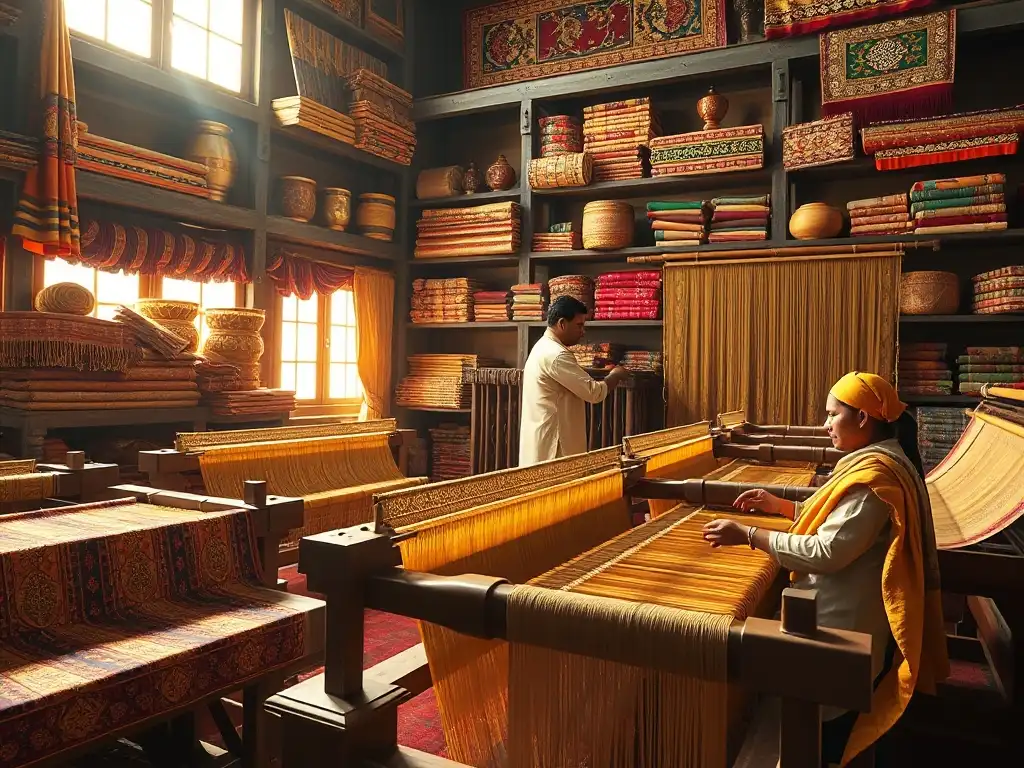
Welcome to Ancient India History, where we delve into the fascinating tapestry of our past, woven with the threads of culture, innovation, and artistry. Today, we invite you to journey through the vibrant world of Gupta Empire textile artistry, a pinnacle of creativity that transformed fashion and craftsmanship. Discover how this remarkable civilization not only set the stage for exquisite textiles but also left an indelible mark on the fashion landscape.
Are you ready to unravel the stories behind the fabrics that defined an era? Join us as we explore the intricate designs and rich heritage that continue to inspire today!
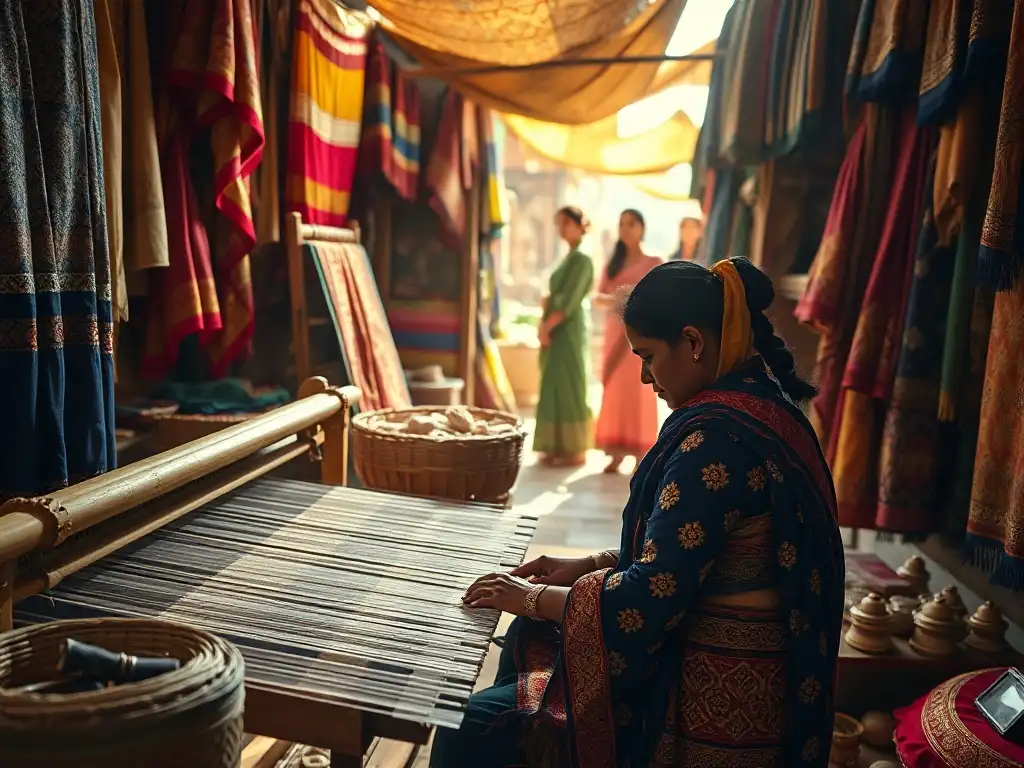
The Gupta Empire, flourishing from approximately 320 to 550 CE, is often celebrated as a golden age of Indian culture, art, and intellect. Among its many contributions, the realm of textile artistry stands out as a significant aspect that reflects the empire's sophisticated craftsmanship and aesthetic sensibilities.
The legacy of Gupta Empire textile artistry is not merely confined to the beautiful fabrics produced but extends to the intricate techniques and styles that have influenced Indian fashion through the ages. This article delves into the rich tapestry of textile artistry during the Gupta period, exploring its evolution and lasting impact on traditional Indian textiles and fashion.
Introduction to the Gupta Empire Textile Artistry
Textile artistry in the Gupta Empire was marked by a blend of innovation and tradition. The artisans of this era excelled in creating a variety of fabrics, using advanced techniques that incorporated vibrant colors, intricate patterns, and luxurious materials. The textiles produced during this time were not only used for clothing but also served ceremonial purposes and were significant in trade, both within the Indian subcontinent and beyond.
The Gupta period witnessed the flourishing of various textile techniques, including:
- Weaving: Mastery in weaving techniques led to the production of fine cotton and silk fabrics.
- Dyeing: The use of natural dyes allowed for a rich palette of colors, enhancing the visual appeal of textiles.
- Embroidering: Intricate embroidery added depth and narrative to garments, often reflecting religious and cultural motifs.
These elements combined to create textiles that were not only functional but also artistic expressions of the society in which they were produced.
The Evolution of Textile Artistry During the Gupta Period
The evolution of textile artistry during the Gupta period can be attributed to several factors that influenced design, technique, and the overall textile industry.
- Technological Advancements: The advent of new weaving technologies and the introduction of the spinning wheel significantly improved the quality and variety of textiles. This innovation allowed artisans to experiment with different fabrics and patterns, leading to an explosion of creativity in textile design.
- Cultural Exchange: The Gupta Empire's extensive trade networks facilitated cultural exchanges with regions such as Central Asia and the Mediterranean. This interaction introduced new motifs and techniques, enriching the local textile traditions. The integration of foreign designs can be seen in the fabrics that adorned both common people and royalty.
- Religious and Symbolic Significance: Textiles during the Gupta period were often imbued with religious significance. For instance, certain colors and patterns were reserved for ceremonial garments, reflecting the wearer’s status or role within the society. This interplay between art and culture made Gupta textiles not only a means of adornment but also a medium for storytelling and expression of identity.
- Influence on Modern Textiles: The aesthetic principles established during the Gupta Empire have had a lasting influence on contemporary Indian textiles. Many traditional weaving techniques and designs trace their origins back to this period, showcasing the enduring legacy of Gupta artistry.
The Gupta Empire's contribution to textile artistry and fashion was profound, characterized by innovation, cultural richness, and artistic expression. The textiles created during this golden age continue to inspire and influence the art of weaving and fashion in India today.
Key Features of Gupta Empire Textile Artistry
The Gupta Empire, which thrived from approximately 320 to 550 CE, is often hailed as a golden age of art, culture, and science in ancient India. One of the most notable contributions during this period was in the realm of textile artistry. The textiles produced during the Gupta era were distinguished by their intricate designs, vibrant colors, and exceptional craftsmanship. Key features of Gupta Empire textile artistry include:
- Diversity of Materials: Textiles were made from a variety of materials, including cotton, silk, and wool. Cotton was particularly prevalent due to its availability and suitability for the Indian climate, while silk represented luxury and wealth.
- Intricate Patterns: The Gupta artisans were skilled in creating complex motifs and patterns inspired by nature, mythology, and daily life. This intricate artistry not only made the textiles visually appealing but also imbued them with cultural significance.
- Cultural Symbolism: Textiles often carried symbolic meanings, reflecting the social status, profession, or religious beliefs of the wearer. For instance, certain colors and patterns were reserved for royalty, while others were common among the general populace.
- Regional Variations: Different regions within the Gupta Empire developed unique textile styles, influenced by local resources and cultural practices. This resulted in a rich tapestry of textile traditions that varied from one area to another.
Fabrics and Weaves: A Spectrum of Colors and Textures
The Gupta Empire was renowned for its diverse range of fabrics and weaves, which showcased an impressive spectrum of colors and textures.
- Cotton Fabrics: Soft and breathable, cotton textiles were widely used for everyday clothing. The Gupta period saw advancements in weaving techniques, leading to more durable and finely woven cotton fabrics.
- Silk Weaving: With the introduction of silk weaving, luxurious garments became more accessible to the elite. The use of techniques such as brocade and jacquard enhanced the visual richness of silk textiles.
- Variety of Weaves: Different weaving techniques, such as plain weave, twill, and satin weave, contributed to the texture of textiles. This variety allowed artisans to produce fabrics that ranged from coarse to delicately fine, catering to various needs and preferences.
- Color Palette: The Gupta artisans employed a vibrant color palette, achieved through advanced dyeing techniques. Bright reds, deep blues, and lush greens were commonly used, often combined in elaborate patterns to create stunning visual effects.
Dyeing Techniques and Natural Dyes Used
The art of dyeing was an essential aspect of textile production during the Gupta Empire, with artisans utilizing various natural dyes to achieve vivid colors.
- Natural Sources: Dyes were derived from plants, minerals, and insects. Common sources included indigo for blue, madder root for red, and turmeric for yellow. These natural dyes not only provided rich colors but were also environmentally friendly.
- Dyeing Processes: Techniques such as mordanting, where substances were used to fix dyes to the fabric, ensured that colors remained vibrant and durable. Artisans employed both immersion and resist dyeing methods to create intricate patterns on textiles.
- Cultural Significance of Colors: Different colors held specific cultural meanings. For example, red was often associated with marriage and fertility, while yellow symbolized purity and knowledge. This understanding influenced the choices made by artisans when dyeing fabrics.
Fashion Trends and Styles in the Gupta Empire
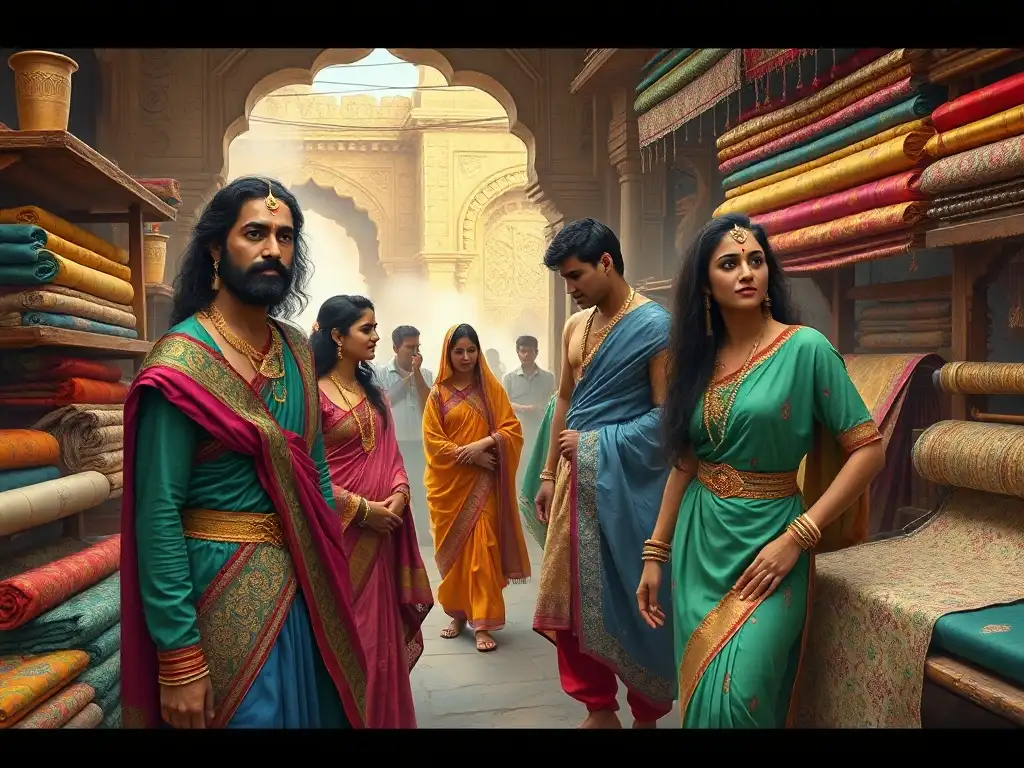
Fashion during the Gupta Empire was characterized by elegance, diversity, and an appreciation for artistry. The styles reflected the social hierarchy and were influenced by cultural and regional factors.
Traditional Attire: Clothing Styles for Different Classes
Clothing styles in the Gupta Empire varied significantly across different classes, each reflecting the social status and lifestyle of the wearer.
- Royalty and Nobility: The elite class adorned themselves in luxurious garments made of silk and richly dyed fabrics. They often wore long, flowing robes embellished with intricate embroidery and patterns, showcasing their wealth and status.
- Common People: Everyday attire for the common populace typically consisted of simpler cotton garments. Men wore dhotis, while women donned sarees or cholis. Despite being less ornate, these garments were functional and comfortable.
- Regional Variations: Different regions developed their distinct styles based on local customs and resources. For instance, people in coastal areas might prefer lighter fabrics suitable for the humid climate, while those in the north might opt for warmer clothing.
Accessories and Embellishments in Gupta Fashion
Accessories played a significant role in Gupta fashion, enhancing the overall appearance and allowing individuals to express their identity and status.
- Jewelry: Gold and silver jewelry, often adorned with precious and semi-precious stones, was popular among both men and women. Necklaces, bangles, and earrings added elegance and were considered symbols of wealth.
- Embellishments: Garments were frequently embellished with decorative elements such as embroidery, beadwork, and sequins. These embellishments varied by class and occasion, with more elaborate designs reserved for special events.
- Headgear and Footwear: Distinctive headgear, such as turbans or crowns, was worn by the elite, while footwear ranged from simple sandals for commoners to ornate shoes for the higher classes, showcasing the importance of presentation in Gupta fashion.
The Gupta Empire's textile artistry and fashion trends not only demonstrate remarkable craftsmanship but also reflect the rich cultural tapestry of ancient India. Through their vibrant textiles, intricate designs, and diverse styles, the Gupta artisans left an enduring legacy that continues to influence textile traditions in India today.
The Role of Textile Artistry in Gupta Society
Textile artistry played a pivotal role in the societal framework of the Gupta Empire, which flourished from approximately 240 to 550 CE. During this period, textiles were more than mere fabrics; they were an essential aspect of daily life, cultural identity, and economic strength. The Gupta society placed immense value on textile craftsmanship, which manifested in a variety of forms, including clothing, decorative items, and ceremonial garments.
Textile production and artistry were closely linked to the status of an individual or family within society. High-quality fabrics, often dyed with rich colors and adorned with intricate designs, were symbols of wealth and prestige. The use of luxurious materials like silk and fine cotton indicated higher social standing, while common fabrics were accessible to the broader population. This stratification highlights the integral role of textiles in expressing social hierarchies and identities.
Moreover, textile artistry was not limited to clothing; it encompassed the creation of various items such as tapestries, bed linens, and ceremonial textiles used in temples and during rituals. The artistry involved in these textiles also contributed to a sense of community and tradition, as skills were often passed down through generations. This fostered a deep appreciation for craftsmanship and a sense of pride within various regions of the Gupta Empire.
Economic Impact of Textile Production
The economic impact of textile production during the Gupta Empire cannot be overstated. Textiles were a significant contributor to the empire's economy, providing employment opportunities for artisans, weavers, and dyers. The thriving textile industry stimulated trade, both within the empire and with neighboring regions, enhancing the overall economic prosperity of the Gupta period.
Trade routes facilitated the exchange of textiles, allowing Gupta artisans to showcase their skills and products. This trade not only included nearby regions but also extended to distant lands, including Persia and Southeast Asia. The demand for high-quality Gupta textiles led to an influx of wealth and resources, further enabling advancements in textile technology and artistry.
Additionally, the guild system played a crucial role in regulating the textile industry. Artisans formed associations that ensured quality control, fair wages, and the sharing of techniques and innovations. This organized approach to textile production helped maintain the high standards for which Gupta textiles became renowned, further solidifying their place in the ancient trade networks.
Cultural Significance: Textiles in Rituals and Ceremonies
Textiles held immense cultural significance in Gupta society, particularly in the context of rituals and ceremonies. Textiles were often intricately woven and dyed to be used in religious ceremonies, festivals, and rites of passage. The colors and patterns chosen for these textiles were deeply symbolic, reflecting various cultural beliefs and practices.
For instance, specific colors might be associated with particular deities or seasons, influencing the textiles produced for religious events. The use of beautifully crafted garments during festivals not only emphasized the occasion's importance but also reinforced community bonds as people came together to celebrate their shared heritage.
In addition to their aesthetic qualities, textiles were often imbued with spiritual meanings. Some textiles were believed to possess protective qualities or were used as offerings to deities. This intertwining of textiles with spiritual beliefs highlights their multifaceted role in Gupta culture, bridging the material and the spiritual realms.
Comparison of Gupta Textile Artistry with Other Ancient Civilizations
The Gupta Empire's textile artistry is notable for its uniqueness and sophistication, particularly when compared to other ancient civilizations. This comparison sheds light on the distinct characteristics and techniques that defined Gupta textiles and their broader impact on historical textile practices.
Gupta Empire vs. Indus Valley Civilization Textiles
When examining the Gupta Empire's textiles in relation to those of the Indus Valley Civilization, which thrived from around 3300 to 1300 BCE, several differences and continuities emerge. The Indus Valley is known for its early cotton cultivation and intricate beadwork, with textiles often featuring geometric patterns and motifs derived from nature.
In contrast, Gupta textiles evolved to showcase more elaborate designs and a broader color palette, reflecting advances in dyeing techniques and artistry. The Gupta period saw the introduction of silk weaving, which added a layer of luxury and sophistication absent in earlier Indus textiles. This evolution in textile artistry indicates not only technological advancements but also changing societal values and aesthetic preferences over the centuries.
Gupta Textiles in Comparison with Chinese and Roman Textiles
The Gupta Empire's textiles can also be compared to those of ancient China and Rome, both of which had their own distinct textile traditions. Chinese textiles, particularly during the Han Dynasty, were characterized by their use of silk and intricate embroidery, often depicting scenes from mythology or nature. Meanwhile, Roman textiles showcased a preference for wool and linen, with vivid dyes and elaborate patterns.
While Gupta textiles shared some similarities with these civilizations, the emphasis on vibrant colors, detailed patterns, and the fusion of various materials (such as cotton and silk) set them apart. The Gupta Empire’s innovative approaches to textile production and artistry not only enriched its own culture but also influenced neighboring regions, creating a legacy that would endure in the history of textile craftsmanship.
Preservation and Legacy of Gupta Textile Artistry
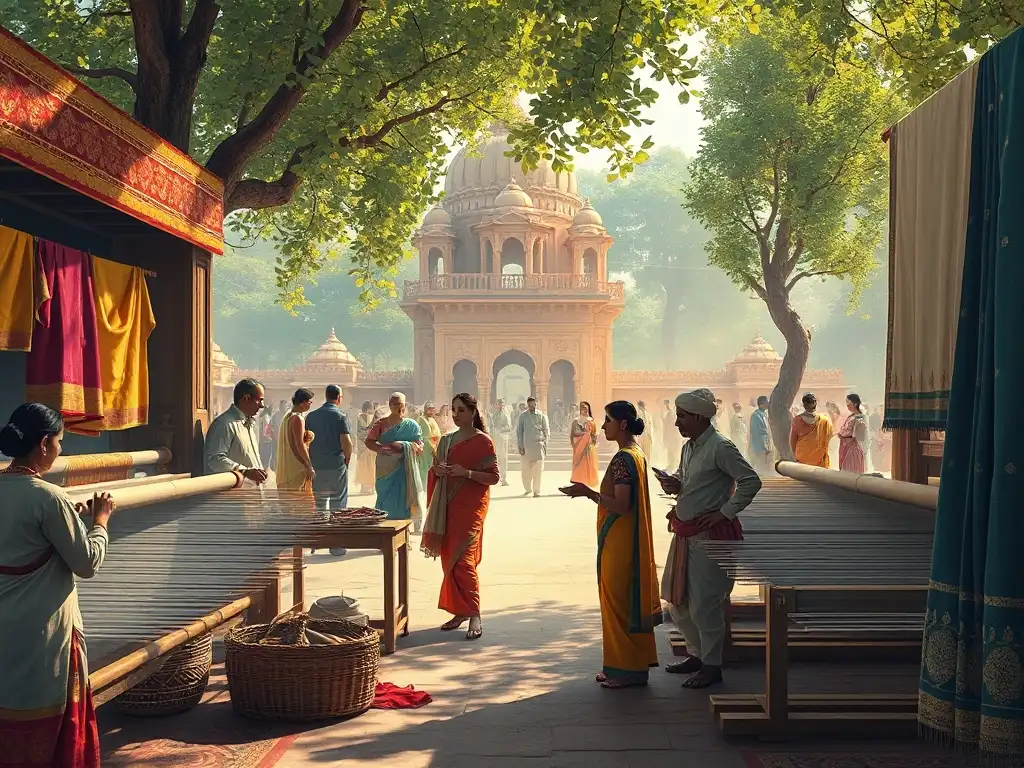
The textile artistry of the Gupta Empire, which flourished from approximately 320 to 550 CE, is a significant aspect of India's cultural heritage. During this period, textiles became a symbol of status and wealth, showcasing intricate craftsmanship and vivid designs. The legacy of Gupta textile artistry is preserved through various historical texts, archaeological findings, and surviving artifacts, which provide insights into the advanced techniques and materials used in their production.
Craftsmen in the Gupta Empire employed a variety of methods, including weaving, dyeing, and embroidery, to create textiles that were not only functional but also aesthetically pleasing. The use of natural dyes extracted from local plants, minerals, and insects resulted in vibrant colors that have stood the test of time. Fabrics such as silk, cotton, and wool were commonly used, with silk being particularly prized for its luxurious quality.
Moreover, the artistic motifs and patterns prevalent in Gupta textiles often drew inspiration from nature, mythology, and daily life, reflecting the cultural and spiritual beliefs of the time. These textiles were not only utilized for clothing but also served ceremonial purposes and were integral to religious practices. As a result, the craftsmanship of this era continues to influence contemporary Indian textiles, ensuring that the legacy of Gupta textile artistry remains alive.
Modern Influence of Gupta Textile Techniques
The influence of Gupta textile techniques can be seen in various aspects of modern Indian textile practices. Contemporary artisans and designers often draw inspiration from the intricate patterns and vibrant color palettes that characterized Gupta textiles. Techniques such as handloom weaving and traditional dyeing methods are still employed, preserving the craftsmanship that dates back to this remarkable period.
Modern fashion designers frequently incorporate Gupta-inspired motifs and designs into their collections, blending ancient artistry with contemporary styles. This fusion not only highlights the rich heritage of Indian textiles but also promotes the revival of traditional craftsmanship in a modern context.
Additionally, exhibitions and fashion shows focusing on traditional Indian textiles showcase the enduring appeal of Gupta-era designs, attracting both national and international attention. The revival of techniques such as block printing and embroidery, which were prominent in Gupta textiles, reflects a growing appreciation for sustainable fashion practices that honor historical craftsmanship.
Institutions and Efforts in Reviving Ancient Textile Arts
Several institutions and organizations are dedicated to the revival and preservation of ancient textile arts, including those from the Gupta Empire. Craft development programs and workshops aim to educate new generations of artisans about age-old techniques, ensuring that the knowledge and skills are passed down through time.
Organizations like the National Institute of Fashion Technology (NIFT) and various NGOs actively work to promote traditional textile arts. They conduct research, provide training, and support artisans in marketing their products, thereby empowering local communities and fostering economic growth.
Additionally, government initiatives aimed at promoting handicrafts and traditional arts have led to increased recognition of Gupta-era textile artistry. These efforts include grants for artisans, establishing craft clusters, and organizing fairs that celebrate traditional textiles, allowing artisans to showcase their work and connect with consumers.
Conclusion: The Enduring Legacy of Gupta Empire Textile Artistry
The Gupta Empire's contribution to textile artistry is a testament to the sophistication and creativity of ancient Indian civilizations. The preservation of techniques, motifs, and materials from this era continues to influence modern textile arts and fashion. As artisans and designers draw upon the rich heritage of Gupta textiles, they not only celebrate their cultural roots but also contribute to the sustainability of traditional craftsmanship.
The ongoing efforts to revive and promote ancient textile arts ensure that the legacy of the Gupta Empire remains relevant in today’s fashion landscape. As we continue to explore the depths of ancient Indian artistry, it becomes clear that the Gupta Empire's textile artistry is not just a historical artifact but a living tradition that continues to inspire and shape contemporary practices.
References
The study of the Gupta Empire's contributions to textile artistry is enriched by a variety of scholarly sources and historical texts that provide insight into the techniques, materials, and cultural significance of textiles during this period. Below are some key references that have been instrumental in understanding the evolution and importance of textile artistry in the Gupta Empire:
- Historical Texts and Inscriptions
- Ancient Indian texts such as the Arthashastra by Kautilya provide important context on trade and the economic significance of textiles.
- Inscriptions from the Gupta period reveal details about the production and patronage of textiles, highlighting their role in society.
- Academic Journals
- Articles in journals such as the Indian Journal of History of Science often discuss the technological advancements in textile production during the Gupta Empire.
- Publications in the Journal of Indian Art History include analyses of specific textile artifacts and their cultural implications.
- Books
- "The Art and Architecture of the Indian Subcontinent" by J. C. Harle offers an extensive overview of how textiles were integrated into the broader artistic landscape of the Gupta period.
- "Textiles of India: The Saris, Stoles & Shawls" by R. M. Tiwari discusses various textile forms, focusing on their historical significance and aesthetic value during the Gupta Empire.
- Museum Collections
- Many museums, such as the National Museum in New Delhi and the Victoria and Albert Museum in London, hold collections of Gupta-era textiles. Catalogs and exhibition guides from these institutions provide valuable information on their origins, styles, and craftsmanship.
- Theses and Dissertations
- Graduate theses focusing on the Gupta Empire’s textile artistry often explore niche topics, such as dyeing techniques, weaving patterns, and the socio-economic impacts of textile trade.
- Online Resources and Databases
- Digital archives such as the Digital South Asia Library and Manuscript Heritage Collections include digitized texts and artifacts related to Gupta textiles, making them accessible for research and education.
These references collectively contribute to a comprehensive understanding of the Gupta Empire's textile artistry, illustrating its significance in the cultural and economic fabric of ancient India.
- Introduction to the Gupta Empire Textile Artistry
- The Evolution of Textile Artistry During the Gupta Period
- Key Features of Gupta Empire Textile Artistry
- Fashion Trends and Styles in the Gupta Empire
- The Role of Textile Artistry in Gupta Society
- Comparison of Gupta Textile Artistry with Other Ancient Civilizations
- Preservation and Legacy of Gupta Textile Artistry
- Conclusion: The Enduring Legacy of Gupta Empire Textile Artistry
- References
- What is the significance of the Gupta Empire in textile artistry?
- What types of textiles were produced during the Gupta Empire?
- How did the Gupta Empire contribute to the fashion industry?
- Were there any specific techniques unique to Gupta textile artistry?
- What impact did Gupta textile artistry have on later Indian cultures?
Frequently Asked Questions
What is the significance of the Gupta Empire in textile artistry?
The Gupta Empire is renowned for its advanced textile artistry, which included intricate designs and techniques that influenced subsequent generations of weavers and artists.
What types of textiles were produced during the Gupta Empire?
During the Gupta Empire, a variety of textiles such as cotton, silk, and wool were produced, showcasing vibrant colors and complex patterns that reflected the era's artistic sensibilities.
How did the Gupta Empire contribute to the fashion industry?
The fashion of the Gupta Empire was marked by the use of rich fabrics and ornate embellishments, setting trends that would impact styles in India and beyond for centuries.
Were there any specific techniques unique to Gupta textile artistry?
Yes, the Gupta artisans employed techniques like dyeing, weaving, and embroidery, which resulted in high-quality textiles that were both aesthetically pleasing and durable.
What impact did Gupta textile artistry have on later Indian cultures?
The textile artistry of the Gupta Empire laid the foundation for subsequent Indian textile traditions, influencing both local craftsmanship and trade with other cultures.
Final Reflection: The Enduring Legacy of Gupta Empire Textile Artistry
The Gupta Empire's textile artistry is not just a relic of the past but a vibrant thread woven into the fabric of contemporary culture. As we explore the intricate designs and techniques that flourished during this golden age, we recognize their profound influence on modern fashion and textile practices. The artistry of the Gupta period serves as a reminder that creativity knows no bounds and that the echoes of history continue to shape our present.
The impact of Gupta textile artistry resonates deeply within our cultural and social landscape today. From the vibrant patterns seen in contemporary fashion to the revival of traditional weaving techniques, the legacy of the Gupta Empire is alive and thriving. As we embrace these influences, we are reminded of the words of the renowned textile historian, Textiles are not just fabrics; they are the stories of our ancestors, woven into the very threads of our lives.
This observation highlights how the artistry of the past informs our identity and enriches our understanding of cultural heritage.
As we reflect on the Gupta Empire's contributions, let us take a moment to appreciate the artistry that surrounds us and consider how we can honor this legacy in our own lives. I invite you to explore the beauty of textiles, whether by supporting artisans, learning about sustainable practices, or integrating these rich traditions into your personal style. By doing so, we not only celebrate the craftsmanship of the past but also ensure that the spirit of the Gupta Empire's textile artistry continues to inspire future generations.
Unveil the Rich Heritage of Textile Artistry!
Thank you for diving into the fascinating world of the Gupta Empire's textile artistry and fashion. Your interest not only highlights the beauty of ancient craftsmanship but also connects you to a vibrant legacy waiting to be explored. Now, it’s time to take your appreciation further!
Here are a few actionable steps you can take to deepen your understanding and share this incredible heritage:
- Explore local museums or exhibitions showcasing ancient textiles to see history come alive.
- Consider creating or joining a discussion group focused on ancient arts and crafts, where you can share insights and ideas with fellow enthusiasts.
- Share this article with friends or on social media to spread awareness about the cultural significance of textile artistry in ancient India.
Which aspects of Gupta textile artistry resonate most with you, and how do you envision its influence on contemporary fashion today?