
How to Spot Quality in Indian Silk: A Buyer’s Checklist

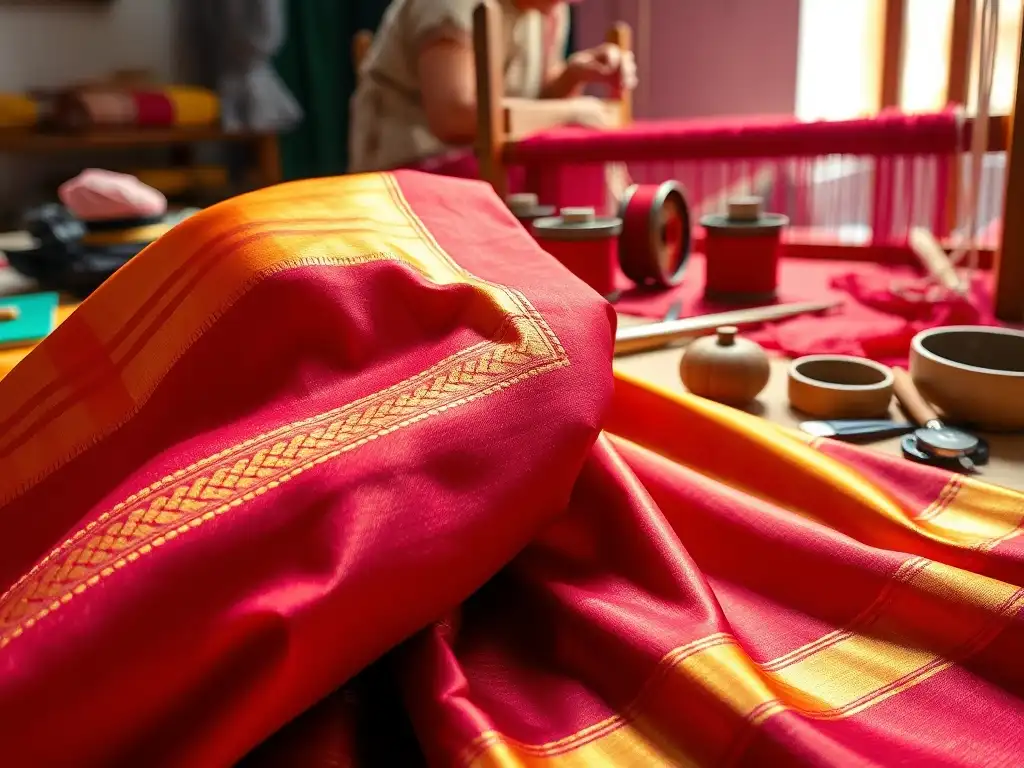
Welcome to Ancient India History, where we delve into the rich tapestry of India’s past, exploring its vibrant cultures and remarkable civilizations. In today’s feature, we uncover the fascinating world of Indian silk, revealing how to identify quality in this exquisite textile. Are you ready to elevate your understanding of this luxurious fabric and make informed purchases?
Join us as we guide you through the essential checklist for buying quality Indian silk, ensuring that you not only appreciate its beauty but also its historical significance. Dive in to discover the art and legacy behind one of India’s most celebrated treasures!
- Introduction to Buying Quality Indian Silk: Understanding Its Heritage and Value
- Identifying Authentic Indian Silk: Key Characteristics to Look For
- The Buying Process: A Step-by-Step Checklist for Quality Indian Silk
- Comparing Prices: What to Expect When Buying Quality Indian Silk
- Maintenance and Care Tips for Quality Indian Silk
- Conclusion: Making Informed Decisions When Buying Quality Indian Silk
- Additional Resources for Buyers of Indian Silk
- Frequently Asked Questions
- Final Reflection: Embracing the Art of Buying Quality Indian Silk
- Unlock the Secrets of Quality Indian Silk!
Introduction to Buying Quality Indian Silk: Understanding Its Heritage and Value
When it comes to the world of textiles, few materials evoke as much admiration and allure as Indian silk. Renowned for its luxurious texture and vibrant colors, silk has a rich history that dates back thousands of years in India. From the ancient looms of the Indus Valley Civilization to the opulent garments of the Mughal Empire, silk has woven itself into the very fabric of Indian culture and society.
Understanding the nuances of buying quality Indian silk is essential for anyone looking to appreciate its beauty while ensuring authenticity in their purchases. This guide will provide you with the necessary insights to navigate the intricate world of Indian silk, empowering you to make informed decisions that honor both the craftsmanship and heritage behind this exquisite material.
The Significance of Indian Silk in Ancient Culture
The history of silk production in India can be traced back to ancient times, with evidence suggesting that silk was being woven as far back as 3000 BCE. Indian silk is not just a textile; it embodies the cultural and artistic expressions of various civilizations throughout history.
- Cultural Importance: Silk played a crucial role in the trade routes, especially along the Silk Road, connecting India with various cultures and economies. This exchange not only facilitated commerce but also enriched cultural exchanges that shaped regional identities.
- Religious Significance: In ancient India, silk was often associated with wealth and status. It was used in religious ceremonies, royal garments, and as offerings, highlighting its importance in spiritual and societal contexts.
- Artistic Expression: The intricate patterns and designs found in Indian silk, such as those from Varanasi, Kanchipuram, and Mysore, showcase traditional craftsmanship. Each region has its distinctive styles, often depicting mythological themes and natural motifs, making Indian silk a canvas of artistic expression.
Why Quality Matters in Silk Buying Decisions
When purchasing Indian silk, understanding the quality is paramount. The quality of silk not only affects its appearance and durability but also its overall value. Here are some key factors to consider:
- Types of Silk: Different types of silk, such as Mulberry, Tussar, and Eri, offer varying textures and qualities. Mulberry silk, sourced from silkworms fed on mulberry leaves, is the most common and known for its softness and sheen, making it a top choice for high-quality garments.
- Weaving Techniques: The method of weaving can significantly influence the silk's quality. Traditional handwoven silks often exhibit superior craftsmanship compared to machine-made varieties. Look for fine weaves and intricate patterns that signify a higher level of skill.
- Dyeing Process: The dyeing techniques used can also impact the quality of silk. Natural dyes are generally preferred, as they tend to be more vibrant and eco-friendly compared to synthetic alternatives. Always inquire about the dyeing methods to ensure you are buying a sustainable product.
- Weight and Feel: Quality silk feels luxurious to the touch. A heavier fabric usually indicates a denser weave, which contributes to the silk's durability. Lightweight silks may be more delicate and should be handled with care.
By understanding these aspects, you can ensure that your investment in Indian silk not only supports traditional artisans but also provides you with a timeless piece that resonates with the rich history of Indian craftsmanship.
Identifying Authentic Indian Silk: Key Characteristics to Look For
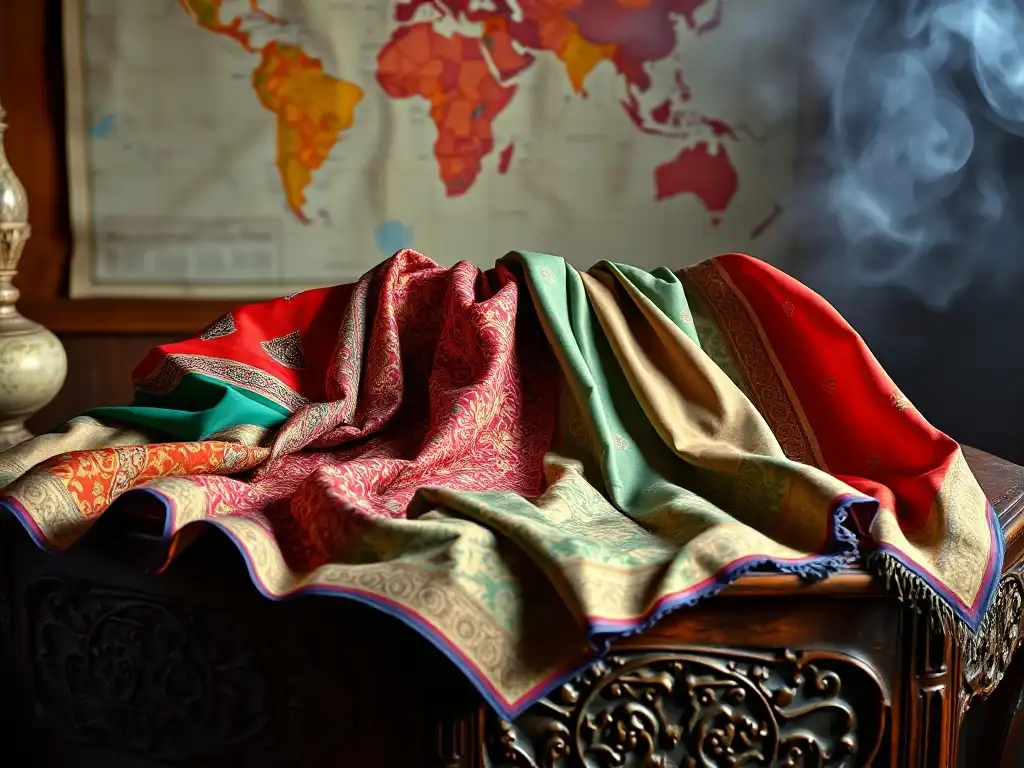
When it comes to purchasing quality Indian silk, understanding how to identify its authenticity is crucial. Authentic Indian silk is renowned for its exquisite craftsmanship and rich heritage, making it a highly sought-after textile. Here are key characteristics to help you distinguish genuine silk from imitations:
- Fiber Composition: Authentic Indian silk is made from natural silk fibers produced by silkworms, primarily the Bombyx mori species. These fibers are soft, lustrous, and exhibit a unique sheen. In contrast, synthetic fibers like polyester or nylon lack the natural qualities of silk.
- Luster and Shine: Genuine silk has a characteristic shine that reflects light beautifully. When you hold silk fabric up to the light, it should shimmer without appearing oily or overly glossy, which is often the case with synthetic blends.
- Burn Test: If feasible, conduct a burn test on a small thread from the fabric. Genuine silk will burn slowly, producing a smell similar to burnt hair, while synthetic fibers will melt and emit a chemical odor.
- Price Point: Quality Indian silk can be more expensive due to the labor-intensive production process and the use of natural materials. If the price seems too good to be true, it might be a red flag regarding authenticity.
Natural Fibers vs. Synthetic Fibers: The Core Difference
Understanding the fundamental differences between natural and synthetic fibers is essential when buying quality Indian silk. Here’s a breakdown:
- Natural Fibers:
- Origin: Sourced from nature, such as plants or animals.
- Breathability: Natural silk fibers allow for better airflow, providing comfort in varying temperatures.
- Biodegradability: As organic materials, they decompose naturally, making them environmentally friendly.
- Synthetic Fibers:
- Manufacturing: Created through chemical processes, often derived from petroleum products.
- Durability: While synthetic fibers can be more durable, they lack the softness and unique luster of silk.
- Care Requirements: Synthetic fabrics may require different washing methods and may not drape as elegantly as silk.
Always prioritize natural fibers when aiming for high-quality Indian silk.
The Feel and Texture: How to Assess Quality by Touch
The tactile experience of silk is one of its most defining features. Here’s how to assess the quality of Indian silk through touch:
- Smoothness: Authentic silk should feel smooth against the skin. Run your fingers across the fabric; it should glide effortlessly without snagging.
- Softness: Quality silk tends to be softer than synthetic alternatives. An authentic piece will feel luxurious and gentle, making it comfortable to wear or use.
- Temperature Regulation: Genuine silk maintains a comfortable temperature, feeling cool in warm weather and warm in cooler conditions. Test this by placing the fabric on your skin to gauge how it feels.
- Thickness and Density: Quality silk should have a certain heft to it, without being too heavy. The density contributes to its luxurious appearance and drape.
Weight and Drape: Understanding the Importance of Silk Weight
The weight and drape of Indian silk are critical indicators of its quality. Here’s what you need to know:
- Silk Weight: Silk is categorized into different weights, typically measured in grams per square meter (GSM). Lighter silks (around 50-80 GSM) are ideal for summer wear, while heavier silks (over 100 GSM) are suitable for garments that require structure, such as sarees.
- Drape Quality: The way silk falls and flows is essential in determining its quality. High-quality silk drapes beautifully, creating graceful folds and movement. Hold the fabric up and let it fall; it should cascade elegantly without stiffness.
- Use Cases: Consider what you intend to use the silk for. For garments, a lighter drape may be preferable, while for upholstery or structured pieces, a heavier silk might be ideal.
Understanding silk weight and drape can significantly enhance your ability to choose the right quality Indian silk for your needs.
When it comes to identifying authentic Indian silk, one of the most noticeable characteristics is its luster and shine. Premium Indian silk is known for its rich, vibrant sheen that can elevate any garment or textile. Here's what to look for:
- Natural Brilliance: High-quality silk has a natural luminosity that reflects light beautifully, giving it a soft glow. This shine is often described as a subtle glow that changes depending on the angle of light, which is a sign of the silk's quality. Avoid silks that appear overly shiny or plasticky, as this often indicates synthetic blends.
- Color Depth: The luster of silk enhances the depth and richness of its colors. Authentic Indian silk, especially those dyed using traditional methods, showcases vibrant hues that are both vivid and deep. Look for colors that seem to have multiple shades or tones, as this depth is a hallmark of quality silk.
- Smooth Texture: The surface of premium silk should feel smooth and soft to the touch. Run your fingers over the fabric; it should glide effortlessly, without any rough spots. The luster is complemented by a silky texture that feels luxurious against the skin.
- Consistency: Authentic silk exhibits a consistent sheen across the entire fabric. Variations in luster can indicate poor quality or improper dyeing processes. Check for any dull patches or inconsistencies that might suggest the fabric is not of premium quality.
- Light Test: A simple test to evaluate the luster of silk involves holding it up to a light source. High-quality silk will allow light to pass through it gently, creating a soft, diffused glow. If the fabric is too opaque or reflects light harshly, it may not be authentic silk.
When buying quality Indian silk, the luster and shine are critical indicators of its authenticity and quality. A fabric that possesses a natural glow, rich color depth, smooth texture, consistent sheen, and a gentle ability to diffuse light is likely to be a premium selection.
The Buying Process: A Step-by-Step Checklist for Quality Indian Silk
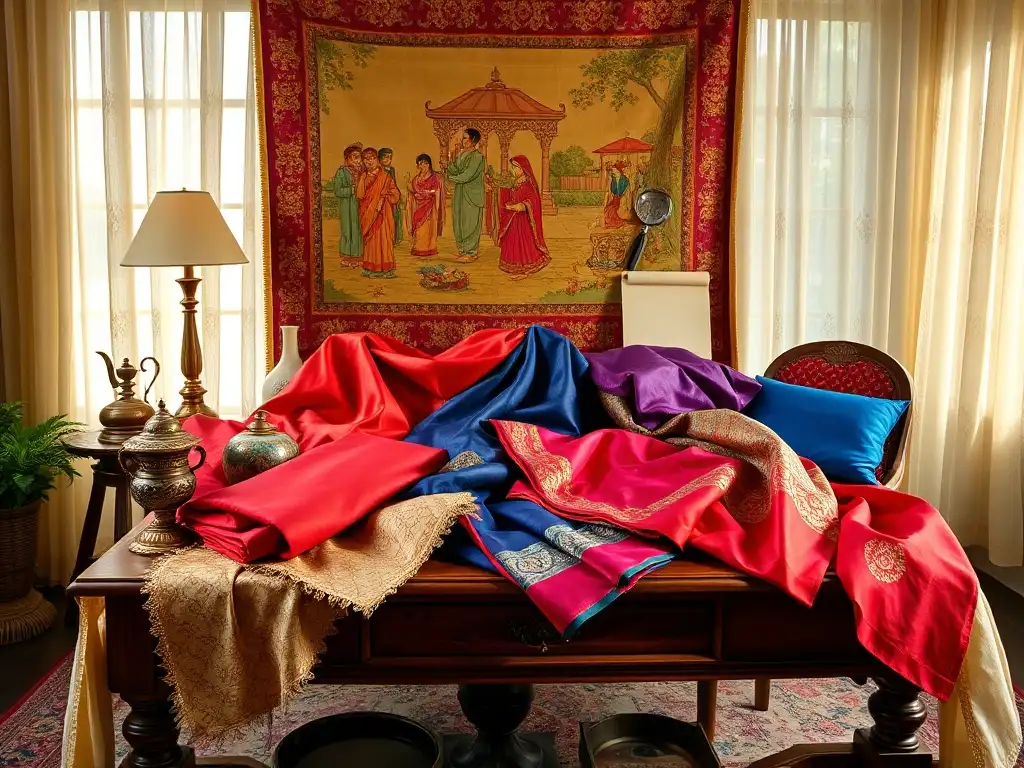
Step 1: Researching Reputable Sellers of Indian Silk
When embarking on the journey of buying quality Indian silk, the first step is to identify reputable sellers. This process ensures that you invest in authentic silk, rather than imitations or inferior products. Here are two primary avenues to consider:
Online vs. Offline: Where to Find Authentic Sources
- Online Sources:
- E-commerce Platforms: Websites like Amazon and Flipkart often have dedicated sections for Indian silk. Look for sellers with high ratings and positive reviews.
- Specialty Websites: Brands focusing specifically on Indian textiles, such as Fabindia or Jaypore, provide a curated selection of authentic Indian silk.
- Social Media: Platforms like Instagram and Facebook can help discover artisans and small businesses. Look for accounts with a strong following and customer testimonials.
- Offline Sources:
- Local Handloom Stores: Visiting local stores in regions known for silk production (e.g., Varanasi for Banarasi silk) allows you to feel the fabric and assess its quality firsthand.
- Textile Exhibitions: Events such as the India International Trade Fair feature a variety of silk vendors, providing a unique opportunity to compare and contrast different offerings.
Recommended Brands and Retailers for Quality Indian Silk
To make the search easier, here are some well-regarded brands and retailers known for their quality Indian silk:
- Nalli Silk Sarees: Renowned for their traditional Kanjivaram silk sarees, Nalli has a legacy of quality that dates back to 1928.
- Saree Mandir: Offers a wide range of silk sarees, including Banarasi and Kanjivaram, with a focus on authentic craftsmanship.
- Taneira: A brand by Titan, Taneira specializes in handwoven silk sarees, promoting artisans and sustainable practices.
- Kankatala: Well-known for its vast collection of traditional and contemporary silk sarees, particularly from Andhra Pradesh.
Step 2: Examining Fabric Composition and Certifications
Once you have identified potential sellers, the next step is to assess the quality of the silk itself. This involves examining the fabric composition and understanding relevant certifications.
Understanding Different Types of Indian Silk (e.g., Banarasi, Kanjivaram)
- Banarasi Silk: Originating from Varanasi, this silk is characterized by intricate designs and gold or silver brocade work. It's often heavy and luxurious, making it ideal for special occasions.
- Kanjivaram Silk: From Tamil Nadu, Kanjivaram silk sarees are known for their vibrant colors and bold designs. The silk is woven with contrasting borders and is famous for its durability.
- Mysore Silk: Soft and lightweight, Mysore silk is perfect for those who prefer a more understated elegance. The fabric is often used for both sarees and dupattas.
- Tussar Silk: Known for its rich texture and natural golden sheen, Tussar silk is produced from wild silk and is often used in contemporary fashion.
Certifications to Look For: Geographical Indications (GI)
To guarantee the authenticity of the silk, it's crucial to check for certifications, particularly Geographical Indications (GI). These markers ensure that the silk is produced in a specific region using traditional methods. Some notable GI certifications for Indian silk include:
- Banarasi Silk: This certification protects the integrity of Banarasi silk production to prevent imitation.
- Kanjivaram Silk: The GI tag for Kanjivaram silk ensures that only silk produced in Kanchipuram can be labeled as such.
- Mysore Silk: The Mysore silk mark guarantees that the product is made from authentic Mysore silk, upholding the region’s craftsmanship.
By following this checklist and understanding the nuances of Indian silk, buyers can confidently navigate the market and make informed purchasing decisions.
Step 3: Inspecting Weaving Techniques and Patterns
When buying quality Indian silk, understanding the weaving techniques and patterns can significantly enhance your ability to make an informed purchase. The intricate craftsmanship involved in silk weaving not only influences the fabric's aesthetic appeal but also its durability and value. This step requires a keen eye to discern the nuances between various weaving styles, which are often rooted in the rich cultural heritage of different regions in India.
Common Techniques in Indian Silk Production (e.g., Jacquard, Brocade)
Indian silk production employs several traditional weaving techniques, each with its unique characteristics and historical significance. Here are a few common techniques:
- Jacquard: This technique uses a special loom to create complex patterns, allowing for intricate designs that can include floral motifs, geometric shapes, and paisley patterns. Jacquard silk is known for its rich texture and detailed craftsmanship, making it a popular choice for sarees and other garments.
- Brocade: Brocade is a luxurious fabric characterized by its raised patterns, often intertwined with gold or silver threads. This technique is traditionally used in ceremonial and festive apparel, showcasing the splendor of Indian silk. The brocade's opulent appearance makes it a sought-after choice for weddings and special occasions.
- Kanjivaram: Originating from Tamil Nadu, Kanjivaram silk is renowned for its heavy weight and vibrant colors. The weaving technique involves using multiple threads and intricate motifs, often depicting temple designs and nature.
- Baluchari: Hailing from West Bengal, this technique is distinguished by its storytelling motifs woven into the fabric. The designs often depict scenes from Hindu mythology and are typically used in sarees.
Understanding these techniques can help you gauge the quality and authenticity of the silk you intend to purchase.
How to Spot Handwoven vs. Machine-Made Silk
Differentiating between handwoven and machine-made silk is crucial for ensuring the authenticity and quality of your purchase. Here are some key indicators to help you identify handwoven silk:
- Texture and Feel: Handwoven silk typically has a more textured and uneven feel due to the manual weaving process. Conversely, machine-made silk tends to have a smoother and more uniform surface.
- Selvage Edge: A handwoven piece will often feature a more pronounced selvage edge, which is the finished edge of the fabric. This edge may display slight irregularities, indicating the handmade nature of the product.
- Design Variations: Handwoven silk can exhibit minor variations in patterns and colors, showcasing the artisan's craftsmanship. Machine-made silk, however, will display consistent patterns and colors throughout.
- Labeling: Look for labels that indicate the silk is handwoven or made using traditional techniques. Authentic artisans often provide information about their weaving process and the origin of the silk.
- Price Point: Handwoven silk typically commands a higher price due to the labor-intensive process and quality of craftsmanship involved. If the price seems too good to be true, it may be an indication of machine-made silk.
By carefully inspecting these elements, you can confidently determine the quality of Indian silk and make a purchase that reflects the rich heritage and artistry of this exquisite fabric.
Comparing Prices: What to Expect When Buying Quality Indian Silk
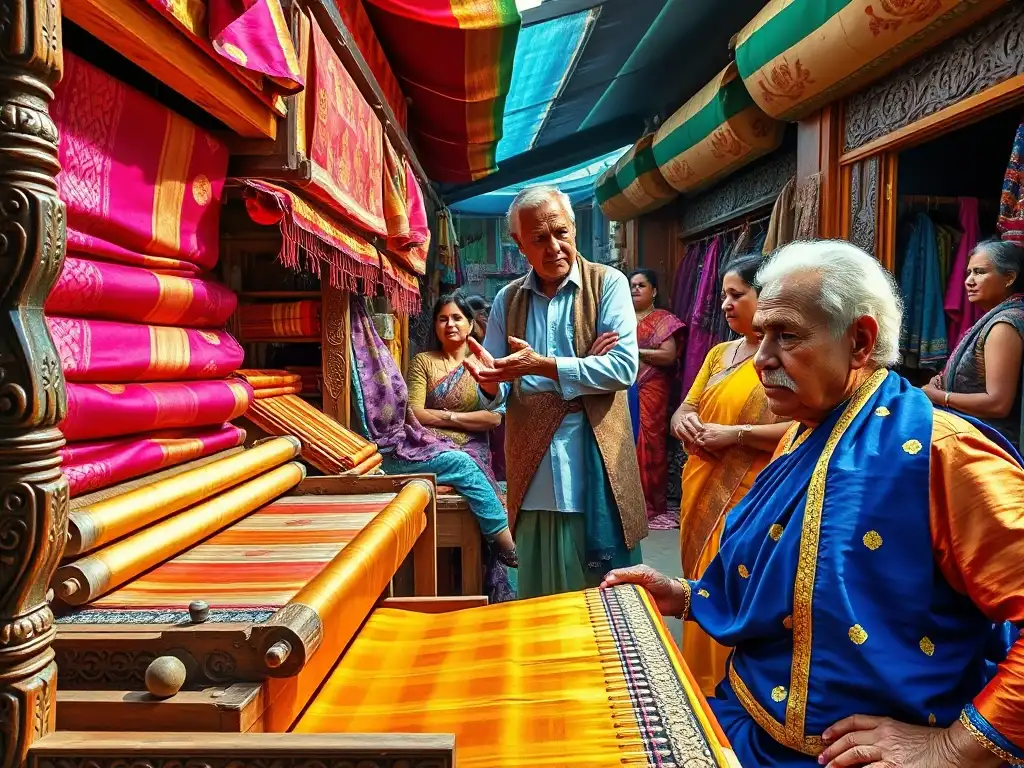
When it comes to buying quality Indian silk, understanding the price ranges and what influences those prices is crucial for making an informed purchase. Indian silk is renowned for its richness, luster, and intricate craftsmanship, but prices can vary significantly depending on various factors. Here, we'll delve into the expected price ranges, the elements that affect costs, and how to spot potential red flags when assessing silk products.
Price Ranges for Different Types of Indian Silk
Indian silk comes in several varieties, each with its own unique characteristics and price points. Here are the primary types of Indian silk and their respective price ranges:
| Type of Silk | Price Range (per meter) | Description |
|---|---|---|
| Mulberry Silk | $15 - $50 | The most common type of silk, known for its smooth texture and sheen. |
| Tussar Silk | $20 - $80 | Wild silk that has a natural golden hue, often used for traditional wear. |
| Muga Silk | $30 - $100 | A rare silk from Assam, characterized by its durability and rich color. |
| Banarasi Silk | $50 - $200 | Luxurious silk woven with intricate designs, often used for bridal sarees. |
| Kanchipuram Silk | $60 - $250 | South Indian silk known for its vibrant colors and heavy zari work. |
These price ranges can fluctuate based on factors such as quality, craftsmanship, and market demand. It's essential to compare prices across different vendors to ensure you're getting a fair deal.
Factors Influencing the Cost of Indian Silk Fabrics
Several factors can impact the cost of Indian silk. Understanding these can help you gauge whether the price of a particular piece is justified:
- Quality of Raw Material: The grade of silk fibers used plays a significant role. Higher quality silks like Mulberry or Muga tend to be more expensive.
- Weaving Technique: Traditional handloom techniques often require skilled artisans and more time, resulting in higher costs compared to machine-made silk.
- Design Complexity: Intricate patterns, embroidery, or zari work significantly increase the price. For example, Banarasi silk sarees are renowned for their elaborate designs, making them more costly.
- Brand Reputation: Established brands with a reputation for quality may charge more due to their reliability and craftsmanship.
- Geographical Origin: Certain regions, such as Varanasi for Banarasi silk or Kanchipuram for Kanchipuram silk, are known for specific silk types, influencing their prices based on local craftsmanship and availability.
How to Identify Overpriced Products: Red Flags to Watch Out For
When purchasing Indian silk, it's essential to be vigilant and recognize potential red flags that indicate overpriced items. Here are some tips to help you avoid overpaying:
- Inconsistent Pricing: If the price of a silk item seems significantly higher or lower than comparable products, it may be a cause for concern.
- Lack of Authenticity Tags: Genuine silk products should come with authenticity tags or certification. Absence of these can indicate a lack of quality.
- Poor Craftsmanship: Check for loose threads, uneven edges, or lack of detail in patterns. Quality silk should exhibit meticulous craftsmanship.
- Skeptical Vendor Claims: Be wary of vendors making extravagant claims about their products without any verifiable proof or customer reviews.
- No Return Policy: A reputable seller should have a clear return policy. If a seller does not offer this, it may indicate that they are not confident in their product's quality.
By keeping these factors in mind, you can better navigate the world of buying quality Indian silk and ensure that your investment is worthwhile.
Maintenance and Care Tips for Quality Indian Silk
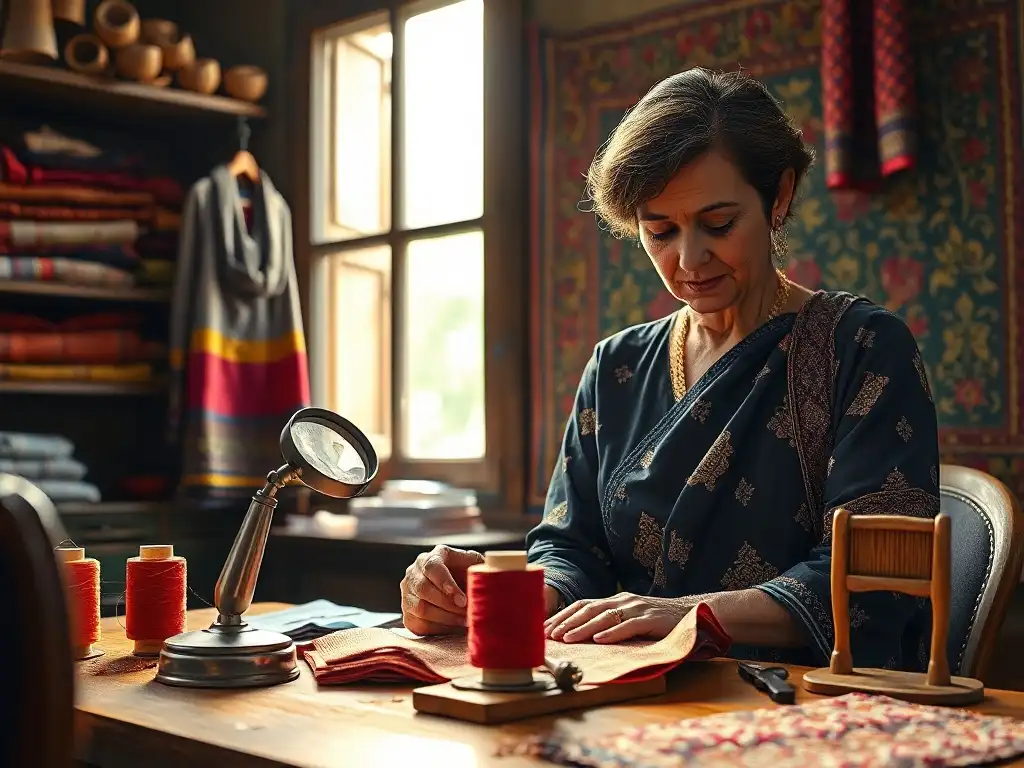
Maintaining and caring for Indian silk is essential to preserve its beauty and longevity. Proper care not only enhances the lifespan of your silk garments but also ensures that the vibrant colors and intricate designs remain intact. Here are some expert tips to help you maintain the quality of your Indian silk.
Proper Washing Techniques: Preserve the Elegance of Your Silk
When it comes to washing Indian silk, caution is paramount. Here are the recommended techniques to ensure your silk retains its luxurious feel:
- Hand Washing:
- Fill a basin with lukewarm water. Avoid hot water as it can damage the fibers.
- Add a mild detergent specifically designed for silk or delicate fabrics.
- Gently submerge the silk item, avoiding any vigorous rubbing or wringing.
- Soak for a few minutes and then rinse thoroughly with cold water to remove all detergent.
- Machine Washing:
- If you choose machine washing, always use a gentle cycle with cold water.
- Place the silk item inside a mesh laundry bag to prevent tangling or snagging.
- Use a mild silk detergent and avoid bleach or fabric softeners.
- Drying:
- After washing, do not wring out the silk. Instead, lay it flat on a clean, dry towel and roll it gently to absorb excess water.
- Air dry the silk away from direct sunlight, as UV rays can fade colors and weaken fibers.
- Ironing:
- If ironing is necessary, always use the lowest heat setting on your iron.
- Place a thin cloth over the silk to protect it from direct heat.
- Steam ironing is preferable, as it helps to smooth out wrinkles without direct contact.
Storing Indian Silk: Best Practices to Prevent Damage
Proper storage is crucial to maintaining the integrity of your Indian silk garments. Here are some best practices to ensure they remain in pristine condition:
- Choose the Right Environment:
- Store silk in a cool, dry place. Avoid areas with high humidity, as moisture can lead to mold and mildew.
- Ensure the storage area is well-ventilated to prevent any musty odors.
- Use Appropriate Storage Materials:
- Opt for cotton or muslin bags for storing silk garments. Avoid plastic, as it can trap moisture and cause damage.
- Avoid hangers with sharp edges that can snag the fabric. Instead, fold silk items carefully.
- Avoid Direct Sunlight:
- Keep silk garments away from direct sunlight to prevent fading and degradation of fibers.
- Consider using dark storage boxes or drawer organizers to shield the fabric from light exposure.
- Regular Checks:
- Periodically check your stored silk for any signs of damage or pests.
- Air out your silk garments every few months to prevent any musty odors and to keep the fabric fresh.
By following these maintenance and care tips, you can ensure that your quality Indian silk remains a treasured part of your wardrobe for years to come.
Conclusion: Making Informed Decisions When Buying Quality Indian Silk
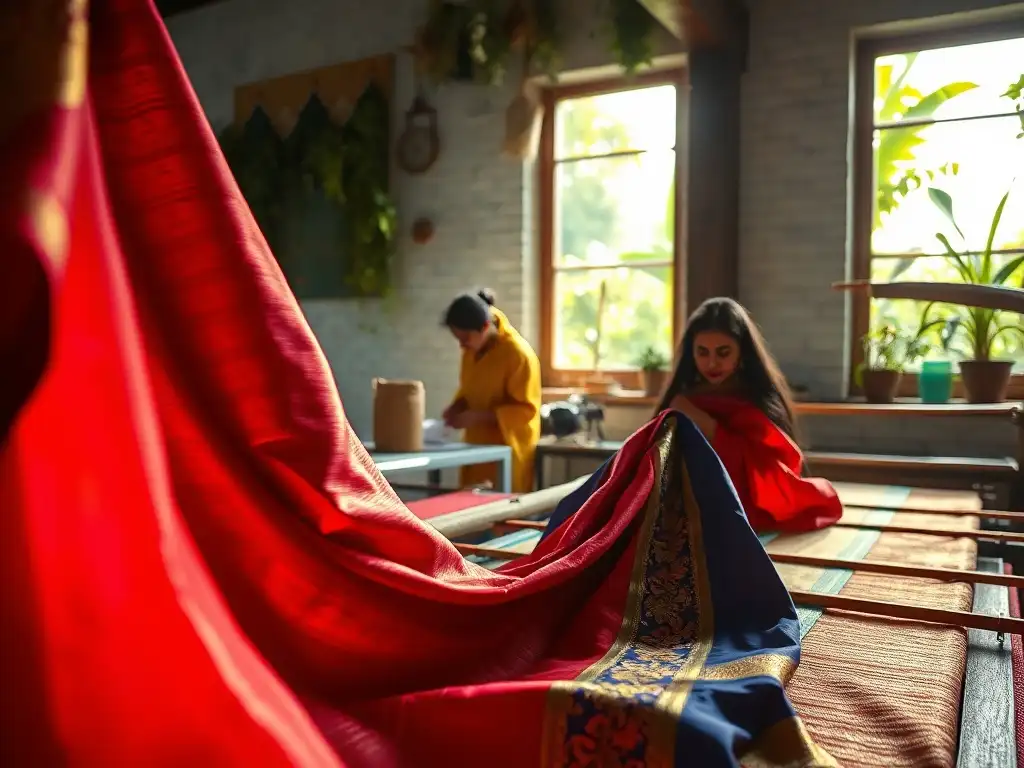
When embarking on the journey of buying quality Indian silk, it's paramount to approach the process with a well-informed mindset. The rich tapestry of Indian silk production has been woven over centuries, and understanding its intricacies can significantly enhance your purchasing experience.
Recap of Key Points in the Buying Process
To summarize, here are the essential points to consider when buying quality Indian silk:
- Know Your Types: Familiarize yourself with various types of Indian silk, including Mulberry, Tussar, Muga, and Eri. Each has unique qualities and uses.
- Examine the Weave: Look for the finest weaves. A higher thread count typically indicates better quality. Pay attention to the smoothness and luminosity of the fabric.
- Feel the Texture: Quality silk should feel luxurious and soft to the touch. It should have a certain weight, indicative of authenticity.
- Check for Irregularities: Authentic silk may have slight irregularities due to its natural fibers. However, excessive flaws could indicate lower quality or synthetic blends.
- Look for Labels: Ensure that the silk is labeled correctly. Authentic Indian silk should come with certification from Silk Mark or similar, ensuring it is genuine.
By keeping these key points in mind, you can navigate the market more confidently and make informed decisions regarding your silk purchases.
Encouragement to Explore the Richness of Indian Silk and Culture
Indian silk is not just a fabric; it is a symbol of heritage, craftsmanship, and cultural history. Each piece of silk tells a story—of the artisans who weave it, the traditions that shape it, and the regions that produce it. As you explore the world of Indian silk, take the time to appreciate the diverse techniques and regional variations that make each type of silk unique.
Whether you are purchasing a stunning silk saree for a special occasion or a delicate silk scarf for everyday wear, remember that you are engaging with centuries of tradition. By choosing quality Indian silk, you not only invest in a beautiful product but also support the artisans and communities that keep this rich cultural heritage alive. Embrace the beauty and diversity of Indian silk, and let it become a cherished part of your wardrobe and an expression of your appreciation for ancient Indian craftsmanship.
Additional Resources for Buyers of Indian Silk
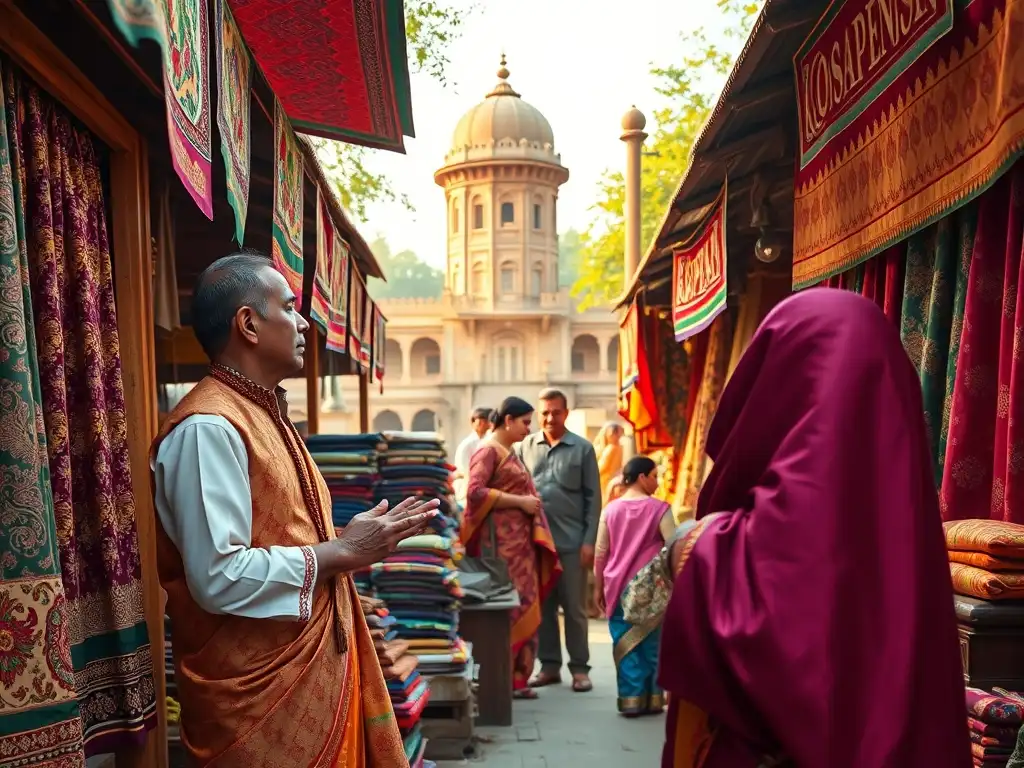
Recommended Books and Online Courses on Indian Textile History
For those looking to deepen their understanding of Indian silk and its rich history, several resources can provide valuable insights. Here is a curated list of recommended books and online courses:
Books
- "Silk Weaving in India" by R. B. Ramesh
- This book delves into the intricate techniques of silk weaving, highlighting various regional styles and traditions across India.
- "The Fabric of Our Lives: An Overview of Indian Textiles" by Aditi Ranjan
- A comprehensive guide that covers the history, cultural significance, and production processes of Indian textiles, including silk.
- "The Art of Indian Textiles" by Rajesh Kumar
- Focused on the artistic aspects, this book explores the aesthetic value of Indian textiles, including detailed illustrations of silk patterns and weaves.
Online Courses
- Coursera: "Textile History: From Antiquity to the 21st Century"
- This course offers a broad overview of textile development, including modules specifically on Indian silk traditions.
- Udemy: "Indian Textiles: History and Heritage"
- A specialized course that covers various aspects of Indian textiles, with a particular focus on silk, its varieties, and cultural importance.
These resources not only enrich your knowledge but also equip you with the necessary background to make informed decisions when buying quality Indian silk.
Links to Trusted E-commerce Sites for Quality Indian Silk Purchases
When purchasing Indian silk, it is crucial to rely on reputable e-commerce platforms known for their quality products. Here are some trusted sites that specialize in authentic Indian silk:
-
Taj Cotton
A well-known platform offering a wide range of silk products, including sarees, stoles, and dupattas, sourced directly from artisans.
-
FabIndia
This site features traditional Indian silk garments and home textiles, ensuring ethical sourcing and high-quality craftsmanship.
-
Amazon India
With a vast selection of silk products, Amazon India provides customer reviews and ratings that can help assess product quality before making a purchase.
-
Craftsvilla
Specializing in handmade and artisanal products, Craftsvilla offers a variety of authentic silk items crafted by local artisans.
-
Jabong
This fashion-centric e-commerce site provides a curated collection of modern silk garments, blending traditional aesthetics with contemporary styles.
By utilizing these trusted e-commerce platforms, you can confidently explore the diverse offerings of quality Indian silk, ensuring a satisfying and authentic buying experience.
Frequently Asked Questions
What are the key characteristics of quality Indian silk?
Quality Indian silk is known for its smooth texture, luster, and durability. Look for a silk fabric that feels soft to the touch and has a vibrant color that doesn’t fade easily.
How can I identify authentic silk when buying?
To identify authentic silk, conduct the burn test: a small piece of the fabric should burn quickly with a smell similar to burnt hair, and the ash should turn to powder. Additionally, check for a natural sheen and irregularities in the weave.
What is the difference between various types of Indian silk?
Different types of Indian silk, such as Mulberry, Tussar, and Eri, vary in texture, sheen, and appearance. Mulberry silk is the most common, known for its smoothness, while Tussar has a more textured finish.
Why is checking the thread count important in silk?
A higher thread count typically indicates a denser and more durable fabric. When buying silk, look for a thread count of at least 400, as this often signifies better quality and longevity.
Where can I find reputable sellers for Indian silk?
Look for sellers who specialize in traditional textiles or are certified by organizations such as the Silk Mark Organization of India. Online platforms with positive reviews and guarantees of authenticity are also good options.
Final Reflection: Embracing the Art of Buying Quality Indian Silk
In a world where fast fashion often overshadows craftsmanship, understanding how to spot quality in Indian silk is more relevant than ever. As consumers become increasingly conscious of their purchasing decisions, the ability to discern quality not only enhances our wardrobes but also supports artisans and sustainable practices. The intricate beauty of Indian silk is a testament to centuries of tradition and skill, making it essential for buyers to recognize its value in today's marketplace.
The influence of quality Indian silk extends beyond mere aesthetics; it embodies a rich cultural heritage that continues to shape our social landscape. By appreciating the craftsmanship behind each piece, we foster a deeper connection to the artisans who pour their heart and soul into their work. As Mahatma Gandhi once said, "> The best way to find yourself is to lose yourself in the service of others." This sentiment resonates profoundly in the context of buying silk, as each purchase can contribute to the livelihoods of those who create these exquisite textiles.
As you embark on your journey to purchase quality Indian silk, I invite you to reflect on the significance of your choices. Consider the stories woven into each thread and the impact your decisions have on the artisans' lives. Let this knowledge inspire you to not only seek quality but also to champion the art of craftsmanship in your everyday life. By doing so, you become a part of a larger narrative that values tradition, sustainability, and the beauty of handmade artistry.
Unlock the Secrets of Quality Indian Silk!
Thank you for exploring our guide on identifying quality in Indian silk. We hope you’ve gained valuable insights that empower your shopping journey! Now, it's time to put your newfound knowledge into action.
- Dive into your local market or explore online to find a reputable seller, equipped with your checklist.
- Share your silk shopping experiences with friends and family—your insights could help them make informed choices too!
- Consider joining a forum or community group focused on Indian textiles to connect with fellow enthusiasts and deepen your understanding.
What’s one key takeaway you discovered today that will transform your approach to shopping for silk?