
Preserving History: The Efforts to Save India's Traditional Textile Heritage

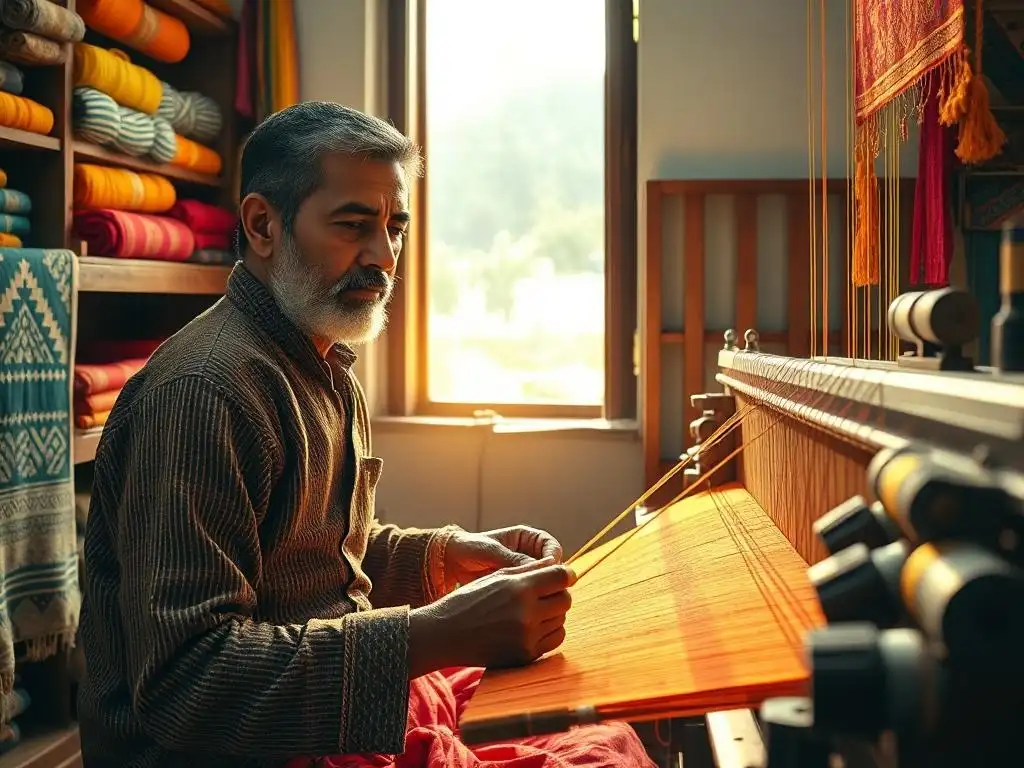
Welcome to Ancient India History, where we invite you to embark on a journey through the vibrant tapestry of India's past. As you explore the rich and diverse history, culture, and contributions of ancient Indian civilizations, you’ll uncover the fascinating story behind India traditional textile preservation. Our featured article, "Preserving History: The Efforts to Save India's Traditional Textile Heritage," reveals the intricate techniques and passionate endeavors that keep these age-old crafts alive.
Are you ready to delve into the colorful world of textiles that narrate tales of heritage and identity? Join us as we weave through the threads of time!
- Introduction to India Traditional Textile Preservation
- Historical Context of India's Traditional Textiles
- Challenges in India Traditional Textile Preservation
- Current Efforts to Preserve Traditional Textiles in India
- Innovative Approaches in India Traditional Textile Preservation
- The Role of Education in Textile Preservation
- Conclusion: The Future of India Traditional Textile Preservation
- Call to Action: Supporting India's Traditional Textiles
- Additional Resources for Further Reading
- Final Thoughts on the Importance of Preserving India’s Textile Heritage
-
Frequently Asked Questions
- What is the significance of India's traditional textile heritage?
- What challenges does India's traditional textile preservation face?
- How are organizations contributing to textile preservation in India?
- What role does education play in preserving textile traditions?
- How can individuals support the preservation of traditional textiles?
- Final Reflection: The Vital Importance of Preserving India's Textile Heritage
- Revive and Cherish India's Textile Heritage!
Introduction to India Traditional Textile Preservation
The textile heritage of India is a vibrant tapestry woven from centuries of tradition, craftsmanship, and cultural significance. From the intricate designs of handwoven saris to the rich textures of woolen shawls, India's traditional textiles are not merely fabric; they embody the stories, skills, and identities of various communities across the subcontinent. As globalization and industrialization pose threats to these age-old practices, preserving India's traditional textile heritage has become a critical endeavor for historians, artisans, and cultural enthusiasts alike.
Efforts to maintain these textile traditions involve a multi-faceted approach that includes reviving ancient techniques, promoting sustainable practices, and educating new generations about the significance of these crafts. This article delves into the importance of preserving textile heritage in India and provides an overview of the diverse textile traditions that contribute to the country's rich cultural fabric.
The Importance of Preserving Textile Heritage in India
Preserving textile heritage in India is of paramount importance for several reasons:
- Cultural Identity: Textiles serve as a medium for expressing the cultural identity of various regions. Each piece reflects the history, mythology, and social values of the communities that produce them. Safeguarding these textiles helps maintain the rich cultural diversity that characterizes India.
- Artisan Livelihoods: Many artisans and weavers depend on traditional textile practices for their livelihood. By supporting preservation efforts, we not only protect these crafts but also ensure the economic stability of these skilled workers.
- Sustainability: Traditional textile production methods often employ sustainable practices that are environmentally friendly. As modern fashion industries lean towards fast fashion, reviving these techniques can promote more sustainable consumption patterns.
- Historical Significance: Textiles can provide valuable insights into historical trade routes, societal structures, and cultural exchanges. Preserving these artifacts allows researchers to study and understand the past more comprehensively.
Overview of India's Diverse Textile Traditions
India boasts a rich array of textile traditions, each with its unique techniques, materials, and symbolism. Some notable examples include:
- Banarasi Silk: Known for its intricate designs and luxurious feel, Banarasi silk saris are a symbol of elegance and are often worn during weddings and festivals.
- Kanchipuram Silk: Hailing from Tamil Nadu, these vibrant saris are renowned for their durability and exquisite gold-thread work.
- Chanderi and Maheshwari: Originating from Madhya Pradesh, these lightweight cotton and silk fabrics are celebrated for their fine patterns and sheer quality.
- Woolen Textiles: In the northern regions, particularly in Kashmir, the tradition of handwoven pashmina shawls showcases the artistry of local weavers and the unique warmth of the wool.
- Bandhani and Leheriya: These tie-dye techniques from Rajasthan create stunning patterns and are often used in traditional garments like dupattas and turbans.
The preservation of India's traditional textile heritage is a vital endeavor that fosters cultural continuity, supports artisan communities, and promotes sustainable practices. As we explore the depths of this rich heritage, it is essential to recognize its significance not only for India but for the global community that values craftsmanship and cultural diversity.
Historical Context of India's Traditional Textiles
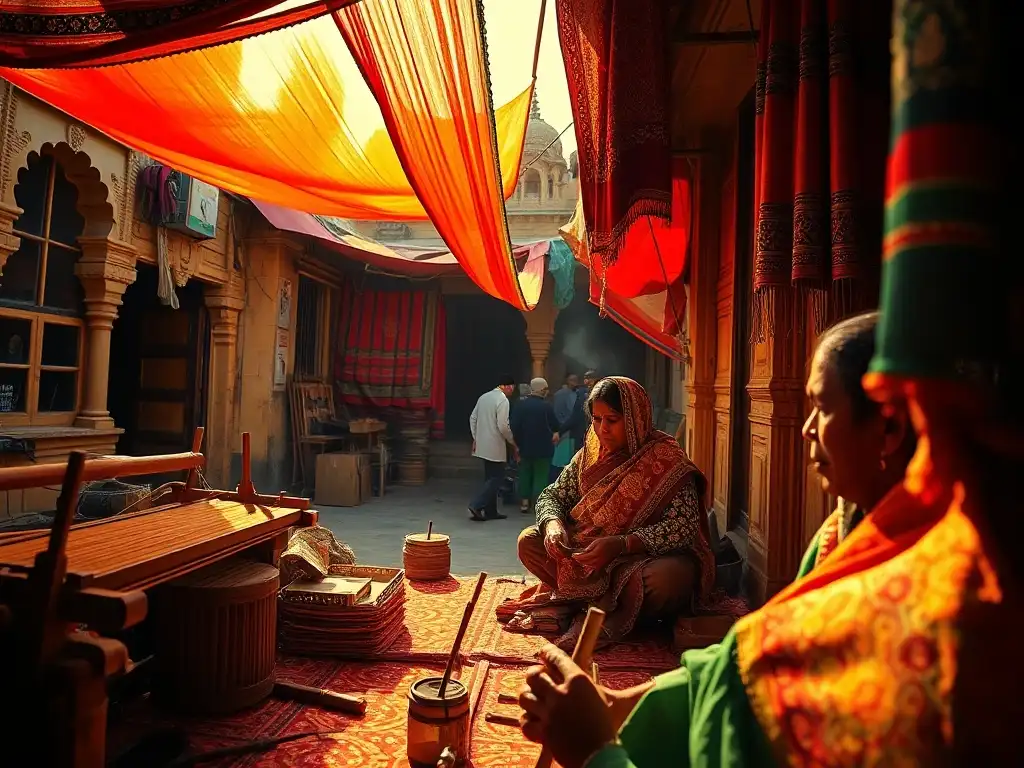
India's traditional textiles boast a history that spans thousands of years, deeply intertwined with the country's diverse cultures, religions, and economies. The roots of textile production in India can be traced back to the Indus Valley Civilization (circa 3300–1300 BCE), where archaeologists have discovered evidence of advanced weaving techniques and dyeing processes. These early innovations laid the groundwork for what would become a rich tapestry of textile craftsmanship.
Over the centuries, various dynasties and empires, such as the Maurya, Gupta, and Mughal, contributed to the evolution of textile art. Each era introduced unique styles, patterns, and techniques that reflected the socio-economic conditions and cultural preferences of the time. The Mughal dynasty, for example, is known for its luxurious silk fabrics adorned with intricate embroidery and rich colors, showcasing the synthesis of Persian and Indian aesthetics.
In addition to the royal patronage, the growth of trade routes—both overland and maritime—facilitated the exchange of textiles. Indian textiles were highly sought after in global markets, with regions such as Europe and the Middle East eagerly importing silk, cotton, and woolen fabrics. This trade not only enhanced the skills of Indian weavers but also inspired them to innovate further, leading to an impressive array of textile traditions.
Ancient Techniques and Materials Used in Textiles
The production of traditional textiles in India involved a variety of ancient techniques and materials that are still revered today. Two of the most significant materials used in textile production are cotton and silk, each with its own storied history.
- Cotton:
- Origins: Evidence suggests that cotton was cultivated in India as early as 5000 BCE.
- Techniques: Traditional methods of spinning, weaving, and dyeing have been passed down through generations. The spinning wheel, known as the "charkha," played a crucial role in transforming raw cotton into usable thread.
- Dyeing: Natural dyes from plants, minerals, and insects were commonly used, resulting in vibrant colors that are still admired in contemporary textiles.
- Silk:
- Sources: India is home to several indigenous silk-producing regions, including Varanasi, Mysore, and Assam.
- Weaving Techniques: The intricate weaving patterns, such as those found in Banarasi and Kanjivaram sarees, involve complex processes that often include the use of jacquard looms.
- Embroidery: Various regions developed unique embroidery styles, such as Zardozi and Chikankari, each adding richness and depth to silk textiles.
These materials and techniques not only illustrate the skill of Indian artisans but also highlight the importance of sustainability and local resources in traditional textile production.
The Influence of Different Civilizations on Indian Textiles
The evolution of Indian textiles has been significantly influenced by the interactions with various civilizations throughout history. Each external contact brought new ideas, techniques, and styles, enriching the traditional practices.
- Persian Influence: The arrival of Persian artisans during the Mughal era introduced intricate designs and motifs, such as paisleys and floral patterns, which are prevalent in Indian textiles today. The fusion of Persian and Indian styles led to the creation of distinctly Mughal textiles that were characterized by their opulence.
- European Colonial Impact: The British colonization of India in the 18th and 19th centuries had a profound effect on India's textile industry. While it led to the decline of traditional weaving practices due to the introduction of mechanized textile production, it also spurred a revival of interest in handloom fabrics as a symbol of resistance and cultural pride during the independence movement.
- Globalization and Modern Trends: In the contemporary era, globalization has further influenced Indian textiles. The amalgamation of global fashion trends with traditional textile practices has led to innovative designs, appealing to both local and international markets. Designers now often incorporate traditional motifs and techniques into modern apparel, ensuring that the rich heritage continues to thrive.
In conclusion, India traditional textile preservation requires an understanding of this historical context, allowing for the appreciation and safeguarding of techniques and materials that have withstood the test of time. By recognizing the influence of diverse civilizations, we can better appreciate the depth of India's textile heritage and the need for its preservation in the modern age.
Challenges in India Traditional Textile Preservation
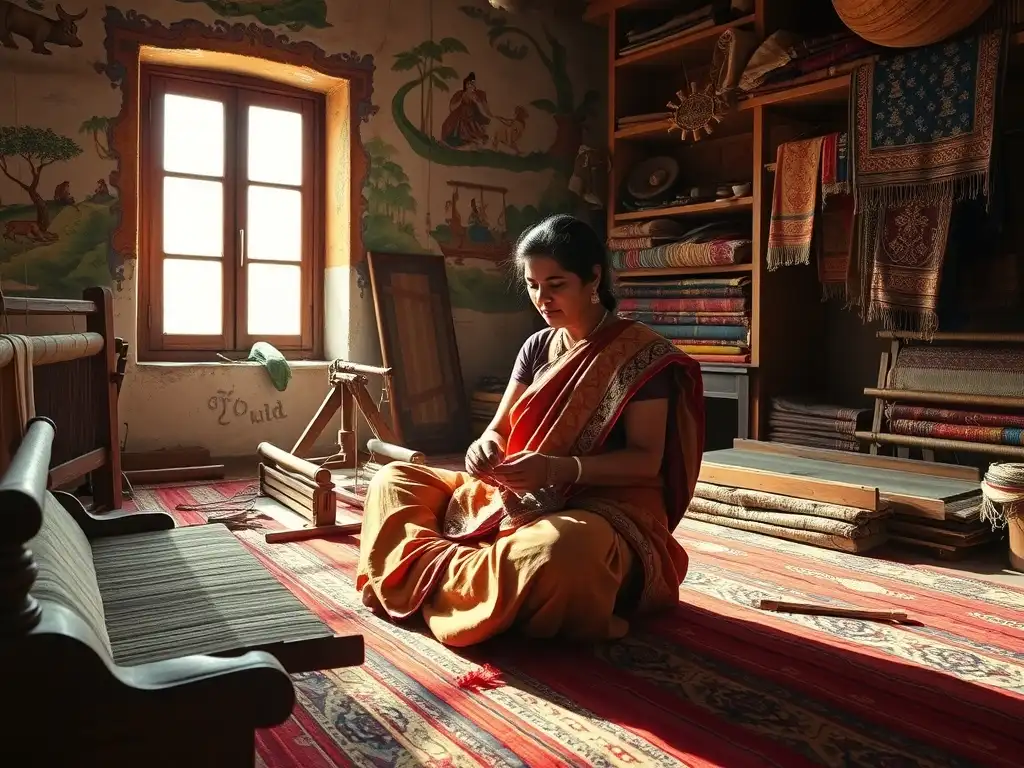
The preservation of India's traditional textiles faces numerous challenges that threaten the survival of these rich cultural expressions. From the impact of globalization to environmental factors and economic struggles faced by artisans, each aspect plays a crucial role in the current state of textile heritage. Understanding these challenges is essential for developing effective strategies to safeguard India's traditional textile legacy.
The Impact of Globalization on Traditional Crafts
Globalization has significantly altered the landscape of traditional crafts in India, introducing both opportunities and threats.
-
Market Competition
The influx of machine-made textiles has created intense competition for handloom and artisanal products. Consumers often prefer cheaper, mass-produced options, leading to declining demand for traditional textiles. This has resulted in many artisans struggling to maintain their livelihoods.
-
Cultural Homogenization
The spread of global fashion trends has led to a homogenization of styles, overshadowing local traditions. As a result, unique regional textiles that once flourished are at risk of becoming obsolete. For instance, the vibrant colors and patterns of the Kutch region's textiles face competition from contemporary designs that do not reflect the same cultural significance.
-
Loss of Knowledge and Skills
As younger generations gravitate towards urban lifestyles and alternative careers, the rich knowledge and skills associated with traditional textile practices are at risk of being lost. This generational gap in craftsmanship threatens the survival of intricate weaving techniques and dyeing methods that have been passed down through centuries.
Environmental Factors Affecting Textile Preservation
Environmental challenges also pose significant threats to the preservation of traditional textiles in India.
-
Climate Change Impact
Changing climate patterns affect the availability of natural fibers and dyes. Traditional textiles often rely on locally sourced materials, and shifts in weather can disrupt production. For instance, increased rainfall or drought can impact cotton yields, leading to scarcity and higher prices for artisans.
-
Pollution
The textile industry contributes to environmental degradation, with chemical dyes and processes polluting water bodies. Artisans who rely on natural dyes face difficulties as pollution reduces the quality and availability of these resources. This not only affects the sustainability of traditional practices but also impacts the health of communities involved in textile production.
-
Urbanization
Rapid urbanization has led to the encroachment of traditional textile-producing regions. As cities expand, traditional crafts are often sidelined, and artisans are forced to relocate, disrupting their craft and cultural practices.
Economic Challenges Faced by Artisans and Weavers
Economic challenges are perhaps the most pressing issues faced by traditional textile artisans in India.
-
Low Wages
Many artisans receive minimal compensation for their labor due to the undervaluation of handwoven textiles. Despite the time and skill required to produce these items, artisans often earn wages that are insufficient to support their families. This economic strain discourages new artisans from entering the field.
-
Access to Markets
Limited access to markets and distribution channels hampers the ability of artisans to sell their products. Without adequate platforms to showcase their work, many traditional textiles remain unknown to potential buyers. Efforts to create fair trade initiatives and online marketplaces are essential to bridge this gap.
-
Lack of Financial Support
Many artisans lack access to credit and financial resources necessary for scaling their operations. Without investment, they are unable to invest in better tools, materials, or marketing efforts. Government and nonprofit organizations can play a critical role in providing financial support and education to empower these artisans.
The challenges outlined above underscore the urgent need for concerted efforts to preserve India's traditional textiles. From fostering awareness and appreciation among consumers to implementing sustainable practices and economic support systems, addressing these issues is essential for ensuring the longevity of this vital aspect of India's cultural heritage.
Current Efforts to Preserve Traditional Textiles in India
In recent years, there has been a heightened awareness regarding the importance of preserving India's traditional textile heritage. This effort is fueled by the recognition of textiles not just as cultural artifacts but as vital components of India's identity and economy. Various stakeholders, including government bodies, non-governmental organizations (NGOs), and community organizations, are actively working towards the preservation of these invaluable assets.
Government Initiatives for Textile Heritage Preservation
The Indian government has launched several initiatives aimed at safeguarding and promoting traditional textiles. These initiatives are designed to support artisans and ensure the sustainability of textile crafts across the nation.
Schemes and Programs Supporting Artisans
- National Handloom Development Programme (NHDP): This program aims to promote the handloom sector by providing financial assistance and skill development to weavers. It focuses on enhancing the quality of handloom products and expanding market access.
- Comprehensive Handloom Development Scheme: This scheme provides a holistic approach to the handloom sector, including financial support, infrastructure development, and access to modern technology for artisans.
- Textile Sector Skill Council (TSC): The TSC has been established to bridge the skill gap in the textile sector. It offers training programs to artisans, ensuring that traditional techniques are passed down to future generations.
- Geographical Indication (GI) Tags: The government has also been instrumental in registering traditional textiles under GI tags, which helps protect the unique identity of certain textiles and prevents unauthorized use of traditional names.
These initiatives not only provide financial backing but also create a supportive ecosystem for artisans, thereby fostering a culture of preservation and innovation in traditional textile practices.
Role of NGOs and Community Organizations
Non-governmental organizations play a crucial role in the preservation of India's traditional textiles. They often work on the ground with local artisans, providing them with necessary resources and support.
Successful Case Studies of Textile Preservation Efforts
- The Barefoot College: Based in Rajasthan, this organization works primarily with rural women artisans, empowering them through skill development and access to markets. The college has successfully revived several traditional crafts, including block printing and weaving, by integrating modern design sensibilities with traditional techniques.
- Khamir: Located in Kutch, Khamir focuses on reviving traditional crafts and connecting artisans with contemporary markets. They emphasize sustainable practices and offer training programs that help artisans innovate while respecting traditional techniques.
- Dastkar: This NGO works with artisans across India to promote traditional crafts. Through exhibitions and fairs, Dastkar provides artisans a platform to showcase their work, effectively bridging the gap between traditional craftsmanship and modern consumer demands.
These organizations not only preserve the techniques and practices of traditional textiles but also ensure that artisans receive fair compensation for their work, thereby contributing to the sustainability of this rich heritage.
The combined efforts of government initiatives and NGOs are pivotal in preserving India's traditional textile heritage. By fostering a supportive environment for artisans and promoting cultural education, these efforts play a crucial role in ensuring that the rich tapestry of India's textile traditions continues to thrive for generations to come.
Innovative Approaches in India Traditional Textile Preservation
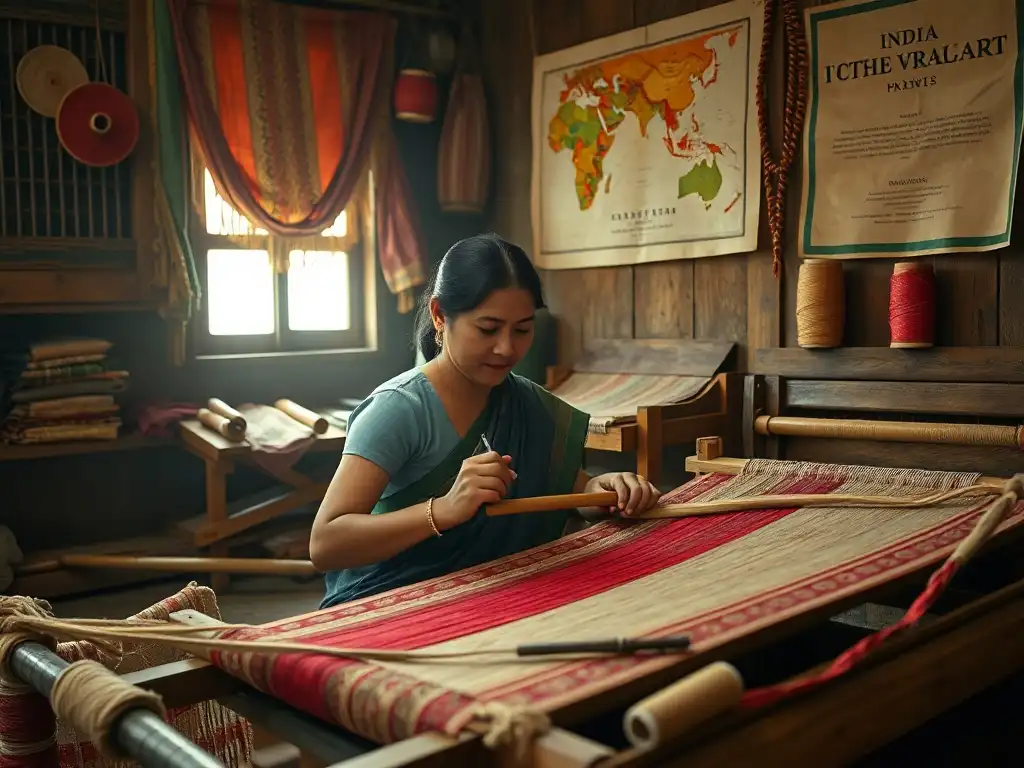
Use of Technology in Textile Preservation
The preservation of India's traditional textiles has seen innovative technological interventions that are revolutionizing the way artisans and organizations approach textile conservation. One of the most prominent advancements is the integration of digital technologies, which offer new avenues for documenting and preserving textile heritage.
Digital Documentation
Digital documentation plays a crucial role in preserving the intricate designs and techniques used in traditional textiles. High-resolution photography and 3D scanning allow for detailed records of textiles, capturing their colors, textures, and patterns. This digital archive not only serves as a reference for artisans but also aids in educational initiatives aimed at raising awareness about the importance of textile heritage.
The digital age provides us with tools to safeguard our textile legacy, ensuring that future generations appreciate the artistry of our traditional weavers.
- Textile Conservation Expert
Virtual Exhibitions and E-commerce
Virtual exhibitions and e-commerce platforms have emerged as powerful tools for promoting traditional textiles. They enable artisans to reach a global audience, showcasing their crafts without the geographical limitations of physical exhibitions. Platforms like Craftsvilla and India Craft House allow artisans to sell directly to consumers, thus ensuring fair compensation and encouraging the continuation of traditional practices.
Sustainable Practices in Traditional Textile Production
Sustainability is becoming increasingly vital in the production of traditional textiles in India. As awareness of environmental issues grows, many artisans and producers are adopting practices that not only honor traditional methods but also prioritize ecological balance.
Eco-Friendly Materials and Techniques
The use of eco-friendly materials is a significant trend in the preservation of traditional textiles. Artisans are increasingly turning to natural fibers such as cotton, silk, and jute, which are biodegradable and have a lower environmental impact compared to synthetic alternatives.
- Natural Dyes: A return to natural dyes derived from plants, minerals, and insects is gaining momentum. These dyes are not only safer for the environment but also provide a unique aesthetic that synthetic dyes cannot replicate.
- Handloom Weaving: Supporting handloom weaving practices contributes to both cultural preservation and environmental sustainability. Handloom textiles require less energy compared to mechanized processes, making them a more sustainable choice.
The adoption of these eco-friendly materials and techniques is essential in ensuring that India's rich textile heritage is preserved for future generations while also addressing contemporary environmental challenges. By marrying tradition with sustainability, artisans are crafting a future that respects both their cultural heritage and the planet.
The Role of Education in Textile Preservation
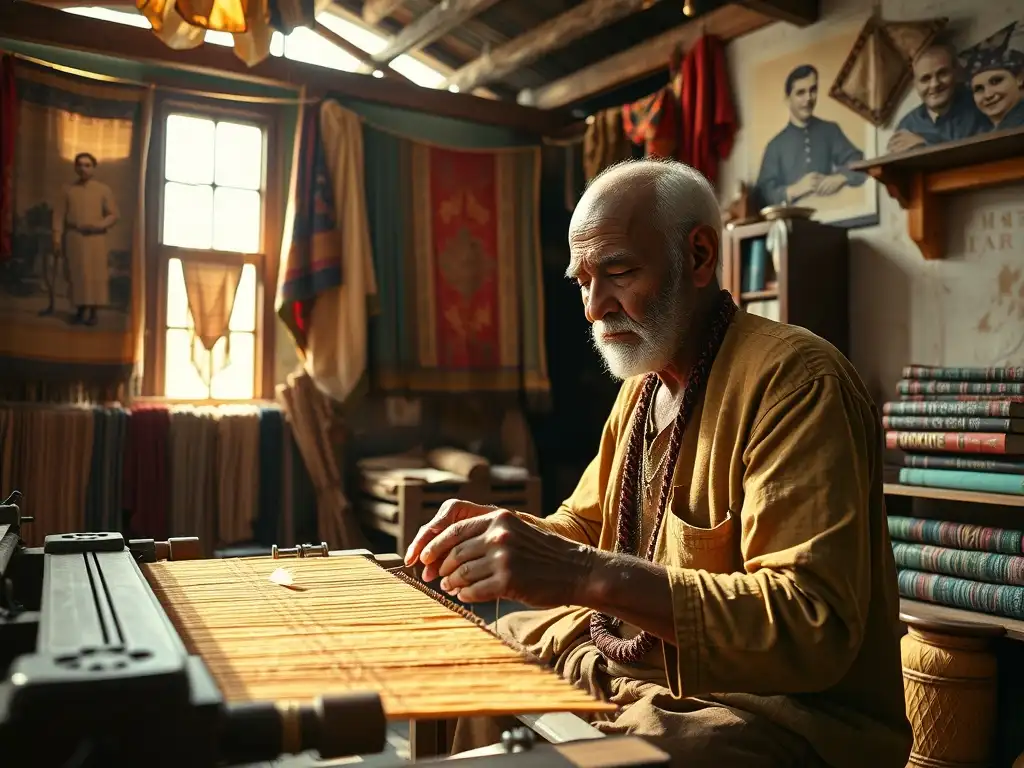
Education plays a pivotal role in preserving India's traditional textile heritage. By imparting knowledge and skills related to traditional weaving techniques, dyeing methods, and textile arts, educational initiatives contribute significantly to safeguarding these practices for future generations. This process not only involves formal institutions but also community-driven programs that engage local artisans, students, and enthusiasts in a shared mission of preservation.
Educational Programs and Workshops on Traditional Weaving
Various educational programs and workshops across India focus on traditional weaving techniques, ensuring that the knowledge passed down through generations is not lost. These programs often include:
- Hands-on Workshops: These workshops allow participants to engage directly with traditional artisans, learning techniques such as handloom weaving, block printing, and dyeing. For example, the Chitrakar workshops in Rajasthan offer participants a chance to learn about the intricate art of hand-painted textiles, fostering an appreciation for traditional methods.
- Curriculum Development: Institutions such as the National Institute of Fashion Technology (NIFT) have integrated courses on traditional textiles into their curriculum. These courses educate students on the historical significance, techniques, and contemporary applications of traditional textiles. This approach ensures that future designers and makers have a solid understanding of their cultural heritage.
- Community Outreach Programs: Many non-profit organizations run outreach programs that involve local communities. These initiatives often target youth, providing them with skills that can lead to sustainable livelihoods while promoting traditional textile practices. For instance, the Weavers’ Service Centres established by the Government of India conduct training programs to teach local artisans about modern market trends while preserving their traditional techniques.
Collaborations Between Designers and Traditional Artisans
Collaborations between contemporary designers and traditional artisans are essential for the revitalization and preservation of India’s textile heritage. These partnerships can take many forms, including:
- Co-Creation Projects: Designers often collaborate with artisans to create new textile lines that blend traditional techniques with modern aesthetics. This not only helps in keeping traditional methods alive but also introduces these textiles to a broader audience. For instance, the Suta brand collaborates with weavers from various regions, preserving their techniques while creating modern designs that appeal to urban consumers.
- Fashion Shows and Exhibitions: Events that showcase the work of traditional artisans alongside contemporary designs help to elevate the status of traditional textiles. Fashion weeks and exhibitions often include segments dedicated to showcasing heritage textiles, which not only boosts their visibility but also educates the public about their cultural significance.
- Online Platforms and Marketplaces: The rise of e-commerce has opened up new avenues for traditional artisans to market their products directly to consumers. Collaborations with designers to create exclusive collections for online platforms can provide artisans with a sustainable income while preserving their craft. Initiatives like Craftsvilla and Jaypore focus on promoting handwoven textiles and crafts, ensuring their survival in a fast-paced fashion landscape.
Through education and collaboration, the preservation of India's traditional textile heritage becomes a dynamic endeavor that not only honors the past but also shapes the future of fashion in India. By fostering an environment where traditional skills are revered and adapted, we can ensure that these rich traditions continue to thrive.
Conclusion: The Future of India Traditional Textile Preservation
The preservation of India's traditional textile heritage is not merely an act of safeguarding the past; it is a vital endeavor that intertwines cultural identity, economic sustainability, and artistic expression. As we look toward the future, it becomes increasingly clear that the continued efforts to protect and promote these textiles are essential for the survival of ancient techniques and the communities that rely on them. The rich tapestry of India's textile history—woven with stories, craftsmanship, and tradition—demands our attention and action.
The Need for Continued Advocacy and Support
Advocacy for India traditional textile preservation is critical to ensure that these art forms do not fade into obscurity. Various stakeholders, including government bodies, non-profit organizations, and cultural institutions, play a significant role in this process. For instance:
- Government Initiatives: Policies that support artisans through grants or subsidies can create a more sustainable environment for traditional crafts. Initiatives like the "Handicrafts Mark" and "Geographical Indication" (GI) tags help protect the identity and authenticity of traditional textiles, ensuring that artisans receive their due recognition and compensation.
- Educational Programs: Workshops and programs that educate both local communities and younger generations about traditional textile techniques are essential. This knowledge transfer is crucial not only for preserving skills but also for instilling a sense of pride in cultural heritage.
- Global Collaborations: Partnering with international organizations can help bring attention to India’s textile heritage on a global stage. Collaborations that promote cross-cultural exchanges can lead to new markets for artisans and enhance the visibility of traditional textiles.
The need for continued support from both the public and private sectors cannot be overstated. By fostering an environment where traditional artisans can thrive, we help ensure that these valuable cultural assets endure for future generations.
How Individuals Can Contribute to Textile Heritage Preservation
While institutional support is vital, individual action also plays a crucial role in the preservation of India's traditional textiles. Here are some ways individuals can contribute:
- Purchasing Handmade Textiles: Choosing to buy traditional textiles from local artisans supports their livelihoods. When consumers prioritize handmade, authentic products, they help sustain the crafts and the communities behind them.
- Spreading Awareness: Sharing knowledge about the history and significance of various textiles can spark interest and appreciation. This can be done through social media, blogs, or community events, where individuals can educate others about the unique stories behind each textile.
- Participating in Workshops: Engaging in workshops or courses that teach traditional weaving or dyeing techniques not only helps in skill development but also aids in the preservation of these techniques. It creates a community of enthusiasts who can advocate for the preservation of these art forms.
- Volunteering: Many organizations focus on preserving traditional crafts and textiles. Volunteering time or resources to these organizations can have a meaningful impact. Whether it’s helping organize events, fundraising, or assisting artisans directly, individual contributions can make a significant difference.
By taking these steps, individuals can play an active role in ensuring that India’s traditional textile heritage continues to thrive. Every effort counts, and together, we can create a future where these rich traditions are celebrated and preserved for generations to come.
Call to Action: Supporting India's Traditional Textiles
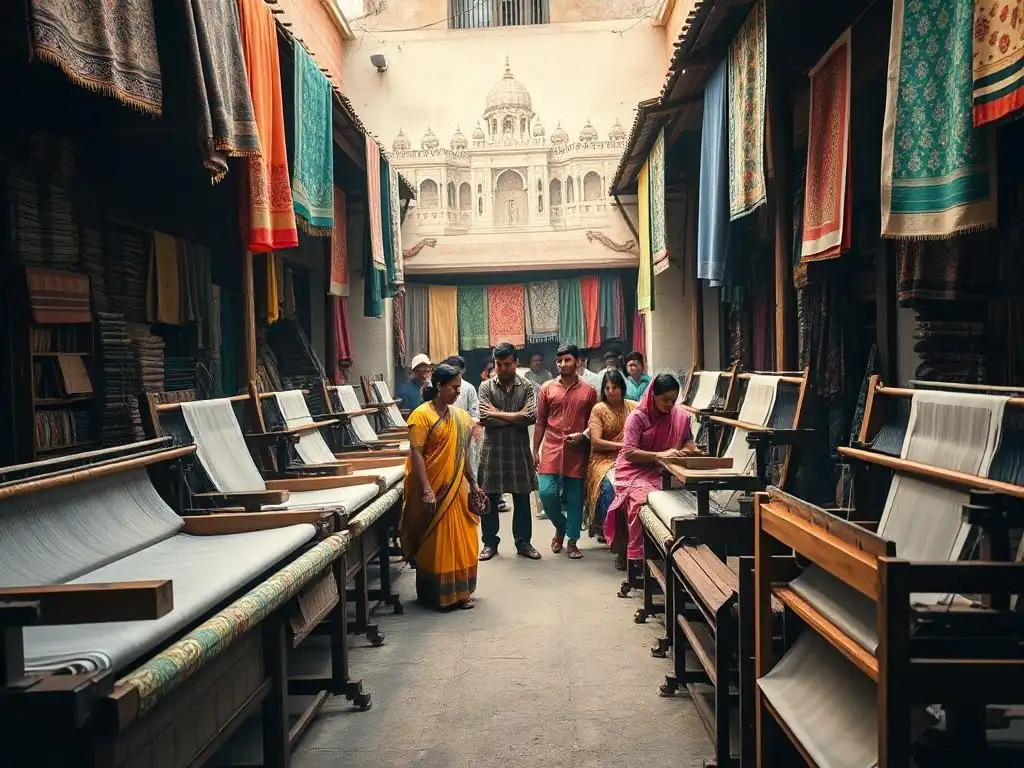
India's traditional textile heritage is a vibrant tapestry woven from centuries of craftsmanship, cultural significance, and regional diversity. The preservation of this heritage is not just a matter of maintaining beautiful fabrics; it is about safeguarding the livelihoods of countless artisans, sustaining age-old techniques, and keeping alive the stories that these textiles tell. To truly support this cause, individuals and communities can take action in various impactful ways.
Recommended Products and Services for Supporting Artisans
Supporting India's traditional textile preservation involves not only purchasing but also promoting products and services that contribute to the livelihood of artisans. Here are some avenues to explore:
Traditional Indian Textiles Shops
- Local Artisan Boutiques: Seek out shops that source directly from artisans. These boutiques often offer unique, handcrafted items that embody the rich history of Indian textiles, such as:
- Sarees: Handwoven sarees from regions like Banaras and Kanchipuram.
- Dupattas: Intricate dupattas featuring traditional embroidery techniques.
- Stoles and Shawls: Luxurious shawls crafted in Pashmina or wool from Kashmir.
- Online Marketplaces: Websites dedicated to traditional crafts often provide an extensive selection of products while ensuring fair compensation for artisans. Notable examples include:
- Craftsvilla
- Jaypore
- Tantuvi
- Artisan Co-operatives: Support co-operatives that empower communities by pooling their resources and skills. These organizations often focus on sustainable practices and fair trade.
Books on Traditional Indian Textile Techniques
Educating oneself about the history and techniques of traditional textiles is crucial for advocating their preservation. Consider these insightful reads:
- "The Fabric of India" by Julia R. Shaw: This book explores the evolution of textile production and its significance in Indian culture.
- "Indian Textiles: 5000 Years of History" by John Gillow and Brian Johnson: A comprehensive overview of the intricate craftsmanship and diverse textiles across regions.
- "Weaving a Future: The Handloom Industry in India" by Aditi K. Raghavan: A deep dive into the challenges and innovations within the handloom sector.
How to Get Involved in Textile Preservation Initiatives
To play a hands-on role in preserving India's traditional textiles, consider the following initiatives:
- Volunteer with NGOs: Organizations focused on artisan welfare often seek volunteers for various projects, from educational workshops to marketing initiatives.
- Examples include SEWA (Self-Employed Women’s Association) and Karnataka Chitrakala Parishath.
- Participate in Workshops: Engage in workshops that teach traditional textile techniques such as block printing, weaving, or dyeing. This not only provides insight into the craft but also helps sustain interest in these practices.
- Advocate for Policy Change: Join movements that lobby for artisan rights, fair wages, and investment in the traditional textile sector. Engaging with local governments to promote policies that protect artisans is vital for long-term preservation.
- Social Media Campaigns: Utilize platforms like Instagram and Facebook to highlight traditional textiles and the artisans behind them. Share stories, promote local events, and create awareness about the importance of preserving these crafts.
By actively engaging in these efforts, individuals can play a pivotal role in ensuring that India’s rich tapestry of traditional textiles continues to thrive for generations to come. Supporting India's traditional textile preservation is not just an act of consumption; it is a commitment to cultural heritage, community empowerment, and sustainable practices.
Additional Resources for Further Reading
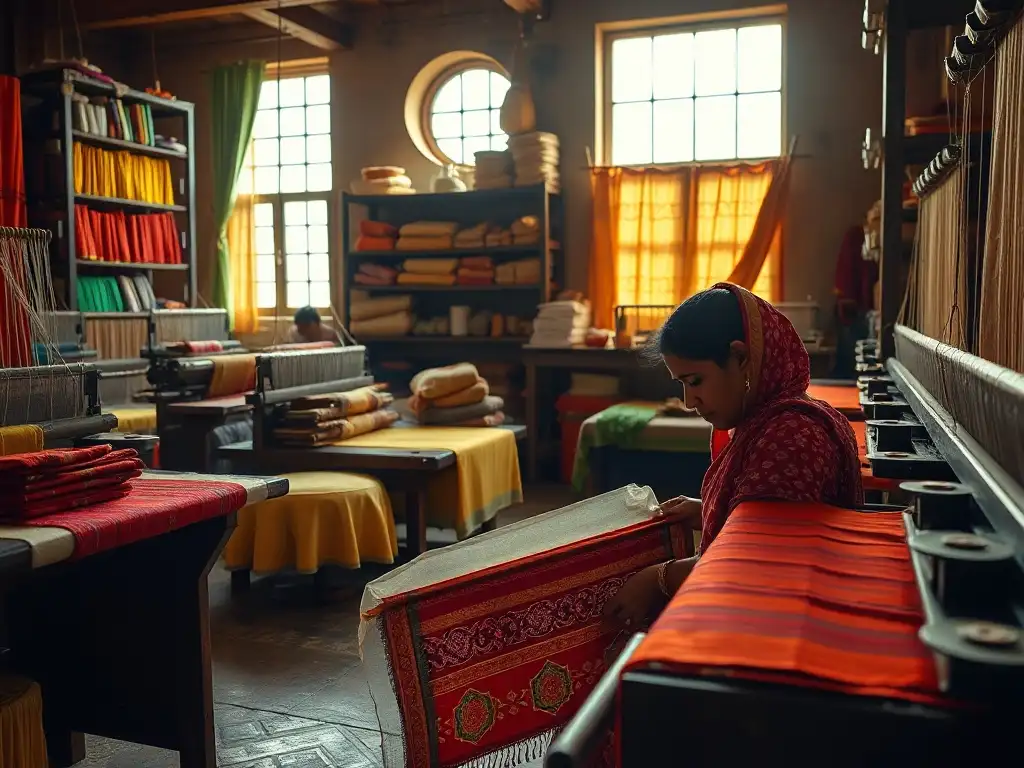
Suggested Books on India's Textile Heritage
-
"The Fabric of India" by Rosemary Crill
This book provides an extensive overview of India's textile history, showcasing the diverse techniques and materials used across different regions. Crill's insights into the cultural significance of textiles offer a deeper understanding of how they reflect the social fabric of Indian society.
-
"Textiles and Textbook: A History of Indian Textiles" by M. H. R. Shastri
Shastri's work serves as a comprehensive guide to the evolution of Indian textiles, tracing their development from ancient times through various dynasties. The book includes detailed illustrations and photographs that highlight the beauty and craftsmanship of traditional textiles.
-
"The Art of Indian Textiles" by Alok Bhalla
Focusing on the artistic elements of textile production, Bhalla explores the intricate designs and motifs that represent India’s cultural diversity. This book delves into the symbolism behind patterns and their historical contexts.
-
"Woven History: The Textile Traditions of India" by Anita Ahuja
Ahuja’s book offers a unique perspective on the relationship between textiles and Indian history. It discusses the socio-political influences on textile production and how traditional practices have been preserved over time.
-
"Saris: Tradition and Beyond" by Laila Tyabji
This book examines the sari, one of India's most iconic garments, in the context of traditional and contemporary fashion. Tyabji discusses the various regional styles, weaving techniques, and the cultural significance of this timeless attire.
Online Courses on Traditional Textile Techniques
-
"Introduction to Indian Textile Techniques" (Coursera)
This course provides an overview of various textile techniques practiced in India, including block printing, dyeing, and weaving. Participants will learn about the historical context of these techniques and their relevance in today's fashion landscape.
-
"Handloom Weaving: From Tradition to Modernity" (Udemy)
Focused on handloom weaving, this course covers the basics of weaving along with advanced techniques. It emphasizes the importance of preserving handloom practices and provides practical skills for aspiring weavers.
-
"Natural Dyeing and Sustainable Textiles" (Skillshare)
This course explores the use of natural dyes in textile production, highlighting sustainable practices that align with traditional methods. Learners will gain hands-on experience in dyeing fabrics with natural materials, connecting them with ancient techniques.
-
"Embroidery Techniques of India" (edX)
Covering various embroidery styles from different regions of India, this course delves into the history and cultural significance of each technique. It includes tutorials and projects that allow participants to create their own embroidered pieces.
-
"Reviving Traditional Textile Crafts" (FutureLearn)
This course focuses on efforts to revive and sustain traditional textile crafts in India. It discusses challenges faced by artisans and explores contemporary initiatives aimed at preserving these art forms through innovation and education.
Final Thoughts on the Importance of Preserving India’s Textile Heritage
The preservation of India’s traditional textile heritage is a vital endeavor that transcends mere aesthetic appreciation; it embodies the culture, history, and identity of diverse communities across the subcontinent. The intricate craftsmanship, the stories woven into each fabric, and the unique techniques passed down through generations are invaluable assets that contribute to the rich tapestry of India’s cultural landscape. As we explore the significance of conserving this heritage, it becomes clear that the implications extend beyond textiles themselves, influencing economic, social, and environmental aspects of contemporary life.
The traditional textiles of India, such as handloom fabrics, embroidery, and dyeing techniques, are not only artistic expressions but also represent sustainable practices that have withstood the test of time. By focusing on India traditional textile preservation, we acknowledge the need to sustain these practices in the face of industrialization and globalization, which often prioritize mass production over quality and heritage. This preservation effort is crucial not only for safeguarding the livelihoods of artisans and weavers but also for maintaining the diversity of cultural expressions that define Indian society.
Encouraging a Collective Effort in Textile Conservation
To effectively preserve India’s textile heritage, a collective effort involving various stakeholders is essential. This includes government bodies, non-governmental organizations (NGOs), educational institutions, artisans, and consumers. Each group plays a pivotal role in ensuring that traditional techniques and knowledge are not lost to modernization.
- Government Initiatives: Policies and funding aimed at promoting handloom and handicraft sectors can significantly impact the sustainability of textile heritage. For instance, initiatives like the National Handloom Development Programme work to provide support to weavers and promote handwoven textiles.
- NGO Contributions: Organizations dedicated to the promotion of traditional arts and crafts can facilitate training programs and workshops, helping artisans enhance their skills while also educating the public about the importance of textile preservation.
- Educational Institutions: Incorporating traditional textile studies into academic curricula can raise awareness among the younger generation about the significance of these crafts. Collaborative projects between schools and artisans can foster a deeper appreciation for the skills involved.
- Consumer Awareness: Increasing consumer awareness about the value of handloom and traditional textiles is crucial. Consumers can contribute to preservation efforts by choosing to support sustainable fashion and purchasing authentic, handcrafted textiles instead of mass-produced alternatives.
By working together, these collective efforts can create a strong foundation for preserving India’s textile heritage. This not only ensures the survival of ancient techniques and styles but also fosters a sense of pride among communities, encouraging a renewed interest in traditional crafts.
The preservation of India’s traditional textile heritage is a multifaceted challenge that requires concerted efforts from all sectors of society. By recognizing the intrinsic value of these textiles and committing to their conservation, we can ensure that future generations inherit a rich cultural legacy that continues to inspire and enrich lives.
Frequently Asked Questions
What is the significance of India's traditional textile heritage?
India's traditional textile heritage represents a rich tapestry of cultural identity, craftsmanship, and artistic expression that has evolved over centuries.
What challenges does India's traditional textile preservation face?
The preservation of traditional textiles is hindered by factors such as urbanization, industrialization, and the decline of traditional weaving techniques, threatening the continuity of these crafts.
How are organizations contributing to textile preservation in India?
Various non-profit organizations and government initiatives are working to support artisans, promote sustainable practices, and raise awareness about the importance of protecting India's textile legacy.
What role does education play in preserving textile traditions?
Educational programs can enhance knowledge about traditional textiles, ensuring new generations appreciate and engage with this cultural heritage through workshops and courses.
How can individuals support the preservation of traditional textiles?
Individuals can support preservation efforts by purchasing handmade textiles, participating in workshops, and advocating for policies that protect artisans and their craftsmanship.
Final Reflection: The Vital Importance of Preserving India's Textile Heritage
Preserving India's traditional textile heritage is not just about safeguarding beautiful fabrics; it is about maintaining a connection to our cultural roots and identity. In a rapidly globalizing world, where mass production often overshadows artisanal craftsmanship, the efforts to preserve these textiles remind us of the stories, traditions, and skills that have been passed down through generations. The urgency of this preservation resonates today more than ever, as we face the risk of losing these invaluable cultural treasures to modernity and commercialization.
The impact of traditional textiles extends beyond mere aesthetics; it shapes our social fabric and cultural landscape. The revival and preservation of these textiles foster a sense of community, support local artisans, and promote sustainable practices. As we witness a resurgence of interest in handwoven fabrics, we are reminded of the words of Mahatma Gandhi: The true measure of any society can be found in how it treats its most vulnerable members.
This sentiment rings true as we recognize that preserving our textile heritage not only honors our past but also empowers those who create it in the present.
As we reflect on the significance of India's traditional textile preservation, I invite you to consider your role in this journey. How can you contribute to the appreciation and support of these artisans and their crafts? Whether through conscious consumer choices, advocating for sustainable practices, or simply sharing the stories behind these textiles, each action can make a difference. Let us embrace the responsibility to honor our heritage, ensuring that the vibrant tapestry of India's traditional textiles continues to inspire future generations.
Revive and Cherish India's Textile Heritage!
Thank you for exploring the rich tapestry of India’s traditional textile heritage. Your interest is a vital step toward preserving these unique art forms for future generations. Now, let’s transform this newfound knowledge into action!
Here are some impactful ways you can contribute:
- Support Local Artisans: Visit local markets or online platforms to purchase traditional textiles directly from artisans. Every purchase helps sustain their craft!
- Share Your Journey: Share your textile discoveries on social media to ignite conversations and raise awareness about the significance of preserving these crafts.
- Join Workshops: Participate in textile workshops or classes to learn about traditional techniques and connect with others who are dedicated to keeping these arts alive.
How can you incorporate Indian textiles into your daily life while honoring and promoting this incredible heritage? Let’s discuss!