
Handloom vs. Machine: The Enduring Legacy of Ancient Indian Weaving

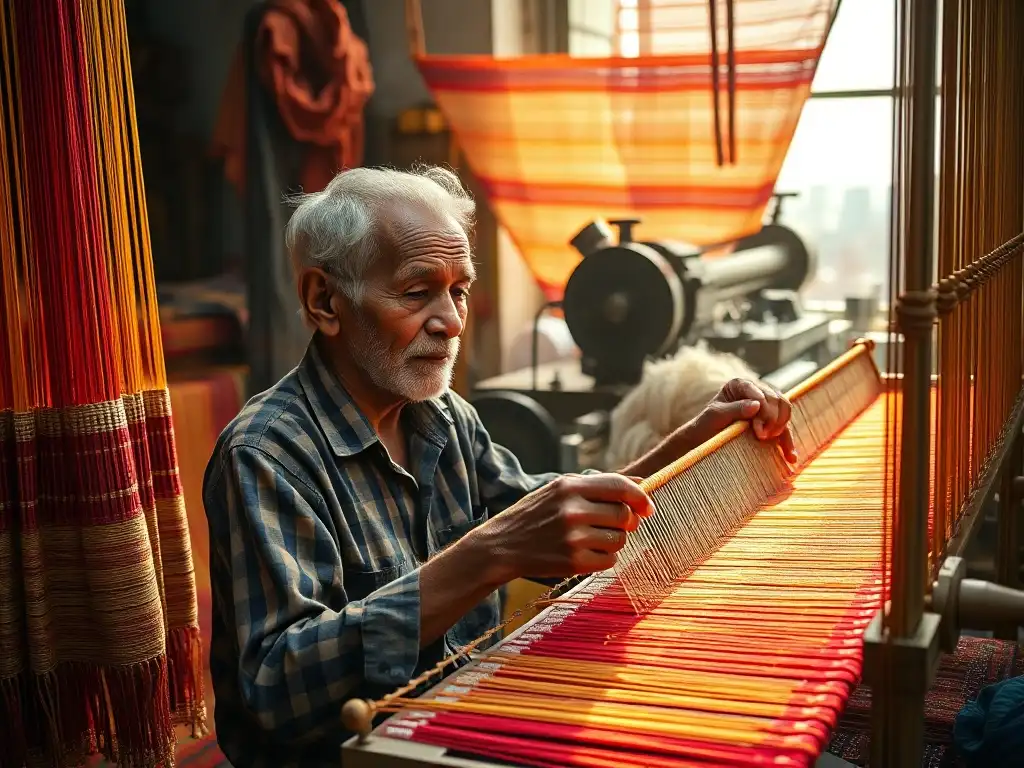
Welcome to Ancient India History, where we embark on an enlightening journey through the rich tapestry of India's past. In our featured article, "Handloom vs. Machine: The Enduring Legacy of Ancient Indian Weaving," we delve into the intricate weaving techniques that have shaped the fabric of Indian culture for centuries. Discover how these age-old practices not only define artistry and craftsmanship but also forge a connection between tradition and modernity. Join us as we unravel the stories woven into every thread, and prepare to be captivated by the legacy that continues to inspire fashion and textiles today.
Introduction to Ancient Indian Weaving Techniques
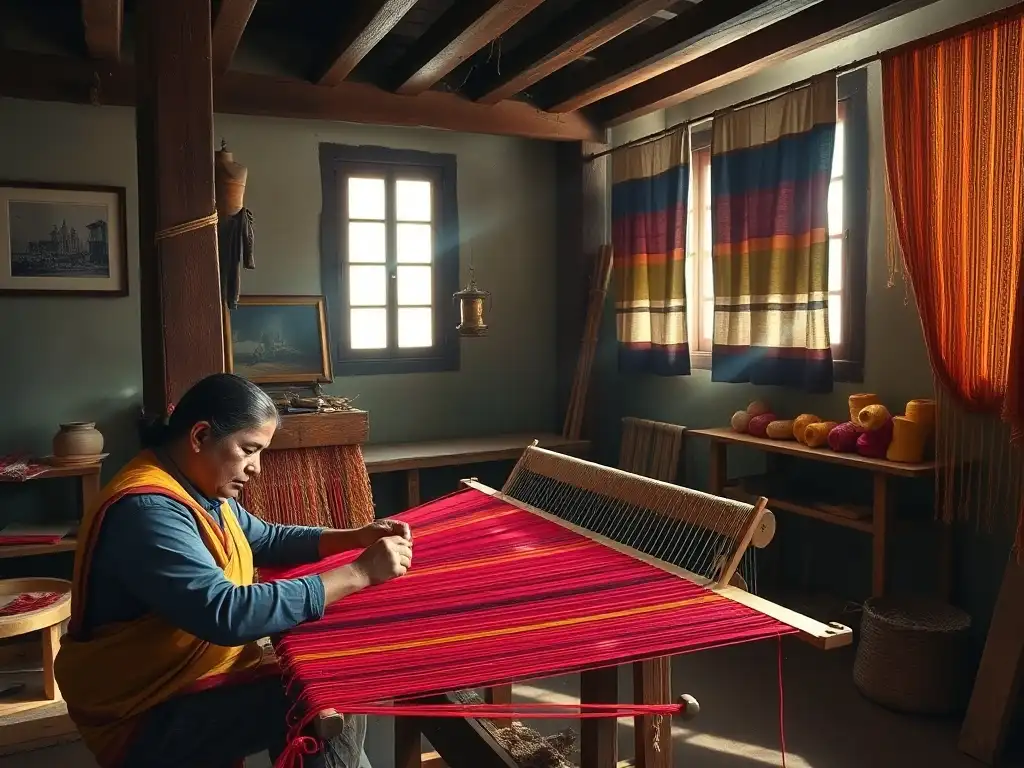
Ancient Indian weaving techniques represent a fascinating tapestry of cultural expression, craftsmanship, and innovation that has evolved over millennia. From the intricate patterns of the Indus Valley Civilization to the sophisticated textiles produced during the Gupta Empire, these techniques have shaped not only the fashion landscape of India but also its socio-economic fabric.
The contrast between handloom and machine-made textiles illustrates the ongoing dialogue between tradition and modernity, highlighting the enduring legacy of artisanship in a rapidly industrializing world. As we delve into the rich history of ancient Indian weaving, we uncover the diverse methods and materials that have defined this art form, as well as the regions where these practices flourished.
The History of Ancient Indian Weaving Techniques
The history of ancient Indian weaving techniques is a testament to the skill and creativity of Indian artisans. Weaving in India dates back to prehistoric times, with archaeological evidence suggesting that the craft was practiced as early as 5000 BCE. The earliest known fabrics were made from natural fibers such as cotton, silk, and wool, which were cultivated and processed by local communities.
Evolution of Weaving Methods in India
Over the centuries, the methods of weaving have evolved significantly. Initially, weaving was a simple process involving basic looms and manual techniques. As societies progressed, so did the complexity of the weaving processes. Innovations such as the introduction of the pit loom, the frame loom, and later, the Jacquard loom revolutionized the textile industry in India. Each of these advancements allowed for more intricate designs and patterns, showcasing the artisans' creativity and technical prowess.
- Prehistoric Era: Use of simple looms and natural fibers.
- Indus Valley Civilization: Introduction of cotton weaving and dyeing techniques.
- Medieval Period: Development of silk weaving and the emergence of regional styles.
- Colonial Era: Impact of industrialization and the introduction of power looms.
Key Regions Known for Their Weaving Heritage
India's diverse geography has given rise to various regional weaving traditions, each with its unique characteristics and specialties. Some of the most notable weaving hubs include:
- Kanchipuram: Renowned for its vibrant silk sarees, characterized by intricate zari work.
- Varanasi: Famous for its exquisite brocade fabrics, often adorned with gold threads.
- Bhujodi: Known for its woolen shawls and blankets, reflecting the traditional craftsmanship of the Rabari community.
- Sambalpuri: Celebrated for its ikat weaving technique, which creates stunning patterns through resist dyeing.
These regions not only preserve ancient Indian weaving techniques but also adapt them to contemporary tastes, ensuring that this rich heritage continues to thrive in the modern textile industry.
Handloom Weaving: The Artisans’ Touch
Handloom weaving is a time-honored craft that holds a significant place in the cultural and economic fabric of ancient India. This traditional technique is characterized by the use of manually operated looms, which allows artisans to create intricate and unique textiles. Each piece produced on a handloom carries the distinct signature of the weaver, reflecting their skills, creativity, and cultural heritage.
The process of handloom weaving involves a deep understanding of the materials, patterns, and techniques involved. Weavers often use natural fibers such as cotton, silk, and wool, which are dyed using organic dyes derived from plants and minerals. The craftsmanship of handloom weaving not only preserves age-old techniques but also promotes sustainability, as it relies on local resources and minimizes environmental impact.
The tactile quality of handloom fabrics, combined with their intricate designs, brings a sense of uniqueness to each product. This artistry is often passed down through generations, with families of weavers maintaining and evolving their traditions, thereby enriching the cultural landscape of India.
Characteristics of Handloom Weaving
Handloom weaving is distinguished by several key characteristics that set it apart from machine-made textiles:
- Uniqueness: Each handloom piece is unique due to the manual nature of the weaving process. Slight variations in patterns and textures can be found, making every item a one-of-a-kind creation.
- Quality: Handloom fabrics are often of higher quality than their machine-made counterparts. The meticulous process allows for greater attention to detail, resulting in durable and finely crafted textiles.
- Artisan Techniques: Traditional techniques such as jacquard weaving, tie-dye (bandhani), and embroidery (zardozi) are often employed, showcasing the skill and creativity of artisans.
- Sustainability: Handloom weaving is more environmentally sustainable compared to machine weaving. It consumes less energy, uses fewer chemicals, and supports local economies by providing employment to artisans.
Overall, the characteristics of handloom weaving reflect not only the technical skills of the weavers but also their cultural identity and the story behind each piece.
Famous Handloom Products
Several handloom products have gained fame for their exquisite craftsmanship and cultural significance:
- Kanjeevaram Sarees: Originating from Tamil Nadu, these sarees are known for their vibrant colors and intricate gold zari work, making them a popular choice for weddings and celebrations.
- Banarasi Sarees: Hailing from Varanasi, these sarees are renowned for their opulent silk and intricate brocade designs, often adorned with floral and paisley motifs.
- Patan Patola: This double ikat silk saree from Gujarat is celebrated for its vivid colors and geometric patterns, reflecting the rich cultural heritage of the region.
- Khadi: A fabric made from hand-spun cotton, khadi symbolizes the Indian independence movement and is known for its simplicity and comfort.
These products not only showcase the skill of handloom artisans but also play a vital role in preserving the rich textile heritage of India.
Machine Weaving: The Industrial Revolution Impact
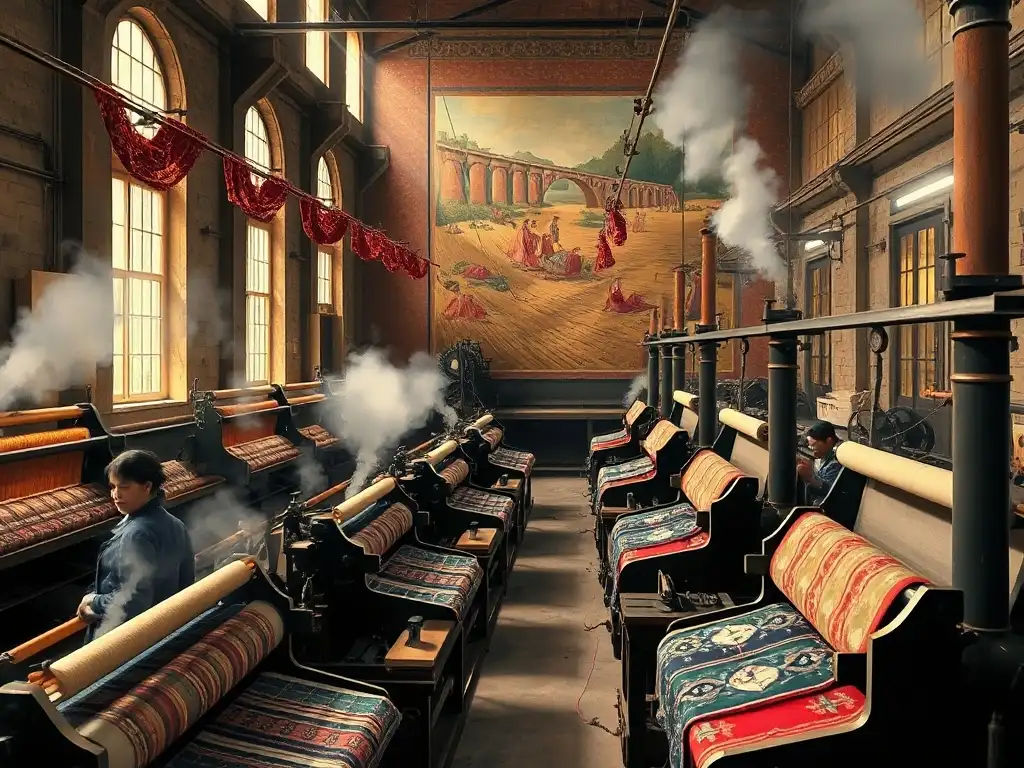
The advent of machine weaving during the Industrial Revolution marked a significant turning point in the textile industry, altering the landscape of fabric production in ancient India. The introduction of power looms enabled the mass production of textiles, which dramatically increased efficiency and lowered costs. This transition, while beneficial in many ways, also posed challenges to traditional handloom weaving practices.
Machine weaving allowed for the rapid production of various fabrics, making textiles more accessible to a broader audience. However, this shift also led to the decline of many traditional weaving communities, as handmade textiles often could not compete with the lower prices of machine-made products.
Transition from Handloom to Machine
The transition from handloom to machine weaving was gradual but profound. Initially, handloom weaving thrived alongside emerging machinery, with many weavers adopting new technologies to enhance their productivity. Over time, however, the reliance on machine production grew, leading to:
- Economic Displacement: Many traditional weavers faced economic challenges as machine-made textiles dominated the market, resulting in job losses and declining incomes for artisans.
- Cultural Erosion: The shift towards machine weaving threatened the preservation of traditional weaving techniques and the cultural narratives associated with handloom textiles.
- Quality Concerns: While machine weaving can produce textiles at a faster pace, the quality and uniqueness of fabrics often suffer, leading to a rise in demand for handloom products as consumers seek authenticity.
Despite these challenges, there has been a resurgence of interest in handloom textiles as consumers increasingly appreciate the artistry and sustainability of handmade fabrics.
Advantages and Disadvantages of Machine Weaving
Machine weaving brings both advantages and disadvantages to the textile industry:
Advantages:
- Speed and Efficiency: Machine looms can produce large quantities of fabric in a fraction of the time it takes for handlooms, meeting high demand in the market.
- Cost-Effectiveness: The lower production costs associated with machine weaving allow for more affordable textiles, making them accessible to a wider audience.
- Uniformity: Machine-made fabrics often feature consistent patterns and quality, which can be appealing for mass-market products.
Disadvantages:
- Loss of Craftsmanship: The unique artistry and individual touch of handwoven fabrics are often lost in mass production, leading to a homogenization of textile products.
- Environmental Impact: Machine weaving typically involves higher energy consumption and may use harmful chemicals in the dyeing process, raising sustainability concerns.
- Decline of Traditional Skills: The economic viability of handloom weaving is threatened, as new generations may opt for machine-based employment, resulting in the loss of traditional knowledge and skills.
While machine weaving revolutionized the textile industry, it also presented challenges that continue to impact the legacy of ancient Indian weaving techniques. The balance between preserving traditional craftsmanship and embracing modern production methods remains a critical conversation in the world of textiles.
Comparative Analysis: Handloom vs. Machine Weaving
The debate between handloom and machine weaving is not just a matter of technique; it encompasses various aspects such as quality, economic impact, and cultural significance. Handloom weaving, an ancient practice rooted in tradition, emphasizes craftsmanship, individuality, and a personal touch. In contrast, machine weaving, which emerged during the Industrial Revolution, focuses on efficiency, mass production, and uniformity.
While machine weaving can produce textiles at a fraction of the time and cost, it often sacrifices the unique qualities found in handwoven fabrics. Handloom textiles are characterized by their intricate designs and textures, which reflect the artisan's skill and cultural heritage. The tactile quality of handwoven fabrics often evokes a sense of connection to the past, making them highly valued in traditional contexts.
Quality and Craftsmanship
Handloom textiles are synonymous with superior quality and craftsmanship. Each piece is a labor of love, crafted meticulously by skilled artisans who often spend years perfecting their craft. The weaving process allows for greater flexibility in design, enabling artisans to incorporate complex patterns and motifs that tell stories of their culture and heritage. The irregularities found in handloom fabrics, such as slight variations in thread thickness and color, are often celebrated as marks of authenticity.
On the other hand, machine weaving prioritizes uniformity and speed. While modern machines can produce high volumes of fabric quickly, the resulting textiles may lack the depth and character associated with handwoven items. Moreover, machine-produced textiles often rely on synthetic fibers, which can detract from the feel and breathability of natural materials like cotton and silk, traditionally used in ancient Indian textiles.
Economic Implications
The economic impact of handloom versus machine weaving is significant. Handloom weaving supports local economies by providing livelihoods to countless artisans across India. This sector is crucial for preserving traditional skills and fostering community identity. However, the handloom industry often faces challenges such as competition from cheaper machine-made textiles, which can lead to a decline in demand for handwoven products.
In contrast, the machine weaving industry benefits from economies of scale, allowing for lower production costs and prices. This can lead to increased accessibility for consumers who may not prioritize the heritage or craftsmanship associated with handloom products. However, this accessibility often comes at the expense of local artisans, who struggle to compete with the mass-produced textiles flooding the market.
The Cultural Significance of Ancient Indian Weaving Techniques
Weaving in ancient India is more than a craft; it is a vital expression of cultural identity and continuity. Various weaving techniques have emerged from distinct regions, each reflecting local traditions, beliefs, and practices. The textiles produced are often imbued with deep cultural significance, serving as symbols in rituals, festivals, and daily life.
Weaving in Festivals and Traditions
Throughout India, weaving plays a pivotal role in festivals and traditional ceremonies. Textiles are often integral to celebrations, symbolizing prosperity, beauty, and cultural heritage. For example, during the festival of Pongal in Tamil Nadu, traditional sarees and dhotis are woven from vibrant cotton and silk, reflecting the region's rich weaving heritage. Similarly, the intricate patterns found in Banarasi sarees are often worn during weddings, highlighting their importance in cultural rituals.
Additionally, many communities have specific weaving techniques associated with their festivals, such as the use of ikat weaving in Odisha's Puri Rath Yatra or the vibrant bandhani (tie-dye) fabrics in Gujarat during Navratri. These textiles not only serve aesthetic purposes but also embody the stories and traditions of the communities that produce them.
Preserving Heritage through Weaving
The preservation of ancient Indian weaving techniques is crucial for maintaining cultural heritage. Many organizations and initiatives are working to promote and sustain traditional weaving practices, ensuring that the knowledge and skills of artisans are passed down through generations. This is not only vital for preserving the artistry involved in handloom weaving but also for fostering a sense of pride among communities.
Through workshops, exhibitions, and collaborations with contemporary designers, traditional weavers are gaining recognition and support. This helps combat the economic challenges posed by machine-made textiles and revitalizes interest in the craftsmanship of handloom products. By investing in these ancient techniques, we can ensure that the legacy of ancient Indian weaving continues to thrive in modern society, keeping the rich cultural tapestry of India alive for future generations.
Conclusion: The Future of Ancient Indian Weaving Techniques
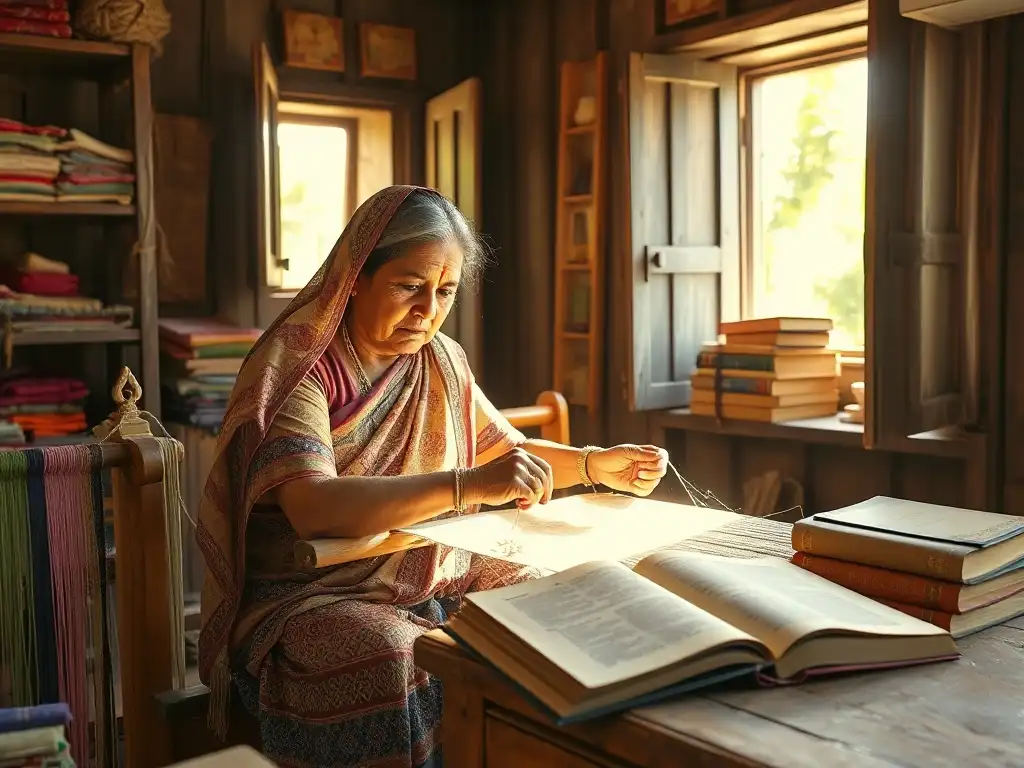
The legacy of ancient Indian weaving techniques continues to play a vital role in the textile industry today. While modern machine technology has transformed the landscape of fabric production, the intricate artistry and cultural significance of handloom weaving remain unparalleled.
As we look to the future, it is essential to recognize the importance of preserving these age-old techniques, which not only represent a thriving heritage but also provide economic opportunities for artisans across the country. The balance between leveraging modern technology and preserving traditional methods will shape the future of Indian textiles, ensuring that the stories woven into each fabric are not lost to time.
Balancing Tradition and Modernity
Finding equilibrium between traditional handloom practices and modern manufacturing techniques is crucial for the survival of ancient Indian weaving. While machine-made fabrics can offer efficiency and lower costs, they often lack the unique characteristics and cultural narratives embedded within handwoven textiles.
Efforts to blend these two worlds can lead to innovative textiles that honor traditional craftsmanship while meeting contemporary demands. For example, integrating traditional patterns and techniques into machine-made textiles allows for a broader reach while still supporting the artisans' skills. Collaborative projects that pair skilled weavers with modern designers can also create a fusion of styles that appeals to diverse markets. This symbiotic relationship not only preserves the heritage of ancient weaving but also breathes new life into it, ensuring its relevance in a rapidly evolving world.
Encouraging Sustainable Practices
Sustainability is a pressing concern in today’s textile industry, and ancient Indian weaving techniques offer a pathway to eco-friendly practices. Handloom weaving is inherently more sustainable than mass production methods, using less energy and fewer resources. Moreover, it promotes the use of natural dyes and local materials, reducing the carbon footprint associated with textile production.
To further encourage sustainable practices, initiatives that support fair trade and ethical sourcing of materials can empower artisans and ensure their livelihoods are protected. Additionally, educational programs that raise awareness about the environmental impact of fast fashion can help consumers make informed choices, favoring handwoven textiles that are not only beautiful but also environmentally responsible. By embracing these sustainable practices, we can preserve the rich heritage of ancient Indian weaving while contributing positively to the planet.
Call to Action: Explore Ancient Indian Weaving Techniques
As we celebrate the intricate beauty and cultural significance of ancient Indian weaving techniques, we invite you to delve deeper into this fascinating world. Explore the diverse styles, patterns, and stories behind each fabric, and appreciate the craftsmanship that has been passed down through generations.
Consider supporting local artisans by purchasing handwoven textiles and sharing their stories within your community. Engage with workshops and exhibitions that showcase these traditional techniques, allowing you to experience firsthand the passion and skill involved in the art of weaving. By embracing and promoting ancient Indian weaving techniques, we can ensure that this cherished legacy endures for future generations. Let's keep the threads of history alive!
References and Further Reading
To gain a deeper understanding of ancient Indian weaving techniques and their evolution over time, the following references and resources are recommended:
- Books:
- The Art of Indian Weaving by R. K. Gupta: This book delves into the history of weaving in India, covering traditional methods and the significance of various textiles in cultural practices.
- Textiles and Weaving in Ancient India by Aditi Sharma: A comprehensive exploration of the different weaving techniques employed in ancient India, highlighting regional variations and their artistic expressions.
- The Fabric of India by Rosemary Crill: This illustrated volume provides insights into the textiles of India, from ancient times to the present, showcasing the rich heritage of Indian weaving.
- Academic Journals:
- Journal of Indian Textiles: This peer-reviewed journal features articles and research papers focused on the history, techniques, and innovations in Indian textiles, including ancient weaving methods.
- Textile History: An international journal that covers the history of textiles across cultures, with several articles dedicated to Indian traditional weaving.
- Online Resources:
- The National Handloom Development Corporation (NHDC): Offers information on the significance of handloom weaving in India and its impact on the economy and culture.
- The Crafts Council of India: A resource for understanding various crafts, including weaving, their history, and contemporary relevance.
- Documentaries and Visual Media:
- Threads of India: A documentary that explores the intricate world of Indian textiles, showcasing ancient weaving techniques and their cultural significance.
- The Weaver’s Way: A short film that highlights the lives of traditional weavers in India, capturing their skills and the challenges they face in a modernizing world.
- Museums and Exhibitions:
- The Calico Museum of Textiles in Ahmedabad: One of the premier textile museums in the world, featuring an extensive collection of Indian textiles, including ancient handwoven pieces.
- The National Museum of India: Houses a vast collection of historical artifacts, including textiles that demonstrate the rich weaving traditions of ancient India.
These resources provide a solid foundation for anyone interested in exploring the rich legacy of ancient Indian weaving techniques, offering insights into their historical context, artistic significance, and cultural impact.
- Introduction to Ancient Indian Weaving Techniques
- The History of Ancient Indian Weaving Techniques
- Handloom Weaving: The Artisans’ Touch
- Machine Weaving: The Industrial Revolution Impact
- Comparative Analysis: Handloom vs. Machine Weaving
- The Cultural Significance of Ancient Indian Weaving Techniques
- Conclusion: The Future of Ancient Indian Weaving Techniques
- Call to Action: Explore Ancient Indian Weaving Techniques
- References and Further Reading
- What are ancient Indian weaving techniques?
- How have handloom practices influenced modern textile production?
- What is the significance of the Indus Valley civilization in weaving?
- How does the Gupta Empire contribute to the legacy of weaving?
- Why is the debate between handloom and machine weaving relevant today?
Frequently Asked Questions
What are ancient Indian weaving techniques?
Ancient Indian weaving techniques refer to the traditional methods used to create textiles, often using handlooms. These techniques emphasize artistry, craftsmanship, and cultural significance, showcasing the rich heritage of Indian textiles.
How have handloom practices influenced modern textile production?
Handloom practices emphasize quality and sustainability, influencing modern textile production by promoting eco-friendly methods. These practices also maintain traditional artistry, setting a standard that machine-made textiles often strive to emulate.
What is the significance of the Indus Valley civilization in weaving?
The Indus Valley civilization is significant for its early advancements in textile production, particularly the use of cotton. Archaeological findings indicate that they were among the first to cultivate cotton and develop weaving techniques that laid the groundwork for future generations.
How does the Gupta Empire contribute to the legacy of weaving?
The Gupta Empire is known for its flourishing arts, including textile production. This period saw the refinement of weaving techniques and the emergence of vibrant dyes, which greatly influenced the aesthetic and functional aspects of fabrics in ancient India.
Why is the debate between handloom and machine weaving relevant today?
The debate between handloom and machine weaving is relevant today as it highlights issues of sustainability, cultural preservation, and economic viability. Understanding this legacy helps consumers make informed choices about the impact of their textile purchases on local artisans and the environment.
Final Reflection: The Timeless Art of Ancient Indian Weaving
The legacy of ancient Indian weaving techniques continues to resonate in today's fast-paced world, reminding us of the intricate artistry and cultural significance embedded in each thread. As we navigate a landscape dominated by machine-made textiles, the enduring appeal of handloom fabrics serves as a powerful testament to the craftsmanship and heritage that define our identities. The juxtaposition of handloom and machine-made textiles is not merely a debate of efficiency versus tradition; it is a reflection of our values and the stories we choose to preserve.
The influence of ancient Indian weaving techniques transcends mere aesthetics; it shapes our cultural narrative and fosters a sense of community. The revival of handloom practices has sparked a movement that champions sustainability and ethical consumption, inviting us to reconsider our relationship with fashion and craftsmanship. As Mahatma Gandhi once said, "> The soul of India lives in its villages." This sentiment echoes in the vibrant colors and patterns of handwoven textiles, reminding us that each piece carries the spirit of its maker and the history of its region.
As we reflect on the significance of ancient Indian weaving, let us embrace the lessons it offers in our daily lives. Consider how you can support local artisans, appreciate the stories behind the fabrics you wear, and advocate for sustainable practices in your own choices. By doing so, we not only honor the legacy of ancient techniques but also contribute to a future where craftsmanship and culture thrive hand in hand.
Embrace the Art of Weaving: Join the Legacy!
Thank you for taking the time to explore the rich history of handloom and machine weaving in India. By delving into this vibrant tradition, you’ve uncovered the profound significance and craftsmanship that have shaped India's cultural tapestry. Now, it’s time to elevate your appreciation even further!
Here are some simple yet impactful actions you can take to connect with this legacy:
- Support Local Artisans: Purchase handloom products from local markets or online platforms that prioritize sustainable fashion. Your choice can empower weavers and help preserve their traditions!
- Share Your Insights: Spread the word about the fascinating world of weaving on social media. Share this article with friends and ignite conversations about the art of textile creation.
- Try Your Hand: Why not embark on a small textile project? Whether it’s knitting, weaving, or experimenting with dye techniques, embrace this creative journey!
What aspect of the weaving tradition resonates most with you, and how will you incorporate it into your life? We’d love to hear your thoughts!