
The Role of Natural Fibers in Shaping Ancient Indian Textiles

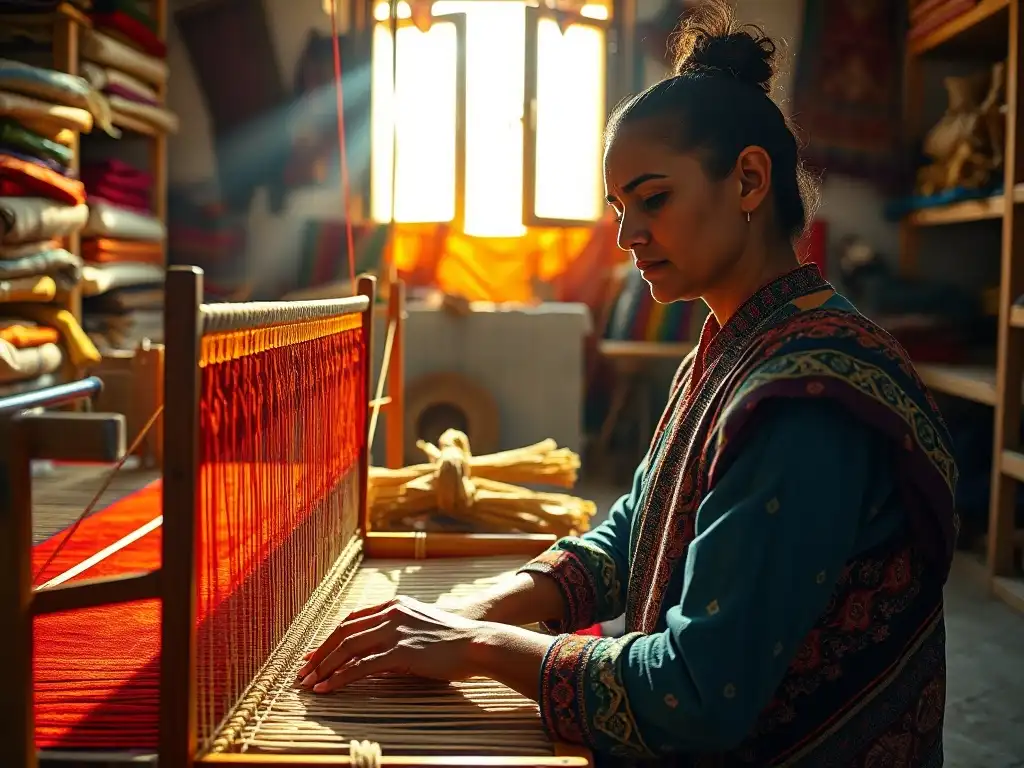
Welcome to Ancient India History, where we embark on an enthralling journey through the captivating tapestry of India's past. Here, we delve into the rich and diverse history, culture, and contributions of ancient Indian civilizations, revealing the intricate details that shaped their legacies. In our featured article, "The Role of Natural Fibers in Shaping Ancient Indian Textiles," we invite you to explore the fascinating world of ancient Indian textiles history.
Discover how natural fibers influenced not only fashion but also the daily lives and trade practices of these remarkable cultures. Join us as we unravel the threads of history and uncover the stories woven into each piece of fabric.
- Introduction to Ancient Indian Textiles History
- Types of Natural Fibers in Ancient Indian Textiles
- Techniques of Weaving and Dyeing in Ancient Indian Textiles
- The Influence of Geography on Textile Production
- Case Studies of Prominent Ancient Indian Textiles
- Conclusion: The Legacy of Natural Fibers in Ancient Indian Textiles
-
Frequently Asked Questions
- What are the main natural fibers used in ancient Indian textiles?
- How did the Indus Valley civilization contribute to textile history?
- What was the significance of dyeing in ancient Indian textiles?
- How did the Gupta Empire influence textile production?
- What role did trade play in ancient Indian textiles?
- Final Reflection: The Timeless Legacy of Ancient Indian Textiles
- Unleash the Richness of Ancient Textile Craftsmanship!
Introduction to Ancient Indian Textiles History
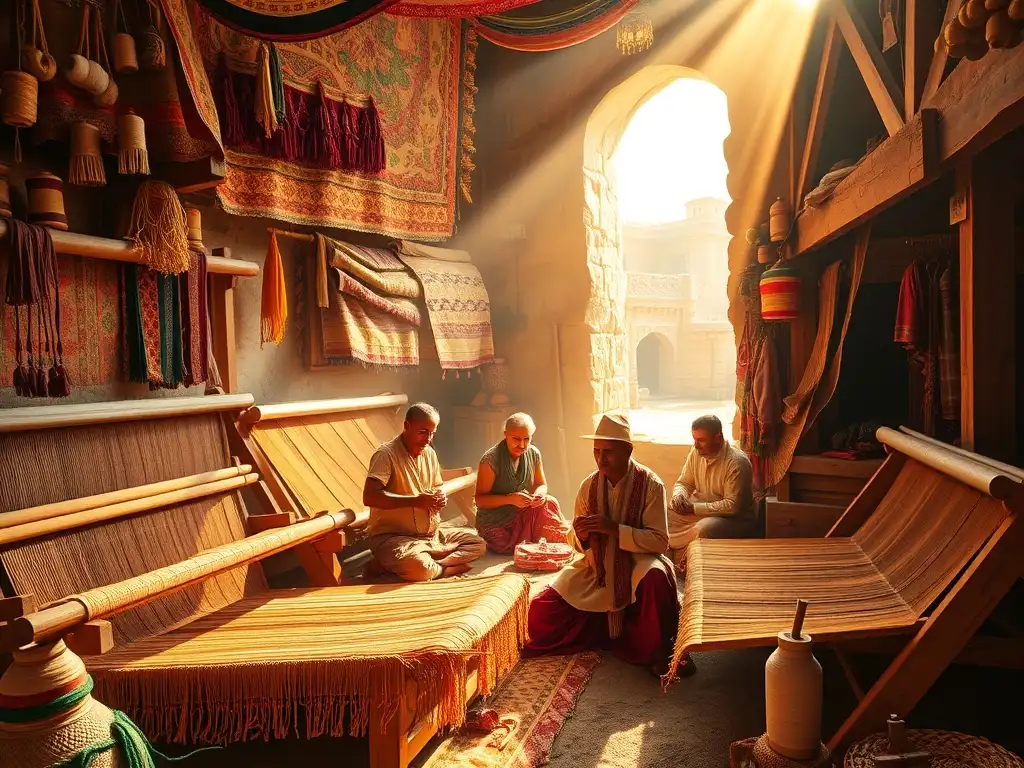
The history of ancient Indian textiles is a captivating narrative that intertwines the rich cultural heritage, innovative craftsmanship, and the utilization of natural resources that defined the civilizations of the Indian subcontinent. From the sophisticated weaves of the Indus Valley Civilization to the intricate designs of the Gupta Empire, textiles have played a pivotal role not only as a means of clothing but also as a reflection of social status, trade, and artistic expression.
This article delves into the significance of natural fibers in shaping the textile traditions of ancient India, highlighting their importance in both everyday life and ceremonial contexts. Understanding this history not only sheds light on the technological advancements of ancient Indian societies but also emphasizes their profound respect for nature and resourcefulness in utilizing local materials.
Understanding the Importance of Textiles in Ancient Indian Culture
Textiles were integral to ancient Indian society, serving multiple functions that extended beyond mere utility. They were a form of artistic expression, a means of trade, and a significant aspect of cultural identity.
- Cultural Significance:
- Textiles often symbolized social status and were used in rituals and ceremonies. Different patterns and colors could signify various cultural and religious meanings.
- The art of weaving was not just a skill but a revered tradition passed down through generations, often associated with specific communities and regions.
- Economic Role:
- The textile industry was a vital part of the economy, facilitating trade both within India and with other civilizations, including those in the Middle East and Southeast Asia.
- Cities like Varanasi and Ahmedabad became renowned centers for textile production, contributing significantly to local and national economies.
- Technological Innovation:
- The advancements in dyeing, weaving, and embroidery techniques reflect the ingenuity of ancient artisans.
- Techniques such as tie-dye (Bandhani) and block printing have roots in ancient practices, showcasing the sophisticated understanding of materials and aesthetics.
Overview of Natural Fibers Used in Ancient Indian Textiles
The diversity of natural fibers utilized in ancient Indian textiles speaks volumes about the resourcefulness and creativity of its civilizations.
- Cotton:
- One of the earliest cultivated fibers, cotton was widely used due to its availability and comfort. The Indus Valley Civilization is known for its cotton textiles, with archaeological findings revealing sophisticated spinning and weaving techniques.
- Silk:
- Imported and later produced locally, silk became a symbol of luxury and was intricately woven into garments and decorative textiles. The famous silk routes facilitated the exchange of this precious fiber, enhancing its popularity.
- Wool:
- Used primarily in the colder regions of northern India, wool was spun into warm textiles. The art of wool weaving has been particularly prominent in places like Kashmir, known for its exquisite shawls.
- Other Fibers:
- Fibers such as jute, hemp, and flax were also utilized, each serving specific purposes ranging from durable clothing to ropes and household items.
The interplay of these natural fibers not only shaped the textiles of ancient India but also contributed to the region's cultural tapestry, making it a vital area of study for those interested in the evolution of ancient Indian textiles history.
Types of Natural Fibers in Ancient Indian Textiles
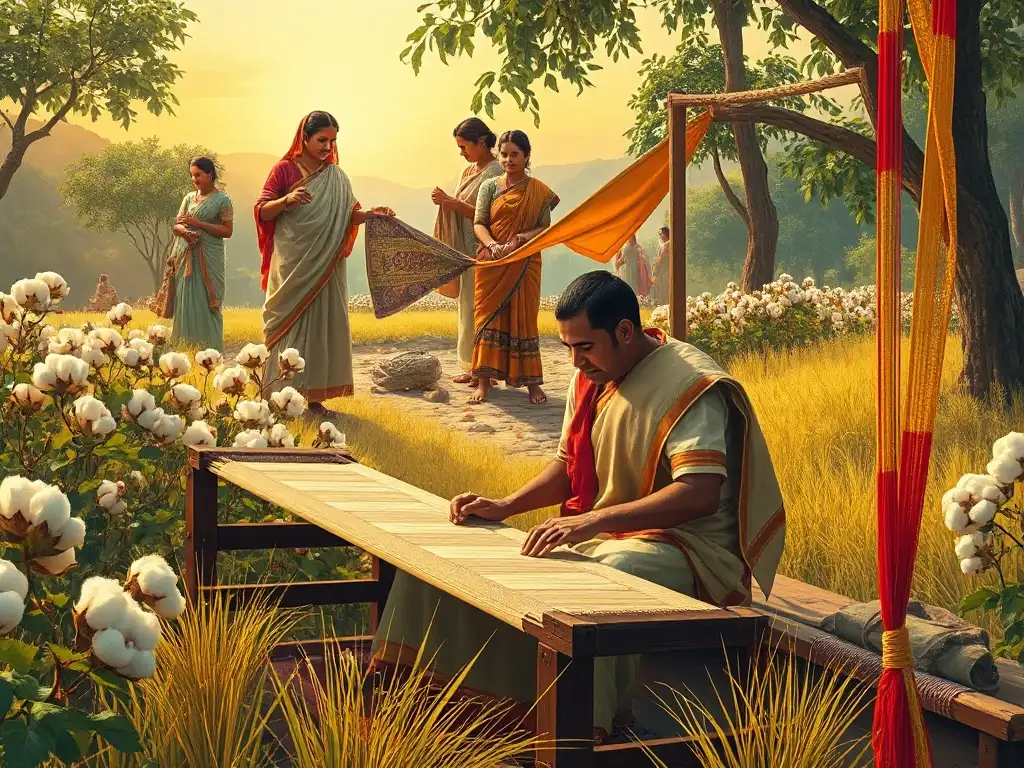
The development of ancient Indian textiles is deeply intertwined with the natural fibers available in the region. These fibers not only provided the raw material for clothing but also shaped the cultural and economic landscapes of ancient Indian civilizations. The primary natural fibers utilized in ancient Indian textiles include cotton, silk, and wool, each contributing uniquely to the rich tapestry of ancient Indian textiles history.
Cotton: The Backbone of Ancient Indian Textiles
Cotton has played a pivotal role in the history of ancient Indian textiles. It is believed that cotton cultivation began in the Indus Valley around 3000 BCE, making it one of the earliest domesticated fibers. The significance of cotton can be highlighted in several ways:
- Historical Evidence: Archaeological findings in sites like Mohenjo-Daro and Harappa reveal remnants of cotton fabrics, indicating sophisticated weaving techniques and dyeing practices.
- Cultural Importance: Cotton garments were not only practical for the hot and humid climate of India but also became a symbol of regional identity. The use of vibrant colors and intricate patterns in cotton textiles showcased the artistry of ancient Indian weavers.
Moreover, the cultivation and trade of cotton significantly impacted the economy. Ancient texts, such as the Rigveda, reference cotton, further illustrating its importance in daily life and commerce.
Silk: The Luxurious Fabric of Ancient India
Silk represents the luxurious side of ancient Indian textiles. The introduction of silk weaving in India is often attributed to the influence of the Silk Route, where trade interactions with China allowed for the exchange of this opulent fiber. Key aspects of silk in ancient India include:
- Weaving Techniques: The process of silk weaving was refined over centuries, leading to the creation of exquisite fabrics like Banarasi and Kanchipuram silk. These textiles were characterized by their intricate designs, often featuring motifs inspired by nature and mythology.
- Cultural Significance: Silk was not merely a fabric; it became a marker of status and wealth. It was commonly used in royal garments and ceremonial attire, further embedding silk into the social fabric of ancient Indian society.
The popularity of silk in ancient India also led to the establishment of a robust trade network, with Indian silk being highly sought after in international markets.
Wool: Utilization in Ancient Indian Textiles
While cotton and silk dominated the textile landscape, wool also played an essential role in the fabric of ancient Indian textiles. Its use can be traced back to the pastoral communities in the northern regions of India. Important points regarding wool in ancient Indian textiles include:
- Geographical Distribution: Wool was primarily utilized in regions with cooler climates, such as the Himalayan foothills and parts of Rajasthan. The natural characteristics of wool made it suitable for producing warm garments and blankets.
- Craftsmanship: Traditional methods of wool processing, such as carding and spinning, were prevalent in various cultures, resulting in beautifully crafted woolen textiles. Products like shawls and carpets showcased intricate designs and craftsmanship, often passed down through generations.
While cotton and silk may have captured the limelight in ancient Indian textiles, wool's contribution cannot be overlooked. Each fiber played a crucial role in the evolution of textile practices, reflecting the diverse climate, culture, and economy of ancient India.
Jute and Hemp: Sustainable Choices in Ancient Textiles
Jute and hemp are two of the most significant natural fibers that have played a crucial role in the history of ancient Indian textiles. Both fibers are celebrated not only for their utility but also for their sustainability, making them ideal choices for textile production in ancient times.
Jute is often referred to as the "golden fiber" due to its shiny, golden color when processed. This fiber is derived from the jute plant, which thrives in the warm, humid climate of the Indian subcontinent. The cultivation and harvesting of jute were pivotal during ancient times, especially in regions like Bengal, where the fertile land and favorable weather conditions promoted its growth. The fibers were extracted from the stalks of the plant, processed, and woven into various textiles. Jute was primarily used for making bags, ropes, and coarse fabrics, which were essential for trade and commerce.
In addition to its practical applications, jute also had cultural significance. It was used in ceremonial garments and textiles, reflecting the artistry and craftsmanship of ancient Indian weavers. The ease of dyeing jute allowed for vibrant colors to be incorporated into the fabrics, enhancing their aesthetic appeal. Furthermore, jute's biodegradability made it an environmentally friendly option, aligning with the sustainable practices of ancient Indian societies.
Hemp, on the other hand, is another remarkable natural fiber known for its strength and durability. Derived from the hemp plant, this fiber has been utilized in India for thousands of years, often associated with both practical applications and cultural rituals. Hemp fibers were commonly used to create textiles for clothing, ropes, and nets, offering robustness that was essential for various activities, including agriculture and fishing.
The cultivation of hemp was widespread in ancient India, and its fibers were valued not only for their strength but also for their natural resistance to pests and mold. This characteristic made hemp textiles particularly suitable in humid environments, ensuring longevity and reducing the need for chemical treatments. Moreover, hemp's versatility allowed it to be blended with other fibers, resulting in a range of textiles that catered to different needs and preferences.
Jute and hemp played essential roles in the development of ancient Indian textiles. Their sustainable nature, coupled with their functional and aesthetic qualities, made them indispensable to the fabric of ancient Indian life. As we explore the history of ancient Indian textiles, it becomes clear that these natural fibers were not just materials; they were integral to the cultural identity and economic practices of the time, reflecting a deep understanding of environmental stewardship that resonates even today.
Techniques of Weaving and Dyeing in Ancient Indian Textiles
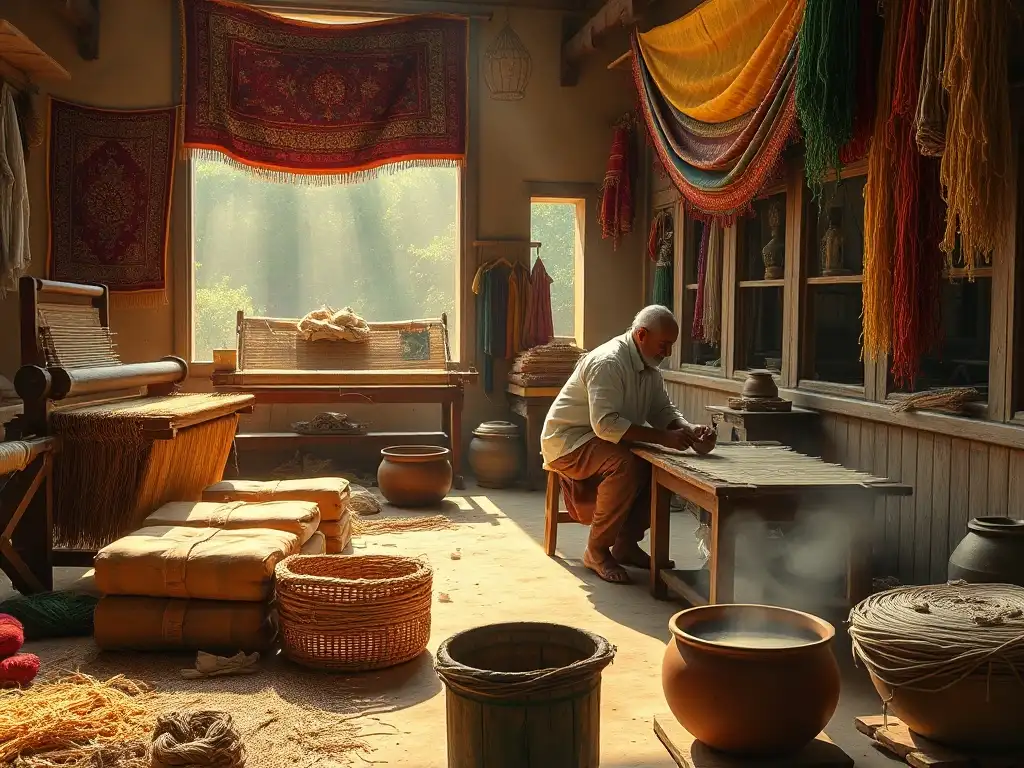
Traditional Weaving Techniques in Ancient India
The weaving of textiles in ancient India was a sophisticated craft that combined artistry with practicality. Various traditional weaving techniques emerged over centuries, influenced by regional resources, cultural practices, and trade relationships. Among these, the following techniques stand out:
- Plain Weave: This is the most fundamental weaving method where the warp and weft threads are interlaced in a simple over-under pattern. It was widely used in textiles like cotton and silk, forming the basis for many other complex patterns.
- Twill Weave: Characterized by a diagonal ribbing effect, twill weaving allowed for more intricate designs and a heavier fabric. This technique was common in the production of robust textiles used for garments and home furnishings.
- Jacquard Weave: This advanced technique enabled weavers to create intricate patterns and images within the fabric. Although the Jacquard loom was developed much later, the concept of creating complex designs through controlled weaving can be traced back to ancient Indian practices, particularly in regions like Banaras.
- Kalamkari: This technique involves hand-painting or block-printing on fabric using natural dyes. It has roots in ancient Indian storytelling, often depicting mythological scenes and motifs. This method not only showcased artistic talent but also played a significant role in the cultural narrative.
- Ikats: Originating from the word "mengikat," meaning to tie, ikat involves dyeing the yarns before weaving. This technique allows for stunning patterns that create a blurred effect, especially popular in textiles from Odisha and Gujarat.
The skillful application of these weaving techniques not only produced beautiful fabrics but also reflected the socio-economic conditions of the time, as different regions specialized in various styles based on their available resources.
Dyeing Methods Utilized in Ancient Indian Textile Production
Dyeing was an integral part of ancient Indian textiles history, with methods rooted in the natural environment and cultural practices. The use of natural dyes sourced from plants, minerals, and insects created a vibrant palette that defined ancient Indian textiles. Key dyeing methods include:
- Vegetable Dyes: Derived from plants such as indigo (for blue), turmeric (for yellow), and madder (for red), these dyes were the most common in ancient India. The process involved extracting color from plant materials, which was then fixed onto the fabric using mordants like alum or iron.
- Animal Dyes: In addition to plant-based dyes, certain colors were obtained from animal sources. For example, the kermes insect produced a deep red dye that was highly prized. These dyes were often used for royal textiles, underscoring their importance in status and trade.
- Mineral Dyes: Ancient dyers also utilized minerals to achieve specific colors. For instance, ochre was used for earthy tones, while lead-based dyes offered brighter hues. The knowledge of using these materials was passed down through generations, showcasing the expertise of ancient artisans.
- Tie-Dyeing (Bandhani): This technique involves tying sections of fabric before dyeing to create intricate patterns. Bandhani is particularly significant in regions like Rajasthan and Gujarat, where it is celebrated for its colorful designs and cultural significance.
- Block Printing: Utilizing carved wooden blocks, artisans would stamp designs onto fabric. This method not only allowed for repetitive patterns but also combined dyeing and printing techniques to create unique textiles that catered to various tastes.
The mastery of these dyeing methods contributed to the rich visual language of ancient Indian textiles, enhancing their cultural value and ensuring their place in trade networks across Asia and beyond. The interplay of weaving and dyeing techniques laid the foundation for the diverse textile traditions that continue to flourish in India today.
The Influence of Geography on Textile Production
Impact of Indian Geography on Fiber Availability
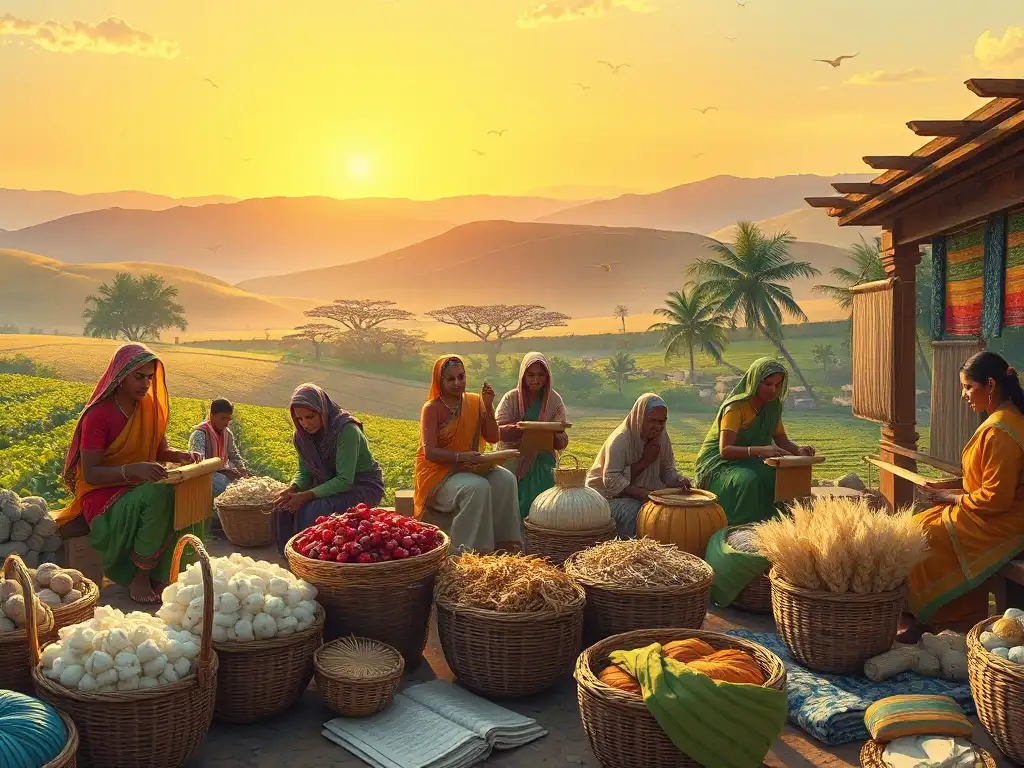
The geography of India has played a crucial role in shaping the history of ancient Indian textiles through the availability of diverse natural fibers. The subcontinent's varied climate, topography, and ecosystems have enabled the cultivation of numerous plant and animal sources for textiles.
- Cotton: One of the most significant contributions of ancient Indian textiles history is the cultivation of cotton. The warm and humid climate of the Indus Valley, particularly in regions like Gujarat and Sindh, provided ideal conditions for cotton growth. Archaeological excavations at sites like Mohenjo-Daro reveal evidence of cotton fabric dating back to 3000 BCE. The use of cotton not only revolutionized textile production in ancient India but also laid the foundation for its export to other civilizations.
- Silk: The eastern regions of India, including Assam and Bengal, became renowned for their silk production, particularly the indigenous Muga and Eri silk. These silks thrived in the humid climate and rich soil of the Brahmaputra Valley. Historical texts mention the significance of silk in ancient Indian society, where it was often associated with royalty and used in ceremonial garments.
- Wool: In the colder regions of India, such as the Himalayas and parts of Rajasthan, sheep farming flourished. The availability of wool from indigenous breeds allowed for the production of warm textiles. Traditional practices like weaving with wool have been preserved over centuries, showcasing the adaptability of ancient Indian textile crafts.
- Linen and Hemp: The cooler and drier climates, particularly in northern India, supported the cultivation of flax for linen and hemp. These fibers were valued for their durability and breathability, making them suitable for various garments. Ancient texts often reference linen as a fabric of choice for both everyday wear and special occasions.
The diverse geography of India not only facilitated the growth of these fibers but also contributed to the rich tapestry of ancient Indian textiles, reflecting the cultural and regional identities of its people.
Trade Routes and Their Role in Textile History
The establishment of trade routes significantly influenced the ancient Indian textiles history by facilitating the exchange of materials, techniques, and finished products. These routes connected India to various regions, allowing for the diffusion of textile practices and the global reach of Indian textiles.
- Silk Road: The famous Silk Road was a pivotal trade network linking India to Central Asia, the Middle East, and beyond. Indian silk, known for its exquisite quality, was highly sought after in foreign markets. The trade of textiles along this route not only enriched the Indian economy but also led to cultural exchanges that influenced textile designs and motifs.
- Maritime Trade Routes: Ancient Indian ports along the western and eastern coasts became hubs for maritime trade. The ports of Lothal and Arikamedu were instrumental in exporting textiles to regions like Africa, the Roman Empire, and Southeast Asia. The introduction of Indian cotton and silk to these markets helped establish India as a prominent player in the global textile trade.
- Cultural Exchange: The movement of traders along these routes facilitated more than just the exchange of goods; it also led to the sharing of weaving techniques and dyeing practices. For instance, the influence of Persian and Arab designs can be seen in certain Indian textile patterns, illustrating how interaction with other cultures enriched local textile traditions.
- Economic Impact: The thriving textile trade bolstered the economy of ancient India, leading to the growth of cities and the rise of merchant classes. Textiles became a significant part of the Indian economy, contributing to the wealth of various dynasties throughout history.
The interplay between geography and trade routes shaped the ancient Indian textiles history, making it a cornerstone of the subcontinent's cultural heritage. The diverse fibers sourced from different regions, coupled with the vibrant trade practices, laid the foundation for the rich textile traditions that continue to inspire artisans and designers today.
Case Studies of Prominent Ancient Indian Textiles
The Indus Valley Civilization: Early Textile Practices
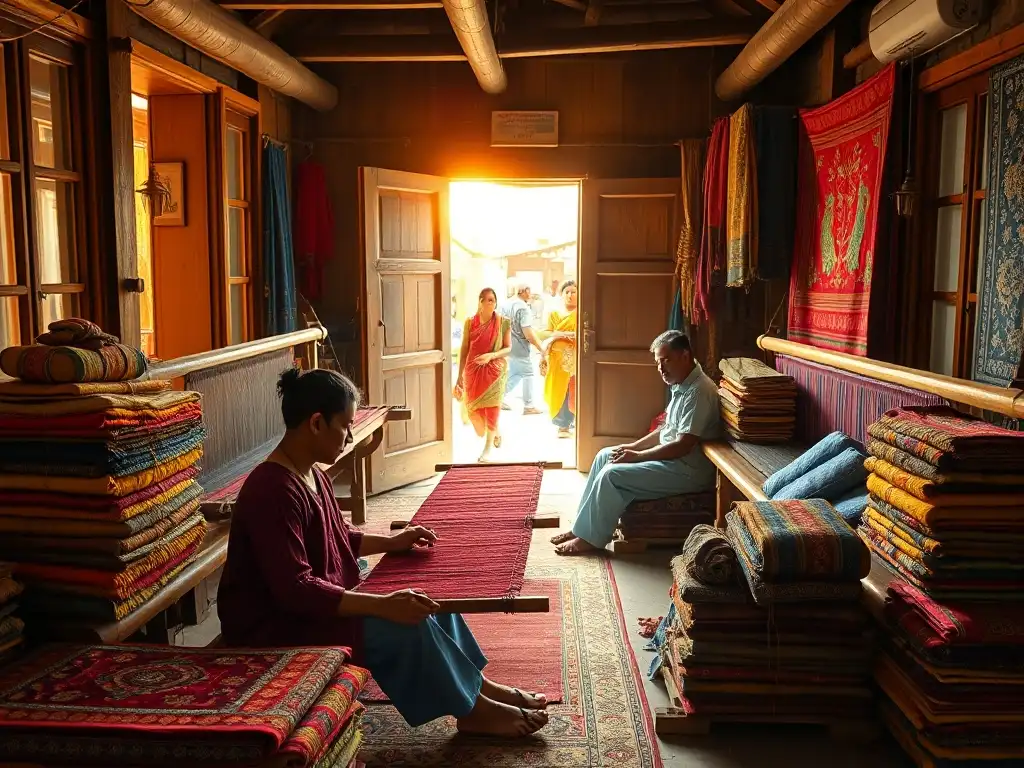
The Indus Valley Civilization (c. 3300–1300 BCE) is often regarded as one of the earliest urban cultures, renowned not only for its advanced city planning and architecture but also for its revolutionary textile practices. Archaeological excavations at sites such as Mohenjo-Daro and Harappa reveal a rich tapestry of textile production that laid the foundation for ancient Indian textiles history.
Cotton Cultivation and Weaving Techniques
One of the most significant contributions of the Indus Valley Civilization to ancient Indian textiles history is the development of cotton cultivation. Evidence suggests that the people of this civilization were among the first to domesticate cotton plants, leading to the production of fine cotton fabrics. The spinning and weaving techniques employed during this era were advanced for their time, utilizing tools such as spindle whorls and simple looms.
- Cotton Fibers: Archaeological finds include cotton fragments and tools used in spinning, indicating a sophisticated understanding of the material.
- Dyeing Practices: The Indus Valley artisans also experimented with natural dyes, using plants and minerals to create vibrant colors, which would later become a hallmark of Indian textiles.
Textile Patterns and Symbolism
Textile artifacts from the Indus Valley showcase intricate patterns and motifs, reflecting both aesthetic sensibilities and cultural symbolism. Designs often featured geometric shapes, floral patterns, and figures, which were likely imbued with meaning and significance within the society. This early emphasis on design set the stage for the future evolution of textile arts in India.
The Maurya and Gupta Empires: Advancements in Textile Artistry
Following the Indus Valley, the Maurya (c. 322–185 BCE) and Gupta Empires (c. 240–550 CE) marked a golden age in ancient Indian textiles history, characterized by significant advancements in craftsmanship, trade, and cultural exchanges.
Innovations in Weaving and Dyeing
During the Maurya and Gupta periods, textile production became increasingly sophisticated, with innovations in weaving techniques that allowed for the creation of more complex patterns and textures. The use of advanced looms enabled artisans to produce high-quality silk and cotton fabrics.
- Silk Production: The introduction of silk weaving, influenced by trade with China, expanded the range of textiles available and enhanced their status in society.
- Natural Dyes: The use of a wider variety of natural dyes, including indigo and madder, allowed for more vibrant and diverse color palettes in textiles.
Role of Textiles in Trade and Culture
Textiles played a crucial role in the economy and culture of the Maurya and Gupta Empires. The Silk Route established extensive trade connections, allowing Indian textiles to reach distant lands, thereby influencing global textile traditions.
- Cultural Exchange: As textiles traveled along trade routes, they facilitated cultural exchanges that enriched artistic expressions and techniques.
- Symbol of Status: Fine textiles became a symbol of wealth and status in society, with elaborate garments worn by royalty and the elite, showcasing the artistry and labor involved in their creation.
The advancements made during these periods not only shaped the textile industry in ancient India but also laid the groundwork for the continued evolution of textile arts in the centuries to come.
Conclusion: The Legacy of Natural Fibers in Ancient Indian Textiles
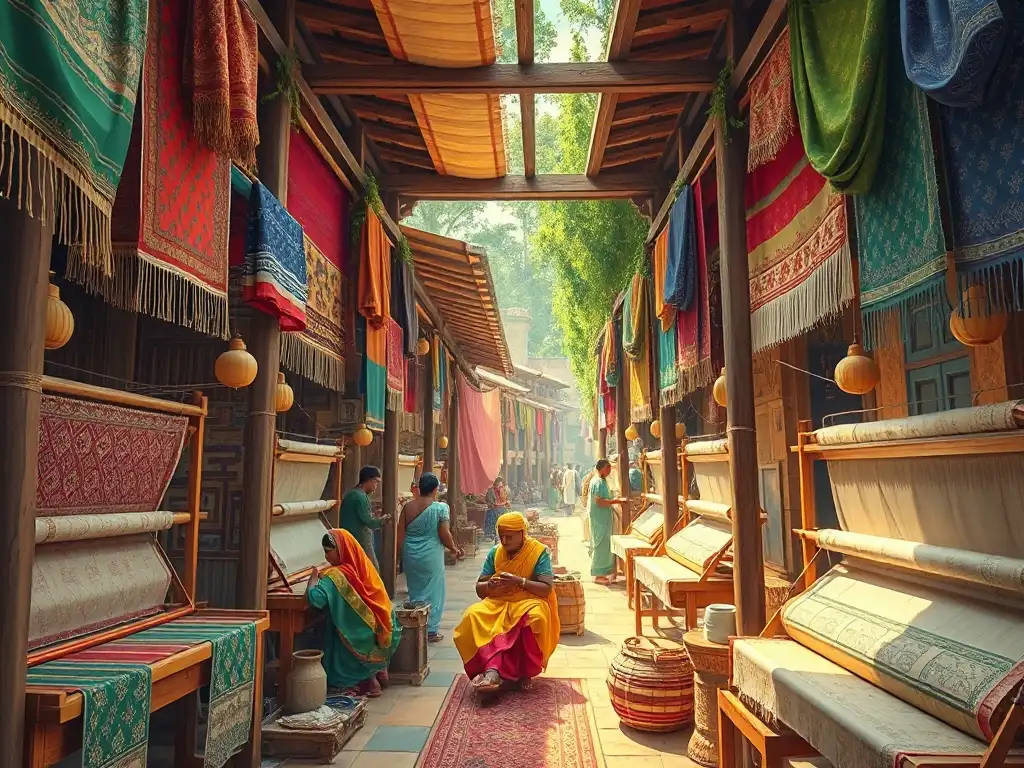
The legacy of natural fibers in ancient Indian textiles is a testament to the ingenuity and craftsmanship of India's early civilizations. From the robust cotton of the Indus Valley to the luxurious silk of the Mauryan Empire, the use of these fibers not only catered to utilitarian needs but also played a significant role in cultural expression and trade.
Natural fibers such as cotton, silk, jute, and wool were integral to the development of various textile techniques, including weaving, dyeing, and embroidery. The art of dyeing, particularly, saw the use of natural dyes derived from plants, minerals, and insects, which provided vibrant colors that have stood the test of time. These techniques were passed down through generations, leading to a rich tapestry of textile traditions that varied by region and community.
Moreover, ancient Indian textiles were not merely functional items; they served as status symbols and were often intricately designed to reflect the wearer's social standing. The textiles played a crucial role in ceremonial occasions, such as weddings and religious festivals, emphasizing their importance beyond everyday use.
The trade of textiles also fostered connections between ancient India and other civilizations, contributing to cultural exchanges that enriched both local and global textile practices. The Silk Route, for instance, facilitated the spread of Indian textiles to Central Asia and beyond, showcasing the skill and artistry of Indian weavers.
The history of ancient Indian textiles is deeply intertwined with the use of natural fibers, which have left an enduring impact on the textile landscape. These contributions not only shaped the fashion of ancient times but continue to influence contemporary textile practices and sustainable fashion movements.
How Ancient Indian Textiles Influence Modern Fashion
Ancient Indian textiles have left a profound impact on modern fashion, inspiring designers and brands around the world. The techniques, patterns, and materials used in ancient times are being rediscovered and reinterpreted in contemporary clothing lines.
- Sustainable Practices:
- The use of natural fibers like cotton and silk, which are biodegradable and environmentally friendly, has gained renewed attention in today’s fashion industry. The shift towards sustainable fashion aligns with ancient Indian practices, where natural materials were the norm.
- Textile Techniques:
- Weaving methods such as ikat, block printing, and zardozi embroidery have seen a resurgence in popularity. Modern designers incorporate these traditional techniques into their collections, blending ancient artistry with contemporary aesthetics.
- Cultural Fusion:
- Contemporary fashion often celebrates cultural diversity by incorporating elements from ancient Indian textiles. This fusion creates unique garments that honor traditional craftsmanship while appealing to global markets.
- Color Palettes:
- The vibrant colors achieved through natural dyes in ancient textiles influence modern color palettes, promoting the use of rich, earthy tones that resonate with historical significance.
- Fashion Shows and Exhibitions:
- Numerous fashion shows and exhibitions highlight the beauty and craftsmanship of ancient Indian textiles, helping to educate audiences about their historical importance and relevance in today's fashion narrative.
The rich heritage of ancient Indian textiles continues to shape modern fashion, providing a source of inspiration that marries tradition with contemporary style. As consumers become more conscious of sustainability and ethical practices, the influence of ancient techniques and materials is only expected to grow, ensuring that the legacy of ancient Indian textiles remains vibrant and relevant.
Frequently Asked Questions
What are the main natural fibers used in ancient Indian textiles?
Ancient Indian textiles prominently featured cotton, silk, and wool. These natural fibers were valued for their durability and versatility in creating various fabrics.
How did the Indus Valley civilization contribute to textile history?
The Indus Valley civilization is known for its advanced weaving techniques and use of cotton, making it one of the earliest to produce textiles. Their craftsmanship laid the foundation for textile innovation in ancient India.
What was the significance of dyeing in ancient Indian textiles?
Dyeing played a crucial role in ancient Indian textiles, allowing artisans to create vibrant colors and intricate patterns. Natural dyes were derived from plants, minerals, and insects, enhancing the aesthetic value of textiles.
How did the Gupta Empire influence textile production?
The Gupta Empire saw a flourishing of textile arts, with advancements in weaving techniques and the use of luxurious materials like silk. This period marked a significant evolution in the quality and variety of Indian textiles.
What role did trade play in ancient Indian textiles?
Trade routes facilitated the exchange of textiles, ideas, and techniques, connecting ancient India to regions like Persia and Southeast Asia. This interaction enriched the diversity and cultural significance of Indian textiles.
Final Reflection: The Timeless Legacy of Ancient Indian Textiles
The exploration of ancient Indian textiles history reveals a profound connection between culture, craftsmanship, and sustainability. Today, as we face environmental challenges and a growing desire for sustainable practices, the lessons from the past become increasingly relevant. The intricate artistry and ecological wisdom embedded in these textiles serve as a reminder of the importance of preserving our heritage while adapting to modern needs.
The influence of ancient Indian textiles extends far beyond mere fabric; it is a testament to the rich cultural tapestry that shapes our identity. The techniques and materials used in these textiles not only reflect the ingenuity of artisans but also highlight a deep respect for nature. As Mahatma Gandhi once said, “The true measure of any society can be found in how it treats its most vulnerable members.” This sentiment resonates with the sustainable practices of ancient weavers, who prioritized harmony with their environment and community.
As we reflect on the significance of ancient Indian textiles, let us take a moment to consider how we can incorporate these values into our own lives. I invite you to explore the stories woven into the fabrics you encounter, to appreciate the artistry behind them, and to support sustainable practices in your choices. By doing so, we honor the legacy of our ancestors and contribute to a more sustainable future, ensuring that the beauty and wisdom of ancient Indian textiles continue to inspire generations to come.
Unleash the Richness of Ancient Textile Craftsmanship!
Thank you for diving into the fascinating world of natural fibers and their vital role in shaping ancient Indian textiles! Your interest not only uncovers the beauty of these materials but also revives an appreciation for a rich cultural heritage. Now, let's transform that knowledge into action!
- Explore your local fabric store or artisan marketplace to discover natural fibers like cotton, silk, and wool, appreciating their unique textures and qualities.
- Share your newfound insights about ancient textiles with friends or on social media; ignite a discussion about the significance of natural materials in today’s fashion landscape.
- Try your hand at a DIY project using natural fibers! Whether it’s weaving, knitting, or engaging in simple crafts, let your creativity soar.
What aspect of ancient Indian textile history inspires you the most to reconsider your everyday fabric choices?