
Ancient Textiles: The Intersection of Art, Religion, and Daily Life

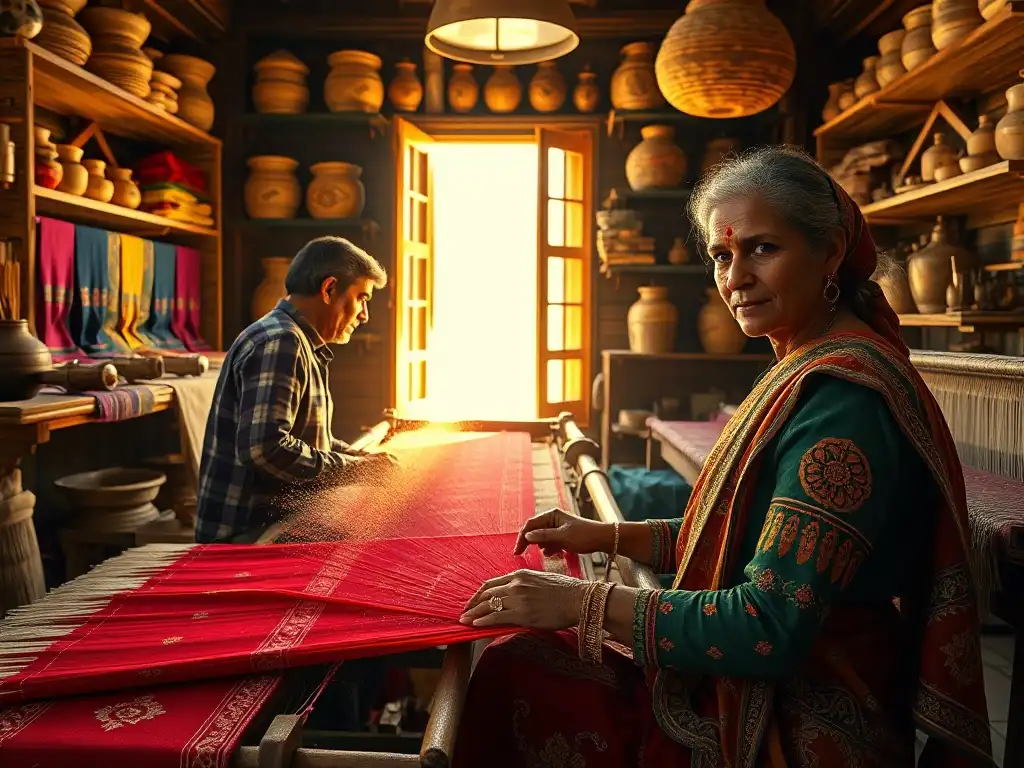
Welcome to Ancient India History, where we embark on a captivating journey through the rich tapestry of ancient civilizations. Today, we delve into the world of Ancient Indian textiles history, exploring how fabric and artistry intertwined with the spiritual and everyday lives of people. From the intricate weaves of the Indus Valley to the opulent textiles of the Gupta Empire, every thread tells a story of culture, innovation, and tradition.
Are you ready to uncover the vibrant patterns and profound meanings behind these historical masterpieces? Join us as we unravel the intersection of art, religion, and daily life in the fascinating realm of ancient textiles!
-
Ancient Indian Textiles History: An Overview of Cultural Significance
- The Evolution of Ancient Indian Textiles
- The Intersection of Art and Ancient Indian Textiles
- Religious Significance of Ancient Textiles in India
- Daily Life and Ancient Textiles: A Reflection of Society
- The Trade and Economy of Ancient Indian Textiles
- The Role of the Silk Route in Textile Exchange
- Major Centers of Textile Production in Ancient India
- Preservation and Legacy of Ancient Indian Textiles
- Contemporary Uses of Traditional Textiles
- How Ancient Techniques Influence Modern Fashion Trends
- Conclusion: The Lasting Impact of Ancient Indian Textiles on Culture and Identity
- Recommended Resources for Further Exploration
- References and Further Reading
-
Frequently Asked Questions
- What are the key features of ancient Indian textiles?
- How did religion influence textile production in ancient India?
- What techniques were commonly used in the weaving of ancient textiles?
- How did trade impact the development of textile arts in ancient India?
- What role did the Gupta Empire play in the history of textiles?
- Final Reflection: The Timeless Weave of Culture and Identity
- Uncover the Rich Tapestry of Ancient Textiles!
Ancient Indian Textiles History: An Overview of Cultural Significance
The history of ancient Indian textiles is a fascinating tapestry woven from the threads of cultural significance, artistic expression, and daily life. Spanning thousands of years, the evolution of textiles in India offers a unique insight into the socio-economic and religious contexts of various civilizations, from the advanced urban centers of the Indus Valley to the opulent courts of the Gupta Empire. Ancient Indian textiles were not merely practical items; they served as vital markers of identity, community, and status, often infused with symbolic meanings that reflected the beliefs and values of the people.
As we delve into the ancient Indian textiles history, we will explore the intricate techniques and materials that contributed to their creation, the artistic expressions inherent in their designs, and the ways these textiles intersected with the fabric of daily life and spirituality. By examining the development of textiles through different periods, we can appreciate how these remarkable creations have left a lasting legacy on modern Indian textile practices and continue to inspire contemporary fashion.
The Evolution of Ancient Indian Textiles
From the Indus Valley Civilization to the Gupta Empire
The journey of ancient Indian textiles is marked by significant milestones, beginning with the Indus Valley Civilization (c. 3300–1300 BCE), where archaeological findings suggest a sophisticated understanding of cotton cultivation and weaving techniques. Evidence from Mohenjo-Daro and Harappa highlights the use of loom-woven fabrics, indicating an advanced textile industry that produced garments for trade and domestic use.
As India transitioned through various dynasties, including the Mauryas and the Guptas, each era brought innovations in textile production. The Gupta period (c. 240–550 CE) is particularly notable for its flourishing trade networks and the introduction of new dyeing techniques, which enhanced the vibrancy and variety of textiles. By this time, textiles had evolved into art forms, with intricate designs and motifs that conveyed cultural narratives.
Key Techniques and Materials in Ancient Textile Production
The production of ancient Indian textiles involved a range of techniques and materials that varied across regions and cultures. Key methods included:
- Spinning and Weaving: The use of spinning wheels (charkha) and handlooms played a crucial role in textile production, allowing artisans to create fine fabrics.
- Dyeing: Natural dyes derived from plants, minerals, and insects were used to achieve vibrant colors. Techniques such as resist dyeing (bandhani) and block printing added depth and complexity to patterns.
- Embellishments: Techniques like embroidery, mirror work, and appliqué enriched textiles, making them not only functional but also visually stunning.
These methods not only demonstrate the technical skills of artisans but also highlight the cultural significance of textiles as expressions of identity and artistry.
The Intersection of Art and Ancient Indian Textiles
Artistic Expressions in Weaving and Dyeing Techniques
Ancient Indian textiles are a canvas for artistic expression, embodying the rich cultural heritage of the nation. Weaving and dyeing techniques were often influenced by religious beliefs and local traditions, which transformed fabrics into storytelling mediums. For instance, the use of specific motifs and colors was often associated with deities and rituals, serving as a form of devotion and cultural identity.
Artisans developed distinct styles based on regional influences, such as:
- Kanchipuram Silk: Known for its vibrant colors and intricate gold zari work, this fabric is often used for religious ceremonies.
- Banarasi Brocade: Renowned for its elaborate patterns and luxurious feel, it reflects the opulence of ancient Indian courts.
Famous Ancient Indian Textile Patterns and Their Meanings
Textile patterns in ancient India were rich in symbolism and often conveyed deeper meanings. Some famous patterns included:
- Madhubani: Originating from Bihar, this style features intricate motifs depicting nature and mythology, often used in ceremonial garments.
- Ikat: A dyeing technique where threads are dyed before weaving, creating unique blurred patterns that are significant in various Indian cultures.
These patterns not only showcase the artistic talents of ancient artisans but also serve as a testament to the intertwined relationship between textiles, art, and spirituality in ancient Indian society.
Religious Significance of Ancient Textiles in India
The interplay between textiles and religion in ancient India is profound and multifaceted. Textiles were not merely functional items but were imbued with spiritual and symbolic meanings. Different fabrics, colors, and weaving techniques were often associated with specific deities, rituals, and ceremonies, reflecting the intricate relationship between art, faith, and daily life.
In Hinduism, textiles played a crucial role in religious practices. From the sacred threads worn during rites of passage to the intricate garments draping idols in temples, textiles were an integral part of worship. The use of specific colors in fabrics, such as saffron for purity or white for mourning, further emphasizes the cultural significance of textiles in conveying religious sentiments.
Buddhism and Jainism also incorporated textiles into their practices, with monks often wearing simple robes that symbolized renunciation and humility. The production of textiles was seen as a craft that could support spiritual practices, fostering a sense of community and shared purpose among artisans and practitioners.
Textiles in Hindu Rituals and Ceremonies
In Hindu rituals, textiles serve as offerings and symbols of devotion. The elaborate saris and dhotis worn by priests during ceremonies reflect the richness of textile art in conveying religious importance. The use of specific fabrics, such as silk or cotton, is often dictated by the nature of the ritual; for instance, silk is favored in auspicious ceremonies due to its association with wealth and purity.
Moreover, the concept of puja (worship) often involves dressing deities in intricately woven garments, adorned with embroidery and decorative elements. These textiles not only enhance the aesthetic appeal but also symbolize the devotion of the worshippers. The colors and patterns of the textiles used in these rituals often carry specific meanings, such as red for fertility and prosperity, reinforcing their significance in Hindu culture.
The Role of Textiles in Buddhist and Jain Traditions
In Buddhist traditions, textiles embody the principles of simplicity and mindfulness. Monks traditionally wear plain robes, known as kasaya, which are often dyed using natural materials. The choice of these simple garments reflects the monastic values of humility and detachment from material possessions. Textiles also play a role in Buddhist rituals, where offerings of cloth are made to monastic communities and temples, symbolizing respect and support for the spiritual path.
Similarly, in Jainism, textiles are significant in representing the principle of non-violence ( ahimsa). Jains often prefer natural fabrics and dyes, aligning their textile choices with their ethical beliefs. The use of specific colors, like white, signifies purity and is commonly worn during religious observances, showcasing the intersection of textile choices with spiritual practices.
Daily Life and Ancient Textiles: A Reflection of Society
Textiles in ancient India were not only vital for clothing but also served as a mirror reflecting the social structure and cultural norms of the time. The diversity of textiles produced across regions and communities illustrates the rich tapestry of daily life, highlighting the interconnections between art, economy, and social identity.
How Textiles Shaped Social Status and Identity
The variety of textiles available in ancient India often denoted social status and identity. High-quality fabrics, such as silk and fine cotton, were predominantly worn by the elite and wealthy classes, while simpler materials were reserved for the lower strata of society. This differentiation in textiles served as a visible marker of class and privilege, influencing how individuals were perceived within their communities.
Specific patterns and motifs also indicated regional identities and affiliations. For example, textiles from Gujarat were renowned for their intricate embroidery, while those from Bengal were celebrated for their fine muslin. Such distinctions contributed not only to personal identity but also fostered regional pride and cultural heritage among different communities.
Clothing Styles of Different Classes in Ancient India
The clothing styles in ancient India varied significantly across different classes and regions, reflecting the socio-economic landscape of the time. The elite classes often wore elaborate garments made from luxurious fabrics, adorned with intricate patterns and embellishments. For instance, the use of gold thread in weaving was common among the nobility, symbolizing wealth and power.
In contrast, the working class typically wore simpler, more practical clothing suited to their daily labor. Fabrics were often handwoven, using local materials that were readily available. These clothing styles not only catered to the functional needs of the wearer but also represented their social standing and role within society.
Overall, the rich history of ancient Indian textiles is a testament to the intricate relationships between art, religion, and the social fabric of the time, each thread telling a story of its own.
The Trade and Economy of Ancient Indian Textiles
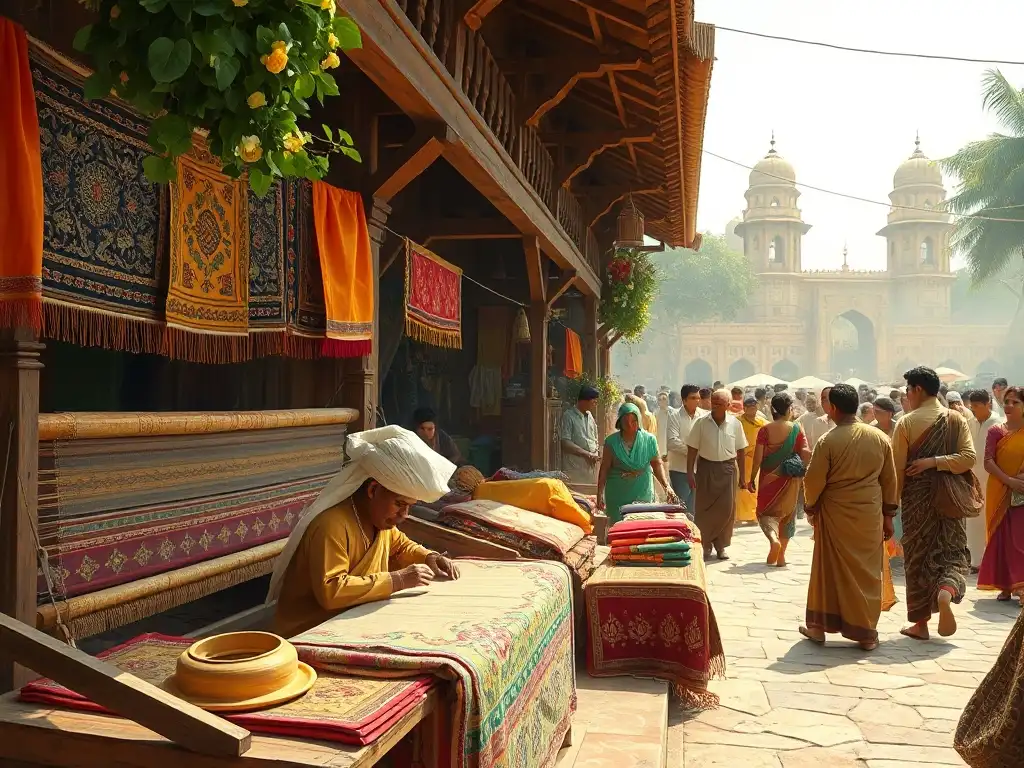
The trade and economy surrounding ancient Indian textiles were pivotal in shaping the cultural and commercial landscape of the region. Textiles were not merely functional items; they were integral to the economy, influencing trade routes, social structures, and international relations. Ancient India was renowned for its rich weaving traditions, producing a diverse array of fabrics such as cotton, silk, and wool, each with unique qualities and uses.
The textile industry played a vital role in trade, with ancient Indian textiles being highly sought after not just domestically but also in international markets. The reputation of Indian fabrics, particularly fine muslins and richly dyed silks, reached far beyond the subcontinent, with traders exporting them to regions including the Middle East, Southeast Asia, and even Europe. The economic impact of this trade was significant, contributing to the wealth of Indian kingdoms and facilitating cultural exchanges that enriched both the local and global tapestry.
The Role of the Silk Route in Textile Exchange
The Silk Route was crucial in the exchange of textiles between East and West, acting as a conduit for cultural and commercial interactions. This ancient trade network connected India with Central Asia, the Middle East, and parts of Europe, enabling the movement of not only goods but also ideas, technologies, and artistic influences. Indian textiles, particularly silk, played a prominent role in this exchange, garnering admiration for their intricate designs and quality.
Silk, produced primarily in regions like Kanchipuram and Varanasi, was traded extensively along the Silk Route. The demand for Indian silk was so high that it influenced the trading practices of various cultures, leading to innovations in trade and textile production. Moreover, the interactions along this route facilitated the introduction of Indian motifs and weaving techniques into other cultures, establishing a legacy that would influence textile production globally.
Major Centers of Textile Production in Ancient India
Ancient India was home to several key centers of textile production, each known for its distinct styles and techniques.
- Varanasi: Renowned for its luxurious silk saris, Varanasi's weavers have been creating intricate patterns and rich colors for centuries. The city is a hub for traditional weaving techniques, particularly the art of brocade.
- Kanchipuram: Famous for its handwoven silk sarees, Kanchipuram is known for vibrant colors and elaborate designs that often include temple motifs. The town’s weavers maintain age-old practices that have been passed down through generations.
- Ahmedabad: This city is the heart of the cotton textile industry in India. The use of block printing and tie-dye (bandhani) originated here, showcasing the intricate craftsmanship of its artisans.
- Sambalpuri: Located in Odisha, Sambalpuri textiles are known for their unique ikat patterns and vibrant colors. The weaving community here utilizes traditional techniques that reflect local culture and heritage.
Each of these centers contributed significantly to the rich tapestry of ancient Indian textiles, influencing both local customs and international markets.
Preservation and Legacy of Ancient Indian Textiles
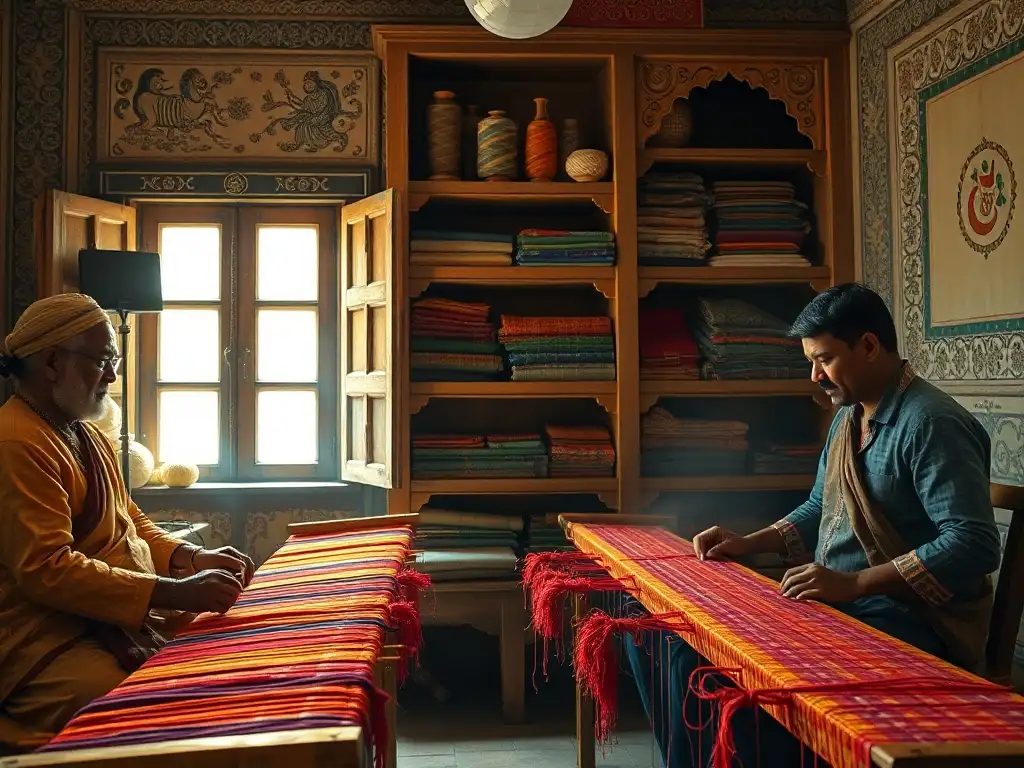
The preservation of ancient Indian textiles has been crucial in maintaining the cultural heritage and artistry of the region. Various organizations and artisans continue to work towards keeping these traditions alive, ensuring that ancient techniques are passed down to future generations. Museums and cultural institutions also play a role in preserving historical textiles, showcasing them as artifacts that tell stories of India’s rich past.
Efforts to document and restore ancient textiles have increased, with initiatives aimed at educating the public about the significance of these crafts. This preservation is not just about maintaining old practices; it also involves adapting them to modern contexts, ensuring that traditional textiles remain relevant in contemporary society.
Contemporary Uses of Traditional Textiles
Today, traditional Indian textiles find diverse applications beyond their historical uses. They are celebrated in modern fashion, home décor, and art, with designers incorporating ancient techniques into contemporary designs. Fashion designers often draw inspiration from traditional motifs, weaving styles, and color palettes, creating a fusion between the old and the new.
In addition to fashion, traditional textiles are increasingly used in sustainable practices, with an emphasis on eco-friendly materials and ethical production processes. Many artisans and designers are focusing on reviving age-old techniques to create products that resonate with modern consumers who value sustainability and authenticity.
How Ancient Techniques Influence Modern Fashion Trends
Ancient Indian textile techniques continue to influence modern fashion trends in several ways. Techniques such as block printing, ikat weaving, and embroidery are being reinterpreted in contemporary collections, blending traditional artistry with modern aesthetics. Designers are now showcasing these techniques on global platforms, emphasizing the uniqueness of Indian craftsmanship.
Moreover, the resurgence of interest in sustainable fashion has led to a revival of ancient textile techniques, as consumers increasingly seek eco-friendly alternatives to mass-produced clothing. The principles of slow fashion align closely with the meticulous process of traditional textile production, highlighting the value of artisanal craftsmanship. As a result, ancient techniques not only preserve cultural heritage but also shape the future of fashion, inspiring a new generation of designers and consumers alike.
Conclusion: The Lasting Impact of Ancient Indian Textiles on Culture and Identity
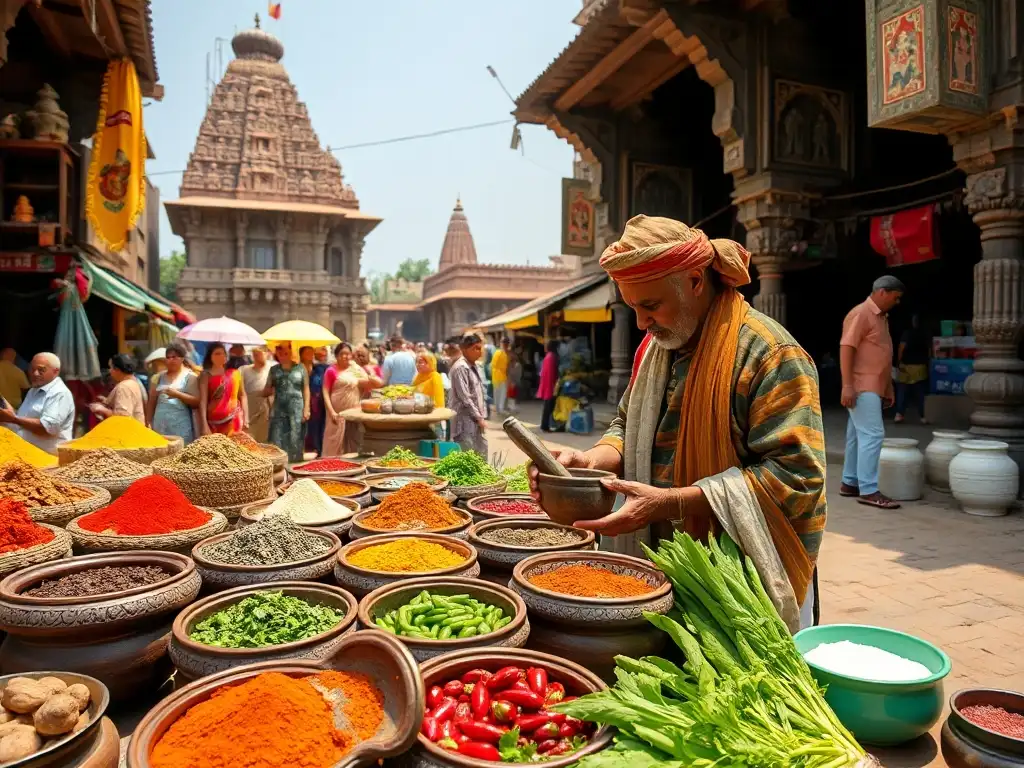
The history of ancient Indian textiles is a testament to the intricate interplay between art, religion, and daily life. Textiles were not merely functional items; they served as a canvas reflecting the rich tapestry of cultural narratives, spiritual beliefs, and social practices prevalent in ancient Indian society. The vibrant colors, unique patterns, and diverse weaving techniques found in ancient textiles are emblematic of regional identities and have helped shape the cultural landscape of India through the centuries.
Moreover, these textiles played a significant role in trade, facilitating cultural exchanges along trade routes that connected India to distant lands. The global demand for Indian fabrics, such as muslin and silk, not only enriched the local economies but also fostered a sense of pride in craftsmanship among artisans. Today, the legacy of ancient Indian textiles continues to influence contemporary fashion and design, showcasing how historical artistry can remain relevant and cherished in modern times.
Summary of Key Points in Ancient Indian Textiles History
- Cultural Significance: Ancient Indian textiles reflect the diverse cultural heritage of the subcontinent, revealing insights into social structures, religious practices, and regional identities.
- Artistic Techniques: The use of various weaving techniques, dyeing methods, and embroidery styles showcases the skill and creativity of ancient artisans, which have been passed down through generations.
- Trade and Economy: Textiles were a major commodity in trade, connecting India with other civilizations and contributing to the economic prosperity of ancient societies.
- Symbolism and Ritual: Textiles often held symbolic meanings and were used in religious ceremonies, signifying status, purity, and devotion.
- Preservation and Revival: Understanding ancient textiles is crucial for preserving traditional crafts and promoting sustainable practices in modern textile production.
Future Directions for Research and Preservation of Traditional Textiles
Future research should focus on uncovering the lesser-known techniques and materials used in ancient Indian textiles. This includes studying archaeological finds, historical texts, and oral traditions to gain a comprehensive understanding of their evolution.
Moreover, there is a pressing need to document and preserve traditional weaving techniques that are at risk of being lost due to modernization and industrialization. Collaborations with local artisans and communities can foster a revival of traditional practices, ensuring their survival for future generations.
Additionally, leveraging technology, such as digital archives and virtual exhibitions, can enhance accessibility to ancient textile knowledge, making it more widely available for education and appreciation. Engaging younger generations through workshops and educational programs can also cultivate interest in traditional textiles, fostering a sense of cultural pride and identity.
Recommended Resources for Further Exploration
For those interested in delving deeper into the fascinating world of ancient Indian textiles, the following resources provide valuable insights and knowledge.
Books on Ancient Indian Textiles and Their History
- "Textiles and Apparel in the Global Economy" by John M. McCarthy: This book explores the historical context and evolution of textiles, including a section dedicated to ancient Indian contributions.
- "The Fabric of India" by Rosemary Crill: A comprehensive examination of Indian textiles, showcasing their history, artistry, and cultural significance from ancient times to the present.
- "Woven History: Textiles of India": by K. M. Suresh: This book focuses on the intricate weaving techniques and the cultural narratives embedded in ancient Indian textiles.
Online Courses and Workshops on Traditional Weaving Techniques
- Crafting a Future: This online platform offers courses on traditional Indian weaving techniques, allowing participants to learn from skilled artisans.
- The Weaving School: An organization dedicated to teaching various weaving methods, including those rooted in ancient traditions, through webinars and interactive workshops.
- Skillshare Courses on Textile Arts: Various courses available on Skillshare provide insights into traditional Indian textile techniques, enabling learners to explore the artistry behind ancient textiles from home.
References and Further Reading
To gain a deeper understanding of ancient Indian textiles and their historical, cultural, and artistic significance, the following resources are invaluable for researchers, students, and enthusiasts alike. These references encompass a range of academic journals, articles, and notable museums that house significant collections of ancient textiles.
Academic Journals and Articles on Ancient Indian Textiles
-
"The Role of Textiles in Ancient Indian Society"
This scholarly article explores the multifaceted role textiles played in ancient Indian society, from their use in religious rituals to their reflection of social status and identity. The paper examines archaeological findings and historical texts to provide a comprehensive overview.
-
"Fabric of Life: The Historical Context of Indian Textiles"
Published in a leading journal on South Asian studies, this article delves into the evolution of textile production techniques in India, showcasing the technological advancements and their impacts on trade and culture.
-
"Dyeing Traditions in Ancient India: Techniques and Symbolism"
This research highlights the natural dyeing methods used in ancient India and their symbolic meanings. It provides insight into how colors were associated with different deities and rituals.
-
"Stitching History: Embroidery as a Cultural Art Form in Ancient India"
This article discusses the various embroidery styles that originated in ancient India, focusing on their significance in daily life and religious practices, and how they have influenced contemporary textile art.
Notable Museums Featuring Ancient Indian Textiles Collections
-
The National Museum, New Delhi
Home to an extensive collection of textiles, the National Museum showcases artifacts ranging from the Indus Valley Civilization to the Mughal era. Visitors can explore ancient garments, weaving tools, and decorative textiles that highlight India's rich textile heritage.
-
The Victoria and Albert Museum, London
This renowned museum houses a remarkable collection of Indian textiles, including intricate saris, shawls, and carpets. The museum's exhibits provide context to the artistry and significance of these textiles in ancient Indian culture.
-
The Calico Museum of Textiles, Ahmedabad
Known as one of the finest textile museums in the world, the Calico Museum features an impressive assortment of Indian textiles, including ancient fabrics, ceremonial garments, and an extensive collection of tie-dye and block-printed textiles.
-
The Indian Museum, Kolkata
As one of the oldest museums in India, it possesses a rich collection of textiles that span various regions and periods of Indian history. The museum's textile galleries present a diverse array of fabrics, showcasing traditional techniques and artistic expressions.
-
The Textile Museum, Washington D.C.
This museum offers a global perspective on textiles, including a significant collection of ancient Indian textiles. Their exhibits often emphasize the cultural contexts and historical narratives that textiles embody.
By exploring these resources, one can better appreciate the historical significance and cultural context of ancient Indian textiles, enriching the understanding of their role in shaping Indian society and identity.
Frequently Asked Questions
What are the key features of ancient Indian textiles?
Ancient Indian textiles are characterized by their intricate designs, vibrant colors, and the use of natural fibers like cotton and silk, reflecting the cultural diversity of India.
How did religion influence textile production in ancient India?
Religion played a significant role, as textiles were often used in rituals and ceremonies. Fabrics were sometimes adorned with spiritual motifs, connecting daily life to the divine.
What techniques were commonly used in the weaving of ancient textiles?
Common techniques included hand weaving, block printing, and embroidery. These methods showcased the artistry and skill of artisans, often passed down through generations.
How did trade impact the development of textile arts in ancient India?
Trade routes facilitated the exchange of ideas and materials, contributing to the evolution of textile arts. This led to the incorporation of foreign styles and techniques, enriching the local textile heritage.
What role did the Gupta Empire play in the history of textiles?
The Gupta Empire is known for its patronage of arts, including textiles. During this period, there was a flourishing of craftsmanship and a rise in the demand for luxurious fabrics, marking a golden age in textile history.
Final Reflection: The Timeless Weave of Culture and Identity
The intricate tapestry of ancient Indian textiles serves as a profound reminder of how art, religion, and daily life are interwoven in our shared human experience. Today, as we navigate a world increasingly defined by globalization and rapid change, the significance of these textiles transcends mere aesthetics; they embody the stories, beliefs, and identities of cultures that have shaped our history. The enduring legacy of ancient Indian textiles invites us to reflect on our own cultural narratives and the ways in which they continue to influence our lives.
The impact of ancient textiles on contemporary society is undeniable, as they inspire artists, designers, and historians alike to explore the rich heritage of craftsmanship and symbolism. The vibrant colors and intricate patterns found in these textiles not only tell stories of devotion and daily life but also challenge us to appreciate the artistry that has been passed down through generations. As noted by textile historian Dr. John Gill, Textiles are not just fabric; they are the fabric of our history, woven with the threads of time and culture.
This ongoing dialogue between the past and present encourages us to honor our roots while embracing innovation.
As we conclude this exploration of ancient Indian textiles, I invite you to reflect on the lessons embedded within their fibers. Consider how the stories of your own culture and identity can be expressed through art and creativity. Whether through fashion, home decor, or personal expression, let the legacy of these textiles inspire you to weave your own narrative, celebrating the beauty of diversity and the power of tradition in shaping our future.
Uncover the Rich Tapestry of Ancient Textiles!
Thank you for taking the time to explore the captivating world of ancient textiles with us! You’ve discovered how art, religion, and daily life intertwined in these beautiful fabrics. Now, let's take your journey further into this fascinating subject.
Here are some actionable steps you can take to deepen your understanding and appreciation of ancient textiles:
- Dive Deeper: Visit a local museum or an online exhibit dedicated to ancient textiles to see these historical pieces up close and learn their stories.
- Share Your Insights: Discuss your newfound knowledge with friends or family, or even express your thoughts in an online community focused on ancient crafts and textiles.
- Get Inspired: Engage in DIY projects that incorporate traditional textile techniques, such as weaving or dyeing, allowing you to create your own piece of history.
What aspect of ancient textiles intrigued you the most? How do you believe these textiles can continue to inspire contemporary art and culture?